


Categories
Women’s Wellness

What to Do Before First Period | Complete Guide for Parents & Girls

What to Do Before First Period: Complete Guide for Parents & Girls

The first period—also known as menarche—is an important milestone in a girl’s life. Knowing what to do before first period helps parents prepare their daughter physically, emotionally, and mentally, preventing fear and confusion.

This doctor-reviewed guide by Dr. Nitasha Gupta, Consultant Gynecologist, explains early puberty signs, first period preparation, hygiene education, and when medical advice is needed.

Quick reassurance: Every girl’s body develops at its own pace. There is no “perfect age” for the first period.

At What Age Do Girls Usually Get Their First Period?

Most girls get their first period between 9 and 14 years. Timing depends on genetics, nutrition, body weight, overall health, and environmental factors.

Early or late periods are often normal, but extremes may require medical evaluation.


Early Signs That First Period Is Coming Soon

  • Breast development (usually 1–2 years before periods)
  • White or pale yellow vaginal discharge
  • Sudden increase in height (growth spurt)
  • Underarm and pubic hair growth
  • Body odor, oily skin, or mild acne
  • Mood swings or emotional sensitivity

These puberty signs indicate that menstruation may begin within months.


What Parents Should Do Before First Period

  • Start conversations early – Explain periods before they happen
  • Normalize menstruation – Avoid fear, secrecy, or shame
  • Teach hygiene basics – Pads, changing frequency, disposal
  • Prepare a school emergency kit – Pad, underwear, wipes
  • Reassure emotional changes – Mood swings are normal

What Girls Should Know Before Their First Period

  • Periods are a normal part of growing up
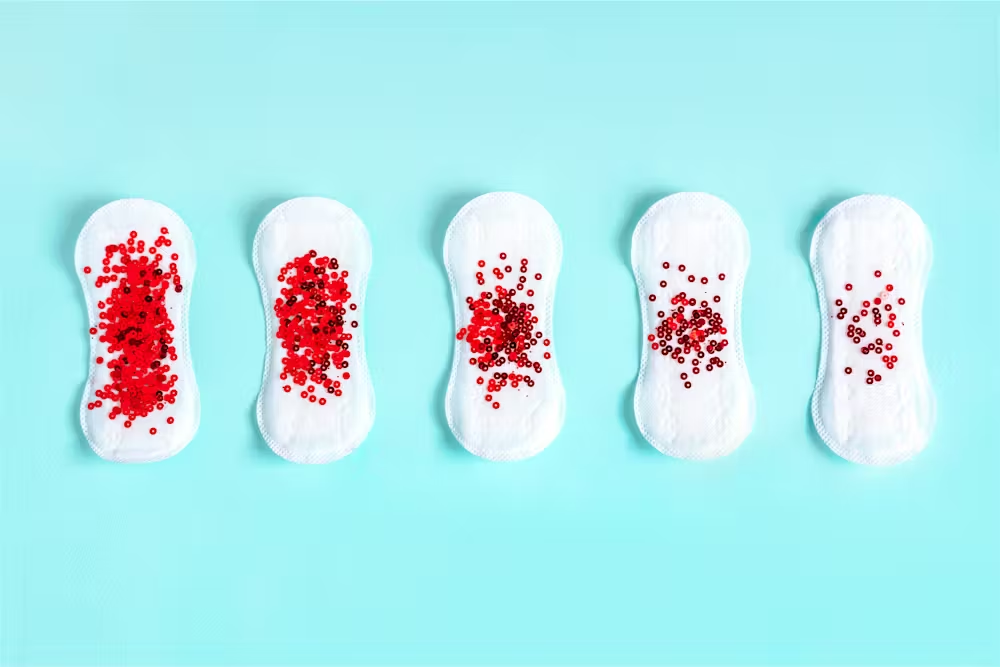
  • Bleeding usually lasts 3–7 days
  • Mild cramps or back pain can occur
  • Bathing, school, and sports are safe
  • Periods do not mean illness or weakness

Common Concerns Parents Ask

Will periods be regular from the start?

No. Irregular cycles are common during the first 1–2 years.

Is heavy bleeding normal in first periods?

Flow can vary, but soaking pads every hour is not normal and needs medical advice.


When Should Parents Consult a Doctor?

  • No period by age 15
  • Periods before age 8
  • Severe pain affecting school life
  • Very heavy or prolonged bleeding

Early medical guidance helps prevent future menstrual and hormonal problems.


Related & Most Searched Guides


Trusted Medical Sources

Need expert guidance?
If you’re concerned about early puberty, delayed periods, or menstrual pain, book a consultation with Dr. Nitasha Gupta for personalized advice.

Frequently Asked Questions

Is it normal to feel scared before first period?

Yes. Fear usually comes from lack of information. Education and reassurance help greatly.

Should girls see a gynecologist before first period?

Not routinely, unless there are signs of early puberty or health concerns.

Can stress delay first periods?

Yes. Emotional stress, illness, or undernutrition can delay menstruation.
Categories
Women’s Wellness

Early Pregnancy Symptoms Checklist (Week 1–6) | Dr Nitasha Gupta

Early Pregnancy Symptoms Checklist: How to Know If You’re Pregnant

Am I pregnant? This is one of the most searched women’s health questions worldwide. An early pregnancy symptoms checklist helps identify the first physical and hormonal changes that may occur after conception.

Some women experience symptoms even before a missed period, while others feel nothing at all. Both are completely normal. This guide is medically reviewed by Dr. Nitasha Gupta, Consultant Gynecologist & IVF Specialist.

Important: Symptoms alone cannot confirm pregnancy. A pregnancy test or medical evaluation is required.

Most Common Early Pregnancy Symptoms

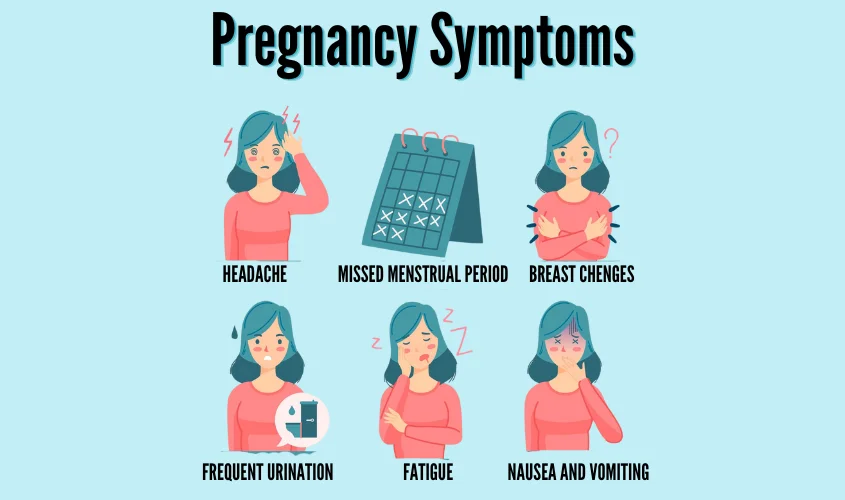
  • Missed period – The most common sign, though stress, PCOS, thyroid issues, or weight changes can also delay periods.
  • Frequent urination – Increased blood volume makes kidneys work harder.
  • Extreme fatigue – Progesterone rise causes unusual tiredness.
  • Morning sickness – Nausea or vomiting that can occur any time of day.
  • Tender or swollen breasts – Hormonal changes affect breast tissue early.

Less Common Signs of Early Pregnancy

  • Implantation bleeding – Light spotting 7–10 days after conception.
  • Food cravings or aversions
  • Metallic taste in mouth
  • Headaches or dizziness
  • Mild cramping (never severe or one-sided)
  • Mood swings
  • Nasal congestion
  • Bloating and gas
  • Acne or skin changes

How Early Do Pregnancy Symptoms Start?

Symptoms may begin as early as 5–7 days after conception, even before a missed period. Timing varies between individuals and pregnancies.


Can You Feel Pregnant Before a Missed Period?

Yes. Many women report fatigue, nausea, or breast tenderness before their period is due. However, these symptoms can mimic PMS.


How to Confirm Pregnancy

  • Home urine pregnancy test (after missed period)
  • Blood test (hCG) – earlier & more accurate
  • Ultrasound confirmation

When Should You Visit a Gynecologist?

  • Positive pregnancy test
  • Heavy bleeding or severe pain
  • History of miscarriage or infertility
  • Conditions like PCOS, diabetes, thyroid disorders, hypertension

Pregnancy & Gynecology Care in Panchkula, Zirakpur, Dhakoli & Chandigarh

Dr. Nitasha Gupta provides evidence-based pregnancy and gynecology care for women in Panchkula, Zirakpur, Dhakoli, Chandigarh and nearby regions, including international patients.

Need expert guidance?
Book a consultation with Dr. Nitasha Gupta for pregnancy care, IVF guidance, and women’s health support.

Related Women’s Health Reads


Trusted Medical Sources


Frequently Asked Questions

Can pregnancy symptoms appear without a missed period?

Yes. Hormonal changes can cause symptoms before periods are delayed.

Are pregnancy symptoms the same for everyone?

No. Each pregnancy is different.

Can PMS feel like pregnancy?

Yes. This is why medical confirmation is essential.

How accurate are home pregnancy tests?

Over 99% accurate when used correctly after a missed period.

Categories
Infertility Insights

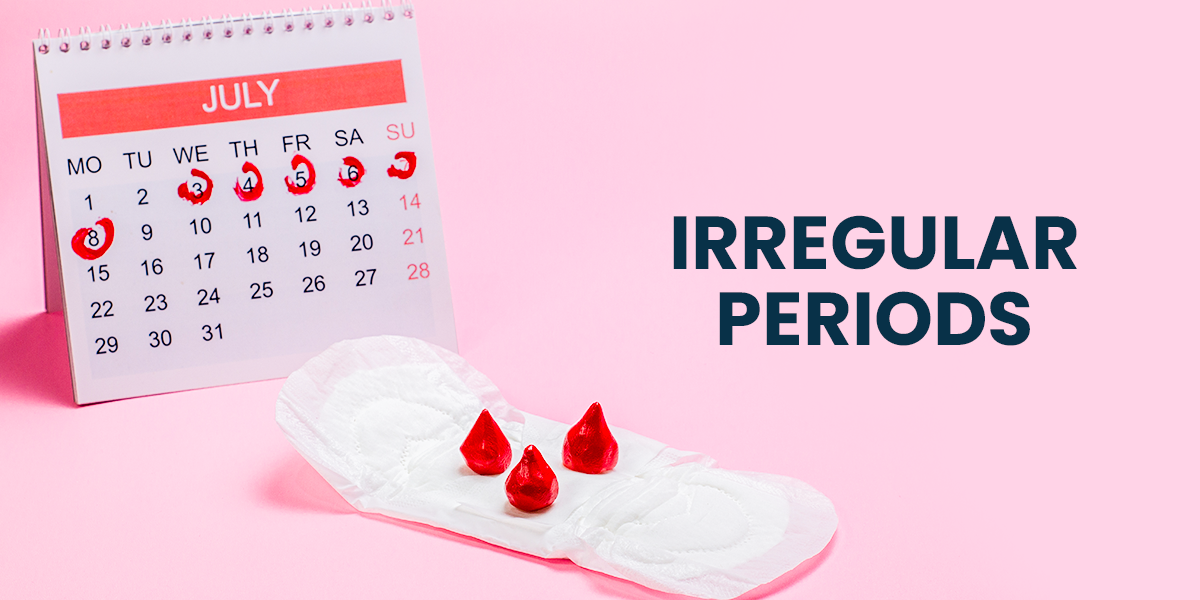
Irregular Periods: When to Worry & When It’s Normal | Dr Nitasha Gupta

Irregular Periods: When to Worry & When It’s Normal | Dr. Nitasha Gupta

Irregular Periods When to Worry and When It's Normal - Dr Nitasha Gupta

Irregular Periods: When to Worry & When It’s Normal

Clinically reviewed by: Dr. Nitasha Gupta – Consultant Gynecologist, IVF & Women’s Health Specialist

Menstrual cycles are a vital sign of a woman’s hormonal and reproductive health. While most women expect periods every 28 days, the truth is that normal menstrual cycles can range from 21 to 35 days. Occasional changes may be harmless — but persistent irregular periods can signal underlying medical conditions that need attention.

This comprehensive guide explains what irregular periods are, why they happen, when to worry, and when to consult a gynecologist, based on clinical experience and evidence-based medicine.

Contents

What Are Irregular Periods?

Irregular periods refer to menstrual cycles that vary significantly in timing, duration, or flow. While minor cycle variation is normal, persistent irregular menstruation may indicate hormonal imbalance, gynecological disorders, or metabolic issues.

Examples of Irregular Periods

  • Periods occurring less than 21 days or more than 35 days apart
  • Missing three or more periods in a row
  • Extremely heavy or very light menstrual bleeding
  • Periods lasting longer than seven days
  • Bleeding or spotting between periods or after intercourse
  • Severe pain, nausea, or vomiting during periods

Medical Conditions Associated With Irregular Periods

  • Amenorrhea: Absence of periods for 90 days or more
  • Oligomenorrhea: Infrequent menstrual cycles
  • Dysmenorrhea: Painful periods with severe cramps
  • Abnormal Uterine Bleeding

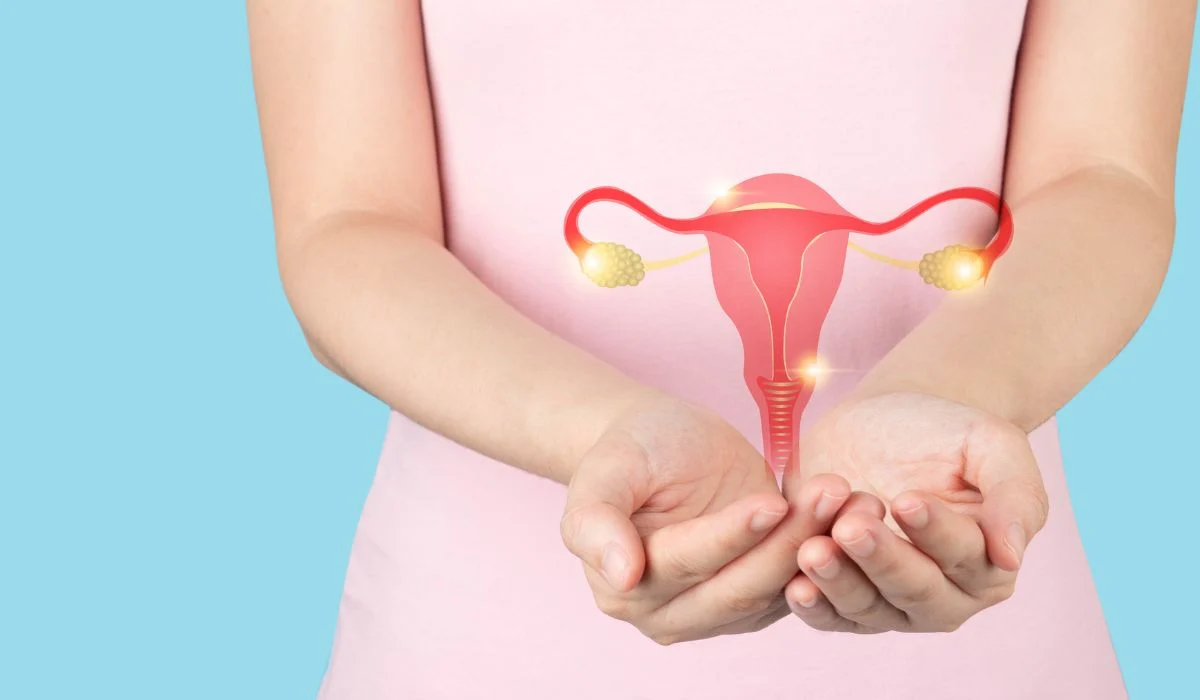
Conditions such as PCOS, endometriosis, thyroid disorders, and premature ovarian insufficiency are common causes of irregular periods.

Symptoms & Causes of Irregular Periods

Medical Causes

  • Polycystic Ovary Syndrome (PCOS)
  • Endometriosis
  • Pelvic Inflammatory Disease (PID)
  • Thyroid or pituitary gland disorders
  • Bleeding or clotting disorders
  • Uterine fibroids or ovarian cysts

Lifestyle & Hormonal Causes

  • Chronic stress
  • Rapid weight gain or weight loss
  • Excessive exercise or low body fat
  • Hormonal contraceptive use
  • Post-pregnancy or breastfeeding changes

Diagnosis and Tests

Diagnosing irregular periods requires a detailed menstrual history, physical examination, and targeted investigations.

  • Pelvic ultrasound
  • Hormonal blood tests
  • Endometrial biopsy
  • Hysteroscopy

Diagnosis and Tests

Diagnosing irregular periods requires a detailed menstrual history, physical examination, and targeted investigations.

  • Pelvic ultrasound
  • Hormonal blood tests
  • Endometrial biopsy
  • Hysteroscopy

Management and Treatment Options

Medical Treatment

  • Hormonal therapy or birth control pills
  • Tranexamic acid for heavy bleeding
  • Pain relievers (NSAIDs)
  • Antibiotics for infections

Surgical Options (If Required)

  • Endometrial ablation
  • Myomectomy
  • Uterine artery embolization
  • Hysterectomy (rare cases)

How to Reduce the Risk of Irregular Periods

  • Maintain a healthy weight
  • Manage stress effectively
  • Avoid extreme dieting or over-exercising
  • Follow contraceptive instructions carefully
  • Schedule regular gynecological check-ups

When Should You See a Gynecologist?

Consult a gynecologist immediately if you experience:

  • Severe pelvic pain
  • Heavy bleeding soaking pads every hour
  • Periods lasting longer than seven days
  • Bleeding after menopause
  • Missed periods for more than three months

Frequently Asked Questions

Is it normal to miss a period for two months?

Occasional missed periods may be due to stress or lifestyle changes, but missing three or more periods requires medical evaluation.

How much delay in periods is normal?

A variation of a few days is normal. Sudden or persistent changes should be checked by a gynecologist.

Can irregular periods affect fertility?

Yes. Irregular ovulation can make conception difficult. Early treatment improves fertility outcomes.

When are irregular periods most common?

They are common during adolescence and perimenopause.

Medical references:
Cleveland Clinic |
ACOG

If you’re experiencing irregular periods and want expert evaluation, book a consultation with
Dr. Nitasha Gupta, trusted gynecologist and fertility specialist.

Categories
Women’s Wellness

How to Choose the Best Lady Gynecologist in Panchkula (2026) | Dr. Nitasha Gupta

How to Choose a Good Lady Gynecologist in Panchkula? (2026 Expert Guide)


Clinically reviewed by Dr. Nitasha Gupta – Gynecologist & IVF Specialist, Kore Fertility Solutions

Choosing the right lady gynecologist is one of the most important healthcare decisions a woman makes. Whether it’s your first period, pregnancy planning, PCOS, infertility, menopause, or preventive screening, the right gynecologist becomes a lifelong health partner.

For women searching for the best lady gynecologist in Panchkula, Zirakpur, Dhakoli, Chandigarh, Mohali, or Dera Bassi, this 2026 expert guide will help you make a confident, informed decision.


Why Choosing the Right Gynecologist Matters

A trusted gynecologist is not just a doctor — she is someone you rely on for physical comfort, emotional safety, and long-term reproductive health.

The best gynecologist in Panchkula helps with:

  • Care from adolescence to menopause
  • Accurate diagnosis of hormonal and menstrual issues
  • Pregnancy and high-risk pregnancy management
  • PCOS, infertility, IVF & IUI guidance
  • Preventive screenings and women’s wellness care

Your choice directly impacts outcomes, comfort, and peace of mind.


Key Factors to Choose the Best Lady Gynecologist in Panchkula

1. Qualifications & Clinical Experience

Always look for a gynecologist with strong academic and clinical credentials such as MBBS, MS (Obs & Gynae), and hands-on experience in:

  • PCOS & hormonal disorders
  • Infertility & IVF/IUI treatment
  • High-risk pregnancy care
  • Laparoscopy & hysteroscopy
  • Menopause & adolescent gynecology

Dr. Nitasha Gupta is a highly experienced gynecologist and IVF specialist offering evidence-based care across Panchkula and Tricity.


2. Patient Reviews & Reputation

When searching for a gynecologist near me, always check:

  • Google Reviews
  • Practo & healthcare platforms
  • Clinic website testimonials

Consistent reviews mentioning clarity, compassion, ethical treatment, and positive outcomes indicate a trusted gynecologist.


3. Comfort, Communication & Privacy

The best lady gynecologist in Panchkula ensures:

  • Non-judgmental listening
  • Clear explanation of diagnosis and treatment
  • Respect for privacy and confidentiality
  • Emotional reassurance during sensitive discussions

Many women prefer a lady doctor for comfort — and this preference is completely valid.


4. Location & Accessibility

Choose a clinic that is easy to reach when searching for a gynecologist in Panchkula near me.

Checklist:

  • Close to home or workplace
  • Parking & transport access
  • Emergency support availability
  • Flexible appointment slots

Dr. Nitasha Gupta serves patients from Panchkula, Zirakpur, Dhakoli, Chandigarh, Mohali, and Dera Bassi.


5. Range of Services Offered

A comprehensive gynecology clinic should offer:

  • Pregnancy & painless delivery care
  • PCOS & infertility management
  • IVF, IUI & ovulation tracking
  • Ultrasound, SIS & hormonal testing
  • Laparoscopy & hysteroscopy
  • Fibroid, cyst & abnormal bleeding care
  • Pap smear & contraception counseling

Kore Fertility Solutions provides integrated women’s health and fertility services under one roof.


6. Technology & Infrastructure

Modern clinics must have:

  • Advanced ultrasound & diagnostic labs
  • Minimally invasive surgical facilities
  • Strict hygiene and privacy protocols
  • Emergency preparedness

7. Transparent Fees & Ethical Care

The best gynecologist in Panchkula always discusses:

  • Consultation charges
  • Treatment options & alternatives
  • Expected outcomes
  • Insurance or cashless support (if applicable)

Transparency builds trust and improves long-term outcomes.


Why Women Trust Dr. Nitasha Gupta

  • Extensive experience in gynecology & IVF
  • Ethical, evidence-based treatment protocols
  • Advanced fertility & women’s health care
  • High patient satisfaction & trust
  • Personalized care at every life stage

FAQs – Choosing the Best Lady Gynecologist

Is it better to consult a lady gynecologist?

Many women feel more comfortable with a lady gynecologist due to better communication and shared understanding, especially for sensitive concerns.

How do I find the best gynecologist near me?

Search online, read patient reviews, check credentials, and ensure the clinic offers comprehensive services.

When should I see a gynecologist?

For periods, pregnancy planning, PCOS, infertility, pain, abnormal bleeding, menopause, or routine check-ups.

Do gynecologists offer IVF and fertility care?

Yes. Specialists like Dr. Nitasha Gupta provide IVF, IUI, and fertility management under expert supervision.

Are online consultations available?

Many clinics now offer teleconsultations for initial guidance.


Conclusion

Choosing the best lady gynecologist in Panchkula is an investment in your lifelong health. Look for expertise, empathy, transparency, and modern care.

If you are searching for a gynecologist near me or a trusted women’s health expert in Tricity, Dr. Nitasha Gupta offers compassionate, advanced, and ethical care tailored to every stage of a woman’s life.

Book your consultation today and take charge of your health with confidence.

Categories
PCOS & Hormonal Disorders

PCOS vs Hormonal Imbalance

PCOS vs Hormonal Imbalance: What’s the Difference in 2026?

Many women search online for PCOS vs hormonal imbalance, assuming both conditions are the same. While they are related, they are medically different and require different treatment approaches.

Dr. Nitasha Gupta, Consultant Gynecologist & IVF Specialist at Kore Fertility Solutions, explains the difference clearly to help women make informed health decisions.

What Is Hormonal Imbalance?

Hormonal imbalance occurs when hormones such as estrogen, progesterone, insulin, thyroid hormones, or cortisol are out of balance.

Common causes include:

  • Chronic stress
  • Poor sleep
  • Weight changes
  • Thyroid disorders
  • Lifestyle factors

What Is PCOS?

Polycystic Ovary Syndrome (PCOS) is a long-term hormonal condition affecting ovarian function and metabolism.

  • Irregular or absent periods
  • High androgen levels
  • Multiple ovarian follicles
  • Insulin resistance

PCOS is one of the most common causes of infertility worldwide.

PCOS vs Hormonal Imbalance: Key Differences

Feature Hormonal Imbalance PCOS
Nature Temporary or chronic Lifelong condition
Ovaries Usually normal Polycystic appearance
Fertility Impact May affect ovulation Commonly affects fertility
Treatment Lifestyle + medication Long-term management

Symptoms That Overlap

  • Irregular periods
  • Acne and hair fall
  • Weight gain
  • Mood changes

This overlap makes professional diagnosis essential.

Impact on Fertility

Both conditions can affect fertility, but PCOS often requires structured fertility treatment such as ovulation induction, IUI, or IVF.

At Kore Fertility Centre, treatment plans are personalised based on medical evaluation.

Expert Insight

“PCOS is not just a period problem — it is a metabolic condition. Early diagnosis significantly improves outcomes.”
Dr. Nitasha Gupta

Frequently Asked Questions (FAQs)

Is PCOS the same as hormonal imbalance?

No. PCOS is a specific hormonal disorder, while hormonal imbalance can be temporary.

Can hormonal imbalance be reversed?

Yes, many hormonal imbalances improve with lifestyle changes and medical care.

Does PCOS always cause infertility?

No. Many women with PCOS conceive naturally or with fertility treatment.

Categories
Women’s Wellness

PERIOD & TEEN HEALTH

Teen Period Health Guide (2026): What’s Normal, What’s Not?

Periods are an important milestone in a girl’s life, yet teen period health remains one of the most misunderstood topics even in 2026. Parents and teenagers often worry about irregular cycles, pain, mood changes, and long gaps between periods.

As a Consultant Gynecologist & IVF Specialist, Dr. Nitasha Gupta helps families understand what is normal during teenage years, what needs medical attention, and how early care protects long-term fertility and hormonal health.

When Do Periods Usually Start in Teenagers?

Most girls get their first period (menarche) between the ages of 9 and 15 years. In the first 1–2 years, cycles can be irregular due to an immature hormonal axis.

Occasional missed periods or cycle variation is common in early teen period health and usually settles with time.

What Is Considered Normal in Teen Periods?

  • Cycle length between 21–45 days
  • Bleeding for 3–7 days
  • Mild to moderate cramps
  • Slight mood changes
  • Occasional irregularity in the first 2 years

What Is NOT Normal? Red Flags Parents Should Know

  • Periods absent for more than 3 months
  • Very heavy bleeding (changing pad every hour)
  • Severe pain affecting school or daily life
  • Periods lasting more than 7–8 days
  • Excess acne or facial hair
  • Rapid weight gain or obesity

These signs may indicate hormonal imbalance in teenagers or early PCOS and should not be ignored.

Common Teen Period Problems Seen in 2026

Gynecologists are seeing a rise in teen menstrual problems due to lifestyle changes. Common concerns include:

  • Irregular periods in teenagers
  • Hormonal imbalance due to stress and poor sleep
  • Early PCOS symptoms
  • Low iron levels (anaemia)
  • Severe menstrual cramps

When Should a Teen See a Gynecologist?

A consultation with a gynecologist for teens is advised if:

  • Periods have not started by age 15
  • Severe cramps persist for months
  • Periods remain irregular beyond 2 years
  • There are signs of PCOS or hormonal imbalance

At Kore Fertility Solutions, teens receive confidential, counselling-first care in a comfortable environment.

How Parents Can Support Teen Period Health

  • Encourage open conversations
  • Promote balanced nutrition and iron-rich foods
  • Ensure adequate sleep and stress management
  • Seek early medical advice when needed

Early care prevents long-term hormonal and fertility problems.

Expert Note

“Most teen period issues are manageable when addressed early. Ignoring symptoms can affect future reproductive health.”
Dr. Nitasha Gupta

Frequently Asked Questions (FAQs)

Are irregular periods normal in teenagers?

Yes, irregular periods are common in the first 1–2 years after menarche. Persistent irregularity needs evaluation.

Can teenagers develop PCOS?

Yes, early signs of PCOS can appear during teenage years and should be evaluated early.

When should parents worry about periods?

If periods are absent, extremely painful, or very heavy, medical consultation is advised.

Categories
PCOS & Hormonal Disorders Women’s Wellness

Why More Women in Their 20s & 30s Are Facing Hormonal Imbalance in 2026

Hormonal imbalance symptoms in women in their 20s and 30s explained by Dr Nitasha Gupta fertility specialist

Why More Women in Their 20s & 30s Are Facing Hormonal Imbalance in 2026

Hormonal imbalance in women has emerged as one of the fastest-growing health concerns in 2026, particularly among women in their 20s and early 30s. Increasingly, women across Zirakpur, Panchkula, Chandigarh, Mohali, Dera Bassi and other parts of India are reporting irregular periods, PCOS symptoms, unexplained weight gain, acne, hair fall, mood changes, and fertility concerns.

According to clinical observations, hormonal imbalance in women is no longer age-restricted. Lifestyle stress, disrupted sleep, insulin resistance, thyroid disorders, and delayed pregnancy planning are now triggering hormonal disturbances much earlier.

In this 2026 expert guide, Dr. Nitasha Gupta, Consultant Gynecologist & IVF Specialist at Kore Fertility Solutions, explains why hormonal imbalance in women is increasing, how it affects fertility, and when medical evaluation becomes essential.

What Is Hormonal Imbalance in Women?

Hormonal imbalance occurs when key reproductive and metabolic hormones such as estrogen, progesterone, insulin, thyroid hormones, and androgens are either produced in excess or deficiency. Even mild imbalance can disrupt the menstrual cycle, ovulation, metabolism, mood, and long-term fertility.

Untreated hormonal imbalance in women can gradually progress into PCOS, infertility, thyroid disorders, diabetes, and pregnancy complications.

Why Hormonal Imbalance Is Rising in Women in Their 20s & 30s

1. Chronic Stress & Cortisol Overload

High stress levels elevate cortisol, which directly interferes with ovulation and progesterone balance, making hormonal imbalance in women increasingly common.

2. PCOS and Insulin Resistance

PCOS is now being diagnosed in women as young as 18–22 years. Insulin resistance strongly contributes to hormonal imbalance, irregular periods, and infertility.

3. Irregular Sleep & Screen Exposure

Poor sleep disrupts melatonin and insulin regulation, worsening hormonal imbalance and menstrual irregularities.

4. Crash Dieting & Nutrient Deficiency

Extreme dieting affects estrogen production and delays ovulation, increasing hormonal imbalance in women.

5. Delayed Pregnancy Planning

While lifestyle timelines have changed, biology has not. Hormonal imbalance becomes more apparent when conception is delayed.

Early Symptoms of Hormonal Imbalance Women Often Ignore

  • Irregular or missed periods
  • Sudden weight gain or difficulty losing weight
  • Adult acne or oily skin
  • Hair fall or facial hair growth
  • Mood swings, anxiety, fatigue
  • Difficulty conceiving

How Hormonal Imbalance Affects Fertility

Hormones control ovulation. When hormonal imbalance persists, ovulation may become irregular or stop completely. This leads to delayed conception and reduced success rates in both natural pregnancy and assisted treatments like IVF.

At Kore Fertility Solutions, early correction of hormonal imbalance has shown significantly improved fertility outcomes.

When Should You Consult a Gynecologist?

You should consult a fertility specialist like Dr. Nitasha Gupta if:

  • Periods remain irregular for more than 3 months
  • You are planning pregnancy with unpredictable cycles
  • PCOS or thyroid symptoms appear early
  • You experience persistent fatigue, mood changes, or weight gain

Trusted Hormonal & Fertility Care in Tricity

Dr. Nitasha Gupta provides ethical, evidence-based hormonal and fertility care for women across Zirakpur, Dhakoli, Panchkula, Chandigarh, Mohali, and Dera Bassi. Her clinical approach focuses on accurate diagnosis, personalised treatment, and long-term reproductive health.

Book a consultation: Schedule an appointment with Dr. Nitasha Gupta

Frequently Asked Questions

Can stress alone cause hormonal imbalance?

Yes. Chronic stress can suppress ovulation and significantly disrupt hormonal balance.

Is hormonal imbalance reversible?

In most cases, hormonal imbalance in women is reversible with early diagnosis and proper medical care.

Does hormonal imbalance always mean PCOS?

No. Thyroid disorders, lifestyle factors, and stress can also cause hormonal imbalance.

When should fertility evaluation begin?

If conception does not occur within 6–12 months or periods are irregular, fertility evaluation is recommended.

For global medical references, see:
World Health Organization (WHO) |
American College of Obstetricians & Gynecologists

Categories
Women’s Wellness

Menopause Symptoms & Treatment

Menopause Symptoms & Treatment

Menopause symptoms affect nearly every woman as she approaches midlife. Understanding menopause symptoms and treatment options helps manage discomfort, prevent complications and maintain overall health. This detailed guide explains menopause symptoms, causes, stages and the most effective menopause treatment options available today.

What is Menopause?

Menopause is the natural end of menstrual cycles and fertility. It is diagnosed after 12 consecutive months without a menstrual period. Menopause usually occurs between 47 and 55 years of age, with 51 being the average. Some women may experience early menopause due to medical conditions or surgery.

Stages of Menopause

  • Perimenopause: The transition phase with hormonal fluctuations, irregular periods and early menopause symptoms
  • Menopause: When menstruation stops completely for 12 months
  • Postmenopause: The years after menopause when long-term health risks increase

Causes of Menopause

  • Natural decline in estrogen and progesterone
  • Oophorectomy (removal of ovaries)
  • Primary ovarian insufficiency
  • Chemotherapy or radiation therapy

Menopause Symptoms

Early Menopause Symptoms

  • Irregular periods
  • Hot flashes and night sweats
  • Sleep disturbances
  • Fatigue and low energy
  • Mood swings and anxiety

Common Menopause Symptoms

  • Hot flashes and excessive sweating
  • Vaginal dryness and discomfort
  • Weight gain, especially around the abdomen
  • Urinary urgency or incontinence
  • Hair thinning and skin changes
  • Memory issues and poor concentration

Health Risks After Menopause

After menopause, reduced estrogen levels increase the risk of osteoporosis, cardiovascular disease and breast cancer. Proper menopause treatment and lifestyle management can significantly reduce these risks.

Diagnosis of Menopause

Menopause is usually diagnosed based on symptoms and menstrual history. Blood tests such as FSH, estrogen and thyroid hormone levels may be advised in selected cases.

Menopause Treatment Options

Menopause treatment focuses on relieving menopause symptoms and preventing long-term complications.

  • Hormone replacement therapy: Most effective treatment for hot flashes and night sweats
  • Vaginal estrogen therapy: Relieves vaginal dryness and urinary symptoms
  • Non-hormonal medicines: Suitable when hormones are contraindicated
  • Bone-strengthening medicines: Prevent osteoporosis and fractures

Lifestyle Changes & Home Remedies for Menopause

  • Avoid hot flash triggers such as caffeine, alcohol and spicy food
  • Exercise regularly and follow a balanced diet
  • Practice pelvic floor (Kegel) exercises
  • Quit smoking
  • Use vaginal lubricants and moisturizers

Important: Any bleeding after menopause is abnormal and should be evaluated immediately.

Best Gynecologist for Menopause Treatment in Panchkula & Chandigarh

Dr. Nitasha Gupta is a trusted gynecologist and IVF specialist offering personalized menopause treatment for women from Panchkula, Chandigarh, Mohali, Zirakpur and Dera Bassi.

Book Menopause Consultation

Click here to book menopause consultation


Categories
Infertility Insights

Early Signs of Infertility in Men & Women | Best Fertility Doctor Panchkula

Early Signs of Infertility in Men & Women

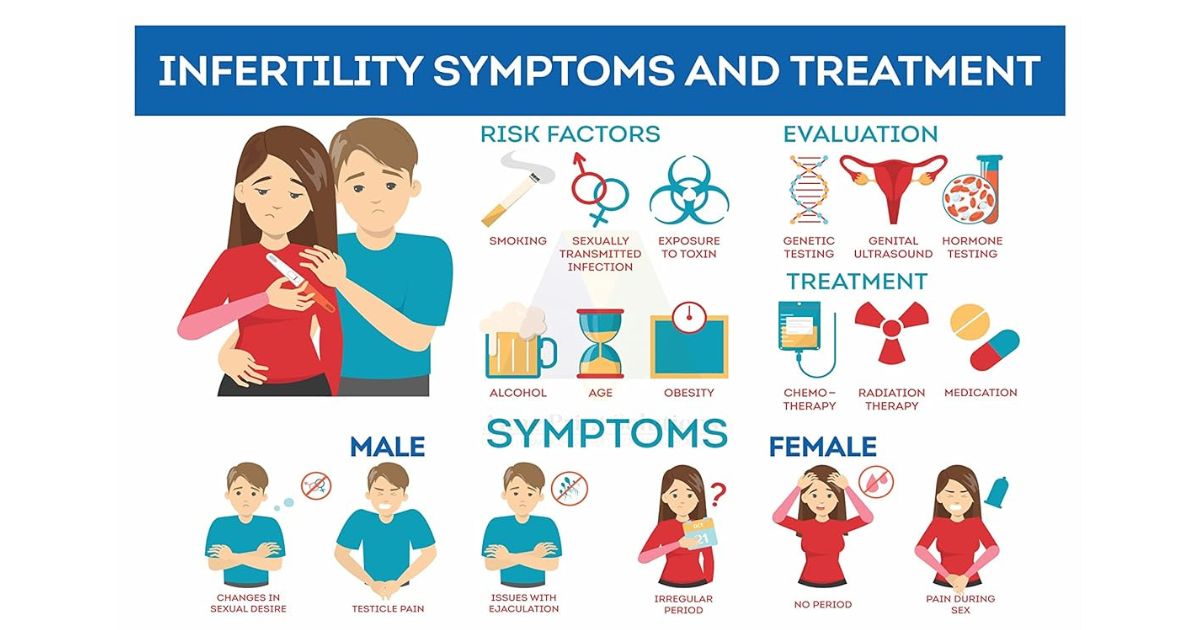
The early signs of infertility go unnoticed by many couples. Nearly 15–18% of Indian couples face difficulty conceiving. Recognizing the early signs of infertility allows timely diagnosis and improves pregnancy success dramatically.

Early Signs of Infertility in Women

  • Irregular or absent menstrual cycles
  • Pelvic pain or painful periods
  • PCOS symptoms
  • Hormonal acne and weight gain
  • Repeated miscarriages

Early Signs of Infertility in Men

  • Low libido or erectile issues
  • Testicular pain or swelling
  • Poor semen parameters
  • Low sperm count or motility

Common Causes of Infertility

Major causes behind early signs of infertility include:

  • PCOS
  • Thyroid disorders
  • Semen quality abnormalities
  • Blocked fallopian tubes
  • Endometriosis

Testing for Infertility

  • Ultrasound pelvic scans
  • Hormone blood testing
  • Semen analysis
  • Tubal patency evaluation
  • Ovarian reserve testing

Best Fertility Doctor in Panchkula & Chandigarh

Dr. Nitasha Gupta is one of the most trusted infertility specialists in Panchkula treating couples from Chandigarh, Mohali, Zirakpur, Dera Bassi and Panchkula.

Google Business Profile

Book Fertility Consultation

Click here to book IVF consultation

FAQs – Early Signs of Infertility

Can infertility be treated?

Yes — over 80% of infertility cases respond successfully to treatment.

When should couples see a fertility specialist?

After 12 months of unsuccessful attempts or earlier if symptoms appear.

Which doctor is best for infertility in Panchkula?

Dr. Nitasha Gupta is a leading IVF and infertility doctor in Panchkula.

Categories
Women’s Wellness

How to Balance Hormones Naturally – Doctor’s Guide | Best Hormone Specialist Panchkula

How to Balance Hormones Naturally – Doctor’s Guide

Learning how to balance hormones naturally is critical for women struggling with fatigue, irregular periods, acne, weight gain, PCOS and infertility. Over 65% of women with reproductive health complaints show hormonal imbalance. Understanding how to balance hormones naturally allows the body to regulate menstrual cycles and significantly improves fertility outcomes.

Common Signs of Hormone Imbalance

  • Irregular or missed menstrual periods
  • Acne flare-ups
  • Unexpected weight gain
  • Hair thinning or hair fall
  • Poor sleep quality
  • Mood swings and anxiety
  • Constant fatigue

Main Causes of Hormonal Imbalance

In women seeking guidance on how to balance hormones naturally, the common medical causes include:

  • PCOS (Polycystic Ovary Syndrome)
  • Thyroid disorders
  • Chronic stress
  • Insulin resistance
  • Improper diet and lifestyle habits

How to Balance Hormones Naturally – Doctor’s Advice

Diet for Hormonal Balance

  • Consume protein-rich whole foods
  • Include healthy fats like seeds and nuts
  • Avoid sugar and refined carbohydrates
  • Drink adequate water daily

Exercise Routine

  • 30 minutes daily physical activity
  • Brisk walking, yoga or resistance training

Stress Management

  • Meditation or pranayama
  • Regular sleep cycle maintenance

When Natural Hormone Balance Is Not Enough

Despite lifestyle care, many women cannot fully balance hormones naturally because of underlying PCOS or thyroid conditions and need medical support.

Best Hormone Specialist in Panchkula & Chandigarh

For advanced evaluation and treatment, consult
Dr. Nitasha Gupta — trusted hormone imbalance specialist & IVF consultant serving women from Panchkula, Chandigarh, Mohali, Zirakpur and Dera Bassi.

Visit our Google Business Profile

Book Hormonal Health Consultation

Click here to book hormone consultation

FAQs – Balance Hormones Naturally

Can hormones really be balanced naturally?

Yes — mild hormonal imbalance can be corrected with proper diet, exercise and stress management.

How long does it take to balance hormones naturally?

Most patients observe improvement within 6–12 weeks of consistent lifestyle changes.

Which doctor treats hormone imbalance in Panchkula?

Dr. Nitasha Gupta is a leading hormone & fertility specialist in Panchkula.

Latest Blog

Know more about fertility and other fertility problems. We have the solution

FAQ Section

Read all the FAQ's and other general questions if you have.

Emergency Case

If you have an emergency call us or drop us an email, We will get back to you asap.

All Rights Reserved - Dr. Nitasha Gupta © 2025