Low sperm count diagnosis and fertility treatment for men in Panchkula & Zirakpur – Kore Fertility Solutions.
Low Sperm Count Treatment in Panchkula & Zirakpur
Low sperm count, medically known as oligospermia, is one of the leading causes of male infertility in Panchkula, Zirakpur, Chandigarh and Tricity. When semen contains fewer than
15 million sperm per millilitre, natural conception becomes harder — but pregnancy is still very possible with
modern fertility treatment.
Under the expert guidance of Dr. Nitasha Gupta – Consultant Gynecologist & IVF Specialist,
Kore Fertility Solutions provides comprehensive diagnosis and personalised fertility care for couples facing
male infertility challenges.
✅ Common Causes of Low Sperm Count
Smoking, alcohol and substance use
Poor nutrition or obesity
Varicocele (enlarged scrotal veins)
Hormonal imbalance
Past infections or fever episodes
Heat or chemical occupational exposure
Chronic stress and sleep deficiency
✅ Diagnosis – Semen Analysis in Zirakpur
The cornerstone investigation is a detailed semen analysis. Our evaluation includes:
Repeat semen testing
Hormonal profile (FSH, LH, Testosterone)
Scrotal ultrasound
Varicocele assessment
Genetic screening if clinically required
✅ Treatment Options
Lifestyle Treatment
Smoking and alcohol cessation
Diet and weight management
Prescription antioxidant therapy
Testicular heat protection
Medical & Surgical Treatment
Hormonal therapy correction
Infection treatment
Varicocele microsurgery
Advanced Fertility Treatments
IUI – for mild oligospermia
IVF – when multiple infertility factors are present
ICSI – single sperm injection for very low sperm counts
✅ 90-Day Natural Sperm Improvement Plan
Stop smoking and alcohol completely
Follow a high-protein Mediterranean diet
Exercise 30 minutes daily
Take Zinc, Vitamin D and CoQ10 supplements (doctor guided)
Sleep 7–8 hours nightly and manage stress
✅ FAQs – Male Infertility in Panchkula & Zirakpur
Can low sperm count be cured?
Yes. Many men improve with appropriate lifestyle changes, medications or surgery.
What treatment is best for severe low sperm count?
ICSI IVF provides the highest pregnancy success rates.
Where can semen analysis be done in Zirakpur?
At Kore Fertility Solutions, Dhakoli near Zirakpur.
How long before improvement occurs?
Typically within 3 months — the natural sperm production cycle.
Male infertility in Panchkula — symptoms, diagnostic tests and modern treatment options at Kore Fertility Centre.
Male Infertility in Panchkula – Symptoms, Tests & Treatment Options
Male infertility in Panchkula is an increasingly searched topic as couples seek timely, evidence-based evaluation and treatment. Understanding the common symptoms of male infertility, the essential diagnostic tests, and the most effective treatment options helps men and couples take the right steps toward conception. If you are searching for a reliable infertility specialist in Panchkula or a dedicated male infertility doctor in Panchkula, this guide explains what to expect and when to seek specialist care.
1. What is Male Infertility?
Male infertility refers to a man’s reduced ability to cause pregnancy in a fertile female partner. It can result from problems with sperm production, sperm function, or delivery. In the Panchkula and surrounding Tricity region, early evaluation at a specialised fertility centre significantly improves outcomes.
2. Common Symptoms & Warning Signs
Difficulty conceiving after 12 months of regular, unprotected intercourse (6 months if female partner is over 35).
Abnormal ejaculations (reduced volume, painful ejaculation, or absence of ejaculation).
Changes in sexual function such as decreased libido or erectile dysfunction.
Visible testicular issues — swelling, lumps, small or soft testes, or history of testicular trauma.
Hormonal symptoms — hair loss, fatigue, or gynecomastia suggestive of endocrine imbalance.
3. Key Diagnostic Tests for Male Infertility
Accurate diagnosis is the first step. Leading male infertility doctors in Panchkula use a stepwise approach:
Semen analysis (volume, count, motility, morphology) — cornerstone of male fertility testing.
Repeat semen tests to confirm results and account for natural variability.
Medical therapy — hormonal treatments for specific endocrine disorders; antibiotics for proven infections.
Varicocele repair — microsurgical correction for clinically significant varicoceles linked to poor semen parameters.
Assisted reproductive technologies (ART) — IUI, IVF, and ICSI. In male factor infertility, ICSI often provides the best success rates.
Surgical sperm retrieval (TESA, PESA, micro-TESE) for men with azoospermia when viable sperm are present in the testes.
Use of donor sperm — an option when own sperm retrieval or quality is not feasible.
5. What Increases Treatment Success?
Success depends on timely diagnosis, the severity of male factor, female partner’s reproductive health, and centre experience. For men in Panchkula, choosing an infertility specialist in Panchkula with a high-quality embryology lab and tailored protocols can improve outcomes.
6. When to See an Infertility Specialist
Failure to conceive after 12 months (6 months if female partner is >35)
Prior low semen analysis or known testicular problems
History of undescended testes, mumps orchitis, genital trauma, or chemotherapy
Concerns about sexual function or hormonal symptoms
Male infertility in Panchkula is a treatable condition when diagnosed early by a qualified male infertility doctor in Panchkula. Accurate semen analysis, appropriate hormonal and imaging tests, and a personalised treatment plan — including lifestyle changes and ART when required — provide the best chance for successful conception. If you are searching for an experienced infertility specialist in Panchkula, contact Kore Fertility Solutions for a comprehensive evaluation and tailored care.
Frequently Asked Questions (FAQs)
Q1. How common is male infertility?
Male factor contributes to roughly 30%–50% of infertility cases overall. Many causes are treatable with appropriate evaluation.
Q2. Can lifestyle changes really improve sperm quality?
Yes. Improving diet, exercise, avoiding heat exposure, quitting smoking, and reducing alcohol can significantly improve semen parameters in many men.
Q3. How long until I see improvement after treatment?
Sperm production cycles take about 74–90 days. For many interventions, measurable improvements are often seen after 3 months, though timelines vary by cause.
Q4. Do I need genetic testing?
Genetic testing is advised when semen analysis shows severe oligospermia or azoospermia, or if there is a relevant family history.
Q5. Will ART cure male infertility?
ART (ICSI/IVF) helps bypass many male factor issues and often enables conception even with poor semen parameters, but addressing underlying health improves long-term outcomes.
Understanding IVF success rates in Panchkula & Zirakpur and the factors that influence outcomes.
IVF Success Rate in Panchkula & Zirakpur – Complete Analysis & Real Factors
Many couples in Panchkula and Zirakpur search for accurate information about IVF success rates and the real factors that influence fertility treatment outcomes.
Understanding these aspects helps patients set realistic expectations and choose the right fertility specialist.
1. Average IVF Success Rate in Panchkula & Zirakpur
While IVF success rates vary based on age, ovarian reserve, and embryo quality, most reputable clinics in Panchkula and Zirakpur report a 40%–60% success rate per cycle for women under 35.
For women above 35, success rates may be lower due to reduced egg quality.
According to ASRM, the success of IVF largely depends on individual medical factors—not just the clinic’s technology.
2. Key Factors That Influence IVF Success
Several medical and biological factors directly affect IVF outcomes:
Age of the woman – fertility naturally declines after 32 and more significantly after 35.
Couples searching for a fertility clinic in Zirakpur or an IVF specialist in Panchkula should always evaluate the clinic’s experience and laboratory standards before starting treatment.
3. Kore Fertility’s Approach for Higher Success Rates
At Kore Fertility Solutions, we follow a personalised and technology-driven approach:
Advanced ultrasound & hormonal mapping
Individualised ovarian stimulation
Blastocyst culture for stronger embryos
ICSI for male-factor infertility
Preimplantation genetic testing (PGT), when required
Laparoscopy and hysteroscopy for uterine optimisation
Our protocols are developed based on ASRM & ESHRE guidelines to improve clinical success.
4. When Should Couples Consider IVF?
Couples should consider IVF if they experience:
Failure to conceive naturally after 12 months (6 months for women above 35)
Severe PCOS or endometriosis
Low sperm count or motility
Blocked fallopian tubes
Recurrent pregnancy loss
If you are searching for an infertility doctor near me or wish to
understand whether IVF is suitable for you, a consultation with a specialist is recommended.
5. IVF Cost vs. Success Rate – What to Expect
The cost of IVF in Panchkula and Zirakpur depends on medications, diagnostic tests, embryo culture techniques, and add-ons such as ICSI or PGT.
A well-planned cycle supported by accurate diagnostics usually improves success rates significantly.
Transparent counselling is essential to avoid unnecessary treatments.
Understanding the IVF success rate in Panchkula & Zirakpur helps couples make informed decisions and choose the most suitable treatment approach. Success depends on age, diagnostic clarity, embryo quality, and the expertise of the fertility team.
Why prenatal care is essential for a healthy pregnancy and safe motherhood.
The Importance of Prenatal Care for a Healthy Pregnancy
Pregnancy is a transformative journey, and understanding the importance of prenatal care for a healthy pregnancy is essential for every mother-to-be.
Regular antenatal check-ups support the well-being of both the mother and the growing baby, helping prevent complications and ensuring safe delivery outcomes.
Regular prenatal visits allow doctors to detect concerns such as high blood pressure, anemia, thyroid disorders, gestational diabetes, or preeclampsia early. The NHS notes that early diagnosis significantly reduces pregnancy complications.
Expecting mothers searching for a gynecologist near me or an IVF specialist in Chandigarh often begin their journey with proper prenatal screening.
2. Fetal Development Monitoring
Antenatal care includes regular ultrasounds, fetal growth scans, and blood tests to ensure the baby is developing normally. These evaluations help detect structural or developmental concerns early and allow timely treatment.
You can also review fetal development milestones at the official March of Dimes – Fetal Development Guide. Parents also get the opportunity to bond with their baby while understanding each stage of fetal development.
3. Nutritional Guidance
A healthy diet is essential for fetal growth and maternal well-being. Prenatal care provides personalized guidance on:
Balanced meals rich in iron, calcium, and folate
Recommended prenatal supplements (as advised by a doctor)
Pregnancy can bring emotional highs and lows.
Prenatal visits offer a safe space to discuss concerns, mental health, postpartum care, breastfeeding, and delivery expectations. Being well-informed boosts confidence and reduces anxiety in new parents. For emotional health support during pregnancy, refer to American Psychological Association – Pregnancy Mental Health.
5. Preparation for Labor and Delivery
Prenatal care includes planning for labor, choosing birthing options, understanding pain-relief methods, and creating a birth plan.
When expectant parents understand their choices, they feel more in control and prepared for delivery. Helpful labour preparation insights: Lamaze International – Childbirth Education.
Prenatal care for a healthy pregnancy lays the foundation for safe motherhood and healthy baby development.
With regular check-ups, proper nutrition, fetal monitoring, and emotional support, expectant parents can enjoy a smoother and safer pregnancy journey.
How a woman’s age influences fertility, egg quality, and chances of conception.
Fertility and Age: How a Woman’s Age Affects Her Chances of Getting Pregnant
Age plays a major role in female fertility. As one of the best gynecologists in Panchkula, Dr. Nitasha Gupta explains that a woman’s age influences egg quality, egg quantity, hormonal balance, and natural chances of conception. Understanding this helps women make confident and informed decisions about family planning.
This guide—trusted by women across Panchkula, Chandigarh, Mohali, and Dera Bassi—combines expert medical insights, evidence-based research from the ASRM and WHO along with real clinical experience from Dr. Nitasha Gupta’s fertility and women’s health clinic.
How Age Affects Female Fertility
Women are born with a fixed number of eggs, and both egg count and egg quality decrease with age. This decline accelerates after 30 and becomes more significant after 35.
1. Egg Quantity Declines with Age
The number of available eggs reduces each year. By age 35–40, women have far fewer eggs than in their 20s, lowering monthly chances of pregnancy.
2. Egg Quality Reduces Over Time
Older eggs have a higher chance of chromosomal abnormalities, which can lead to difficulty conceiving, miscarriages, or genetic conditions.
Women searching for a gynecologist near me, IVF specialist in Chandigarh, or infertility doctor in Mohali are often advised to assess ovarian reserve through AMH tests and follicle count scans.
Fertility in Your 20s: Peak Reproductive Years
Fertility is highest in the 20s. Egg quality is strong, menstrual cycles are regular, and chances of natural conception are significantly higher.
Lifestyle remains important—nutrition, exercise, stress management, and avoiding smoking support long-term reproductive health.
Fertility remains good in the early 30s, but egg quality gradually decreases. By 35, the decline becomes more noticeable, and monthly chances of conception drop.
Women in this age group often seek guidance from an IVF specialist in Panchkula to understand fertility planning.
Pregnancy Chances by Age
Early 30s: ~20% chance per cycle
Age 35: ~12–15% chance per cycle
Age 40: ~5% chance per cycle
Fertility in Your 40s: A Significant Decline
By the 40s, egg count and egg quality drop sharply. Natural pregnancy is still possible, but it often requires more time and medical support. Conditions like fibroids, PCOS, or endometriosis may also have a stronger impact.
Many women in this age group consider fertility treatments such as IVF. However, IVF success rates also decline with age and ovarian reserve.
Egg freezing allows women to preserve high-quality eggs at a younger age for future pregnancy.
2. Healthy Lifestyle Choices
A balanced lifestyle—good nutrition, regular exercise, weight control, and no smoking—supports egg quality and hormonal balance.
3. Fertility Monitoring
Women above 30 benefit from AMH testing and ultrasound assessments to monitor ovarian reserve.
4. Consulting a Fertility Specialist
Women above 35 planning pregnancy later should consult an infertility specialist in Panchkula to assess fertility and explore options like IVF, IUI, or egg preservation.
Conclusion
Understanding how age affects fertility helps women plan their pregnancy journey with clarity. Although fertility naturally declines, early assessments and modern reproductive treatments provide strong outcomes.
Debunking common menstruation myths with medically accurate facts.
Common Myths About Menstruation: Facts Every Woman Should Know
Many common myths about menstruation still create confusion and shame. As one of the best gynecologists in Panchkula, Dr. Nitasha Gupta believes that menstrual health education is essential for every woman. This guide clears misconceptions with facts backed by WHO, CDC, and ACOG.
Myth 1: Menstruation Is Dirty
Menstruation is not dirty or impure. It is a natural biological process that indicates a healthy reproductive system. Menstrual blood is simply a combination of blood and uterine lining tissue — not harmful or unclean.
Myth 2: Women Should Avoid Physical Activities During Menstruation
Exercise during periods is completely safe. In fact, physical activity can reduce cramps, improve mood, and support hormonal balance. Women should follow their comfort level but avoiding exercise is unnecessary.
Myth 3: Menstrual Blood Is Different from Regular Blood
Some assume menstrual blood is impure or toxic. In reality, menstrual blood contains the same components as normal blood, along with uterine tissue. Medical experts confirm it is not fundamentally different or unhealthy.
Myth 4: PMS Is Just a “Mood Swing”
PMS (Pre-Menstrual Syndrome) is not “just moodiness.” It involves real emotional, hormonal, and physical changes such as fatigue, irritability, bloating, and anxiety. Understanding PMS creates empathy and reduces stigma.
Myth 5: Menstrual Hygiene Products Are Harmful
Pads, tampons, and menstrual cups undergo strict safety testing. When used correctly, they do not harm the body. Choosing menstrual products depends on personal comfort, lifestyle, and hygiene habits.
Breaking menstrual myths helps women make informed decisions about their health. Accurate education encourages better hygiene, confidence, and emotional wellbeing. Understanding menstrual facts is essential for promoting compassion, awareness, and a stigma-free society.
No. Mild cramps are normal, but severe pain may indicate conditions like endometriosis or PCOS. Consult a gynecologist if pain affects daily life.
Q2. Is it safe to exercise during periods?
Yes. Light to moderate exercise can ease cramps and improve hormonal balance.
Q3. Can stress affect my menstrual cycle?
Yes. High stress can delay or disrupt periods by affecting hormone regulation.
Q4. Are menstrual cups safe?
Yes. When used correctly, menstrual cups are hygienic, eco-friendly, and safe.
Q5. Should irregular periods be a concern?
Irregular cycles may signal thyroid issues, PCOS, or hormonal imbalance. Seek evaluation from a women’s health specialist at Dr. Nitasha Gupta’s clinic.
Choosing between IUI and IVF is one of the most common questions patients ask at our Panchkula and Chandigarh clinics. This short introduction helps Google understand the page better and gives local context for indexing.
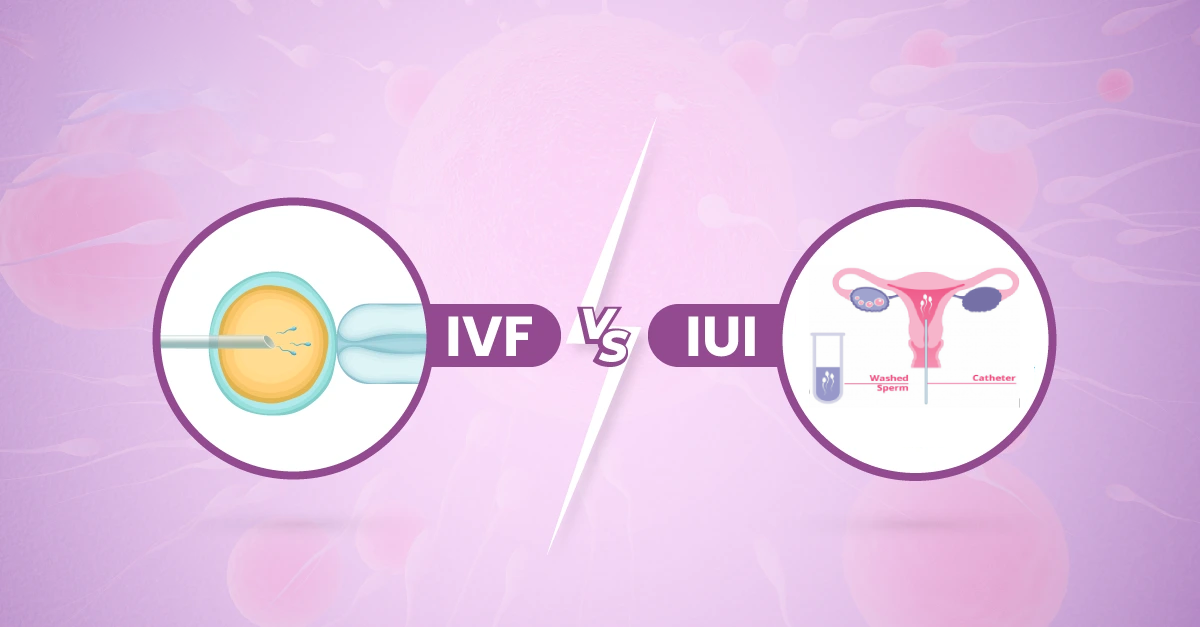
IVF vs IUI: visual comparison of two major fertility treatments.
The Difference Between IUI and IVF: A Complete, Expert-Backed Guide
Infertility affects nearly 15–18% of couples in India (WHO). Because this challenge is becoming more common, many couples try to understand the exact difference between IUI (Intrauterine Insemination) and IVF (In Vitro Fertilization). Although both treatments aim to help with conception, they work in completely different ways and therefore suit different medical conditions.
To simplify this decision, this guide follows the structured approach used by Dr. Nitasha Gupta – Consultant Gynecologist & IVF Specialist. She treats infertility, PCOS, endometriosis, recurrent pregnancy loss, and hormonal issues across Panchkula, Chandigarh, Mohali & Dera Bassi. As a result, this article is clear, medically accurate, and aligned with trusted global standards such as ASRM, CDC, and WHO.
What Is IUI?
IUI is a simple and minimally invasive fertility treatment. During this procedure, healthy, processed sperm is placed directly into the uterus close to the time of ovulation. Because the distance between the sperm and egg becomes shorter, the chances of natural fertilization increase significantly.
1. Sperm Preparation: The andrology lab chooses the healthiest sperm (PubMed reference).
2. Ovulation Monitoring: The doctor tracks ovulation using ultrasound scans, hormone blood tests, ovulation kits, or medications like Letrozole, Clomid, or low-dose gonadotropins.
3. Insemination: A thin catheter inserts sperm directly into the uterus. Because the process is quick and comfortable, most women resume daily activities immediately.
4. Aftercare: A pregnancy test is usually done after 14 days.
When Is IUI Recommended?
Mild male infertility
Low sperm motility
Cervical mucus challenges
Unexplained infertility
Mild PCOS
Donor sperm cycles
Couples who prefer beginning with a simpler option
IVF is an advanced fertility treatment in which eggs are retrieved from the ovaries, fertilized in a laboratory, and then healthy embryos are transferred into the uterus. Because IVF bypasses several natural barriers, it offers considerably higher success rates than IUI.
How IVF Works
1. Ovarian Stimulation: Fertility injections stimulate the ovaries to produce multiple mature eggs.
2. Egg Retrieval: A short, painless procedure where eggs are collected using an ultrasound-guided needle.
3. Fertilization Methods:
Conventional IVF: Eggs and sperm are cultured together.
ICSI: A single sperm is injected directly into an egg, which is especially useful for severe male infertility.
4. Embryo Culture: Embryos grow in the lab for 3–5 days.
5. Embryo Transfer: One or more healthy embryos are placed into the uterus.
6. Pregnancy Support: Hormones help the uterine lining prepare for implantation.
IUI is simple and quick, whereas IVF includes stimulation, retrieval, lab fertilization, and embryo transfer.
2. Success Rates
IUI: 10–20% per cycle IVF: 40–70% per cycle depending on age (ASRM)
3. Cost
IUI: ₹7,000–₹10,000 per cycle IVF: ₹1,00,000–₹2,00,000 per cycle
4. Suitability
IUI works well for mild infertility, whereas IVF is better for moderate to severe conditions.
5. Ovarian Stimulation
IUI usually uses mild stimulation, but IVF requires controlled ovarian hyperstimulation for higher egg yield.
Which Treatment Is Better?
IUI is recommended when:
Younger age
Mild infertility
Open fallopian tubes
A budget-friendly start is preferred
IVF is recommended when:
Tubes are blocked
Male infertility is severe
3–4 IUI cycles have failed
Higher success is required quickly
Conclusion
Both IUI and IVF help couples achieve pregnancy; however, they differ in complexity, success rate, and cost. While IUI is affordable and less invasive, IVF offers far higher success rates and becomes essential for complex infertility cases. Because each couple’s fertility journey is unique, choosing the right treatment depends on age, medical history, and reproductive goals.
This comparison is specially prepared for patients seeking IUI and IVF treatment in Panchkula, Chandigarh, Mohali, and nearby areas.