6 Signs Your Daughter Is About to Start Her Period (2026)

6 Signs Your Daughter Is About to Start Her Period (2026)

6 Signs Your Daughter Is About to Start Her Period (Menarche Guide 2026)

Clinically reviewed by Dr. Nitasha Gupta – Consultant Gynecologist & IVF Specialist

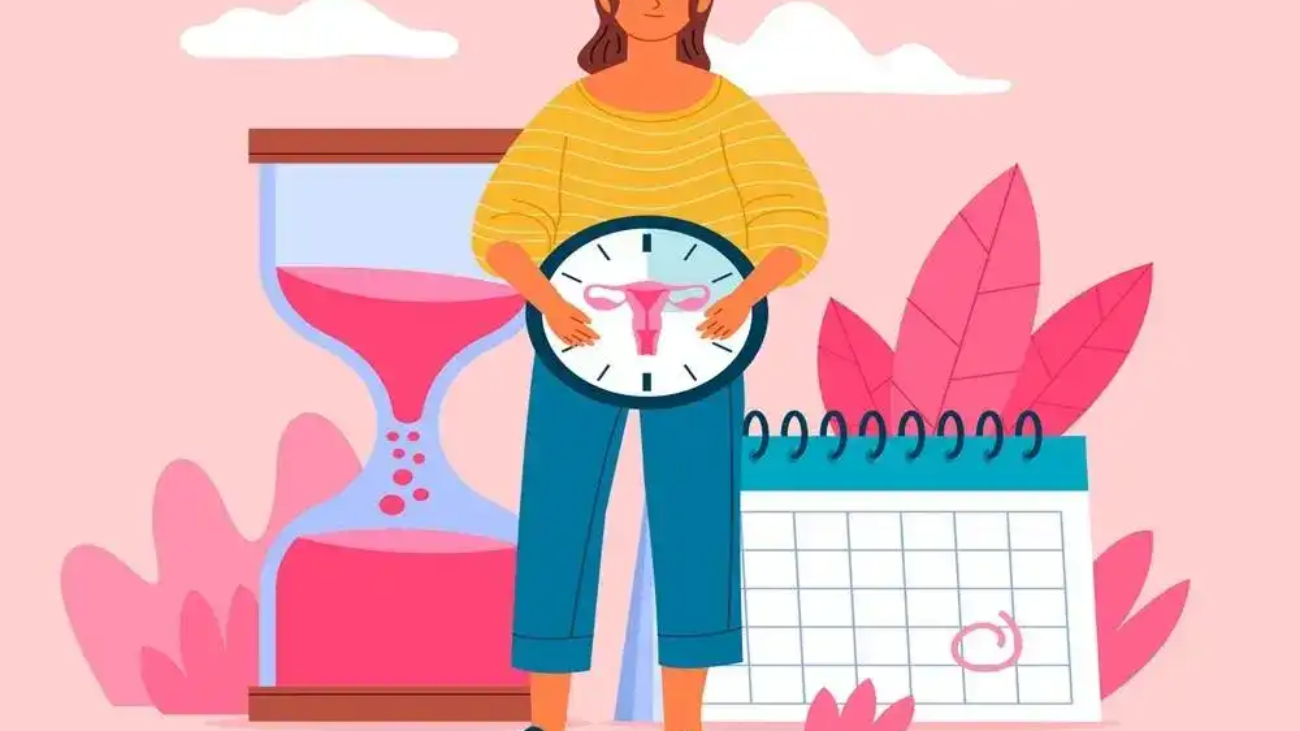
Puberty is a phase of major physical and emotional transformation for young girls. One of the most important milestones is menarche — the first menstrual period. It marks the beginning of reproductive maturity and hormonal cycle activation.

Understanding the early signs helps parents prepare their daughters emotionally, medically, and practically — ensuring menstruation is viewed as a natural life stage rather than a source of fear or confusion.

Explore adolescent & women’s wellness guidance:
https://www.drnitashagupta.com/


What Is Menarche?

Menarche is the medical term for a girl’s first menstrual cycle.

It reflects activation of the hormonal axis regulating:

  • Ovulation
  • Uterine lining development
  • Estrogen & progesterone balance

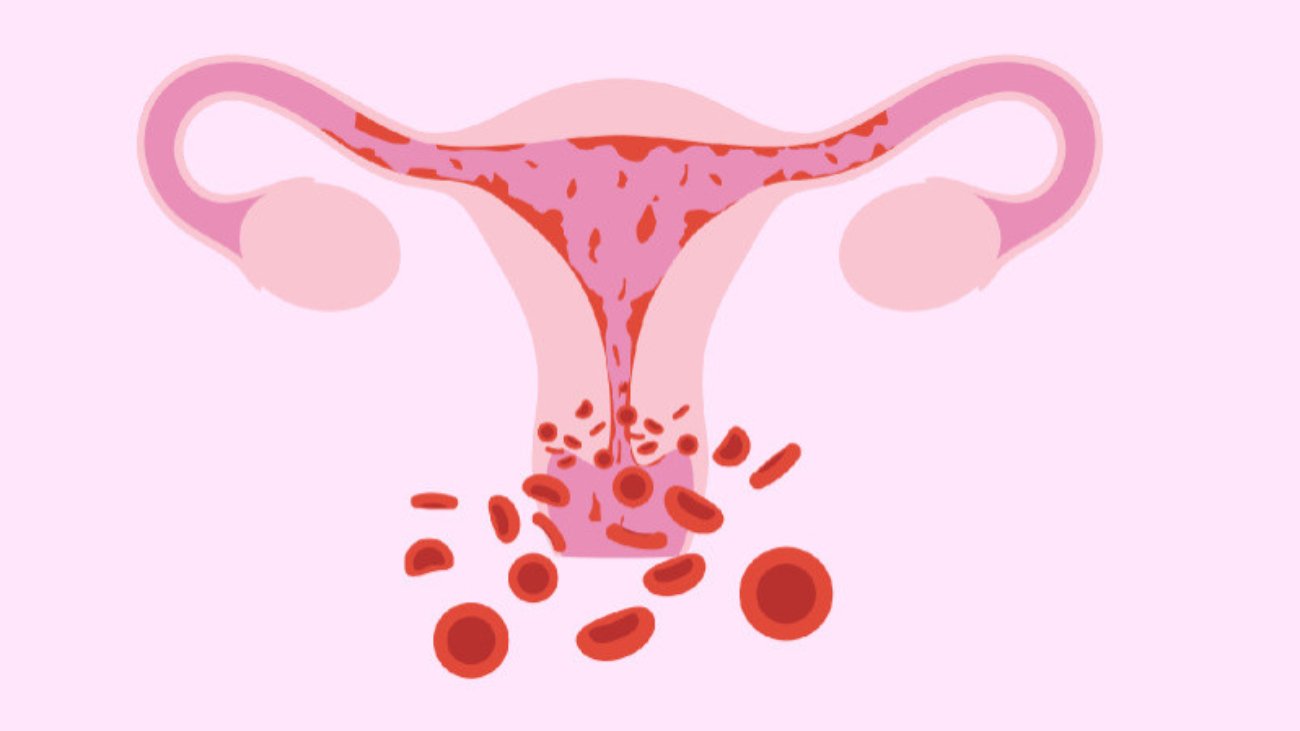
Each month, the uterus builds a lining to support potential pregnancy. If fertilisation does not occur, this lining sheds as menstrual bleeding.


At What Age Do Periods Usually Start?

In India, most girls experience menarche between 9 and 15 years of age, with the average between 12 and 13 years.

Factors influencing onset include:

  • Genetics
  • Nutrition
  • Body composition
  • Physical development
  • Environmental factors

Variations within this range are considered normal in adolescent development.


6 Signs Your Daughter Is About to Start Her Period

Recognising these puberty indicators helps parents prepare in advance.


1. Breast Development (Thelarche)

Breast budding is usually the first visible sign of puberty and indicates estrogen activity has begun.

Menstruation often follows within 1.5–2 years.


2. Growth of Pubic & Underarm Hair

Hair development occurs due to androgen hormone activity and typically appears one to two years before the first period.


3. Mood Swings

Hormonal fluctuations can lead to:

  • Emotional sensitivity
  • Irritability
  • Anxiety

These mood variations are a normal response to puberty-related endocrine changes.


4. Increased Vaginal Discharge

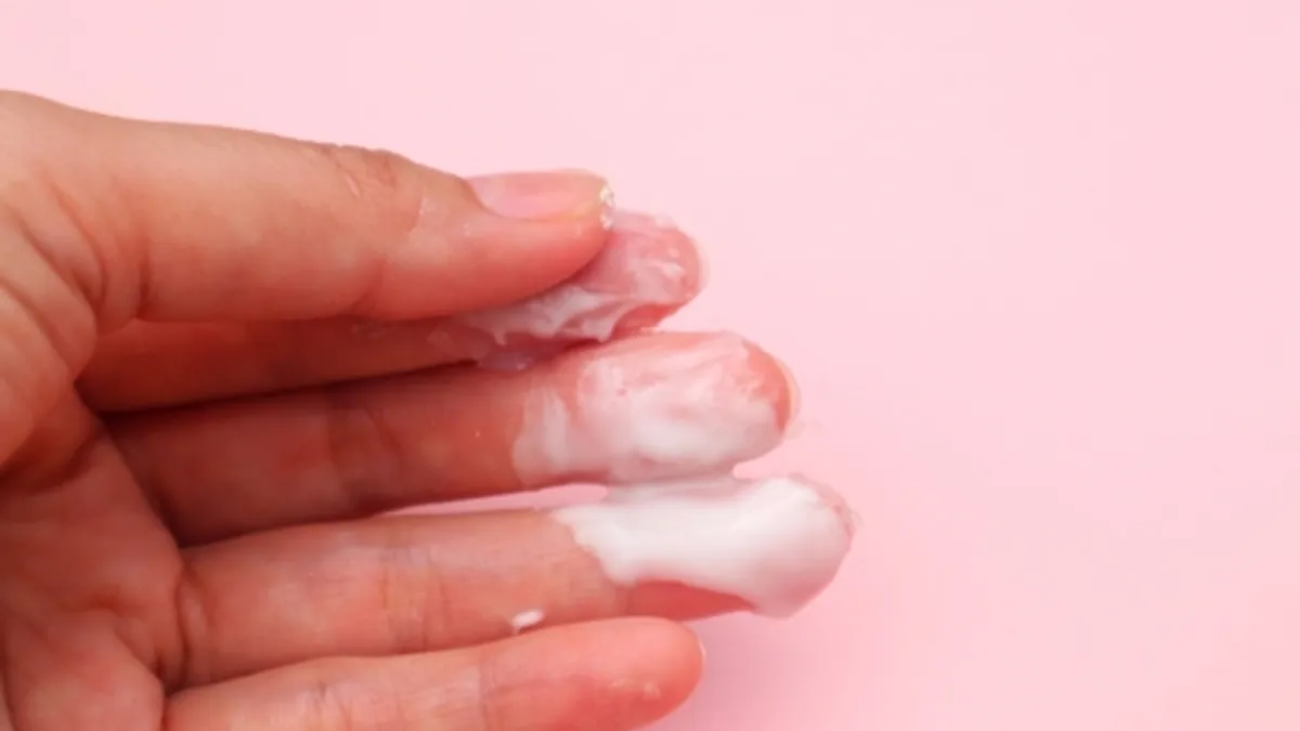
Clear or whitish discharge may appear months before menarche. This reflects estrogen-driven vaginal lining development and is physiologically normal.


5. Bloating or Mild Cramps

Some girls experience:

  • Lower abdominal discomfort
  • Back pain
  • Bloating

These occur as reproductive organs prepare for menstrual cycling.


6. Growth Spurts

Rapid height gain and body structure changes frequently precede the onset of menstruation.

This phase reflects peak growth velocity in puberty.


How to Prepare Your Child for Her First Period

Supportive parenting plays a key role in shaping menstrual confidence.


Have Open Conversations

Calm, early discussions help your daughter understand menstruation as a healthy biological process.


Provide Practical Guidance

Introduce:

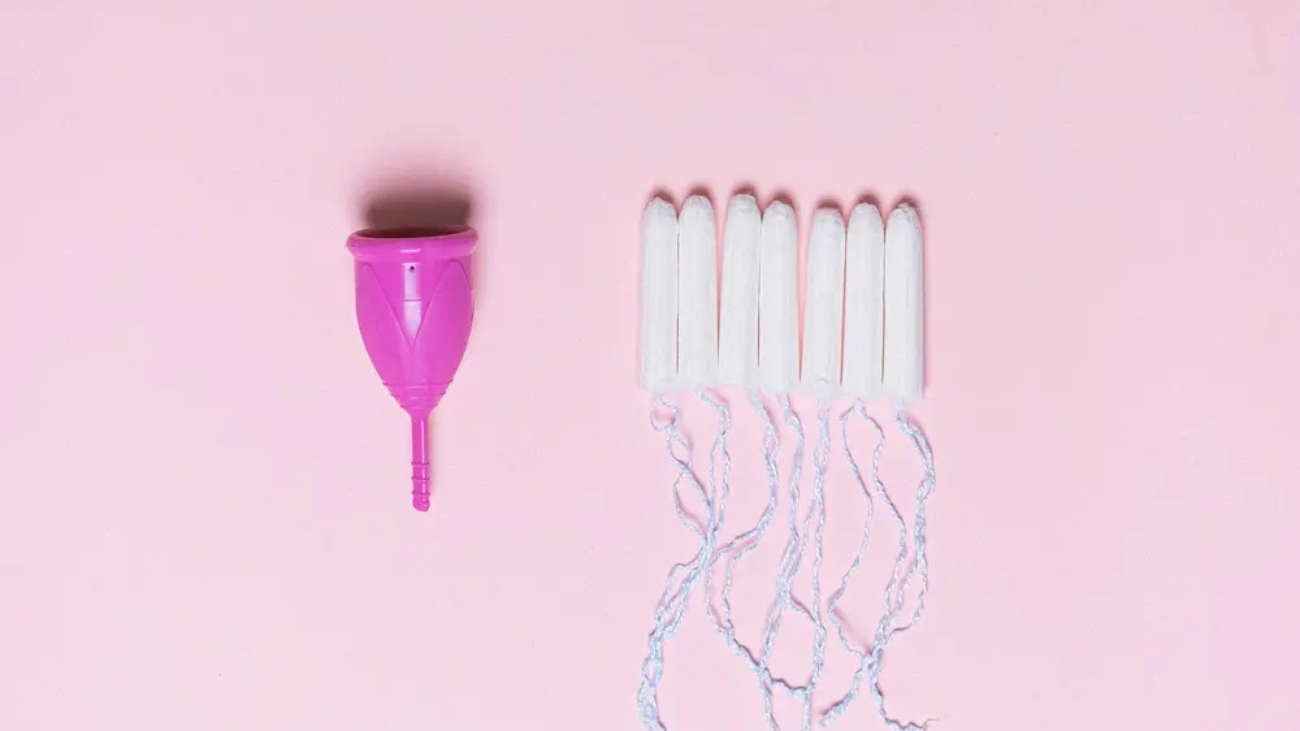
  • Sanitary pads
  • Hygiene routines
  • Disposal practices

Preparing a small “period kit” builds confidence at school or outside home.


Validate Emotions

Reassure her that:

  • Mood changes are normal
  • Questions are welcome
  • Support is always available

Encourage Healthy Habits

Teach:

  • Regular pad changes
  • Genital hygiene
  • Breathable clothing
  • Infection prevention practices

When Should You Consult a Doctor?

Medical guidance is recommended if:

  • Periods start very early (<8 years) or very late (>15 years)
  • Bleeding is excessively heavy
  • Severe pain disrupts routine
  • Cycles remain highly irregular
  • Excess hair growth or acne appears

Early evaluation helps detect hormonal imbalance, PCOS risk, or developmental concerns.

Meet the specialist for adolescent gynecology care:
https://www.drnitashagupta.com/about/


Professional Guidance & Consultation

For confidential guidance on puberty development, menstrual health, or adolescent hormonal care:

Book appointment:
https://www.drnitashagupta.com/contact/

Call: +91 99883 09211

Read more educational blogs:
https://www.drnitashagupta.com/blog/

👉 Patient reviews & clinic directions:
https://share.google/1WUDAkXyKW6bJgLtr


Conclusion

Menarche is a natural and healthy milestone in adolescent development. Recognizing early puberty signs allows parents to provide reassurance, preparation, and emotional support at the right time.

With education, open communication, and medical guidance when needed, a girl’s first period can become a confident and positive step toward womanhood.

Early Signs of Infertility in Men & Women | Best Fertility Doctor Panchkula

Early Signs of Infertility in Men & Women | Best Fertility Doctor Panchkula

Early Signs of Infertility in Men & Women (2026 Fertility Guide)

Clinically reviewed by Dr. Nitasha Gupta – Consultant Gynecologist & IVF Specialist

The early signs of infertility often go unnoticed by couples trying to conceive. Clinical data suggests that nearly 15–18% of Indian couples experience difficulty achieving pregnancy.

Recognizing early signs of infertility allows timely diagnosis, structured fertility planning, and significantly improved conception outcomes — both naturally and through assisted treatments.

Explore fertility care services:
https://www.drnitashagupta.com/


Early Signs of Infertility in Women

Female infertility symptoms may appear subtly and progress over time.

Common early signs include:

  • Irregular or absent menstrual cycles
  • Severe pelvic pain or painful periods
  • PCOS symptoms (acne, weight gain, hair growth)
  • Hormonal acne and unexplained weight changes
  • Recurrent miscarriages
  • Difficulty predicting ovulation

Persistent menstrual irregularity is often the earliest reproductive warning sign.

Meet the fertility specialist:
https://www.drnitashagupta.com/about/


Early Signs of Infertility in Men

Male infertility contributes to nearly 40–50% of infertility cases but is frequently under-diagnosed.

Early symptoms include:

  • Low libido or erectile dysfunction
  • Testicular pain or swelling
  • Reduced semen volume
  • Low sperm count
  • Poor sperm motility or morphology

Male fertility testing is simple and should be evaluated early when conception delays occur.


Common Causes of Infertility

Major medical causes behind infertility include:

  • Polycystic Ovary Syndrome (PCOS)
  • Thyroid disorders
  • Semen quality abnormalities
  • Blocked fallopian tubes
  • Endometriosis
  • Hormonal imbalance
  • Age-related ovarian decline

Identifying the root cause is essential for personalized fertility treatment.


Testing for Infertility

A structured fertility evaluation may include:

Female Fertility Tests

  • Pelvic ultrasound scans
  • Hormonal blood testing
  • Ovarian reserve assessment
  • Tubal patency evaluation (SIS/HSG)

Male Fertility Tests

  • Semen analysis
  • Sperm DNA testing (if required)

Early testing improves treatment success rates.

👉 Book fertility evaluation:
https://www.drnitashagupta.com/contact/


When Should Couples See a Fertility Specialist?

Consult a fertility doctor if:

  • Pregnancy does not occur after 12 months of trying
  • Female age is above 30
  • Periods are irregular
  • Known PCOS or thyroid disorders exist
  • Male fertility concerns are suspected

Early consultation prevents treatment delays.


Best Fertility Doctor in Panchkula & Chandigarh

Dr. Nitasha Gupta is a trusted infertility and IVF specialist treating couples across:

Panchkula • Chandigarh • Mohali • Zirakpur • Dhakoli • Dera Bassi

Her fertility approach includes:

  • Detailed diagnosis
  • Ovulation induction
  • IUI & IVF planning
  • PCOS management
  • Male infertility coordination

View patient reviews & clinic directions:
https://share.google/1WUDAkXyKW6bJgLtr


Book Fertility Consultation

Early fertility guidance improves pregnancy success.

Schedule IVF consultation:
https://www.drnitashagupta.com/contact/

Read more fertility blogs:
https://www.drnitashagupta.com/blog/


FAQs – Early Signs of Infertility

Can infertility be treated?

Yes. More than 80% of infertility cases respond successfully to medical or assisted reproductive treatment.


When should couples see a fertility specialist?

After 12 months of unsuccessful attempts — or earlier if symptoms appear.


Which doctor is best for infertility in Panchkula?

Dr. Nitasha Gupta is a leading IVF and infertility specialist providing evidence-based fertility care in Tricity.


Conclusion

The early signs of infertility in men and women should never be ignored. Subtle symptoms — from irregular periods to semen abnormalities — can indicate underlying reproductive challenges.

Timely fertility evaluation, accurate diagnosis, and personalized treatment planning significantly improve conception outcomes and reproductive confidence.

If you are experiencing fertility concerns, early consultation ensures clarity, prevention, and the best chance of pregnancy success.

Book your consultation:
https://www.drnitashagupta.com/contact/

Menopause Symptoms & Treatment

Menopause Symptoms & Treatment

Menopause Symptoms & Treatment (2026 Guide)

Clinically reviewed by Dr. Nitasha Gupta – Consultant Gynecologist & IVF Specialist

Menopause symptoms affect nearly every woman as she approaches midlife. Understanding menopause symptoms and treatment options helps manage discomfort, prevent long-term complications, and maintain overall health and quality of life.

This expert guide explains menopause symptoms, causes, stages, diagnosis, and the most effective menopause treatment options available today.

Explore women’s midlife health care:
https://www.drnitashagupta.com/


What Is Menopause?

Menopause marks the natural end of menstrual cycles and fertility. It is clinically diagnosed after 12 consecutive months without a menstrual period.

  • Typical age range: 47–55 years
  • Average age: 51 years
  • Can occur earlier due to medical or surgical causes

Menopause is a physiological transition — but symptoms and long-term risks require structured care.


Stages of Menopause

1. Perimenopause

The transition phase leading up to menopause.

Common features:

  • Hormonal fluctuations
  • Irregular periods
  • Early menopause symptoms
  • Mood changes

2. Menopause

Defined when menstruation stops completely for 12 months.

Symptoms often peak during this phase.


3. Postmenopause

Years following menopause where estrogen remains low and long-term health risks increase.


Causes of Menopause

Menopause may occur naturally or due to medical factors:

  • Natural decline in estrogen & progesterone
  • Oophorectomy (ovary removal surgery)
  • Primary ovarian insufficiency
  • Chemotherapy or radiation therapy

Menopause Symptoms


Early Menopause Symptoms

  • Irregular periods
  • Hot flashes & night sweats
  • Sleep disturbances
  • Fatigue & low energy
  • Mood swings & anxiety

Common Menopause Symptoms

  • Frequent hot flashes
  • Excessive sweating
  • Vaginal dryness
  • Painful intercourse
  • Weight gain (abdominal)
  • Urinary urgency or leakage
  • Hair thinning & skin changes
  • Memory issues & poor concentration

Symptoms vary in intensity depending on hormonal decline and lifestyle factors.


Health Risks After Menopause

Reduced estrogen levels increase susceptibility to:

  • Osteoporosis & bone fractures
  • Cardiovascular disease
  • Metabolic weight gain
  • Breast health risks

Preventive care and timely menopause treatment significantly reduce these risks.


Diagnosis of Menopause

Diagnosis is usually clinical — based on menstrual history and symptoms.

Investigations may include:

  • FSH levels
  • Estrogen profile
  • Thyroid function tests
  • Bone density scans (if needed)

Menopause Treatment Options

Menopause treatment focuses on symptom relief and long-term health protection.


1. Hormone Replacement Therapy (HRT)

  • Most effective for hot flashes & night sweats
  • Helps protect bone density
  • Improves sleep and mood stability

2. Vaginal Estrogen Therapy

  • Relieves vaginal dryness
  • Improves urinary symptoms
  • Enhances comfort and intimacy

3. Non-Hormonal Medications

Used when hormone therapy is contraindicated or not preferred.


4. Bone-Strengthening Treatment

  • Prevents osteoporosis
  • Reduces fracture risk

Lifestyle Changes & Home Remedies for Menopause

Daily habits significantly influence symptom severity.

Recommended measures:

  • Avoid caffeine, alcohol & spicy food triggers
  • Exercise regularly
  • Follow calcium & protein-rich diet
  • Practice pelvic floor (Kegel) exercises
  • Quit smoking
  • Use vaginal moisturizers/lubricants

Important Warning Sign

⚠️ Any bleeding after menopause is abnormal and requires immediate medical evaluation.


Best Gynecologist for Menopause Treatment in Panchkula & Chandigarh

Dr. Nitasha Gupta provides structured menopause evaluation and treatment for women across:

Panchkula • Chandigarh • Mohali • Zirakpur • Dhakoli • Dera Bassi

Her approach focuses on:

  • Hormonal balance
  • Bone health protection
  • Symptom relief
  • Long-term wellness planning

👉 Meet the specialist:
https://www.drnitashagupta.com/about/


Book Menopause Consultation

Early guidance improves comfort and prevents complications.

Schedule appointment:
https://www.drnitashagupta.com/contact/

Read more women’s health articles:
https://www.drnitashagupta.com/blog/

View patient reviews & clinic directions:
https://share.google/1WUDAkXyKW6bJgLtr


Conclusion

Menopause is a natural biological transition — but unmanaged menopause symptoms can affect physical, emotional, and metabolic health.

Understanding stages, recognizing symptoms early, and seeking personalized menopause treatment ensures a healthier and more comfortable midlife journey.

Timely consultation supports long-term bone, heart, and hormonal wellness.

Why More Women in Their 20s & 30s Are Facing Hormonal Imbalance in 2026

Why More Women in Their 20s & 30s Are Facing Hormonal Imbalance in 2026

Why More Women in Their 20s & 30s Are Facing Hormonal Imbalance in 2026

Clinically reviewed by Dr. Nitasha Gupta – Consultant Gynecologist & IVF Specialist

Hormonal imbalance in women has emerged as one of the fastest-growing health concerns in 2026 — particularly among women in their 20s and early 30s. Increasingly, women across Zirakpur, Panchkula, Chandigarh, Mohali, Dhakoli, and Dera Bassi are reporting irregular periods, PCOS symptoms, unexplained weight gain, acne, hair fall, mood changes, and fertility concerns.

Clinical patterns now show that hormonal imbalance in women is no longer age-restricted. Lifestyle stress, disrupted sleep cycles, insulin resistance, thyroid disorders, and delayed pregnancy planning are triggering hormonal disturbances much earlier than before.

Explore women’s hormonal health care:
https://www.drnitashagupta.com/


What Is Hormonal Imbalance in Women?

Hormonal imbalance occurs when reproductive and metabolic hormones fluctuate outside their normal physiological range.

Key hormones involved include:

  • Estrogen
  • Progesterone
  • Insulin
  • Thyroid hormones
  • Androgens

Even mild imbalance can disrupt:

  • Menstrual cycles
  • Ovulation
  • Metabolism
  • Mood stability
  • Fertility potential

If untreated, hormonal imbalance in women may progress into PCOS, infertility, thyroid disease, diabetes risk, or pregnancy complications.


Why Hormonal Imbalance Is Rising in Women in Their 20s & 30s


1. Chronic Stress & Cortisol Overload

Persistent psychological stress elevates cortisol, which directly suppresses ovulation and progesterone balance.

High cortisol also worsens:

  • Weight gain
  • Sleep disturbance
  • Insulin resistance

This makes stress one of the leading triggers of hormonal imbalance in women today.


2. PCOS & Insulin Resistance

PCOS is increasingly diagnosed in women as young as 18–22 years.

Insulin resistance contributes to:

  • Elevated androgen levels
  • Irregular ovulation
  • Weight gain
  • Acne and hair growth

Early PCOS detection significantly improves fertility outcomes.

Meet the specialist managing PCOS & fertility care:
https://www.drnitashagupta.com/about/


3. Irregular Sleep & Screen Exposure

Modern lifestyle habits — late nights, screen exposure, and digital fatigue — disrupt melatonin and insulin regulation.

Poor sleep affects:

  • Ovulation cycles
  • Hormonal rhythm
  • Metabolic stability

This is a major 2026 trend in hormonal disorders.


4. Crash Dieting & Nutrient Deficiency

Extreme dieting reduces estrogen production and delays ovulation.

Common nutritional deficiencies affecting hormones:

  • Iron
  • Vitamin D
  • B12
  • Omega-3

Balanced nutrition is essential for reproductive hormone regulation.


5. Delayed Pregnancy Planning

While career and lifestyle timelines have evolved, reproductive biology remains time-sensitive.

Hormonal imbalance often becomes more evident when conception is delayed into the 30s, especially with underlying PCOS or thyroid disorders.


Early Symptoms Women Often Ignore

Hormonal imbalance symptoms may appear subtle initially:

  • Irregular or missed periods
  • Sudden weight gain
  • Adult acne
  • Hair fall or facial hair growth
  • Mood swings or anxiety
  • Chronic fatigue
  • Difficulty conceiving

Early evaluation prevents progression into fertility complications.


How Hormonal Imbalance Affects Fertility

Hormones regulate ovulation — the foundation of natural conception.

When hormonal imbalance persists:

  • Ovulation becomes irregular
  • Egg quality may decline
  • Implantation timing is affected

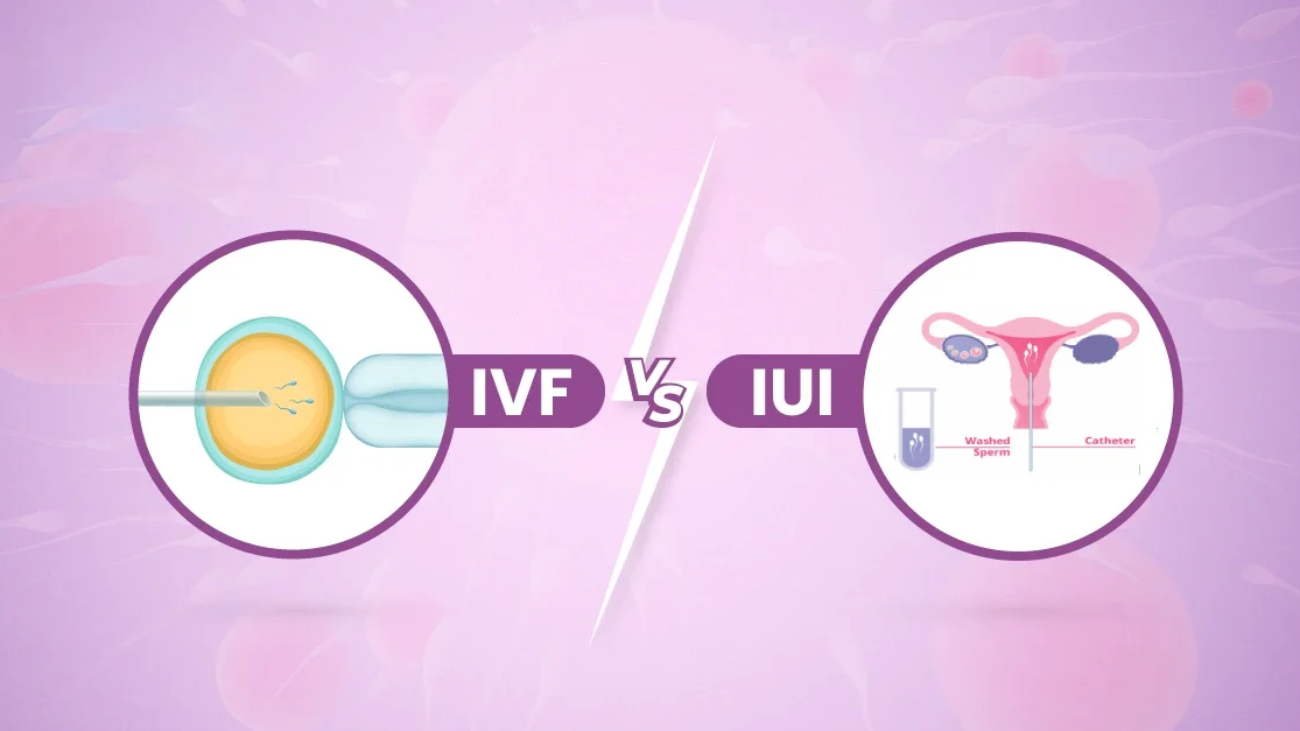
This can delay pregnancy or require assisted treatments such as ovulation induction, IUI, or IVF.

Early hormonal correction significantly improves reproductive outcomes.

Book fertility consultation:
https://www.drnitashagupta.com/contact/


When Should You Consult a Gynecologist?

Consult a specialist if:

  • Periods remain irregular for >3 months
  • You are planning pregnancy with unpredictable cycles
  • PCOS or thyroid symptoms appear
  • Persistent fatigue or weight gain continues

Timely medical evaluation allows early correction and fertility preservation.


Trusted Hormonal & Fertility Care in Tricity

Dr. Nitasha Gupta provides structured hormonal and fertility care for women across:

Zirakpur • Dhakoli • Panchkula • Chandigarh • Mohali • Dera Bassi

Her approach focuses on:

  • Accurate diagnosis
  • Lifestyle + medical correction
  • Fertility planning
  • Long-term hormonal balance

View clinic details & patient reviews:
https://share.google/1WUDAkXyKW6bJgLtr


Frequently Asked Questions

Can stress alone cause hormonal imbalance?

Yes. Chronic stress can suppress ovulation and disrupt progesterone and estrogen balance.


Is hormonal imbalance reversible?

In many cases, hormonal imbalance in women improves with lifestyle correction, medical therapy, and early intervention.


Does hormonal imbalance always mean PCOS?

No. Thyroid disorders, stress, metabolic factors, and nutritional deficiencies may also cause imbalance.


When should fertility evaluation begin?

If conception does not occur within 6–12 months, or cycles remain irregular, fertility assessment is recommended.


Conclusion

Hormonal imbalance in women is rising sharply in 2026 — especially among women in their 20s and 30s.

Stress, lifestyle changes, metabolic disorders, and delayed pregnancy planning are major contributors. Early diagnosis and personalized treatment significantly improve hormonal stability and fertility outcomes.

If you are experiencing symptoms of hormonal imbalance, timely consultation ensures clarity, prevention, and long-term reproductive wellness.

Schedule your consultation:
https://www.drnitashagupta.com/contact/

Read more expert blogs:
https://www.drnitashagupta.com/blog/

PERIOD & TEEN HEALTH

PERIOD & TEEN HEALTH

Teen Period Health Guide (2026): What’s Normal, What’s Not?

Clinically reviewed by Dr. Nitasha Gupta – Consultant Gynecologist & IVF Specialist

Periods are an important milestone in a girl’s life, yet teen period health remains one of the most misunderstood topics even in 2026. Parents and teenagers often worry about irregular cycles, cramps, mood changes, and long gaps between periods.

Understanding what is normal — and what requires medical attention — helps protect long-term hormonal balance, reproductive health, and future fertility.

Explore women’s health guidance:
https://www.drnitashagupta.com/


When Do Periods Usually Start in Teenagers?

Most girls experience their first period (menarche) between 9 and 15 years of age.

In the first 1–2 years, irregular cycles are common because the brain-ovary hormonal axis is still maturing. Occasional missed periods or cycle variation is considered normal during early teen period health.


What Is Considered Normal in Teen Periods?

The following patterns are usually healthy:

  • Cycle length between 21–45 days
  • Bleeding lasting 3–7 days
  • Mild to moderate cramps
  • Slight mood changes
  • Occasional irregularity in first 2 years

These patterns typically stabilize as hormonal regulation matures.


What Is NOT Normal? Red Flags Parents Should Know

Certain symptoms require medical evaluation:

  • Periods absent for >3 months
  • Very heavy bleeding (pad change every hour)
  • Severe pain affecting school or daily routine
  • Periods lasting >7–8 days
  • Excess acne or facial hair
  • Rapid weight gain or obesity

These signs may indicate hormonal imbalance in teenagers or early PCOS and should not be ignored.

Meet the specialist for adolescent gynecology care:
https://www.drnitashagupta.com/about/


Common Teen Period Problems Seen in 2026

Gynecologists are observing a rise in menstrual concerns due to modern lifestyle patterns.

Most common issues include:

  • Irregular periods in teenagers
  • Hormonal imbalance linked to stress & sleep disruption
  • Early PCOS indicators
  • Iron deficiency (anaemia)
  • Severe dysmenorrhea (painful periods)

Early intervention improves long-term reproductive outcomes.


When Should a Teen See a Gynecologist?

A consultation with a gynecologist for teens is recommended if:

  • Periods haven’t started by age 15
  • Severe cramps persist for months
  • Cycles remain irregular beyond 2 years
  • Signs of PCOS or hormonal imbalance appear

At Kore Fertility Solutions, adolescent consultations are handled with counselling-first, confidential care.

Book a consultation:
https://www.drnitashagupta.com/contact/


How Parents Can Support Teen Period Health

Parental awareness plays a vital role.

Support includes:

  • Encouraging open, stigma-free conversations
  • Promoting balanced, iron-rich nutrition
  • Ensuring proper sleep cycles
  • Managing academic & social stress
  • Seeking early medical guidance when needed

Early care prevents chronic hormonal disorders and fertility complications later in life.


Expert Note

“Most teen period concerns are manageable when addressed early. Ignoring symptoms may affect long-term reproductive and hormonal health.”
— Dr. Nitasha Gupta


Frequently Asked Questions (FAQs)

Are irregular periods normal in teenagers?

Yes. Irregular cycles are common in the first 1–2 years after menarche. Persistent irregularity needs evaluation.


Can teenagers develop PCOS?

Yes. Early hormonal signs of PCOS can appear during adolescence and should be assessed early.


When should parents worry about periods?

If periods are absent, extremely painful, unusually heavy, or associated with hormonal symptoms, medical consultation is advised.


Read more educational blogs:
https://www.drnitashagupta.com/blog/

View patient reviews & clinic directions:
https://share.google/1WUDAkXyKW6bJgLtr


Conclusion

Understanding teen period health is essential for early hormonal balance, reproductive wellness, and emotional confidence.

While irregularity can be normal initially, persistent symptoms require timely evaluation.

If you are searching for guidance on teen menstrual health, hormonal imbalance, or early PCOS care, expert consultation ensures clarity, reassurance, and preventive care.

Schedule an appointment:
https://www.drnitashagupta.com/contact/

PCOS vs Hormonal Imbalance

PCOS vs Hormonal Imbalance

PCOS vs Hormonal Imbalance: What’s the Difference in 2026?

Clinically reviewed by Dr. Nitasha Gupta – Consultant Gynecologist & IVF Specialist

Many women searching online for PCOS vs hormonal imbalance assume both conditions are the same. While they are closely related, they are medically distinct disorders requiring different diagnosis, monitoring, and treatment approaches.

Understanding this difference is essential for women experiencing irregular periods, acne, weight gain, or fertility concerns.

Learn more about women’s hormonal care:
https://www.drnitashagupta.com/


What Is Hormonal Imbalance?

Hormonal imbalance occurs when reproductive or metabolic hormones fluctuate outside their optimal range.

These hormones include:

  • Estrogen
  • Progesterone
  • Thyroid hormones
  • Insulin
  • Cortisol

Common Causes

  • Chronic stress
  • Poor sleep patterns
  • Sudden weight gain or loss
  • Thyroid disorders
  • Lifestyle disruptions

Hormonal imbalance may be temporary or chronic depending on the root cause and lifestyle factors.


What Is PCOS?

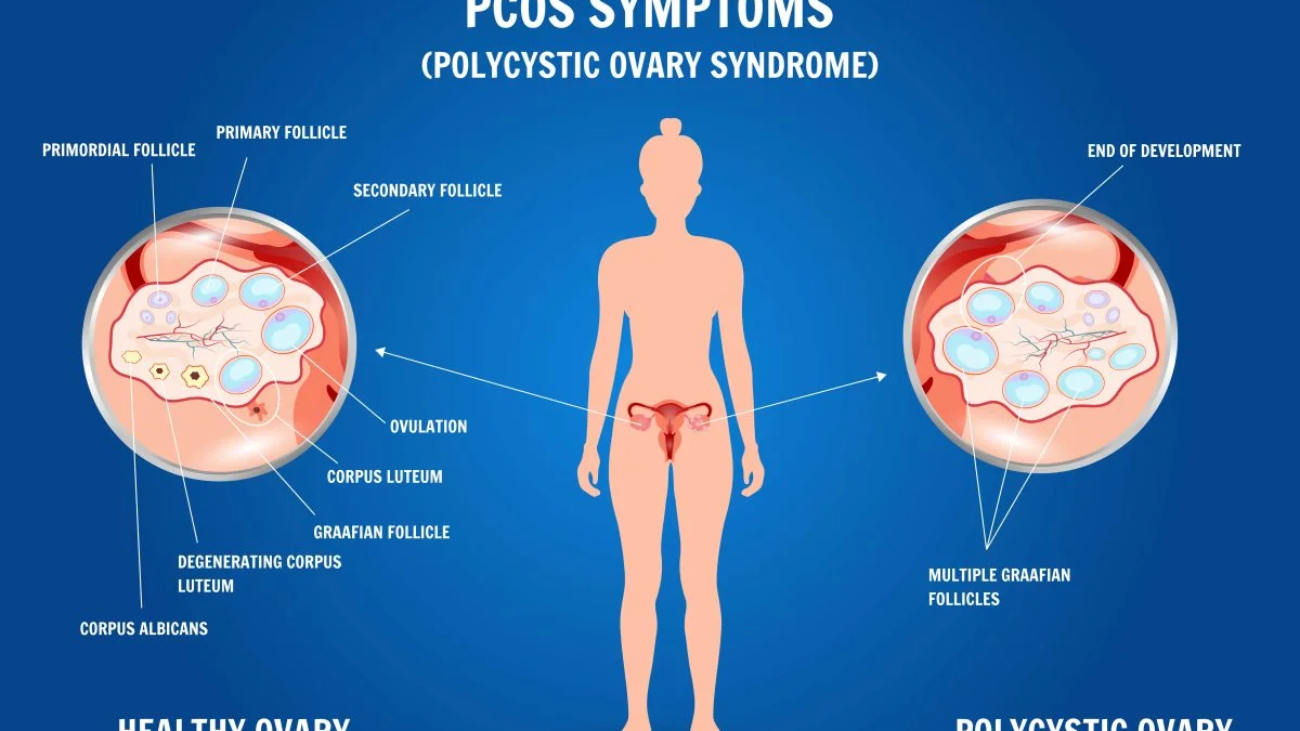
Polycystic Ovary Syndrome (PCOS) is a long-term endocrine and metabolic condition affecting ovarian function.

Key diagnostic features include:

  • Irregular or absent periods
  • Elevated androgen (male hormone) levels
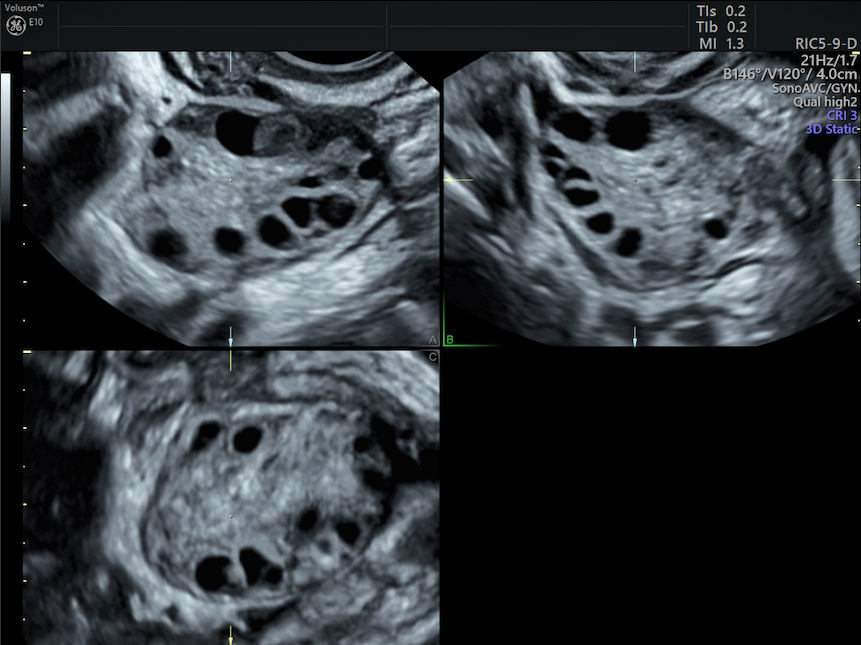
  • Multiple ovarian follicles on ultrasound
  • Insulin resistance

PCOS is one of the leading causes of ovulatory infertility worldwide and requires structured long-term management.

Meet the specialist managing PCOS & fertility care:
https://www.drnitashagupta.com/about/


PCOS vs Hormonal Imbalance — Key Differences

FeatureHormonal ImbalancePCOS
NatureTemporary or chronicLifelong metabolic condition
Ovarian AppearanceUsually normalPolycystic morphology
Fertility ImpactMay affect ovulationCommonly impacts fertility
Insulin ResistanceNot always presentFrequently present
TreatmentLifestyle + medicationLong-term management

Symptoms That Overlap

Because both affect reproductive hormones, symptoms often appear similar:

  • Irregular periods
  • Acne and hair fall
  • Weight gain
  • Mood changes
  • Ovulation issues

This overlap is why professional diagnosis is essential rather than self-treatment.


Impact on Fertility

Both hormonal imbalance and PCOS can affect fertility — but through different mechanisms.

Hormonal Imbalance

  • Ovulation may be temporarily disrupted
  • Often reversible with treatment
  • PCOS
  • Chronic ovulation irregularity
  • Egg quality impact
  • May require fertility assistance

Personalized fertility planning significantly improves outcomes.

Book fertility consultation:
https://www.drnitashagupta.com/contact/


Expert Insight

“PCOS is not just a period disorder — it is a metabolic condition. Early diagnosis improves reproductive and long-term health outcomes.”
— Dr. Nitasha Gupta


How Diagnosis Is Made

A structured evaluation may include:

  • Hormonal blood tests
  • Thyroid profile
  • Pelvic ultrasound
  • Insulin resistance assessment
  • Menstrual history review

Early testing helps differentiate PCOS from temporary hormonal imbalance.


When Should You See a Gynecologist?

Consult a specialist if you experience:

  • Periods absent for >3 months
  • Severe acne or hair growth
  • Rapid weight gain
  • Difficulty conceiving
  • Persistent hormonal symptoms

Timely evaluation prevents long-term metabolic and fertility complications.

Explore more educational articles:
https://www.drnitashagupta.com/blog/


Patient Reviews & Clinic Directions

For verified patient feedback, clinic updates, and directions:

https://share.google/1WUDAkXyKW6bJgLtr


Frequently Asked Questions (FAQs)

Is PCOS the same as hormonal imbalance?

No. PCOS is a specific endocrine disorder, while hormonal imbalance may be temporary or lifestyle-related.


Can hormonal imbalance be reversed?

Yes. Many cases improve with lifestyle correction and medical care.


Does PCOS always cause infertility?

No. Many women with PCOS conceive naturally or with fertility treatment.


Can PCOS symptoms be controlled?

Yes. With weight management, insulin regulation, and hormonal therapy, symptoms can be effectively managed.


Conclusion

Understanding the difference between PCOS vs hormonal imbalance is critical for accurate treatment and fertility planning.

While hormonal imbalance may be reversible, PCOS requires long-term metabolic and reproductive care.

If you are experiencing irregular periods, hormonal symptoms, or fertility concerns, early consultation ensures better outcomes and long-term wellness.

Schedule your consultation:
https://www.drnitashagupta.com/contact/

How to Choose the Best Lady Gynecologist in Panchkula (2026) | Dr. Nitasha Gupta

How to Choose the Best Lady Gynecologist in Panchkula (2026) | Dr. Nitasha Gupta

How to Choose a Good Lady Gynecologist in Panchkula? (2026 Expert Guide)

Choosing the right lady gynecologist is one of the most important healthcare decisions a woman makes. Whether it’s your first period, pregnancy planning, PCOS, infertility, menopause, or preventive screening — the right gynecologist becomes a lifelong health partner.

For women searching for the best lady gynecologist in Panchkula, gynecologist near me, or lady doctor in Tricity, this 2026 expert guide will help you make a confident, informed decision.


Why Choosing the Right Gynecologist Matters

A trusted gynecologist is not just a doctor — she is someone you rely on for physical comfort, emotional safety, and long-term reproductive health.

The best gynecologist in Panchkula helps with:

  • Care from adolescence to menopause
  • Accurate diagnosis of hormonal and menstrual issues
  • Pregnancy & high-risk pregnancy management
  • PCOS, infertility, IVF & IUI guidance
  • Preventive screenings & women’s wellness care

Explore comprehensive women’s care services:
Internal Link: https://drnitashagupta.com/

Your choice directly impacts outcomes, comfort, and peace of mind.


Key Factors to Choose the Best Lady Gynecologist in Panchkula


1. Qualifications & Clinical Experience

Always evaluate academic credentials and hands-on expertise.

Look for qualifications like:

  • MBBS, MS (Obstetrics & Gynecology)
  • Fellowship in IVF or Reproductive Medicine
  • Advanced laparoscopic training

Clinical experience should include:

  • PCOS & hormonal disorders
  • Infertility & IVF/IUI treatment
  • High-risk pregnancy care
  • Laparoscopy & hysteroscopy
  • Menopause & adolescent gynecology

2. Patient Reviews & Reputation

When searching for a gynecologist near me, always check verified patient feedback.

Review sources:

  • Google Reviews
  • Practo / Lybrate / Clinic platforms
  • Clinic testimonials

External Link: https://www.practo.com

Consistent feedback on clarity, compassion, and ethical care signals a trusted specialist.


3. Comfort, Communication & Privacy

The best lady gynecologist ensures:

  • Non-judgmental listening
  • Clear diagnosis explanations
  • Respect for privacy
  • Emotional reassurance

Many women prefer consulting a lady gynecologist for comfort — especially for fertility, sexual health, and menstrual concerns.


4. Location & Accessibility

Choose a clinic that is easy to access during emergencies or pregnancy care.

Checklist:

  • Proximity to home/work
  • Parking availability
  • Public transport access
  • Emergency consultation support

Dr. Nitasha Gupta serves patients across:

Panchkula • Zirakpur • Dhakoli • Chandigarh • Mohali • Dera Bassi

View clinic location & directions:
 https://drnitashagupta.com/contact


5. Range of Services Offered

A comprehensive clinic should provide integrated women’s healthcare.

Services include:

  • Pregnancy & painless delivery care
  • PCOS & infertility management
  • IVF, IUI & ovulation tracking
  • Ultrasound & hormonal testing
  • Laparoscopy & hysteroscopy
  • Fibroid & ovarian cyst treatment
  • Pap smear & contraception counseling

6. Technology & Infrastructure

Modern gynecology clinics should offer:

  • Advanced ultrasound imaging
  • IVF labs & embryology support
  • Minimally invasive surgery
  • Sterile OT infrastructure
  • Emergency preparedness

Read about safe gynecological procedures:
https://www.acog.org/womens-health

(ACOG – American College of Obstetricians & Gynecologists)


7. Transparent Fees & Ethical Care

The best gynecologist in Panchkula will always discuss:

  • Consultation charges
  • Treatment alternatives
  • Success rates
  • Insurance/cashless options

Transparency builds long-term patient trust.


Why Women Trust Dr. Nitasha Gupta

  • Extensive experience in gynecology & IVF
  • Evidence-based medical protocols
  • Advanced fertility treatments
  • High patient satisfaction
  • Personalized lifecycle care

Meet the specialist:
 https://drnitashagupta.com/


FAQs – Choosing the Best Lady Gynecologist


Is it better to consult a lady gynecologist?

Many women feel more comfortable discussing sensitive concerns with a female specialist, improving communication and care outcomes.


How do I find the best gynecologist near me?

Search online, review ratings, verify credentials, and ensure the clinic offers comprehensive fertility and pregnancy care.


When should I see a gynecologist?

Consult for:

  • Irregular periods
  • Pregnancy planning
  • PCOS
  • Infertility
  • Pelvic pain
  • Menopause
  • Routine screenings

Do gynecologists offer IVF and fertility care?

Yes. Specialists like Dr. Nitasha Gupta provide IVF, IUI, ovulation tracking, and fertility preservation.


Are online consultations available?

Many clinics offer teleconsultation for initial guidance and follow-ups.


Conclusion

Choosing the best lady gynecologist in Panchkula is an investment in lifelong health.

Prioritize:

  • Clinical expertise
  • Compassionate communication
  • Modern technology
  • Ethical transparency

If you are searching for a gynecologist near me or a trusted women’s health expert in Tricity, Dr. Nitasha Gupta offers advanced, personalized, and compassionate care for every stage of a woman’s life.

Book your consultation today:
https://drnitashagupta.com/contact

Irregular Periods: When to Worry & When It’s Normal

Irregular Periods: When to Worry & When It’s Normal

Irregular Periods: When to Worry & When It’s Normal

Clinically reviewed by: Dr. Nitasha Gupta – Consultant Gynecologist, IVF & Women’s Health Specialist

Menstrual cycles are a vital sign of a woman’s hormonal and reproductive health. While many women expect periods every 28 days, medically normal cycles can range from 21 to 35 days.

Occasional changes may be harmless — but persistent irregular periods can signal underlying medical conditions that need evaluation.

This comprehensive guide explains:

  • What irregular periods are
  • Causes and symptoms
  • Diagnosis and treatment
  • When to worry
  • When to consult a gynecologist

Contents

  • Overview
  • Symptoms & Causes
  • Diagnosis & Tests
  • Management & Treatment
  • Prevention
  • Living With Irregular Periods
  • FAQs

What Are Irregular Periods?

Irregular periods refer to menstrual cycles that vary significantly in timing, duration, or flow.

While minor variation is normal, persistent irregular menstruation may indicate:

  • Hormonal imbalance
  • Gynecological disorders
  • Metabolic conditions

For foundational menstrual education, read:
When Should You See a Gynecologist? (internal link)


Examples of Irregular Periods

  • Periods occurring <21 days or >35 days apart
  • Missing three or more periods consecutively
  • Extremely heavy or very light bleeding
  • Periods lasting longer than seven days
  • Spotting between periods or after intercourse
  • Severe nausea or vomiting during periods

If cycles are consistently abnormal, evaluation is recommended.


Medical Conditions Associated With Irregular Periods


Amenorrhea

Absence of periods for 90 days or more.


Oligomenorrhea

Infrequent menstrual cycles.


Dysmenorrhea

Painful periods with severe cramps.


Abnormal Uterine Bleeding

Irregular, unpredictable menstrual bleeding.


Common Underlying Disorders

  • Polycystic Ovary Syndrome
  • Endometriosis
  • Thyroid disorders
  • Premature ovarian insufficiency

Related read:
Why More Women in Their 20s & 30s Are Facing Hormonal Imbalance & PCOS (internal link)


Symptoms & Causes of Irregular Periods


Medical Causes

  • Polycystic Ovary Syndrome
  • Endometriosis
  • Pelvic Inflammatory Disease
  • Thyroid or pituitary disorders
  • Bleeding disorders
  • Uterine fibroids or ovarian cysts

Lifestyle & Hormonal Causes

  • Chronic stress
  • Rapid weight gain or loss
  • Excessive exercise
  • Low body fat
  • Hormonal contraceptive use
  • Post-pregnancy changes

Stress-related hormonal changes are also discussed in:
Hormonal Imbalance & Fertility Issues Guide (internal link)


Diagnosis and Tests

Diagnosing irregular periods requires:

  • Detailed menstrual history
  • Physical examination
  • Hormonal assessment

Common Investigations

  • Pelvic ultrasound
  • Hormonal blood tests
  • Thyroid profile
  • Endometrial biopsy
  • Hysteroscopy

Fertility-linked evaluation may also be advised if conception is delayed.


Management and Treatment Options

Treatment depends on the underlying cause.


Medical Treatment

  • Hormonal therapy or birth control pills
  • Tranexamic acid for heavy bleeding
  • NSAIDs for pain relief
  • Antibiotics for infections

Surgical Options (If Required)

  • Endometrial ablation
  • Myomectomy
  • Uterine artery embolization
  • Hysterectomy (rare cases)

Advanced care is available at:

  • Kore Fertility
  • Labella Cosgyn

How to Reduce the Risk of Irregular Periods

Preventive hormonal care includes:

  • Maintaining healthy weight
  • Managing stress
  • Avoiding extreme dieting
  • Balanced exercise routines
  • Following contraceptive guidance
  • Annual gynecological checkups

Prevention aligns with guidance in:
Role of a Gynecologist: Women’s Health Guide 


When Should You See a Gynecologist?

Consult immediately if you experience:

  • Severe pelvic pain
  • Heavy bleeding soaking pads hourly
  • Periods lasting >7 days
  • Bleeding after menopause
  • Missing periods for >3 months

Expert evaluation by Dr. Nitasha Gupta helps identify hormonal or reproductive causes early.


Living With Irregular Periods

Lifestyle regulation plays a key role:

  • Track menstrual cycles
  • Maintain sleep rhythm
  • Balance nutrition
  • Manage insulin resistance
  • Seek early treatment

Cycle awareness improves fertility and long-term hormonal health.


Frequently Asked Questions


Is it normal to miss a period for two months?

Occasional delay may occur due to stress or lifestyle factors — but missing three cycles needs evaluation.


How much delay in periods is normal?

A few days’ variation is normal. Persistent irregularity requires medical review.


Can irregular periods affect fertility?

Yes. Irregular ovulation can make conception difficult — early treatment improves outcomes.


When are irregular periods most common?

They are common during:

  • Adolescence
  • Postpartum phase
  • Perimenopause

Medical References

Evidence-based clinical guidance:

  • Cleveland Clinic
  • American College of Obstetricians and Gynecologists (ACOG)

Book a Consultation

If you’re experiencing irregular periods and want expert evaluation, consult:

Dr. Nitasha Gupta
Gynecologist & IVF Specialist

Serving: Chandigarh, Panchkula, Mohali, Zirakpur & Tricity

Contact → https://www.drnitashagupta.com/contact/
Blogs → https://www.drnitashagupta.com/blog/

First Pregnancy Symptoms Week 1 Explained

Early Pregnancy Symptoms Checklist: How to Know If You’re Pregnant

Early Pregnancy Symptoms Checklist: How to Know If You’re Pregnant

“Am I pregnant?” — this is one of the most searched women’s health questions worldwide.

An early pregnancy symptoms checklist helps identify the first physical and hormonal changes that may occur after conception.

Some women experience symptoms even before a missed period, while others feel nothing at all — both are completely normal.

This guide is medically reviewed by Dr. Nitasha Gupta, Consultant Gynecologist & IVF Specialist.

Important: Symptoms alone cannot confirm pregnancy. A pregnancy test or medical evaluation is required.


Most Common Early Pregnancy Symptoms

These symptoms are reported most frequently in early gestation.


Missed Period

The most common early pregnancy sign.

However, delayed periods may also occur due to:

  • Stress
  • Polycystic Ovary Syndrome
  • Thyroid disorders
  • Weight fluctuations

Frequent Urination

Increased blood volume makes kidneys process more fluid, increasing urination frequency.


Extreme Fatigue

Rising progesterone levels cause unusual tiredness and low energy.


Morning Sickness

Nausea or vomiting — despite the name — can occur at any time of day.


Tender or Swollen Breasts

Hormonal changes affect breast tissue early, causing soreness or heaviness.


Less Common Signs of Early Pregnancy

Some women experience subtler symptoms.


Implantation Bleeding

Light spotting 7–10 days after conception as the embryo implants in the uterus.


Food Cravings or Aversions

Sudden preference or dislike for certain foods.


Metallic Taste in Mouth

Hormonal changes alter taste perception.


Headaches or Dizziness

Blood pressure and circulation changes may contribute.


Mild Cramping

Light uterine cramping may occur — never severe or one-sided.


Mood Swings

Hormonal fluctuations affect emotional regulation.


Nasal Congestion

Increased blood flow can cause pregnancy rhinitis.


Bloating & Gas

Progesterone slows digestion, leading to bloating.


Acne or Skin Changes

Hormonal shifts may trigger breakouts or glow.


How Early Do Pregnancy Symptoms Start?

Symptoms may begin as early as 5–7 days after conception, even before a missed period.

However, timing varies significantly between individuals and pregnancies.

Confidence estimate: ~40–60% of women report at least one symptom pre-missed period.


Can You Feel Pregnant Before a Missed Period?

Yes — some women notice:

  • Fatigue
  • Breast tenderness
  • Nausea
  • Heightened smell sensitivity

However, these symptoms often mimic PMS, making testing essential.


How to Confirm Pregnancy

Symptoms suggest possibility — tests confirm pregnancy.


Home Urine Pregnancy Test

Best taken after a missed period for accuracy.


 Blood Test (hCG)

Detects pregnancy earlier and more precisely.


Ultrasound Confirmation

Confirms gestational sac and fetal development.


When Should You Visit a Gynecologist?

Consult a specialist if you have:

  • Positive pregnancy test
  • Heavy bleeding
  • Severe abdominal pain
  • History of miscarriage
  • Infertility treatment history
  • Thyroid, diabetes, or hypertension

Early prenatal care improves maternal and fetal outcomes.

For pregnancy confirmation and monitoring, consult Dr. Nitasha Gupta.


Pregnancy & Gynecology Care

Women seek pregnancy care from nearby regions including:

  • Panchkula
  • Zirakpur
  • Dhakoli
  • Chandigarh
  • Mohali

Consultations available at:

  • Kore Fertility
  • Labella Cosgyn

Need Expert Guidance?

If you notice early pregnancy symptoms or need confirmation:

Book a consultation with Dr. Nitasha Gupta for:

  • Pregnancy confirmation
  • First trimester care
  • IVF pregnancies
  • High-risk pregnancy monitoring

Related Women’s Health Reads

  • What to Expect in the First Trimester
  • Best Foods for Pregnancy
  • High-Risk Pregnancy Warning Signs

Internal linking improves pregnancy awareness and care preparedness.


Trusted Medical Sources

Evidence-based pregnancy guidance:

  • World Health Organization (WHO)
  • American College of Obstetricians and Gynecologists (ACOG)
  • National Institutes of Health (NIH)

These organizations publish global maternal health standards.


Frequently Asked Questions


Can pregnancy symptoms appear without a missed period?

Yes. Hormonal changes may trigger symptoms before cycle delay.


Are pregnancy symptoms the same for everyone?

No. Each pregnancy presents differently.


Can PMS feel like pregnancy?

Yes — overlapping hormonal symptoms can feel similar.


How accurate are home pregnancy tests?

Over 99% accurate when used correctly after a missed period.


Final Takeaway

An early pregnancy symptoms checklist helps women recognize possible conception signs — but symptoms alone are not confirmation.

Pregnancy testing and gynecological evaluation remain essential for accurate diagnosis and safe prenatal care.

What to Do Before First Period: Complete Guide for Parents & Girls

What to Do Before First Period: Complete Guide for Parents & Girls

What to Do Before First Period: Complete Guide for Parents & Girls

The first period — also known as menarche — is an important milestone in a girl’s life. Knowing what to do before first period helps parents prepare their daughter physically, emotionally, and mentally, preventing fear and confusion.

This doctor-reviewed guide by Dr. Nitasha Gupta, Consultant Gynecologist, explains early puberty signs, first period preparation, hygiene education, and when medical advice is needed.

Quick reassurance: Every girl’s body develops at its own pace. There is no “perfect age” for the first period.


At What Age Do Girls Usually Get Their First Period?

Most girls get their first period between ages 9 and 14.

Timing depends on:

  • Genetics
  • Nutrition
  • Body weight
  • Overall health
  • Environmental exposure

Early or late periods are often normal — but extreme variations may require medical evaluation.


Early Signs That First Period Is Coming Soon

Puberty signs may appear months or even years before menarche.

Common early indicators:

  • Breast development (1–2 years before periods)
  • White or pale yellow vaginal discharge
  • Sudden height growth (growth spurt)
  • Underarm and pubic hair growth
  • Body odor or oily skin
  • Mild acne
  • Mood swings or emotional sensitivity

These signs indicate menstruation may begin within the near future.


What Parents Should Do Before First Period

Preparing early reduces fear and builds confidence.


Start Conversations Early

Explain menstruation before it happens so it doesn’t feel frightening.


Normalize Periods

Avoid secrecy, shame, or fear-based messaging. Present periods as natural and healthy.


Teach Hygiene Basics

Educate about:

  • Sanitary pads
  • Changing frequency
  • Proper disposal
  • Hand hygiene

Prepare a School Emergency Kit

Include:

  • Sanitary pad
  • Extra underwear
  • Wipes or tissues
  • Small pouch

Reassure Emotional Changes

Mood swings are hormonal and temporary — reassurance matters.


What Girls Should Know Before Their First Period

Education builds body confidence.

Girls should understand:

  • Periods are a normal part of growing up
  • Bleeding lasts ~3–7 days
  • Mild cramps or back pain can occur
  • Bathing and hygiene are safe
  • School and sports can continue
  • Periods do not mean illness or weakness

Common Concerns Parents Ask


Will periods be regular from the start?

No. Irregular cycles are common during the first 1–2 years as hormones stabilize.


Is heavy bleeding normal in first periods?

Flow varies — but soaking pads every hour is not normal and needs medical advice.


When Should Parents Consult a Doctor?

Seek gynecological guidance if:

  • No period by age 15
  • Periods begin before age 8
  • Severe pain affects school life
  • Very heavy bleeding occurs
  • Periods last unusually long

Early medical evaluation helps prevent future menstrual or hormonal complications.

For adolescent menstrual guidance, parents can consult Dr. Nitasha Gupta, who provides puberty counselling and menstrual health support.


Related & Most Searched Guides

  • Signs Your Daughter Is About to Start Her Period
  • First Period Checklist for Parents
  • Is Early Period Normal in Girls?
  • PCOS Symptoms in Teenage Girls

Internal educational linking improves awareness and preventive care.


Trusted Medical Sources

For global menstrual health standards:

  • World Health Organization (WHO)
  • American College of Obstetricians and Gynecologists (ACOG)
  • NIH – Puberty & Adolescent Health

These organizations provide evidence-based puberty and menstrual health guidelines.


Need Expert Guidance?

If you’re concerned about:

  • Early puberty
  • Delayed periods
  • Severe menstrual pain
  • Hormonal symptoms

Book a consultation with Dr. Nitasha Gupta for personalized adolescent gynecology guidance.

Consultations available at:

Kore Fertility

Labella Cosgyn


FAQs


Is it normal to feel scared before first period?

Yes. Fear usually comes from lack of information. Education and reassurance help greatly.


Should girls see a gynecologist before first period?

Not routinely — unless there are signs of early puberty or medical concerns.


Can stress delay first periods?

Yes. Emotional stress, illness, or undernutrition can delay menstruation.


Final Takeaway

Understanding what to do before first period helps parents and girls navigate this milestone confidently.

With:

  • Early education
  • Hygiene awareness
  • Emotional reassurance
  • Medical guidance when needed

Menarche becomes a positive, empowering transition rather than a stressful one.