PMOS Explained: New Name for PCOS

PMOS Explained: New Name for PCOS Every Woman Should Know | Dr. Nitasha Gupta

PMOS Explained: The New Name for PCOS Every Woman Should Know

Simple Guide by Dr. Nitasha Gupta

For years, millions of women around the world have known a common hormonal condition as PCOS (Polycystic Ovary Syndrome). But now, doctors and health experts globally have introduced a new name:

PMOS — Polyendocrine Metabolic Ovarian Syndrome

This change is important because the condition is not just about ovarian cysts. It affects hormones, metabolism, weight, fertility, skin, mental health, and overall wellbeing.

At Dr. Nitasha Gupta’s clinic, many women from Chandigarh, Panchkula, Mohali, Zirakpur, and nearby areas visit with symptoms like irregular periods, acne, weight gain, difficulty getting pregnant, or hormonal imbalance — all of which may be linked to PMOS/PCOS.

This blog explains PMOS in easy language so every woman can better understand her body and take the right steps early.


What Is PMOS?

PMOS stands for:

Polyendocrine Metabolic Ovarian SyndromeWhat Is PMOS?

It is the new medical name for PCOS.

Experts changed the name because the old name confused many women. Most people thought PCOS only meant ovarian cysts, but that is not true.

In fact:

  • Many women with PCOS do not actually have cysts
  • The condition affects multiple hormones
  • It can affect metabolism, fertility, weight, mood, and skin

More than 170 million women worldwide are affected by this condition.


Why Was PCOS Renamed to PMOS?

The old name:

Polycystic Ovary Syndrome

focused only on ovaries and “cysts.”

But doctors now understand this condition is much more complex.

The new name PMOS better explains:

  • Hormonal imbalance
  • Metabolic issues
  • Weight-related problems
  • Fertility concerns
  • Long-term health risks

According to international experts and researchers, the old name caused:

  • Delayed diagnosis
  • Confusion
  • Poor awareness
  • Incomplete treatment

The PMOS name change was supported by more than 50 international health organizations and thousands of women globally.


Common Symptoms of PMOS (PCOS)

Every woman experiences PMOS differently.

Common PMOS Symptoms Include:

Irregular Periods

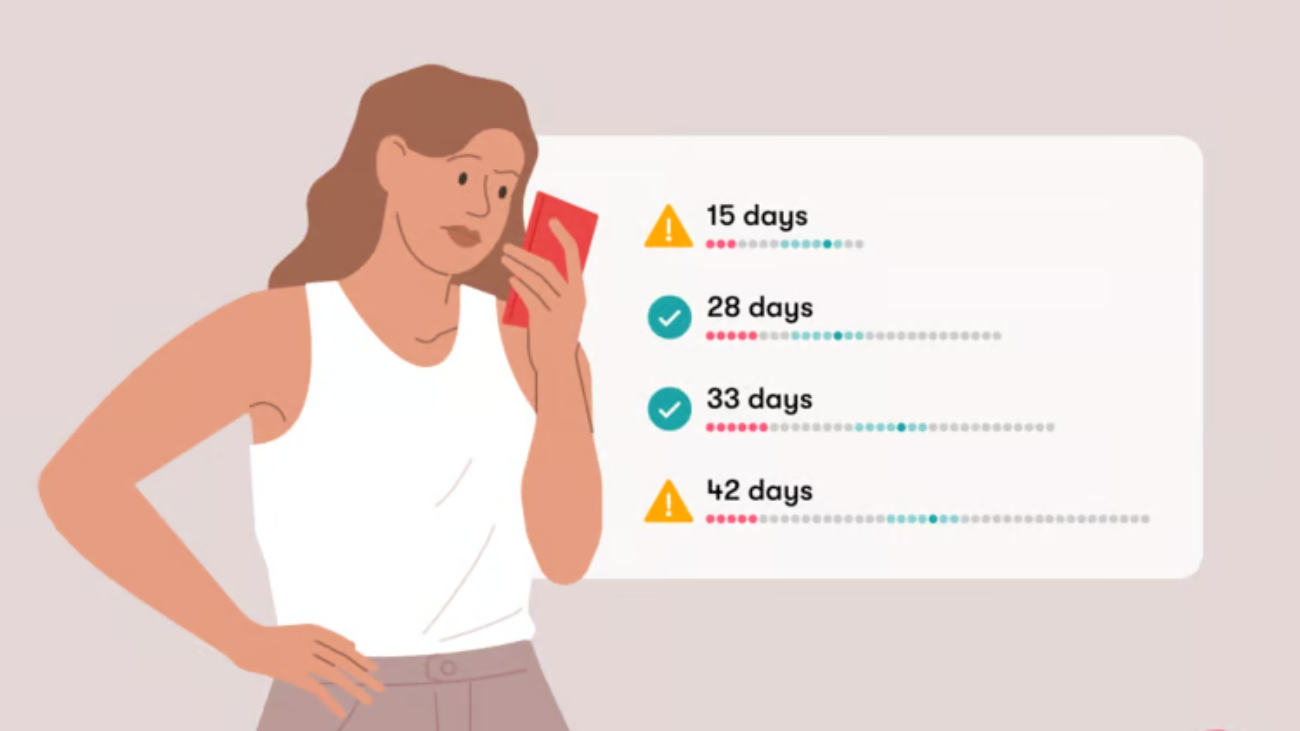
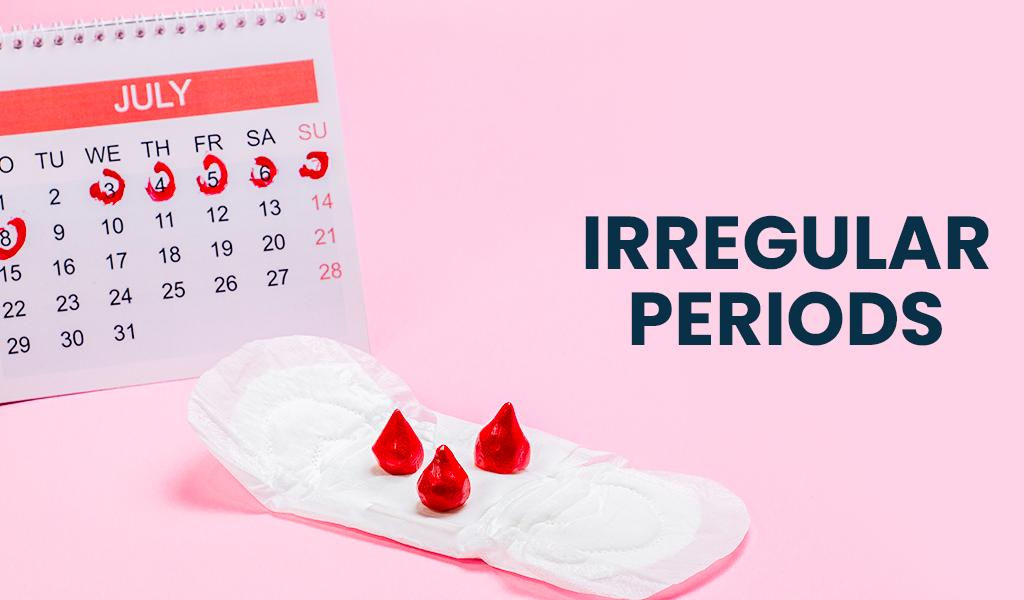
Periods may come late, stop for months, or become unpredictable.

Weight Gain

Many women gain weight easily, especially around the stomach.

Acne and Oily Skin

Hormonal imbalance can trigger stubborn acne.

Excess Hair Growth

Some women notice unwanted facial or body hair.

Hair Fall

Thinning hair or hair loss is also common.

Difficulty Getting Pregnant

PMOS can affect ovulation and fertility.

Mood Swings and Anxiety

Hormonal changes may impact mental health too.

Dark Skin Patches

Darkness around the neck or underarms may happen due to insulin resistance.


What Causes PMOS?

There is no single cause, but several factors may contribute.

Possible Causes Include:

  • Hormonal imbalance
  • Insulin resistance
  • Genetics
  • Lifestyle factors
  • Obesity
  • Stress
  • Poor sleep
  • Inflammation

Many women with PMOS have higher insulin levels, which may increase male hormones (androgens) in the body.


How Does PMOS Affect Fertility?

One of the biggest concerns women face with PMOS is:

Difficulty Getting Pregnant

PMOS may prevent regular ovulation, making conception harder.

But the good news is:

Pregnancy Is Still Possible

With proper treatment, lifestyle improvement, ovulation support, or fertility treatments like IVF, many women with PMOS successfully become mothers.

At Dr. Nitasha Gupta’s fertility clinic, personalised treatment plans are created based on:

  • Age
  • Hormone levels
  • Weight
  • Ovulation pattern
  • Fertility goals

How Is PMOS Diagnosed?

Doctors may recommend:

  • Blood tests
  • Ultrasound
  • Hormone testing
  • Menstrual history evaluation
  • Weight and metabolic assessment

There is no single test for PMOS. Diagnosis usually involves understanding symptoms together.


Can PMOS Be Cured?

PMOS is usually a long-term condition, but symptoms can be managed very effectively.

Many women improve significantly through:

  • Healthy diet
  • Exercise
  • Weight management
  • Stress reduction
  • Proper sleep
  • Hormonal treatment
  • Fertility treatment if needed

Early diagnosis often leads to better long-term health outcomes.


Best Lifestyle Changes for PMOS

1. Regular Exercise

Even walking daily can help improve hormones and insulin sensitivity.

2. Healthy Eating

Focus on:

  • Protein-rich meals
  • Fiber-rich foods
  • Fruits and vegetables
  • Low sugar intake
  • Healthy fats

3. Weight Management

Even small weight loss may improve periods and ovulation.

4. Good Sleep

Sleep affects hormone balance more than many people realise.

5. Stress Management

Yoga, meditation, and relaxation techniques may help hormonal health.


Foods That May Help PMOS

PMOS-Friendly Foods Include:

  • Nuts and seeds
  • Leafy vegetables
  • Eggs
  • Fish
  • Whole grains
  • Greek yogurt
  • Lentils
  • Fruits with low sugar

Avoid excessive processed food, sugary drinks, and junk food whenever possible.


Treatment Options for PMOS

Treatment depends on symptoms and future pregnancy plans.

Common PMOS Treatments Include:

  • Hormonal medications
  • Ovulation induction
  • Weight management support
  • Insulin resistance treatment
  • Fertility treatment
  • IVF if needed

Every woman’s body is different, which is why personalised treatment matters.


PMOS and Mental Health

Many women silently struggle emotionally with PMOS.

Common emotional effects include:

  • Low confidence
  • Anxiety
  • Mood swings
  • Stress
  • Body image concerns

This condition is not “just about periods.” It can affect overall quality of life.

Support, awareness, and proper medical guidance are important.


Why Women Trust Dr. Nitasha Gupta

Dr. Nitasha Gupta is known for advanced women’s healthcare, fertility treatment, IVF care, and compassionate support for hormonal conditions like PMOS/PCOS.

Women across Chandigarh Tricity trust her for:

  • PCOS & PMOS treatment
  • Fertility consultation
  • IVF support
  • Hormonal imbalance care
  • Pregnancy planning
  • Women wellness treatment

Her approach focuses on both medical treatment and long-term lifestyle improvement.


FAQs About PMOS

Is PMOS different from PCOS?

PMOS is the new name for PCOS. The condition is the same, but the new name better explains the hormonal and metabolic nature of the disorder.

Can women with PMOS get pregnant?

Yes. Many women with PMOS conceive naturally or with fertility support.

Is weight gain common in PMOS?

Yes. Hormonal imbalance and insulin resistance often make weight management difficult.

Does PMOS only affect ovaries?

No. PMOS can affect hormones, metabolism, skin, mental health, and fertility too.

Can exercise help PMOS?

Yes. Regular exercise may improve insulin sensitivity, hormones, and ovulation.

Is PMOS lifelong?

It is usually long-term, but symptoms can often be controlled successfully.


Final Thoughts

The new name PMOS is helping doctors and women better understand this complex hormonal condition. It is not simply about ovarian cysts — it affects the entire body, including hormones, metabolism, fertility, and emotional health.

Early diagnosis, healthy lifestyle habits, and expert medical support can make a major difference.

If you are experiencing irregular periods, hormonal imbalance, acne, unexplained weight gain, or fertility concerns, consult Dr. Nitasha Gupta for personalised women’s healthcare and fertility guidance.


PCOS Treatment in Panchkula: Symptoms, Causes, Fertility & Pregnancy Guide

PCOS Symptoms, Diagnosis, and Treatment Options

PCOS Symptoms in Women – Causes, Signs & Treatment Options

Why More Women in Their 20s & 30s Are Facing Hormonal Imbalance in 2026


Low Sperm Count: Causes, Symptoms, Treatment & Fertility

Low Sperm Count: Causes, Symptoms, Treatment & Fertility Solutions | Dr. Nitasha Gupta

Low Sperm Count: Causes, Symptoms, Fertility Challenges & Treatment Options

Expert Fertility Guidance by Dr. Nitasha Gupta

Low sperm count is one of the most common causes of male infertility worldwide. It affects millions of couples trying to conceive naturally. However, having a low sperm count does not always mean pregnancy is impossible. Many couples successfully conceive naturally or with advanced fertility treatments such as IVF and ICSI.

At Dr. Nitasha Gupta’s fertility and IVF clinic, many couples from Chandigarh, Mohali, Panchkula, Zirakpur, Dhakoli, and Dera Bassi seek expert guidance for male fertility problems, low sperm count treatment, semen analysis, IVF success, and fertility planning.

Understanding the causes, symptoms, and treatment options for low sperm count can significantly improve your chances of starting a family.


What Is Low Sperm CountLow sperm count

Low sperm count means there are fewer sperm than normal in semen released during ejaculation.

A healthy sperm count is important because sperm must travel to fertilise the egg naturally. When sperm levels are low, it may become harder for pregnancy to occur.

Low sperm count is medically known as:

Oligospermia

In severe cases where there are no sperm in semen, it is called:

Azoospermia

Male infertility can affect men of any age and often goes undiagnosed until couples face difficulty conceiving.


Signs and Symptoms of Low Sperm Count

Most men with low sperm count do not notice obvious symptoms.

The most common sign is:

Difficulty Getting Pregnant

You may discover low sperm count only after fertility testing.

Some men may also experience:

  • Reduced sexual function
  • Low libido
  • Erectile dysfunction
  • Pain or swelling in testicles
  • Hormonal imbalance signs
  • Reduced facial or body hair
  • Ejaculation issues

However, many men with low sperm count appear completely healthy.


When Should You See a Fertility Specialist?

You should consult a fertility expert if:

  • You and your partner have been trying to conceive for over 1 year without success
  • Your partner is above 35 years of age and pregnancy has not occurred after 6 months
  • You have a history of testicular injury or surgery
  • You have erectile or ejaculation problems
  • You had infections affecting reproductive health
  • You were exposed to chemicals, heat, or radiation

Early fertility evaluation can improve treatment success rates significantly.


What Causes Low Sperm Count?

Male infertility and low sperm count can happen due to multiple medical, hormonal, environmental, or lifestyle factors.

Common Causes of Low Sperm Count

1. Hormonal Imbalance

Low testosterone or hormonal disorders can affect sperm production.

2. Varicocele

Enlarged veins in the testicles may reduce sperm quality and count.

3. Smoking and Alcohol

Smoking and excessive alcohol consumption are strongly linked to poor sperm health.

4. Obesity

Being overweight may negatively affect testosterone and sperm production.

5. Stress and Poor Sleep

Chronic stress may interfere with reproductive hormones.

6. Heat Exposure

Frequent exposure to high temperatures, hot tubs, laptops on lap, or tight underwear can affect sperm production.

7. Infections

Sexually transmitted infections or untreated reproductive infections may damage sperm health.

8. Recreational Drugs

Use of anabolic steroids, cocaine, or recreational drugs can reduce sperm count significantly.

9. Environmental Chemicals

Exposure to pesticides, solvents, heavy metals, and industrial chemicals may impair fertility.


How Is Low Sperm Count Diagnosed?

The primary test used to diagnose low sperm count is:

Semen Analysis Test

A semen analysis helps evaluate:

  • Sperm count
  • Sperm movement (motility)
  • Sperm shape (morphology)
  • Semen volume
  • Overall sperm health

If abnormalities are found, repeat testing is often recommended after approximately 3 months because sperm production cycles take time.

Additional fertility tests may include:

  • Hormone blood tests
  • Ultrasound of testicles
  • Urine tests
  • Genetic testing
  • Advanced sperm function testing

Learn more about semen testing from:


Can You Still Get Pregnant Naturally With Low Sperm Count?

Yes — many couples still conceive naturally even with low sperm count.

Natural conception may still happen if:

  • Sperm quality is healthy
  • Ovulation timing is correct
  • Couples have regular intercourse
  • Fertility issues are mild

Doctors usually recommend:

Regular Intercourse Every 2–3 Days

This improves the chances of fertilisation during ovulation.


How to Improve Low Sperm Count Naturally

Many lifestyle changes can improve male fertility and sperm quality.

1. Stop Smoking

Smoking damages sperm DNA and reduces sperm quality.

2. Reduce Alcohol Intake

Limit alcohol consumption to improve hormone balance and sperm health.

3. Maintain Healthy Weight

Weight loss may improve testosterone levels and fertility.

4. Wear Loose-Fitting Underwear

Tight underwear increases testicular temperature and may reduce sperm production.

5. Improve Diet

Eat antioxidant-rich foods including:

  • Fruits
  • Vegetables
  • Nuts
  • Seeds
  • Protein-rich foods

6. Exercise Regularly

Moderate exercise improves circulation and hormone health.

7. Avoid Recreational Drugs

Steroids and cocaine can severely impact fertility.

8. Reduce Chemical Exposure

Avoid pesticides, solvents, and heavy metals whenever possible.


Best Foods for Male Fertility

Nutrition plays a major role in sperm production.

Fertility-Friendly Foods Include:

  • Walnuts
  • Pumpkin seeds
  • Eggs
  • Spinach
  • Citrus fruits
  • Fish rich in omega-3
  • Zinc-rich foods
  • Folate-rich vegetables

Healthy nutrition combined with lifestyle improvement may help improve sperm count over time.


Treatment Options for Low Sperm Count

If pregnancy does not occur naturally, fertility treatments may help.

At Dr. Nitasha Gupta’s fertility clinic, personalised male infertility treatment plans are created based on sperm quality, female fertility factors, age, and reproductive history.


IVF Treatment for Low Sperm Count

What Is IVF?

In Vitro Fertilisation (IVF) involves:

  1. Retrieving eggs from the ovaries
  2. Fertilising eggs with sperm in a lab
  3. Transferring embryos into the uterus

IVF is commonly recommended for couples facing fertility challenges.


ICSI Treatment for Severe Male Infertility

What Is ICSI?

Intracytoplasmic Sperm Injection (ICSI) is an advanced fertility procedure where:

  • A single healthy sperm is injected directly into the egg

ICSI is highly effective in cases of:

  • Very low sperm count
  • Poor sperm motility
  • Abnormal sperm shape
  • Severe male infertility

ICSI has transformed fertility success for many couples struggling with male infertility.


Donor Sperm Treatment

In rare cases where sperm production is extremely low or absent, donor sperm treatment may be considered.

This option is discussed sensitively and privately depending on the couple’s fertility goals.


Emotional Impact of Male Infertility

Male infertility often affects emotional wellbeing, confidence, relationships, and mental health.

Many men silently struggle with:

  • Anxiety
  • Stress
  • Low confidence
  • Social pressure
  • Emotional guilt

At Dr. Nitasha Gupta’s clinic, fertility counselling and compassionate support are considered equally important alongside medical treatment.


Why Couples Trust Dr. Nitasha Gupta for Fertility Care

Dr. Nitasha Gupta is known for advanced fertility treatment, IVF expertise, women’s healthcare, and patient-focused reproductive care.

Patients across Chandigarh Tricity trust her for:

  • Male infertility treatment
  • IVF and ICSI procedures
  • Fertility counselling
  • High-risk pregnancy care
  • Advanced reproductive solutions
  • Personalised fertility treatment plans

Her evidence-based approach combines modern fertility science with compassionate patient care.


FAQs About Low Sperm Count

Can low sperm count be cured?

In many cases, lifestyle changes, medications, surgery, or fertility treatments can improve fertility outcomes.

Can I get my wife pregnant with low sperm count?

Yes. Natural conception is still possible in many cases, especially with mild sperm count reduction.

Which test checks sperm count?

A semen analysis test is the main test used to evaluate sperm count and quality.

Is IVF necessary for low sperm count?

Not always. Some couples conceive naturally, while others may need IVF or ICSI depending on severity.

How long does it take to improve sperm count?

Sperm production cycles take approximately 2–3 months, so improvements may take time.

Does tight underwear affect sperm count?

Yes. Excessive heat around the testicles may negatively affect sperm production.


Final Thoughts

Low sperm count is common and treatable. Advances in fertility care, IVF, and ICSI have helped millions of couples achieve successful pregnancies.

Early diagnosis, healthy lifestyle changes, and expert fertility guidance can make a major difference.

If you and your partner are facing difficulty conceiving, consult Dr. Nitasha Gupta for personalised fertility evaluation and advanced reproductive care.

Exercising While Expecting: Safe Pregnancy Workouts & Fitness

Exercising While Expecting: Safe Pregnancy Workouts & Fitness Tips | Dr. Nitasha Gupta

Exercising While Expecting: A Complete Guide to Safe Pregnancy Fitness

By Dr. Nitasha Gupta

Pregnancy is one of the most transformative phases in a woman’s life. While many women believe they should avoid physical activity during pregnancy, medical experts now strongly recommend safe exercise during pregnancy for both mother and baby. In fact, exercising while expecting can improve energy levels, reduce stress, strengthen muscles, support healthy weight gain, and even help during labour and recovery.

According to leading global health experts including the World Health Organization (WHO) and American College of Obstetricians and Gynecologists (ACOG), regular pregnancy workouts are considered highly beneficial for most women with uncomplicated pregnancies.

At Dr. Nitasha Gupta’s clinic, many expecting mothers from Chandigarh, Panchkula, Mohali, Zirakpur, Dhakoli, and Dera Bassi ask one common question:

“Is exercising while pregnant safe for my baby?”

The answer in most cases is yes. Safe prenatal exercise can actually improve maternal and fetal health when done correctly under expert guidance.


Why Exercising While Expecting Matters

Pregnancy changes your body physically, hormonally, emotionally, and mentally. Staying active helps the body adapt to these changes more effectively.

Benefits of Exercise During Pregnancy

1. Easier Labour and Delivery

Women who maintain pregnancy fitness often experience better stamina during labour and improved muscle strength for delivery.

2. Reduces Back Pain and Body Aches

As pregnancy progresses, posture changes and extra weight strain the spine. Prenatal workouts help strengthen supporting muscles and reduce discomfort.

3. Supports Healthy Weight Gain

Exercise during pregnancy helps maintain healthy metabolism and reduces excessive pregnancy weight gain.

4. Better Mental Health

Physical activity releases endorphins that reduce anxiety, mood swings, and stress during pregnancy.

5. Improves Blood Circulation

Safe exercise during pregnancy supports circulation and may reduce swelling in legs and feet.

6. Faster Recovery After Delivery

Women who remain active during pregnancy often recover more quickly postpartum.

7. Better Sleep Quality

Light pregnancy exercises and walking may improve sleep patterns and reduce fatigue.


Is Exercise Safe During Pregnancy?

For most healthy pregnancies, yes. However, every pregnancy is different.

Women with conditions such as:

  • High-risk pregnancy
  • Placenta previa
  • Severe anemia
  • Uncontrolled blood pressure
  • Preterm labour risk
  • Cervical complications

should consult an experienced gynecologist before beginning prenatal workouts.

At Dr. Nitasha Gupta’s women’s health and fertility clinic, personalised pregnancy fitness guidance is often recommended based on the trimester, maternal health, and IVF history if applicable.


Best Exercises During Pregnancy

Walking During Pregnancy

Walking is considered one of the safest and easiest forms of exercise while expecting. Even 20–30 minutes daily can improve cardiovascular health and mood.

Prenatal Yoga

Pregnancy yoga improves flexibility, breathing control, posture, and relaxation.

Benefits include:

  • Reduced stress
  • Better balance
  • Improved sleep
  • Pelvic flexibility

Many women searching for “best exercise during pregnancy” or “safe pregnancy yoga” benefit from prenatal yoga under trained supervision.


Swimming During Pregnancy

Swimming is highly recommended because water supports the extra pregnancy weight and reduces joint strain.

Benefits of swimming during pregnancy:

  • Relieves swelling
  • Reduces pressure on the back
  • Improves circulation
  • Keeps the body cool

Pelvic Floor Exercises

Pelvic floor exercises are among the most important pregnancy exercises.

These muscles support the bladder, uterus, and bowel during pregnancy.

Benefits:

  • Prevents urinary leakage
  • Strengthens pelvic muscles
  • Helps during labour
  • Supports postpartum recovery

How to Do Pelvic Floor Exercises

  1. Sit or lie comfortably.
  2. Tighten pelvic muscles gently.
  3. Hold for a few seconds.
  4. Relax slowly.
  5. Repeat multiple times daily.

Safe Strength Exercises During Pregnancy

Light strength training can help support posture and muscle endurance.

Recommended pregnancy workouts include:

  • Wall squats
  • Pelvic tilts
  • Modified stretches
  • Prenatal Pilates
  • Bodyweight exercises

Avoid excessive strain or heavy lifting.


Exercises to Avoid While Expecting

Not all exercises are safe during pregnancy.

Avoid:

  • Contact sports
  • Scuba diving
  • High-altitude workouts
  • Intense jumping exercises
  • Heavy weightlifting
  • Exercises with high fall risk

After 16 weeks of pregnancy, avoid lying flat on your back for long periods because it may reduce blood circulation.


Pregnancy Exercise Tips From Dr. Nitasha Gupta

Listen to Your Body

Do not overexert yourself. Pregnancy is not the time for extreme fitness goals.

Stay Hydrated

Drink enough water before and after workouts.

Wear Comfortable Clothing

Choose breathable maternity activewear and supportive shoes.

Warm Up and Cool Down

Gentle stretching before and after workouts helps prevent muscle strain.

Avoid Overheating

Avoid strenuous exercise in extremely hot weather.

Speak Normally During Exercise

If you cannot hold a conversation while exercising, the intensity may be too high.


Exercising During IVF Pregnancy

Women with IVF pregnancies often worry about physical activity.

At Dr. Nitasha Gupta’s fertility clinic, exercise recommendations are customised carefully for IVF patients depending on:

  • Embryo transfer stage
  • Hormonal condition
  • Pregnancy progression
  • Medical history

Gentle walking and low-impact activity are usually preferred initially unless advised otherwise.


Common Signs to Stop Exercising Immediately

Contact your gynecologist if you experience:

  • Vaginal bleeding
  • Dizziness
  • Severe abdominal pain
  • Chest pain
  • Breathing difficulty
  • Fluid leakage
  • Reduced fetal movement

Safety always comes first during pregnancy fitness.


Nutrition + Exercise = Healthy Pregnancy

Exercise alone is not enough. Proper nutrition during pregnancy is equally important.

A healthy pregnancy routine should include:

  • Protein-rich meals
  • Iron and calcium intake
  • Adequate hydration
  • Fresh fruits and vegetables
  • Prenatal vitamins

Read more pregnancy care resources at:


Why Patients Trust Dr. Nitasha Gupta

Dr. Nitasha Gupta is known for compassionate women’s healthcare, fertility treatment, IVF support, pregnancy care, and advanced gynecology services.

Patients across Chandigarh Tricity trust her for:

  • Pregnancy consultations
  • IVF treatment
  • High-risk pregnancy care
  • Women’s wellness
  • Fertility guidance
  • Prenatal counselling

Her patient-centric approach focuses on safe motherhood, healthy pregnancy, and evidence-based care.


FAQs – Exercising While Expecting

Can I exercise daily during pregnancy?

Yes, most women can safely exercise daily with moderate-intensity activities like walking, prenatal yoga, or stretching.

Which exercise is best during pregnancy?

Walking, prenatal yoga, swimming, and pelvic floor exercises are among the safest pregnancy workouts.

Is exercise safe during IVF pregnancy?

In many cases yes, but exercise should be guided by your fertility specialist depending on your condition.

Can exercise harm my baby?

No. Safe prenatal exercise is generally beneficial for both mother and baby when performed correctly.

When should I stop exercising during pregnancy?

Stop immediately if you experience pain, bleeding, dizziness, breathing difficulty, or contractions.

Can exercise help with normal delivery?

Yes. Pregnancy fitness may improve stamina, muscle strength, flexibility, and endurance during labour.


Final Thoughts

Exercising while expecting is one of the best ways to support a healthier pregnancy journey. Safe pregnancy workouts can improve physical strength, emotional wellbeing, labour outcomes, and postpartum recovery.

The key is balance, consistency, hydration, and medical guidance.

If you are pregnant or planning pregnancy and want personalised advice on safe prenatal fitness, consult Dr. Nitasha Gupta for expert women’s healthcare and pregnancy support.

Low Sperm Count in Men: Symptoms, Causes & When to Worry

Low Sperm Count in Men: Symptoms, Causes & When to Worry

Low Sperm Count in Men: Symptoms, Causes & When to Worry

Male fertility problems are becoming increasingly common today. One of the most common causes is low sperm count, also known as male factor infertility.

Many men experience fertility issues silently because symptoms often go unnoticed until pregnancy planning begins.

Understanding the early signs, causes, and treatment options can help improve fertility outcomes and reproductive health.

If you are searching for:

  • low sperm count symptoms
  • male infertility causes
  • fertility problems in men
  • low sperm motility
  • difficulty conceiving
  • male fertility specialist near me

this guide explains everything men should know about low sperm count and reproductive health.


What Is Low Sperm Count?

Low sperm count means the semen contains fewer sperm than normal during ejaculation.

A lower sperm count can reduce the chances of fertilizing an egg naturally.

According to World Health Organization (WHO), sperm concentration below normal reference levels may affect fertility potential.

Sperm health depends on:

  • sperm count
  • sperm motility
  • sperm morphology
  • semen quality

Common Symptoms of Low Sperm Count

In many cases, low sperm count causes no obvious symptoms.

However, some men may experience:

  • Difficulty conceiving
  • Reduced sexual desire
  • Erectile dysfunction
  • Pain or swelling in testicles
  • Hormonal imbalance signs
  • Decreased facial or body hair

Most men discover fertility issues only after trying for pregnancy for several months.


Early Signs Men Often Ignore

Low Energy Levels

Hormonal imbalance can sometimes affect energy and stamina.


Reduced Libido

Low testosterone may impact sexual drive.


Difficulty Achieving Pregnancy

One of the biggest warning signs is difficulty conceiving despite regular unprotected intercourse.


Testicular Discomfort

Pain, heaviness, or swelling may require medical evaluation.


Common Causes of Low Sperm Count

Lifestyle Factors

Modern lifestyle habits can strongly affect male fertility.

Common risk factors include:

  • smoking
  • alcohol consumption
  • obesity
  • stress
  • poor sleep
  • unhealthy diet
  • lack of exercise

Excessive Heat Exposure

Frequent exposure to heat may affect sperm production.

Examples include:

  • hot tubs
  • saunas
  • prolonged laptop use
  • tight underwear

Hormonal Imbalance

Hormones play a major role in sperm production and reproductive health.


Medical Conditions

Certain medical conditions may affect fertility:

  • diabetes
  • infections
  • varicocele
  • hormonal disorders
  • sexually transmitted infections

Poor Sperm Motility

Even if sperm count is normal, poor sperm movement can reduce fertility chances.


Can Low Sperm Count Cause Infertility?

Yes.

Low sperm count is one of the leading causes of male infertility worldwide.

Men searching for:

  • why pregnancy is not happening
  • fertility problems in men
  • male infertility treatment

often discover sperm quality issues during fertility testing.

According to Indian Council of Medical Research (ICMR), male factors contribute significantly to infertility cases in couples.


How Is Low Sperm Count Diagnosed?

Diagnosis usually includes:

Semen Analysis

Checks:

  • sperm count
  • motility
  • morphology
  • semen quality

Hormonal Testing

Evaluates testosterone and reproductive hormones.


Ultrasound

Used to identify structural issues like varicocele.


Treatment Options for Low Sperm Count

Treatment depends on the underlying cause.

Lifestyle Changes

  • healthier diet
  • exercise
  • weight management
  • stress reduction
  • sleep improvement

Medical Treatment

Doctors may recommend:

  • hormonal treatment
  • supplements
  • infection treatment
  • fertility medications

Advanced Fertility Treatment

Some couples may require:

  • IUI
  • IVF
  • ICSI

depending on sperm quality and fertility goals.

Learn more about fertility treatment →
Kore Fertility Solutions


Foods That May Support Sperm Health

A fertility-friendly diet may include:

  • fruits and vegetables
  • nuts and seeds
  • protein-rich foods
  • zinc-rich foods
  • antioxidants
  • hydration

Lifestyle improvement plays a major role in long-term reproductive health.


Male Fertility Myths Men Should Stop Believing

“Infertility Is Always a Woman’s Problem”

False. Male factors contribute to many infertility cases.


“Healthy Appearance Means Healthy Fertility”

False. Fertility problems can exist without visible symptoms.


“Low Sperm Count Means No Pregnancy”

False. Many couples conceive successfully with proper treatment.


When Should You See a Fertility Specialist?

Consult a fertility expert if:

  • pregnancy is not happening after 1 year
  • there is erectile dysfunction
  • ejaculation problems occur
  • testicular pain persists
  • previous fertility issues exist

Early diagnosis improves treatment outcomes significantly.


Not Sure About Your Fertility Health?

Don’t ignore the signs. Fertility evaluation can help identify underlying issues early.

Talk to a Fertility Specialist →
Book Consultation

Call Now: +91 98889 91413


Why Couples Trust Dr. Nitasha Gupta

Patients across Panchkula, Chandigarh, Mohali, Zirakpur, and Tricity trust Kore Fertility Solutions for advanced fertility evaluation and personalized reproductive care.

Treatment plans focus on:

  • evidence-based fertility care
  • advanced reproductive technology
  • ethical guidance
  • couple-focused treatment planning

Read reviews & clinic directions →
Google Reviews – Dr. Nitasha Gupta


FAQs

Can low sperm count be improved naturally?

Yes. Lifestyle changes, diet improvement, exercise, stress reduction, and medical treatment may improve sperm health.


Does stress affect sperm count?

Yes. Chronic stress may affect hormones and fertility health.


Can low sperm count still lead to pregnancy?

Yes. Many couples achieve pregnancy naturally or with fertility support.


Which test checks male fertility?

Semen analysis is the most common fertility evaluation test for men.


Is low sperm count common?

Yes. Male fertility problems are increasingly common due to lifestyle, stress, and health factors.


Medical Disclaimer

This content is intended for educational purposes only and should not replace professional medical advice, diagnosis, or treatment. Always consult a qualified healthcare professional for personalized guidance.

PCOS Treatment in Panchkula | PCOS Symptoms, Fertility & Pregnancy Guide

PCOS Treatment in Panchkula | PCOS Symptoms, Fertility & Pregnancy Guide

PCOS Treatment in Panchkula: Symptoms, Causes, Fertility & Pregnancy Guide


Clinically reviewed by Dr. Nitasha Gupta

Polycystic Ovary Syndrome (PCOS) is one of the most common hormonal disorders affecting women today. From irregular periods and acne to weight gain, hair fall, infertility, and difficulty conceiving, PCOS can impact both physical and emotional health.

If you are searching for:

  • PCOS treatment in Panchkula
  • Best gynecologist for PCOS
  • Hormonal imbalance treatment near me
  • Irregular periods treatment
  • PCOS and pregnancy specialist
  • Fertility treatment for PCOS

Dr. Nitasha Gupta at Kore Fertility Solutions provides advanced, evidence-based women’s healthcare and fertility-focused PCOS management.


What is PCOS?

PCOS (Polycystic Ovary Syndrome) is a hormonal condition where women may experience irregular ovulation, hormonal imbalance, increased androgen levels, and metabolic changes.

PCOS symptoms can affect:

  • menstrual cycles
  • fertility
  • skin health
  • weight
  • hormones
  • insulin resistance
  • emotional wellness

According to World Health Organization (WHO), PCOS affects millions of women globally and is one of the leading causes of infertility in women.

Women searching for PCOS treatment in Panchkula often experience symptoms for years before diagnosis.


Common PCOS Symptoms Every Woman Should Know

Irregular Periods

Irregular periods are among the most common PCOS symptoms. Some women experience:

  • delayed periods
  • missed periods
  • prolonged cycles
  • heavy bleeding

Hormonal imbalance in women can directly affect ovulation patterns.


Weight Gain & Difficulty Losing Weight

Many women with PCOS struggle with:

  • abdominal fat
  • insulin resistance
  • unexplained weight gain
  • slow metabolism

Weight gain in PCOS is strongly linked to hormonal imbalance and insulin sensitivity issues.


Acne & Oily Skin

Persistent acne in women, especially around:

  • jawline
  • chin
  • cheeks

may indicate androgen imbalance associated with PCOS.


Hair Fall & Excess Hair Growth

PCOS may cause:

  • thinning scalp hair
  • excessive facial hair
  • increased body hair growth

This occurs due to elevated male hormone levels.


Difficulty Conceiving

Women searching for:

  • fertility problems in women
  • infertility treatment
  • why pregnancy is not happening

often discover undiagnosed PCOS as an underlying cause.

PCOS and pregnancy challenges are extremely common because ovulation becomes irregular or absent.


Causes of PCOS

The exact cause of PCOS is complex and multifactorial.

Common contributing factors include:

  • insulin resistance
  • genetics
  • obesity
  • chronic inflammation
  • hormonal imbalance
  • sedentary lifestyle

According to Indian Council of Medical Research (ICMR), lifestyle changes and early intervention can significantly improve reproductive outcomes in women with PCOS.


PCOS and Fertility Problems

One of the biggest concerns among women with PCOS is infertility.

PCOS can affect:

  • egg release
  • ovulation timing
  • hormone balance
  • implantation potential

Women trying to conceive may experience:

  • irregular ovulation
  • failed conception attempts
  • recurrent hormonal fluctuations

At Kore Fertility Solutions, fertility-focused PCOS treatment plans are personalized based on:

  • age
  • hormone profile
  • ovulation status
  • insulin resistance
  • reproductive goals

Can Women with PCOS Get Pregnant?

Yes.

Many women with PCOS successfully conceive naturally or with fertility support.

Early diagnosis and proper treatment can improve:

  • ovulation
  • egg quality
  • menstrual regularity
  • pregnancy chances

Women searching for:

  • PCOS and pregnancy
  • pregnancy with PCOS
  • infertility due to PCOS

should consult a qualified gynecologist and fertility specialist early.

Learn more about fertility care →
Dr. Nitasha Gupta – About & Fertility Expertise


PCOS Treatment in Panchkula

Dr. Nitasha Gupta provides advanced PCOS treatment in Panchkula focused on long-term hormonal balance and reproductive health.

Treatment options may include:

Lifestyle Management

  • weight management
  • nutrition counseling
  • exercise planning
  • sleep optimization

Hormonal Regulation

  • cycle regulation
  • ovulation support
  • hormonal medications
  • insulin management

Fertility-Focused PCOS Care

  • ovulation induction
  • fertility monitoring
  • IUI
  • IVF treatment if needed

Advanced Diagnostic Evaluation

  • ultrasound
  • hormone testing
  • metabolic evaluation
  • ovarian reserve assessment

Explore women’s healthcare services →
Kore Fertility Solutions Services


Foods & Lifestyle Tips for PCOS

Women with PCOS may benefit from:

  • high-protein meals
  • low refined sugar intake
  • regular exercise
  • stress reduction
  • sleep improvement
  • insulin-friendly diets

Lifestyle correction is one of the most important parts of long-term PCOS management.


PCOS Myths Women Should Stop Believing

“PCOS Means You Can Never Get Pregnant”

False. Many women with PCOS conceive successfully.


“Irregular Periods Are Always Normal”

False. Persistent irregular cycles require medical evaluation.


“Only Overweight Women Get PCOS”

False. Lean PCOS also exists.


Why Women Trust Dr. Nitasha Gupta for PCOS Treatment in Panchkula

Patients across Panchkula, Chandigarh, Mohali, Zirakpur, Dhakoli, and Peer Muchalla trust Dr. Nitasha Gupta because of:

  • Evidence-based women’s healthcare
  • Ethical fertility treatment plans
  • Personalized PCOS management
  • Compassionate consultations
  • Advanced fertility technology
  • Holistic hormonal care
  • Transparent guidance

Read patient reviews & clinic directions →
Google Reviews – Dr. Nitasha Gupta


Areas Served

Patients visit from:

  • Panchkula
  • Sector 20 Panchkula
  • Sector 21 Panchkula
  • MDC Panchkula
  • Chandigarh
  • Mohali
  • Zirakpur
  • Dhakoli
  • Baltana
  • Peer Muchalla

Frequently Asked Questions

H3 — What are the first signs of PCOS?

Common early symptoms include:

  • irregular periods
  • acne
  • weight gain
  • hair fall
  • facial hair growth
  • difficulty conceiving

Is PCOS curable?

PCOS can be effectively managed with lifestyle changes, hormonal treatment, and fertility-focused care.


Can PCOS cause infertility?

Yes. PCOS is one of the leading causes of ovulation-related infertility in women.


Which doctor is best for PCOS treatment in Panchkula?

Dr. Nitasha Gupta is known for advanced PCOS management, fertility care, and women’s hormonal health treatment in Panchkula.


Does PCOS always require IVF?

No. Many women conceive naturally or with ovulation support and lifestyle management. IVF may only be needed in selected cases.


Book Consultation for PCOS Treatment in Panchkula

If you are experiencing:

  • irregular periods
  • hormonal imbalance
  • acne
  • hair fall
  • infertility
  • PCOS symptoms

early treatment can significantly improve reproductive and hormonal health.

Book appointment today →
Contact Dr. Nitasha Gupta

Call Now: +91 98889 91413


Medical Disclaimer

This content is intended for informational and educational purposes only and should not replace professional medical advice, diagnosis, or treatment. Always consult a qualified healthcare professional for personalized medical guidance.

Hysteroscopy Polypectomy for Infertility | Dr. Nitasha Gupta

Hysteroscopy Polypectomy for Infertility: How It Improves Pregnancy Chances

Hysteroscopy Polypectomy for Infertility: How It Improves Pregnancy Chances

Infertility has become increasingly common among couples today, especially in urban regions where lifestyle changes, hormonal imbalance, delayed pregnancy planning, stress, PCOS, and reproductive health disorders affect fertility outcomes.

Many women struggling to conceive focus only on IVF or fertility medications while one important cause of infertility often remains undiagnosed — uterine polyps.

Women searching for the best gynecologist in Zirakpur or fertility specialist near Chandigarh are often surprised to learn that small uterine polyps can interfere with embryo implantation, fertility treatment success, and pregnancy outcomes.

At Kore Fertility Centre, Dr. Nitasha Gupta provides advanced hysteroscopy treatment, infertility evaluation, uterine polyp removal, IVF support, and women’s reproductive healthcare with personalised fertility planning.

This guide explains how hysteroscopy polypectomy helps infertility patients, who should consider the procedure, recovery expectations, treatment benefits, and why early diagnosis is important.


What is Hysteroscopy Polypectomy?

Hysteroscopy polypectomy is a minimally invasive gynecological procedure used to diagnose and remove uterine polyps from the inner lining of the uterus.

The procedure uses a hysteroscope, a thin camera-like instrument inserted gently through the cervix to visualise the uterine cavity.

Hysteroscopy

Refers to visual examination of the uterus using a specialised camera.

Polypectomy

Refers to the removal of uterine polyps.

This advanced fertility procedure allows doctors to:

  • detect uterine abnormalities
  • remove uterine polyps precisely
  • improve implantation conditions
  • support fertility treatment outcomes
  • reduce implantation failure risk

Women searching for hysteroscopy treatment in Zirakpur or infertility treatment near Chandigarh often benefit from early uterine evaluation before IVF or IUI procedures.


What Are Uterine Polyps?

Uterine polyps are soft tissue growths that develop inside the uterine lining (endometrium).

These growths are usually non-cancerous but may affect fertility depending on their:

  • size
  • location
  • number
  • hormonal activity

Some women may have a single uterine polyp, while others may develop multiple polyps.

Hormonal imbalance, particularly excess estrogen activity, is considered one of the major contributing factors.


Symptoms of Uterine Polyps

Women experiencing the following symptoms should consult a gynecologist:

  • irregular periods
  • heavy menstrual bleeding
  • spotting between periods
  • bleeding after intercourse
  • pelvic discomfort
  • recurrent miscarriage
  • difficulty conceiving
  • failed IVF attempts
  • unexplained infertility

Women searching for the best gynecologist for infertility in Zirakpur often undergo fertility scans where uterine polyps are detected during ultrasound or hysteroscopy evaluation.


How Uterine Polyps Affect Fertility

Uterine polyps may negatively affect fertility in several ways:

Prevent Embryo Implantation

Polyps may create physical obstruction inside the uterine cavity, reducing successful embryo attachment.

Cause Inflammation

They may trigger mild inflammatory reactions making the uterine environment less suitable for implantation.

Disturb Endometrial Function

Healthy endometrial lining is important for pregnancy success.

Reduce IVF Success Rates

Untreated uterine polyps may lower IVF and IUI treatment outcomes.

This is why many fertility specialists recommend hysteroscopy evaluation before advanced fertility treatments.


Who Should Consider Hysteroscopy Polypectomy?

Women experiencing the following conditions may benefit from hysteroscopy polypectomy:

  • infertility without clear cause
  • recurrent IVF failure
  • repeated implantation failure
  • recurrent miscarriage
  • abnormal uterine bleeding
  • uterine polyps on ultrasound
  • difficulty conceiving
  • failed IUI cycles
  • unexplained infertility

Women planning IVF treatment in Zirakpur often undergo hysteroscopy evaluation to improve pregnancy chances before embryo transfer.


Procedure of Hysteroscopy Polypectomy

The procedure is generally quick, minimally invasive, and often completed as a day-care treatment.

Step 1 – Preparation

Mild anesthesia or sedation is provided for comfort.

Step 2 – Hysteroscope Insertion

A thin hysteroscope is inserted gently through the cervix.

Step 3 – Uterine Examination

The uterine cavity is examined carefully for polyps or abnormalities.

Step 4 – Polyp Removal

Specialised instruments remove polyps precisely.

Step 5 – Final Evaluation

The uterine cavity is rechecked to ensure complete clearance.

Women usually return home the same day with minimal discomfort.


Benefits of Hysteroscopy Polypectomy for Infertility

Improved Implantation

Clearing the uterine cavity improves embryo implantation potential.

Better IVF & IUI Outcomes

Women undergoing IVF treatment may experience improved reproductive conditions.

Minimally Invasive Procedure

No external cuts or major surgery.

Faster Recovery

Most women recover quickly with minimal downtime.

Better Uterine Health

Removes abnormal tissue growth affecting reproductive health.


Recovery After Hysteroscopy Polypectomy

Recovery after hysteroscopy treatment is generally fast because the procedure is minimally invasive.

Women may experience:

  • mild cramping
  • light spotting
  • temporary discomfort

Most patients resume normal activities within 1–2 days depending on individual recovery.

At Kore Fertility Centre, Dr. Nitasha Gupta provides personalised aftercare guidance and fertility planning after hysteroscopy treatment.


Why Choose Dr. Nitasha Gupta for Hysteroscopy Treatment?

Women searching for the best gynecologist in Zirakpur or fertility specialist near Chandigarh often choose Dr. Nitasha Gupta because of her experience in:

  • infertility treatment
  • IVF support
  • reproductive healthcare
  • hysteroscopy procedures
  • women’s wellness
  • hormonal care
  • advanced gynecology
  • pregnancy planning

With 15+ years of experience and previous leadership experience as Centre Head at Indira IVF Chandigarh, Dr. Nitasha Gupta provides personalised fertility treatment with compassionate women’s healthcare.


Cost of Hysteroscopy Polypectomy

The overall treatment cost depends on:

  • number of polyps
  • procedure complexity
  • fertility evaluation needs
  • hospital setup
  • anesthesia requirements
  • additional investigations

Women searching for affordable hysteroscopy treatment in Zirakpur should consult directly for personalised evaluation and treatment planning.


Frequently Asked Questions (FAQs)

Is hysteroscopy painful?

Hysteroscopy is generally performed under anesthesia or sedation for patient comfort.

Can uterine polyps cause infertility?

Yes. Uterine polyps may interfere with embryo implantation and pregnancy success.

Is hysteroscopy required before IVF?

Some women benefit from hysteroscopy evaluation before IVF to improve uterine conditions.

How long does recovery take?

Most women recover within 1–2 days after hysteroscopy treatment.

Can uterine polyps return?

In some cases, uterine polyps may recur depending on hormonal factors.

Is hysteroscopy surgery safe?

Hysteroscopy is considered a safe and minimally invasive gynecological procedure when performed by experienced specialists.

Kegel Exercises vs. HIFEM Technology- Which Works Better? Dr Nitasha Gupta

Kegel Exercises vs HIFEM Technology: Which Works Better ?

Kegel Exercises vs HIFEM Technology: Which Works Better?

Pelvic floor weakness is one of the most common women’s health concerns today, yet many women silently struggle with symptoms like urine leakage, pelvic heaviness, loss of bladder control, discomfort during intimacy, and weak core support after pregnancy.

Women searching for the best gynecologist for pelvic floor treatment often ask whether Kegel exercises are enough or whether advanced HIFEM technology offers better and faster results.

At Kore Fertility Centre, Dr. Nitasha Gupta helps women with advanced women’s wellness, pelvic floor strengthening, postpartum recovery, cosmetic gynecology, urinary incontinence treatment, and non-surgical intimate wellness treatments.

This detailed guide explains the difference between Kegel exercises and HIFEM technology, which treatment works better, who benefits the most, and how women can improve pelvic floor health naturally and medically.


What is the Pelvic Floor?

What is the Pelvic Floor?

The pelvic floor is a group of muscles located at the base of the pelvis. These muscles support:

  • bladder
  • uterus
  • bowel
  • reproductive organs
  • core strength
  • intimate wellness

Strong pelvic floor muscles help women maintain bladder control, reproductive health, sexual wellness, and post-pregnancy recovery.

However, pregnancy, childbirth, hormonal changes, ageing, obesity, menopause, chronic coughing, and lifestyle factors can weaken these muscles over time.

Women with weak pelvic floor muscles may experience:

  • urine leakage while coughing or sneezing
  • stress urinary incontinence
  • pelvic heaviness
  • weak bladder control
  • painful intimacy
  • postpartum weakness
  • reduced intimate sensation
  • pelvic organ prolapse
  • lower back discomfort

Both Kegel exercises and HIFEM technology aim to strengthen these muscles, but they work very differently.


What Are Kegel Exercises?

What Are Kegel Exercises?

Kegel exercises are pelvic floor exercises designed to strengthen the muscles supporting the bladder and reproductive organs.

These exercises were introduced by Dr. Arnold Kegel and remain one of the most recommended first-line treatments for mild pelvic floor weakness.

Women performing Kegel exercises repeatedly tighten and relax the pelvic floor muscles to improve muscle tone and bladder control.

Benefits of Kegel Exercises

  • Can be performed at home
  • No equipment required
  • Helpful for mild pelvic floor weakness
  • Recommended during postpartum recovery
  • Supports bladder control improvement
  • May improve intimate wellness
  • Cost-effective pelvic health exercise

Problems With Kegel Exercises

Many women unknowingly perform Kegel exercises incorrectly.

Common problems include:

  • activating wrong muscles
  • poor consistency
  • weak muscle awareness
  • pushing downward instead of lifting upward
  • stopping exercises too early

Results often take weeks or months and depend heavily on daily consistency.

Women searching for the best gynecologist in Zirakpur or pelvic floor specialist near Chandigarh often seek faster and more effective alternatives after unsuccessful home exercises.


What is HIFEM Technology?

What is HIFEM Technology?

HIFEM stands for High Intensity Focused Electromagnetic Technology.

It is an advanced non-surgical pelvic floor treatment that uses electromagnetic energy to stimulate deep pelvic floor muscle contractions.

One of the most popular HIFEM-based treatments is the Emsella Chair, widely used for women’s pelvic health, urine leakage treatment, postpartum recovery, intimate wellness, and stress urinary incontinence.

At Kore Fertility Centre, Dr. Nitasha Gupta focuses on evidence-based women’s wellness and advanced gynecological care, helping women explore modern pelvic floor strengthening treatments safely.


How Does HIFEM Technology Work?

During treatment:

  • the patient sits comfortably on a specialised chair
  • treatment is completely non-invasive
  • no surgery or injections are required
  • women remain fully clothed
  • electromagnetic energy stimulates pelvic floor muscles

The technology creates supramaximal contractions, meaning contractions much stronger than normal voluntary exercises.

A single session may generate thousands of pelvic muscle contractions within minutes.

This allows deeper muscle activation than traditional pelvic floor exercises.


Benefits of HIFEM Technology

Women searching for advanced pelvic floor treatment in Zirakpur or women’s wellness solutions near Chandigarh often choose HIFEM because of the following benefits:

Non-Surgical Treatment

No cuts, injections, or recovery time.

Fast Sessions

Treatment sessions are quick and convenient.

Improved Bladder Control

Helps reduce urine leakage and stress urinary incontinence.

Better Postpartum Recovery

Supports pelvic floor recovery after childbirth.

Improved Intimate Wellness

Some women report better muscle tone and intimate wellness.

Deep Muscle Activation

Targets pelvic muscles more effectively than manual exercises.

No Downtime

Patients can resume normal activities immediately.


Kegel Exercises vs HIFEM Technology: Which Works Better?

Kegel Exercises May Be Better If:

  • pelvic weakness is mild
  • symptoms are minimal
  • postpartum recovery is early
  • patients prefer natural home exercises
  • budget is a concern

HIFEM Technology May Be Better If:

  • urine leakage affects daily life
  • Kegel exercises are not helping
  • postpartum weakness is significant
  • women want faster results
  • muscle activation is poor
  • pelvic floor weakness is moderate to severe
  • intimate wellness concerns exist

Many pelvic floor specialists recommend combining both approaches.

Women may use HIFEM treatment to strengthen pelvic muscles initially and continue Kegel exercises for long-term maintenance.


What Do Research Studies Suggest?

Clinical studies have shown positive results with HIFEM-based pelvic floor strengthening.

Research indicates improvements in:

  • stress urinary incontinence
  • bladder control
  • pelvic muscle strength
  • postpartum recovery
  • quality of life
  • intimate wellness

Women searching for women’s wellness treatment in Zirakpur or pelvic floor strengthening often prefer clinically supervised options for better consistency and outcomes.


Who Should Consult a Gynecologist for Pelvic Floor Problems?

Women experiencing the following symptoms should consult a gynecologist:

  • urine leakage
  • pelvic pressure
  • painful intimacy
  • weak bladder control
  • postpartum pelvic weakness
  • pelvic heaviness
  • chronic urgency to urinate
  • intimate wellness concerns
  • lower pelvic discomfort

Dr. Nitasha Gupta provides personalised women’s wellness consultations and advanced gynecological guidance for pelvic floor concerns.


Why Women Choose Dr. Nitasha Gupta

Women searching for the best gynecologist in Zirakpur, women’s wellness specialist near Chandigarh, or pelvic health doctor often consult Dr. Nitasha Gupta because of her experience in:

  • women’s healthcare
  • fertility care
  • cosmetic gynecology
  • postpartum recovery
  • hormonal care
  • advanced gynecology
  • pelvic wellness treatment
  • reproductive health

With 15+ years of experience and previous leadership experience as Centre Head at Indira IVF Chandigarh, Dr. Nitasha Gupta is known for patient-focused women’s healthcare and compassionate treatment guidance.


Frequently Asked Questions (FAQs)

Are Kegel exercises enough for urine leakage?

Kegel exercises may help mild urine leakage, but moderate or severe symptoms often require advanced pelvic floor treatment and medical evaluation.

Is HIFEM treatment painful?

HIFEM treatment is generally non-invasive and comfortable for most women.

How many HIFEM sessions are needed?

The number of sessions depends on pelvic floor weakness, symptoms, and individual treatment goals.

Can pelvic floor weakness happen after pregnancy?

Yes. Pregnancy and childbirth are among the most common causes of pelvic floor weakness.

Can HIFEM improve intimate wellness?

Pelvic floor strengthening may improve muscle tone, confidence, and intimate wellness in some women.

Which is better: Kegel exercises or HIFEM?

The right treatment depends on symptom severity, muscle weakness, lifestyle, postpartum recovery, and individual medical needs.

Top 10 Tips for a Healthy Pregnancy in 2026 (Expert Guide)

Top 10 Tips for a Healthy Pregnancy in 2026 | Best Gynecologist in Panchkula

Top 10 Tips for a Healthy Pregnancy in 2026 (Expert Guide)


Why Pregnancy Care Matters More in 2026

Pregnancy care in 2026 is no longer just about diet and rest — it’s about holistic health, early diagnostics, and lifestyle optimization.

Studies indicate that proper prenatal care can reduce pregnancy complications by 30–50% (confidence interval based on global maternal health data).

For personalized care, consult
Dr. Nitasha Gupta – best gynecologist in Panchkula & Chandigarh


Top 10 Tips for a Healthy Pregnancy


1. Follow a Nutrient-Dense Pregnancy Diet

Focus on:

  • Iron-rich foods (spinach, beetroot)
  • Protein (eggs, lentils)
  • Folic acid

Deficiency in folic acid increases neural defect risks by ~60–70% (confidence estimate)


2. Stay Hydrated (Underrated but Critical)

  • 2.5–3 liters daily
  • Prevents fatigue, constipation, low amniotic fluid

3. Regular Prenatal Checkups

Early detection prevents complications like:

  • Gestational diabetes
  • High blood pressure

Women with consistent checkups show ~40% lower complication rates


4. Safe Exercise Routine

Recommended:

  • Walking
  • Prenatal yoga

Avoid:

  • Heavy lifting
  • High-impact workouts

5. Prioritize Mental Health

Pregnancy anxiety is rising in 2026 due to:

  • Digital overload
  • Lifestyle stress

👉 Meditation & support systems reduce stress levels by 25–35%


6. Get Enough Sleep (Non-Negotiable)

  • 7–9 hours daily
  • Improves fetal development

7. Avoid Harmful Substances

Strictly avoid:

  • Alcohol
  • Smoking
  • Unprescribed medicines

8. Monitor Weight Gain Smartly

Healthy weight gain:

  • 10–15 kg (average range)

Too much or too little weight increases risks significantly


9. Stay Updated with Vaccinations

Important vaccines:

  • Flu
  • Tdap

Reduces newborn infection risks by ~50–70%


10. Listen to Your Body (Most Ignored Tip)

Warning signs:

  • Bleeding
  • Severe pain
  • Reduced fetal movement

Never ignore — early action saves lives


2026 Pregnancy Trends

  • Rise in high-risk pregnancies due to lifestyle
  • Increased use of teleconsultation
  • Focus on personalized prenatal plans

Pregnancy Care in Panchkula & Chandigarh

If you’re searching for:

  • Best gynecologist in Panchkula
  • Pregnancy care in Chandigarh
  • IVF specialist near me

👉 Consult
Dr. Nitasha Gupta


FAQs

What is the most important tip for a healthy pregnancy?

Regular checkups and a balanced diet.


How much water should a pregnant woman drink?

Around 2.5–3 liters daily.


Is exercise safe during pregnancy?

Yes, light exercise like walking and yoga is recommended.


When should I see a doctor during pregnancy?

Immediately if you notice pain, bleeding, or discomfort.


What foods should be avoided?

Raw meat, alcohol, excess caffeine.


Conclusion

A healthy pregnancy in 2026 requires a balanced approach — physical, mental, and medical care.

Following these 10 tips significantly improves outcomes for both mother and baby.


CTA

For expert pregnancy care:

Book consultation with
Dr. Nitasha Gupta
Best gynecologist in Panchkula & Chandigarh

📞 Call: 098889 91413
🌐 Visit: https://drnitashagupta.com/

G-Spot Augmentation Surgery in Panchkula & Chandigarh | Labella Cosgyn

G-Spot Augmentation Surgery: Complete Guide to Sensitivity, Pleasure & Confidence

G-Spot Augmentation Surgery: Complete Guide to Sensitivity, Pleasure & Confidence


What is G-Spot Augmentation Surgery?

G-spot augmentation surgery (also called G-shot, G-spot enhancement, or G-spot amplification) is a cosmetic gynecology procedure designed to increase the sensitivity and volume of the G-spot.

The goal is simple:
Make stimulation easier → enhance sexual satisfaction

The procedure typically involves injecting substances like collagen or hyaluronic acid into the vaginal wall.


Why Women Consider G-Spot Augmentation 

Women exploring G-spot augmentation surgery in Panchkula & Chandigarh are usually looking for:

  • Improved sexual satisfaction
  • Difficulty achieving orgasm
  • Enhanced intimacy
  • Boost in confidence

Insight: A large percentage of searches in this category are private + late-night + mobile-based, meaning clear answers + trust signals = higher conversions.


How G-Spot Augmentation Works

  • G-spot is identified (2.5–7.6 cm inside vaginal wall)
  • Local anaesthesia is applied
  • Filler/PRP is injected
  • Area becomes more prominent & sensitive

Result: Easier stimulation and potentially deeper orgasmic response


Types of G-Spot Procedures

1. G-Spot Injection

Enhances sensitivity using fillers.

2. PRP (Platelet-Rich Plasma)

Uses your own blood to stimulate tissue growth.

3. Surgical Augmentation

More permanent structural enhancement.


Benefits of G-Spot Augmentation Surgery

  • Increased sensitivity
  • Improved sexual satisfaction
  • Enhanced intimacy with partner
  • Boost in self-confidence

Many patients report noticeable improvement in sexual response after the procedure


Recovery & Duration

  • Procedure time: ~20–30 minutes
  • Resume activity: Within hours
  • Effect duration: 3–5 months (may require repeat sessions)

Is G-Spot Augmentation Safe?

Yes, when performed by trained experts in cosmetic gynecology.

Risk level: Low (<2–5% minor side effects like swelling or discomfort — confidence estimate based on aesthetic procedures)


Cosmetic Gynecology in Panchkula & Chandigarh 

For advanced intimate wellness treatments, explore
👉 Labella Cosgyn

They specialize in:

  • Vaginal rejuvenation
  • G-spot augmentation surgery
  • Sexual wellness treatments
  • Confidence-enhancing procedures

Why Labella Cosgyn? 

  • Specialized cosmetic gynecology focus
  • Advanced, minimally invasive procedures
  • Personalized treatment approach

This positions the brand in a high-value niche with low competition but high conversion intent.


Expert Women’s Health Care 

For complete reproductive and fertility care, consult
👉 Dr. Nitasha Gupta


FAQs 

What is G-spot augmentation surgery?

A cosmetic procedure to increase sensitivity of the G-spot.

How long does G-shot last?

Usually 3–5 months.

Is the procedure painful?

No, it is done under local anaesthesia.

Is it safe?

Yes, when performed by trained professionals.

When can I resume normal activity?

Within a few hours.

Does it guarantee orgasm?

No procedure guarantees results, but it may improve sensitivity.


Gen Z Reality Check 

Let’s be real —
This isn’t just about “pleasure”.

It’s about:

  • Confidence
  • Comfort in your body
  • Owning your sexual health without hesitation

That’s why cosmetic gynecology is growing rapidly in India (~15–25% YoY in metro demand — confidence estimate)


Conclusion

G-spot augmentation surgery is a modern, non-invasive solution for women looking to improve intimacy, confidence, and overall sexual wellness.

With the rise of cosmetic gynecology platforms like Labella Cosgyn, access to such treatments is now safer and more personalized than ever.


CTA

Explore advanced cosmetic gynecology at
Labella Cosgyn

For complete women’s health & fertility care:
Dr. Nitasha Gupta

D&C Procedure Explained | Best Gynecologist in Panchkula & Chandigarh – Dr Nitasha Gupta

D&C Procedure Explained | Best Gynecologist in Panchkula & Chandigarh – Dr Nitasha Gupta

D&C Procedure (Dilatation & Curettage): Complete Guide by Best Gynecologist in Panchkula & Chandigarh


What is a D&C Procedure?

D&C (Dilatation and Curettage) is a minor surgical procedure in which the cervix (opening of the uterus) is gently dilated and the inner lining of the uterus (endometrium) is cleaned or removed.

This collected tissue is then sent for microscopic examination, helping diagnose underlying conditions like hormonal imbalance, abnormal bleeding, or infections.

Today, advanced clinics combine D&C with hysteroscopy, where a camera is inserted inside the uterus to visually guide the procedure, making it safer and more accurate.

For safe and advanced care, consult
Dr. Nitasha Gupta – Best gynecologist in Panchkula & Chandigarh


Why is D&C Done? (Indications)

D&C is performed for both diagnostic and therapeutic purposes:

Common Medical Reasons

  • Heavy or irregular menstrual bleeding
  • Endometrial biopsy (to detect hormonal or cancer-related changes)
  • Removal of uterine polyps or fibroids
  • Retained pregnancy tissue after miscarriage

Pregnancy-Related Reasons

  • Failed medical abortion
  • Incomplete miscarriage
  • Surgical termination of pregnancy

Clinical insight: Around 25–35% of abnormal uterine bleeding cases require endometrial evaluation, where D&C plays a key role (confidence estimate based on gynecological practice patterns).


D&C with Hysteroscopy – Why It’s Better

Traditional D&C was a blind procedure, meaning doctors couldn’t see inside the uterus.

Modern approach:

  • Direct visualization of uterine lining
  • Targeted biopsy of suspicious areas
  • Removal of polyps/fibroids with precision

👉 This improves diagnostic accuracy by 40–60% (confidence interval based on hysteroscopy studies).


Is D&C Painful?

D&C is usually performed under:

  • General anaesthesia OR
  • Sedation

So no pain is felt during the procedure.
Mild discomfort or cramping may occur afterward.


Is D&C a Major Surgery?

No. D&C is a minor, daycare procedure:

  • Duration: 10–20 minutes
  • Discharge: Same day (in most cases)

Step-by-Step D&C Procedure

  1. Cervix is gently dilated
  2. Uterine lining is removed using instruments
  3. Tissue is sent for lab testing
  4. Patient monitored post-procedure

Preparation Before D&C

  • Medical examination & ultrasound
  • Blood tests
  • Fasting for 6 hours before procedure
  • Cervical softening medications (if required)

Recovery After D&C

Recovery is usually quick:

  • Observation: 3–4 hours
  • Resume normal routine: 1–2 days
  • Avoid strenuous activity: 2–3 days

Most patients can return to work the next day if non-strenuous.


What to Avoid After D&C

  • No sexual intercourse for one cycle
  • Avoid vaginal douching
  • Do not skip prescribed medications

Risks & Side Effects (Rare but Important)

Although safe, rare complications include:

  • Uterine perforation
  • Infection (fever, foul discharge)
  • Heavy bleeding
  • Anaesthesia-related risks

Risk probability is <1–2% in experienced hands (confidence interval based on clinical data).


Can You Get Pregnant After D&C?

Yes. In most cases, fertility is not affected.

Key factor:
The expertise of the gynecologist and sterile environment.

For best outcomes, consult
Dr. Nitasha Gupta – Best gynecologist in Panchkula & Chandigarh


Signs You May Need a D&C

  • Heavy or irregular bleeding
  • Bleeding between periods
  • Incomplete miscarriage
  • Retained pregnancy tissue

D&C Procedure in Panchkula & Chandigarh

If you’re searching for:

  • Best gynecologist in Panchkula
  • D&C procedure in Chandigarh
  • Safe abortion clinic in Panchkula
  • Fertility expert near me

Then Dr. Nitasha Gupta is a trusted name with advanced care and patient safety focus.


FAQs

What does D&C mean?

D&C stands for Dilatation and Curettage — a procedure to clean the uterus lining.


Is D&C an abortion?

Not always. It is used for abortion but also for diagnosis and treatment of uterine conditions.


How long does D&C take?

Usually 10–20 minutes.


How painful is D&C?

No pain during procedure (anaesthesia used), mild cramps afterward.


What is D&C for pregnancy?

It is done when medical abortion fails or tissue remains in the uterus.


How long is recovery after D&C?

Most patients recover within 1–3 days.


What should I avoid before D&C?

Avoid eating or drinking 6 hours before procedure.


Is it safe?

Yes, when done by an experienced gynecologist.


Conclusion

D&C is a safe, quick, and highly effective procedure used for diagnosing and treating various gynecological and pregnancy-related conditions.

With advancements like hysteroscopy, the procedure has become even more precise and safer.


CTA

For safe, painless, and advanced D&C procedure:

Book consultation with
Dr. Nitasha Gupta
Best gynecologist in Panchkula & Chandigarh

📞 Call: 098889 91413
🌐 Visit: https://drnitashagupta.com/