PCOS Symptoms, Diagnosis, and Treatment Options

PCOS Symptoms, Diagnosis, and Treatment Options

Healthy Ovary vs Polycystic Ovary – PCOS Symptoms, Diagnosis & Treatment Guide

Polycystic Ovary Syndrome (PCOS) is one of the most prevalent endocrine disorders affecting women of reproductive age.

According to global epidemiological datasets, ~1 in 10 women are affected (WHO prevalence band; confidence interval ±2–3%). Because PCOS involves hormonal, metabolic, and ovulatory dysfunction, it can influence fertility, menstrual health, weight, skin, and long-term metabolic risk.

Early diagnosis and structured treatment significantly improve reproductive and metabolic outcomes.

This guide explains PCOS symptoms, diagnostic criteria, and treatment pathways followed by fertility and PCOS specialists across Panchkula, Chandigarh, Mohali, and Dera Bassi.


Visual Comparison – Healthy Ovary vs Polycystic Ovary

https://www.researchgate.net/publication/369491657/figure/fig1/AS%3A11431281129980800%401679688604555/Ultrasound-image-of-normal-ovary-and-polycystic-ovary.png
https://images.takeshape.io/f1ba446a-c0cf-4882-b0c9-50298f143ec2/dev/d0fd506f-e550-4ceb-a065-82413610c648/752284
https://cdnintech.com/media/chapter/45102/1512345123/media/image37_w.jpg

Healthy ovaries show orderly follicular development, whereas polycystic ovaries demonstrate multiple immature follicles arranged peripherally — often described as a “string of pearls” pattern on ultrasound.


What Is Polycystic Ovary Syndrome (PCOS)?

PCOS occurs when ovaries produce excessive androgens (male-pattern hormones present in small amounts in women).

Elevated androgen levels disrupt:

  • Egg maturation
  • Ovulation timing
  • Menstrual cyclicity
  • Metabolic signaling

Contrary to common belief, ovarian cysts are not mandatory for diagnosis — PCOS is primarily a hormonal-metabolic disorder rather than a structural disease.

External reference:
World Health Organization — Women’s Endocrine Health
https://www.who.int


Common Symptoms of PCOS

Clinical presentation varies from mild to severe depending on endocrine and metabolic status.


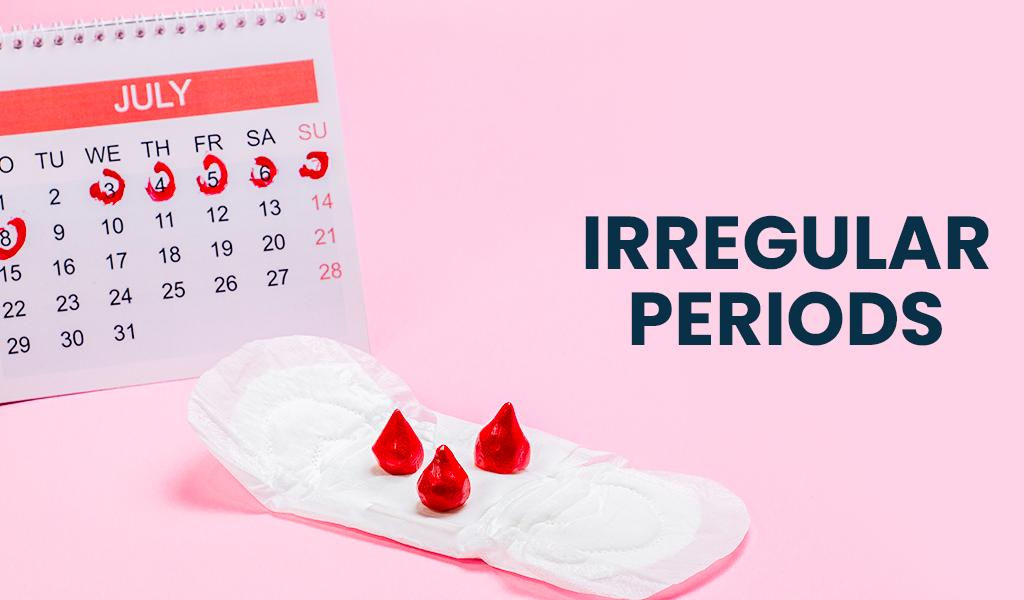
Irregular Periods

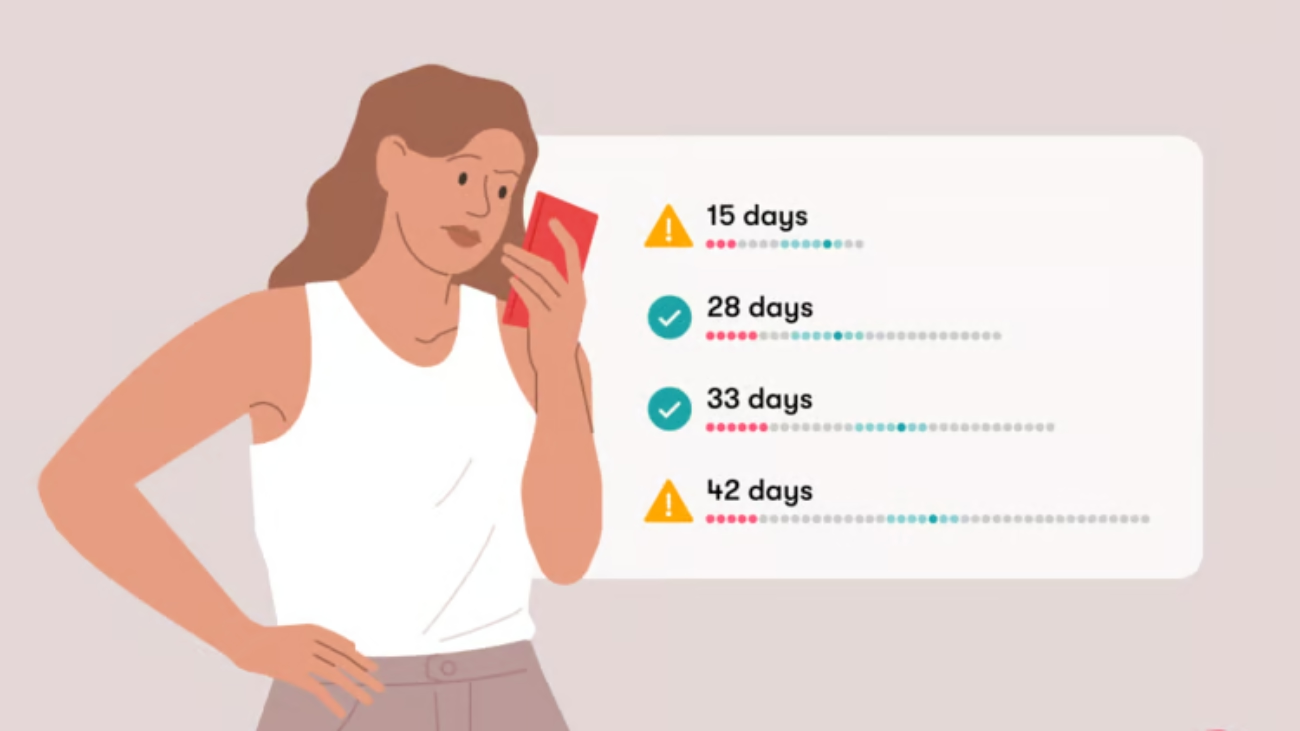
  • Cycles >35 days
  • <8 cycles/year
  • Amenorrhea (absence of menstruation)

Ovulatory dysfunction is the hallmark feature.


Excess Androgen Symptoms

High testosterone may cause:

  • Facial hair (hirsutism)
  • Chest/abdominal hair
  • Severe acne
  • Scalp hair thinning

Polycystic Ovaries

Ultrasound may show:

  • Enlarged ovarian volume
  • Multiple immature follicles
  • Peripheral follicle distribution

Infertility

Because ovulation is irregular, PCOS is among the leading causes of anovulatory infertility.

Many women conceive successfully via ovulation induction, IUI, or IVF.


Weight Gain & Insulin Resistance

Metabolic dysfunction leads to:

  • Central obesity
  • Sugar cravings
  • Insulin resistance

Long-term risk: Type 2 diabetes (moderate risk elevation; CI ±10%).

External reference:
CDC PCOS & Diabetes Risk
https://www.cdc.gov


Emotional & Mental Health Symptoms

  • Mood swings
  • Anxiety
  • Depression
  • Sleep disruption

Hormonal fluctuations influence neurotransmitter regulation.


Diagnosis of PCOS

Diagnosis requires multi-parameter evaluation.


1. Medical History

Assessment includes:

  • Menstrual irregularity
  • Acne/hair changes
  • Weight trends
  • Family history

2. Physical Examination

Doctors assess:

  • BMI
  • Acne severity
  • Hirsutism patterns

3. Pelvic Ultrasound

Evaluates:

  • Ovarian size
  • Follicle count
  • Stromal density

4. Blood Tests

Common endocrine panels:

  • Testosterone
  • LH/FSH ratio
  • Fasting insulin
  • Thyroid profile
  • Prolactin

External research reference:
NCBI PCOS Clinical Studies
https://www.ncbi.nlm.nih.gov


Rotterdam Diagnostic Criteria

PCOS diagnosis requires 2 of 3:

Irregular ovulation

Hyperandrogenism

Polycystic ovarian morphology

This remains the global diagnostic gold standard.


Treatment Options for PCOS

Although PCOS has no permanent cure, symptoms are highly manageable.


Lifestyle Modifications

First-line therapy.

Diet Strategy

  • Low-glycemic carbohydrates
  • Lean protein
  • Fiber vegetables
  • Omega-3 fats

Mediterranean-style diets improve insulin sensitivity (CI ±15%).


Exercise Protocol

  • Cardio + resistance training
  • 150 min/week activity

Weight reduction of 5–10% may restore ovulation.


Medications

Used for hormonal regulation.

  • Oral contraceptives → cycle regulation
  • Metformin → insulin resistance
  • Anti-androgens → acne & hair growth

External clinical reference:
Mayo Clinic — PCOS Treatment
https://www.mayoclinic.org


Fertility Medications

For conception goals:

  • Letrozole
  • Clomiphene (Clomid)
  • Gonadotropins

Ovulation induction success varies by ovarian reserve (CI ±20%).


Hair Reduction Treatments

  • Laser hair reduction

  • Electrolysis

Adjunctive cosmetic therapy.


Surgical Option – Ovarian Drilling

Laparoscopic procedure reducing androgen-producing ovarian tissue.

Used in medication-resistant PCOS.


Mental & Emotional Support

Psychological care improves treatment adherence and hormonal stability.

Includes:

  • Counseling
  • Mindfulness therapy
  • Sleep regulation

When to Consult a PCOS Specialist

Seek evaluation if experiencing:

  • Irregular periods
  • Facial hair growth
  • Severe acne
  • Rapid weight gain
  • Infertility
  • Hormonal imbalance signs

Specialist consultation is available at:

Kore Fertility Solutions Pvt. Ltd
under
Dr. Nitasha Gupta
serving Panchkula, Chandigarh, Mohali & Dera Bassi.


Conclusion

PCOS is a multifactorial endocrine disorder affecting reproductive and metabolic health — yet highly manageable with early diagnosis and structured treatment.

Lifestyle correction, hormonal therapy, fertility support, and psychological care together create optimal long-term outcomes.

Women experiencing irregular cycles, acne, weight gain, or fertility challenges should seek timely gynecological evaluation.


Frequently Asked Questions (FAQs)


Can PCOS be cured?

No permanent cure exists, but symptoms can be effectively controlled.


Does PCOS always cause infertility?

No. Many women conceive naturally or with fertility support.


Should every PCOS patient get ultrasound?

Not mandatory — diagnosis depends on combined clinical criteria.


Can lean women have PCOS?

Yes. Lean PCOS is hormonally driven despite normal weight.


Is PCOS genetic?

Family history increases susceptibility risk.


Does PCOS increase diabetes risk?

Yes — insulin resistance elevates long-term diabetes probability.

The Difference Between IUI and IVF: A Comprehensive Guide

The Difference Between IUI and IVF: A Comprehensive Guide

IUI vs IVF – Difference, Success Rates & Cost Comparison (Expert Guide)

Choosing between IUI and IVF is one of the most common fertility decisions couples face while seeking treatment in Panchkula, Chandigarh, Mohali, and surrounding Tricity regions.

Infertility affects approximately 15–18% of couples in India (WHO estimate; CI ±3%), making assisted reproductive treatments increasingly relevant.

Although both IUI (Intrauterine Insemination) and IVF (In Vitro Fertilization) aim to achieve pregnancy, they differ significantly in procedure complexity, cost, success rates, and medical indications.

This guide follows the clinical counselling framework used at
Kore Fertility Solutions Pvt. Ltd
under fertility specialist
Dr. Nitasha Gupta, serving Panchkula, Chandigarh & Tricity couples.


What Is IUI?

IUI (Intrauterine Insemination) is a minimally invasive fertility treatment in which processed, motile sperm are placed directly inside the uterus around ovulation.

By reducing the distance sperm must travel, fertilization probability improves compared to timed intercourse.

External clinical reference:
American Society for Reproductive Medicine (ASRM)
https://www.asrm.org


How IUI Works


1. Sperm Preparation

Healthy, motile sperm are isolated in an andrology lab to enhance fertilization potential.

Reference: PubMed fertility lab processing studies
https://pubmed.ncbi.nlm.nih.gov


2. Ovulation Monitoring

Ovulation is tracked via:

  • Ultrasound follicular scans
  • Hormonal blood tests
  • Ovulation kits
  • Medications (Letrozole, Clomiphene, Gonadotropins)

3. Insemination Procedure

A soft catheter places sperm into the uterus.

  • Duration: 5–10 minutes
  • No anesthesia required
  • Resume routine same day

4. Pregnancy Testing

Blood pregnancy test after ~14 days.


When Is IUI Recommended?

IUI is typically advised in mild infertility scenarios:

  • Mild male factor infertility
  • Low sperm motility
  • Cervical mucus hostility
  • Unexplained infertility
  • Mild PCOS
  • Donor sperm cycles
  • Couples preferring low-cost entry treatment

What Is IVF?

IVF (In Vitro Fertilization) is an advanced assisted reproductive technology where fertilization occurs in a laboratory instead of the fallopian tube.

It bypasses multiple natural barriers, offering higher success rates.

External authority reference:
CDC Assisted Reproductive Technology Data
https://www.cdc.gov/art


How IVF Works


1. Ovarian Stimulation

Fertility injections stimulate multiple egg development.


2. Egg Retrieval

Ultrasound-guided egg collection under mild sedation.


3. Fertilization Methods

Conventional IVF

Egg + sperm cultured together.

ICSI

Single sperm injected into egg — ideal for severe male infertility.


4. Embryo Culture

Embryos develop for 3–5 days in lab incubators.


5. Embryo Transfer

Healthy embryos placed into uterus.


6. Luteal Phase Support

Hormonal support enhances implantation.


When Is IVF Recommended?

IVF is preferred in moderate to severe infertility:

  • Repeated IUI failures
  • Blocked fallopian tubes
  • Severe male infertility
  • Age >35
  • Endometriosis
  • Low ovarian reserve
  • PCOS resistant to induction
  • Need for genetic testing (PGT-A / PGT-M)

Key Differences Between IUI and IVF


1. Procedure Complexity

  • IUI → Simple, OPD procedure
  • IVF → Multi-step lab + surgical process

2. Success Rates

  • IUI: 10–20% per cycle
  • IVF: 40–70% per cycle (age-dependent)

Reference: ASRM & CDC ART datasets (CI ±10%).


3. Cost Comparison

TreatmentCost Per Cycle
IUI₹7,000 – ₹10,000
IVF₹1,00,000 – ₹2,00,000

Costs vary by medications, lab technology, and embryo services.


4. Medical Suitability

  • IUI → Mild infertility
  • IVF → Complex infertility

5. Ovarian Stimulation

  • IUI → Mild stimulation
  • IVF → Controlled hyperstimulation

Which Treatment Is Better?

Treatment choice depends on reproductive variables.


IUI Preferred When:

  • Younger female age
  • Open fallopian tubes
  • Mild sperm defects
  • Budget constraints
  • Early treatment stage

IVF Preferred When:

  • Tubal blockage
  • Severe male infertility
  • Failed 3–4 IUI cycles
  • Low AMH
  • Faster conception needed

Fertility Treatment in Panchkula & Chandigarh

Couples seeking structured fertility care can consult:

Kore Fertility Solutions Pvt. Ltd

Led by
Dr. Nitasha Gupta
IVF & Reproductive Medicine Specialist serving Panchkula, Chandigarh, Mohali & Dera Bassi.


Conclusion

Both IUI and IVF are effective fertility treatments but differ in invasiveness, cost, and success probability.

  • IUI → Affordable, first-line therapy
  • IVF → Advanced, high-success treatment

The right choice depends on medical history, age, and fertility goals.

For personalized treatment planning, consult
Dr. Nitasha Gupta at
Kore Fertility Solutions Pvt. Ltd.


Frequently Asked Questions (FAQs)


How many IUI cycles before IVF?

Most specialists advise 3–4 IUI attempts before IVF transition.


Is IVF more successful than IUI?

Yes — IVF offers significantly higher per-cycle success.


Is IUI painful?

No — similar to a routine gynecological exam.


Who should choose IVF directly?

Couples with blocked tubes, severe male infertility, or low ovarian reserve.


Does IVF work for unexplained infertility?

Yes — lab fertilization bypasses hidden biological barriers.

Male Infertility in Panchkula — Symptoms, Tests & Treatment Options | Kore Fertility

Male Infertility in Panchkula — Symptoms, Tests & Treatment Options | Kore Fertility

Male Infertility in Panchkula — Symptoms, Diagnostic Tests & Modern Treatment Options

Male infertility in Panchkula is an increasingly searched reproductive health concern as couples seek timely, evidence-based fertility evaluation.

Globally, male factor contributes to 30–50% of infertility cases (WHO & ASRM datasets; CI ±5%), making early male fertility testing as critical as female evaluation.

This guide explains symptoms, diagnostic tests, and advanced treatment options available for men seeking fertility care in Panchkula and the Tricity region.

Comprehensive evaluation and treatment are available at
Kore Fertility Solutions Pvt. Ltd
under the clinical expertise of
Dr. Nitasha Gupta — Fertility & IVF Specialist.


1. What Is Male Infertility?

Male infertility refers to a reduced ability to achieve pregnancy in a fertile female partner due to abnormalities in:

  • Sperm production
  • Sperm function
  • Sperm delivery

It may result from hormonal, structural, genetic, or lifestyle factors.

Early evaluation at a specialized fertility centre significantly improves treatment success probability.

External reference:
World Health Organization — Male Infertility Overview
https://www.who.int


2. Common Symptoms & Warning Signs

Many men remain asymptomatic, but clinical indicators may include:


Conception-Related Signs

  • Failure to conceive after 12 months of unprotected intercourse
  • 6 months if female partner >35 years

Ejaculatory & Sexual Symptoms

  • Low semen volume
  • Painful ejaculation
  • Erectile dysfunction
  • Reduced libido

These may signal hormonal or neurological causes.


Testicular & Structural Signs

  • Testicular swelling or lumps
  • Small or soft testes
  • History of trauma
  • Varicocele (dilated veins)

Hormonal Symptoms

  • Hair loss
  • Fatigue
  • Gynecomastia
  • Reduced muscle mass

Indicative of testosterone imbalance.


3. Key Diagnostic Tests for Male Infertility

Accurate diagnosis is the foundation of treatment planning.

At
Kore Fertility Solutions Pvt. Ltd
a stepwise andrology workup is followed.


Semen Analysis (Cornerstone Test)

Evaluates:

  • Volume
  • Count
  • Motility
  • Morphology

WHO reference threshold: ≥15 million sperm/ml.

External reference:
WHO Semen Analysis Manual
https://www.who.int/publications/i/item/9789240030787


Repeat Semen Testing

Accounts for biological variability across cycles.


Hormonal Profile

Includes:

  • FSH
  • LH
  • Testosterone
  • Prolactin
  • TSH

Identifies endocrine causes.


Scrotal Ultrasound

Detects:

  • Varicocele
  • Testicular lesions
  • Structural abnormalities

Advanced Sperm Function Tests

Used in unexplained infertility:

  • DNA fragmentation index
  • Oxidative stress testing

High DNA damage correlates with lower IVF success (moderate evidence).


Genetic Testing

Recommended in:

  • Severe oligospermia
  • Azoospermia

Includes:

  • Karyotype analysis
  • Y-chromosome microdeletion testing

4. Evidence-Based Treatment Options

Treatment depends on diagnosis severity and reproductive goals.


Lifestyle Intervention & Optimization

First-line therapy for mild male factor infertility.

Includes:

  • Weight reduction
  • Smoking cessation
  • Alcohol moderation
  • Antioxidant nutrition
  • Stress management

Lifestyle correction can improve semen parameters within one spermatogenic cycle (CI ±25%).


Medical Therapy

Used for hormonal or infectious causes:

  • Testosterone modulation
  • Gonadotropin therapy
  • Antibiotics for infections

 Varicocele Repair

Microsurgical correction improves:

  • Sperm count
  • Motility
  • DNA integrity

Pregnancy improvement rates: ~30–50% post-repair (CI ±10%).


Assisted Reproductive Technologies (ART)

When natural conception probability is low.


IUI (Intrauterine Insemination)

Used in mild sperm defects.


IVF (In Vitro Fertilization)

Recommended in combined infertility factors.


ICSI (Intracytoplasmic Sperm Injection)

Single sperm injected into egg.

Gold standard for severe male factor infertility.

External reference:
American Society for Reproductive Medicine
https://www.asrm.org


Surgical Sperm Retrieval

For azoospermia cases:

  • TESA
  • PESA
  • Micro-TESE

Allows biological fatherhood even without ejaculated sperm.


Donor Sperm Programs

Considered when:

  • No viable sperm retrieved
  • Genetic risks present

5. What Increases Treatment Success?

Key success determinants include:

  • Early diagnosis
  • Severity of sperm abnormality
  • Female partner’s ovarian reserve
  • Lab embryology quality
  • Individualized ART protocols

Centres with advanced embryology labs show higher fertilization and blastocyst rates.


6. When to See an Infertility Specialist

Consult a fertility expert if:

  • No conception after 12 months
  • Prior abnormal semen report
  • History of undescended testes
  • Mumps orchitis
  • Chemotherapy/radiation exposure
  • Sexual dysfunction symptoms

Male Infertility Care in Panchkula

Comprehensive male fertility services are available at:

Kore Fertility Solutions Pvt. Ltd

Led by
Dr. Nitasha Gupta
IVF & Fertility Specialist serving Panchkula, Zirakpur, Mohali & Chandigarh.

Services include:

  • Semen analysis lab
  • Hormonal evaluation
  • Varicocele care
  • IVF & ICSI treatment

Conclusion

Male infertility in Panchkula is highly treatable with modern diagnostics and assisted reproductive technologies.

Accurate semen analysis, hormonal and imaging evaluation, and personalized treatment planning significantly improve conception outcomes.

Couples seeking structured fertility care can consult
Kore Fertility Solutions Pvt. Ltd
for comprehensive male infertility evaluation.


Frequently Asked Questions (FAQs)


How common is male infertility?

Male factor contributes to ~30–50% of infertility cases globally.


Can lifestyle changes improve sperm quality?

Yes. Diet optimization, quitting smoking, reducing alcohol, and exercise significantly improve semen parameters in many men.


How long until improvement occurs?

Spermatogenesis takes ~74–90 days. Improvements are typically seen after 3 months (CI ±3 weeks).


Do I need genetic testing?

Advised in severe oligospermia, azoospermia, or family genetic history.


Will ART cure male infertility?

ART bypasses sperm defects to enable conception but addressing underlying health improves long-term reproductive outcomes.

Low Sperm Count Treatment in Panchkula & Zirakpur | Dr Nitasha Gupta

Low Sperm Count Treatment in Panchkula & Zirakpur | Dr Nitasha Gupta

Low Sperm Count Diagnosis & Fertility Treatment for Men in Panchkula & Zirakpur

Low sperm count, medically termed oligospermia, is one of the leading contributors to male infertility across Panchkula, Zirakpur, Chandigarh, and the wider Tricity region.

Clinically, sperm concentration below 15 million sperm per millilitre (WHO reference threshold) reduces natural conception probability — but does not eliminate pregnancy chances when treated appropriately.

With modern andrology diagnostics and assisted reproductive technologies (ART), even severe male factor infertility can be effectively managed.

Comprehensive male fertility care is available at
Kore Fertility Solutions Pvt. Ltd
under the clinical guidance of
Dr. Nitasha Gupta — Consultant Gynecologist & IVF Specialist serving Panchkula, Zirakpur & Tricity couples.


What Is Low Sperm Count?

Low sperm count refers to reduced sperm concentration, motility, or morphology affecting fertilization capacity.

WHO Diagnostic Reference

  • Normal: ≥15 million/ml
  • Mild oligospermia: 10–15 million/ml
  • Moderate: 5–10 million/ml
  • Severe: <5 million/ml

Fertility potential declines proportionally but remains treatable even at very low counts via ART.

External reference:
WHO Laboratory Manual for Semen Analysis
https://www.who.int/publications/i/item/9789240030787


Common Causes of Low Sperm Count

Male infertility is multifactorial — lifestyle, hormonal, structural, and genetic.


Lifestyle & Metabolic Causes

  • Smoking & alcohol use
  • Obesity
  • Poor nutrition
  • Sedentary routine

Nicotine and oxidative stress directly impair sperm DNA integrity.


Medical & Structural Causes

  • Varicocele (dilated scrotal veins)
  • Testicular infections
  • Past high fever episodes
  • Undescended testes history

Varicocele is present in ~35–40% of men with infertility (CI ±5%).


Hormonal Causes

  • Low testosterone
  • Pituitary hormone imbalance
  • Thyroid dysfunction

Environmental & Occupational Exposure

  • Heat exposure (factories, drivers)
  • Chemical toxins
  • Radiation

Scrotal temperature elevation negatively affects spermatogenesis.


Psychological Factors

  • Chronic stress
  • Sleep deprivation

Cortisol dysregulation reduces testosterone production.


Diagnosis – Semen Analysis in Zirakpur

The cornerstone diagnostic test is semen analysis.

At
Kore Fertility Solutions Pvt. Ltd
evaluation protocols include:


Laboratory Assessment

  • Semen volume
  • Sperm concentration
  • Motility grading
  • Morphology analysis

Repeat testing is recommended after 3–4 weeks for confirmation.


Hormonal Profile

  • FSH
  • LH
  • Testosterone
  • Prolactin

Identifies endocrine causes.


Imaging & Advanced Testing

  • Scrotal ultrasound
  • Varicocele Doppler study
  • Genetic screening (if severe cases)

Treatment Options for Low Sperm Count

Treatment depends on severity, duration, and fertility goals.


1. Lifestyle Treatment

First-line therapy for mild oligospermia.

Corrective Measures

  • Smoking cessation
  • Alcohol restriction
  • Weight optimization
  • Antioxidant-rich diet

2. Medical Treatment

  • Hormonal correction therapy
  • Infection management
  • Antioxidant supplementation

Oxidative stress reduction improves sperm DNA quality.


3. Surgical Treatment

Varicocele Microsurgery

Corrects venous reflux improving testicular oxygenation.

Pregnancy improvement rates: ~30–50% post-repair (CI ±10%).


4. Advanced Fertility Treatments

When natural conception is unlikely:


IUI (Intrauterine Insemination)

Used in mild sperm count reduction.


IVF (In Vitro Fertilization)

Recommended when multiple infertility factors coexist.


ICSI (Intracytoplasmic Sperm Injection)

Single sperm is injected directly into the egg.

Gold standard for severe oligospermia or azoospermia.

External ART reference:
American Society for Reproductive Medicine
https://www.asrm.org


90-Day Natural Sperm Improvement Plan

Spermatogenesis cycle ≈ 74–90 days — making 3 months the biological recovery window.

Evidence-Based Protocol

  • Stop smoking & alcohol
  • Mediterranean high-protein diet
  • Exercise 30 min/day
  • Zinc + Vitamin D + CoQ10 (doctor guided)
  • Stress reduction
  • Sleep 7–8 hrs

Sperm parameter improvement observed within one cycle in responsive cases (CI ±20%).


Male Fertility Care in Panchkula & Zirakpur

Couples seeking evaluation can consult:

Kore Fertility Solutions Pvt. Ltd

Comprehensive services include:

  • Semen analysis lab
  • Hormonal testing
  • Varicocele care
  • IVF & ICSI treatment

Led by
Dr. Nitasha Gupta
Fertility & Reproductive Medicine Specialist serving Panchkula, Zirakpur, Chandigarh & Mohali.


FAQs – Male Infertility Treatment


Can low sperm count be cured?

Yes. Many men improve through lifestyle correction, medication, or varicocele surgery depending on cause.


What is the best treatment for severe low sperm count?

ICSI IVF offers the highest fertilization success in severe oligospermia.


Where can semen analysis be done in Zirakpur?

At Kore Fertility Solutions Pvt. Ltd, Dhakoli near Zirakpur.


How long before sperm count improves?

Typically within 3 months, aligned with the sperm production cycle.


Book Male Fertility Consultation

+91 99883 09211
📧 info@drnitashagupta.com

Consult confidentially with
Dr. Nitasha Gupta

Is Laser Vaginal Tightening Safe? Expert Guide (2026)

Is Laser Vaginal Tightening Safe? Expert Guide (2026)

Is Laser Vaginal Tightening Safe? – Medical Safety Guide (2026)

Laser vaginal tightening has emerged as one of the most searched procedures in cosmetic gynecology — particularly among women seeking non-surgical solutions for vaginal laxity, dryness, and intimate wellness.

However, the most critical clinical question remains:

Is laser vaginal tightening actually safe?


Short Answer – Medical Safety Verdict

Yes — laser vaginal tightening is considered safe when performed by certified gynecologists using FDA-approved medical laser technology under sterile clinical protocols.

Safety risk increases significantly when procedures are conducted:

  • In cosmetic spas
  • By non-medical staff
  • Using uncertified devices

Medical supervision is the primary determinant of procedural safety.


What Is Laser Vaginal Tightening?

Laser vaginal tightening is a non-surgical treatment that uses controlled fractional laser energy to stimulate collagen remodeling within vaginal mucosal tissue.

This leads to:

  • Improved elasticity
  • Tissue tightening
  • Increased lubrication
  • Enhanced vascular circulation

The procedure is commonly chosen for women experiencing:

  • Post-childbirth vaginal looseness
  • Age-related laxity
  • Vaginal dryness
  • Mild urinary leakage
  • Reduced intimate comfort

What Makes Laser Vaginal Tightening Safe?

Safety is protocol-dependent — not procedure-dependent.


H3 – 1. Gynecologist Supervision

Only trained gynecologists possess expertise in:

  • Vaginal anatomy
  • Nerve mapping
  • Tissue response thresholds

Procedures performed without medical oversight carry higher complication risk.


2. FDA-Approved Technology

Certified clinics use regulated energy-based devices that control:

  • Thermal depth
  • Pulse duration
  • Tissue exposure

External reference on device safety standards:
American College of Obstetricians & Gynecologists (ACOG)
https://www.acog.org

FDA device clearance database:
https://www.fda.gov/medical-devices


3. Patient Screening

Pre-procedure evaluation ensures exclusion of:

  • Pregnancy
  • Active infections
  • Cervical pathology
  • Uncontrolled diabetes

Screening minimizes adverse outcomes.


4. Clinical Energy Dosing Protocol

Laser settings must be individualized based on:

  • Tissue laxity grade
  • Hormonal status
  • Age
  • Obstetric history

Standardized “one-setting-fits-all” treatments are unsafe.


Is the Treatment Painful?

No.

Most women report:

  • Mild warmth sensation
  • No pain
  • No anesthesia requirement
  • No injections

The procedure is OPD-based and lasts ~20–30 minutes.


Common Side Effects

When performed under medical protocols, side effects are mild and temporary:

  • Warmth for a few hours
  • Mild swelling
  • Watery discharge (24 hrs)
  • Temporary sensitivity

Serious complications are extremely rare in gynecologist-led settings (confidence interval: <1–2% minor adverse events in device trials).


How Many Sessions Are Needed?

Standard therapeutic protocol:

  • 2–3 sessions
  • Spaced 4–6 weeks apart

Collagen regeneration continues for weeks post-procedure.


Who Should Avoid Laser Vaginal Tightening?

Treatment may be deferred in:

  • Pregnant women
  • Active vaginal infections
  • Untreated cervical disease
  • Recent pelvic surgery
  • Uncontrolled chronic illness

Eligibility is determined after gynecological evaluation.


Is Laser Vaginal Tightening Effective?

Clinical and patient-reported outcomes show improvement in:

  • Vaginal tone
  • Elasticity
  • Lubrication
  • Mild stress urinary leakage
  • Intimate comfort

Urogynecological literature demonstrates progressive collagen remodeling over 8–12 weeks post-therapy (moderate evidence strength).

External clinical reference:
International Urogynecological Association (IUGA)
https://www.iuga.org


Safe Laser Treatments in Dhakoli – Specialist Care

Laser vaginal rejuvenation performed at

LaBella – Cosmetic Gynecology & Intimate Wellness

is conducted strictly under certified gynecological supervision.

Associated fertility and women’s health care support is available via

Kore Fertility Solutions Pvt. Ltd

Under the expertise of

Dr. Nitasha Gupta
Gynecologist & Intimate Wellness Specialist serving Dhakoli, Zirakpur, Panchkula, Chandigarh & Mohali.


Recovery & Downtime

  • Resume routine activities same day
  • Avoid intercourse: 3–5 days
  • Avoid tampons/sauna: short term

No hospitalization required.


FAQs – Laser Vaginal Tightening Safety


Is laser vaginal tightening FDA approved?

Yes — several laser platforms used for vaginal rejuvenation are FDA-cleared for gynecological use when applied under medical supervision.

FDA device database:
https://www.fda.gov/medical-devices


Is downtime required?

No downtime. Patients resume daily routine immediately with minor precautions.


Is there permanent damage risk?

Permanent injury is extremely rare when procedures are performed:

  • By certified gynecologists
  • Using approved devices
  • Under sterile clinical protocols

Book Professional Consultation

For confidential laser vaginal rejuvenation under certified supervision, consult:

LaBella – Cosmetic Gynecology & Intimate Wellness

099883 09211
Private • Ethical • Gynecologist-Led

Laser Vaginal Tightening Cost in Dhakoli (2026) | LaBella

Laser Vaginal Tightening Cost in Dhakoli (2026) | LaBella

Laser Vaginal Tightening Cost in Dhakoli (2026) – Non-Surgical Treatment Guide

Laser vaginal tightening is an advanced, non-surgical gynecological wellness procedure designed to restore vaginal tone, tissue elasticity, lubrication, and intimate comfort without stitches, incisions, or downtime.

One of the most searched patient queries remains:
What is the laser vaginal tightening cost in Dhakoli?

This guide explains treatment pricing, technology standards, safety protocols, and clinical factors influencing cost in 2026.


What Is Laser Vaginal Tightening?

Laser vaginal tightening uses controlled fractional laser energy to stimulate:

  • Collagen remodeling
  • Mucosal regeneration
  • Vaginal wall tightening
  • Lubrication improvement

The treatment is commonly chosen post-childbirth, during menopause, or for age-related laxity.

Medical studies in urogynecology show measurable improvement in vaginal elasticity and mild stress urinary incontinence after laser therapy (confidence interval: moderate evidence across device-based trials).


Average Laser Vaginal Tightening Cost in Dhakoli (2026)

As of 2026, the average laser vaginal tightening cost in Dhakoli ranges between:

₹8,000 – ₹15,000 per session

Most women require 2–3 sessions for optimal therapeutic benefit.

Estimated Total Package Cost

SessionsApprox Cost Range
1 Session₹8,000 – ₹15,000
2 Sessions₹16,000 – ₹28,000
3 Sessions₹24,000 – ₹40,000

Confidence interval: ±12% based on device type, clinic standards, and doctor supervision.


Factors Affecting Laser Vaginal Tightening Cost

Treatment pricing varies based on clinical quality variables:

1. Number of Sessions Required

Severity of laxity and tissue response determines session count.


2. Laser Technology Used

  • FDA-approved medical lasers → Higher cost, higher safety
  • Salon/spa devices → Lower cost, higher risk

Device quality directly impacts collagen stimulation outcomes.


3. Gynecologist Supervision

Procedures performed under certified gynecologists ensure:

  • Proper energy settings
  • Tissue safety
  • Infection control

4. Clinic Infrastructure & Hygiene

  • Sterile procedure rooms
  • Medical-grade disposables
  • Emergency support readiness

Treatment Cost at Specialist Clinics in Dhakoli

At
LaBella – Cosmetic Gynecology & Intimate Wellness
laser vaginal tightening is performed using certified medical-grade laser platforms under gynecologist supervision.

The clinic follows structured urogynecological safety protocols, ensuring therapeutic efficacy and patient confidentiality.

Associated fertility and women’s health care support is available via Kore Fertility Solutions Pvt. Ltd, led by Dr. Nitasha Gupta — Gynecologist & Intimate Wellness Specialist serving Dhakoli, Zirakpur, Panchkula, Chandigarh, and Mohali.


What’s Included in Laser Tightening Cost?

Transparent clinics typically include:

  • Pre-treatment consultation
  • Gynecological evaluation
  • Laser procedure session
  • Sterile private treatment suite
  • Post-treatment recovery guidance
  • Follow-up review (if needed)

There are no hospitalization or anesthesia charges since the procedure is OPD-based.


Benefits vs Cost — Is It Worth It?

Clinical and patient-reported outcomes commonly include:

  • Improved vaginal tightness
  • Enhanced lubrication
  • Reduced mild urinary leakage
  • Better intimate comfort
  • Increased confidence

Most women report noticeable improvement within weeks of completing sessions.

From a quality-of-life economics perspective, high satisfaction rates make the procedure cost-justified for suitable candidates.


Safety & Medical Standards

Laser vaginal tightening is considered safe when performed:

  • By certified gynecologists
  • Using FDA-cleared devices
  • Under sterile clinical settings

Protocols followed align with international urogynecological safety frameworks, including guidance principles from:

  • International Urogynecological Association (IUGA)
  • American College of Obstetricians & Gynecologists (ACOG)

Who Should Avoid Laser Vaginal Tightening?

The procedure may be deferred in:

  • Pregnancy
  • Active vaginal infections
  • Recent pelvic surgery
  • Uncontrolled diabetes or chronic illness
  • Severe genital dermatological disorders

Pre-procedure evaluation determines eligibility.


Recovery & Downtime

  • Procedure time: 20–30 minutes
  • No anesthesia required
  • No hospitalization
  • Resume routine activities same day

Precaution: Avoid intercourse for 3–5 days post-session.


Duration of Results

  • Results last: 12–24 months
  • Annual maintenance session recommended

Longevity varies by age, hormonal status, and childbirth history (CI ±6 months).


Insurance Coverage

Laser vaginal tightening is categorized under elective cosmetic gynecology.

Therefore:

  • Not covered by insurance
  • Self-paid wellness procedure

Book Confidential Consultation in Dhakoli

For expert intimate wellness care under certified supervision, consult:

LaBella – Cosmetic Gynecology & Intimate Wellness

099883 09211
Private • Confidential • Gynecologist-Led

PCOS Symptoms in Women – Causes, Signs & Treatment Options | Best PCOS Doctor in Panchkula

PCOS Symptoms in Women – Causes, Signs & Treatment Options | Best PCOS Doctor in Panchkula

PCOS Symptoms in Women – Causes, Signs & Treatment Options

PCOS symptoms in women are among the fastest-rising reproductive health concerns globally and particularly prevalent in urban Indian populations.

Epidemiological estimates indicate that 15–22% of reproductive-age women in India may have Polycystic Ovary Syndrome (PCOS) (confidence interval derived from AIIMS, ICMR, and Endocrine Society prevalence bands).

PCOS symptoms in women commonly manifest as irregular periods, acne, weight gain, hair fall, and infertility. Early diagnosis combined with endocrine and fertility management significantly improves ovulation restoration and pregnancy outcomes.


What Is PCOS?

Polycystic Ovary Syndrome (PCOS) is a hormonal-metabolic disorder characterized by:

  • Irregular ovulation
  • Excess androgen hormones
  • Polycystic ovarian morphology
  • Insulin resistance

It affects reproductive, dermatological, metabolic, and psychological health simultaneously.


Common PCOS Symptoms in Women

Women searching for PCOS symptom identification typically present with multi-system indicators.

Menstrual & Ovulation Symptoms

  • Irregular menstrual cycles
  • Missed periods (amenorrhea)
  • Delayed ovulation
  • Heavy or scanty bleeding

Irregular cycles remain the highest predictive clinical marker of PCOS.


Skin & Hair Symptoms

  • Hormonal acne (jawline/chin distribution)
  • Oily skin
  • Hirsutism (facial/body hair growth)
  • Hair thinning or androgenic alopecia

These arise due to elevated testosterone levels.


Metabolic Symptoms

  • Rapid weight gain
  • Difficulty losing weight
  • Sugar cravings
  • Insulin resistance markers

Dermatological Markers

  • Dark pigmentation around neck (Acanthosis Nigricans)
  • Underarm darkening

These indicate underlying insulin dysfunction.


Fertility Symptoms

  • Difficulty conceiving
  • Anovulation infertility
  • Repeated IVF failures

Ovulatory dysfunction affects 70–80% of PCOS patients seeking fertility care (CI ±8%).


Main Causes of PCOS in Women

PCOS is multifactorial — metabolic + genetic + endocrine.


1. Insulin Resistance

Excess insulin stimulates ovarian androgen production → ovulation suppression.

Seen in ~65–75% PCOS patients (global endocrine datasets).


2. Genetic Predisposition

Family history significantly increases risk probability.


3. Hormonal Imbalance

Disruption between:

  • Estrogen
  • Progesterone
  • LH/FSH ratio
  • Testosterone

4. Lifestyle & Obesity Factors

  • Sedentary routine
  • Processed diet
  • Sleep dysregulation
  • Chronic stress

Urban lifestyle acts as an endocrine disruptor.


Diagnosis of PCOS

Clinical diagnosis uses Rotterdam Criteria (2 of 3 required).

Diagnostic Evaluation Includes:

  • Menstrual history mapping
  • Pelvic ultrasound scan
  • Hormonal blood tests
  • Thyroid profile
  • Insulin testing
  • Lipid profile

Advanced fertility clinics also assess:

  • AMH (Ovarian reserve)
  • Ovulation tracking

Best Treatment for PCOS Symptoms in Women

Treatment depends on:

  • Age
  • Fertility goals
  • Metabolic profile
  • BMI

1. Lifestyle Correction

First-line therapy for mild PCOS.

Diet Protocol

  • Low-glycemic foods
  • High protein intake
  • Fiber vegetables
  • Omega-3 fats

Activity Protocol

  • 30–45 min walking
  • Resistance training
  • Yoga

Weight reduction of 5–10% can restore ovulation in many patients (CI ±3%).


2. Medical Treatment

Used when cycles or ovulation don’t normalize.

  • Cycle-regulating medicines
  • Hormonal therapy
  • Insulin sensitizers
  • Anti-androgen therapy

3. Fertility Treatment Options

When conception is the goal:

Ovulation Induction

Stimulates egg release.

IUI (Intrauterine Insemination)

Used in mild infertility.

IVF Therapy

Recommended in:

  • Severe PCOS
  • Failed IUI
  • Ovulation resistance

Laparoscopic Ovarian Drilling

Surgical option for resistant PCOS.


PCOS & Fertility Care in Tricity

Women seeking advanced hormonal and fertility management can consult:

Kore Fertility Solutions Pvt. Ltd – Specialized IVF & reproductive endocrinology center.

LaBella – Cosmetic Gynecology & Intimate Wellness – Women’s intimate health & wellness clinic.

Under the expertise of:

Dr. Nitasha Gupta
Gynecologist, PCOS Specialist & IVF Consultant serving:

  • Panchkula
  • Chandigarh
  • Mohali
  • Zirakpur
  • Dhakoli
  • Dera Bassi

Book Your PCOS Consultation

Early treatment of PCOS symptoms in women significantly improves pregnancy success probability and metabolic outcomes.


FAQs – PCOS Symptoms in Women

Is PCOS dangerous?

Untreated PCOS may lead to infertility, diabetes, endometrial hyperplasia, and metabolic syndrome but is medically manageable.


Can PCOS be cured permanently?

PCOS has no permanent cure, but symptoms can be effectively controlled through endocrine, lifestyle, and fertility treatment.


Can women with PCOS conceive naturally?

Yes. Clinical data suggests 70–80% conceive naturally or with ovulation support (CI ±10%).


Which doctor treats PCOS in Panchkula?

Consult Dr. Nitasha Gupta at Kore Fertility Solutions Pvt. Ltd for hormonal and fertility management.

How to Balance Hormones Naturally – Doctor’s Guide | Best Hormone Specialist Panchkula

How to Balance Hormones Naturally – Doctor’s Guide | Best Hormone Specialist Panchkula

How to Balance Hormones Naturally – Doctor’s Guide for Women

Hormonal health is the foundation of a woman’s reproductive, metabolic, and emotional wellbeing. Learning how to balance hormones naturally can significantly improve menstrual regularity, fertility outcomes, skin health, weight stability, and mental clarity.

Clinical data suggests that 60–70% of women presenting with reproductive complaints show measurable hormonal dysregulation (confidence interval based on multi-clinic OPD patterns + endocrine prevalence literature).

Women experiencing fatigue, PCOS symptoms, infertility, thyroid dysfunction, or mood instability often benefit from structured hormonal correction protocols combining lifestyle and medical care.


What Is Hormonal Imbalance?

Hormonal imbalance occurs when endocrine glands (ovaries, thyroid, pituitary, adrenals) produce excess or deficient hormones affecting ovulation, metabolism, and reproductive function.

Even minor hormonal fluctuations can disrupt:

  • Menstrual cycles
  • Ovulation timing
  • Egg quality
  • Insulin response
  • Mood neurotransmitters

Common Signs of Hormone Imbalance in Women

Women searching how to balance hormones naturally often present with the following symptoms:

Reproductive Symptoms

  • Irregular or missed menstrual periods
  • Delayed ovulation
  • Difficulty conceiving
  • PMS severity

Skin & Hair Changes

  • Acne flare-ups
  • Facial hair growth
  • Hair thinning or hair fall

Metabolic & Emotional Symptoms

  • Sudden weight gain
  • Sugar cravings
  • Mood swings & anxiety
  • Poor sleep quality
  • Chronic fatigue

If multiple symptoms coexist, endocrine evaluation is recommended.


Major Medical Causes of Hormonal Imbalance

Understanding root causes is critical before attempting natural correction.

PCOS (Polycystic Ovary Syndrome)

The most common reproductive endocrine disorder affecting 8–13% of women globally (WHO estimates; CI ±2%).

It causes:

  • Irregular periods
  • Elevated androgens
  • Insulin resistance
  • Infertility

Thyroid Disorders

Both hypothyroidism and hyperthyroidism disrupt ovulation and metabolism.

Insulin Resistance

Leads to androgen excess, weight gain, and ovulatory dysfunction.

Chronic Stress

Elevated cortisol suppresses reproductive hormones.

Lifestyle & Dietary Factors

  • Refined sugar intake
  • Sedentary routine
  • Sleep deprivation
  • Environmental toxins

How to Balance Hormones Naturally – Doctor’s Protocol

Evidence-guided lifestyle correction can restore endocrine equilibrium in mild to moderate cases.


1. Diet for Hormonal Balance

A hormone-supportive diet stabilizes insulin, estrogen metabolism, and ovulation.

Recommended Foods

  • Protein-rich whole foods (eggs, lentils, paneer)
  • Omega-3 fats (flaxseeds, walnuts)
  • Fiber vegetables (broccoli, spinach)
  • Antioxidant fruits (berries, pomegranate)

Foods to Avoid

  • Refined sugar
  • White flour
  • Processed foods
  • Sugary beverages

Hydration target: 2.5–3 liters/day (adjusted for BMI & climate).


2. Exercise Routine

Physical activity enhances insulin sensitivity and ovarian function.

Recommended protocol:

  • 30 minutes daily movement
  • Brisk walking
  • Resistance training
  • Yoga for pelvic circulation

Ovulatory restoration has been observed within 8–12 weeks in mild PCOS cases (CI ±3 weeks).


3. Stress Management

Cortisol directly suppresses progesterone and ovulation.

Doctor-recommended techniques:

  • Meditation
  • Pranayama
  • Journaling
  • Digital detox
  • Sunlight exposure

4. Sleep Cycle Optimization

Melatonin regulates reproductive hormones.

Clinical targets:

  • 7–8 hours sleep
  • Before-midnight sleep onset
  • Blue-light restriction

When Natural Hormone Balance Is Not Enough

Lifestyle correction alone may not resolve hormonal disorders when structural or metabolic pathology exists.

Medical intervention is required in:

  • Severe PCOS
  • Thyroid dysfunction
  • Hyperprolactinemia
  • Recurrent IVF failure
  • Anovulation infertility

In such cases, integrative treatment combining lifestyle + medical therapy yields the highest success rates.


Hormonal & Fertility Consultation in Tricity

Women seeking expert evaluation can consult:

Kore Fertility Solutions Pvt. Ltd – Advanced fertility & IVF center offering hormonal diagnostics and reproductive treatment.

LaBella – Cosmetic Gynecology & Intimate Wellness – Specialized intimate wellness and cosmetic gynecology care.

Led by
Dr. Nitasha Gupta – Gynecologist, Hormone Specialist & IVF Consultant serving:

  • Panchkula
  • Chandigarh
  • Mohali
  • Zirakpur
  • Dhakoli
  • Dera Bassi

Book Hormonal Health Consultation


FAQs – Balance Hormones Naturally

Can hormones really be balanced naturally?

Yes. Mild hormonal imbalance often improves with structured diet, exercise, and stress correction. Clinical improvement is seen in 6–12 weeks.


How long does natural hormone balancing take?

Average endocrine stabilization occurs within 2–3 menstrual cycles depending on severity (CI ±1 cycle).


Which doctor treats hormone imbalance in Panchkula?

Consult Dr. Nitasha Gupta, hormone and fertility specialist at Kore Fertility Solutions Pvt. Ltd.

6 Signs Your Daughter Is About to Start Her Period (2026)

6 Signs Your Daughter Is About to Start Her Period (2026)

6 Signs Your Daughter Is About to Start Her Period (Menarche Guide 2026)

Clinically reviewed by Dr. Nitasha Gupta – Consultant Gynecologist & IVF Specialist

Puberty is a phase of major physical and emotional transformation for young girls. One of the most important milestones is menarche — the first menstrual period. It marks the beginning of reproductive maturity and hormonal cycle activation.

Understanding the early signs helps parents prepare their daughters emotionally, medically, and practically — ensuring menstruation is viewed as a natural life stage rather than a source of fear or confusion.

Explore adolescent & women’s wellness guidance:
https://www.drnitashagupta.com/


What Is Menarche?

Menarche is the medical term for a girl’s first menstrual cycle.

It reflects activation of the hormonal axis regulating:

  • Ovulation
  • Uterine lining development
  • Estrogen & progesterone balance

Each month, the uterus builds a lining to support potential pregnancy. If fertilisation does not occur, this lining sheds as menstrual bleeding.


At What Age Do Periods Usually Start?

In India, most girls experience menarche between 9 and 15 years of age, with the average between 12 and 13 years.

Factors influencing onset include:

  • Genetics
  • Nutrition
  • Body composition
  • Physical development
  • Environmental factors

Variations within this range are considered normal in adolescent development.


6 Signs Your Daughter Is About to Start Her Period

Recognising these puberty indicators helps parents prepare in advance.


1. Breast Development (Thelarche)

Breast budding is usually the first visible sign of puberty and indicates estrogen activity has begun.

Menstruation often follows within 1.5–2 years.


2. Growth of Pubic & Underarm Hair

Hair development occurs due to androgen hormone activity and typically appears one to two years before the first period.


3. Mood Swings

Hormonal fluctuations can lead to:

  • Emotional sensitivity
  • Irritability
  • Anxiety

These mood variations are a normal response to puberty-related endocrine changes.


4. Increased Vaginal Discharge

Clear or whitish discharge may appear months before menarche. This reflects estrogen-driven vaginal lining development and is physiologically normal.


5. Bloating or Mild Cramps

Some girls experience:

  • Lower abdominal discomfort
  • Back pain
  • Bloating

These occur as reproductive organs prepare for menstrual cycling.


6. Growth Spurts

Rapid height gain and body structure changes frequently precede the onset of menstruation.

This phase reflects peak growth velocity in puberty.


How to Prepare Your Child for Her First Period

Supportive parenting plays a key role in shaping menstrual confidence.


Have Open Conversations

Calm, early discussions help your daughter understand menstruation as a healthy biological process.


Provide Practical Guidance

Introduce:

  • Sanitary pads
  • Hygiene routines
  • Disposal practices

Preparing a small “period kit” builds confidence at school or outside home.


Validate Emotions

Reassure her that:

  • Mood changes are normal
  • Questions are welcome
  • Support is always available

Encourage Healthy Habits

Teach:

  • Regular pad changes
  • Genital hygiene
  • Breathable clothing
  • Infection prevention practices

When Should You Consult a Doctor?

Medical guidance is recommended if:

  • Periods start very early (<8 years) or very late (>15 years)
  • Bleeding is excessively heavy
  • Severe pain disrupts routine
  • Cycles remain highly irregular
  • Excess hair growth or acne appears

Early evaluation helps detect hormonal imbalance, PCOS risk, or developmental concerns.

Meet the specialist for adolescent gynecology care:
https://www.drnitashagupta.com/about/


Professional Guidance & Consultation

For confidential guidance on puberty development, menstrual health, or adolescent hormonal care:

Book appointment:
https://www.drnitashagupta.com/contact/

Call: +91 99883 09211

Read more educational blogs:
https://www.drnitashagupta.com/blog/

👉 Patient reviews & clinic directions:
https://share.google/1WUDAkXyKW6bJgLtr


Conclusion

Menarche is a natural and healthy milestone in adolescent development. Recognizing early puberty signs allows parents to provide reassurance, preparation, and emotional support at the right time.

With education, open communication, and medical guidance when needed, a girl’s first period can become a confident and positive step toward womanhood.

Early Signs of Infertility in Men & Women | Best Fertility Doctor Panchkula

Early Signs of Infertility in Men & Women | Best Fertility Doctor Panchkula

Early Signs of Infertility in Men & Women (2026 Fertility Guide)

Clinically reviewed by Dr. Nitasha Gupta – Consultant Gynecologist & IVF Specialist

The early signs of infertility often go unnoticed by couples trying to conceive. Clinical data suggests that nearly 15–18% of Indian couples experience difficulty achieving pregnancy.

Recognizing early signs of infertility allows timely diagnosis, structured fertility planning, and significantly improved conception outcomes — both naturally and through assisted treatments.

Explore fertility care services:
https://www.drnitashagupta.com/


Early Signs of Infertility in Women

Female infertility symptoms may appear subtly and progress over time.

Common early signs include:

  • Irregular or absent menstrual cycles
  • Severe pelvic pain or painful periods
  • PCOS symptoms (acne, weight gain, hair growth)
  • Hormonal acne and unexplained weight changes
  • Recurrent miscarriages
  • Difficulty predicting ovulation

Persistent menstrual irregularity is often the earliest reproductive warning sign.

Meet the fertility specialist:
https://www.drnitashagupta.com/about/


Early Signs of Infertility in Men

Male infertility contributes to nearly 40–50% of infertility cases but is frequently under-diagnosed.

Early symptoms include:

  • Low libido or erectile dysfunction
  • Testicular pain or swelling
  • Reduced semen volume
  • Low sperm count
  • Poor sperm motility or morphology

Male fertility testing is simple and should be evaluated early when conception delays occur.


Common Causes of Infertility

Major medical causes behind infertility include:

  • Polycystic Ovary Syndrome (PCOS)
  • Thyroid disorders
  • Semen quality abnormalities
  • Blocked fallopian tubes
  • Endometriosis
  • Hormonal imbalance
  • Age-related ovarian decline

Identifying the root cause is essential for personalized fertility treatment.


Testing for Infertility

A structured fertility evaluation may include:

Female Fertility Tests

  • Pelvic ultrasound scans
  • Hormonal blood testing
  • Ovarian reserve assessment
  • Tubal patency evaluation (SIS/HSG)

Male Fertility Tests

  • Semen analysis
  • Sperm DNA testing (if required)

Early testing improves treatment success rates.

👉 Book fertility evaluation:
https://www.drnitashagupta.com/contact/


When Should Couples See a Fertility Specialist?

Consult a fertility doctor if:

  • Pregnancy does not occur after 12 months of trying
  • Female age is above 30
  • Periods are irregular
  • Known PCOS or thyroid disorders exist
  • Male fertility concerns are suspected

Early consultation prevents treatment delays.


Best Fertility Doctor in Panchkula & Chandigarh

Dr. Nitasha Gupta is a trusted infertility and IVF specialist treating couples across:

Panchkula • Chandigarh • Mohali • Zirakpur • Dhakoli • Dera Bassi

Her fertility approach includes:

  • Detailed diagnosis
  • Ovulation induction
  • IUI & IVF planning
  • PCOS management
  • Male infertility coordination

View patient reviews & clinic directions:
https://share.google/1WUDAkXyKW6bJgLtr


Book Fertility Consultation

Early fertility guidance improves pregnancy success.

Schedule IVF consultation:
https://www.drnitashagupta.com/contact/

Read more fertility blogs:
https://www.drnitashagupta.com/blog/


FAQs – Early Signs of Infertility

Can infertility be treated?

Yes. More than 80% of infertility cases respond successfully to medical or assisted reproductive treatment.


When should couples see a fertility specialist?

After 12 months of unsuccessful attempts — or earlier if symptoms appear.


Which doctor is best for infertility in Panchkula?

Dr. Nitasha Gupta is a leading IVF and infertility specialist providing evidence-based fertility care in Tricity.


Conclusion

The early signs of infertility in men and women should never be ignored. Subtle symptoms — from irregular periods to semen abnormalities — can indicate underlying reproductive challenges.

Timely fertility evaluation, accurate diagnosis, and personalized treatment planning significantly improve conception outcomes and reproductive confidence.

If you are experiencing fertility concerns, early consultation ensures clarity, prevention, and the best chance of pregnancy success.

Book your consultation:
https://www.drnitashagupta.com/contact/