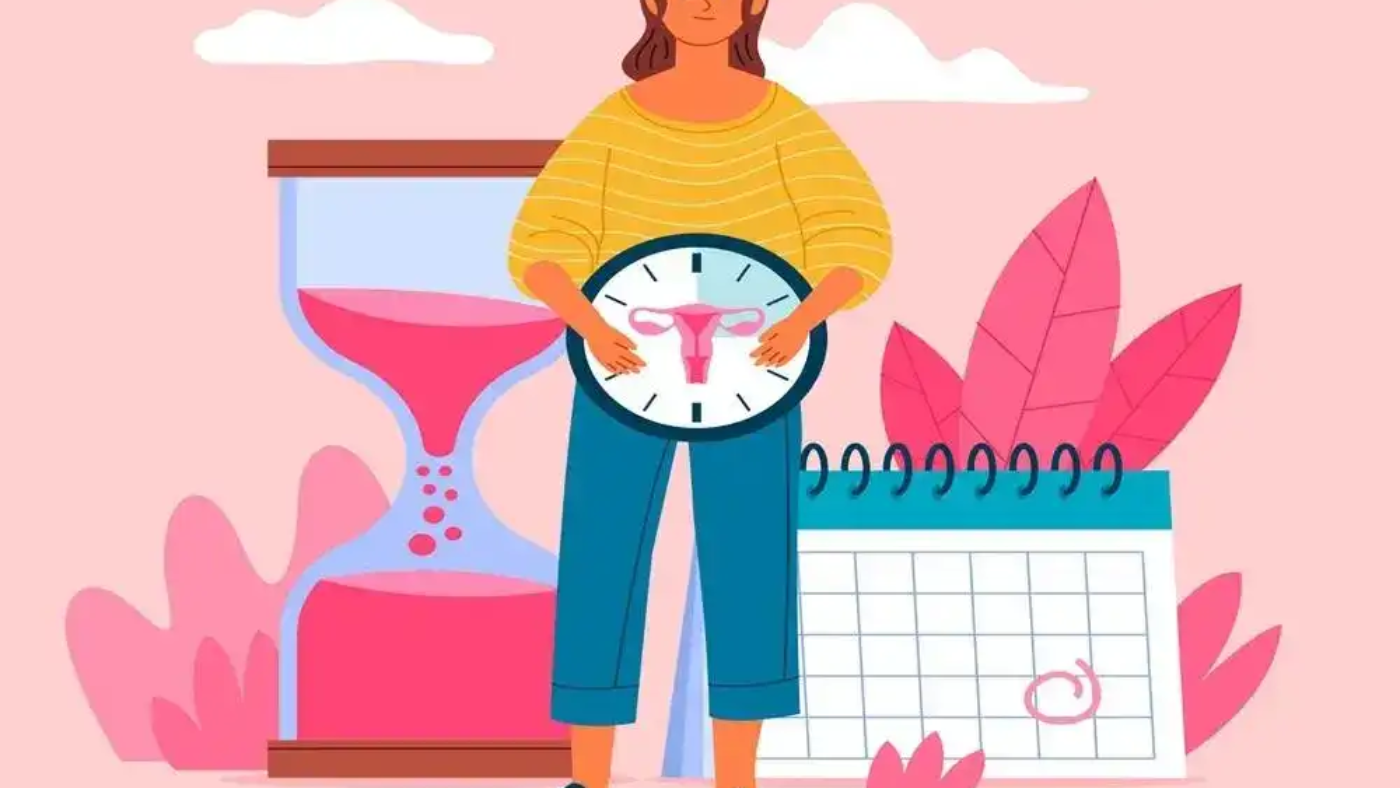
Delayed Periods: Causes, Symptoms, and When to See a Doctor
A delayed or late period is one of the most common menstrual concerns women experience. While pregnancy is often the first thought when a period is late, several hormonal, medical, and lifestyle factors can also influence the menstrual cycle.
Understanding why periods get delayed, what symptoms to watch for, and when to consult a gynecologist can help you manage your reproductive health with confidence.
If your periods are consistently irregular or delayed, consulting an experienced gynecologist like Dr. Nitasha Gupta can help identify the underlying cause and guide the right treatment.
Learn more about Dr. Nitasha Gupta here:
https://www.drnitashagupta.com/about/
What Is Considered a Delayed Period?
A normal menstrual cycle typically lasts 21–35 days for adults and 21–45 days for teenagers.
Menstrual bleeding usually lasts 4–7 days.
A period is generally considered late or delayed when it has not started within your expected cycle window.
For example:
- If your cycle is normally 28 days, and your period hasn’t started after 35 days, it may be considered delayed.
However, small variations of 2–5 days are normal because ovulation timing can shift due to hormonal fluctuations.
When delay becomes concerning
You should monitor closely if:
- Your period is more than 7–10 days late
- You miss multiple cycles
- You experience new symptoms like pain, abnormal discharge, or sudden weight changes
In these situations, a medical evaluation may be recommended.
Common Causes of Delayed Periods
Many factors can influence menstrual timing. These range from natural hormonal changes to medical conditions.
Age and Hormonal Changes
Menstrual cycles change naturally throughout life.
Puberty
During the first 1–3 years after the first period, cycles are often irregular. Hormones are still stabilizing, which can cause delayed or skipped periods.
Reproductive Years
Most women experience more predictable cycles, but occasional delays can still occur.
Perimenopause
As menopause approaches, estrogen and progesterone levels fluctuate, leading to:
- irregular cycles
- skipped periods
- delayed menstruation
These changes are usually normal but should still be evaluated if symptoms are severe.
Pregnancy
Pregnancy is one of the most common causes of a missed or late period among sexually active women.
When fertilization occurs:
- The body produces human chorionic gonadotropin (hCG)
- Progesterone and estrogen levels increase
- The uterine lining remains intact instead of shedding
This stops menstruation.
Early pregnancy symptoms may include
- nausea or vomiting
- breast tenderness
- fatigue
- frequent urination
- mood swings
- food cravings
- light spotting
If your period is late and pregnancy is possible, taking a pregnancy test is the first step.
Hormonal and Medical Conditions
Certain health conditions directly affect menstrual hormones.
Polycystic Ovary Syndrome (PCOS)
PCOS affects approximately 10–13% of women of reproductive age worldwide (WHO estimate).
It can cause:
- irregular or delayed periods
- absence of ovulation
- acne
- excess facial hair
- weight gain
- darkened skin patches
PCOS is one of the leading causes of irregular menstrual cycles.
Thyroid Disorders
The thyroid gland regulates metabolism and hormone balance.
Both conditions can disrupt menstrual cycles:
- Hypothyroidism (underactive thyroid)
- Hyperthyroidism (overactive thyroid)
Symptoms may include:
- unexplained weight gain or loss
- fatigue
- mood changes
- irregular periods
Uterine or Ovarian Conditions
Structural or reproductive disorders may also affect menstrual timing, including:
- uterine fibroids
- ovarian cysts
- pelvic infections
- endometrial abnormalities
These conditions may cause:
- delayed periods
- heavy bleeding
- pelvic pain
Chronic Medical Conditions
Long-term health issues may interfere with hormonal balance.
Examples include:
- diabetes
- celiac disease
- pelvic inflammatory disease (PID)
- severe infections
Managing the underlying condition often improves menstrual regularity.
Lifestyle Factors That Can Delay Periods
Daily habits play a significant role in menstrual health.
Stress
High stress affects the hypothalamus, the brain region responsible for hormone regulation.
This can delay ovulation and postpone menstruation.
Sudden Weight Changes
Rapid weight gain or weight loss can disrupt estrogen production, which regulates the menstrual cycle.
Poor Nutrition
Extremely low calorie intake or nutritional deficiencies may suppress ovulation.
Excessive Exercise
High-intensity training without adequate nutrition can reduce reproductive hormone levels.
This is common among:
- athletes
- dancers
- endurance trainers
Sleep Disruption
Irregular sleep schedules and shift work can disturb hormonal rhythms that regulate menstruation.
Travel and Time-Zone Changes
Jet lag and circadian rhythm disruption may temporarily delay periods.
Most of these delays are temporary and resolve once routines stabilize.
Symptoms That May Accompany Delayed Periods
A late period may occur with additional symptoms depending on the cause.
Common accompanying symptoms include:
- pelvic pain
- acne
- fatigue
- weight changes
- abnormal vaginal discharge
- breast tenderness
- excessive hair growth
These symptoms may provide clues about the underlying hormonal imbalance or medical condition.
When Should You See a Doctor for a Late Period?
Occasional delayed periods are usually harmless.
However, medical advice is recommended if:
- your period is more than 2–3 months late
- you miss multiple cycles
- you experience severe pelvic pain
- bleeding becomes unusually heavy
- you notice sudden acne, hair growth, or weight changes
- you suspect pregnancy complications
A gynecologist may recommend:
- pregnancy testing
- hormone blood tests
- thyroid function tests
- pelvic ultrasound
- evaluation for PCOS or other conditions
If you are experiencing irregular periods, consult Dr. Nitasha Gupta, an experienced gynecologist specializing in women’s reproductive and hormonal health.
Book an appointment:
https://www.drnitashagupta.com/contact/
Treatment Options for Delayed Periods
Treatment depends on the underlying cause.
Possible management approaches include:
- hormonal therapy
- treatment for thyroid disorders
- PCOS management
- lifestyle modifications
- nutritional guidance
- stress management
Early diagnosis often prevents complications and helps restore a healthy menstrual cycle.
Importance of Tracking Your Menstrual Cycle
Monitoring your cycle helps detect changes early.
Useful tracking methods include:
- menstrual tracking apps
- calendar logging
- symptom tracking
- ovulation monitoring
This information helps doctors identify patterns and diagnose potential issues faster.
Conclusion
Delayed periods are extremely common and often caused by temporary hormonal fluctuations, stress, lifestyle changes, or natural life stages.
However, persistent or unexplained delays may indicate pregnancy, PCOS, thyroid disorders, or other health conditions that require medical evaluation.
Listening to your body, tracking your cycle, and seeking medical advice when necessary are essential steps in maintaining reproductive health.
If you have concerns about irregular or delayed periods, consulting a qualified gynecologist like Dr. Nitasha Gupta can help you find the cause and receive the appropriate treatment.
Frequently Asked Questions (FAQs)
Why is my period late but I am not pregnant?
A late period without pregnancy can be caused by stress, hormonal imbalance, PCOS, thyroid disorders, weight changes, excessive exercise, or lifestyle disruptions.
How many days late can a period be normal?
A delay of 2–5 days is usually normal, especially if your cycle varies slightly each month.
Can stress delay periods?
Yes. Stress affects hormone signals in the brain that regulate ovulation, which can delay menstruation.
Can PCOS cause missed periods?
Yes. PCOS often disrupts ovulation, which can lead to irregular, delayed, or absent periods.
When should I worry about a delayed period?
You should consult a doctor if:
- your period is more than 2–3 months late
- you miss multiple cycles
- you experience severe pain or abnormal symptoms.
Related Services
Learn more about advanced women’s healthcare and intimate wellness treatments:
https://labellacosgyn.com/
Internal Links
Women’s health consultation
https://www.drnitashagupta.com/
About Dr. Nitasha Gupta
https://www.drnitashagupta.com/about/
Book an appointment
https://www.drnitashagupta.com/contact/
Leave A Comment