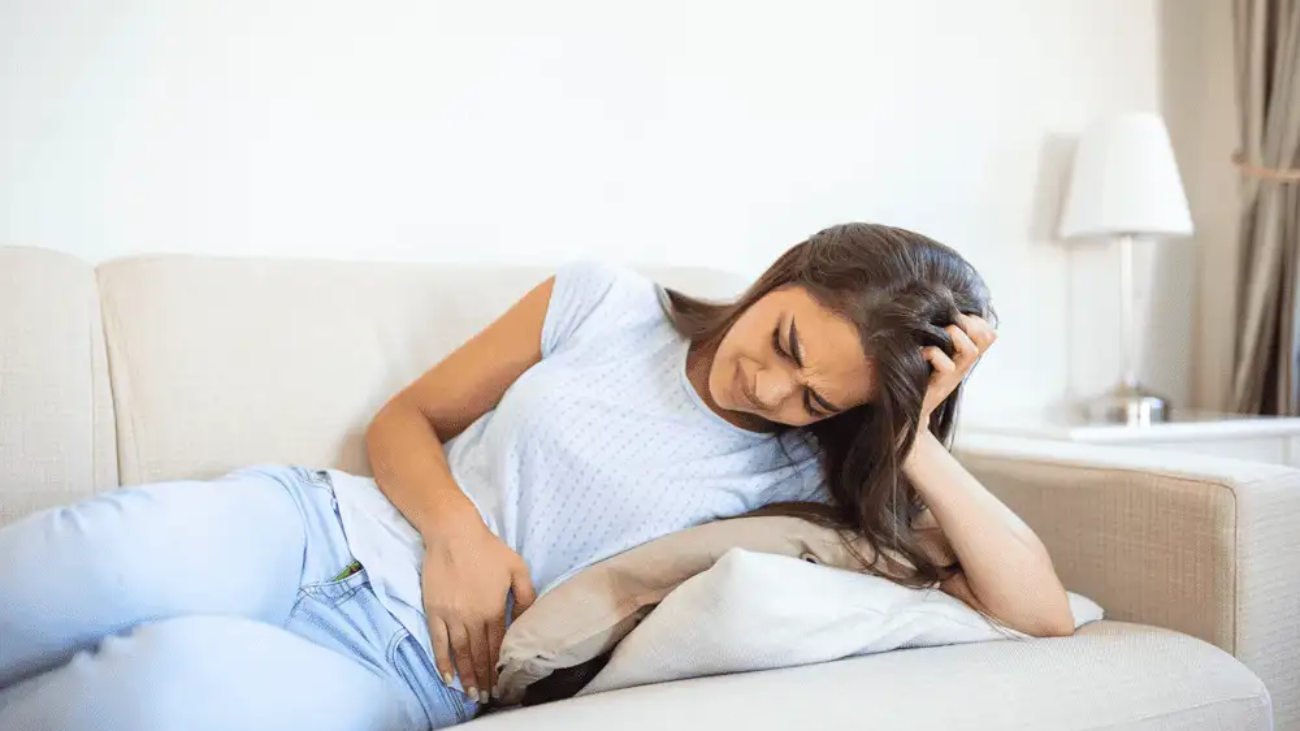
Irregular Periods and Difficulty Getting Pregnant: When Should You See a Gynecologist?

Irregular Periods and Difficulty Getting Pregnant: When Should You See a Gynecologist?

Irregular periods are common, but if you are trying to get pregnant, changes in your menstrual cycle can sometimes make conception more difficult. This is because irregular periods may be associated with irregular ovulation, meaning an egg may not be released consistently each month.

If your periods are unpredictable and you are having difficulty getting pregnant, you may wonder: Can I conceive naturally with irregular periods? Am I ovulating? Could PCOS be the reason? When should I see a gynecologist or fertility specialist?

The answer depends on the cause of your irregular periods, your age, how long you have been trying to conceive and your overall reproductive health.

Dr. Nitasha Gupta, an experienced IVF Specialist and Gynecologist in Zirakpur, provides personalised evaluation for irregular periods, PCOS, ovulation concerns and fertility problems for women from Zirakpur, Chandigarh, Panchkula, Mohali, Dhakoli, Dera Bassi and nearby areas.

Quick Answer: Can You Get Pregnant With Irregular Periods?

Yes, it is possible to get pregnant with irregular periods.

However, irregular menstrual cycles can sometimes indicate that ovulation is not occurring regularly. If ovulation is unpredictable, identifying your fertile window can become more difficult and you may have fewer opportunities to conceive.

Irregular periods do not automatically mean you are infertile or that you will need IVF.

The underlying cause matters.

Conditions such as PCOS, thyroid disorders, hormonal imbalances, changes in body weight, stress and other health factors may affect menstrual regularity and ovulation.

If you are trying to conceive and your periods are consistently irregular, consulting a gynecologist or fertility specialist can help identify the possible cause and determine whether treatment is required.

What Are Irregular Periods?

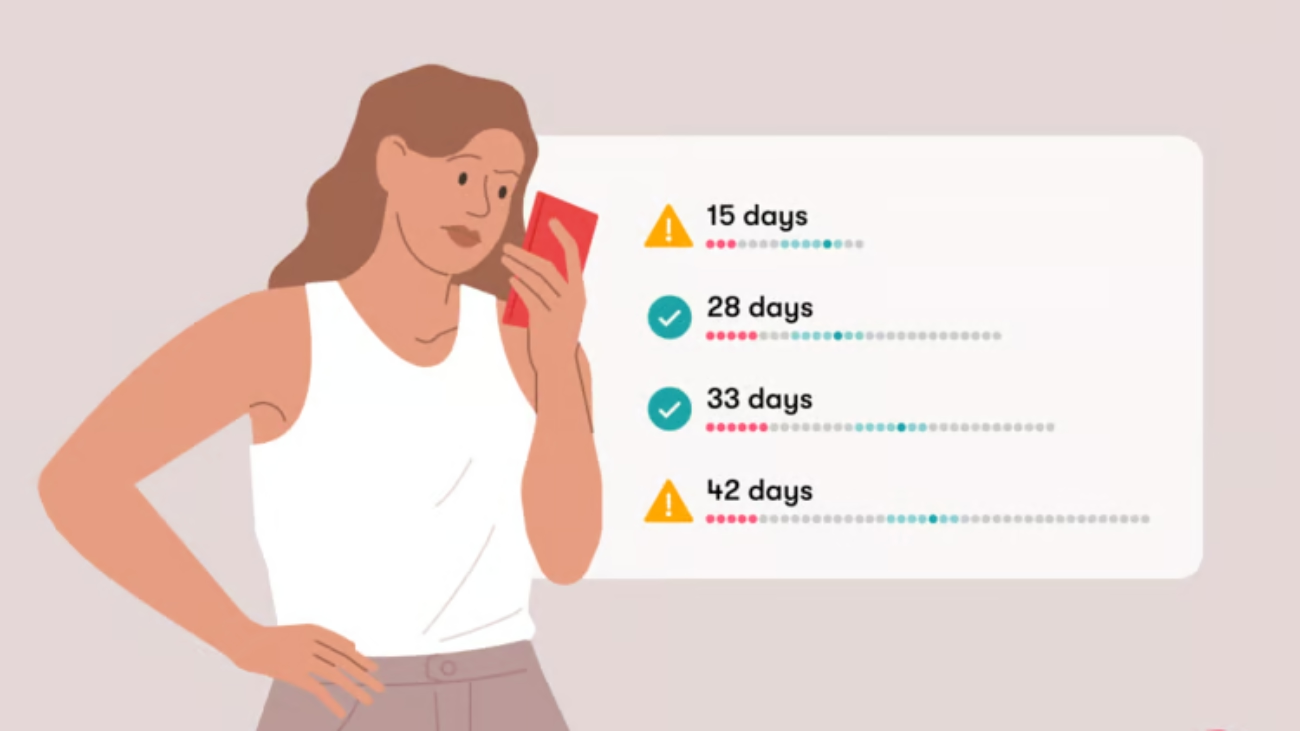
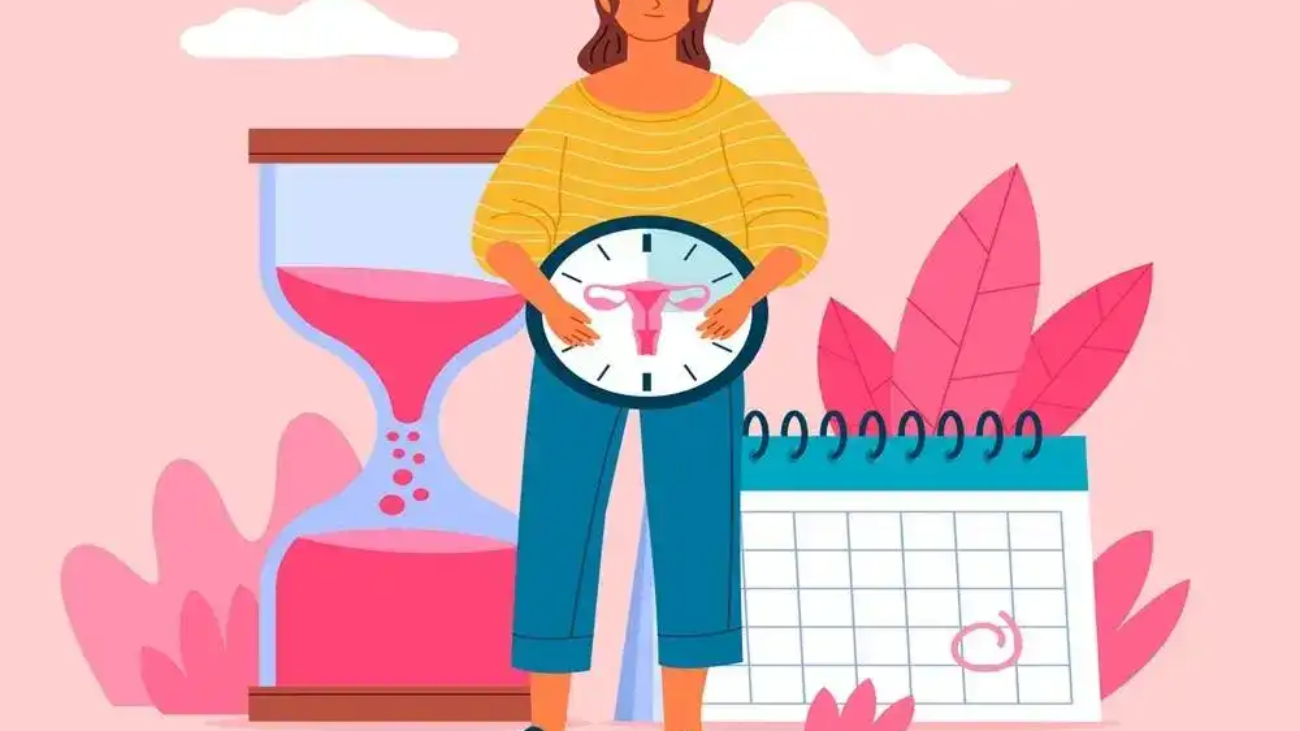
A menstrual cycle is counted from the first day of one period to the first day of the next.

Cycle length can vary between individuals. An occasional variation does not necessarily indicate a fertility problem.

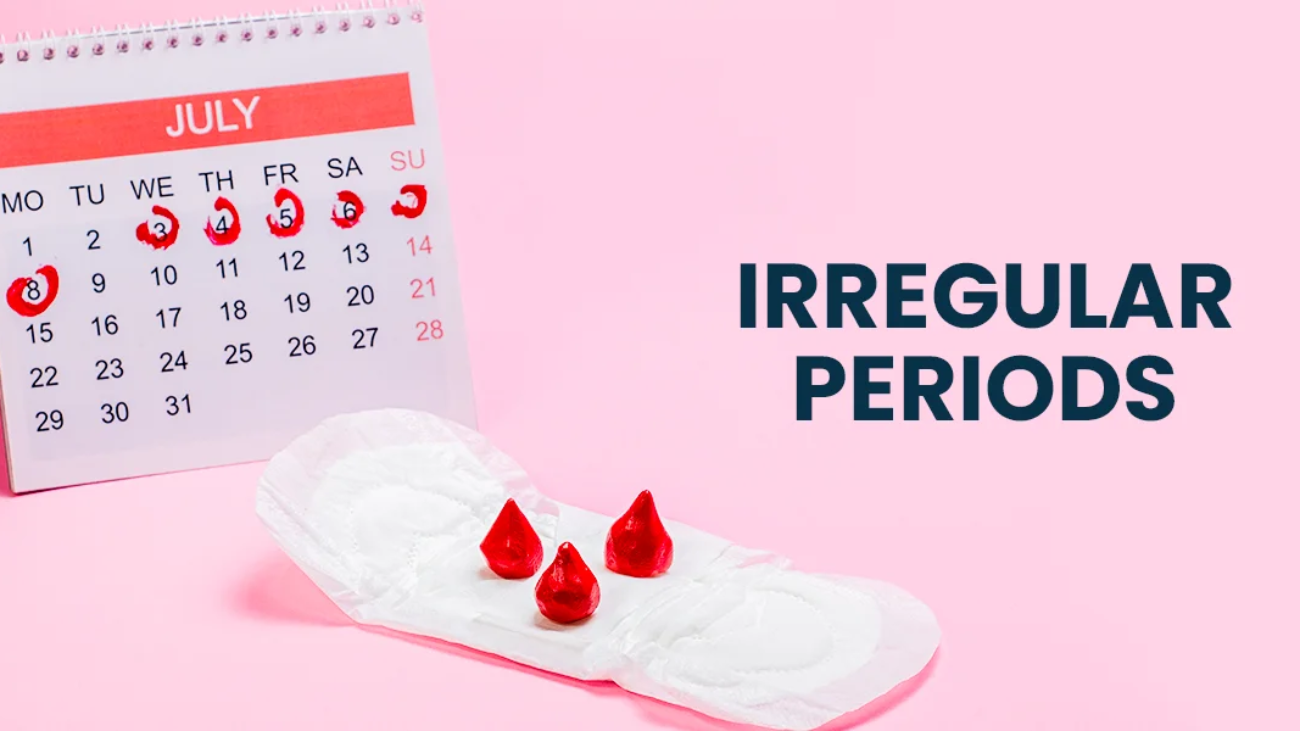
However, periods may be considered irregular when menstrual cycles are consistently unpredictable, occur very frequently, are widely spaced apart or are absent for extended periods.

You should consider discussing your menstrual cycle with a gynecologist if:

  • Your periods are consistently unpredictable.
  • You frequently miss periods.
  • You go several months without menstruating.
  • Your cycle pattern has changed significantly.
  • You have irregular periods along with difficulty conceiving.
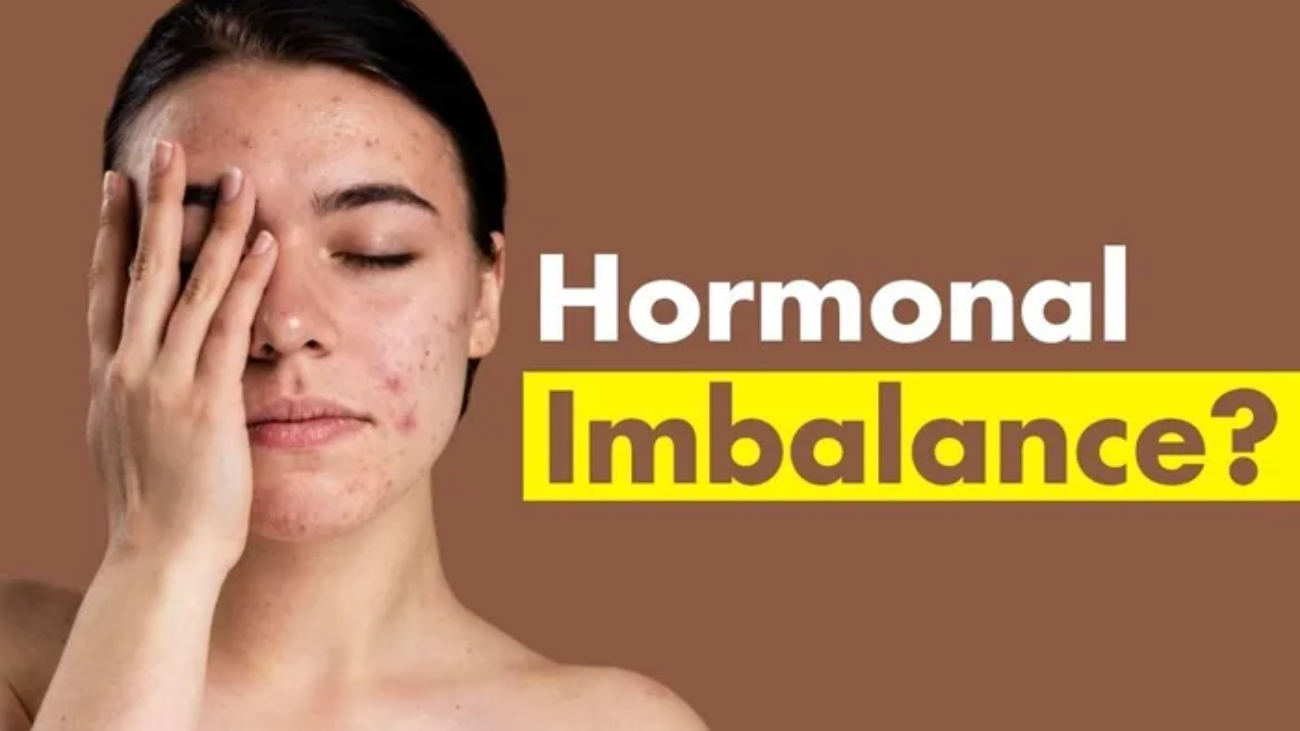
  • You experience symptoms such as excessive facial hair, persistent acne or other possible signs of hormonal imbalance.

A medical evaluation can help determine whether an underlying condition may be affecting your menstrual cycle.

Why Can Irregular Periods Make It Difficult to Get Pregnant?

Why Can Irregular Periods Make It Difficult to Get Pregnant?

To become pregnant naturally, an egg generally needs to be released from the ovary through a process called ovulation.

When menstrual cycles are regular, ovulation may be easier to predict.

With irregular cycles, ovulation may occur at unpredictable times or, in some cases, may not occur during certain cycles.

This can affect fertility in two important ways.

First, it may be difficult to identify the fertile window and time intercourse around ovulation.

Second, if ovulation is occurring infrequently, there may be fewer opportunities for fertilisation.

However, irregular periods alone cannot determine whether you can or cannot become pregnant.

A proper evaluation is needed to understand whether you are ovulating and whether any other female or male fertility factors are involved.

What Causes Irregular Periods When Trying to Conceive?

There are several possible reasons for irregular menstrual cycles. The cause can vary significantly from one woman to another.

PCOS and Irregular Ovulation

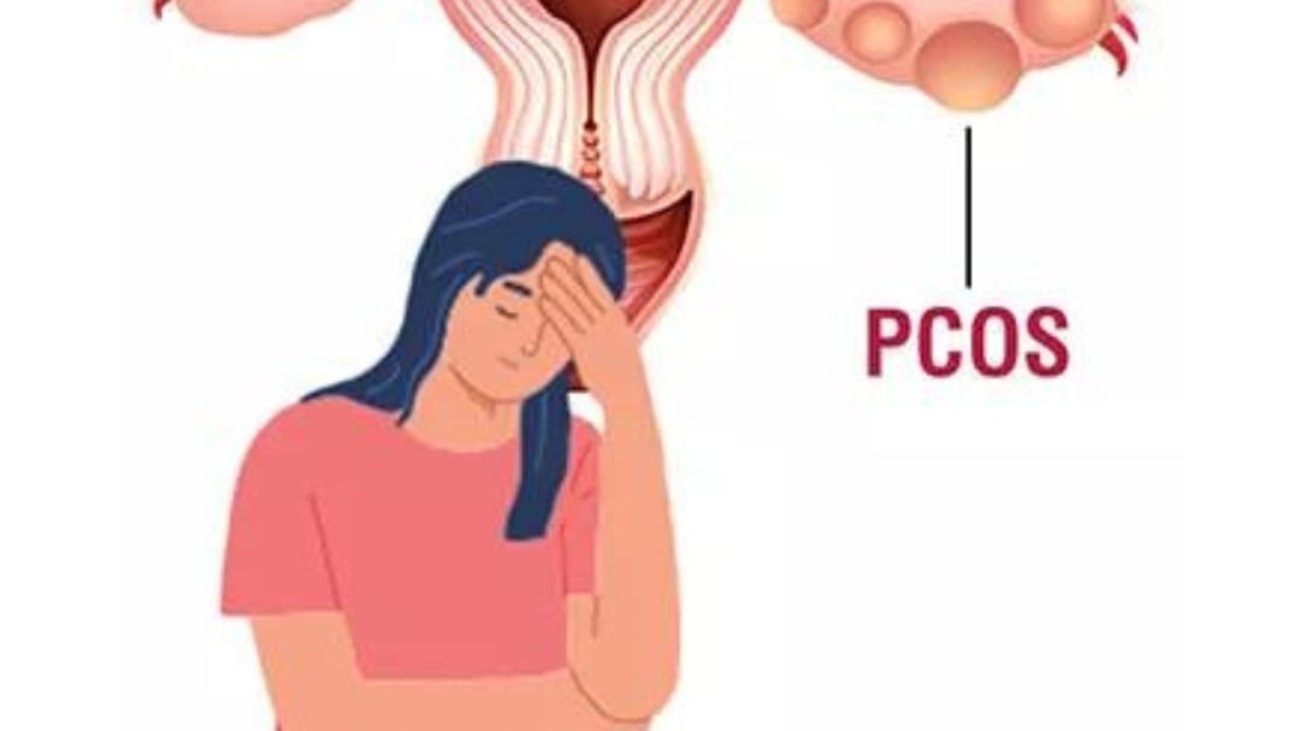
Polycystic ovary syndrome, commonly known as PCOS, is one condition that can be associated with irregular menstrual cycles and ovulation problems.

Women with PCOS may experience:

  • Irregular or infrequent periods
  • Difficulty predicting ovulation
  • Acne
  • Increased facial or body hair
  • Weight-related concerns in some cases
  • Difficulty conceiving due to irregular ovulation

Not every woman with irregular periods has PCOS, and not every woman with PCOS will experience infertility.

Many women with PCOS can become pregnant naturally or with appropriate medical support.

If you have irregular periods and suspect PCOS, a gynecological evaluation can help determine whether PCOS or another condition may be affecting your menstrual cycle.

Thyroid and Hormonal Conditions

Thyroid disorders and other hormonal conditions can sometimes affect menstrual regularity and ovulation.

If your doctor suspects a hormonal cause, blood tests may be recommended based on your symptoms and medical history.

Changes in Body Weight

Significant changes in body weight can sometimes affect hormonal balance and menstrual cycles.

Both substantial weight loss and weight gain may influence ovulation in some individuals.

Your doctor can assess whether weight-related or metabolic factors may be contributing to changes in your cycle.

Stress and Lifestyle Factors

Physical or psychological stress may influence menstrual patterns in some women.

However, persistent irregular periods should not automatically be attributed to stress without appropriate medical evaluation, particularly when you are trying to conceive.

Other Reproductive or Medical Conditions

Other medical and reproductive conditions may also contribute to menstrual irregularities.

This is why self-diagnosing the cause of irregular periods based only on symptoms or information found online may not provide an accurate answer.

A gynecologist can evaluate your individual symptoms, menstrual history and reproductive health to identify the possible cause.

How Do I Know If I Am Ovulating With Irregular Periods?

Ovulation can be more difficult to predict when menstrual cycles are irregular.

Some women use ovulation predictor kits, cycle tracking applications, cervical mucus changes or basal body temperature to estimate their fertile window.

However, these methods may be less predictable when cycles vary significantly.

If there is concern about irregular ovulation, your doctor may recommend appropriate evaluation based on your medical history.

What Tests Can Check Ovulation?

Depending on your individual situation, a fertility or gynecological evaluation may include:

  • Review of your menstrual cycle history
  • Hormonal blood tests when clinically indicated
  • Ultrasound assessment
  • Ovulation monitoring
  • Ovarian reserve assessment in selected cases
  • Additional investigations based on symptoms and medical history

Not every woman requires every test.

Testing should be individualised rather than following the same checklist for every patient.

When Should You See a Gynecologist for Irregular Periods?

You do not necessarily need to wait until you have been trying to conceive for a full year if your menstrual cycles are significantly irregular or absent.

Consider consulting a gynecologist earlier if:

  • Your periods are consistently irregular.
  • You frequently skip periods.
  • You have not had a period for several months.
  • You have symptoms that may suggest PCOS.
  • Your menstrual pattern has changed significantly.
  • You have irregular periods and are actively trying to conceive.
  • You have other known reproductive health concerns.

A gynecologist can assess the possible cause of your irregular cycles and determine whether further fertility evaluation is appropriate.

If you are looking for personalised women’s healthcare, learn more about consulting a Gynecologist in Zirakpur:

https://www.drnitashagupta.com/gynecologist-in-zirakpur/

Patients travelling from Chandigarh can also explore:

https://www.drnitashagupta.com/gynecologist-in-chandigarh/

When Should You See a Fertility Specialist?

General fertility guidance recommends considering an infertility evaluation after 12 months of regular unprotected intercourse without conception for women under 35 and after approximately 6 months for women aged 35 and above.

However, earlier evaluation may be appropriate when there is a known condition that may affect fertility, including irregular or absent menstrual cycles.

You may consider seeing a fertility specialist earlier if you have irregular periods and are concerned that you may not be ovulating regularly.

The purpose of an early consultation is not necessarily to begin fertility treatment immediately. It is to understand whether an underlying condition is affecting ovulation or conception.

Can PCOS Cause Infertility?

PCOS can make it more difficult for some women to conceive because it may interfere with regular ovulation.

However, having PCOS does not mean that pregnancy is impossible.

Many women with PCOS conceive naturally, while others may benefit from lifestyle changes, treatment of underlying metabolic or hormonal concerns, ovulation induction or other fertility treatments depending on their individual situation.

The appropriate approach depends on factors including:

  • Age
  • Ovulation pattern
  • Duration of infertility
  • Ovarian reserve
  • Fallopian tube health
  • Male fertility factors
  • Previous pregnancy history
  • Overall reproductive health

Treatment should therefore be personalised rather than based solely on a PCOS diagnosis.

Do Irregular Periods Mean I Need IVF?

No.

Irregular periods alone do not mean that IVF is necessary.

If irregular ovulation is identified as the primary fertility concern, there may be other treatment approaches depending on the underlying cause and the couple’s overall fertility evaluation.

Possible options may include:

  • Lifestyle modifications when appropriate
  • Treatment of an underlying hormonal condition
  • Ovulation monitoring
  • Ovulation induction in selected patients
  • Timed intercourse
  • IUI in appropriate situations
  • IVF when medically indicated

Your fertility specialist will consider your complete reproductive health before recommending treatment.

IVF is one of several fertility treatment options and should be recommended based on individual medical indications.

To learn more about available fertility treatments and IVF, visit:

https://www.drnitashagupta.com/ivf-treatment-chandigarh/

What Other Fertility Factors Should Be Checked?

When pregnancy is not occurring, irregular periods may be one part of the fertility picture, but they may not be the only factor.

A complete fertility evaluation may consider:

Female Fertility Factors

These may include:

  • Ovulation
  • Ovarian reserve
  • Fallopian tube health
  • Uterine factors
  • Endometriosis
  • Age-related fertility changes
  • Other reproductive conditions

Male Fertility Factors

Male fertility factors can also contribute to difficulty conceiving.

Depending on the couple’s medical and reproductive history, semen analysis or further evaluation may be recommended.

Evaluating both partners when appropriate can help provide a more complete understanding of why conception may be taking longer than expected.

Can You Get Pregnant Naturally With PCOS and Irregular Periods?

Yes. Natural pregnancy may still be possible for women with PCOS and irregular menstrual cycles.

The likelihood depends on whether and how frequently ovulation is occurring, as well as other female and male fertility factors.

Some women with PCOS ovulate occasionally and conceive naturally. Others may require medical support to improve or induce ovulation.

A fertility evaluation can help determine the most appropriate approach for your individual situation.

Gynecologist for Irregular Periods and PCOS in Zirakpur

If you are experiencing irregular periods, suspected PCOS or difficulty getting pregnant, consulting a gynecologist can help identify the underlying cause.

Dr. Nitasha Gupta provides personalised gynecology and fertility consultations in Zirakpur for women experiencing menstrual irregularities, PCOS, ovulation concerns and fertility problems.

Patients from Dhakoli, Peer Muchalla, Baltana, Dera Bassi and surrounding areas can seek evaluation based on their individual symptoms and reproductive goals.

Learn more about women’s healthcare and gynecology services in Zirakpur:

https://www.drnitashagupta.com/gynecologist-in-zirakpur/

Gynecologist and Fertility Consultation for Patients From Chandigarh

Women from Chandigarh experiencing irregular periods or difficulty conceiving can also consult Dr. Nitasha Gupta for gynecological and fertility evaluation.

The aim of the consultation is to understand the possible cause of menstrual irregularities and determine whether they may be affecting ovulation or fertility.

Learn more:

https://www.drnitashagupta.com/gynecologist-in-chandigarh/

Fertility and Women’s Health Care Across the Tricity Region

Dr. Nitasha Gupta provides fertility, IVF and gynecology consultations for patients from:

  • Zirakpur
  • Chandigarh
  • Panchkula
  • Mohali
  • Dhakoli
  • Peer Muchalla
  • Baltana
  • Dera Bassi
  • Nearby areas

Patients experiencing irregular periods, PCOS, difficulty conceiving or other reproductive health concerns can seek an individualised evaluation based on their medical history and symptoms.

Why Consult Dr. Nitasha Gupta?

Dr. Nitasha Gupta is an IVF Specialist and Gynecologist with more than 15 years of clinical experience in women’s reproductive health.

Her clinical focus includes:

  • Irregular periods
  • PCOS
  • Ovulation disorders
  • Infertility evaluation
  • IVF and assisted reproductive care
  • IUI
  • Pregnancy care
  • Gynecological conditions
  • Laparoscopy and hysteroscopy
  • Women’s health

Her approach focuses on evidence-based evaluation, personalised treatment planning and helping patients understand their reproductive health before deciding on the next step.

Frequently Asked Questions About Irregular Periods and Pregnancy

1. Can I get pregnant if my periods are irregular?

Yes. It is possible to become pregnant with irregular periods. However, irregular cycles may sometimes indicate irregular ovulation, which can make it more difficult to predict your fertile window or reduce the number of opportunities to conceive.

2. Why am I not getting pregnant if I have irregular periods?

Irregular ovulation may be one possible reason, but several other female and male fertility factors can affect conception. A fertility evaluation can help identify whether ovulation or another factor may be contributing.

3. Do irregular periods mean I am infertile?

No. Irregular periods do not automatically mean infertility. They may indicate irregular ovulation or an underlying hormonal or reproductive condition that should be evaluated.

4. How can I tell if I am ovulating with irregular periods?

Ovulation may be tracked using several methods, but irregular cycles can make prediction more difficult. If you are concerned about ovulation, a gynecologist or fertility specialist can recommend appropriate tests or monitoring based on your individual situation.

5. Can PCOS cause irregular periods and difficulty getting pregnant?

Yes. PCOS can affect regular ovulation in some women, which may lead to irregular periods and difficulty conceiving. However, many women with PCOS can become pregnant naturally or with appropriate fertility support.

6. Can I get pregnant naturally with PCOS?

Yes. Many women with PCOS can conceive naturally. Others may require medical support depending on their ovulation pattern, age and other fertility factors.

7. Do I need IVF if I have PCOS?

Not necessarily. IVF is not automatically required for women with PCOS. Treatment depends on your age, ovulation, duration of infertility and other female and male fertility factors.

8. When should I see a gynecologist for irregular periods?

Consider consulting a gynecologist if your periods are consistently irregular, frequently absent, have changed significantly or are accompanied by other symptoms. If you are trying to conceive, earlier evaluation may also be appropriate.

9. Should I see a gynecologist or fertility specialist if I am not getting pregnant?

A gynecologist with expertise in fertility or a fertility specialist can evaluate your menstrual cycles and reproductive health. The appropriate choice may depend on how long you have been trying, your age and whether you have known fertility concerns.

10. Can irregular periods be treated to help me get pregnant?

Treatment depends on the underlying cause. In some cases, treating a hormonal condition, addressing appropriate lifestyle factors or using medication to support ovulation may be considered. Your doctor can recommend treatment after evaluation.

11. Which doctor should I consult for PCOS and fertility problems in Zirakpur?

Women experiencing PCOS, irregular periods or fertility concerns can consult a qualified gynecologist or fertility specialist. Dr. Nitasha Gupta provides gynecology, PCOS and fertility consultations for patients from Zirakpur and surrounding areas.

12. When should I consult a fertility specialist in Chandigarh or Zirakpur?

If you have been trying to conceive without success for the recommended period based on your age, or if you have irregular or absent periods or another known fertility concern, you may benefit from a fertility evaluation.

Take the Next Step Towards Understanding Your Reproductive Health

Irregular periods do not automatically mean that you cannot become pregnant.

However, if your menstrual cycles are consistently unpredictable and you are trying to conceive, understanding whether you are ovulating regularly can be an important step.

A personalised gynecological and fertility evaluation can help identify possible causes of irregular periods and determine whether treatment or further fertility testing is appropriate.

If you are looking for a gynecologist in Zirakpur, a fertility specialist in Chandigarh, or personalised care for PCOS, irregular periods and difficulty conceiving, you can consult Dr. Nitasha Gupta for an individualised evaluation.

Book a Consultation with Dr. Nitasha Gupta

Call or WhatsApp: +91 98889 91413

Clinic: SCO 35, Shri Balaji Complex, Dhakoli, Zirakpur, Mohali 160104

Book an appointment:

https://www.drnitashagupta.com/contact/

Medical Disclaimer

This article is intended for general educational purposes and does not replace personalised medical advice, diagnosis or treatment. The causes of irregular periods and fertility concerns vary between individuals. Please consult a qualified healthcare professional for recommendations based on your individual medical history and reproductive health.

Medical References

  1. American College of Obstetricians and Gynecologists (ACOG). Polycystic Ovary Syndrome (PCOS).
    https://www.acog.org/womens-health/faqs/polycystic-ovary-syndrome-pcos
  2. American Society for Reproductive Medicine (ASRM). Fertility Evaluation of Infertile Women: A Committee Opinion.
    https://www.asrm.org/practice-guidance/practice-committee-documents/fertility-evaluation-of-infertile-women-a-committee-opinion-2021/
  3. World Health Organization (WHO). Infertility.
    https://www.who.int/news-room/fact-sheets/detail/infertility
PMOS Explained: New Name for PCOS

PMOS Explained: New Name for PCOS Every Woman Should Know | Dr. Nitasha Gupta

PMOS Explained: The New Name for PCOS Every Woman Should Know

Simple Guide by Dr. Nitasha Gupta

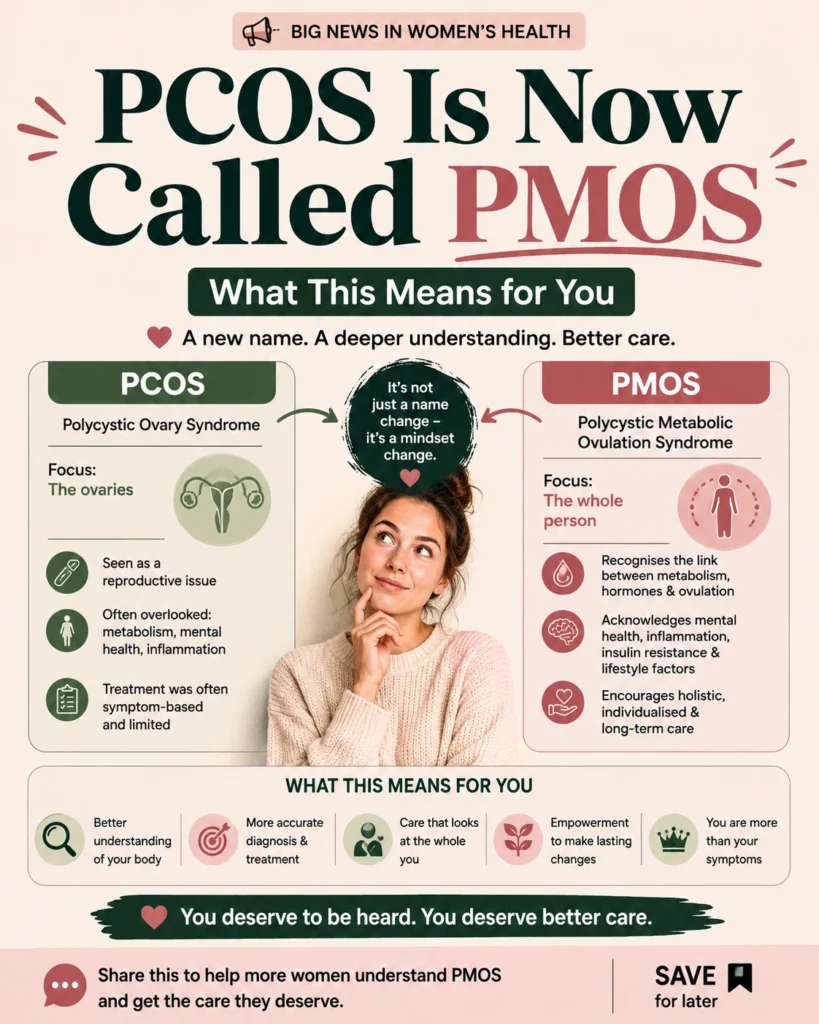
For years, millions of women around the world have known a common hormonal condition as PCOS (Polycystic Ovary Syndrome). But now, doctors and health experts globally have introduced a new name:

PMOS — Polyendocrine Metabolic Ovarian Syndrome

This change is important because the condition is not just about ovarian cysts. It affects hormones, metabolism, weight, fertility, skin, mental health, and overall wellbeing.

At Dr. Nitasha Gupta’s clinic, many women from Chandigarh, Panchkula, Mohali, Zirakpur, and nearby areas visit with symptoms like irregular periods, acne, weight gain, difficulty getting pregnant, or hormonal imbalance — all of which may be linked to PMOS/PCOS.

This blog explains PMOS in easy language so every woman can better understand her body and take the right steps early.


What Is PMOS?

PMOS stands for:

Polyendocrine Metabolic Ovarian SyndromeWhat Is PMOS?

It is the new medical name for PCOS.

Experts changed the name because the old name confused many women. Most people thought PCOS only meant ovarian cysts, but that is not true.

In fact:

  • Many women with PCOS do not actually have cysts
  • The condition affects multiple hormones
  • It can affect metabolism, fertility, weight, mood, and skin

More than 170 million women worldwide are affected by this condition.


Why Was PCOS Renamed to PMOS?

The old name:

Polycystic Ovary Syndrome

focused only on ovaries and “cysts.”

But doctors now understand this condition is much more complex.

The new name PMOS better explains:

  • Hormonal imbalance
  • Metabolic issues
  • Weight-related problems
  • Fertility concerns
  • Long-term health risks

According to international experts and researchers, the old name caused:

  • Delayed diagnosis
  • Confusion
  • Poor awareness
  • Incomplete treatment

The PMOS name change was supported by more than 50 international health organizations and thousands of women globally.


Common Symptoms of PMOS (PCOS)

Every woman experiences PMOS differently.

Common PMOS Symptoms Include:

Irregular Periods

Periods may come late, stop for months, or become unpredictable.

Weight Gain

Many women gain weight easily, especially around the stomach.

Acne and Oily Skin

Hormonal imbalance can trigger stubborn acne.

Excess Hair Growth

Some women notice unwanted facial or body hair.

Hair Fall

Thinning hair or hair loss is also common.

Difficulty Getting Pregnant

PMOS can affect ovulation and fertility.

Mood Swings and Anxiety

Hormonal changes may impact mental health too.

Dark Skin Patches

Darkness around the neck or underarms may happen due to insulin resistance.


What Causes PMOS?

There is no single cause, but several factors may contribute.

Possible Causes Include:

  • Hormonal imbalance
  • Insulin resistance
  • Genetics
  • Lifestyle factors
  • Obesity
  • Stress
  • Poor sleep
  • Inflammation

Many women with PMOS have higher insulin levels, which may increase male hormones (androgens) in the body.


How Does PMOS Affect Fertility?

One of the biggest concerns women face with PMOS is:

Difficulty Getting Pregnant

PMOS may prevent regular ovulation, making conception harder.

But the good news is:

Pregnancy Is Still Possible

With proper treatment, lifestyle improvement, ovulation support, or fertility treatments like IVF, many women with PMOS successfully become mothers.

At Dr. Nitasha Gupta’s fertility clinic, personalised treatment plans are created based on:

  • Age
  • Hormone levels
  • Weight
  • Ovulation pattern
  • Fertility goals

How Is PMOS Diagnosed?

Doctors may recommend:

  • Blood tests
  • Ultrasound
  • Hormone testing
  • Menstrual history evaluation
  • Weight and metabolic assessment

There is no single test for PMOS. Diagnosis usually involves understanding symptoms together.


Can PMOS Be Cured?

PMOS is usually a long-term condition, but symptoms can be managed very effectively.

Many women improve significantly through:

  • Healthy diet
  • Exercise
  • Weight management
  • Stress reduction
  • Proper sleep
  • Hormonal treatment
  • Fertility treatment if needed

Early diagnosis often leads to better long-term health outcomes.


Best Lifestyle Changes for PMOS

1. Regular Exercise

Even walking daily can help improve hormones and insulin sensitivity.

2. Healthy Eating

Focus on:

  • Protein-rich meals
  • Fiber-rich foods
  • Fruits and vegetables
  • Low sugar intake
  • Healthy fats

3. Weight Management

Even small weight loss may improve periods and ovulation.

4. Good Sleep

Sleep affects hormone balance more than many people realise.

5. Stress Management

Yoga, meditation, and relaxation techniques may help hormonal health.


Foods That May Help PMOS

PMOS-Friendly Foods Include:

  • Nuts and seeds
  • Leafy vegetables
  • Eggs
  • Fish
  • Whole grains
  • Greek yogurt
  • Lentils
  • Fruits with low sugar

Avoid excessive processed food, sugary drinks, and junk food whenever possible.


Treatment Options for PMOS

Treatment depends on symptoms and future pregnancy plans.

Common PMOS Treatments Include:

  • Hormonal medications
  • Ovulation induction
  • Weight management support
  • Insulin resistance treatment
  • Fertility treatment
  • IVF if needed

Every woman’s body is different, which is why personalised treatment matters.


PMOS and Mental Health

Many women silently struggle emotionally with PMOS.

Common emotional effects include:

  • Low confidence
  • Anxiety
  • Mood swings
  • Stress
  • Body image concerns

This condition is not “just about periods.” It can affect overall quality of life.

Support, awareness, and proper medical guidance are important.


Why Women Trust Dr. Nitasha Gupta

Dr. Nitasha Gupta is known for advanced women’s healthcare, fertility treatment, IVF care, and compassionate support for hormonal conditions like PMOS/PCOS.

Women across Chandigarh Tricity trust her for:

  • PCOS & PMOS treatment
  • Fertility consultation
  • IVF support
  • Hormonal imbalance care
  • Pregnancy planning
  • Women wellness treatment

Her approach focuses on both medical treatment and long-term lifestyle improvement.


FAQs About PMOS

Is PMOS different from PCOS?

PMOS is the new name for PCOS. The condition is the same, but the new name better explains the hormonal and metabolic nature of the disorder.

Can women with PMOS get pregnant?

Yes. Many women with PMOS conceive naturally or with fertility support.

Is weight gain common in PMOS?

Yes. Hormonal imbalance and insulin resistance often make weight management difficult.

Does PMOS only affect ovaries?

No. PMOS can affect hormones, metabolism, skin, mental health, and fertility too.

Can exercise help PMOS?

Yes. Regular exercise may improve insulin sensitivity, hormones, and ovulation.

Is PMOS lifelong?

It is usually long-term, but symptoms can often be controlled successfully.


Final Thoughts

The new name PMOS is helping doctors and women better understand this complex hormonal condition. It is not simply about ovarian cysts — it affects the entire body, including hormones, metabolism, fertility, and emotional health.

Early diagnosis, healthy lifestyle habits, and expert medical support can make a major difference.

If you are experiencing irregular periods, hormonal imbalance, acne, unexplained weight gain, or fertility concerns, consult Dr. Nitasha Gupta for personalised women’s healthcare and fertility guidance.


PCOS Treatment in Panchkula: Symptoms, Causes, Fertility & Pregnancy Guide

PCOS Symptoms, Diagnosis, and Treatment Options

PCOS Symptoms in Women – Causes, Signs & Treatment Options

Why More Women in Their 20s & 30s Are Facing Hormonal Imbalance in 2026


PCOS Treatment in Panchkula | PCOS Symptoms, Fertility & Pregnancy Guide

PCOS Treatment in Panchkula | PCOS Symptoms, Fertility & Pregnancy Guide

PCOS Treatment in Panchkula: Symptoms, Causes, Fertility & Pregnancy Guide


Clinically reviewed by Dr. Nitasha Gupta

Polycystic Ovary Syndrome (PCOS) is one of the most common hormonal disorders affecting women today. From irregular periods and acne to weight gain, hair fall, infertility, and difficulty conceiving, PCOS can impact both physical and emotional health.

If you are searching for:

  • PCOS treatment in Panchkula
  • Best gynecologist for PCOS
  • Hormonal imbalance treatment near me
  • Irregular periods treatment
  • PCOS and pregnancy specialist
  • Fertility treatment for PCOS

Dr. Nitasha Gupta at Kore Fertility Solutions provides advanced, evidence-based women’s healthcare and fertility-focused PCOS management.


What is PCOS?

PCOS (Polycystic Ovary Syndrome) is a hormonal condition where women may experience irregular ovulation, hormonal imbalance, increased androgen levels, and metabolic changes.

PCOS symptoms can affect:

  • menstrual cycles
  • fertility
  • skin health
  • weight
  • hormones
  • insulin resistance
  • emotional wellness

According to World Health Organization (WHO), PCOS affects millions of women globally and is one of the leading causes of infertility in women.

Women searching for PCOS treatment in Panchkula often experience symptoms for years before diagnosis.


Common PCOS Symptoms Every Woman Should Know

Irregular Periods

Irregular periods are among the most common PCOS symptoms. Some women experience:

  • delayed periods
  • missed periods
  • prolonged cycles
  • heavy bleeding

Hormonal imbalance in women can directly affect ovulation patterns.


Weight Gain & Difficulty Losing Weight

Many women with PCOS struggle with:

  • abdominal fat
  • insulin resistance
  • unexplained weight gain
  • slow metabolism

Weight gain in PCOS is strongly linked to hormonal imbalance and insulin sensitivity issues.


Acne & Oily Skin

Persistent acne in women, especially around:

  • jawline
  • chin
  • cheeks

may indicate androgen imbalance associated with PCOS.


Hair Fall & Excess Hair Growth

PCOS may cause:

  • thinning scalp hair
  • excessive facial hair
  • increased body hair growth

This occurs due to elevated male hormone levels.


Difficulty Conceiving

Women searching for:

  • fertility problems in women
  • infertility treatment
  • why pregnancy is not happening

often discover undiagnosed PCOS as an underlying cause.

PCOS and pregnancy challenges are extremely common because ovulation becomes irregular or absent.


Causes of PCOS

The exact cause of PCOS is complex and multifactorial.

Common contributing factors include:

  • insulin resistance
  • genetics
  • obesity
  • chronic inflammation
  • hormonal imbalance
  • sedentary lifestyle

According to Indian Council of Medical Research (ICMR), lifestyle changes and early intervention can significantly improve reproductive outcomes in women with PCOS.


PCOS and Fertility Problems

One of the biggest concerns among women with PCOS is infertility.

PCOS can affect:

  • egg release
  • ovulation timing
  • hormone balance
  • implantation potential

Women trying to conceive may experience:

  • irregular ovulation
  • failed conception attempts
  • recurrent hormonal fluctuations

At Kore Fertility Solutions, fertility-focused PCOS treatment plans are personalized based on:

  • age
  • hormone profile
  • ovulation status
  • insulin resistance
  • reproductive goals

Can Women with PCOS Get Pregnant?

Yes.

Many women with PCOS successfully conceive naturally or with fertility support.

Early diagnosis and proper treatment can improve:

  • ovulation
  • egg quality
  • menstrual regularity
  • pregnancy chances

Women searching for:

  • PCOS and pregnancy
  • pregnancy with PCOS
  • infertility due to PCOS

should consult a qualified gynecologist and fertility specialist early.

Learn more about fertility care →
Dr. Nitasha Gupta – About & Fertility Expertise


PCOS Treatment in Panchkula

Dr. Nitasha Gupta provides advanced PCOS treatment in Panchkula focused on long-term hormonal balance and reproductive health.

Treatment options may include:

Lifestyle Management

  • weight management
  • nutrition counseling
  • exercise planning
  • sleep optimization

Hormonal Regulation

  • cycle regulation
  • ovulation support
  • hormonal medications
  • insulin management

Fertility-Focused PCOS Care

  • ovulation induction
  • fertility monitoring
  • IUI
  • IVF treatment if needed

Advanced Diagnostic Evaluation

  • ultrasound
  • hormone testing
  • metabolic evaluation
  • ovarian reserve assessment

Explore women’s healthcare services →
Kore Fertility Solutions Services


Foods & Lifestyle Tips for PCOS

Women with PCOS may benefit from:

  • high-protein meals
  • low refined sugar intake
  • regular exercise
  • stress reduction
  • sleep improvement
  • insulin-friendly diets

Lifestyle correction is one of the most important parts of long-term PCOS management.


PCOS Myths Women Should Stop Believing

“PCOS Means You Can Never Get Pregnant”

False. Many women with PCOS conceive successfully.


“Irregular Periods Are Always Normal”

False. Persistent irregular cycles require medical evaluation.


“Only Overweight Women Get PCOS”

False. Lean PCOS also exists.


Why Women Trust Dr. Nitasha Gupta for PCOS Treatment in Panchkula

Patients across Panchkula, Chandigarh, Mohali, Zirakpur, Dhakoli, and Peer Muchalla trust Dr. Nitasha Gupta because of:

  • Evidence-based women’s healthcare
  • Ethical fertility treatment plans
  • Personalized PCOS management
  • Compassionate consultations
  • Advanced fertility technology
  • Holistic hormonal care
  • Transparent guidance

Read patient reviews & clinic directions →
Google Reviews – Dr. Nitasha Gupta


Areas Served

Patients visit from:

  • Panchkula
  • Sector 20 Panchkula
  • Sector 21 Panchkula
  • MDC Panchkula
  • Chandigarh
  • Mohali
  • Zirakpur
  • Dhakoli
  • Baltana
  • Peer Muchalla

Frequently Asked Questions

H3 — What are the first signs of PCOS?

Common early symptoms include:

  • irregular periods
  • acne
  • weight gain
  • hair fall
  • facial hair growth
  • difficulty conceiving

Is PCOS curable?

PCOS can be effectively managed with lifestyle changes, hormonal treatment, and fertility-focused care.


Can PCOS cause infertility?

Yes. PCOS is one of the leading causes of ovulation-related infertility in women.


Which doctor is best for PCOS treatment in Panchkula?

Dr. Nitasha Gupta is known for advanced PCOS management, fertility care, and women’s hormonal health treatment in Panchkula.


Does PCOS always require IVF?

No. Many women conceive naturally or with ovulation support and lifestyle management. IVF may only be needed in selected cases.


Book Consultation for PCOS Treatment in Panchkula

If you are experiencing:

  • irregular periods
  • hormonal imbalance
  • acne
  • hair fall
  • infertility
  • PCOS symptoms

early treatment can significantly improve reproductive and hormonal health.

Book appointment today →
Contact Dr. Nitasha Gupta

Call Now: +91 98889 91413


Medical Disclaimer

This content is intended for informational and educational purposes only and should not replace professional medical advice, diagnosis, or treatment. Always consult a qualified healthcare professional for personalized medical guidance.

Best IVF Doctors in India (2026) – Top 10 Fertility Experts Ranked

Delayed Periods: Causes, Symptoms, and When to See a Doctor

Delayed Periods: Causes, Symptoms, and When to See a Doctor

A delayed or late period is one of the most common menstrual concerns women experience. While pregnancy is often the first thought when a period is late, several hormonal, medical, and lifestyle factors can also influence the menstrual cycle.

Understanding why periods get delayed, what symptoms to watch for, and when to consult a gynecologist can help you manage your reproductive health with confidence.

If your periods are consistently irregular or delayed, consulting an experienced gynecologist like Dr. Nitasha Gupta can help identify the underlying cause and guide the right treatment.

Learn more about Dr. Nitasha Gupta here:
https://www.drnitashagupta.com/about/


What Is Considered a Delayed Period?

A normal menstrual cycle typically lasts 21–35 days for adults and 21–45 days for teenagers.

Menstrual bleeding usually lasts 4–7 days.

A period is generally considered late or delayed when it has not started within your expected cycle window.

For example:

  • If your cycle is normally 28 days, and your period hasn’t started after 35 days, it may be considered delayed.

However, small variations of 2–5 days are normal because ovulation timing can shift due to hormonal fluctuations.

When delay becomes concerning

You should monitor closely if:

  • Your period is more than 7–10 days late
  • You miss multiple cycles
  • You experience new symptoms like pain, abnormal discharge, or sudden weight changes

In these situations, a medical evaluation may be recommended.


Common Causes of Delayed Periods

Many factors can influence menstrual timing. These range from natural hormonal changes to medical conditions.


Age and Hormonal Changes

Menstrual cycles change naturally throughout life.

Puberty

During the first 1–3 years after the first period, cycles are often irregular. Hormones are still stabilizing, which can cause delayed or skipped periods.

Reproductive Years

Most women experience more predictable cycles, but occasional delays can still occur.

Perimenopause

As menopause approaches, estrogen and progesterone levels fluctuate, leading to:

  • irregular cycles
  • skipped periods
  • delayed menstruation

These changes are usually normal but should still be evaluated if symptoms are severe.


Pregnancy

Pregnancy is one of the most common causes of a missed or late period among sexually active women.

When fertilization occurs:

  • The body produces human chorionic gonadotropin (hCG)
  • Progesterone and estrogen levels increase
  • The uterine lining remains intact instead of shedding

This stops menstruation.

Early pregnancy symptoms may include

  • nausea or vomiting
  • breast tenderness
  • fatigue
  • frequent urination
  • mood swings
  • food cravings
  • light spotting

If your period is late and pregnancy is possible, taking a pregnancy test is the first step.


Hormonal and Medical Conditions

Certain health conditions directly affect menstrual hormones.


Polycystic Ovary Syndrome (PCOS)

PCOS affects approximately 10–13% of women of reproductive age worldwide (WHO estimate).

It can cause:

  • irregular or delayed periods
  • absence of ovulation
  • acne
  • excess facial hair
  • weight gain
  • darkened skin patches

PCOS is one of the leading causes of irregular menstrual cycles.


Thyroid Disorders

The thyroid gland regulates metabolism and hormone balance.

Both conditions can disrupt menstrual cycles:

  • Hypothyroidism (underactive thyroid)
  • Hyperthyroidism (overactive thyroid)

Symptoms may include:

  • unexplained weight gain or loss
  • fatigue
  • mood changes
  • irregular periods

Uterine or Ovarian Conditions

Structural or reproductive disorders may also affect menstrual timing, including:

  • uterine fibroids
  • ovarian cysts
  • pelvic infections
  • endometrial abnormalities

These conditions may cause:

  • delayed periods
  • heavy bleeding
  • pelvic pain

Chronic Medical Conditions

Long-term health issues may interfere with hormonal balance.

Examples include:

  • diabetes
  • celiac disease
  • pelvic inflammatory disease (PID)
  • severe infections

Managing the underlying condition often improves menstrual regularity.


Lifestyle Factors That Can Delay Periods

Daily habits play a significant role in menstrual health.


Stress

High stress affects the hypothalamus, the brain region responsible for hormone regulation.

This can delay ovulation and postpone menstruation.


Sudden Weight Changes

Rapid weight gain or weight loss can disrupt estrogen production, which regulates the menstrual cycle.


Poor Nutrition

Extremely low calorie intake or nutritional deficiencies may suppress ovulation.


Excessive Exercise

High-intensity training without adequate nutrition can reduce reproductive hormone levels.

This is common among:

  • athletes
  • dancers
  • endurance trainers

Sleep Disruption

Irregular sleep schedules and shift work can disturb hormonal rhythms that regulate menstruation.


Travel and Time-Zone Changes

Jet lag and circadian rhythm disruption may temporarily delay periods.

Most of these delays are temporary and resolve once routines stabilize.


Symptoms That May Accompany Delayed Periods

A late period may occur with additional symptoms depending on the cause.

Common accompanying symptoms include:

  • pelvic pain
  • acne
  • fatigue
  • weight changes
  • abnormal vaginal discharge
  • breast tenderness
  • excessive hair growth

These symptoms may provide clues about the underlying hormonal imbalance or medical condition.


When Should You See a Doctor for a Late Period?

Occasional delayed periods are usually harmless.

However, medical advice is recommended if:

  • your period is more than 2–3 months late
  • you miss multiple cycles
  • you experience severe pelvic pain
  • bleeding becomes unusually heavy
  • you notice sudden acne, hair growth, or weight changes
  • you suspect pregnancy complications

A gynecologist may recommend:

  • pregnancy testing
  • hormone blood tests
  • thyroid function tests
  • pelvic ultrasound
  • evaluation for PCOS or other conditions

If you are experiencing irregular periods, consult Dr. Nitasha Gupta, an experienced gynecologist specializing in women’s reproductive and hormonal health.

Book an appointment:
https://www.drnitashagupta.com/contact/


Treatment Options for Delayed Periods

Treatment depends on the underlying cause.

Possible management approaches include:

  • hormonal therapy
  • treatment for thyroid disorders
  • PCOS management
  • lifestyle modifications
  • nutritional guidance
  • stress management

Early diagnosis often prevents complications and helps restore a healthy menstrual cycle.


Importance of Tracking Your Menstrual Cycle

Monitoring your cycle helps detect changes early.

Useful tracking methods include:

  • menstrual tracking apps
  • calendar logging
  • symptom tracking
  • ovulation monitoring

This information helps doctors identify patterns and diagnose potential issues faster.


Conclusion

Delayed periods are extremely common and often caused by temporary hormonal fluctuations, stress, lifestyle changes, or natural life stages.

However, persistent or unexplained delays may indicate pregnancy, PCOS, thyroid disorders, or other health conditions that require medical evaluation.

Listening to your body, tracking your cycle, and seeking medical advice when necessary are essential steps in maintaining reproductive health.

If you have concerns about irregular or delayed periods, consulting a qualified gynecologist like Dr. Nitasha Gupta can help you find the cause and receive the appropriate treatment.


Frequently Asked Questions (FAQs)

Why is my period late but I am not pregnant?

A late period without pregnancy can be caused by stress, hormonal imbalance, PCOS, thyroid disorders, weight changes, excessive exercise, or lifestyle disruptions.


How many days late can a period be normal?

A delay of 2–5 days is usually normal, especially if your cycle varies slightly each month.


Can stress delay periods?

Yes. Stress affects hormone signals in the brain that regulate ovulation, which can delay menstruation.


Can PCOS cause missed periods?

Yes. PCOS often disrupts ovulation, which can lead to irregular, delayed, or absent periods.


When should I worry about a delayed period?

You should consult a doctor if:

  • your period is more than 2–3 months late
  • you miss multiple cycles
  • you experience severe pain or abnormal symptoms.

Related Services

Learn more about advanced women’s healthcare and intimate wellness treatments:
https://labellacosgyn.com/


Internal Links

Women’s health consultation
https://www.drnitashagupta.com/

About Dr. Nitasha Gupta
https://www.drnitashagupta.com/about/

Book an appointment
https://www.drnitashagupta.com/contact/

Irregular Periods: When to Worry & When It’s Normal

Irregular Periods: When to Worry & When It’s Normal

Irregular Periods: When to Worry & When It’s Normal

Clinically reviewed by: Dr. Nitasha Gupta – Consultant Gynecologist, IVF & Women’s Health Specialist

Menstrual cycles are a vital sign of a woman’s hormonal and reproductive health. While many women expect periods every 28 days, medically normal cycles can range from 21 to 35 days.

Occasional changes may be harmless — but persistent irregular periods can signal underlying medical conditions that need evaluation.

This comprehensive guide explains:

  • What irregular periods are
  • Causes and symptoms
  • Diagnosis and treatment
  • When to worry
  • When to consult a gynecologist

Contents

  • Overview
  • Symptoms & Causes
  • Diagnosis & Tests
  • Management & Treatment
  • Prevention
  • Living With Irregular Periods
  • FAQs

What Are Irregular Periods?

Irregular periods refer to menstrual cycles that vary significantly in timing, duration, or flow.

While minor variation is normal, persistent irregular menstruation may indicate:

  • Hormonal imbalance
  • Gynecological disorders
  • Metabolic conditions

For foundational menstrual education, read:
When Should You See a Gynecologist? (internal link)


Examples of Irregular Periods

  • Periods occurring <21 days or >35 days apart
  • Missing three or more periods consecutively
  • Extremely heavy or very light bleeding
  • Periods lasting longer than seven days
  • Spotting between periods or after intercourse
  • Severe nausea or vomiting during periods

If cycles are consistently abnormal, evaluation is recommended.


Medical Conditions Associated With Irregular Periods


Amenorrhea

Absence of periods for 90 days or more.


Oligomenorrhea

Infrequent menstrual cycles.


Dysmenorrhea

Painful periods with severe cramps.


Abnormal Uterine Bleeding

Irregular, unpredictable menstrual bleeding.


Common Underlying Disorders

  • Polycystic Ovary Syndrome
  • Endometriosis
  • Thyroid disorders
  • Premature ovarian insufficiency

Related read:
Why More Women in Their 20s & 30s Are Facing Hormonal Imbalance & PCOS (internal link)


Symptoms & Causes of Irregular Periods


Medical Causes

  • Polycystic Ovary Syndrome
  • Endometriosis
  • Pelvic Inflammatory Disease
  • Thyroid or pituitary disorders
  • Bleeding disorders
  • Uterine fibroids or ovarian cysts

Lifestyle & Hormonal Causes

  • Chronic stress
  • Rapid weight gain or loss
  • Excessive exercise
  • Low body fat
  • Hormonal contraceptive use
  • Post-pregnancy changes

Stress-related hormonal changes are also discussed in:
Hormonal Imbalance & Fertility Issues Guide (internal link)


Diagnosis and Tests

Diagnosing irregular periods requires:

  • Detailed menstrual history
  • Physical examination
  • Hormonal assessment

Common Investigations

  • Pelvic ultrasound
  • Hormonal blood tests
  • Thyroid profile
  • Endometrial biopsy
  • Hysteroscopy

Fertility-linked evaluation may also be advised if conception is delayed.


Management and Treatment Options

Treatment depends on the underlying cause.


Medical Treatment

  • Hormonal therapy or birth control pills
  • Tranexamic acid for heavy bleeding
  • NSAIDs for pain relief
  • Antibiotics for infections

Surgical Options (If Required)

  • Endometrial ablation
  • Myomectomy
  • Uterine artery embolization
  • Hysterectomy (rare cases)

Advanced care is available at:

  • Kore Fertility
  • Labella Cosgyn

How to Reduce the Risk of Irregular Periods

Preventive hormonal care includes:

  • Maintaining healthy weight
  • Managing stress
  • Avoiding extreme dieting
  • Balanced exercise routines
  • Following contraceptive guidance
  • Annual gynecological checkups

Prevention aligns with guidance in:
Role of a Gynecologist: Women’s Health Guide 


When Should You See a Gynecologist?

Consult immediately if you experience:

  • Severe pelvic pain
  • Heavy bleeding soaking pads hourly
  • Periods lasting >7 days
  • Bleeding after menopause
  • Missing periods for >3 months

Expert evaluation by Dr. Nitasha Gupta helps identify hormonal or reproductive causes early.


Living With Irregular Periods

Lifestyle regulation plays a key role:

  • Track menstrual cycles
  • Maintain sleep rhythm
  • Balance nutrition
  • Manage insulin resistance
  • Seek early treatment

Cycle awareness improves fertility and long-term hormonal health.


Frequently Asked Questions


Is it normal to miss a period for two months?

Occasional delay may occur due to stress or lifestyle factors — but missing three cycles needs evaluation.


How much delay in periods is normal?

A few days’ variation is normal. Persistent irregularity requires medical review.


Can irregular periods affect fertility?

Yes. Irregular ovulation can make conception difficult — early treatment improves outcomes.


When are irregular periods most common?

They are common during:

  • Adolescence
  • Postpartum phase
  • Perimenopause

Medical References

Evidence-based clinical guidance:

  • Cleveland Clinic
  • American College of Obstetricians and Gynecologists (ACOG)

Book a Consultation

If you’re experiencing irregular periods and want expert evaluation, consult:

Dr. Nitasha Gupta
Gynecologist & IVF Specialist

Serving: Chandigarh, Panchkula, Mohali, Zirakpur & Tricity

Contact → https://www.drnitashagupta.com/contact/
Blogs → https://www.drnitashagupta.com/blog/

Hormonal Imbalance, PCOS & Fertility Issues in Women (2026)

Why More Women in Their 20s & 30s Are Facing Hormonal Imbalance, PCOS & Fertility Issues (2026 Guide)

Why More Women in Their 20s & 30s Are Facing Hormonal Imbalance, PCOS & Fertility Issues (2026)

Hormonal imbalance in women has become one of the most searched women’s health concerns in 2026.

Gynecologists and fertility specialists worldwide are seeing a sharp rise in:

  • PCOS (Polycystic Ovary Syndrome)
  • Irregular periods
  • Thyroid disorders
  • Infertility in women
  • Delayed conception

What’s most concerning is that these hormonal and fertility issues are now affecting women even in their early 20s.

So why is hormonal imbalance increasing — and what can be done?

This medically guided article explains causes, fertility impact, diagnosis, and treatment options in 2026.


What Is Hormonal Imbalance in Women?

Hormonal imbalance occurs when reproductive or metabolic hormones fall outside optimal ranges.

Key hormones involved:

  • Estrogen
  • Progesterone
  • Insulin
  • Thyroid hormones
  • Androgens

Hormonal imbalance in women affects:

  • Menstrual cycle regularity
  • Ovulation and fertility
  • Weight, skin, and hair health
  • Mood, sleep, and energy levels

It is often the root cause of PCOS, infertility, and unexplained pregnancy delays.


Why Are PCOS & Hormonal Disorders Increasing in 2026?

Recent gynecology and fertility clinic trends show multi-factorial causes.


Chronic Stress & High Cortisol

Long-term stress elevates cortisol, suppressing ovulation and disrupting reproductive hormones.


Sedentary Lifestyle & Insulin Resistance

Low physical activity reduces insulin sensitivity — a major trigger for hormonal imbalance and PCOS.


Delayed Childbearing

Ovarian reserve and hormonal balance decline with age, increasing fertility challenges.


Disrupted Sleep Cycles

Late nights, screen exposure, and circadian rhythm disruption alter estrogen-progesterone signaling.


Diet & Metabolic Imbalance

Processed foods, sugar spikes, and micronutrient deficiencies worsen endocrine function.

Urban India shows disproportionately higher PCOS prevalence due to lifestyle-metabolic overlap.


PCOS vs Hormonal Imbalance — What’s the Difference?

Polycystic Ovary Syndrome is a specific endocrine disorder, while hormonal imbalance is a broader condition.

Key Differences:

  • PCOS always involves hormonal imbalance
  • Not all hormonal imbalance is PCOS
  • PCOS includes insulin resistance + ovulation dysfunction

Accurate diagnosis requires specialist evaluation.


How Hormonal Imbalance Affects Fertility

Hormonal imbalance in women disrupts reproductive physiology through:

  • Irregular ovulation or anovulation
  • Poor egg quality
  • Thin uterine lining
  • Implantation difficulty
  • Luteal phase defects

This explains rising searches for:

  • Fertility treatment
  • IVF consultation
  • IUI success rates
  • PCOS pregnancy planning

Second-order insight: Insulin resistance impairs ovarian mitochondrial function, reducing egg competence (moderate evidence confidence ~60–70%).


Diagnosis — Tests Every Woman Should Consider

Early diagnosis significantly improves fertility outcomes.


Hormonal Blood Tests

  • AMH
  • FSH / LH
  • Estradiol
  • Progesterone
  • Prolactin

Thyroid Profile

Thyroid dysfunction frequently coexists with hormonal imbalance.


Pelvic Ultrasound

Evaluates ovaries and uterine health.


Ovulation Tracking

Monitors follicular growth and egg release.


Metabolic Assessment

Includes insulin resistance and glucose metabolism testing.


Treatment Options (2026 Medical Approach)

Treatment depends on hormonal severity and fertility goals.


Lifestyle & Hormonal Regulation

  • Cycle regulation therapy
  • Insulin sensitivity improvement
  • Weight optimization
  • Anti-inflammatory nutrition
  • Sleep correction

Fertility-Focused Treatment

If pregnancy is planned:

  • Ovulation induction
  • Timed conception cycles
  • IUI (Intrauterine Insemination)
  • IVF (In Vitro Fertilization)

Treatment is personalized — no one-size protocol exists.


Doctor Expertise Matters

Hormonal and fertility disorders require reproductive endocrinology expertise.

Dr. Nitasha Gupta follows an evidence-based, ethical, patient-first approach to hormonal imbalance, PCOS, and fertility care.

She consults at:

  • Kore Fertility
  • Labella Cosgyn — Cosmetic & Medical Gynecology Centre

Her care model focuses on:

  • Root-cause hormonal diagnosis
  • Cycle restoration
  • Fertility preservation
  • IVF planning when required

When Should You See a Gynecologist or IVF Specialist?

Consult a specialist if you experience:

  • Trying to conceive for 6–12 months
  • Irregular or absent periods
  • PCOS symptoms
  • Hormonal acne or hair fall
  • Excess facial hair growth
  • Recurrent pregnancy loss

Early intervention improves fertility success probability significantly.


Internal Links


Google Business Profile

Clinic reviews & directions:
https://share.google/lX9OO1SbeM1TLyM6i

Optimized for searches:

  • PCOS treatment Chandigarh
  • Hormonal imbalance doctor near me
  • Fertility specialist Tricity
  • IVF consultation Chandigarh

FAQs (2026)

Can hormonal imbalance cause infertility?

Yes — it disrupts ovulation, egg quality, and implantation.

Is PCOS curable permanently?

PCOS is manageable with long-term lifestyle and medical care.

Can I get pregnant with PCOS?

Yes — ovulation induction, IUI, or IVF can help achieve pregnancy.

What is the best test for hormonal imbalance?

A hormonal blood panel combined with ultrasound is most accurate.

When should I see a fertility specialist?

After 6–12 months of unsuccessful conception attempts.


Final Thoughts

Hormonal imbalance, PCOS, and fertility issues are rising sharply among women in their 20s and 30s.

However, these conditions are highly manageable with:

  • Early diagnosis
  • Hormonal correction
  • Metabolic care
  • Fertility planning

Timely medical intervention greatly improves reproductive outcomes.


Book a Consultation

Dr. Nitasha Gupta
Gynecologist & IVF Specialist

Serving: Chandigarh, Panchkula, Mohali, Zirakpur & Tricity

Book Appointment → https://www.drnitashagupta.com/contact/