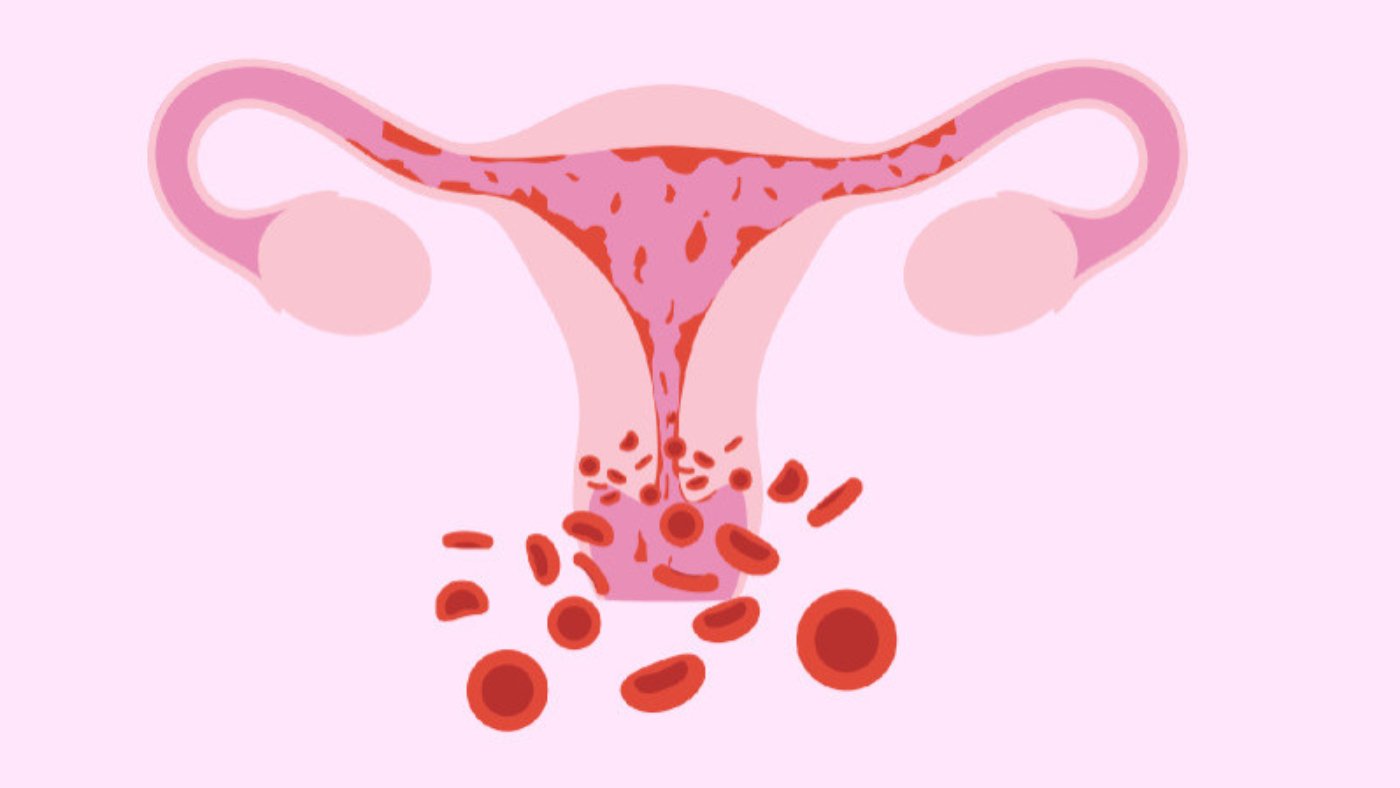
Heavy Periods (Menorrhagia): Causes, Symptoms & Treatment
Heavy menstrual bleeding, medically called menorrhagia, affects many women and can significantly impact daily life. Periods that last longer than usual or require frequent pad changes may indicate an underlying medical condition.
Understanding the causes and treatment options helps women manage heavy periods effectively.
What Are Heavy Periods
Periods are considered heavy when:
- bleeding lasts more than 7 days
- pads or tampons need changing every 1–2 hours
- large blood clots occur
- fatigue or anemia develops
Common Causes
Hormonal imbalance
Hormones such as estrogen and progesterone regulate the menstrual cycle. When these hormones become imbalanced, the uterine lining may thicken excessively, causing heavy bleeding.
Uterine fibroids
Fibroids are non-cancerous growths in the uterus that may lead to heavy periods and pelvic pain.
PCOS
Polycystic ovary syndrome can disrupt ovulation and cause irregular or heavy periods.
Symptoms
Common symptoms include:
- prolonged bleeding
- severe cramps
- fatigue
- dizziness due to anemia
Treatment Options
Doctors may recommend:
- hormonal therapy
- medications to reduce bleeding
- lifestyle changes
- surgical options in severe cases
When to See a Doctor
Seek medical help if heavy bleeding interferes with daily life or causes weakness.
Consultation
https://www.drnitashagupta.com/contact/
Leave A Comment