Irregular Periods in Chandigarh: 7 Signs You Should See a Gynecologist

Irregular Periods in Chandigarh: 7 Signs You Should See a Gynecologist

Irregular Periods in Chandigarh: When Should You See a Gynecologist?

Periods do not always arrive on the exact same date every month. Occasional changes can happen because of stress, travel, changes in weight, illness, sleep problems, or hormonal fluctuations.

However, repeated changes in your menstrual cycle should not be ignored. If your periods are frequently delayed, unusually heavy, very painful, or absent for several months, it may be time to consult a gynecologist.

If you are looking for a gynecologist in Chandigarh for irregular periods, Dr. Nitasha Gupta can help evaluate the possible cause and recommend the right treatment according to your symptoms, age, medical history, and fertility plans.

What Are Irregular Periods?

A menstrual cycle is counted from the first day of one period to the first day of the next period. In many adults, a normal cycle is usually between 21 and 35 days, although it can vary from person to person.

Your periods may be considered irregular if:

  • Your cycle is frequently shorter than 21 days.
  • Your cycle is repeatedly longer than 35 days.
  • Your periods stop for several months without an explained reason.
  • Your bleeding continues for more than seven days.
  • You experience spotting between periods.
  • You bleed after sexual intercourse.
  • Your periods are suddenly much heavier or more painful than usual.
  • Your cycle changes significantly from its previous pattern.

One late period does not always indicate a serious problem. However, repeated or sudden changes deserve medical evaluation.

How Common Are Irregular Periods in Chandigarh?

Irregular periods are a common gynecological concern among teenagers, young women, women in their reproductive years, and women approaching menopause.

However, a reliable and current Chandigarh-specific figure for the number of women experiencing irregular periods is not publicly available. The more important concern is whether your menstrual pattern has changed and whether you have other symptoms such as pelvic pain, excessive bleeding, acne, unwanted facial hair, unusual weight changes, or difficulty becoming pregnant.

Irregular periods can sometimes be linked to conditions such as polycystic ovary syndrome, thyroid disorders, hormonal imbalance, stress, or problems with ovulation. A consultation can help identify the cause instead of treating only the delayed or missed period.

7 Signs You Should See a Gynecologist for Irregular Periods

1. Your Periods Are Frequently Delayed

If your periods are repeatedly delayed by several days or weeks, you should discuss the pattern with a gynecologist.

Frequent delays may be associated with:

  • PCOS
  • Thyroid problems
  • Stress
  • Sudden weight gain or weight loss
  • Excessive exercise
  • Poor sleep
  • Hormonal changes
  • Pregnancy
  • Certain medications

Your doctor may recommend a pregnancy test, blood tests, or an ultrasound depending on your symptoms.

2. You Have Missed Your Period for Three Months

If your periods have stopped for three months or more and you are not pregnant, you should seek medical advice.

Missing periods may occur because of PCOS, thyroid disorders, significant stress, low body weight, excessive exercise, or other hormonal causes. It is important to identify the reason rather than waiting indefinitely for the period to return.

If pregnancy is possible, a pregnancy test should be considered before assuming that the missed period is caused by stress or hormones.

3. Your Bleeding Is Very Heavy

You should consult a gynecologist if:

  • You need to change your pad or tampon every one to two hours.
  • You pass large blood clots.
  • Your bleeding continues for more than seven days.
  • You feel unusually tired, dizzy, weak, or breathless.
  • Heavy bleeding interferes with your work, studies, sleep, or daily activities.

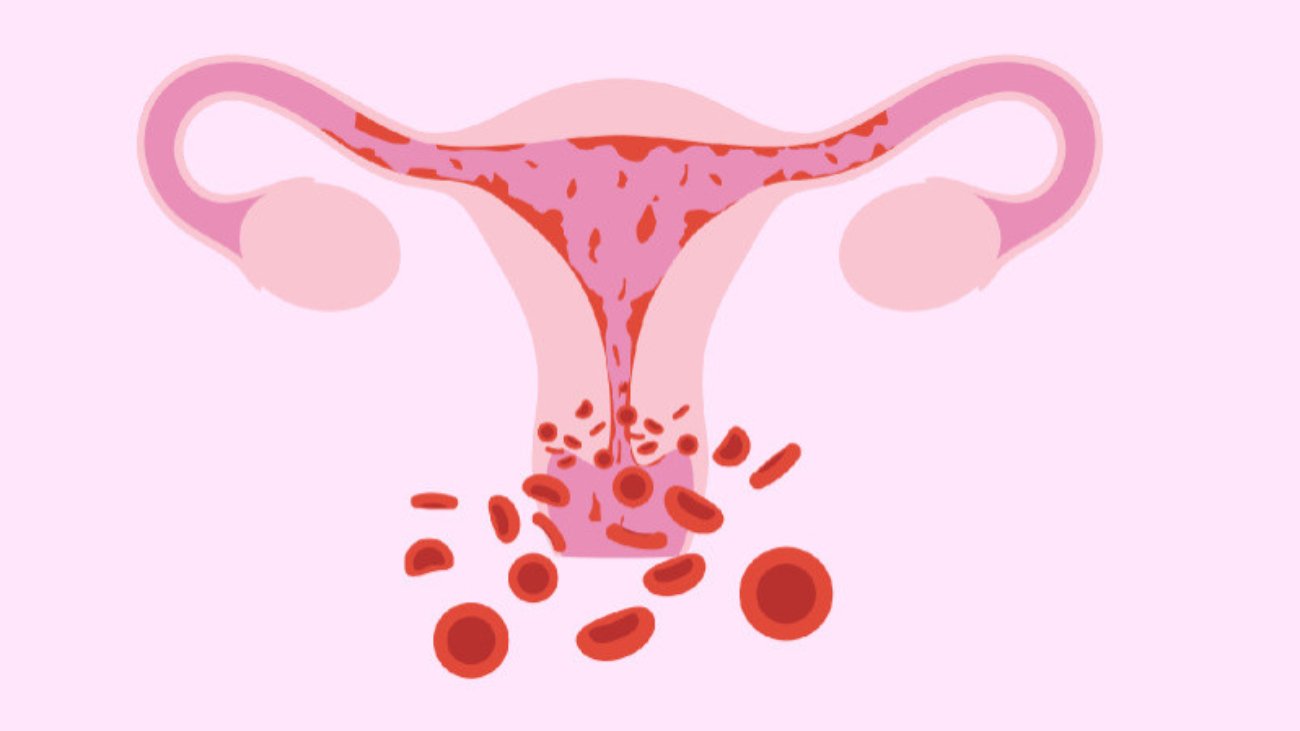
Heavy menstrual bleeding may lead to iron deficiency or anemia. It can also be associated with hormonal problems, fibroids, polyps, thyroid disorders, or other gynecological conditions.

4. Your Periods Have Become Very Painful

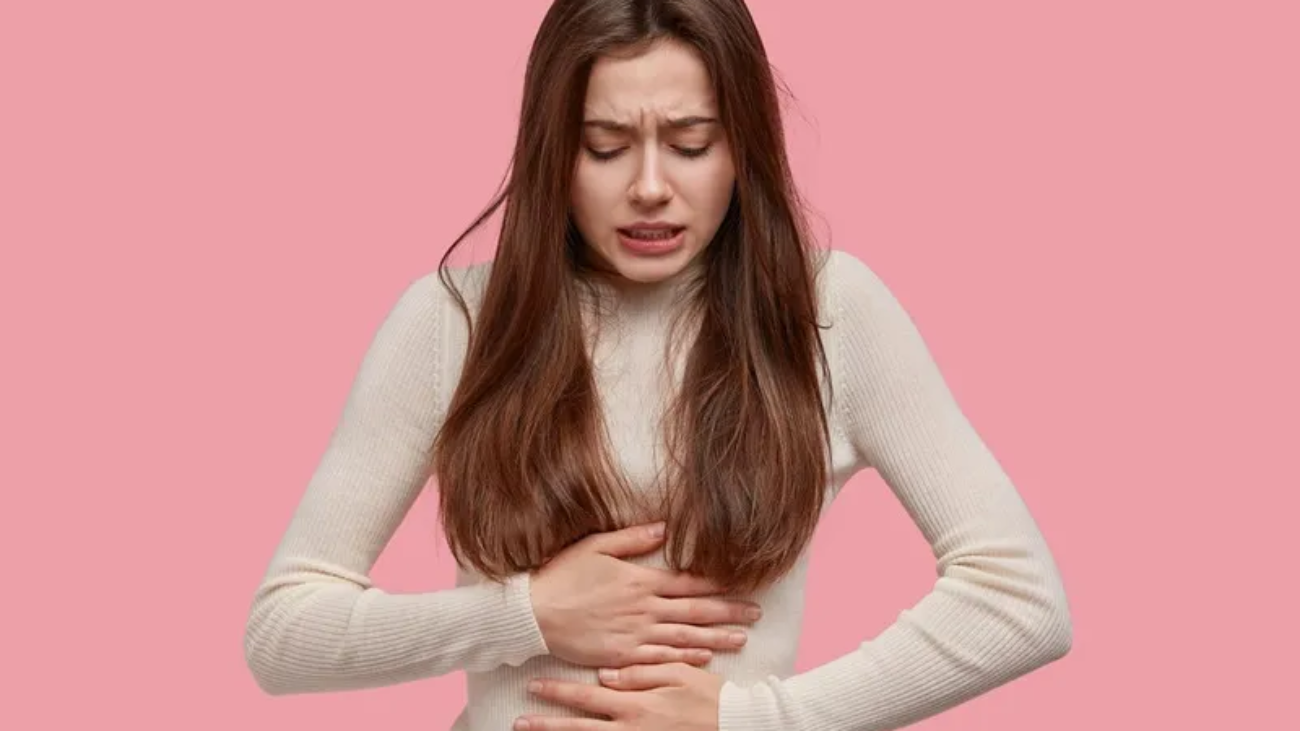
Mild cramps can be common, but severe or worsening period pain should not be considered normal.

Consult a gynecologist if:

  • Pain prevents you from attending work or college.
  • Pain does not improve with commonly used pain relief.
  • You experience pain during sexual intercourse.
  • You have pelvic pain between periods.
  • You have unusually heavy bleeding along with pain.
  • Your pain has recently become more severe.

Severe period pain can sometimes be associated with endometriosis, adenomyosis, fibroids, pelvic infection, or other conditions.

5. You Have Symptoms of PCOS

PCOS, or polycystic ovary syndrome, is one possible cause of irregular periods. You may need an evaluation if irregular periods occur along with:

  • Acne
  • Increased facial or body hair
  • Hair thinning
  • Unexplained weight gain
  • Difficulty losing weight
  • Darkened skin around the neck or underarms
  • Difficulty becoming pregnant

Not every woman with irregular periods has PCOS, and PCOS cannot be diagnosed only through symptoms. Your gynecologist may recommend a clinical examination, blood tests, and pelvic ultrasound when appropriate.

6. You Are Trying to Conceive

Irregular periods may indicate that ovulation is not occurring regularly. This can make it more difficult to predict the fertile window and may affect the chances of pregnancy.

If you are trying to conceive and your periods are irregular, a fertility evaluation may help identify whether the issue is related to ovulation, thyroid function, PCOS, ovarian reserve, sperm health, or another factor.

You should consider consulting a fertility specialist if:

  • You have been trying to conceive without success.
  • Your periods are very irregular or absent.
  • You have a history of PCOS or endometriosis.
  • You have had previous pelvic surgery.
  • You have experienced recurrent pregnancy loss.
  • You are concerned about your fertility age or ovarian reserve.

7. Your Period Pattern Changes Suddenly

A sudden change in your usual cycle should be evaluated, especially if it continues for more than one or two cycles.

Examples include:

  • Regular periods becoming irregular.
  • Suddenly heavier bleeding.
  • New spotting between periods.
  • Bleeding after intercourse.
  • Periods becoming unusually frequent.
  • Periods stopping without an obvious reason.
  • New pelvic pain or unusual discharge.

A change in your menstrual pattern can sometimes be the first sign of a hormonal or gynecological condition.

What Causes Irregular Periods?

Irregular periods can have several causes. Common possibilities include:

Polycystic Ovary Syndrome

PCOS can affect ovulation and lead to delayed, infrequent, or missed periods. It may also be associated with acne, excess facial hair, weight changes, and fertility difficulties.

Thyroid Disorders

Both an underactive and overactive thyroid can affect menstrual regularity. Thyroid-related symptoms may include fatigue, weight changes, mood changes, hair changes, or sensitivity to cold or heat.

Stress and Sleep Problems

Long-term stress, poor sleep, emotional pressure, and major lifestyle changes can affect the hormones involved in ovulation.

Weight Changes

Sudden weight gain, significant weight loss, very low body weight, or excessive exercise may affect the menstrual cycle.

Pregnancy

A missed period can be an early sign of pregnancy. If pregnancy is possible, a pregnancy test should be performed.

Perimenopause

Women approaching menopause may experience changes in cycle length, flow, and regularity. However, new or unusually heavy bleeding should still be evaluated.

Fibroids, Polyps, or Other Uterine Conditions

Structural conditions involving the uterus may cause heavy, prolonged, or irregular bleeding.

Medicines and Other Medical Conditions

Certain medicines and health conditions can affect periods. Your gynecologist will review your medical history to identify possible contributing factors.

What Happens During an Irregular-Periods Consultation?

During your consultation, your gynecologist may ask about:

  • The date of your last period
  • Your usual cycle length
  • How long the bleeding lasts
  • The amount of bleeding
  • Pain or cramps
  • Spotting between periods
  • Pregnancy possibility
  • Weight or lifestyle changes
  • Stress and sleep
  • Previous pregnancies
  • Medical conditions
  • Current medicines
  • Symptoms of PCOS or thyroid problems
  • Whether you are trying to conceive

Depending on your symptoms, your doctor may recommend:

  • Pregnancy testing
  • Complete blood count
  • Thyroid function tests
  • Hormonal tests
  • Blood sugar testing
  • Pelvic ultrasound
  • Evaluation for PCOS
  • Other tests based on your age and medical history

Not every patient needs every test. The evaluation should be selected according to the individual symptoms and clinical findings.

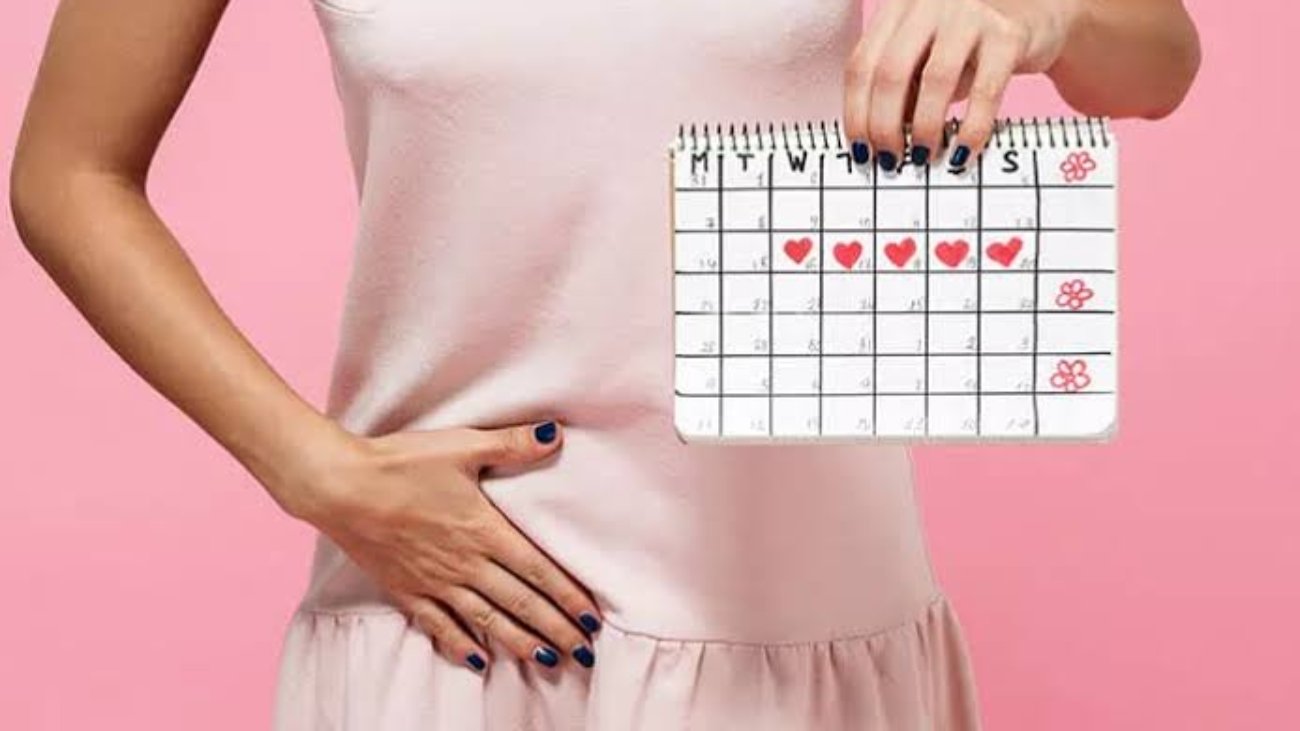
Track Your Periods Before Your Appointment

Maintaining a period diary can help your gynecologist understand your cycle more accurately.

Record:

  • The first day of each period
  • The number of bleeding days
  • Whether the flow is light, moderate, or heavy
  • The number of pads used
  • Any blood clots
  • Pain intensity
  • Spotting between periods
  • Medicines taken
  • Stress, illness, travel, or major lifestyle changes

You can use a mobile period-tracking app or a simple calendar. Bring the information to your appointment.

How Are Irregular Periods Treated?

Treatment depends on the underlying cause, your age, symptoms, and whether you are planning pregnancy.

Possible treatment approaches may include:

  • Lifestyle and weight-management guidance
  • Treatment for thyroid disorders
  • Medicines to regulate periods
  • Treatment for PCOS-related symptoms
  • Iron supplements if anemia is present
  • Medicines to reduce heavy bleeding or pain
  • Treatment for fibroids, polyps, or other uterine conditions
  • Ovulation treatment when pregnancy is desired
  • Fertility evaluation or treatment when required

Do not start hormonal medicines or period-regulating tablets without medical advice. The right treatment depends on the reason behind the irregular cycle.

When Is Irregular Bleeding an Emergency?

Seek urgent medical care if you experience:

  • Very heavy bleeding with weakness or dizziness
  • Fainting
  • Severe abdominal or pelvic pain
  • Heavy bleeding during a possible pregnancy
  • Severe pain with a positive pregnancy test
  • Breathlessness or symptoms of significant anemia
  • Sudden severe pain with vomiting or collapse

If you are soaking through pads rapidly or feel faint, do not wait for a routine appointment.

Why Consult Dr. Nitasha Gupta for Irregular Periods in Chandigarh?

Dr. Nitasha Gupta provides gynecological and fertility-related consultations for women experiencing menstrual problems, PCOS symptoms, hormonal concerns, and fertility difficulties.

A consultation can help you understand whether your irregular periods are related to lifestyle changes, PCOS, thyroid problems, ovulation issues, or another condition. The goal is to identify the cause and create a treatment plan suited to your health and future pregnancy goals.

Women from Chandigarh, Zirakpur, Mohali, Panchkula, Dera Bassi, and nearby areas can contact the clinic for an appointment.

Book a Consultation

If your periods are repeatedly delayed, unusually heavy, painful, or absent, do not ignore the pattern.

Book a consultation with Dr. Nitasha Gupta to discuss your irregular periods and receive an appropriate evaluation.

Call: 99883 09211

You can also explore:


Frequently Asked Questions

When should I see a gynecologist for irregular periods?

You should consult a gynecologist if your periods are repeatedly delayed, absent for three months, unusually heavy, very painful, or accompanied by spotting, pelvic pain, acne, excess facial hair, or difficulty becoming pregnant.

Is one late period a reason to worry?

One late period may occur because of stress, illness, travel, sleep changes, weight changes, or pregnancy. If delays become frequent or your usual cycle changes significantly, consult a gynecologist.

Can PCOS cause irregular periods?

Yes. PCOS can affect ovulation and may cause delayed, infrequent, or missed periods. It may also be associated with acne, excess facial hair, weight changes, and fertility problems.

Can stress delay periods?

Long-term stress can affect the hormones involved in ovulation and may delay or stop periods. However, repeated missed periods should not automatically be attributed to stress without an evaluation.

Should I see a doctor if I miss two periods?

If pregnancy is possible, take a pregnancy test. You should consult a gynecologist if you miss two periods, especially if your cycles are usually regular or you have other symptoms.

Can irregular periods affect fertility?

Irregular periods may indicate irregular ovulation, which can make conception more difficult. A fertility evaluation can help identify the cause and guide treatment.

What tests are done for irregular periods?

Depending on your symptoms, your doctor may recommend a pregnancy test, blood count, thyroid testing, hormonal tests, blood sugar testing, or a pelvic ultrasound. The tests depend on your age, symptoms, medical history, and pregnancy plans.

Can irregular periods be treated?

In many cases, irregular periods can be managed once the underlying cause is identified. Treatment may involve lifestyle changes, medicines, treatment for PCOS or thyroid problems, or fertility-related treatment.

Is heavy bleeding during periods normal?

Heavy bleeding that lasts more than seven days, requires pad changes every one to two hours, causes large clots, or leads to dizziness and weakness should be evaluated by a gynecologist.

Can I consult a gynecologist in Chandigarh for both irregular periods and fertility problems?

Yes. If your irregular periods are associated with difficulty becoming pregnant, you can discuss both menstrual health and fertility during the consultation.


References

Irregular Periods in Chandigarh | When to See a Gynecologist

When Should You See a Gynecologist in Chandigarh for Irregular Periods?

When Should You See a Gynecologist in Chandigarh for Irregular Periods?

A period that comes a few days early or late is not always a reason to worry. But if your menstrual cycle has become unpredictable, your periods are repeatedly delayed, or your bleeding has changed significantly, it is worth understanding why.

Irregular periods can have several causes, including changes in ovulation, PCOS, thyroid problems, stress, weight changes, and other medical conditions. The right treatment depends on the cause—not simply on making the next period arrive. 

If you are looking for a gynecologist in Chandigarh for irregular periods, the first step is to understand what has changed in your cycle and whether you need an evaluation.

What Are Irregular Periods?

A menstrual cycle is counted from the first day of one period to the first day of the next. For many adults, cycles are typically around 21–35 days, although individual patterns can vary. A period generally lasts up to 7 days. <Cite ref=”turn0search0″/>

Irregular periods may include:

  • Periods that repeatedly come more often than every 21 days or less often than every 35 days.
  • Periods that become unpredictable after previously being regular.
  • Missing periods for several months.
  • Bleeding that lasts longer than 7 days.
  • Unusually heavy bleeding.
  • Spotting between periods or after sex.

Not every change means something is wrong. The pattern, duration, and other symptoms matter. 

How Common Are Irregular Periods in Chandigarh?

Irregular periods are a common reason women seek gynecological care, but there is no reliable, current Chandigarh-specific prevalence figure that can be responsibly quoted here.

The available official Chandigarh Census material is from 2011 and contains demographic and fertility tables, not a current survey of menstrual irregularity. It should not be used to claim that a particular percentage of Chandigarh women have irregular periods. 

What is more useful for a patient is to understand when an irregular cycle needs medical attention and what an evaluation may involve.

When Should You See a Gynecologist in Chandigarh?

1. Your periods have become irregular for several months

If your periods were previously regular but have become unpredictable, speak with a gynecologist. A persistent change may be related to ovulation, hormonal conditions, or anoth

er underlying cause.

You have missed your period for more than three months

2. You have missed your period for more than three months

A period that stops for more than three months without an explanation should be evaluated. If pregnancy is possible, a pregnancy test may also be appropriate.

3. Your periods are very heavy or last more than seven days

Heavy bleeding can cause anemia and may need treatment. Seek medical advice if you are changing pads very frequently, bleeding for more than 7 days, or feeling dizzy or faint. 

4. You have irregular periods and are trying to conceive

Irregular periods can sometimes indicate that ovulation is not happening regularly. If you are trying to get pregnant, a fertility evaluation may help identify the cause and guide treatment. 

5. You have other symptoms

Irregular periods with symptoms such as unusual pelvic pain, excessive hair growth, acne, or significant weight changes may warrant a more detailed evaluation. These symptoms can occur with conditions such as PCOS or thyroid disorders, but they do not establish a diagnosis on their own. 

What Causes Irregular Periods?

Polycystic Ovary Syndrome (PCOS)

PCOS can affect ovulation and may cause irregular or absent periods. Some women also experience acne, excess hair growth, or difficulty conceiving. 

Thyroid Problems

Thyroid hormone changes can affect the menstrual cycle and may contribute to irregular periods. 

Stress and Weight Changes

Significant stress, weight loss, weight gain, or excessive exercise can affect ovulation and menstrual timing. <Cite ref=”turn0search0″/>

Pregnancy

If you have missed a period and pregnancy is possible, a pregnancy test may be an important first step.

Other Causes

Depending on your age and symptoms, irregular bleeding may also be associated with fibroids, polyps, medications, or changes around perimenopause. 

How Are Irregular Periods Diagnosed?

A gynecologist will usually begin by understanding your menstrual history, symptoms, medications, and relevant medical history.

Depending on your symptoms, evaluation may include:

  • Menstrual history: When your periods started, how long they last, and how often they occur.
  • Pregnancy testing: When pregnancy is possible.
  • Blood tests: To investigate possible hormonal or other medical causes.
  • Pelvic ultrasound: When indicated to assess the uterus and ovaries.
  • Additional tests: Based on your age, symptoms, examination, and suspected cause.

The exact tests depend on the individual patient. Not every woman with irregular periods needs every test. 

Keep a Period Diary Before Your Appointment

Before visiting a gynecologist, record:

  • The first day of each period.
  • How many days the bleeding lasts.
  • Whether the flow is light, moderate, or heavy.
  • Any spotting between periods.
  • Pain, dizziness, or other symptoms.

A bleeding diary can help your doctor understand the pattern and decide what evaluation may be useful. 

How Are Irregular Periods Treated?

Treatment depends on the underlying cause and your goals, including whether you are trying to conceive.

If the Cause Is PCOS or Another Hormonal Condition

Your gynecologist may recommend treatment to manage the underlying condition and improve cycle regularity where appropriate. 

If You Are Trying to Conceive

The focus may be on understanding ovulation, assessing fertility factors, and choosing treatment based on your individual needs. Irregular periods do not automatically mean infertility, but they can be an important reason to seek evaluation. 

If You Have Heavy Bleeding

Treatment may include medication or other options depending on the cause and severity of bleeding. 

Irregular Periods and Fertility: When Should You Seek Help?

If you are trying to conceive and your periods are consistently irregular, it may be useful to speak with a fertility specialist rather than waiting indefinitely.

The evaluation may look at ovulation, menstrual history, and other factors that can affect fertility. The right next step depends on your age, symptoms, and how long you have been trying to conceive. 

You can learn more about fertility evaluation through our fertility specialist in Chandigarh page.

When Is Irregular Bleeding an Emergency?

Seek urgent medical care if you have very heavy bleeding with symptoms such as dizziness, fainting, chest pain, or shortness of breath. 

If you are unsure whether your bleeding is normal, it is better to seek medical advice than to ignore a persistent or significant change.

Why Choose Dr. Nitasha Gupta for Irregular Periods in Chandigarh?

Dr. Nitasha Gupta is a Consultant Gynecologist & IVF Specialist who provides gynecological and fertility care for patients from Chandigarh and nearby areas. Her areas of expertise include menstrual irregularities, PCOS, hormonal disorders, and fertility care. 

For patients with irregular periods, the goal is to understand the cause, explain the available options, and recommend treatment suited to their symptoms and reproductive goals.

Learn more about Dr. Nitasha Gupta, Gynecologist in Chandigarh.

Book a Consultation for Irregular Periods in Chandigarh

If your periods have become irregular, delayed, unusually heavy, or difficult to predict, a gynecological consultation can help you understand what is happening and whether treatment is needed.

Book an appointment with Dr. Nitasha Gupta.

Call: 99883 09211

Location: Zirakpur, serving patients from Chandigarh, Mohali, Panchkula, Dera Bassi, and nearby areas.

Book a consultation

Frequently Asked Questions

How do I know if my periods are irregular?

If your periods repeatedly come more often than every 21 days, less often than every 35 days, or have become unpredictable after being regular, speak with a gynecologist. 

Can irregular periods affect fertility?

Irregular periods can sometimes indicate that ovulation is not happening regularly. If you are trying to conceive, a fertility evaluation may help identify the cause. 

Should I see a gynecologist if I miss one period?

One missed period does not always mean something is wrong. However, if pregnancy is possible, consider a pregnancy test. If your periods remain absent or irregular, seek medical advice. 

What tests are done for irregular periods?

Depending on your symptoms, a doctor may recommend a pregnancy test, blood tests, pelvic ultrasound, or other investigations. The tests are chosen based on your individual situation.

Can PCOS cause irregular periods?

Yes. PCOS can affect ovulation and may cause irregular or absent periods. It is one possible cause, but irregular periods do not automatically mean you have PCOS. 

Can stress cause irregular periods?

Stress can affect ovulation and menstrual timing. If irregular periods persist, it is important to consider other possible causes as well. 

When should I see a doctor for heavy periods?

See a doctor if bleeding lasts more than 7 days, you need to change pads very frequently, or you feel dizzy or faint. 

Can irregular periods be treated permanently?

Treatment depends on the underlying cause. Some causes can be managed effectively, while others may require ongoing care. A gynecologist can help you understand the appropriate treatment options. 

What should I track before my appointment?

Track the dates of your periods, how long they last, the amount of bleeding, and any spotting or pain. This can help your doctor understand your cycle pattern. 


Medical disclaimer: This article is for general information and does not replace a medical consultation. If you have persistent irregular periods, heavy bleeding, or other concerning symptoms, consult a qualified gynecologist.

When Should You See a Gynecologist for Period Problems? Warning Signs to Know

When Should You See a Gynecologist for Period Problems? Warning Signs to Know

Period problems are common, but that does not mean every change in your menstrual cycle should be ignored.

A period that occasionally arrives a few days early or late may not be a cause for concern. However, very painful periods, unusually heavy bleeding, missed periods, consistently irregular cycles, bleeding between periods, or sudden changes in your normal menstrual pattern can sometimes indicate an underlying hormonal, reproductive, or gynecological condition.

For many women, especially teenagers and women in their 20s and 30s, symptoms such as painful periods, PCOS-related irregular cycles, hormonal acne, excessive hair growth, delayed periods and heavy bleeding are easy to dismiss as “normal.”

They are worth discussing with a gynecologist when they persist, worsen, interfere with daily life, or represent a significant change from your usual cycle.

If you are looking for a gynecologist in Chandigarh, Zirakpur, Mohali or Panchkula for period-related concerns, a personalized medical evaluation can help identify the cause rather than simply treating the symptom.

Quick Answer: When Should You See a Gynecologist for Period Problems?

You should consider seeing a gynecologist if your periods:

  • Become significantly more painful than before
  • Cause pain that interferes with school, work, sleep, exercise or daily activities
  • Become unusually heavy
  • Last longer than 7 days
  • Require you to change a pad or tampon every 1–2 hours
  • Become consistently irregular
  • Occur less than 21 days apart or more than 35 days apart as an adult
  • Stop for several months without an expected reason
  • Cause bleeding between periods
  • Cause bleeding after sex
  • Are associated with persistent pelvic pain
  • Are accompanied by unusual vaginal discharge, fever or other concerning symptoms
  • Are associated with symptoms of PCOS or hormonal imbalance
  • Change suddenly after previously being regular
  • Are affecting your quality of life or fertility plans

ACOG considers bleeding that lasts more than 7 days, very heavy bleeding, bleeding between periods and cycles outside the usual range to be possible signs of abnormal uterine bleeding requiring evaluation.

What Is a Normal Period?

There is no single “perfect” menstrual cycle for every woman.

For most adults, a menstrual cycle commonly falls between 21 and 35 days, counted from the first day of one period to the first day of the next. Menstrual bleeding generally lasts up to about 7 days.

Your cycle can change temporarily because of:

  • Stress
  • Travel
  • Changes in sleep
  • Weight changes
  • Illness
  • Excessive exercise
  • Hormonal contraception
  • Puberty
  • Pregnancy
  • Perimenopause

The important question is not simply, “Is my period exactly every 28 days?”

Instead, ask:

“Has my menstrual pattern changed significantly, and is that change persistent or affecting my health or daily life?”

That distinction is particularly important for Gen Z women and young adults who may use period-tracking apps and become concerned about small variations. A few days of variation does not automatically mean something is wrong.

10 Warning Signs You Should See a Gynecologist for Period Problems

1. Your Periods Are Extremely Heavy

Heavy menstrual bleeding is one of the most important period symptoms to discuss with a gynecologist.

You may have unusually heavy bleeding if:

  • You need to change a pad or tampon every 1–2 hours
  • You frequently bleed through clothes or bedding
  • Your period lasts longer than 7 days
  • You need to use multiple menstrual products at once
  • Heavy bleeding regularly interferes with work, college, exercise or social activities
  • You feel unusually tired, weak, dizzy or short of breath

Heavy menstrual bleeding can sometimes contribute to iron-deficiency anemia and may have different causes, including hormonal or ovulatory problems, fibroids, endometriosis, adenomyosis or bleeding disorders.

When is heavy period bleeding an emergency?

If you are soaking through a pad or tampon every hour for more than two hours and also experience symptoms such as dizziness, light-headedness, shortness of breath or chest pain, seek urgent medical care.

2. Your Period Pain Is Severe or Getting Worse

Mild to moderate cramps can occur during menstruation.

But severe period pain should not automatically be dismissed as something every woman has to tolerate.

See a gynecologist if:

  • Pain prevents you from attending work or college
  • You regularly miss social activities because of period pain
  • Pain wakes you during the night
  • Painkillers are no longer helping
  • Your period pain has progressively become worse
  • You experience pelvic pain outside your period
  • You have pain during sex
  • You have pain while urinating or passing stool during your period

Severe or worsening period pain can sometimes be associated with conditions such as endometriosis, adenomyosis, fibroids or pelvic inflammatory disease.

A useful rule:

If period pain is controlling your schedule rather than you controlling your schedule, it deserves medical attention.

3. Your Periods Have Suddenly Become Irregular

Irregular periods can happen for many reasons, and occasional variation is not necessarily a medical problem.

However, you should consult a gynecologist if your previously regular periods suddenly become irregular or if irregularity continues.

Possible causes include:

  • PCOS
  • Thyroid disorders
  • Stress
  • Significant weight gain or weight loss
  • Excessive exercise
  • Hormonal changes
  • Certain medications
  • Pregnancy
  • Perimenopause
  • Problems with ovulation

The NHS recommends medical evaluation when periods become irregular or when your usual menstrual pattern changes.

4. You Are Missing Periods for Several Months

A missed period can have many explanations.

Pregnancy is one of the first possibilities to consider if pregnancy is possible, but missed periods can also occur with hormonal changes, PCOS, significant weight changes, stress, excessive exercise and other medical conditions.

If you have gone three months or more without a period, particularly if this is unusual for you, you should speak with a healthcare professional.

ACOG specifically recommends evaluation when menstruation stops for more than three months in adolescents, while abnormal absence of periods in adults also warrants assessment depending on the circumstances.

5. You Bleed Between Periods

Bleeding or spotting between periods should not automatically be ignored, particularly if it is new or recurrent.

Possible causes can include:

  • Hormonal fluctuations
  • Ovulation
  • Hormonal contraception
  • Cervical or vaginal conditions
  • Infections
  • Polyps
  • Pregnancy-related causes
  • Other gynecological conditions

ACOG lists bleeding or spotting between periods as abnormal uterine bleeding that should be evaluated.

6. You Bleed After Sex

Bleeding after sex can have several possible causes.

It may be related to cervical irritation, infection, hormonal changes or other cervical or reproductive health conditions.

If bleeding after intercourse is recurrent or unexplained, book a gynecological consultation rather than repeatedly assuming it is normal.

7. You Have Period Problems Along With PCOS Symptoms

Irregular periods become more important to investigate when they occur alongside symptoms such as:

  • Excess facial or body hair
  • Persistent acne
  • Scalp hair thinning
  • Unexplained weight changes
  • Difficulty getting pregnant
  • Irregular or absent ovulation
  • Darkening of skin in certain areas

PCOS is one possible cause of irregular periods and ovulatory dysfunction, although these symptoms do not automatically mean you have PCOS.

A gynecologist can assess your symptoms, menstrual history and other relevant factors before deciding whether further testing is necessary.

For more information, you can also read our guide on PCOS vs Hormonal Imbalance.

8. Your Periods Are Affecting Your Fertility

Irregular or absent periods can sometimes indicate irregular ovulation.

If you are trying to conceive and your periods are consistently irregular, discussing your menstrual pattern with a gynecologist may be useful rather than waiting indefinitely.

Irregular ovulation can make it harder to predict the fertile window and may be associated with conditions such as PCOS or thyroid disorders.

If you are trying to conceive and need fertility guidance, explore our fertility and IVF resources or schedule a consultation with Dr. Nitasha Gupta.

9. Your Period Symptoms Are Getting Worse in Your 20s or 30s

Many young women grow up hearing that painful periods are simply part of being a woman.

That belief can delay diagnosis.

If your periods were manageable previously but have become progressively more painful or heavy in your 20s or 30s, it is reasonable to get evaluated.

Conditions such as endometriosis, adenomyosis and fibroids can cause significant menstrual pain or heavy bleeding.

A normal-looking period is not defined only by how many days you bleed. Your symptoms and their effect on your life matter too.

10. You Feel Dizzy, Extremely Tired or Weak During Your Period

Very heavy menstrual bleeding can contribute to iron deficiency and anemia.

Speak with a gynecologist if heavy periods are accompanied by:

  • Persistent fatigue
  • Weakness
  • Dizziness
  • Breathlessness
  • Reduced exercise tolerance
  • Headaches
  • Feeling faint

Your doctor may decide that blood tests or other investigations are appropriate depending on your symptoms.

Period Problems in Teenagers and Gen Z: What Is Normal?

Period Problems in Teenagers and Gen Z: What Is Normal?

Teenage menstrual cycles can be different from adult cycles.

During the first few years after menstruation begins, irregular cycles can occur as the hormonal system matures. However, persistent or extreme abnormalities still deserve evaluation.

For adolescents, ACOG notes that cycles commonly occur every 21–45 days, and periods lasting longer than 7 days or requiring very frequent menstrual-product changes may indicate excessive bleeding.

A teenager should be evaluated if:

  • Periods have not started by age 15
  • Periods are more than 90 days apart
  • Periods consistently occur very frequently
  • Bleeding lasts more than 7 days
  • Pads or tampons need to be changed every 1–2 hours
  • Heavy bleeding is associated with dizziness or fainting
  • There is a history of unusual bruising or bleeding

Parents and teenagers should also understand that asking for gynecological help is not something to be embarrassed about.

Menstrual health is part of overall health.

What Can Cause Period Problems?

Period problems can have many different causes. A diagnosis should not be made from symptoms alone.

Common possibilities include:

Hormonal and Ovulatory Causes

  • PCOS
  • Thyroid disorders
  • Changes in ovulation
  • Hormonal contraception
  • Perimenopause

Uterine Causes

  • Fibroids
  • Polyps
  • Adenomyosis
  • Endometriosis

Lifestyle and Physiological Factors

  • Significant weight changes
  • Excessive exercise
  • Stress
  • Sleep disruption
  • Nutritional problems

Other Medical Causes

  • Bleeding disorders
  • Pregnancy-related conditions
  • Certain medications
  • Pelvic infections

ACOG notes that abnormal uterine bleeding can have multiple causes and that sometimes more than one factor may be involved.

Can Stress Cause Irregular or Delayed Periods?

Yes, stress can influence the hormones involved in ovulation and menstruation.

However, “it’s just stress” should not become a permanent explanation for repeatedly abnormal periods.

If your periods remain irregular, stop for several months, become unusually heavy or are accompanied by other symptoms, medical evaluation can help determine whether stress is actually the main factor or whether another condition is involved.

Can PCOS Cause Irregular Periods?

Yes.

PCOS can affect ovulation and therefore cause periods to become irregular, delayed or absent.

Some women with PCOS also experience acne, excess facial or body hair, scalp hair thinning or metabolic changes.

However, irregular periods alone do not diagnose PCOS.

A gynecologist considers the overall clinical picture and may recommend appropriate examination, blood tests and/or ultrasound depending on the individual patient.

Can Severe Period Pain Be a Sign of Endometriosis?

It can be.

Endometriosis is one of the conditions that can cause significant menstrual or pelvic pain.

Possible symptoms can include:

  • Severe period cramps
  • Pelvic pain
  • Pain during sex
  • Pain while passing stool
  • Pain while urinating during periods
  • Heavy or irregular bleeding
  • Fertility difficulties

The NHS also identifies endometriosis and adenomyosis among possible causes of painful periods.

Importantly, a normal initial scan does not necessarily mean that severe symptoms should be dismissed.

Persistent symptoms still deserve a clinical discussion.

What Happens During a Gynecologist Consultation for Period Problems?

A period consultation usually starts with your medical and menstrual history.

Your gynecologist may ask about:

  • Date of your last period
  • Average cycle length
  • Number of bleeding days
  • Amount of bleeding
  • Presence of blood clots
  • Pain severity
  • Previous menstrual pattern
  • Pregnancy possibility
  • Medications
  • Contraception
  • Weight changes
  • Stress and exercise
  • PCOS symptoms
  • Fertility plans
  • Family history of menstrual or bleeding disorders

Depending on your symptoms, your doctor may recommend investigations such as:

  • Blood tests
  • Pregnancy testing when appropriate
  • Hormonal evaluation
  • Pelvic examination when indicated
  • Ultrasound
  • Other investigations based on the suspected cause

ACOG notes that evaluation of abnormal bleeding may include medical history, examination, pregnancy testing, blood tests and ultrasound depending on age and symptoms.

What Should You Track Before Seeing a Gynecologist?

A period diary can make your consultation more useful.

Track:

  1. First day of each period
  2. Last day of bleeding
  3. Number of pads/tampons used
  4. Heavy-flow days
  5. Pain severity
  6. Pain location
  7. Spotting between periods
  8. Bleeding after sex
  9. Pelvic pain outside your period
  10. Medications or painkillers used
  11. Other symptoms such as acne, hair growth, fatigue or dizziness

Period-tracking apps can be useful, but the information should be interpreted in the context of your symptoms and overall health.

When Should Period Problems Be Treated as an Emergency?

Most period problems can be evaluated through a scheduled gynecology consultation.

However, seek urgent medical attention if you have very heavy bleeding accompanied by severe dizziness, fainting, shortness of breath, chest pain, marked weakness or other signs of significant blood loss.

Sudden severe pelvic or abdominal pain, especially when pregnancy is possible, also requires urgent medical assessment.

Do not rely on an online article, period-tracking app or social media post to decide whether an acute symptom is an emergency.

Should You See a Gynecologist for Every Irregular Period?

Not necessarily.

A single period that is a few days early or late can happen.

Your cycle can temporarily change because of stress, travel, illness, sleep disruption, weight changes, exercise or other factors.

The bigger warning signs are:

Persistence + severity + sudden change + impact on daily life + associated symptoms.

If an abnormal pattern continues or concerns you, it is appropriate to discuss it with a gynecologist.

Why You Shouldn’t Normalize Severe Period Symptoms

One of the biggest problems with menstrual health is that women sometimes learn to tolerate symptoms that deserve medical attention.

Statements such as:

“Everyone has painful periods.”

“Heavy bleeding runs in my family.”

“My periods have always been irregular.”

“It is probably just PCOS.”

“I will see a doctor when I want to get pregnant.”

should not automatically end the conversation.

A menstrual pattern can provide useful information about hormonal, reproductive and general health.

Early evaluation does not necessarily mean that something serious is wrong.

It means that the cause should be understood rather than guessed.

When Should You See a Gynecologist for Period Problems? A Simple Checklist

You should consider booking a consultation if you have:


  • Severe or worsening period pain


  • Heavy menstrual bleeding


  • Bleeding lasting more than 7 days


  • Pads or tampons needing frequent changes


  • Periods consistently shorter than 21 days


  • Adult cycles consistently longer than 35 days


  • Periods absent for several months


  • Bleeding between periods


  • Bleeding after sex


  • Persistent pelvic pain


  • Symptoms suggestive of PCOS


  • Period-related fatigue or dizziness


  • Period problems affecting work, college or daily life


  • Difficulty conceiving associated with irregular periods

Frequently Asked Questions About Period Problems

When should I see a gynecologist for irregular periods?

See a gynecologist when irregular periods become persistent, represent a significant change from your usual cycle, occur very frequently or infrequently, or occur alongside symptoms such as excessive hair growth, acne, pelvic pain, unusual bleeding or difficulty conceiving.

How irregular is too irregular for periods?

For many adults, menstrual cycles commonly fall between 21 and 35 days. Cycles consistently outside this range, major changes from your normal pattern or periods that are absent for several months should be discussed with a healthcare professional.

Is it normal to have very painful periods?

Some cramping is common, but severe pain that interferes with normal activities, gets progressively worse or does not improve with usual measures deserves medical evaluation. Conditions including endometriosis, adenomyosis and fibroids can cause significant period pain.

How heavy is too heavy for a period?

Bleeding that requires changing a pad or tampon every 1–2 hours, lasts more than 7 days, repeatedly leaks through clothes or bedding, or causes symptoms such as dizziness or weakness should be evaluated.

Is missing a period for one month normal?

A single missed or delayed period can happen for several reasons, including stress, weight changes, illness, hormonal changes or pregnancy. If pregnancy is possible, consider appropriate pregnancy testing. Repeated missed periods or an absence of menstruation for several months warrants medical evaluation.

Can PCOS cause delayed or missed periods?

Yes. PCOS can interfere with regular ovulation and may result in delayed, irregular or absent periods. However, irregular periods alone do not establish a diagnosis of PCOS.

Can stress delay your period?

Stress can affect the hormonal processes involved in ovulation and menstruation. However, persistent irregular or absent periods should not automatically be attributed to stress without considering other possible causes.

Can irregular periods affect fertility?

They can, particularly when irregular cycles are caused by irregular ovulation. Conditions such as PCOS and thyroid disorders may affect ovulation and fertility. If you are trying to conceive and your periods are consistently irregular, a gynecological or fertility evaluation can be useful.

Should I see a gynecologist if my period pain is stopping me from working or studying?

Yes. Period pain that prevents normal daily activities is a good reason to seek medical evaluation. Severe menstrual pain should not simply be accepted as something you have to live with.

Do teenagers need to see a gynecologist for irregular periods?

Sometimes. Menstrual cycles can naturally be irregular during the first few years after menstruation begins. However, very heavy bleeding, periods lasting more than 7 days, periods more than 90 days apart, extremely frequent cycles or significant symptoms should be evaluated.

Can period problems be treated?

Treatment depends entirely on the underlying cause.

Depending on the diagnosis, management may involve lifestyle changes, medication, hormonal treatment, treatment of an underlying condition, correction of iron deficiency, or specialist procedures when appropriate.

There is no single “best medicine for period problems” because heavy bleeding, PCOS, endometriosis, thyroid disorders and other causes require different approaches.

Should I wait until I am trying to get pregnant before treating irregular periods?

No.

Irregular periods may sometimes reflect irregular ovulation or another underlying health issue. Understanding the cause earlier can help you make informed decisions about your reproductive and overall health.

Period Problems Are a Health Signal, Not Something You Have to Simply Tolerate

Your period does not have to be perfectly predictable to be healthy.

But persistent heavy bleeding, severe pain, significant irregularity, prolonged absence of periods or a sudden change in your normal cycle should not be routinely dismissed.

The goal of a gynecology consultation is not simply to “make periods regular.”

The goal is to understand why your cycle has changed, identify any underlying condition when present, and choose an appropriate treatment or monitoring plan.

If you are experiencing persistent menstrual problems and are looking for a gynecologist in Chandigarh, Zirakpur, Mohali or Panchkula, Dr. Nitasha Gupta provides gynecology, PCOS, menstrual disorder, fertility and women’s healthcare consultations.

Book a Gynecology Consultation

If your periods have become painful, heavy, irregular or difficult to manage, consider discussing your symptoms with a qualified gynecologist.

Dr. Nitasha Gupta
Consultant Gynecologist, IVF & Women’s Health Specialist
Serving patients from Zirakpur, Chandigarh, Mohali, Panchkula, Dera Bassi and nearby areas

Medical Disclaimer

This article is intended for general educational purposes and does not replace an individual medical consultation, diagnosis or treatment plan. Menstrual symptoms can have different causes in different patients. If you have severe bleeding, severe pain, fainting, shortness of breath, chest pain or another urgent symptom, seek appropriate medical care promptly.

What Age Do Girls Start Their First Period?

What Age Do Girls Start Their First Period?

What Age Do Girls Start Their First Period?

The first menstrual period, known medically as menarche, is an important milestone in a girl’s life. It marks the beginning of reproductive maturity and usually occurs during puberty.

Parents often wonder what age girls start their first period and how they can prepare their daughters for this change. Understanding the signs and timing of puberty helps families approach menstruation with confidence and awareness.

If parents have concerns about delayed or early puberty, consulting a gynecologist such as Dr Nitasha Gupta can help provide guidance.

Learn more
https://www.drnitashagupta.com/


What Is the First Period (Menarche)

Menarche refers to a girl’s first menstrual cycle, which signals that her reproductive system has begun functioning.

This occurs when hormonal changes during puberty cause the ovaries to release eggs and the uterus to begin shedding its lining monthly.


Average Age Girls Start Their First Period

Most girls start their first period between 10 and 15 years old, with the average age around 12 years.

However, normal ranges vary based on genetics, health, and environment.

According to the American College of Obstetricians and Gynecologists, menstruation typically begins about 2–3 years after breast development starts.

External reference
https://www.acog.org/womens-health/faqs/your-first-period


Early Signs a Girl Is About to Start Her Period

Several physical changes occur before the first period begins.

Breast Development

Breast buds are often the first sign of puberty.


Body Hair Growth

Hair may begin to grow under the arms and in the pubic region.


Vaginal Discharge

Clear or white discharge may appear several months before the first period.

You can also read:
https://www.drnitashagupta.com/menstrual-hygiene-your-guide-to-sustainable-zero-waste-periods/


Factors That Affect First Period Age

Several factors influence when girls begin menstruation.

These include:

  • genetics
  • nutrition
  • body weight
  • physical activity
  • overall health

When Should Parents Be Concerned

Parents should consult a doctor if:

  • a girl starts menstruating before age 8
  • periods have not begun by age 15
  • puberty signs appear but menstruation does not start after several years

How Parents Can Support Their Daughter

Parents can help daughters by:

  • educating them about menstruation
  • providing menstrual hygiene products
  • encouraging open conversations about puberty

FAQs

What age do girls usually get their first period?

Most girls begin menstruation between 10–15 years old.


What are early signs of the first period?

Breast development, body hair growth, and vaginal discharge are common signs.

Heavy Periods (Menorrhagia): Causes & Treatment

Heavy Periods (Menorrhagia): Causes & Treatment

Heavy Periods (Menorrhagia): Causes, Symptoms & Treatment

Heavy menstrual bleeding, medically called menorrhagia, affects many women and can significantly impact daily life. Periods that last longer than usual or require frequent pad changes may indicate an underlying medical condition.

Understanding the causes and treatment options helps women manage heavy periods effectively.


What Are Heavy Periods

Periods are considered heavy when:

  • bleeding lasts more than 7 days
  • pads or tampons need changing every 1–2 hours
  • large blood clots occur
  • fatigue or anemia develops

Common Causes

Hormonal imbalance

Hormones such as estrogen and progesterone regulate the menstrual cycle. When these hormones become imbalanced, the uterine lining may thicken excessively, causing heavy bleeding.


Uterine fibroids

Fibroids are non-cancerous growths in the uterus that may lead to heavy periods and pelvic pain.


PCOS

Polycystic ovary syndrome can disrupt ovulation and cause irregular or heavy periods.


Symptoms

Common symptoms include:

  • prolonged bleeding
  • severe cramps
  • fatigue
  • dizziness due to anemia

Treatment Options

Doctors may recommend:

  • hormonal therapy
  • medications to reduce bleeding
  • lifestyle changes
  • surgical options in severe cases

When to See a Doctor

Seek medical help if heavy bleeding interferes with daily life or causes weakness.

Consultation
https://www.drnitashagupta.com/contact/

6 Signs Your Daughter Is About to Start Her Period (2026)

6 Signs Your Daughter Is About to Start Her Period (2026)

6 Signs Your Daughter Is About to Start Her Period (Menarche Guide 2026)

Clinically reviewed by Dr. Nitasha Gupta – Consultant Gynecologist & IVF Specialist

Puberty is a phase of major physical and emotional transformation for young girls. One of the most important milestones is menarche — the first menstrual period. It marks the beginning of reproductive maturity and hormonal cycle activation.

Understanding the early signs helps parents prepare their daughters emotionally, medically, and practically — ensuring menstruation is viewed as a natural life stage rather than a source of fear or confusion.

Explore adolescent & women’s wellness guidance:
https://www.drnitashagupta.com/


What Is Menarche?

Menarche is the medical term for a girl’s first menstrual cycle.

It reflects activation of the hormonal axis regulating:

  • Ovulation
  • Uterine lining development
  • Estrogen & progesterone balance

Each month, the uterus builds a lining to support potential pregnancy. If fertilisation does not occur, this lining sheds as menstrual bleeding.


At What Age Do Periods Usually Start?

In India, most girls experience menarche between 9 and 15 years of age, with the average between 12 and 13 years.

Factors influencing onset include:

  • Genetics
  • Nutrition
  • Body composition
  • Physical development
  • Environmental factors

Variations within this range are considered normal in adolescent development.


6 Signs Your Daughter Is About to Start Her Period

Recognising these puberty indicators helps parents prepare in advance.


1. Breast Development (Thelarche)

Breast budding is usually the first visible sign of puberty and indicates estrogen activity has begun.

Menstruation often follows within 1.5–2 years.


2. Growth of Pubic & Underarm Hair

Hair development occurs due to androgen hormone activity and typically appears one to two years before the first period.


3. Mood Swings

Hormonal fluctuations can lead to:

  • Emotional sensitivity
  • Irritability
  • Anxiety

These mood variations are a normal response to puberty-related endocrine changes.


4. Increased Vaginal Discharge

Clear or whitish discharge may appear months before menarche. This reflects estrogen-driven vaginal lining development and is physiologically normal.


5. Bloating or Mild Cramps

Some girls experience:

  • Lower abdominal discomfort
  • Back pain
  • Bloating

These occur as reproductive organs prepare for menstrual cycling.


6. Growth Spurts

Rapid height gain and body structure changes frequently precede the onset of menstruation.

This phase reflects peak growth velocity in puberty.


How to Prepare Your Child for Her First Period

Supportive parenting plays a key role in shaping menstrual confidence.


Have Open Conversations

Calm, early discussions help your daughter understand menstruation as a healthy biological process.


Provide Practical Guidance

Introduce:

  • Sanitary pads
  • Hygiene routines
  • Disposal practices

Preparing a small “period kit” builds confidence at school or outside home.


Validate Emotions

Reassure her that:

  • Mood changes are normal
  • Questions are welcome
  • Support is always available

Encourage Healthy Habits

Teach:

  • Regular pad changes
  • Genital hygiene
  • Breathable clothing
  • Infection prevention practices

When Should You Consult a Doctor?

Medical guidance is recommended if:

  • Periods start very early (<8 years) or very late (>15 years)
  • Bleeding is excessively heavy
  • Severe pain disrupts routine
  • Cycles remain highly irregular
  • Excess hair growth or acne appears

Early evaluation helps detect hormonal imbalance, PCOS risk, or developmental concerns.

Meet the specialist for adolescent gynecology care:
https://www.drnitashagupta.com/about/


Professional Guidance & Consultation

For confidential guidance on puberty development, menstrual health, or adolescent hormonal care:

Book appointment:
https://www.drnitashagupta.com/contact/

Call: +91 99883 09211

Read more educational blogs:
https://www.drnitashagupta.com/blog/

👉 Patient reviews & clinic directions:
https://share.google/1WUDAkXyKW6bJgLtr


Conclusion

Menarche is a natural and healthy milestone in adolescent development. Recognizing early puberty signs allows parents to provide reassurance, preparation, and emotional support at the right time.

With education, open communication, and medical guidance when needed, a girl’s first period can become a confident and positive step toward womanhood.

PERIOD & TEEN HEALTH

PERIOD & TEEN HEALTH

Teen Period Health Guide (2026): What’s Normal, What’s Not?

Clinically reviewed by Dr. Nitasha Gupta – Consultant Gynecologist & IVF Specialist

Periods are an important milestone in a girl’s life, yet teen period health remains one of the most misunderstood topics even in 2026. Parents and teenagers often worry about irregular cycles, cramps, mood changes, and long gaps between periods.

Understanding what is normal — and what requires medical attention — helps protect long-term hormonal balance, reproductive health, and future fertility.

Explore women’s health guidance:
https://www.drnitashagupta.com/


When Do Periods Usually Start in Teenagers?

Most girls experience their first period (menarche) between 9 and 15 years of age.

In the first 1–2 years, irregular cycles are common because the brain-ovary hormonal axis is still maturing. Occasional missed periods or cycle variation is considered normal during early teen period health.


What Is Considered Normal in Teen Periods?

The following patterns are usually healthy:

  • Cycle length between 21–45 days
  • Bleeding lasting 3–7 days
  • Mild to moderate cramps
  • Slight mood changes
  • Occasional irregularity in first 2 years

These patterns typically stabilize as hormonal regulation matures.


What Is NOT Normal? Red Flags Parents Should Know

Certain symptoms require medical evaluation:

  • Periods absent for >3 months
  • Very heavy bleeding (pad change every hour)
  • Severe pain affecting school or daily routine
  • Periods lasting >7–8 days
  • Excess acne or facial hair
  • Rapid weight gain or obesity

These signs may indicate hormonal imbalance in teenagers or early PCOS and should not be ignored.

Meet the specialist for adolescent gynecology care:
https://www.drnitashagupta.com/about/


Common Teen Period Problems Seen in 2026

Gynecologists are observing a rise in menstrual concerns due to modern lifestyle patterns.

Most common issues include:

  • Irregular periods in teenagers
  • Hormonal imbalance linked to stress & sleep disruption
  • Early PCOS indicators
  • Iron deficiency (anaemia)
  • Severe dysmenorrhea (painful periods)

Early intervention improves long-term reproductive outcomes.


When Should a Teen See a Gynecologist?

A consultation with a gynecologist for teens is recommended if:

  • Periods haven’t started by age 15
  • Severe cramps persist for months
  • Cycles remain irregular beyond 2 years
  • Signs of PCOS or hormonal imbalance appear

At Kore Fertility Solutions, adolescent consultations are handled with counselling-first, confidential care.

Book a consultation:
https://www.drnitashagupta.com/contact/


How Parents Can Support Teen Period Health

Parental awareness plays a vital role.

Support includes:

  • Encouraging open, stigma-free conversations
  • Promoting balanced, iron-rich nutrition
  • Ensuring proper sleep cycles
  • Managing academic & social stress
  • Seeking early medical guidance when needed

Early care prevents chronic hormonal disorders and fertility complications later in life.


Expert Note

“Most teen period concerns are manageable when addressed early. Ignoring symptoms may affect long-term reproductive and hormonal health.”
— Dr. Nitasha Gupta


Frequently Asked Questions (FAQs)

Are irregular periods normal in teenagers?

Yes. Irregular cycles are common in the first 1–2 years after menarche. Persistent irregularity needs evaluation.


Can teenagers develop PCOS?

Yes. Early hormonal signs of PCOS can appear during adolescence and should be assessed early.


When should parents worry about periods?

If periods are absent, extremely painful, unusually heavy, or associated with hormonal symptoms, medical consultation is advised.


Read more educational blogs:
https://www.drnitashagupta.com/blog/

View patient reviews & clinic directions:
https://share.google/1WUDAkXyKW6bJgLtr


Conclusion

Understanding teen period health is essential for early hormonal balance, reproductive wellness, and emotional confidence.

While irregularity can be normal initially, persistent symptoms require timely evaluation.

If you are searching for guidance on teen menstrual health, hormonal imbalance, or early PCOS care, expert consultation ensures clarity, reassurance, and preventive care.

Schedule an appointment:
https://www.drnitashagupta.com/contact/

PCOS vs Hormonal Imbalance

PCOS vs Hormonal Imbalance

PCOS vs Hormonal Imbalance: What’s the Difference in 2026?

Clinically reviewed by Dr. Nitasha Gupta – Consultant Gynecologist & IVF Specialist

Many women searching online for PCOS vs hormonal imbalance assume both conditions are the same. While they are closely related, they are medically distinct disorders requiring different diagnosis, monitoring, and treatment approaches.

Understanding this difference is essential for women experiencing irregular periods, acne, weight gain, or fertility concerns.

Learn more about women’s hormonal care:
https://www.drnitashagupta.com/


What Is Hormonal Imbalance?

Hormonal imbalance occurs when reproductive or metabolic hormones fluctuate outside their optimal range.

These hormones include:

  • Estrogen
  • Progesterone
  • Thyroid hormones
  • Insulin
  • Cortisol

Common Causes

  • Chronic stress
  • Poor sleep patterns
  • Sudden weight gain or loss
  • Thyroid disorders
  • Lifestyle disruptions

Hormonal imbalance may be temporary or chronic depending on the root cause and lifestyle factors.


What Is PCOS?

Polycystic Ovary Syndrome (PCOS) is a long-term endocrine and metabolic condition affecting ovarian function.

Key diagnostic features include:

  • Irregular or absent periods
  • Elevated androgen (male hormone) levels
  • Multiple ovarian follicles on ultrasound
  • Insulin resistance

PCOS is one of the leading causes of ovulatory infertility worldwide and requires structured long-term management.

Meet the specialist managing PCOS & fertility care:
https://www.drnitashagupta.com/about/


PCOS vs Hormonal Imbalance — Key Differences

FeatureHormonal ImbalancePCOS
NatureTemporary or chronicLifelong metabolic condition
Ovarian AppearanceUsually normalPolycystic morphology
Fertility ImpactMay affect ovulationCommonly impacts fertility
Insulin ResistanceNot always presentFrequently present
TreatmentLifestyle + medicationLong-term management

Symptoms That Overlap

Because both affect reproductive hormones, symptoms often appear similar:

  • Irregular periods
  • Acne and hair fall
  • Weight gain
  • Mood changes
  • Ovulation issues

This overlap is why professional diagnosis is essential rather than self-treatment.


Impact on Fertility

Both hormonal imbalance and PCOS can affect fertility — but through different mechanisms.

Hormonal Imbalance

  • Ovulation may be temporarily disrupted
  • Often reversible with treatment
  • PCOS
  • Chronic ovulation irregularity
  • Egg quality impact
  • May require fertility assistance

Personalized fertility planning significantly improves outcomes.

Book fertility consultation:
https://www.drnitashagupta.com/contact/


Expert Insight

“PCOS is not just a period disorder — it is a metabolic condition. Early diagnosis improves reproductive and long-term health outcomes.”
— Dr. Nitasha Gupta


How Diagnosis Is Made

A structured evaluation may include:

  • Hormonal blood tests
  • Thyroid profile
  • Pelvic ultrasound
  • Insulin resistance assessment
  • Menstrual history review

Early testing helps differentiate PCOS from temporary hormonal imbalance.


When Should You See a Gynecologist?

Consult a specialist if you experience:

  • Periods absent for >3 months
  • Severe acne or hair growth
  • Rapid weight gain
  • Difficulty conceiving
  • Persistent hormonal symptoms

Timely evaluation prevents long-term metabolic and fertility complications.

Explore more educational articles:
https://www.drnitashagupta.com/blog/


Patient Reviews & Clinic Directions

For verified patient feedback, clinic updates, and directions:

https://share.google/1WUDAkXyKW6bJgLtr


Frequently Asked Questions (FAQs)

Is PCOS the same as hormonal imbalance?

No. PCOS is a specific endocrine disorder, while hormonal imbalance may be temporary or lifestyle-related.


Can hormonal imbalance be reversed?

Yes. Many cases improve with lifestyle correction and medical care.


Does PCOS always cause infertility?

No. Many women with PCOS conceive naturally or with fertility treatment.


Can PCOS symptoms be controlled?

Yes. With weight management, insulin regulation, and hormonal therapy, symptoms can be effectively managed.


Conclusion

Understanding the difference between PCOS vs hormonal imbalance is critical for accurate treatment and fertility planning.

While hormonal imbalance may be reversible, PCOS requires long-term metabolic and reproductive care.

If you are experiencing irregular periods, hormonal symptoms, or fertility concerns, early consultation ensures better outcomes and long-term wellness.

Schedule your consultation:
https://www.drnitashagupta.com/contact/