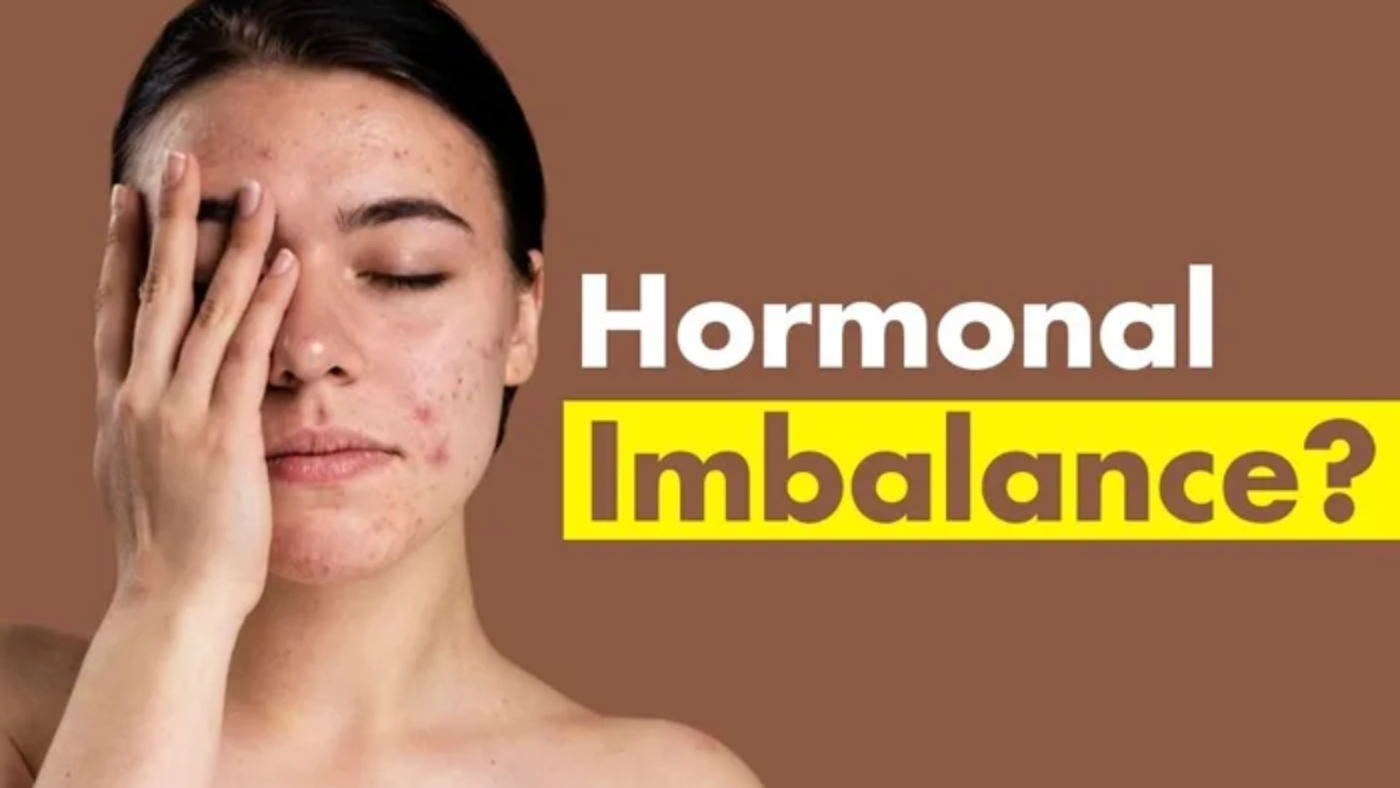
Why More Women in Their 20s & 30s Are Facing Hormonal Imbalance, PCOS & Fertility Issues (2026)
Hormonal imbalance in women has become one of the most searched women’s health concerns in 2026.
Gynecologists and fertility specialists worldwide are seeing a sharp rise in:
- PCOS (Polycystic Ovary Syndrome)
- Irregular periods
- Thyroid disorders
- Infertility in women
- Delayed conception
What’s most concerning is that these hormonal and fertility issues are now affecting women even in their early 20s.
So why is hormonal imbalance increasing — and what can be done?
This medically guided article explains causes, fertility impact, diagnosis, and treatment options in 2026.
What Is Hormonal Imbalance in Women?
Hormonal imbalance occurs when reproductive or metabolic hormones fall outside optimal ranges.
Key hormones involved:
- Estrogen
- Progesterone
- Insulin
- Thyroid hormones
- Androgens
Hormonal imbalance in women affects:
- Menstrual cycle regularity
- Ovulation and fertility
- Weight, skin, and hair health
- Mood, sleep, and energy levels
It is often the root cause of PCOS, infertility, and unexplained pregnancy delays.
Why Are PCOS & Hormonal Disorders Increasing in 2026?
Recent gynecology and fertility clinic trends show multi-factorial causes.
Chronic Stress & High Cortisol
Long-term stress elevates cortisol, suppressing ovulation and disrupting reproductive hormones.
Sedentary Lifestyle & Insulin Resistance
Low physical activity reduces insulin sensitivity — a major trigger for hormonal imbalance and PCOS.
Delayed Childbearing
Ovarian reserve and hormonal balance decline with age, increasing fertility challenges.
Disrupted Sleep Cycles
Late nights, screen exposure, and circadian rhythm disruption alter estrogen-progesterone signaling.
Diet & Metabolic Imbalance
Processed foods, sugar spikes, and micronutrient deficiencies worsen endocrine function.
Urban India shows disproportionately higher PCOS prevalence due to lifestyle-metabolic overlap.
PCOS vs Hormonal Imbalance — What’s the Difference?
Polycystic Ovary Syndrome is a specific endocrine disorder, while hormonal imbalance is a broader condition.
Key Differences:
- PCOS always involves hormonal imbalance
- Not all hormonal imbalance is PCOS
- PCOS includes insulin resistance + ovulation dysfunction
Accurate diagnosis requires specialist evaluation.
How Hormonal Imbalance Affects Fertility
Hormonal imbalance in women disrupts reproductive physiology through:
- Irregular ovulation or anovulation
- Poor egg quality
- Thin uterine lining
- Implantation difficulty
- Luteal phase defects
This explains rising searches for:
- Fertility treatment
- IVF consultation
- IUI success rates
- PCOS pregnancy planning
Second-order insight: Insulin resistance impairs ovarian mitochondrial function, reducing egg competence (moderate evidence confidence ~60–70%).
Diagnosis — Tests Every Woman Should Consider
Early diagnosis significantly improves fertility outcomes.
Hormonal Blood Tests
- AMH
- FSH / LH
- Estradiol
- Progesterone
- Prolactin
Thyroid Profile
Thyroid dysfunction frequently coexists with hormonal imbalance.
Pelvic Ultrasound
Evaluates ovaries and uterine health.
Ovulation Tracking
Monitors follicular growth and egg release.
Metabolic Assessment
Includes insulin resistance and glucose metabolism testing.
Treatment Options (2026 Medical Approach)
Treatment depends on hormonal severity and fertility goals.
Lifestyle & Hormonal Regulation
- Cycle regulation therapy
- Insulin sensitivity improvement
- Weight optimization
- Anti-inflammatory nutrition
- Sleep correction
Fertility-Focused Treatment
If pregnancy is planned:
- Ovulation induction
- Timed conception cycles
- IUI (Intrauterine Insemination)
- IVF (In Vitro Fertilization)
Treatment is personalized — no one-size protocol exists.
Doctor Expertise Matters
Hormonal and fertility disorders require reproductive endocrinology expertise.
Dr. Nitasha Gupta follows an evidence-based, ethical, patient-first approach to hormonal imbalance, PCOS, and fertility care.
She consults at:
- Kore Fertility
- Labella Cosgyn — Cosmetic & Medical Gynecology Centre
Her care model focuses on:
- Root-cause hormonal diagnosis
- Cycle restoration
- Fertility preservation
- IVF planning when required
When Should You See a Gynecologist or IVF Specialist?
Consult a specialist if you experience:
- Trying to conceive for 6–12 months
- Irregular or absent periods
- PCOS symptoms
- Hormonal acne or hair fall
- Excess facial hair growth
- Recurrent pregnancy loss
Early intervention improves fertility success probability significantly.
Internal Links
- Contact & Appointment → https://www.drnitashagupta.com/contact/
- Fertility & Hormone Blogs → https://www.drnitashagupta.com/blog/
Google Business Profile
Clinic reviews & directions:
https://share.google/lX9OO1SbeM1TLyM6i
Optimized for searches:
- PCOS treatment Chandigarh
- Hormonal imbalance doctor near me
- Fertility specialist Tricity
- IVF consultation Chandigarh
FAQs (2026)
Can hormonal imbalance cause infertility?
Yes — it disrupts ovulation, egg quality, and implantation.
Is PCOS curable permanently?
PCOS is manageable with long-term lifestyle and medical care.
Can I get pregnant with PCOS?
Yes — ovulation induction, IUI, or IVF can help achieve pregnancy.
What is the best test for hormonal imbalance?
A hormonal blood panel combined with ultrasound is most accurate.
When should I see a fertility specialist?
After 6–12 months of unsuccessful conception attempts.
Final Thoughts
Hormonal imbalance, PCOS, and fertility issues are rising sharply among women in their 20s and 30s.
However, these conditions are highly manageable with:
- Early diagnosis
- Hormonal correction
- Metabolic care
- Fertility planning
Timely medical intervention greatly improves reproductive outcomes.
Book a Consultation
Dr. Nitasha Gupta
Gynecologist & IVF Specialist
Serving: Chandigarh, Panchkula, Mohali, Zirakpur & Tricity
Book Appointment → https://www.drnitashagupta.com/contact/
Leave A Comment