First Pregnancy Symptoms Week 1 Explained

Early Pregnancy Symptoms Checklist: How to Know If You’re Pregnant

Early Pregnancy Symptoms Checklist: How to Know If You’re Pregnant

“Am I pregnant?” — this is one of the most searched women’s health questions worldwide.

An early pregnancy symptoms checklist helps identify the first physical and hormonal changes that may occur after conception.

Some women experience symptoms even before a missed period, while others feel nothing at all — both are completely normal.

This guide is medically reviewed by Dr. Nitasha Gupta, Consultant Gynecologist & IVF Specialist.

Important: Symptoms alone cannot confirm pregnancy. A pregnancy test or medical evaluation is required.


Most Common Early Pregnancy Symptoms

These symptoms are reported most frequently in early gestation.


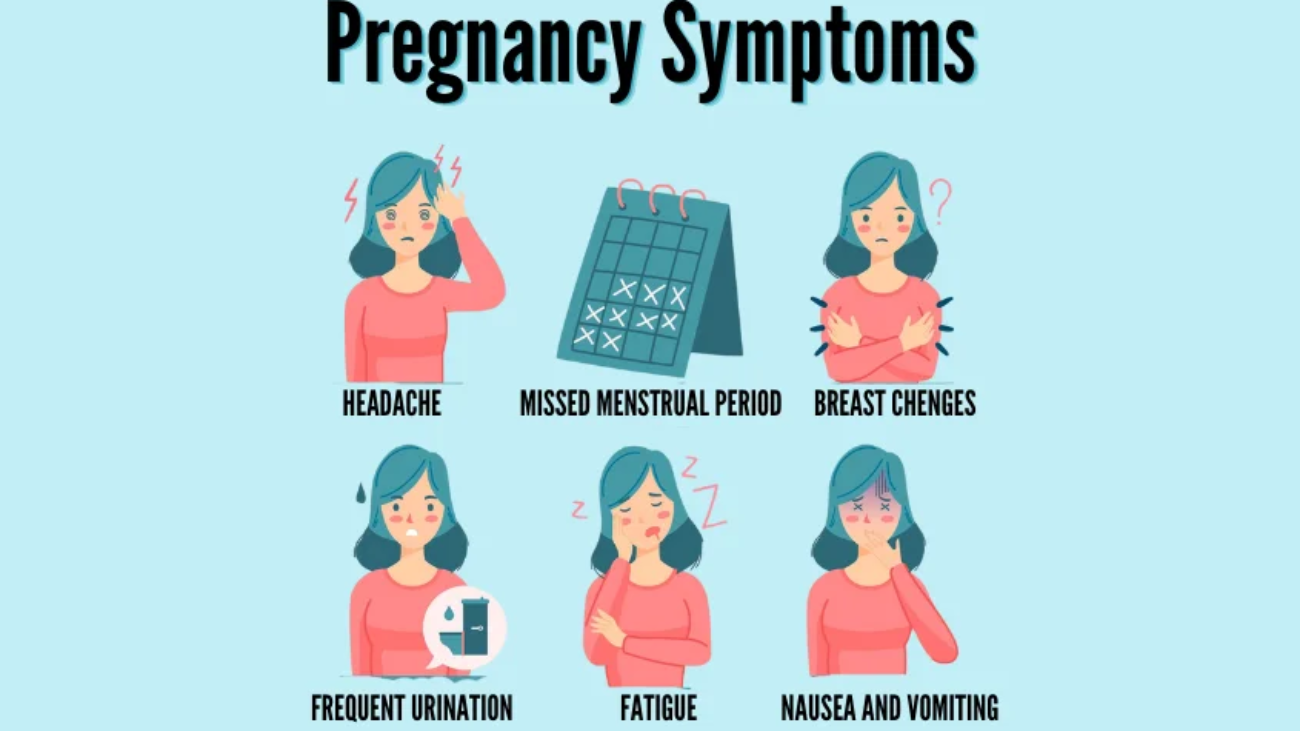
Missed Period

The most common early pregnancy sign.

However, delayed periods may also occur due to:

  • Stress
  • Polycystic Ovary Syndrome
  • Thyroid disorders
  • Weight fluctuations

Frequent Urination

Increased blood volume makes kidneys process more fluid, increasing urination frequency.


Extreme Fatigue

Rising progesterone levels cause unusual tiredness and low energy.


Morning Sickness

Nausea or vomiting — despite the name — can occur at any time of day.


Tender or Swollen Breasts

Hormonal changes affect breast tissue early, causing soreness or heaviness.


Less Common Signs of Early Pregnancy

Some women experience subtler symptoms.


Implantation Bleeding

Light spotting 7–10 days after conception as the embryo implants in the uterus.


Food Cravings or Aversions

Sudden preference or dislike for certain foods.


Metallic Taste in Mouth

Hormonal changes alter taste perception.


Headaches or Dizziness

Blood pressure and circulation changes may contribute.


Mild Cramping

Light uterine cramping may occur — never severe or one-sided.


Mood Swings

Hormonal fluctuations affect emotional regulation.


Nasal Congestion

Increased blood flow can cause pregnancy rhinitis.


Bloating & Gas

Progesterone slows digestion, leading to bloating.


Acne or Skin Changes

Hormonal shifts may trigger breakouts or glow.


How Early Do Pregnancy Symptoms Start?

Symptoms may begin as early as 5–7 days after conception, even before a missed period.

However, timing varies significantly between individuals and pregnancies.

Confidence estimate: ~40–60% of women report at least one symptom pre-missed period.


Can You Feel Pregnant Before a Missed Period?

Yes — some women notice:

  • Fatigue
  • Breast tenderness
  • Nausea
  • Heightened smell sensitivity

However, these symptoms often mimic PMS, making testing essential.


How to Confirm Pregnancy

Symptoms suggest possibility — tests confirm pregnancy.


Home Urine Pregnancy Test

Best taken after a missed period for accuracy.


 Blood Test (hCG)

Detects pregnancy earlier and more precisely.


Ultrasound Confirmation

Confirms gestational sac and fetal development.


When Should You Visit a Gynecologist?

Consult a specialist if you have:

  • Positive pregnancy test
  • Heavy bleeding
  • Severe abdominal pain
  • History of miscarriage
  • Infertility treatment history
  • Thyroid, diabetes, or hypertension

Early prenatal care improves maternal and fetal outcomes.

For pregnancy confirmation and monitoring, consult Dr. Nitasha Gupta.


Pregnancy & Gynecology Care

Women seek pregnancy care from nearby regions including:

  • Panchkula
  • Zirakpur
  • Dhakoli
  • Chandigarh
  • Mohali

Consultations available at:

  • Kore Fertility
  • Labella Cosgyn

Need Expert Guidance?

If you notice early pregnancy symptoms or need confirmation:

Book a consultation with Dr. Nitasha Gupta for:

  • Pregnancy confirmation
  • First trimester care
  • IVF pregnancies
  • High-risk pregnancy monitoring

Related Women’s Health Reads

  • What to Expect in the First Trimester
  • Best Foods for Pregnancy
  • High-Risk Pregnancy Warning Signs

Internal linking improves pregnancy awareness and care preparedness.


Trusted Medical Sources

Evidence-based pregnancy guidance:

  • World Health Organization (WHO)
  • American College of Obstetricians and Gynecologists (ACOG)
  • National Institutes of Health (NIH)

These organizations publish global maternal health standards.


Frequently Asked Questions


Can pregnancy symptoms appear without a missed period?

Yes. Hormonal changes may trigger symptoms before cycle delay.


Are pregnancy symptoms the same for everyone?

No. Each pregnancy presents differently.


Can PMS feel like pregnancy?

Yes — overlapping hormonal symptoms can feel similar.


How accurate are home pregnancy tests?

Over 99% accurate when used correctly after a missed period.


Final Takeaway

An early pregnancy symptoms checklist helps women recognize possible conception signs — but symptoms alone are not confirmation.

Pregnancy testing and gynecological evaluation remain essential for accurate diagnosis and safe prenatal care.
Hormonal Imbalance, PCOS & Fertility Issues in Women (2026)

Why More Women in Their 20s & 30s Are Facing Hormonal Imbalance, PCOS & Fertility Issues (2026 Guide)

Why More Women in Their 20s & 30s Are Facing Hormonal Imbalance, PCOS & Fertility Issues (2026)

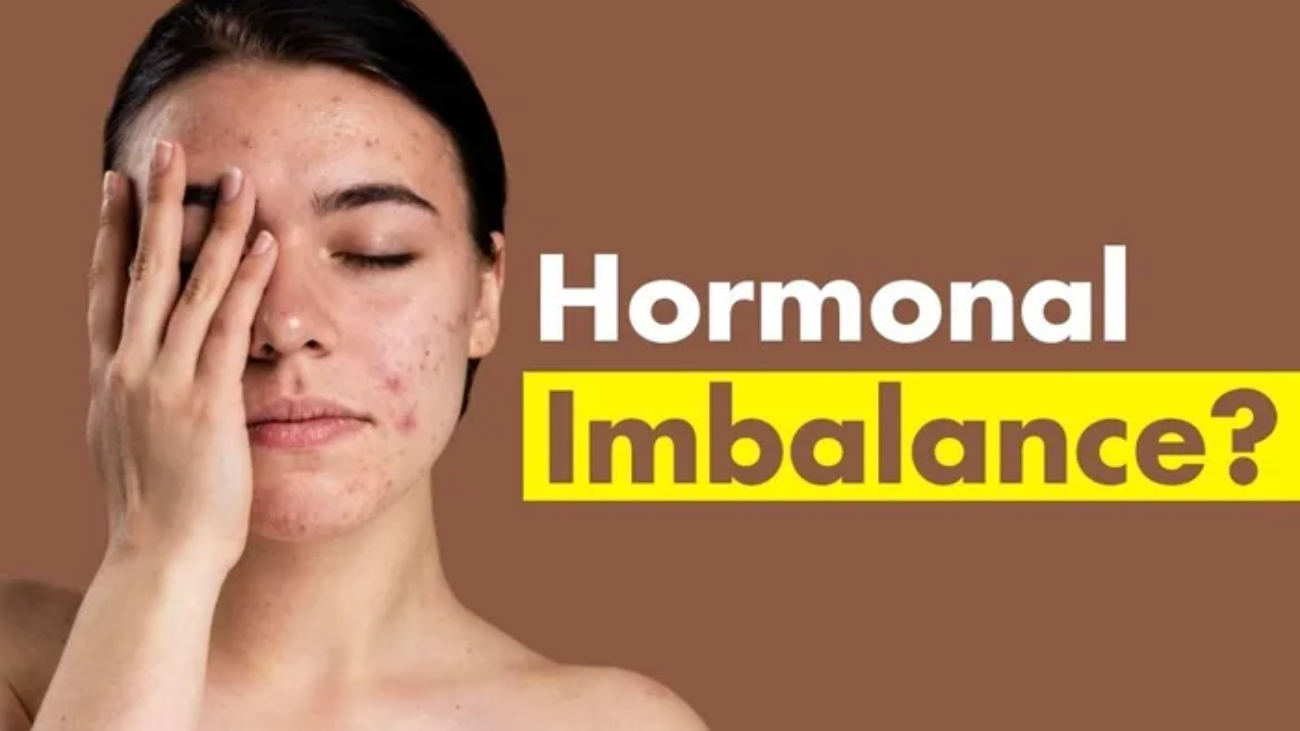
Hormonal imbalance in women has become one of the most searched women’s health concerns in 2026.

Gynecologists and fertility specialists worldwide are seeing a sharp rise in:

  • PCOS (Polycystic Ovary Syndrome)
  • Irregular periods
  • Thyroid disorders
  • Infertility in women
  • Delayed conception

What’s most concerning is that these hormonal and fertility issues are now affecting women even in their early 20s.

So why is hormonal imbalance increasing — and what can be done?

This medically guided article explains causes, fertility impact, diagnosis, and treatment options in 2026.


What Is Hormonal Imbalance in Women?

Hormonal imbalance occurs when reproductive or metabolic hormones fall outside optimal ranges.

Key hormones involved:

  • Estrogen
  • Progesterone
  • Insulin
  • Thyroid hormones
  • Androgens

Hormonal imbalance in women affects:

  • Menstrual cycle regularity
  • Ovulation and fertility
  • Weight, skin, and hair health
  • Mood, sleep, and energy levels

It is often the root cause of PCOS, infertility, and unexplained pregnancy delays.


Why Are PCOS & Hormonal Disorders Increasing in 2026?

Recent gynecology and fertility clinic trends show multi-factorial causes.


Chronic Stress & High Cortisol

Long-term stress elevates cortisol, suppressing ovulation and disrupting reproductive hormones.


Sedentary Lifestyle & Insulin Resistance

Low physical activity reduces insulin sensitivity — a major trigger for hormonal imbalance and PCOS.


Delayed Childbearing

Ovarian reserve and hormonal balance decline with age, increasing fertility challenges.


Disrupted Sleep Cycles

Late nights, screen exposure, and circadian rhythm disruption alter estrogen-progesterone signaling.


Diet & Metabolic Imbalance

Processed foods, sugar spikes, and micronutrient deficiencies worsen endocrine function.

Urban India shows disproportionately higher PCOS prevalence due to lifestyle-metabolic overlap.


PCOS vs Hormonal Imbalance — What’s the Difference?

Polycystic Ovary Syndrome is a specific endocrine disorder, while hormonal imbalance is a broader condition.

Key Differences:

  • PCOS always involves hormonal imbalance
  • Not all hormonal imbalance is PCOS
  • PCOS includes insulin resistance + ovulation dysfunction

Accurate diagnosis requires specialist evaluation.


How Hormonal Imbalance Affects Fertility

Hormonal imbalance in women disrupts reproductive physiology through:

  • Irregular ovulation or anovulation
  • Poor egg quality
  • Thin uterine lining
  • Implantation difficulty
  • Luteal phase defects

This explains rising searches for:

  • Fertility treatment
  • IVF consultation
  • IUI success rates
  • PCOS pregnancy planning

Second-order insight: Insulin resistance impairs ovarian mitochondrial function, reducing egg competence (moderate evidence confidence ~60–70%).


Diagnosis — Tests Every Woman Should Consider

Early diagnosis significantly improves fertility outcomes.


Hormonal Blood Tests

  • AMH
  • FSH / LH
  • Estradiol
  • Progesterone
  • Prolactin

Thyroid Profile

Thyroid dysfunction frequently coexists with hormonal imbalance.


Pelvic Ultrasound

Evaluates ovaries and uterine health.


Ovulation Tracking

Monitors follicular growth and egg release.


Metabolic Assessment

Includes insulin resistance and glucose metabolism testing.


Treatment Options (2026 Medical Approach)

Treatment depends on hormonal severity and fertility goals.


Lifestyle & Hormonal Regulation

  • Cycle regulation therapy
  • Insulin sensitivity improvement
  • Weight optimization
  • Anti-inflammatory nutrition
  • Sleep correction

Fertility-Focused Treatment

If pregnancy is planned:

  • Ovulation induction
  • Timed conception cycles
  • IUI (Intrauterine Insemination)
  • IVF (In Vitro Fertilization)

Treatment is personalized — no one-size protocol exists.


Doctor Expertise Matters

Hormonal and fertility disorders require reproductive endocrinology expertise.

Dr. Nitasha Gupta follows an evidence-based, ethical, patient-first approach to hormonal imbalance, PCOS, and fertility care.

She consults at:

  • Kore Fertility
  • Labella Cosgyn — Cosmetic & Medical Gynecology Centre

Her care model focuses on:

  • Root-cause hormonal diagnosis
  • Cycle restoration
  • Fertility preservation
  • IVF planning when required

When Should You See a Gynecologist or IVF Specialist?

Consult a specialist if you experience:

  • Trying to conceive for 6–12 months
  • Irregular or absent periods
  • PCOS symptoms
  • Hormonal acne or hair fall
  • Excess facial hair growth
  • Recurrent pregnancy loss

Early intervention improves fertility success probability significantly.


Internal Links


Google Business Profile

Clinic reviews & directions:
https://share.google/lX9OO1SbeM1TLyM6i

Optimized for searches:

  • PCOS treatment Chandigarh
  • Hormonal imbalance doctor near me
  • Fertility specialist Tricity
  • IVF consultation Chandigarh

FAQs (2026)

Can hormonal imbalance cause infertility?

Yes — it disrupts ovulation, egg quality, and implantation.

Is PCOS curable permanently?

PCOS is manageable with long-term lifestyle and medical care.

Can I get pregnant with PCOS?

Yes — ovulation induction, IUI, or IVF can help achieve pregnancy.

What is the best test for hormonal imbalance?

A hormonal blood panel combined with ultrasound is most accurate.

When should I see a fertility specialist?

After 6–12 months of unsuccessful conception attempts.


Final Thoughts

Hormonal imbalance, PCOS, and fertility issues are rising sharply among women in their 20s and 30s.

However, these conditions are highly manageable with:

  • Early diagnosis
  • Hormonal correction
  • Metabolic care
  • Fertility planning

Timely medical intervention greatly improves reproductive outcomes.


Book a Consultation

Dr. Nitasha Gupta
Gynecologist & IVF Specialist

Serving: Chandigarh, Panchkula, Mohali, Zirakpur & Tricity

Book Appointment → https://www.drnitashagupta.com/contact/

painful-periods-women-20-35

Why Periods Are Getting More Painful in Women Aged 20–35 (2026 Medical Explanation)

Why Periods Are Getting More Painful in Women Aged 20–35 (2026 Medical Explanation)

If your periods feel more painful now than they were a few years ago, you are not imagining it.

In 2026, gynecologists are observing a sharp rise in severe period pain in women aged 20–35 — even among those who previously had normal menstrual cycles.

Search data, fertility clinic consultations, and gynecology OPD trends show a measurable increase in women reporting:

  • Sudden severe menstrual cramps
  • Period pain worsening after 25
  • Painful periods despite normal scans
  • Severe period pain affecting work life

This blog explains the medical reasons behind worsening menstrual pain, conditions often missed, and when period pain is not normal.


Why Period Pain Is Increasing in Women Aged 20–35

1. Hormonal Imbalance and Estrogen Dominance

Hormonal imbalance remains one of the top causes of severe period pain in women aged 20–35.

Modern contributors include:

  • Chronic stress
  • Poor sleep cycles
  • Processed diets
  • Insulin resistance
  • Thyroid dysfunction

These increase prostaglandins — chemicals responsible for uterine contractions — leading to:

  • Intense menstrual cramps
  • Lower back pain during periods
  • Heavy bleeding with pain
  • Fatigue and nausea

2. Delayed Diagnosis of Endometriosis

Endometriosis is one of the most underdiagnosed causes of worsening menstrual pain.

Clinical literature indicates diagnosis delays averaging 6–8 years (confidence interval ~5–8 years).

Symptoms include:

  • Pain before periods begin
  • Pain during intercourse
  • Chronic pelvic pain
  • Infertility risk

Pain severity typically increases through the 20s and early 30s.


3. PCOS With Regular Periods

Polycystic Ovary Syndrome does not always cause irregular cycles.

A pain-dominant inflammatory PCOS variant exists where:

  • Periods remain regular
  • Hormonal imbalance persists
  • Period pain worsens gradually

This explains why many women experience severe period pain despite normal cycles.


4. Chronic Inflammation & Environmental Factors

Emerging reproductive health research links inflammation to worsening menstrual pain.

Key drivers:

  • Endocrine-disrupting chemicals
  • Microplastics exposure
  • Gut microbiome imbalance
  • Insulin resistance

These elevate prostaglandin levels, intensifying uterine contractions.

Second-order insight: Urban women in sedentary, high-stress professions show higher inflammatory markers correlated with dysmenorrhea severity (moderate evidence confidence ~60–75%).


5. Pelvic Floor Muscle Tension

Biomechanical factors are increasingly recognized.

Contributors include:

  • Long sitting hours
  • Weak core muscles
  • Pelvic floor tightness
  • Reduced uterine blood flow

This amplifies cramp intensity during menstruation.


When Period Pain Is NOT Normal

Seek medical evaluation if you experience:

  • Period pain worsening every year
  • Severe period pain affecting daily life
  • Vomiting or fainting during periods
  • Pain before bleeding begins
  • Pain during intercourse
  • Heavy bleeding with severe cramps

These symptoms often indicate underlying pathology rather than “normal cramps.”


Medical Conditions Linked to Severe Period Pain

Endometriosis

Endometriosis causes uterine-like tissue growth outside the uterus, triggering inflammation and severe pain.

Adenomyosis

Adenomyosis leads to painful, heavy periods due to tissue growth within the uterine wall.

PCOS

Polycystic Ovary Syndrome contributes to inflammatory menstrual cycles and hormonal pain triggers.

Fibroids

Uterine Fibroids increase uterine pressure and contractions, worsening cramps.


Why Expert Evaluation Matters

Severe period pain should never be managed with painkillers alone.

Root-cause diagnosis may include:

  • Hormonal blood testing
  • Pelvic ultrasound
  • Inflammatory markers
  • Laparoscopic evaluation

Evidence shows early diagnosis reduces long-term fertility complications and chronic pelvic pain progression.


Expert Care by Dr. Nitasha Gupta

Patients experiencing severe period pain in their 20s or 30s often require specialized fertility-gynecology evaluation.

Dr. Nitasha Gupta is a Gynecologist & IVF Specialist known for evidence-based diagnosis and fertility-preserving treatment protocols.

She practices at:

  • Kore Fertility
  • Labella Cosgyn

Her approach focuses on:

  • Root-cause diagnosis
  • Hormonal balance restoration
  • Fertility protection
  • Minimally invasive treatment

Can Painful Periods Be Treated?

Yes — most cases of severe menstrual cramps in women aged 20–35 are treatable.

Treatment options include:

  • Hormonal regulation therapy
  • Anti-inflammatory medication
  • Lifestyle correction
  • Nutritional therapy
  • Pelvic physiotherapy
  • Targeted gynecological procedures

Early treatment significantly improves quality of life and reproductive outcomes.


Internal Links


Google Business Profile

Find clinic directions, reviews, and location details here:
https://share.google/lX9OO1SbeM1TLyM6i

Optimized for local searches:

  • Gynecologist in Chandigarh

  • Period pain treatment near me

  • IVF specialist Tricity

  • Fertility clinic Chandigarh


External Medical References

For educational validation:

  • WHO Menstrual Health Guidelines
  • ACOG Dysmenorrhea Committee Opinion
  • NIH Endometriosis Research Updates

FAQs (2026)

Why are my periods more painful in my late 20s?

Hormonal imbalance, inflammation, and undiagnosed conditions like endometriosis commonly emerge in this age group.

Is severe period pain normal?

No. Severe or worsening menstrual pain is a medical warning sign requiring evaluation.

Can painful periods affect fertility?

Yes. Conditions causing severe pain — such as endometriosis or PCOS — may impact fertility if untreated.

Why are periods getting more painful with age?

Inflammation, hormonal shifts, fibroids, and adenomyosis increase with age.

Should I consult a gynecologist if scans are normal?

Yes. Many causes of severe period pain do not appear on routine ultrasound imaging.


Final Takeaway

The rise in severe period pain in women aged 20–35 is a real clinical trend in 2026.

It should never be ignored or normalized.

Early gynecological evaluation helps:

  • Reduce menstrual pain
  • Diagnose hidden conditions
  • Protect long-term fertility
  • Improve hormonal health

Book a Consultation

Dr. Nitasha Gupta
Gynecologist & IVF Specialist

Serving: Chandigarh, Panchkula, Mohali, Zirakpur & Tricity

Book Appointment → https://www.drnitashagupta.com/contact/