Why More Women in Their 20s & 30s Are Facing Hormonal Imbalance in 2026

Why More Women in Their 20s & 30s Are Facing Hormonal Imbalance in 2026

Why More Women in Their 20s & 30s Are Facing Hormonal Imbalance in 2026

Clinically reviewed by Dr. Nitasha Gupta – Consultant Gynecologist & IVF Specialist

Hormonal imbalance in women has emerged as one of the fastest-growing health concerns in 2026 — particularly among women in their 20s and early 30s. Increasingly, women across Zirakpur, Panchkula, Chandigarh, Mohali, Dhakoli, and Dera Bassi are reporting irregular periods, PCOS symptoms, unexplained weight gain, acne, hair fall, mood changes, and fertility concerns.

Clinical patterns now show that hormonal imbalance in women is no longer age-restricted. Lifestyle stress, disrupted sleep cycles, insulin resistance, thyroid disorders, and delayed pregnancy planning are triggering hormonal disturbances much earlier than before.

Explore women’s hormonal health care:
https://www.drnitashagupta.com/


What Is Hormonal Imbalance in Women?

Hormonal imbalance occurs when reproductive and metabolic hormones fluctuate outside their normal physiological range.

Key hormones involved include:

  • Estrogen
  • Progesterone
  • Insulin
  • Thyroid hormones
  • Androgens

Even mild imbalance can disrupt:

  • Menstrual cycles
  • Ovulation
  • Metabolism
  • Mood stability
  • Fertility potential

If untreated, hormonal imbalance in women may progress into PCOS, infertility, thyroid disease, diabetes risk, or pregnancy complications.


Why Hormonal Imbalance Is Rising in Women in Their 20s & 30s


1. Chronic Stress & Cortisol Overload

Persistent psychological stress elevates cortisol, which directly suppresses ovulation and progesterone balance.

High cortisol also worsens:

  • Weight gain
  • Sleep disturbance
  • Insulin resistance

This makes stress one of the leading triggers of hormonal imbalance in women today.


2. PCOS & Insulin Resistance

PCOS is increasingly diagnosed in women as young as 18–22 years.

Insulin resistance contributes to:

  • Elevated androgen levels
  • Irregular ovulation
  • Weight gain
  • Acne and hair growth

Early PCOS detection significantly improves fertility outcomes.

Meet the specialist managing PCOS & fertility care:
https://www.drnitashagupta.com/about/


3. Irregular Sleep & Screen Exposure

Modern lifestyle habits — late nights, screen exposure, and digital fatigue — disrupt melatonin and insulin regulation.

Poor sleep affects:

  • Ovulation cycles
  • Hormonal rhythm
  • Metabolic stability

This is a major 2026 trend in hormonal disorders.


4. Crash Dieting & Nutrient Deficiency

Extreme dieting reduces estrogen production and delays ovulation.

Common nutritional deficiencies affecting hormones:

  • Iron
  • Vitamin D
  • B12
  • Omega-3

Balanced nutrition is essential for reproductive hormone regulation.


5. Delayed Pregnancy Planning

While career and lifestyle timelines have evolved, reproductive biology remains time-sensitive.

Hormonal imbalance often becomes more evident when conception is delayed into the 30s, especially with underlying PCOS or thyroid disorders.


Early Symptoms Women Often Ignore

Hormonal imbalance symptoms may appear subtle initially:

  • Irregular or missed periods
  • Sudden weight gain
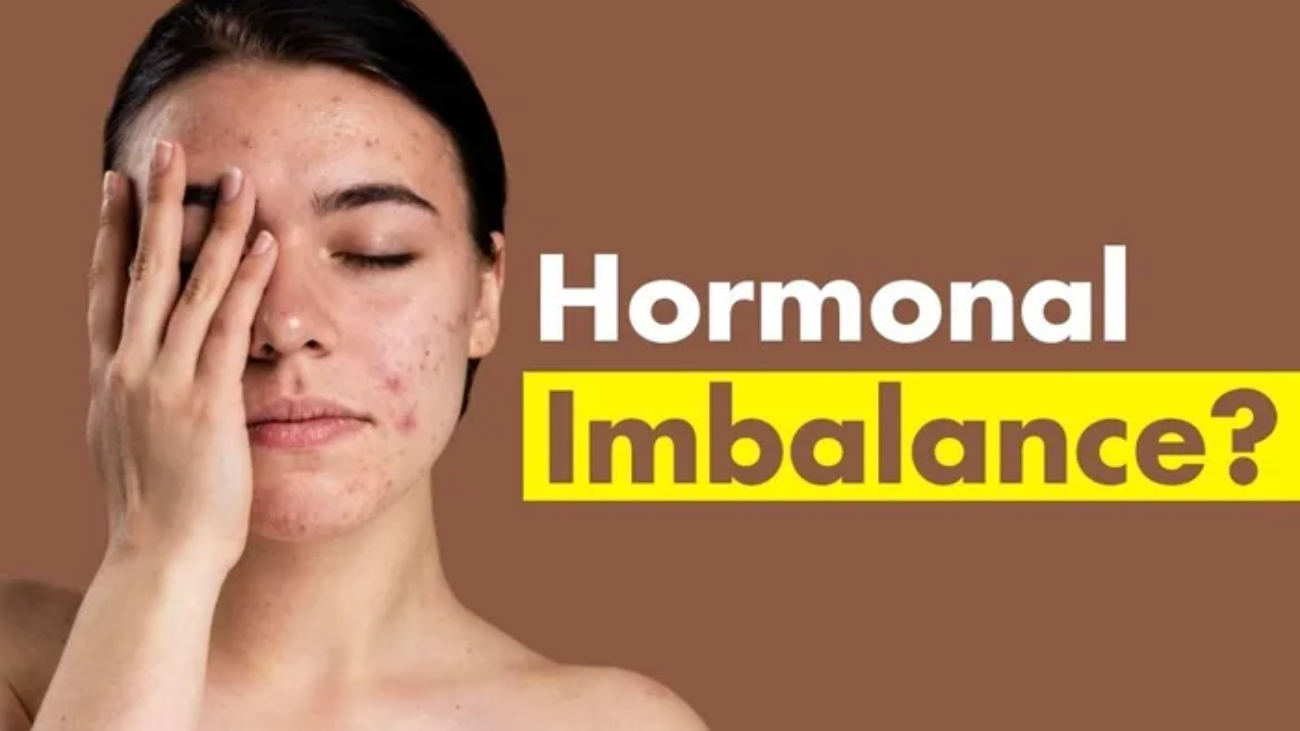
  • Adult acne
  • Hair fall or facial hair growth
  • Mood swings or anxiety
  • Chronic fatigue
  • Difficulty conceiving

Early evaluation prevents progression into fertility complications.


How Hormonal Imbalance Affects Fertility

Hormones regulate ovulation — the foundation of natural conception.

When hormonal imbalance persists:

  • Ovulation becomes irregular
  • Egg quality may decline
  • Implantation timing is affected

This can delay pregnancy or require assisted treatments such as ovulation induction, IUI, or IVF.

Early hormonal correction significantly improves reproductive outcomes.

Book fertility consultation:
https://www.drnitashagupta.com/contact/


When Should You Consult a Gynecologist?

Consult a specialist if:

  • Periods remain irregular for >3 months
  • You are planning pregnancy with unpredictable cycles
  • PCOS or thyroid symptoms appear
  • Persistent fatigue or weight gain continues

Timely medical evaluation allows early correction and fertility preservation.


Trusted Hormonal & Fertility Care in Tricity

Dr. Nitasha Gupta provides structured hormonal and fertility care for women across:

Zirakpur • Dhakoli • Panchkula • Chandigarh • Mohali • Dera Bassi

Her approach focuses on:

  • Accurate diagnosis
  • Lifestyle + medical correction
  • Fertility planning
  • Long-term hormonal balance

View clinic details & patient reviews:
https://share.google/1WUDAkXyKW6bJgLtr


Frequently Asked Questions

Can stress alone cause hormonal imbalance?

Yes. Chronic stress can suppress ovulation and disrupt progesterone and estrogen balance.


Is hormonal imbalance reversible?

In many cases, hormonal imbalance in women improves with lifestyle correction, medical therapy, and early intervention.


Does hormonal imbalance always mean PCOS?

No. Thyroid disorders, stress, metabolic factors, and nutritional deficiencies may also cause imbalance.


When should fertility evaluation begin?

If conception does not occur within 6–12 months, or cycles remain irregular, fertility assessment is recommended.


Conclusion

Hormonal imbalance in women is rising sharply in 2026 — especially among women in their 20s and 30s.

Stress, lifestyle changes, metabolic disorders, and delayed pregnancy planning are major contributors. Early diagnosis and personalized treatment significantly improve hormonal stability and fertility outcomes.

If you are experiencing symptoms of hormonal imbalance, timely consultation ensures clarity, prevention, and long-term reproductive wellness.

Schedule your consultation:
https://www.drnitashagupta.com/contact/

Read more expert blogs:
https://www.drnitashagupta.com/blog/

Hormonal Imbalance, PCOS & Fertility Issues in Women (2026)

Why More Women in Their 20s & 30s Are Facing Hormonal Imbalance, PCOS & Fertility Issues (2026 Guide)

Why More Women in Their 20s & 30s Are Facing Hormonal Imbalance, PCOS & Fertility Issues (2026)

Hormonal imbalance in women has become one of the most searched women’s health concerns in 2026.

Gynecologists and fertility specialists worldwide are seeing a sharp rise in:

  • PCOS (Polycystic Ovary Syndrome)
  • Irregular periods
  • Thyroid disorders
  • Infertility in women
  • Delayed conception

What’s most concerning is that these hormonal and fertility issues are now affecting women even in their early 20s.

So why is hormonal imbalance increasing — and what can be done?

This medically guided article explains causes, fertility impact, diagnosis, and treatment options in 2026.


What Is Hormonal Imbalance in Women?

Hormonal imbalance occurs when reproductive or metabolic hormones fall outside optimal ranges.

Key hormones involved:

  • Estrogen
  • Progesterone
  • Insulin
  • Thyroid hormones
  • Androgens

Hormonal imbalance in women affects:

  • Menstrual cycle regularity
  • Ovulation and fertility
  • Weight, skin, and hair health
  • Mood, sleep, and energy levels

It is often the root cause of PCOS, infertility, and unexplained pregnancy delays.


Why Are PCOS & Hormonal Disorders Increasing in 2026?

Recent gynecology and fertility clinic trends show multi-factorial causes.


Chronic Stress & High Cortisol

Long-term stress elevates cortisol, suppressing ovulation and disrupting reproductive hormones.


Sedentary Lifestyle & Insulin Resistance

Low physical activity reduces insulin sensitivity — a major trigger for hormonal imbalance and PCOS.


Delayed Childbearing

Ovarian reserve and hormonal balance decline with age, increasing fertility challenges.


Disrupted Sleep Cycles

Late nights, screen exposure, and circadian rhythm disruption alter estrogen-progesterone signaling.


Diet & Metabolic Imbalance

Processed foods, sugar spikes, and micronutrient deficiencies worsen endocrine function.

Urban India shows disproportionately higher PCOS prevalence due to lifestyle-metabolic overlap.


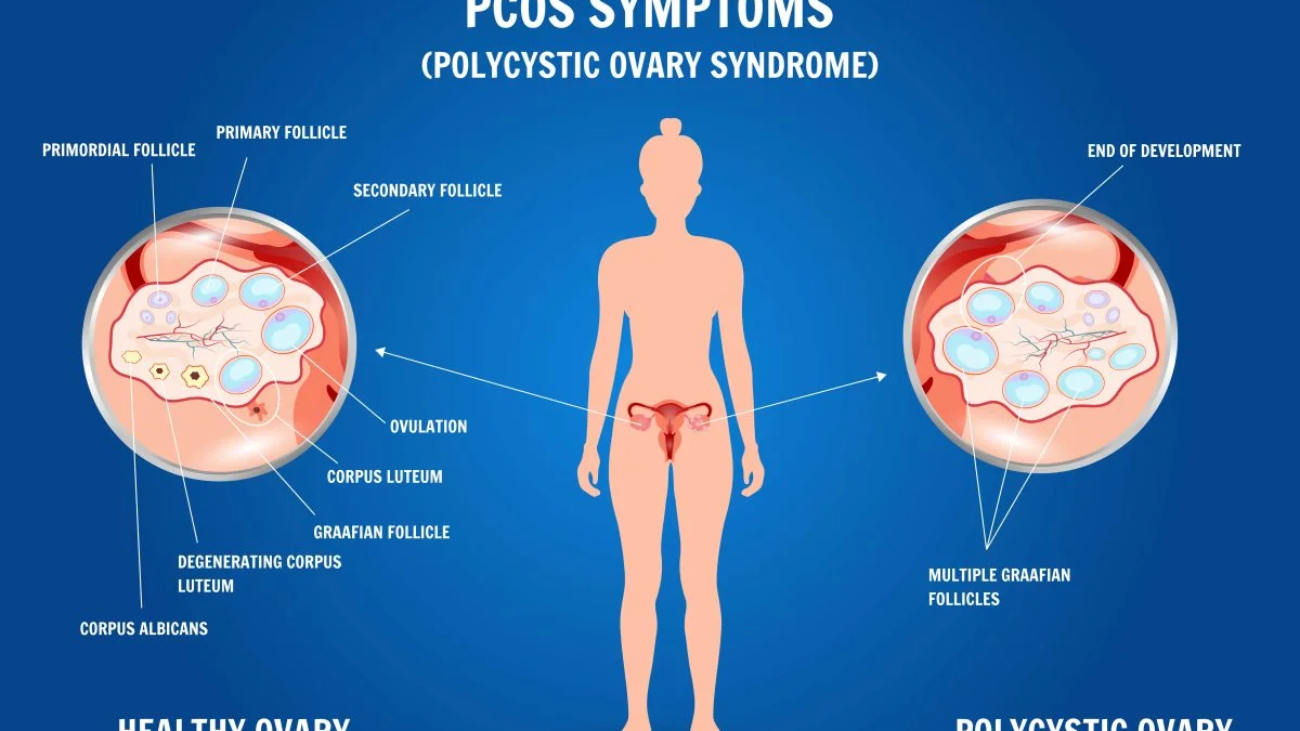
PCOS vs Hormonal Imbalance — What’s the Difference?

Polycystic Ovary Syndrome is a specific endocrine disorder, while hormonal imbalance is a broader condition.

Key Differences:

  • PCOS always involves hormonal imbalance
  • Not all hormonal imbalance is PCOS
  • PCOS includes insulin resistance + ovulation dysfunction

Accurate diagnosis requires specialist evaluation.


How Hormonal Imbalance Affects Fertility

Hormonal imbalance in women disrupts reproductive physiology through:

  • Irregular ovulation or anovulation
  • Poor egg quality
  • Thin uterine lining
  • Implantation difficulty
  • Luteal phase defects

This explains rising searches for:

  • Fertility treatment
  • IVF consultation
  • IUI success rates
  • PCOS pregnancy planning

Second-order insight: Insulin resistance impairs ovarian mitochondrial function, reducing egg competence (moderate evidence confidence ~60–70%).


Diagnosis — Tests Every Woman Should Consider

Early diagnosis significantly improves fertility outcomes.


Hormonal Blood Tests

  • AMH
  • FSH / LH
  • Estradiol
  • Progesterone
  • Prolactin

Thyroid Profile

Thyroid dysfunction frequently coexists with hormonal imbalance.


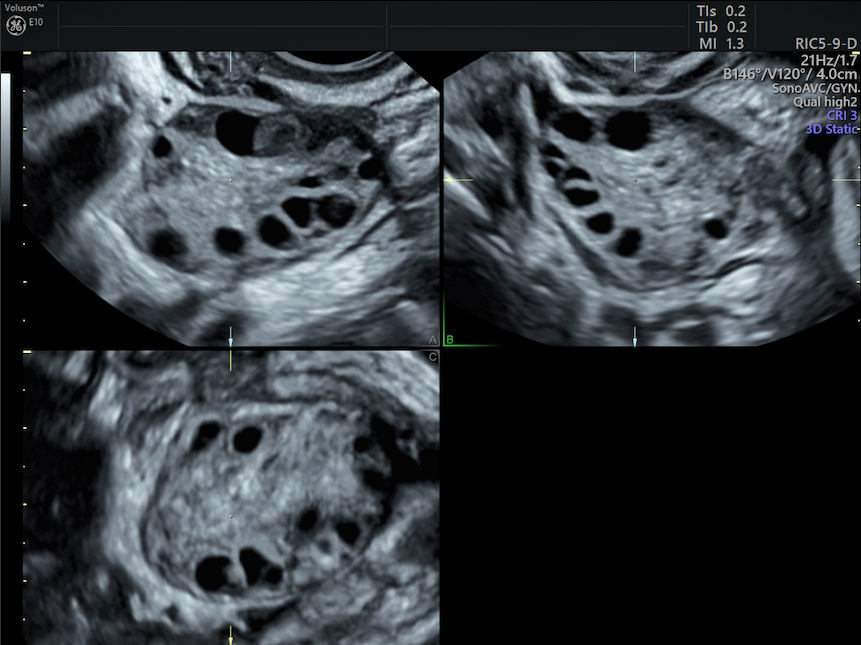
Pelvic Ultrasound

Evaluates ovaries and uterine health.


Ovulation Tracking

Monitors follicular growth and egg release.


Metabolic Assessment

Includes insulin resistance and glucose metabolism testing.


Treatment Options (2026 Medical Approach)

Treatment depends on hormonal severity and fertility goals.


Lifestyle & Hormonal Regulation

  • Cycle regulation therapy
  • Insulin sensitivity improvement
  • Weight optimization
  • Anti-inflammatory nutrition
  • Sleep correction

Fertility-Focused Treatment

If pregnancy is planned:

  • Ovulation induction
  • Timed conception cycles
  • IUI (Intrauterine Insemination)
  • IVF (In Vitro Fertilization)

Treatment is personalized — no one-size protocol exists.


Doctor Expertise Matters

Hormonal and fertility disorders require reproductive endocrinology expertise.

Dr. Nitasha Gupta follows an evidence-based, ethical, patient-first approach to hormonal imbalance, PCOS, and fertility care.

She consults at:

  • Kore Fertility
  • Labella Cosgyn — Cosmetic & Medical Gynecology Centre

Her care model focuses on:

  • Root-cause hormonal diagnosis
  • Cycle restoration
  • Fertility preservation
  • IVF planning when required

When Should You See a Gynecologist or IVF Specialist?

Consult a specialist if you experience:

  • Trying to conceive for 6–12 months
  • Irregular or absent periods
  • PCOS symptoms
  • Hormonal acne or hair fall
  • Excess facial hair growth
  • Recurrent pregnancy loss

Early intervention improves fertility success probability significantly.


Internal Links


Google Business Profile

Clinic reviews & directions:
https://share.google/lX9OO1SbeM1TLyM6i

Optimized for searches:

  • PCOS treatment Chandigarh
  • Hormonal imbalance doctor near me
  • Fertility specialist Tricity
  • IVF consultation Chandigarh

FAQs (2026)

Can hormonal imbalance cause infertility?

Yes — it disrupts ovulation, egg quality, and implantation.

Is PCOS curable permanently?

PCOS is manageable with long-term lifestyle and medical care.

Can I get pregnant with PCOS?

Yes — ovulation induction, IUI, or IVF can help achieve pregnancy.

What is the best test for hormonal imbalance?

A hormonal blood panel combined with ultrasound is most accurate.

When should I see a fertility specialist?

After 6–12 months of unsuccessful conception attempts.


Final Thoughts

Hormonal imbalance, PCOS, and fertility issues are rising sharply among women in their 20s and 30s.

However, these conditions are highly manageable with:

  • Early diagnosis
  • Hormonal correction
  • Metabolic care
  • Fertility planning

Timely medical intervention greatly improves reproductive outcomes.


Book a Consultation

Dr. Nitasha Gupta
Gynecologist & IVF Specialist

Serving: Chandigarh, Panchkula, Mohali, Zirakpur & Tricity

Book Appointment → https://www.drnitashagupta.com/contact/