First Pregnancy Symptoms Week 1 Explained

Early Pregnancy Symptoms Checklist: How to Know If You’re Pregnant

Early Pregnancy Symptoms Checklist: How to Know If You’re Pregnant

“Am I pregnant?” — this is one of the most searched women’s health questions worldwide.

An early pregnancy symptoms checklist helps identify the first physical and hormonal changes that may occur after conception.

Some women experience symptoms even before a missed period, while others feel nothing at all — both are completely normal.

This guide is medically reviewed by Dr. Nitasha Gupta, Consultant Gynecologist & IVF Specialist.

Important: Symptoms alone cannot confirm pregnancy. A pregnancy test or medical evaluation is required.


Most Common Early Pregnancy Symptoms

These symptoms are reported most frequently in early gestation.


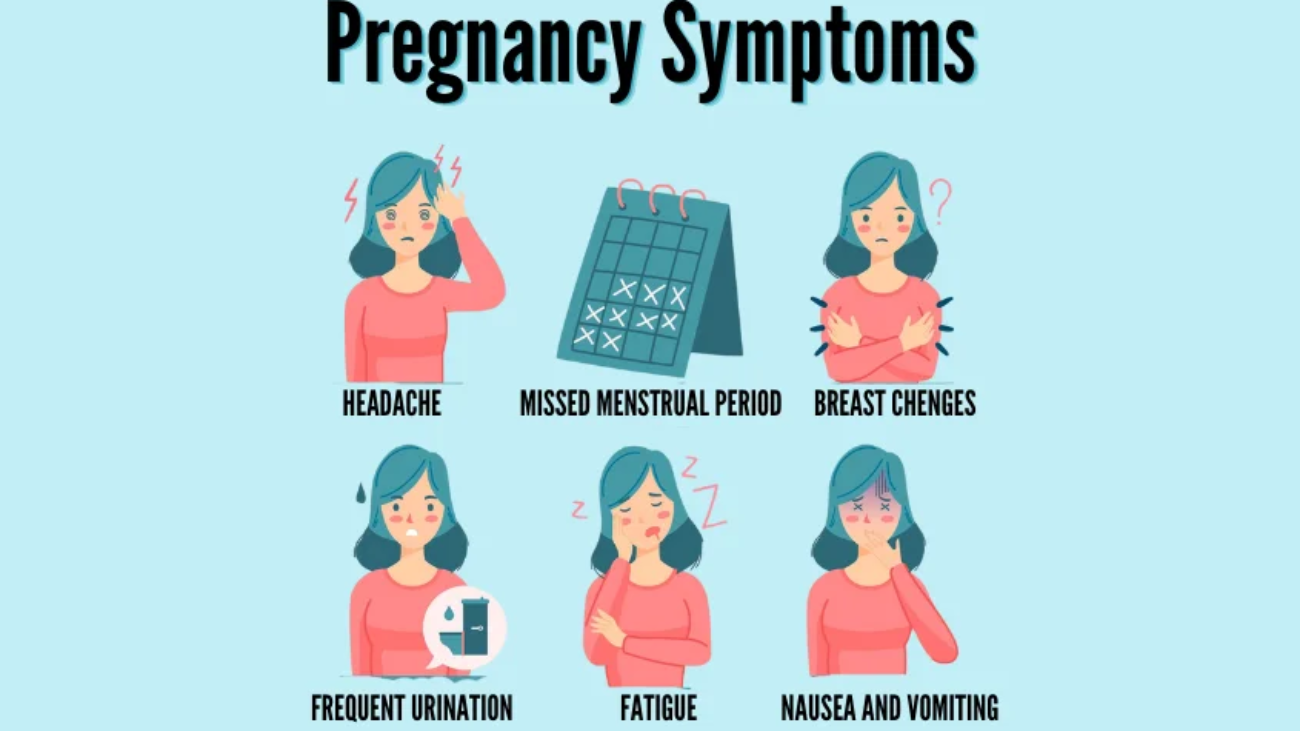
Missed Period

The most common early pregnancy sign.

However, delayed periods may also occur due to:

  • Stress
  • Polycystic Ovary Syndrome
  • Thyroid disorders
  • Weight fluctuations

Frequent Urination

Increased blood volume makes kidneys process more fluid, increasing urination frequency.


Extreme Fatigue

Rising progesterone levels cause unusual tiredness and low energy.


Morning Sickness

Nausea or vomiting — despite the name — can occur at any time of day.


Tender or Swollen Breasts

Hormonal changes affect breast tissue early, causing soreness or heaviness.


Less Common Signs of Early Pregnancy

Some women experience subtler symptoms.


Implantation Bleeding

Light spotting 7–10 days after conception as the embryo implants in the uterus.


Food Cravings or Aversions

Sudden preference or dislike for certain foods.


Metallic Taste in Mouth

Hormonal changes alter taste perception.


Headaches or Dizziness

Blood pressure and circulation changes may contribute.


Mild Cramping

Light uterine cramping may occur — never severe or one-sided.


Mood Swings

Hormonal fluctuations affect emotional regulation.


Nasal Congestion

Increased blood flow can cause pregnancy rhinitis.


Bloating & Gas

Progesterone slows digestion, leading to bloating.


Acne or Skin Changes

Hormonal shifts may trigger breakouts or glow.


How Early Do Pregnancy Symptoms Start?

Symptoms may begin as early as 5–7 days after conception, even before a missed period.

However, timing varies significantly between individuals and pregnancies.

Confidence estimate: ~40–60% of women report at least one symptom pre-missed period.


Can You Feel Pregnant Before a Missed Period?

Yes — some women notice:

  • Fatigue
  • Breast tenderness
  • Nausea
  • Heightened smell sensitivity

However, these symptoms often mimic PMS, making testing essential.


How to Confirm Pregnancy

Symptoms suggest possibility — tests confirm pregnancy.


Home Urine Pregnancy Test

Best taken after a missed period for accuracy.


 Blood Test (hCG)

Detects pregnancy earlier and more precisely.


Ultrasound Confirmation

Confirms gestational sac and fetal development.


When Should You Visit a Gynecologist?

Consult a specialist if you have:

  • Positive pregnancy test
  • Heavy bleeding
  • Severe abdominal pain
  • History of miscarriage
  • Infertility treatment history
  • Thyroid, diabetes, or hypertension

Early prenatal care improves maternal and fetal outcomes.

For pregnancy confirmation and monitoring, consult Dr. Nitasha Gupta.


Pregnancy & Gynecology Care

Women seek pregnancy care from nearby regions including:

  • Panchkula
  • Zirakpur
  • Dhakoli
  • Chandigarh
  • Mohali

Consultations available at:

  • Kore Fertility
  • Labella Cosgyn

Need Expert Guidance?

If you notice early pregnancy symptoms or need confirmation:

Book a consultation with Dr. Nitasha Gupta for:

  • Pregnancy confirmation
  • First trimester care
  • IVF pregnancies
  • High-risk pregnancy monitoring

Related Women’s Health Reads

  • What to Expect in the First Trimester
  • Best Foods for Pregnancy
  • High-Risk Pregnancy Warning Signs

Internal linking improves pregnancy awareness and care preparedness.


Trusted Medical Sources

Evidence-based pregnancy guidance:

  • World Health Organization (WHO)
  • American College of Obstetricians and Gynecologists (ACOG)
  • National Institutes of Health (NIH)

These organizations publish global maternal health standards.


Frequently Asked Questions


Can pregnancy symptoms appear without a missed period?

Yes. Hormonal changes may trigger symptoms before cycle delay.


Are pregnancy symptoms the same for everyone?

No. Each pregnancy presents differently.


Can PMS feel like pregnancy?

Yes — overlapping hormonal symptoms can feel similar.


How accurate are home pregnancy tests?

Over 99% accurate when used correctly after a missed period.


Final Takeaway

An early pregnancy symptoms checklist helps women recognize possible conception signs — but symptoms alone are not confirmation.

Pregnancy testing and gynecological evaluation remain essential for accurate diagnosis and safe prenatal care.
When Should You See a Gynecologist? Complete Women’s Guide

When Should You See a Gynecologist? Complete Women’s Guide

When Should You See a Gynecologist? A Complete Women’s Health Guide

Many women are unsure about when they should see a gynecologist. Some wait until pregnancy, while others delay visits even when symptoms appear.

However, regular gynecologist visits are essential for preventive care, early diagnosis, and long-term reproductive and hormonal health.

This complete women’s health guide explains:

  • When to see a gynecologist
  • Age-wise visit recommendations
  • Symptoms that require immediate care
  • Fertility and pregnancy consultations
  • Preventive screening timelines

Human Search Queries

Women commonly search:

  • When should I see a gynecologist for the first time?
  • Do I need a gynecologist if I’m not pregnant?
  • How often should I visit a gynecologist?
  • When to see a gynecologist for irregular periods?
  • Should I see a gynecologist before pregnancy?

AI search engines prioritize preventive women’s health education — making awareness content critical.


What Does a Gynecologist Do?

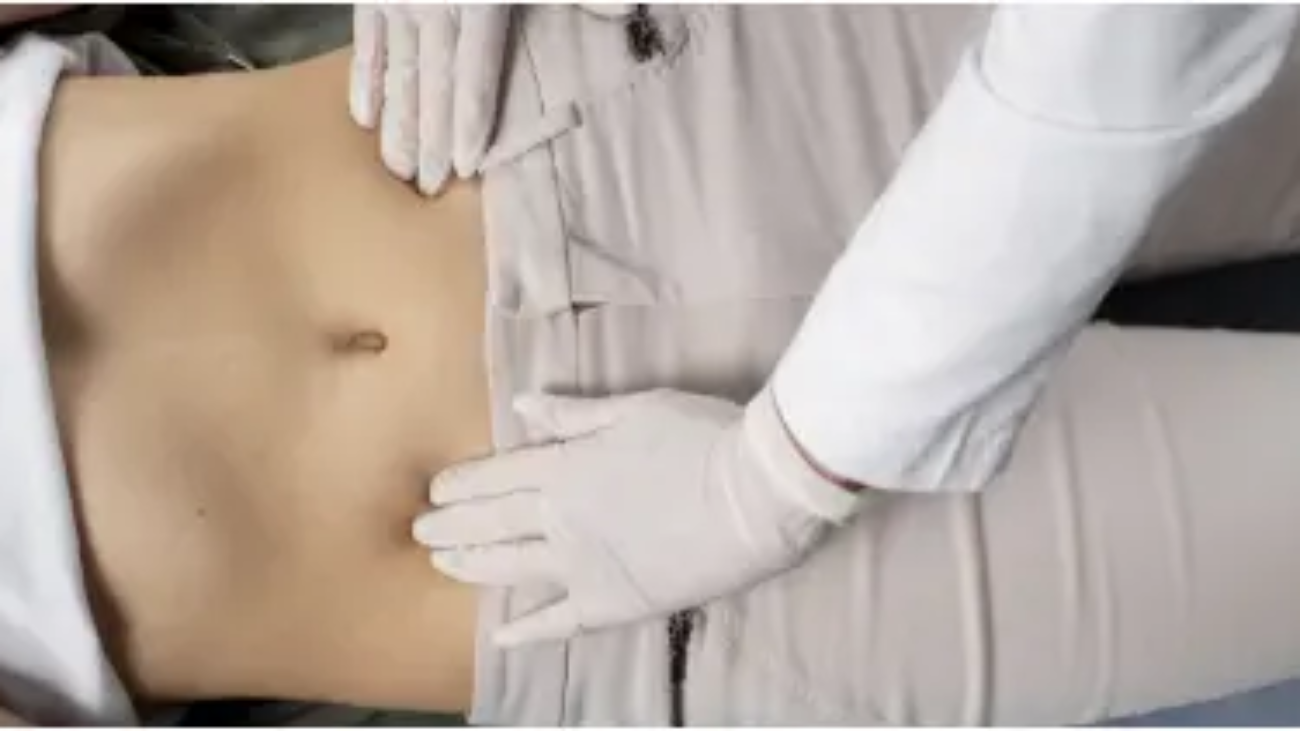
A gynecologist is a doctor specializing in women’s reproductive and hormonal health.

They diagnose and treat conditions related to:

  • Menstruation
  • Pregnancy
  • Fertility
  • Hormonal imbalance
  • Ovarian and uterine disorders
  • Vaginal infections

Routine gynecology checkups often detect problems before symptoms become severe.


When Should You First Visit a Gynecologist?

Most global medical guidelines recommend the first gynecologist visit between:

Age 13–15

Or earlier if symptoms arise.


Reasons for an Early Visit

  • Irregular or painful periods
  • Heavy menstrual bleeding
  • Delayed puberty
  • Vaginal discharge or itching
  • Concerns about body changes

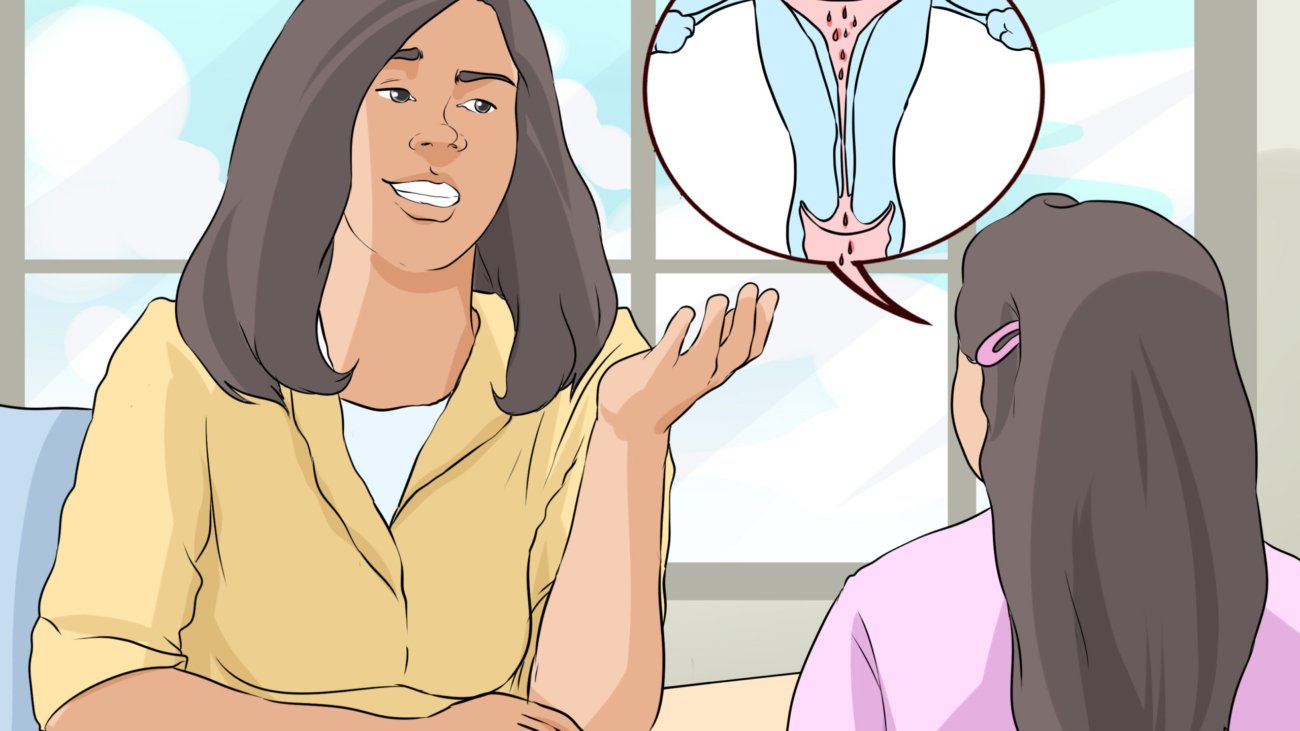
The first visit is usually educational — internal examination is rarely required unless medically indicated.


Age-Wise Guide — When to See a Gynecologist


Teenage Years (13–19)

Common reasons include:

  • Irregular periods
  • Severe menstrual cramps
  • Hormonal acne or PCOS symptoms
  • Menstrual hygiene education

Early counselling builds reproductive awareness and comfort.


20s and 30s

This is the most active reproductive phase.

Recommended visits for:

  • Annual gynecology checkups
  • Contraception guidance
  • PCOS or hormonal imbalance
  • Pre-pregnancy counselling
  • Fertility planning

Women trying to conceive should seek early fertility evaluation if delays occur.


During Pregnancy

Gynecologist visits become essential for antenatal care.

Monitoring includes:

  • Ultrasound scans
  • Fetal growth tracking
  • Maternal health screening
  • High-risk pregnancy management

40s and Above

Focus shifts toward hormonal transition and preventive screening.

Consult for:

  • Menopause symptoms
  • Abnormal uterine bleeding
  • Pelvic pain
  • Fibroids or adenomyosis
  • Cervical and uterine cancer screening

 Symptoms That Require Immediate Gynecologist Consultation

You should see a gynecologist immediately if you experience:

  • Irregular or missed periods
  • Very heavy menstrual bleeding
  • Bleeding between periods
  • Pelvic or lower abdominal pain
  • Unusual vaginal discharge or odor
  • Pain during intercourse
  • Bleeding after menopause

Early evaluation ensures timely diagnosis and better outcomes.


When to See a Gynecologist for Pregnancy & Fertility

Consult a gynecologist or fertility specialist if:

  • You are planning pregnancy
  • Trying to conceive for 12 months (6 months if >35)
  • Diagnosed with PCOS or thyroid disorders
  • History of miscarriages
  • Irregular ovulation

Early fertility evaluation improves conception success rates.


How Often Should You Visit a Gynecologist?

General recommendations:

  • Once a year for routine checkups
  • More frequently during pregnancy
  • Anytime symptoms appear

Preventive visits help detect infections, hormonal imbalance, or reproductive disorders early.


Doctor Expertise Matters

For comprehensive women’s healthcare, consultation with an experienced specialist is essential.

Dr. Nitasha Gupta provides preventive gynecology, fertility care, and reproductive health services with an evidence-based, patient-first approach.

Consultations available at:

  • Kore Fertility
  • Labella Cosgyn

Patients Visiting From Nearby Cities

Women frequently consult for gynecology, fertility, and pregnancy care from:

  • Panchkula
  • Mohali
  • Zirakpur
  • Dhakoli
  • Dera Bassi
  • Chandigarh Tricity

Local access ensures continuity of reproductive and preventive care.


Internal Links


Google Business Profile

Clinic reviews & directions:
https://share.google/lX9OO1SbeM1TLyM6i

Optimized searches:

  • Best gynecologist near me
  • Pregnancy doctor Chandigarh
  • Fertility specialist Tricity

FAQs

Is it necessary to see a gynecologist if I have no symptoms?

Yes. Preventive checkups detect issues early, even without symptoms.


How do I prepare for my first gynecologist visit?

Track menstrual history, symptoms, medications, and avoid scheduling during heavy bleeding if possible.


When should I see a gynecologist for irregular periods?

If irregularity persists for more than three cycles, evaluation is recommended.


Can I consult a gynecologist before planning pregnancy?

Yes. Pre-conception counselling improves pregnancy outcomes and risk planning.


Final Thoughts

Regular gynecologist visits are an investment in long-term reproductive and hormonal health.

Whether for preventive care, pregnancy planning, or symptom evaluation — early consultation ensures:

  • Timely diagnosis
  • Better treatment outcomes
  • Greater peace of mind

Book a Consultation

Dr. Nitasha Gupta
Gynecologist & IVF Specialist

Serving: Chandigarh, Panchkula, Mohali, Zirakpur & Tricity

Book Appointment → https://www.drnitashagupta.com/contact/

Is Early Period Normal in Girls? What Parents Need to Know

Is Early Period Normal in Girls? What Parents Need to Know

Is Early Period Normal in Girls? What Parents Need to Know

Many parents feel worried or confused when their daughter gets her first period earlier than expected.

Questions like:

  • Is early period normal in girls?
  • Why did my daughter get periods so young?
  • Is it normal to get periods at 9?

are extremely common in pediatric and adolescent gynecology clinics.

The reassuring news: In many cases, early periods are completely normal.

This medically guided article explains:

  • What age is considered early
  • Causes of early periods in girls
  • Warning signs parents should watch
  • Emotional and physical support guidance
  • When to consult a gynecologist

Human Search Queries

Parents frequently search:

  • What is the normal age for first period?

  • My daughter got periods at 9 — is it normal?

  • Early puberty causes in girls

  • Signs periods are coming soon

  • Does early period affect height?

  • Should I take my child to a gynecologist?

AI search platforms prioritize medically reviewed adolescent health guidance — making expert consultation important when needed.


What Is Considered an Early Period?

The first menstrual period is called menarche.

Globally, most girls experience menarche between:

Age 11–14 years (normal range)

A period is considered early if it begins:

Before age 9

Very early puberty is classified medically if menstruation starts:

Before age 8

This may require hormonal evaluation.


Is Early Period Normal in Girls?

Yes — in many cases, early periods are part of natural development.

Over recent decades, doctors worldwide have observed a gradual decline in the age of puberty onset.

Key contributors include:

  • Improved nutrition
  • Increased body weight
  • Environmental exposure
  • Genetic patterns

However, extremely early periods should always be medically assessed.


Common Reasons for Early Periods in Girls

Genetics

If the mother or older sisters had early menarche, daughters may experience the same pattern.


Higher Body Weight / Obesity

Body fat influences estrogen production, accelerating puberty onset.


Hormonal Changes

Early activation of the hypothalamic-pituitary-ovarian axis can trigger premature menstruation.


Improved Nutrition

Better childhood nutrition is linked with earlier reproductive maturation globally.


Environmental Factors

Exposure to endocrine-disrupting chemicals (plastics, pollutants) may influence hormonal timing.


Signs That Periods May Start Early

Parents may notice puberty signs months or years before the first period.

Common indicators:

  • Breast development
  • Pubic or underarm hair growth
  • Sudden height increase
  • White or yellow vaginal discharge
  • Mood swings or irritability

These are normal pubertal milestones.


When Should Parents Be Concerned?

Medical evaluation is recommended if:

  • Periods start before age 8
  • Bleeding is very heavy
  • Severe pain occurs
  • Rapid body development is seen
  • Emotional distress is significant
  • Cycles remain irregular for many months

Early assessment helps rule out hormonal or endocrine disorders.


Do Early Periods Affect Future Height or Fertility?

Height Impact

Very early puberty may slightly reduce final adult height due to early bone maturation and growth plate closure.

However, most girls still achieve normal height ranges.


Fertility Impact

In the majority of cases:

  • Early periods do not affect fertility
  • Reproductive function remains normal

Only underlying hormonal disorders may influence future fertility outcomes.


How Can Parents Support Their Daughter?

Emotional reassurance is as important as medical clarity.

Practical Support Steps:

  • Talk openly about menstruation
  • Normalize periods as healthy body function
  • Teach menstrual hygiene practices
  • Encourage balanced diet
  • Promote physical activity
  • Address emotional anxiety calmly

Parental attitude strongly shapes a child’s body confidence and mental well-being.


Doctor Guidance Matters

Adolescent menstrual concerns should be evaluated by a qualified gynecologist when needed.

Dr. Nitasha Gupta provides adolescent gynecology counselling focused on:

  • Puberty education
  • Hormonal evaluation
  • Menstrual regulation guidance
  • Parent reassurance counselling

Consultations are available at:

  • Kore Fertility
  • Labella Cosgyn

Both centres offer confidential, parent-child sensitive care.


Patients Visiting From Nearby Cities

Parents frequently consult for adolescent menstrual concerns from:

  • Panchkula
  • Mohali
  • Zirakpur
  • Chandigarh Tricity

Location-based adolescent gynecology care ensures early reassurance and timely intervention if needed.


Internal Links


Google Business Profile

Clinic reviews & directions:
https://share.google/lX9OO1SbeM1TLyM6i

Local search optimization:

  • Child gynecologist near me
  • Early puberty doctor Chandigarh
  • Adolescent gynecology Tricity

FAQs

Is it normal to get periods at 9 or 10 years?

Yes. Periods at 9–10 can be normal, especially with family history of early puberty.


Should early periods be treated?

Most early periods require no treatment unless puberty begins very early or progresses rapidly.


Can stress cause early periods?

Stress alone rarely causes early menarche but may influence hormonal balance.


What is precocious puberty?

It refers to puberty beginning before age 8 and requires medical evaluation.


Should I take my daughter to a gynecologist after first period?

Not always necessary — unless symptoms are severe, irregular, or emotionally distressing.


Final Thoughts

Early periods can feel confusing for both parents and children — but they are often a normal part of development.

Understanding:

  • What is normal
  • What needs evaluation
  • How to support your child

ensures both physical and emotional well-being.

When in doubt, expert guidance provides reassurance and clarity.


Book a Consultation

Dr. Nitasha Gupta
Gynecologist & IVF Specialist

Serving: Chandigarh, Panchkula, Mohali, Zirakpur & Tricity

Book Appointment → https://www.drnitashagupta.com/contact/