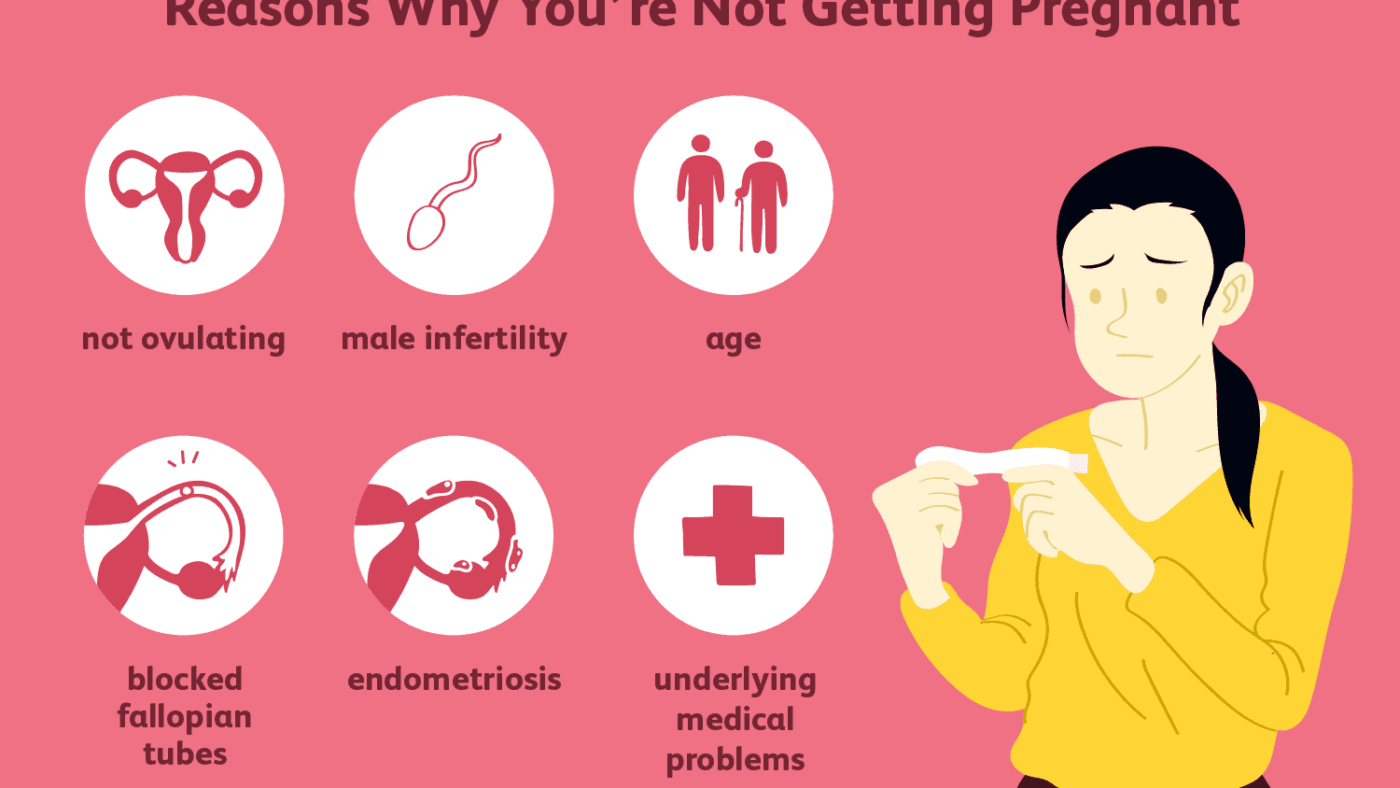
Trying to conceive can be one of the most exciting phases of life, but it can also become emotionally challenging when pregnancy does not happen as expected. If you have been asking yourself “Why am I not getting pregnant?”, you are not alone. Millions of couples worldwide experience delays in conception, and in many cases, the underlying cause can be identified and treated successfully.
Pregnancy depends on several factors working together. Healthy ovulation, good egg quality, open fallopian tubes, a healthy uterus, normal sperm count, balanced hormones, and proper timing all play an important role. Even one small issue can reduce the chances of conception.
The good news is that many fertility problems are treatable. Early diagnosis and personalized fertility care can significantly improve your chances of becoming pregnant naturally or through advanced fertility treatments such as IUI or IVF.
At Dr. Nitasha Gupta’s Fertility & Gynecology Centre, patients receive comprehensive fertility evaluation, evidence-based treatment, and compassionate care tailored to their individual needs.
Table of Contents
- Why am I not getting pregnant?
- How pregnancy normally happens
- When should you see a fertility specialist?
- 20 common reasons for difficulty conceiving
- Fertility tests for women and men
- Treatment options
- When IVF becomes necessary
- Lifestyle changes to improve fertility
- Frequently Asked Questions
Understanding How Pregnancy Happens
Before discussing the causes, it helps to understand how pregnancy naturally occurs.
Every month, a healthy ovary releases a mature egg during ovulation. The egg travels through the fallopian tube, where it can meet healthy sperm after intercourse. Fertilization occurs if one sperm successfully enters the egg. The fertilized embryo then travels to the uterus and implants into the uterine lining, beginning pregnancy.
If any step in this process is disrupted, conception may become difficult.
When Should You See a Fertility Specialist?
Many couples wait too long before seeking help.
General recommendations include:
Women younger than 35 years
Consult a fertility specialist if pregnancy has not occurred after 12 months of regular unprotected intercourse.
Women aged 35 years or older
Seek evaluation after 6 months of trying.
Women over 40 years
A fertility consultation should be scheduled as soon as possible because egg quality naturally declines with age.
You should also consult a fertility specialist earlier if you have irregular periods, PCOS, endometriosis, previous miscarriages, pelvic infections, previous surgeries, or known male fertility issues.
Related Services
- IVF Treatment Chandigarh
- Fertility Checkup Zirakpur
- Fertility Specialist Chandigarh
- Best Gynecologist in Panchkula
20 Common Reasons Why You Are Not Getting Pregnant
1. Irregular Ovulation
Ovulation is essential for pregnancy. Women who do not ovulate regularly release eggs inconsistently, making conception difficult.
Signs include:
- Irregular periods
- Missed periods
- Very long menstrual cycles
- Extremely short cycles
Common causes include hormonal imbalance, thyroid disorders, PCOS, excessive exercise, obesity, and stress.
2. Polycystic Ovary Syndrome (PCOS)
PCOS is one of the leading causes of female infertility.
Women with PCOS often experience:
- Irregular periods
- Acne
- Weight gain
- Excess facial hair
- Difficulty ovulating
Many women with PCOS successfully become pregnant after lifestyle modifications, medications, ovulation induction, or IVF when required.
3. Low AMH (Low Ovarian Reserve)
Anti-Müllerian Hormone (AMH) helps estimate ovarian reserve.
A low AMH level does not mean pregnancy is impossible, but it may indicate fewer remaining eggs.
Early fertility evaluation becomes particularly important when AMH is low.
4. Poor Egg Quality
Age is one of the biggest factors affecting egg quality.
Women above 35 years naturally experience:
- Lower egg quality
- Reduced fertility
- Increased miscarriage risk
- Lower natural conception rates
Modern fertility treatments can improve pregnancy chances depending on individual circumstances.
5. Blocked Fallopian Tubes
The fallopian tubes allow sperm and egg to meet.
If the tubes are blocked because of infection, endometriosis, previous surgery, or pelvic inflammatory disease, natural conception may not occur.
An HSG test is commonly used to evaluate whether the tubes are open.
6. Endometriosis
Endometriosis occurs when tissue similar to the uterine lining grows outside the uterus.
Symptoms may include:
- Severe menstrual pain
- Pain during intercourse
- Chronic pelvic pain
- Infertility
Treatment depends on the severity of symptoms and fertility goals.
7. Hormonal Imbalance
Balanced hormones are essential for ovulation and implantation.
Hormonal problems may involve:
- Thyroid disorders
- Elevated prolactin
- Insulin resistance
- Estrogen imbalance
- Progesterone deficiency
Simple blood tests often help diagnose these conditions.
8. Uterine Fibroids
Fibroids are non-cancerous growths inside the uterus.
Depending on their size and location, they may interfere with embryo implantation or pregnancy.
Not every fibroid requires surgery, but evaluation by an experienced gynecologist is important.
9. Uterine Polyps
Endometrial polyps may reduce implantation success and increase miscarriage risk.
Small polyps can often be removed using hysteroscopy, a minimally invasive procedure.
10. Male Infertility
Many couples assume infertility only affects women.
In reality, approximately 40–50% of infertility cases involve male factors.
Common causes include:
- Low sperm count
- Poor sperm motility
- Abnormal sperm morphology
- Varicocele
- Hormonal disorders
- Lifestyle factors
A semen analysis is usually the first investigation performed for men.
Can Lifestyle Affect Fertility?
Absolutely.
Modern lifestyles have a significant impact on fertility.
Factors that may reduce fertility include:
- Smoking
- Excessive alcohol
- Obesity
- Poor diet
- Lack of sleep
- Chronic stress
- Sedentary lifestyle
- Environmental toxins
Improving these habits may increase natural conception rates while also improving IVF success.
Signs You Should Not Ignore
Schedule a fertility consultation if you experience:
- Trying to conceive for more than one year
- Trying for six months after age 35
- Very irregular periods
- Severe menstrual pain
- Multiple miscarriages
- Low AMH
- Previous pelvic surgery
- Known PCOS
- Previous chemotherapy
- Low sperm count in your partner
Early diagnosis often results in simpler and more effective treatment.
Fertility Is a Couple’s Journey
Fertility challenges affect both partners. A comprehensive fertility evaluation includes assessment of both female and male reproductive health. Addressing both sides together often leads to faster diagnosis and more successful treatment outcomes.
11. Poor Sperm Motility
Healthy sperm must swim efficiently through the female reproductive tract to fertilize the egg. Poor sperm motility means the sperm are unable to move effectively, reducing the chances of natural conception.
Several factors can affect sperm movement, including infections, varicocele, smoking, obesity, diabetes, excessive alcohol consumption, heat exposure, certain medications, and nutritional deficiencies.
A semen analysis evaluates sperm count, motility, and morphology. Depending on the underlying cause, treatment may include lifestyle modifications, medications, antioxidant supplements, surgery for varicocele, IUI, or IVF with ICSI.
Internal Link: Low Sperm Count Causes & Treatment
12. Thyroid Disorders
The thyroid gland regulates many hormones that influence ovulation and pregnancy. Both hypothyroidism and hyperthyroidism can interfere with menstrual cycles and fertility.
Common symptoms include:
- Irregular periods
- Weight changes
- Fatigue
- Hair loss
- Difficulty conceiving
A simple blood test measuring TSH and thyroid hormones can identify thyroid problems. Most women can conceive successfully after appropriate treatment.
13. Obesity or Being Underweight
Maintaining a healthy body weight is important for reproductive health.
Being overweight may lead to:
- Hormonal imbalance
- PCOS
- Irregular ovulation
- Reduced IVF success
Being underweight may cause:
- Missed periods
- Reduced estrogen levels
- Lack of ovulation
Even a modest improvement in weight can enhance fertility outcomes.
14. Smoking and Tobacco Use
Smoking damages eggs and sperm, reduces ovarian reserve, increases miscarriage risk, and lowers IVF success rates. Tobacco also affects sperm DNA quality and motility.
Quitting smoking before conception improves reproductive health for both partners and supports a healthier pregnancy.
15. Excessive Alcohol Consumption
Frequent alcohol intake may negatively affect hormone production, ovulation, sperm quality, and early pregnancy. Couples planning pregnancy should limit or avoid alcohol while trying to conceive.
16. Chronic Stress
Stress alone does not usually cause infertility, but long-term stress may contribute to hormonal changes, irregular ovulation, poor sleep, unhealthy eating habits, and reduced libido.
Stress management techniques such as mindfulness, yoga, regular exercise, and counseling may support overall fertility treatment.
17. Age-Related Fertility Decline
Female fertility naturally declines with age, especially after 35 years. Egg quantity and quality decrease over time, making conception more difficult.
Although many women have healthy pregnancies after 35, early fertility evaluation helps identify the most appropriate treatment plan.
18. Unexplained Infertility
Sometimes all fertility tests appear normal, yet pregnancy does not occur. This is known as unexplained infertility.
Although frustrating, many couples with unexplained infertility successfully conceive through fertility treatments such as ovulation induction, IUI, or IVF.
19. Previous Pelvic Infections or Surgery
Pelvic infections, appendicitis, cesarean sections, ovarian surgery, or abdominal procedures can occasionally lead to scar tissue or adhesions that affect fertility.
Your fertility specialist may recommend imaging tests or laparoscopy to evaluate these conditions.
20. Delaying Fertility Evaluation
One of the most common reasons couples struggle with pregnancy is simply waiting too long before seeking medical advice.
Early diagnosis allows more treatment options and often improves pregnancy success rates.
Fertility Tests Your Doctor May Recommend
A complete fertility evaluation includes testing for both partners.
For Women
Hormone Blood Tests
These include:
- AMH
- FSH
- LH
- Estradiol
- Progesterone
- Prolactin
- Thyroid profile
These tests help evaluate ovarian reserve and hormone balance.
Ultrasound Scan
Pelvic ultrasound assesses:
- Ovarian follicles
- PCOS
- Fibroids
- Uterine abnormalities
- Ovarian cysts
HSG (Hysterosalpingography)
An HSG checks whether the fallopian tubes are open and whether the uterine cavity appears normal.
Follicular Monitoring
Ultrasound scans performed during the menstrual cycle help identify the exact day of ovulation.
Hysteroscopy
A hysteroscopy allows direct visualization of the uterus to diagnose or treat:
- Polyps
- Fibroids
- Scar tissue
- Septum
For Men
Semen Analysis
This evaluates:
- Sperm count
- Motility
- Morphology
- Semen volume
- White blood cells
Additional hormonal tests or ultrasound may be recommended if abnormalities are detected.
Treatment Options for Infertility
Treatment depends on the underlying cause.
Lifestyle Modifications
Your doctor may recommend:
- Weight management
- Healthy nutrition
- Regular exercise
- Better sleep
- Smoking cessation
- Reduced alcohol intake
- Stress reduction
These changes may improve fertility naturally and increase treatment success.
Ovulation Induction
Women who do not ovulate regularly may receive medications that stimulate egg development and ovulation.
Intrauterine Insemination (IUI)
IUI involves placing processed sperm directly into the uterus during ovulation.
It is often recommended for:
- Mild male infertility
- Unexplained infertility
- Ovulation disorders
- Cervical factor infertility
In Vitro Fertilization (IVF)
IVF is one of the most effective fertility treatments available today.
It may be recommended for:
- Blocked fallopian tubes
- Severe male infertility
- Low AMH
- Advanced maternal age
- Endometriosis
- Repeated failed IUI
- Unexplained infertility
During IVF, eggs are collected, fertilized in the laboratory, and healthy embryos are transferred into the uterus.
Can You Improve Fertility Naturally?
While not every fertility issue can be prevented, healthy lifestyle habits support reproductive health.
Eat a Balanced Diet
Choose foods rich in:
- Fruits
- Vegetables
- Whole grains
- Lean protein
- Healthy fats
- Iron
- Folate
- Omega-3 fatty acids
Maintain a Healthy Weight
Both obesity and being underweight may interfere with ovulation and hormone balance.
Exercise Regularly
Moderate physical activity improves overall health and hormone regulation.
Avoid excessive high-intensity exercise if advised by your doctor.
Get Adequate Sleep
Aim for 7–9 hours of quality sleep each night.
Manage Medical Conditions
Proper treatment of PCOS, thyroid disorders, diabetes, and high blood pressure supports fertility.
Why Choose Dr. Nitasha Gupta?
Choosing the right fertility specialist is an important step in your journey toward parenthood.
Dr. Nitasha Gupta provides evidence-based fertility care with a personalized approach for every patient.
Patients benefit from:
- Individualized fertility evaluation
- Advanced IVF technology
- Comprehensive female and male infertility assessment
- Ethical and transparent treatment plans
- Compassionate patient counseling
- Modern diagnostic facilities
- Personalized pregnancy planning
Frequently Asked Questions
Can I get pregnant naturally after one year of trying?
Yes. Some couples conceive naturally after one year, but a fertility evaluation helps identify any underlying issues and improves your chances of success.
Does PCOS always cause infertility?
No. Many women with PCOS become pregnant naturally or with fertility treatment.
Can low AMH prevent pregnancy?
Low AMH indicates reduced ovarian reserve but does not necessarily mean pregnancy is impossible. Treatment depends on age and overall fertility.
Is male infertility common?
Yes. Male factors contribute to nearly half of infertility cases, making semen analysis an important part of fertility evaluation.
How long should I try before seeing a fertility specialist?
If you are under 35 years, seek evaluation after one year of trying. If you are 35 years or older, consult after six months.
Does stress cause infertility?
Stress alone rarely causes infertility, but chronic stress may indirectly affect reproductive health and treatment adherence.
Can lifestyle changes improve fertility?
Healthy eating, exercise, quitting smoking, limiting alcohol, maintaining a healthy weight, and adequate sleep all support fertility.
Is IVF my only option?
No. Many couples conceive through lifestyle changes, medications, ovulation induction, or IUI before IVF is considered.
Medical Disclaimer
This article is intended for educational purposes only and should not replace professional medical advice, diagnosis, or treatment. If you have concerns about your fertility or reproductive health, consult a qualified fertility specialist or gynecologist for a personalized evaluation.
Conclusion
If you have been wondering, “Why am I not getting pregnant?”, remember that fertility challenges are common and often treatable. Identifying the underlying cause through timely evaluation is the first step toward achieving a healthy pregnancy.
Whether the issue involves ovulation, PCOS, low AMH, blocked fallopian tubes, male infertility, or unexplained infertility, modern fertility care offers a wide range of effective treatment options.
Early consultation with an experienced fertility specialist can make a significant difference. Personalized care, accurate diagnosis, and evidence-based treatment improve your chances of building the family you have been hoping for.
Leave A Comment