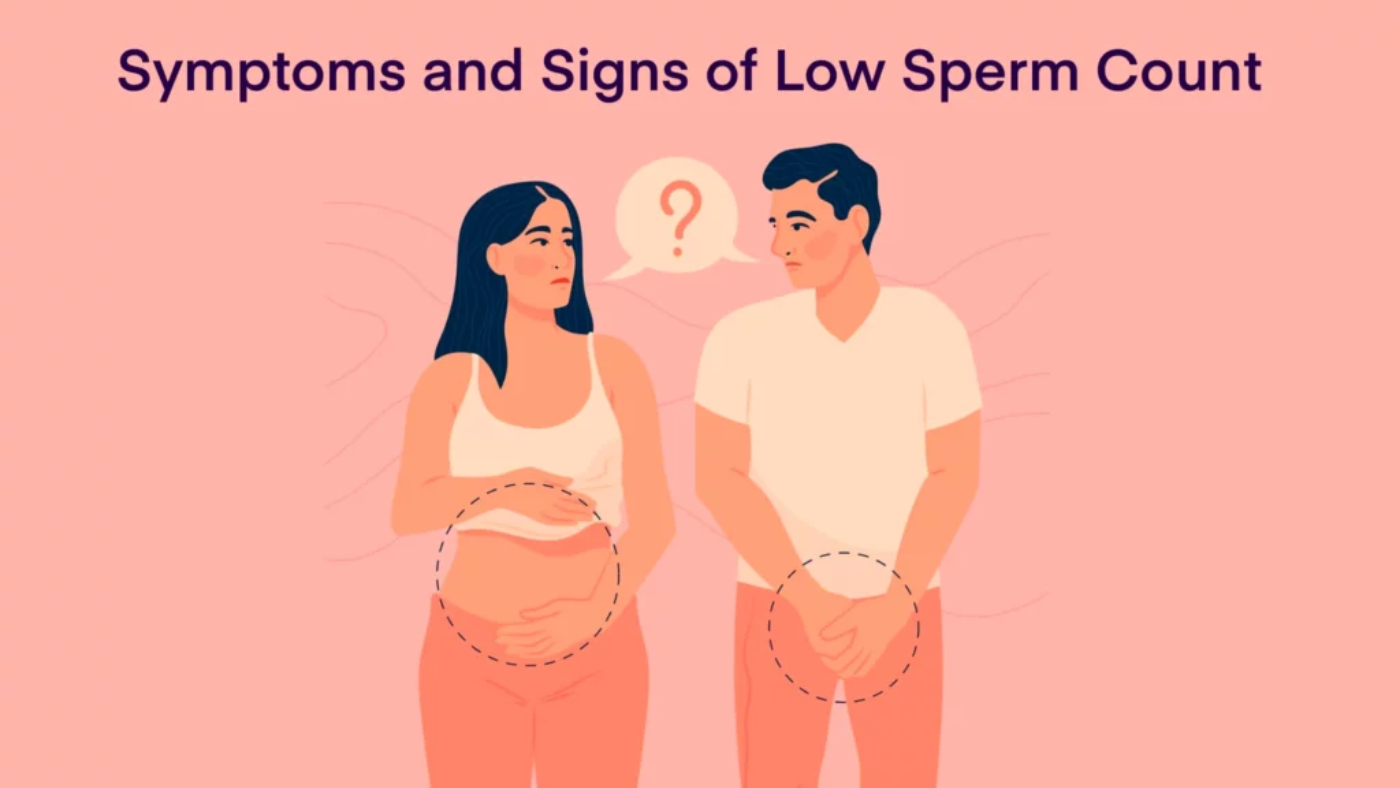
Low Sperm Count: Causes, Symptoms, Fertility Challenges & Treatment Options
Expert Fertility Guidance by Dr. Nitasha Gupta
Low sperm count is one of the most common causes of male infertility worldwide. It affects millions of couples trying to conceive naturally. However, having a low sperm count does not always mean pregnancy is impossible. Many couples successfully conceive naturally or with advanced fertility treatments such as IVF and ICSI.
At Dr. Nitasha Gupta’s fertility and IVF clinic, many couples from Chandigarh, Mohali, Panchkula, Zirakpur, Dhakoli, and Dera Bassi seek expert guidance for male fertility problems, low sperm count treatment, semen analysis, IVF success, and fertility planning.
Understanding the causes, symptoms, and treatment options for low sperm count can significantly improve your chances of starting a family.
What Is Low Sperm Count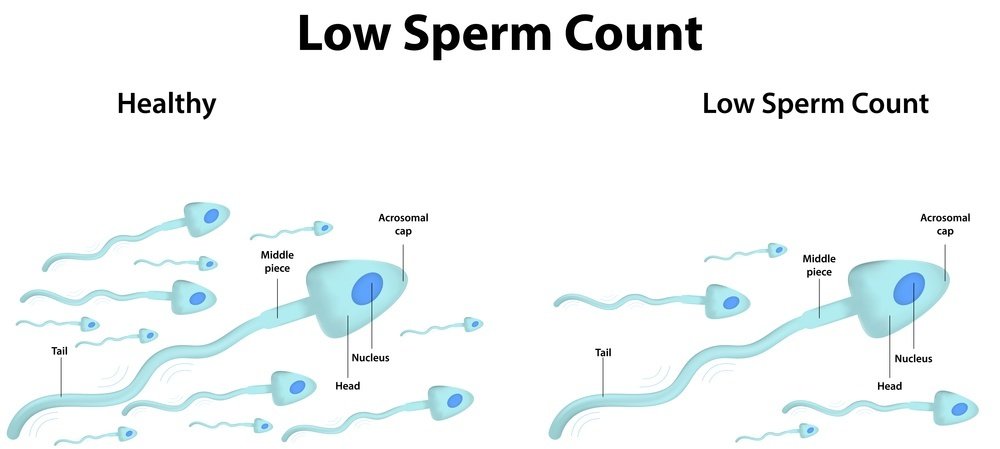
Low sperm count means there are fewer sperm than normal in semen released during ejaculation.
A healthy sperm count is important because sperm must travel to fertilise the egg naturally. When sperm levels are low, it may become harder for pregnancy to occur.
Low sperm count is medically known as:
Oligospermia
In severe cases where there are no sperm in semen, it is called:
Azoospermia
Male infertility can affect men of any age and often goes undiagnosed until couples face difficulty conceiving.
Signs and Symptoms of Low Sperm Count
Most men with low sperm count do not notice obvious symptoms.
The most common sign is:
Difficulty Getting Pregnant
You may discover low sperm count only after fertility testing.
Some men may also experience:
- Reduced sexual function
- Low libido
- Erectile dysfunction
- Pain or swelling in testicles
- Hormonal imbalance signs
- Reduced facial or body hair
- Ejaculation issues
However, many men with low sperm count appear completely healthy.
When Should You See a Fertility Specialist?
You should consult a fertility expert if:
- You and your partner have been trying to conceive for over 1 year without success
- Your partner is above 35 years of age and pregnancy has not occurred after 6 months
- You have a history of testicular injury or surgery
- You have erectile or ejaculation problems
- You had infections affecting reproductive health
- You were exposed to chemicals, heat, or radiation
Early fertility evaluation can improve treatment success rates significantly.
What Causes Low Sperm Count?
Male infertility and low sperm count can happen due to multiple medical, hormonal, environmental, or lifestyle factors.
Common Causes of Low Sperm Count
1. Hormonal Imbalance
Low testosterone or hormonal disorders can affect sperm production.
2. Varicocele
Enlarged veins in the testicles may reduce sperm quality and count.
3. Smoking and Alcohol
Smoking and excessive alcohol consumption are strongly linked to poor sperm health.
4. Obesity
Being overweight may negatively affect testosterone and sperm production.
5. Stress and Poor Sleep
Chronic stress may interfere with reproductive hormones.
6. Heat Exposure
Frequent exposure to high temperatures, hot tubs, laptops on lap, or tight underwear can affect sperm production.
7. Infections
Sexually transmitted infections or untreated reproductive infections may damage sperm health.
8. Recreational Drugs
Use of anabolic steroids, cocaine, or recreational drugs can reduce sperm count significantly.
9. Environmental Chemicals
Exposure to pesticides, solvents, heavy metals, and industrial chemicals may impair fertility.
How Is Low Sperm Count Diagnosed?
The primary test used to diagnose low sperm count is:
Semen Analysis Test
A semen analysis helps evaluate:
- Sperm count
- Sperm movement (motility)
- Sperm shape (morphology)
- Semen volume
- Overall sperm health
If abnormalities are found, repeat testing is often recommended after approximately 3 months because sperm production cycles take time.
Additional fertility tests may include:
- Hormone blood tests
- Ultrasound of testicles
- Urine tests
- Genetic testing
- Advanced sperm function testing
Learn more about semen testing from:
Can You Still Get Pregnant Naturally With Low Sperm Count?
Yes — many couples still conceive naturally even with low sperm count.
Natural conception may still happen if:
- Sperm quality is healthy
- Ovulation timing is correct
- Couples have regular intercourse
- Fertility issues are mild
Doctors usually recommend:
Regular Intercourse Every 2–3 Days
This improves the chances of fertilisation during ovulation.
How to Improve Low Sperm Count Naturally
Many lifestyle changes can improve male fertility and sperm quality.
1. Stop Smoking
Smoking damages sperm DNA and reduces sperm quality.
2. Reduce Alcohol Intake
Limit alcohol consumption to improve hormone balance and sperm health.
3. Maintain Healthy Weight
Weight loss may improve testosterone levels and fertility.
4. Wear Loose-Fitting Underwear
Tight underwear increases testicular temperature and may reduce sperm production.
5. Improve Diet
Eat antioxidant-rich foods including:
- Fruits
- Vegetables
- Nuts
- Seeds
- Protein-rich foods
6. Exercise Regularly
Moderate exercise improves circulation and hormone health.
7. Avoid Recreational Drugs
Steroids and cocaine can severely impact fertility.
8. Reduce Chemical Exposure
Avoid pesticides, solvents, and heavy metals whenever possible.
Best Foods for Male Fertility
Nutrition plays a major role in sperm production.
Fertility-Friendly Foods Include:
- Walnuts
- Pumpkin seeds
- Eggs
- Spinach
- Citrus fruits
- Fish rich in omega-3
- Zinc-rich foods
- Folate-rich vegetables
Healthy nutrition combined with lifestyle improvement may help improve sperm count over time.
Treatment Options for Low Sperm Count
If pregnancy does not occur naturally, fertility treatments may help.
At Dr. Nitasha Gupta’s fertility clinic, personalised male infertility treatment plans are created based on sperm quality, female fertility factors, age, and reproductive history.
IVF Treatment for Low Sperm Count
What Is IVF?
In Vitro Fertilisation (IVF) involves:
- Retrieving eggs from the ovaries
- Fertilising eggs with sperm in a lab
- Transferring embryos into the uterus
IVF is commonly recommended for couples facing fertility challenges.
ICSI Treatment for Severe Male Infertility
What Is ICSI?
Intracytoplasmic Sperm Injection (ICSI) is an advanced fertility procedure where:
- A single healthy sperm is injected directly into the egg
ICSI is highly effective in cases of:
- Very low sperm count
- Poor sperm motility
- Abnormal sperm shape
- Severe male infertility
ICSI has transformed fertility success for many couples struggling with male infertility.
Donor Sperm Treatment
In rare cases where sperm production is extremely low or absent, donor sperm treatment may be considered.
This option is discussed sensitively and privately depending on the couple’s fertility goals.
Emotional Impact of Male Infertility
Male infertility often affects emotional wellbeing, confidence, relationships, and mental health.
Many men silently struggle with:
- Anxiety
- Stress
- Low confidence
- Social pressure
- Emotional guilt
At Dr. Nitasha Gupta’s clinic, fertility counselling and compassionate support are considered equally important alongside medical treatment.
Why Couples Trust Dr. Nitasha Gupta for Fertility Care
Dr. Nitasha Gupta is known for advanced fertility treatment, IVF expertise, women’s healthcare, and patient-focused reproductive care.
Patients across Chandigarh Tricity trust her for:
- Male infertility treatment
- IVF and ICSI procedures
- Fertility counselling
- High-risk pregnancy care
- Advanced reproductive solutions
- Personalised fertility treatment plans
Her evidence-based approach combines modern fertility science with compassionate patient care.
FAQs About Low Sperm Count
Can low sperm count be cured?
In many cases, lifestyle changes, medications, surgery, or fertility treatments can improve fertility outcomes.
Can I get my wife pregnant with low sperm count?
Yes. Natural conception is still possible in many cases, especially with mild sperm count reduction.
Which test checks sperm count?
A semen analysis test is the main test used to evaluate sperm count and quality.
Is IVF necessary for low sperm count?
Not always. Some couples conceive naturally, while others may need IVF or ICSI depending on severity.
How long does it take to improve sperm count?
Sperm production cycles take approximately 2–3 months, so improvements may take time.
Does tight underwear affect sperm count?
Yes. Excessive heat around the testicles may negatively affect sperm production.
Final Thoughts
Low sperm count is common and treatable. Advances in fertility care, IVF, and ICSI have helped millions of couples achieve successful pregnancies.
Early diagnosis, healthy lifestyle changes, and expert fertility guidance can make a major difference.
If you and your partner are facing difficulty conceiving, consult Dr. Nitasha Gupta for personalised fertility evaluation and advanced reproductive care.
Leave A Comment