IVF vs IUI: Which Fertility Treatment Is Right for You? (2026 Guide)
Introduction
If you and your partner have been trying to conceive without success, you may have come across two common fertility treatments: IUI (Intrauterine Insemination) and IVF (In Vitro Fertilization). One of the most frequently asked questions by couples is: “IVF vs IUI – which fertility treatment is better?”
The answer depends on several factors, including age, fertility history, reproductive health, sperm quality, ovarian reserve, and the underlying cause of infertility.
As an experienced Fertility Specialist in Chandigarh, Dr. Nitasha Gupta helps couples choose the most effective fertility treatment based on their individual needs and fertility goals.
In this comprehensive guide, we’ll compare IVF vs IUI, including success rates, costs, procedures, benefits, risks, and who is the ideal candidate for each treatment.
Understanding Fertility Treatment Options
Modern fertility treatments have helped millions of couples achieve parenthood. Among the most common treatments are:
IUI (Intrauterine Insemination)
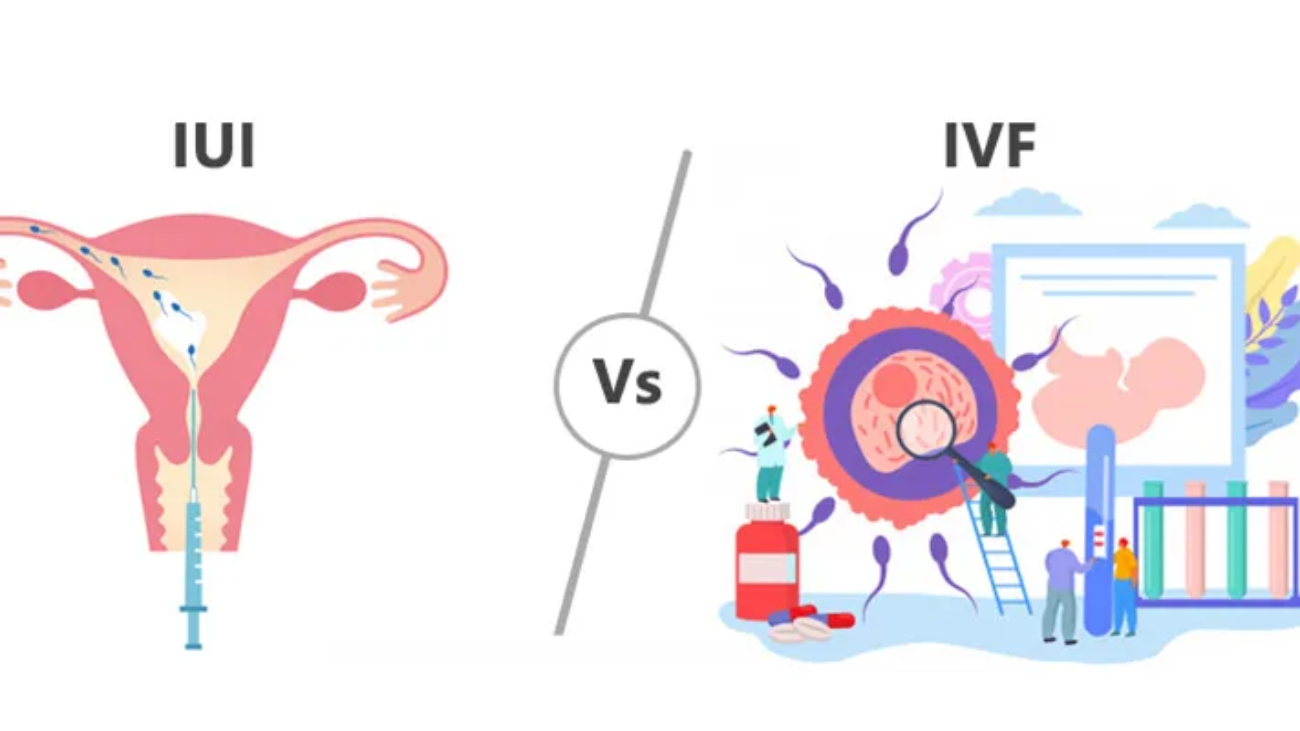
IUI is a fertility treatment where specially prepared sperm is directly placed inside the uterus around ovulation, increasing the chances of fertilization.
IVF (In Vitro Fertilization)
IVF is an advanced fertility treatment where eggs are retrieved from the ovaries, fertilized with sperm in a laboratory, and then transferred into the uterus.
Learn more about our IVF Treatment in Chandigarh:
👉 https://www.drnitashagupta.com/ivf-treatment-chandigarh/
What Is IUI?
How Does IUI Work?
The IUI procedure involves:
Step 1: Ovulation Monitoring
The woman’s ovulation cycle is tracked using ultrasound and hormonal monitoring.
Step 2: Sperm Preparation
A semen sample is processed to select the healthiest sperm.
Step 3: Insemination
The prepared sperm is placed directly inside the uterus using a thin catheter.
Step 4: Pregnancy Test
A pregnancy test is typically performed after two weeks.
Who Is a Good Candidate for IUI?
IUI treatment may be suitable for:
- Mild male infertility
- Unexplained infertility
- Ovulation disorders
- Cervical factor infertility
- Couples using donor sperm
- Young women with healthy fallopian tubes
What Is IVF?

How Does IVF Work?
The IVF process consists of several stages:
Step 1: Ovarian Stimulation
Fertility medications stimulate the ovaries to produce multiple eggs.
Step 2: Egg Retrieval
Mature eggs are collected using a minimally invasive procedure.
Step 3: Fertilization
The eggs are fertilized with sperm in a laboratory.
Step 4: Embryo Development
Embryos are monitored for growth and quality.
Step 5: Embryo Transfer
The healthiest embryo is transferred into the uterus.
Learn more about IVF Success Rate in Chandigarh:
👉 https://www.drnitashagupta.com/ivf-success-rate-chandigarh/
IVF vs IUI: Key Differences
| Factor | IUI | IVF |
|---|---|---|
| Procedure | Sperm placed inside uterus | Fertilization occurs in laboratory |
| Complexity | Simple | Advanced |
| Cost | Lower | Higher |
| Success Rate | Lower | Higher |
| Time Required | Shorter | Longer |
| Suitable For | Mild infertility | Moderate to severe infertility |
| Embryo Selection | Not possible | Possible |
| Genetic Testing | Not available | Available |
IVF vs IUI Success Rates
Success rates vary based on age, fertility diagnosis, sperm quality, and reproductive health.
IUI Success Rate
Women Under 35
10–20% per cycle
Women Aged 35–40
8–15% per cycle
Women Above 40
5–10% per cycle
IVF Success Rate
Women Under 35
50–60%
Women Aged 35–37
40–50%
Women Aged 38–40
25–40%
Women Above 40
10–25%
According to the American Society for Reproductive Medicine (ASRM), IVF generally offers higher pregnancy rates than IUI in couples with significant fertility challenges.
Source:
https://www.asrm.org
When Should You Choose IUI?
Your fertility specialist may recommend IUI if:
- You are under 35 years of age
- Fallopian tubes are open
- Sperm parameters are mildly affected
- Ovulation is occurring regularly
- Infertility is unexplained
IUI is often considered the first-line fertility treatment before IVF.
When Should You Choose IVF?
IVF treatment may be recommended if:
- Fallopian tubes are blocked
- Low AMH levels are present
- Endometriosis affects fertility
- Severe male infertility exists
- Multiple IUI cycles have failed
- Advanced maternal age is a concern
- Recurrent pregnancy loss has occurred
Explore our Fertility Specialist Chandigarh services:
👉 https://www.drnitashagupta.com/fertility-specialist-chandigarh/
IVF vs IUI Cost Comparison
IUI Cost
IUI is generally less expensive because the procedure is simpler and requires fewer medications.
IVF Cost
IVF is more expensive due to:
- Fertility injections
- Egg retrieval
- Laboratory fertilization
- Embryo culture
- Embryo transfer
Learn more about IVF Cost in Chandigarh:
👉 https://www.drnitashagupta.com/ivf-cost-chandigarh/
Factors That Determine the Best Fertility Treatment
Choosing between IVF and IUI depends on several factors.
Female Factors
Age
Female fertility naturally declines after age 35.
Ovarian Reserve
Low ovarian reserve may favor IVF treatment.
Hormonal Health
Conditions like PCOS can impact fertility outcomes.
Learn about PCOS Treatment Chandigarh:
👉 https://www.drnitashagupta.com/pcos-treatment-chandigarh/
Endometriosis
Advanced endometriosis often requires IVF.
Male Factors
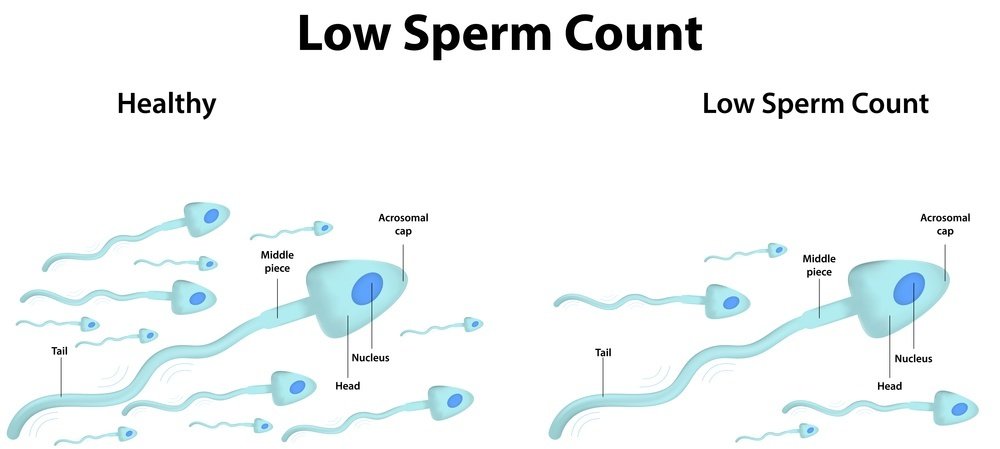
Sperm Count
Low sperm count may reduce IUI success rates.
Sperm Motility
Poor sperm movement may affect natural fertilization.
Sperm Morphology
Abnormal sperm shape can impact conception.
Read more:
👉 https://www.drnitashagupta.com/male-infertility-panchkula-symptoms-tests-treatment/
Can IVF Be More Cost-Effective Than Multiple IUI Cycles?
Many couples undergo multiple failed IUI cycles before considering IVF.
In cases involving:
- Low AMH
- Endometriosis
- Severe male infertility
- Advanced maternal age
IVF may result in pregnancy faster and may ultimately be more cost-effective.
Benefits of IVF
Higher Success Rates
IVF generally offers significantly higher success rates than IUI.
Embryo Selection
Doctors can choose healthy embryos for transfer.
Genetic Testing
Preimplantation genetic testing may identify genetic abnormalities before pregnancy.
Fertility Preservation
IVF supports egg freezing and embryo freezing options.
Benefits of IUI
Less Invasive
IUI does not require surgery or egg retrieval.
Lower Cost
IUI is generally more affordable.
Simpler Procedure
The procedure is quick and typically painless.
Why Choose Dr. Nitasha Gupta for Fertility Treatment in Chandigarh?
Dr. Nitasha Gupta provides evidence-based fertility care for couples across Chandigarh, Mohali, Panchkula, Zirakpur, and nearby regions.
Areas of Expertise
- IVF Treatment
- IUI Treatment
- Male Infertility
- Female Infertility
- Low AMH Management
- PCOS Treatment
- Fertility Preservation
- Pregnancy Planning
What Sets Her Apart?
✔ Personalized treatment plans
✔ Advanced fertility assessment
✔ Ethical and transparent care
✔ Comprehensive infertility evaluation
✔ Modern fertility treatment options
About Dr. Nitasha Gupta
Dr. Nitasha Gupta is a trusted fertility specialist and gynecologist dedicated to helping couples achieve their dream of parenthood. She provides individualized fertility treatment plans based on scientific evidence, fertility history, and patient goals. Her expertise includes IVF, IUI, fertility preservation, PCOS management, infertility treatment, and reproductive health care.
Trusted External Resources
For further reading:
World Health Organization (WHO)
American Society for Reproductive Medicine (ASRM)
Centers for Disease Control and Prevention (CDC Fertility)
Frequently Asked Questions (FAQs)
Is IVF more successful than IUI?
Yes. IVF generally has higher success rates than IUI, especially for women over 35 years of age and couples with complex fertility challenges.
How many IUI cycles should I try before IVF?
Most fertility specialists recommend attempting 3–4 IUI cycles before considering IVF if pregnancy has not occurred.
Which fertility treatment is more affordable?
IUI is generally less expensive than IVF. However, IVF may provide faster results in some cases.
Can IVF help with low AMH?
Yes. IVF is commonly recommended for women with low ovarian reserve or low AMH levels.
Can I get pregnant naturally after failed IUI?
Yes. Depending on the underlying fertility condition, natural conception may still be possible.
Who is the ideal candidate for IVF?
Women with blocked fallopian tubes, severe endometriosis, low AMH, recurrent failed IUI cycles, or significant male infertility may benefit from IVF.
Is IUI painful?
Most women experience minimal discomfort during IUI, and the procedure usually takes only a few minutes.
Which treatment should I choose: IVF or IUI?
The best treatment depends on your age, fertility diagnosis, reproductive history, and fertility goals. Consulting a fertility specialist can help determine the most appropriate option.