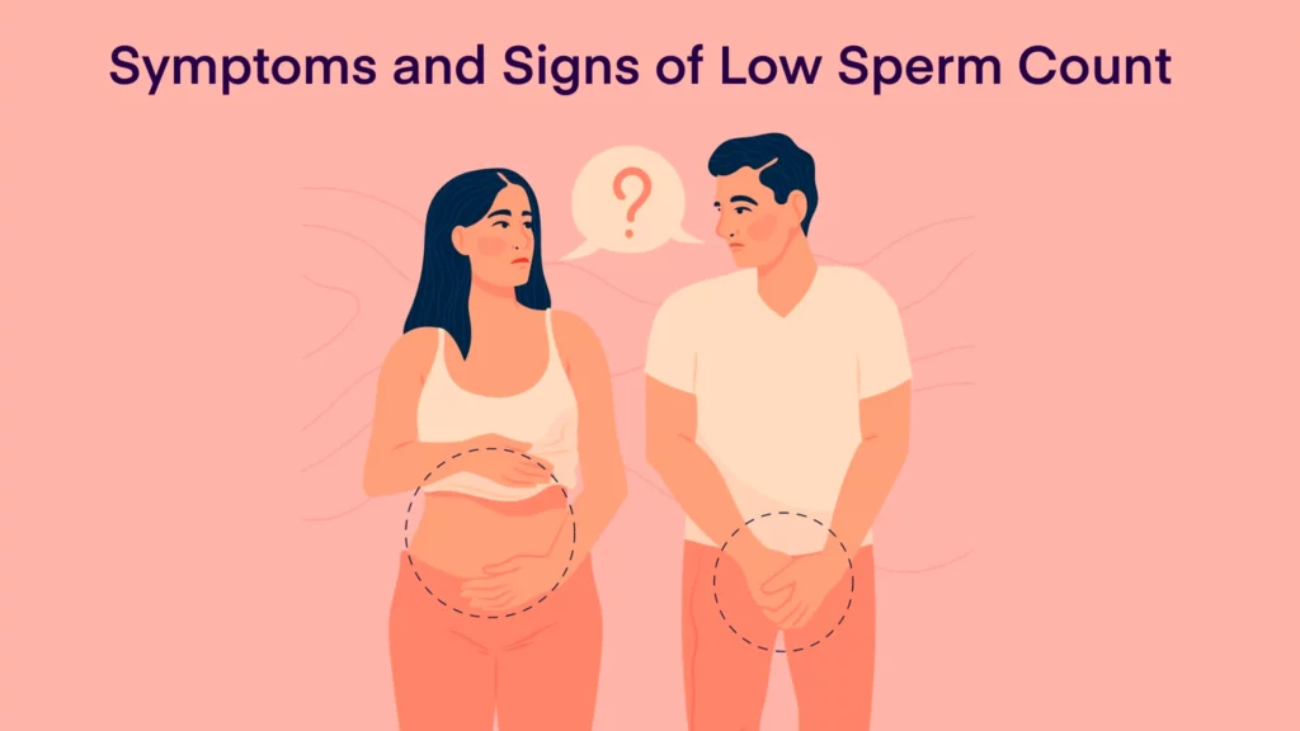
Low Sperm Count: Causes, Symptoms, Treatment & Fertility

Low Sperm Count: Causes, Symptoms, Treatment & Fertility Solutions | Dr. Nitasha Gupta

Low Sperm Count: Causes, Symptoms, Fertility Challenges & Treatment Options

Expert Fertility Guidance by Dr. Nitasha Gupta

Low sperm count is one of the most common causes of male infertility worldwide. It affects millions of couples trying to conceive naturally. However, having a low sperm count does not always mean pregnancy is impossible. Many couples successfully conceive naturally or with advanced fertility treatments such as IVF and ICSI.

At Dr. Nitasha Gupta’s fertility and IVF clinic, many couples from Chandigarh, Mohali, Panchkula, Zirakpur, Dhakoli, and Dera Bassi seek expert guidance for male fertility problems, low sperm count treatment, semen analysis, IVF success, and fertility planning.

Understanding the causes, symptoms, and treatment options for low sperm count can significantly improve your chances of starting a family.


What Is Low Sperm CountLow sperm count
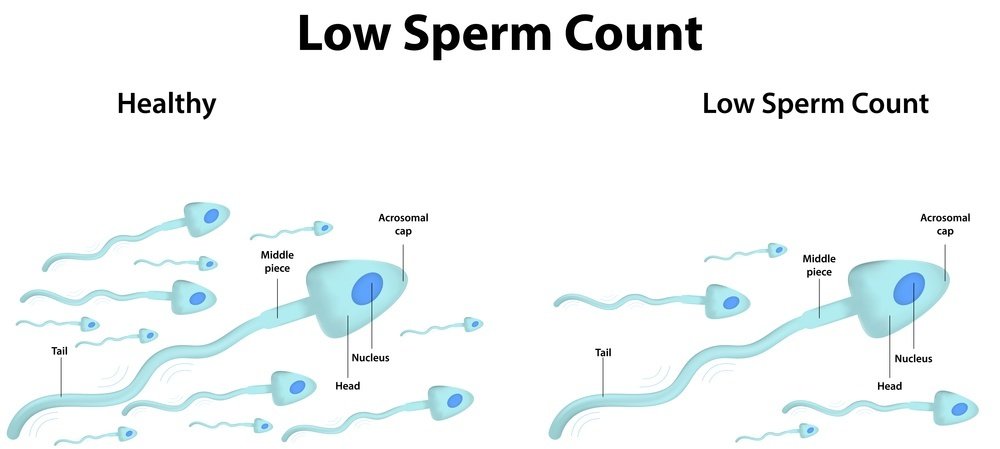
Low sperm count means there are fewer sperm than normal in semen released during ejaculation.

A healthy sperm count is important because sperm must travel to fertilise the egg naturally. When sperm levels are low, it may become harder for pregnancy to occur.

Low sperm count is medically known as:

Oligospermia

In severe cases where there are no sperm in semen, it is called:

Azoospermia

Male infertility can affect men of any age and often goes undiagnosed until couples face difficulty conceiving.


Signs and Symptoms of Low Sperm Count

Most men with low sperm count do not notice obvious symptoms.

The most common sign is:

Difficulty Getting Pregnant

You may discover low sperm count only after fertility testing.

Some men may also experience:

  • Reduced sexual function
  • Low libido
  • Erectile dysfunction
  • Pain or swelling in testicles
  • Hormonal imbalance signs
  • Reduced facial or body hair
  • Ejaculation issues

However, many men with low sperm count appear completely healthy.


When Should You See a Fertility Specialist?

You should consult a fertility expert if:

  • You and your partner have been trying to conceive for over 1 year without success
  • Your partner is above 35 years of age and pregnancy has not occurred after 6 months
  • You have a history of testicular injury or surgery
  • You have erectile or ejaculation problems
  • You had infections affecting reproductive health
  • You were exposed to chemicals, heat, or radiation

Early fertility evaluation can improve treatment success rates significantly.


What Causes Low Sperm Count?

Male infertility and low sperm count can happen due to multiple medical, hormonal, environmental, or lifestyle factors.

Common Causes of Low Sperm Count

1. Hormonal Imbalance

Low testosterone or hormonal disorders can affect sperm production.

2. Varicocele

Enlarged veins in the testicles may reduce sperm quality and count.

3. Smoking and Alcohol

Smoking and excessive alcohol consumption are strongly linked to poor sperm health.

4. Obesity

Being overweight may negatively affect testosterone and sperm production.

5. Stress and Poor Sleep

Chronic stress may interfere with reproductive hormones.

6. Heat Exposure

Frequent exposure to high temperatures, hot tubs, laptops on lap, or tight underwear can affect sperm production.

7. Infections

Sexually transmitted infections or untreated reproductive infections may damage sperm health.

8. Recreational Drugs

Use of anabolic steroids, cocaine, or recreational drugs can reduce sperm count significantly.

9. Environmental Chemicals

Exposure to pesticides, solvents, heavy metals, and industrial chemicals may impair fertility.


How Is Low Sperm Count Diagnosed?

The primary test used to diagnose low sperm count is:

Semen Analysis Test

A semen analysis helps evaluate:

  • Sperm count
  • Sperm movement (motility)
  • Sperm shape (morphology)
  • Semen volume
  • Overall sperm health

If abnormalities are found, repeat testing is often recommended after approximately 3 months because sperm production cycles take time.

Additional fertility tests may include:

  • Hormone blood tests
  • Ultrasound of testicles
  • Urine tests
  • Genetic testing
  • Advanced sperm function testing

Learn more about semen testing from:


Can You Still Get Pregnant Naturally With Low Sperm Count?

Yes — many couples still conceive naturally even with low sperm count.

Natural conception may still happen if:

  • Sperm quality is healthy
  • Ovulation timing is correct
  • Couples have regular intercourse
  • Fertility issues are mild

Doctors usually recommend:

Regular Intercourse Every 2–3 Days

This improves the chances of fertilisation during ovulation.


How to Improve Low Sperm Count Naturally

Many lifestyle changes can improve male fertility and sperm quality.

1. Stop Smoking

Smoking damages sperm DNA and reduces sperm quality.

2. Reduce Alcohol Intake

Limit alcohol consumption to improve hormone balance and sperm health.

3. Maintain Healthy Weight

Weight loss may improve testosterone levels and fertility.

4. Wear Loose-Fitting Underwear

Tight underwear increases testicular temperature and may reduce sperm production.

5. Improve Diet

Eat antioxidant-rich foods including:

  • Fruits
  • Vegetables
  • Nuts
  • Seeds
  • Protein-rich foods

6. Exercise Regularly

Moderate exercise improves circulation and hormone health.

7. Avoid Recreational Drugs

Steroids and cocaine can severely impact fertility.

8. Reduce Chemical Exposure

Avoid pesticides, solvents, and heavy metals whenever possible.


Best Foods for Male Fertility

Nutrition plays a major role in sperm production.

Fertility-Friendly Foods Include:

  • Walnuts
  • Pumpkin seeds
  • Eggs
  • Spinach
  • Citrus fruits
  • Fish rich in omega-3
  • Zinc-rich foods
  • Folate-rich vegetables

Healthy nutrition combined with lifestyle improvement may help improve sperm count over time.


Treatment Options for Low Sperm Count

If pregnancy does not occur naturally, fertility treatments may help.

At Dr. Nitasha Gupta’s fertility clinic, personalised male infertility treatment plans are created based on sperm quality, female fertility factors, age, and reproductive history.


IVF Treatment for Low Sperm Count

What Is IVF?

In Vitro Fertilisation (IVF) involves:

  1. Retrieving eggs from the ovaries
  2. Fertilising eggs with sperm in a lab
  3. Transferring embryos into the uterus

IVF is commonly recommended for couples facing fertility challenges.


ICSI Treatment for Severe Male Infertility

What Is ICSI?

Intracytoplasmic Sperm Injection (ICSI) is an advanced fertility procedure where:

  • A single healthy sperm is injected directly into the egg

ICSI is highly effective in cases of:

  • Very low sperm count
  • Poor sperm motility
  • Abnormal sperm shape
  • Severe male infertility

ICSI has transformed fertility success for many couples struggling with male infertility.


Donor Sperm Treatment

In rare cases where sperm production is extremely low or absent, donor sperm treatment may be considered.

This option is discussed sensitively and privately depending on the couple’s fertility goals.


Emotional Impact of Male Infertility

Male infertility often affects emotional wellbeing, confidence, relationships, and mental health.

Many men silently struggle with:

  • Anxiety
  • Stress
  • Low confidence
  • Social pressure
  • Emotional guilt

At Dr. Nitasha Gupta’s clinic, fertility counselling and compassionate support are considered equally important alongside medical treatment.


Why Couples Trust Dr. Nitasha Gupta for Fertility Care

Dr. Nitasha Gupta is known for advanced fertility treatment, IVF expertise, women’s healthcare, and patient-focused reproductive care.

Patients across Chandigarh Tricity trust her for:

  • Male infertility treatment
  • IVF and ICSI procedures
  • Fertility counselling
  • High-risk pregnancy care
  • Advanced reproductive solutions
  • Personalised fertility treatment plans

Her evidence-based approach combines modern fertility science with compassionate patient care.


FAQs About Low Sperm Count

Can low sperm count be cured?

In many cases, lifestyle changes, medications, surgery, or fertility treatments can improve fertility outcomes.

Can I get my wife pregnant with low sperm count?

Yes. Natural conception is still possible in many cases, especially with mild sperm count reduction.

Which test checks sperm count?

A semen analysis test is the main test used to evaluate sperm count and quality.

Is IVF necessary for low sperm count?

Not always. Some couples conceive naturally, while others may need IVF or ICSI depending on severity.

How long does it take to improve sperm count?

Sperm production cycles take approximately 2–3 months, so improvements may take time.

Does tight underwear affect sperm count?

Yes. Excessive heat around the testicles may negatively affect sperm production.


Final Thoughts

Low sperm count is common and treatable. Advances in fertility care, IVF, and ICSI have helped millions of couples achieve successful pregnancies.

Early diagnosis, healthy lifestyle changes, and expert fertility guidance can make a major difference.

If you and your partner are facing difficulty conceiving, consult Dr. Nitasha Gupta for personalised fertility evaluation and advanced reproductive care.

Male Infertility in Panchkula — Symptoms, Tests & Treatment Options | Kore Fertility

Male Infertility in Panchkula — Symptoms, Tests & Treatment Options | Kore Fertility

Male Infertility in Panchkula — Symptoms, Diagnostic Tests & Modern Treatment Options

Male infertility in Panchkula is an increasingly searched reproductive health concern as couples seek timely, evidence-based fertility evaluation.

Globally, male factor contributes to 30–50% of infertility cases (WHO & ASRM datasets; CI ±5%), making early male fertility testing as critical as female evaluation.

This guide explains symptoms, diagnostic tests, and advanced treatment options available for men seeking fertility care in Panchkula and the Tricity region.

Comprehensive evaluation and treatment are available at
Kore Fertility Solutions Pvt. Ltd
under the clinical expertise of
Dr. Nitasha Gupta — Fertility & IVF Specialist.


1. What Is Male Infertility?

Male infertility refers to a reduced ability to achieve pregnancy in a fertile female partner due to abnormalities in:

  • Sperm production
  • Sperm function
  • Sperm delivery

It may result from hormonal, structural, genetic, or lifestyle factors.

Early evaluation at a specialized fertility centre significantly improves treatment success probability.

External reference:
World Health Organization — Male Infertility Overview
https://www.who.int


2. Common Symptoms & Warning Signs

Many men remain asymptomatic, but clinical indicators may include:


Conception-Related Signs

  • Failure to conceive after 12 months of unprotected intercourse
  • 6 months if female partner >35 years

Ejaculatory & Sexual Symptoms

  • Low semen volume
  • Painful ejaculation
  • Erectile dysfunction
  • Reduced libido

These may signal hormonal or neurological causes.


Testicular & Structural Signs

  • Testicular swelling or lumps
  • Small or soft testes
  • History of trauma
  • Varicocele (dilated veins)

Hormonal Symptoms

  • Hair loss
  • Fatigue
  • Gynecomastia
  • Reduced muscle mass

Indicative of testosterone imbalance.


3. Key Diagnostic Tests for Male Infertility

Accurate diagnosis is the foundation of treatment planning.

At
Kore Fertility Solutions Pvt. Ltd
a stepwise andrology workup is followed.


Semen Analysis (Cornerstone Test)

Evaluates:

  • Volume
  • Count
  • Motility
  • Morphology

WHO reference threshold: ≥15 million sperm/ml.

External reference:
WHO Semen Analysis Manual
https://www.who.int/publications/i/item/9789240030787


Repeat Semen Testing

Accounts for biological variability across cycles.


Hormonal Profile

Includes:

  • FSH
  • LH
  • Testosterone
  • Prolactin
  • TSH

Identifies endocrine causes.


Scrotal Ultrasound

Detects:

  • Varicocele
  • Testicular lesions
  • Structural abnormalities

Advanced Sperm Function Tests

Used in unexplained infertility:

  • DNA fragmentation index
  • Oxidative stress testing

High DNA damage correlates with lower IVF success (moderate evidence).


Genetic Testing

Recommended in:

  • Severe oligospermia
  • Azoospermia

Includes:

  • Karyotype analysis
  • Y-chromosome microdeletion testing

4. Evidence-Based Treatment Options

Treatment depends on diagnosis severity and reproductive goals.


Lifestyle Intervention & Optimization

First-line therapy for mild male factor infertility.

Includes:

  • Weight reduction
  • Smoking cessation
  • Alcohol moderation
  • Antioxidant nutrition
  • Stress management

Lifestyle correction can improve semen parameters within one spermatogenic cycle (CI ±25%).


Medical Therapy

Used for hormonal or infectious causes:

  • Testosterone modulation
  • Gonadotropin therapy
  • Antibiotics for infections

 Varicocele Repair

Microsurgical correction improves:

  • Sperm count
  • Motility
  • DNA integrity

Pregnancy improvement rates: ~30–50% post-repair (CI ±10%).


Assisted Reproductive Technologies (ART)

When natural conception probability is low.


IUI (Intrauterine Insemination)

Used in mild sperm defects.


IVF (In Vitro Fertilization)

Recommended in combined infertility factors.


ICSI (Intracytoplasmic Sperm Injection)

Single sperm injected into egg.

Gold standard for severe male factor infertility.

External reference:
American Society for Reproductive Medicine
https://www.asrm.org


Surgical Sperm Retrieval

For azoospermia cases:

  • TESA
  • PESA
  • Micro-TESE

Allows biological fatherhood even without ejaculated sperm.


Donor Sperm Programs

Considered when:

  • No viable sperm retrieved
  • Genetic risks present

5. What Increases Treatment Success?

Key success determinants include:

  • Early diagnosis
  • Severity of sperm abnormality
  • Female partner’s ovarian reserve
  • Lab embryology quality
  • Individualized ART protocols

Centres with advanced embryology labs show higher fertilization and blastocyst rates.


6. When to See an Infertility Specialist

Consult a fertility expert if:

  • No conception after 12 months
  • Prior abnormal semen report
  • History of undescended testes
  • Mumps orchitis
  • Chemotherapy/radiation exposure
  • Sexual dysfunction symptoms

Male Infertility Care in Panchkula

Comprehensive male fertility services are available at:

Kore Fertility Solutions Pvt. Ltd

Led by
Dr. Nitasha Gupta
IVF & Fertility Specialist serving Panchkula, Zirakpur, Mohali & Chandigarh.

Services include:

  • Semen analysis lab
  • Hormonal evaluation
  • Varicocele care
  • IVF & ICSI treatment

Conclusion

Male infertility in Panchkula is highly treatable with modern diagnostics and assisted reproductive technologies.

Accurate semen analysis, hormonal and imaging evaluation, and personalized treatment planning significantly improve conception outcomes.

Couples seeking structured fertility care can consult
Kore Fertility Solutions Pvt. Ltd
for comprehensive male infertility evaluation.


Frequently Asked Questions (FAQs)


How common is male infertility?

Male factor contributes to ~30–50% of infertility cases globally.


Can lifestyle changes improve sperm quality?

Yes. Diet optimization, quitting smoking, reducing alcohol, and exercise significantly improve semen parameters in many men.


How long until improvement occurs?

Spermatogenesis takes ~74–90 days. Improvements are typically seen after 3 months (CI ±3 weeks).


Do I need genetic testing?

Advised in severe oligospermia, azoospermia, or family genetic history.


Will ART cure male infertility?

ART bypasses sperm defects to enable conception but addressing underlying health improves long-term reproductive outcomes.

Low Sperm Count Treatment in Panchkula & Zirakpur | Dr Nitasha Gupta

Low Sperm Count Treatment in Panchkula & Zirakpur | Dr Nitasha Gupta

Low Sperm Count Diagnosis & Fertility Treatment for Men in Panchkula & Zirakpur

Low sperm count, medically termed oligospermia, is one of the leading contributors to male infertility across Panchkula, Zirakpur, Chandigarh, and the wider Tricity region.

Clinically, sperm concentration below 15 million sperm per millilitre (WHO reference threshold) reduces natural conception probability — but does not eliminate pregnancy chances when treated appropriately.

With modern andrology diagnostics and assisted reproductive technologies (ART), even severe male factor infertility can be effectively managed.

Comprehensive male fertility care is available at
Kore Fertility Solutions Pvt. Ltd
under the clinical guidance of
Dr. Nitasha Gupta — Consultant Gynecologist & IVF Specialist serving Panchkula, Zirakpur & Tricity couples.


What Is Low Sperm Count?

Low sperm count refers to reduced sperm concentration, motility, or morphology affecting fertilization capacity.

WHO Diagnostic Reference

  • Normal: ≥15 million/ml
  • Mild oligospermia: 10–15 million/ml
  • Moderate: 5–10 million/ml
  • Severe: <5 million/ml

Fertility potential declines proportionally but remains treatable even at very low counts via ART.

External reference:
WHO Laboratory Manual for Semen Analysis
https://www.who.int/publications/i/item/9789240030787


Common Causes of Low Sperm Count

Male infertility is multifactorial — lifestyle, hormonal, structural, and genetic.


Lifestyle & Metabolic Causes

  • Smoking & alcohol use
  • Obesity
  • Poor nutrition
  • Sedentary routine

Nicotine and oxidative stress directly impair sperm DNA integrity.


Medical & Structural Causes

  • Varicocele (dilated scrotal veins)
  • Testicular infections
  • Past high fever episodes
  • Undescended testes history

Varicocele is present in ~35–40% of men with infertility (CI ±5%).


Hormonal Causes

  • Low testosterone
  • Pituitary hormone imbalance
  • Thyroid dysfunction

Environmental & Occupational Exposure

  • Heat exposure (factories, drivers)
  • Chemical toxins
  • Radiation

Scrotal temperature elevation negatively affects spermatogenesis.


Psychological Factors

  • Chronic stress
  • Sleep deprivation

Cortisol dysregulation reduces testosterone production.


Diagnosis – Semen Analysis in Zirakpur

The cornerstone diagnostic test is semen analysis.

At
Kore Fertility Solutions Pvt. Ltd
evaluation protocols include:


Laboratory Assessment

  • Semen volume
  • Sperm concentration
  • Motility grading
  • Morphology analysis

Repeat testing is recommended after 3–4 weeks for confirmation.


Hormonal Profile

  • FSH
  • LH
  • Testosterone
  • Prolactin

Identifies endocrine causes.


Imaging & Advanced Testing

  • Scrotal ultrasound
  • Varicocele Doppler study
  • Genetic screening (if severe cases)

Treatment Options for Low Sperm Count

Treatment depends on severity, duration, and fertility goals.


1. Lifestyle Treatment

First-line therapy for mild oligospermia.

Corrective Measures

  • Smoking cessation
  • Alcohol restriction
  • Weight optimization
  • Antioxidant-rich diet

2. Medical Treatment

  • Hormonal correction therapy
  • Infection management
  • Antioxidant supplementation

Oxidative stress reduction improves sperm DNA quality.


3. Surgical Treatment

Varicocele Microsurgery

Corrects venous reflux improving testicular oxygenation.

Pregnancy improvement rates: ~30–50% post-repair (CI ±10%).


4. Advanced Fertility Treatments

When natural conception is unlikely:


IUI (Intrauterine Insemination)

Used in mild sperm count reduction.


IVF (In Vitro Fertilization)

Recommended when multiple infertility factors coexist.


ICSI (Intracytoplasmic Sperm Injection)

Single sperm is injected directly into the egg.

Gold standard for severe oligospermia or azoospermia.

External ART reference:
American Society for Reproductive Medicine
https://www.asrm.org


90-Day Natural Sperm Improvement Plan

Spermatogenesis cycle ≈ 74–90 days — making 3 months the biological recovery window.

Evidence-Based Protocol

  • Stop smoking & alcohol
  • Mediterranean high-protein diet
  • Exercise 30 min/day
  • Zinc + Vitamin D + CoQ10 (doctor guided)
  • Stress reduction
  • Sleep 7–8 hrs

Sperm parameter improvement observed within one cycle in responsive cases (CI ±20%).


Male Fertility Care in Panchkula & Zirakpur

Couples seeking evaluation can consult:

Kore Fertility Solutions Pvt. Ltd

Comprehensive services include:

  • Semen analysis lab
  • Hormonal testing
  • Varicocele care
  • IVF & ICSI treatment

Led by
Dr. Nitasha Gupta
Fertility & Reproductive Medicine Specialist serving Panchkula, Zirakpur, Chandigarh & Mohali.


FAQs – Male Infertility Treatment


Can low sperm count be cured?

Yes. Many men improve through lifestyle correction, medication, or varicocele surgery depending on cause.


What is the best treatment for severe low sperm count?

ICSI IVF offers the highest fertilization success in severe oligospermia.


Where can semen analysis be done in Zirakpur?

At Kore Fertility Solutions Pvt. Ltd, Dhakoli near Zirakpur.


How long before sperm count improves?

Typically within 3 months, aligned with the sperm production cycle.


Book Male Fertility Consultation

+91 99883 09211
📧 info@drnitashagupta.com

Consult confidentially with
Dr. Nitasha Gupta