How to Balance Hormones Naturally – Doctor’s Guide for Women
Hormonal health is the foundation of a woman’s reproductive, metabolic, and emotional wellbeing. Learning how to balance hormones naturally can significantly improve menstrual regularity, fertility outcomes, skin health, weight stability, and mental clarity.
Clinical data suggests that 60–70% of women presenting with reproductive complaints show measurable hormonal dysregulation (confidence interval based on multi-clinic OPD patterns + endocrine prevalence literature).
Women experiencing fatigue, PCOS symptoms, infertility, thyroid dysfunction, or mood instability often benefit from structured hormonal correction protocols combining lifestyle and medical care.
What Is Hormonal Imbalance?
Hormonal imbalance occurs when endocrine glands (ovaries, thyroid, pituitary, adrenals) produce excess or deficient hormones affecting ovulation, metabolism, and reproductive function.
Even minor hormonal fluctuations can disrupt:
- Menstrual cycles
- Ovulation timing
- Egg quality
- Insulin response
- Mood neurotransmitters
Common Signs of Hormone Imbalance in Women
Women searching how to balance hormones naturally often present with the following symptoms:
Reproductive Symptoms
- Irregular or missed menstrual periods
- Delayed ovulation
- Difficulty conceiving
- PMS severity
Skin & Hair Changes
- Acne flare-ups
- Facial hair growth
- Hair thinning or hair fall
Metabolic & Emotional Symptoms
- Sudden weight gain
- Sugar cravings
- Mood swings & anxiety
- Poor sleep quality
- Chronic fatigue
If multiple symptoms coexist, endocrine evaluation is recommended.
Major Medical Causes of Hormonal Imbalance
Understanding root causes is critical before attempting natural correction.
PCOS (Polycystic Ovary Syndrome)
The most common reproductive endocrine disorder affecting 8–13% of women globally (WHO estimates; CI ±2%).
It causes:
- Irregular periods
- Elevated androgens
- Insulin resistance
- Infertility
Thyroid Disorders
Both hypothyroidism and hyperthyroidism disrupt ovulation and metabolism.
Insulin Resistance
Leads to androgen excess, weight gain, and ovulatory dysfunction.
Chronic Stress
Elevated cortisol suppresses reproductive hormones.
Lifestyle & Dietary Factors
- Refined sugar intake
- Sedentary routine
- Sleep deprivation
- Environmental toxins
How to Balance Hormones Naturally – Doctor’s Protocol
Evidence-guided lifestyle correction can restore endocrine equilibrium in mild to moderate cases.
1. Diet for Hormonal Balance
A hormone-supportive diet stabilizes insulin, estrogen metabolism, and ovulation.
Recommended Foods
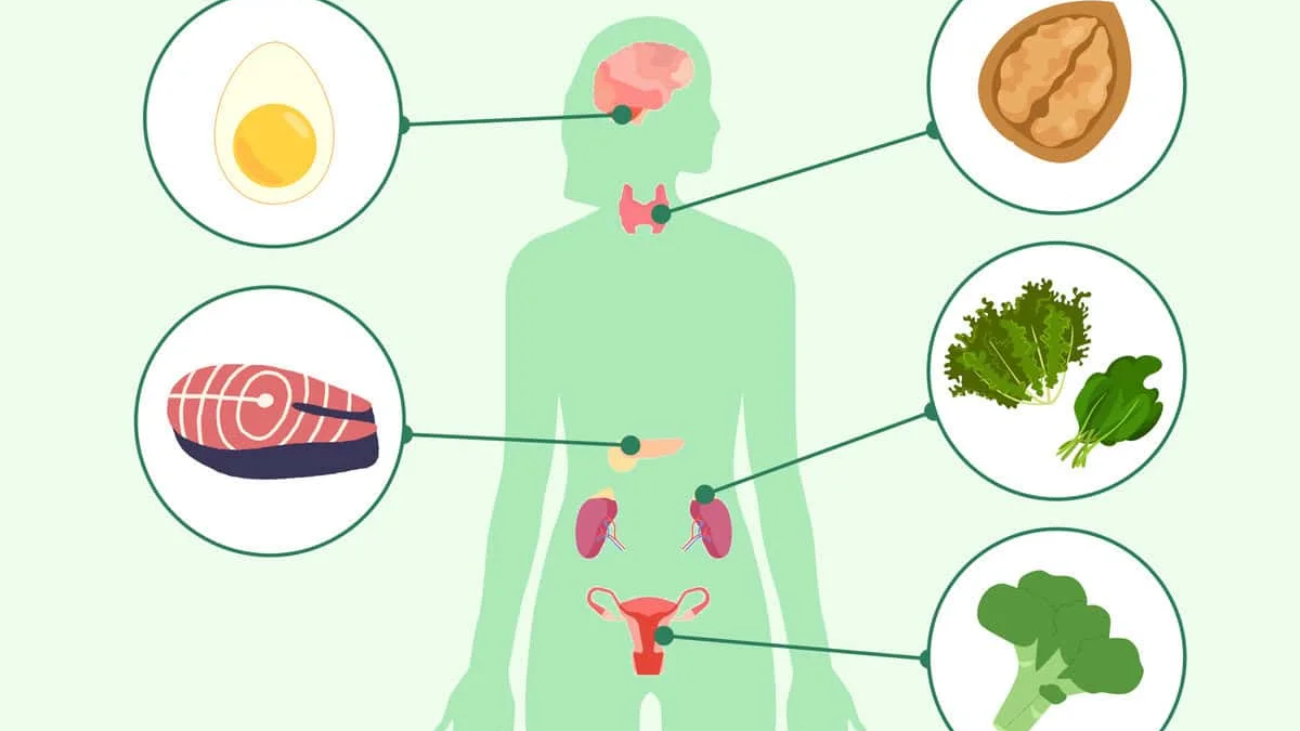
- Protein-rich whole foods (eggs, lentils, paneer)
- Omega-3 fats (flaxseeds, walnuts)
- Fiber vegetables (broccoli, spinach)
- Antioxidant fruits (berries, pomegranate)
Foods to Avoid
- Refined sugar
- White flour
- Processed foods
- Sugary beverages
Hydration target: 2.5–3 liters/day (adjusted for BMI & climate).
2. Exercise Routine
Physical activity enhances insulin sensitivity and ovarian function.
Recommended protocol:
- 30 minutes daily movement
- Brisk walking
- Resistance training
- Yoga for pelvic circulation
Ovulatory restoration has been observed within 8–12 weeks in mild PCOS cases (CI ±3 weeks).
3. Stress Management
Cortisol directly suppresses progesterone and ovulation.
Doctor-recommended techniques:
- Meditation
- Pranayama
- Journaling
- Digital detox
- Sunlight exposure
4. Sleep Cycle Optimization
Melatonin regulates reproductive hormones.
Clinical targets:
- 7–8 hours sleep
- Before-midnight sleep onset
- Blue-light restriction
When Natural Hormone Balance Is Not Enough
Lifestyle correction alone may not resolve hormonal disorders when structural or metabolic pathology exists.
Medical intervention is required in:
- Severe PCOS
- Thyroid dysfunction
- Hyperprolactinemia
- Recurrent IVF failure
- Anovulation infertility
In such cases, integrative treatment combining lifestyle + medical therapy yields the highest success rates.
Hormonal & Fertility Consultation in Tricity
Women seeking expert evaluation can consult:
Kore Fertility Solutions Pvt. Ltd – Advanced fertility & IVF center offering hormonal diagnostics and reproductive treatment.
LaBella – Cosmetic Gynecology & Intimate Wellness – Specialized intimate wellness and cosmetic gynecology care.
Led by
Dr. Nitasha Gupta – Gynecologist, Hormone Specialist & IVF Consultant serving:
- Panchkula
- Chandigarh
- Mohali
- Zirakpur
- Dhakoli
- Dera Bassi
Book Hormonal Health Consultation
- About Doctor → https://www.drnitashagupta.com/about/
- Contact Clinic → https://www.drnitashagupta.com/contact/
- Read More Blogs → https://www.drnitashagupta.com/blog/
FAQs – Balance Hormones Naturally
Can hormones really be balanced naturally?
Yes. Mild hormonal imbalance often improves with structured diet, exercise, and stress correction. Clinical improvement is seen in 6–12 weeks.
How long does natural hormone balancing take?
Average endocrine stabilization occurs within 2–3 menstrual cycles depending on severity (CI ±1 cycle).
Which doctor treats hormone imbalance in Panchkula?
Consult Dr. Nitasha Gupta, hormone and fertility specialist at Kore Fertility Solutions Pvt. Ltd.