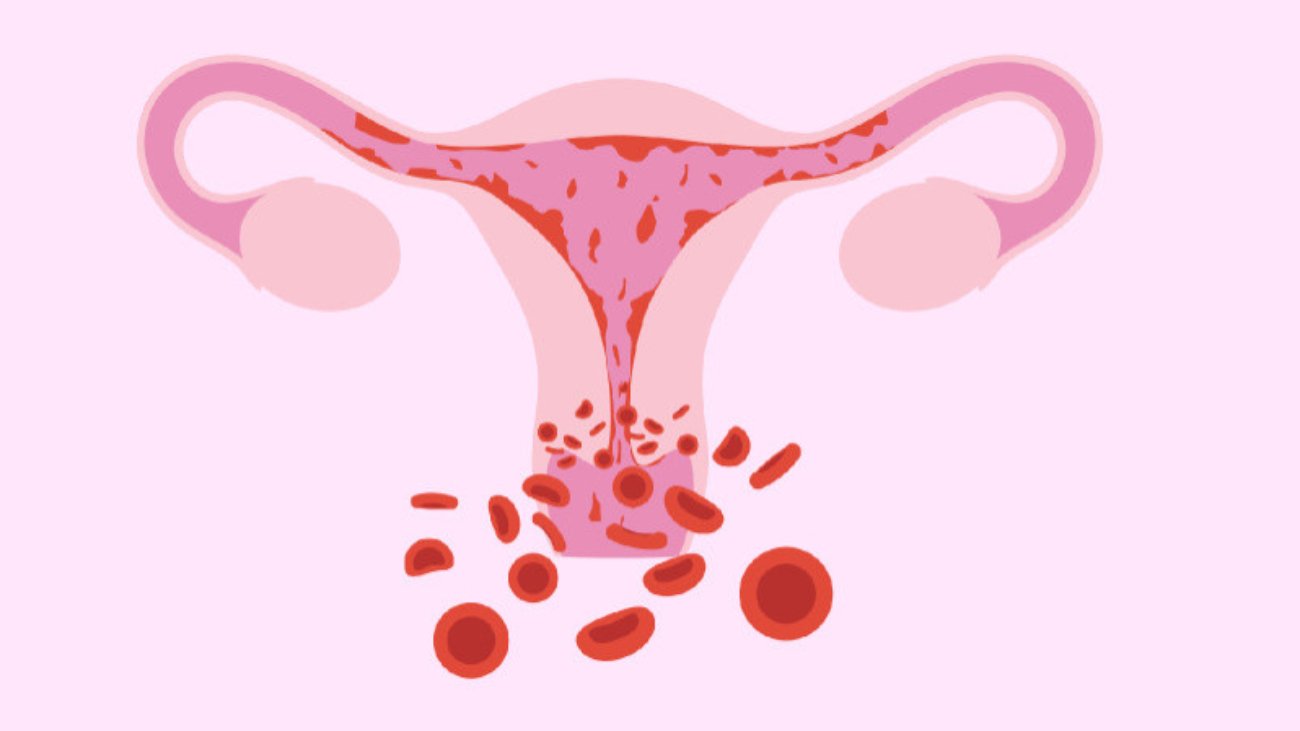
White Discharge in Women: Normal vs Infection + When to Worry
White discharge in women is usually normal and helps maintain vaginal health. However, changes in its colour, consistency, smell or associated symptoms may indicate an infection or another health concern.
Normal vaginal discharge is generally clear or milky white and does not have a strong unpleasant smell. Thick white discharge with itching, a fishy smell, yellow or green discharge, burning or pelvic pain may require medical evaluation.
Understanding the difference between normal and abnormal white discharge can help you recognise when to seek medical advice.
Dr. Nitasha Gupta, Consultant Gynecologist and IVF Specialist at Kore Fertility Centre in Zirakpur, provides gynecological and fertility care for women from Zirakpur, Chandigarh, Mohali, Panchkula and nearby areas.
Concerned about unusual vaginal discharge? Book a consultation with Dr. Nitasha Gupta.
What Is White Discharge?

White discharge, medically known as vaginal discharge or leucorrhea, is a natural fluid produced by the vagina and cervix. It helps keep the vaginal environment healthy by removing dead cells and supporting its natural balance.
Vaginal discharge may contain:
The amount and consistency of discharge can change throughout the menstrual cycle because of hormonal fluctuations. Normal discharge does not usually require medication.
However, persistent changes in discharge, particularly when accompanied by itching, irritation, pain or an unpleasant smell, should not be ignored.
Normal vs Abnormal White Discharge in Women
Understanding the difference between normal and abnormal vaginal discharge can help you decide whether medical advice is needed.
What Does Normal White Discharge Look Like?
Normal vaginal discharge may be:
Clear, transparent or milky white
Thin, slippery, sticky or slightly creamy
Mild-smelling or without a noticeable smell
Unaccompanied by itching, burning or pain
Normal discharge can increase around ovulation, before a period and during pregnancy. These changes are often associated with normal hormonal fluctuations.
What Does Abnormal White Discharge Look Like?
Abnormal discharge may involve:
Thick, clumpy discharge with itching or irritation
Grey or thin discharge with a fishy smell
Yellow or green discharge
A strong or unpleasant smell
Burning during urination
Vaginal soreness, pelvic pain or discomfort
These symptoms can occur with vaginal infections or other conditions. Colour and consistency alone cannot confirm the cause, so a medical assessment may be necessary.
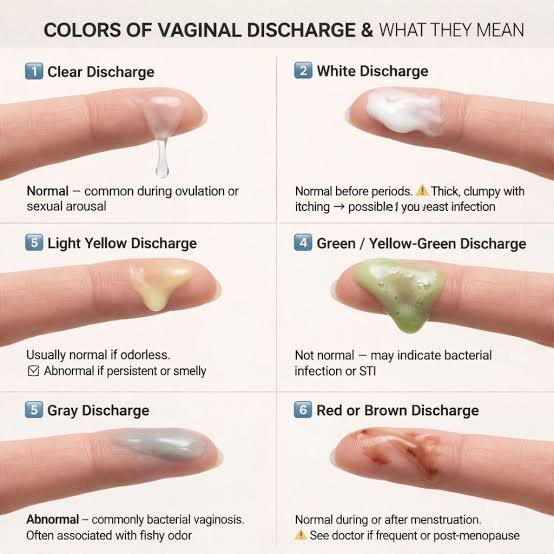
Types of White Discharge and What They May Mean
1. Thin or Milky White Discharge
Thin or milky white discharge is often normal, particularly when there is no unpleasant smell, itching or discomfort. It may vary throughout the menstrual cycle.
2. Thick White Discharge
Thick white discharge may be normal at certain stages of the menstrual cycle. However, thick, clumpy discharge accompanied by itching, redness or soreness can be associated with a vaginal yeast infection.
3. Yellow or Green Discharge
Yellow or green discharge, especially when accompanied by an unpleasant smell, pain or irritation, may indicate an infection. Some sexually transmitted infections can cause these symptoms, although symptoms vary and may be absent.
4. White Discharge With a Strong or Fishy Smell
A fishy smell, sometimes more noticeable after sexual activity, may be associated with bacterial vaginosis. Other infections can produce similar symptoms, so testing may be needed to determine the cause.
5. White Discharge With Itching or Burning
White discharge accompanied by itching, burning, redness or soreness may occur with a yeast infection or another vaginal condition. Avoid self-diagnosing based on symptoms alone.
Common Causes of White Discharge in Women
1. Hormonal Changes
Hormonal fluctuations during the menstrual cycle can affect cervical mucus and vaginal discharge. The amount and texture may change around ovulation, before menstruation and during other hormonal transitions.
2. Ovulation
Around ovulation, cervical mucus often becomes clearer, wetter and more slippery. Some women notice an increase in discharge during this period.
3. Vaginal Yeast Infection
A vaginal yeast infection may cause thick, clumpy white discharge, itching, redness and soreness. Not everyone experiences all these symptoms, and other conditions can produce similar changes.
4. Bacterial Vaginosis
Bacterial vaginosis occurs when the balance of vaginal bacteria changes. It may cause thin white or grey discharge and a fishy smell. Some women have few or no noticeable symptoms.
5. Sexually Transmitted Infections
Certain sexually transmitted infections can cause changes in discharge, pelvic discomfort, painful urination or bleeding between periods. Some infections may have no symptoms.
A healthcare professional can recommend appropriate testing based on symptoms and medical history.
6. Pregnancy
Increased white or milky discharge can occur during pregnancy because of hormonal changes and increased blood flow to the vaginal area.
Normal pregnancy-related discharge is generally thin or milky white and does not have a strong unpleasant smell. Unusual discharge, itching, pain or bleeding during pregnancy should be assessed by a healthcare professional.
7. Irritation From Personal Care Products
Scented soaps, vaginal deodorants, douches and certain intimate hygiene products may irritate sensitive genital tissues. Avoiding these products can help reduce irritation.
White Discharge Before Period: Is It Normal?

White discharge before a period is often normal. Hormonal changes during the menstrual cycle can cause discharge to become creamy, white or slightly sticky.
The amount and consistency vary between individuals. White discharge before menstruation does not necessarily indicate pregnancy or infection.
Consult a gynecologist if the discharge is accompanied by a strong smell, itching, burning, pelvic pain or an unusual colour.
Can White Discharge Be a Sign of Pregnancy?
Yes, increased white discharge can occur during early pregnancy. It is commonly associated with hormonal changes and increased blood flow to the vaginal area.
However, white discharge alone cannot confirm pregnancy because similar changes can occur during a normal menstrual cycle.
If your period is late or you think you may be pregnant, take a pregnancy test according to its instructions. Seek medical advice if you experience unusual discharge, pain or bleeding.
When Should You Worry About White Discharge?
White discharge deserves medical attention when it changes noticeably or occurs alongside other symptoms.
Consult a gynecologist if you experience:
A strong or fishy vaginal smell
Persistent itching or burning
Thick, clumpy discharge with irritation
Yellow, green or grey discharge
Pain during urination
Pain during sexual activity
Pelvic or lower abdominal pain
Unusual bleeding between periods or after sex
Symptoms that persist, recur or worsen
Seek prompt medical assessment if you have fever, significant pelvic pain or feel seriously unwell. If you are pregnant and experience bleeding, pain or a sudden gush or persistent leakage of fluid, seek appropriate maternity care.
Early evaluation can help identify the cause and determine the appropriate treatment.
Treatment for White Discharge in Women
Treatment for white discharge depends on the underlying cause. Normal physiological discharge generally does not require medication.
Treatment for Vaginal Yeast Infection
A confirmed or clinically diagnosed yeast infection may be treated with appropriate antifungal medication. The choice of treatment depends on the symptoms, medical history and whether pregnancy is possible.
Treatment for Bacterial Vaginosis
Bacterial vaginosis may require prescription antibiotics. The appropriate medicine and duration depend on the clinical assessment.
Treatment for Sexually Transmitted Infections
Treatment depends on the specific infection identified. Testing, prescribed medication and partner management may be necessary in certain cases.
Management of Irritation
If irritation is related to scented products or other potential triggers, avoiding the suspected irritant may help. Persistent symptoms still require assessment.
Important: Do not start antibiotics, antifungal medicines or hormonal treatment without appropriate medical guidance. Using the wrong treatment can delay diagnosis and may worsen irritation.
Home Care and Prevention Tips
The following habits can support vaginal health:
Wash the external genital area gently with water or a mild, unscented product.
Avoid vaginal douching and scented intimate hygiene products.
Wear comfortable, breathable underwear.
Change out of wet clothing when practical.
Follow safer-sex practices and seek STI testing when indicated.
Avoid unnecessary vaginal creams, antibiotics and unverified home remedies.
Seek medical advice for persistent or recurrent symptoms.
Good hygiene supports comfort, but it cannot prevent every vaginal infection. Avoid inserting yoghurt, herbal preparations or other home remedies into the vagina.
When to See a Gynecologist for White Discharge
Consider consulting a gynecologist if you are unsure whether your discharge is normal, experience repeated infections or notice changes accompanied by pain, itching, burning or an unpleasant smell.
A medical assessment may include a review of your menstrual cycle, symptoms, medical history and any relevant sexual health concerns. Depending on the findings, a clinician may recommend an examination, vaginal swab, urine test or other investigations.
Women experiencing recurrent symptoms should receive an appropriate evaluation rather than repeatedly using over-the-counter treatments without a confirmed diagnosis.
Consult Dr. Nitasha Gupta for Women’s Health Concerns
Dr. Nitasha Gupta is a Consultant Gynecologist and IVF Specialist associated with Kore Fertility Centre in Zirakpur. Women from Zirakpur, Chandigarh, Mohali, Panchkula and surrounding areas can seek medical advice for vaginal discharge concerns, menstrual irregularities, PCOS and other gynecological or fertility-related issues.
If you are experiencing unusual white discharge, persistent itching, an unpleasant smell or discomfort, a consultation can help determine whether further evaluation or treatment is needed.
Book your appointment: Contact Dr. Nitasha Gupta.
Frequently Asked Questions About White Discharge
1. Is white discharge normal every day?
Yes. Vaginal discharge can occur daily and helps maintain vaginal health. Its amount and consistency can vary throughout the menstrual cycle. A strong smell, itching, burning or pain warrants medical assessment.
2. What are the main causes of white discharge in women?
Common causes include normal hormonal changes, ovulation, pregnancy, vaginal yeast infections, bacterial vaginosis and certain sexually transmitted infections. The cause depends on the symptoms and clinical findings.
3. When is white discharge a problem?
White discharge may require medical evaluation if it has a strong unpleasant smell, is accompanied by itching or burning, changes to an unusual colour, or occurs with pelvic pain or painful urination.
4. Is thick white discharge normal?
Thick white discharge can be normal at certain stages of the menstrual cycle. If it is clumpy and accompanied by itching, redness or soreness, a yeast infection is one possible cause.
5. Can white discharge before a period be normal?
Yes. Hormonal changes before menstruation can cause white or creamy discharge. However, discharge with a strong smell, itching, pain or unusual colour should be assessed.
6. Does white discharge mean pregnancy?
No. White discharge can increase during pregnancy, but it also occurs during a normal menstrual cycle. A pregnancy test is a more reliable way to check whether you are pregnant.
7. Can stress cause white discharge?
Stress may affect menstrual patterns and hormonal regulation, but it should not automatically be considered the cause of unusual discharge. Persistent symptoms or discharge accompanied by irritation, an unpleasant smell or pain should be assessed.
8. Does white discharge go away on its own?
Normal physiological discharge does not require treatment. Discharge caused by an infection may require specific medication. Seek medical advice if symptoms persist, recur or worsen.
9. Can I treat white discharge at home?
Normal discharge generally needs no treatment. Gentle external hygiene and avoiding scented products may help prevent irritation, but suspected infections need appropriate evaluation. Avoid self-medicating with antibiotics or antifungal medicines without suitable guidance.
10. Which doctor should I consult for white discharge?
A qualified gynecologist can assess abnormal vaginal discharge, identify possible causes and recommend appropriate treatment. Women in Zirakpur, Chandigarh, Mohali and Panchkula can contact Dr. Nitasha Gupta’s clinic to enquire about consultation availability.
Medical References
Medical disclaimer: This article is intended for educational purposes and does not replace individual medical advice, diagnosis or treatment. Symptoms and treatment needs vary between individuals. Consult a qualified healthcare professional for personalised guidance.