Irregular Periods in Chandigarh: When Should You See a Gynecologist?
Periods do not always arrive on the exact same date every month. Occasional changes can happen because of stress, travel, changes in weight, illness, sleep problems, or hormonal fluctuations.
However, repeated changes in your menstrual cycle should not be ignored. If your periods are frequently delayed, unusually heavy, very painful, or absent for several months, it may be time to consult a gynecologist.
If you are looking for a gynecologist in Chandigarh for irregular periods, Dr. Nitasha Gupta can help evaluate the possible cause and recommend the right treatment according to your symptoms, age, medical history, and fertility plans.
What Are Irregular Periods?
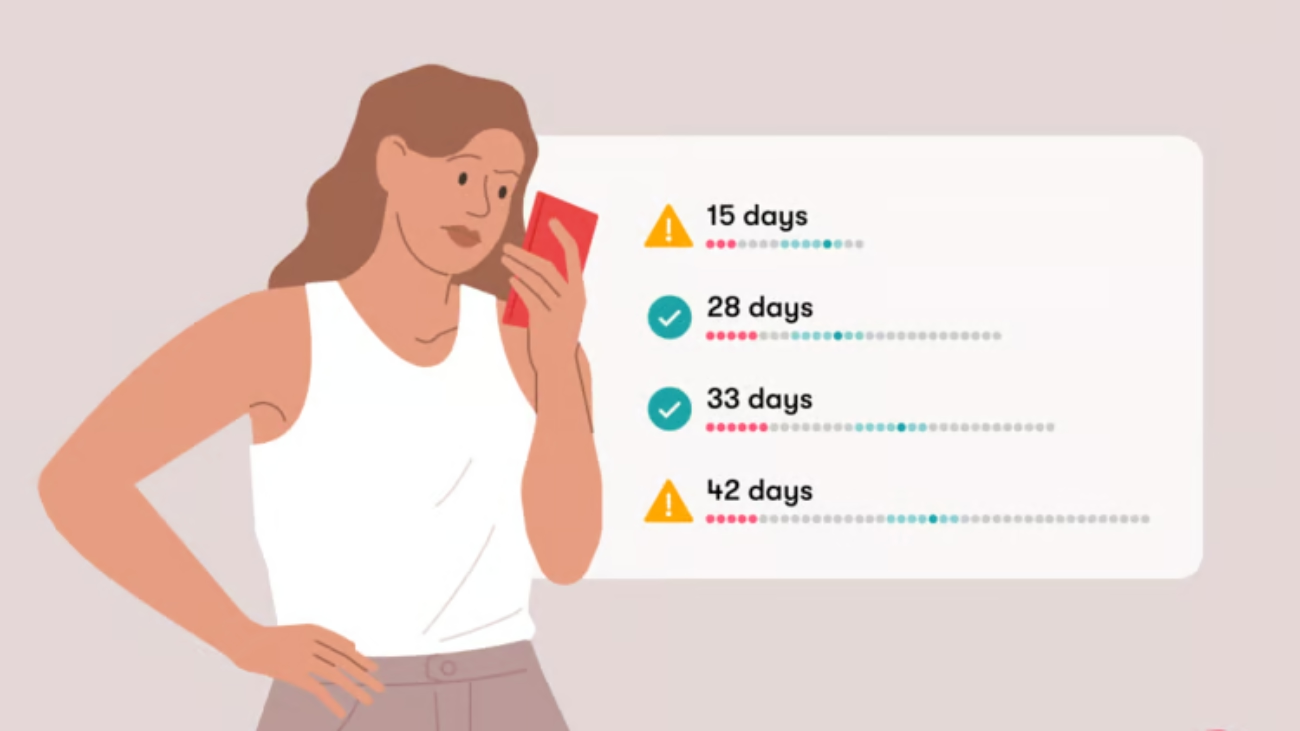
A menstrual cycle is counted from the first day of one period to the first day of the next period. In many adults, a normal cycle is usually between 21 and 35 days, although it can vary from person to person.
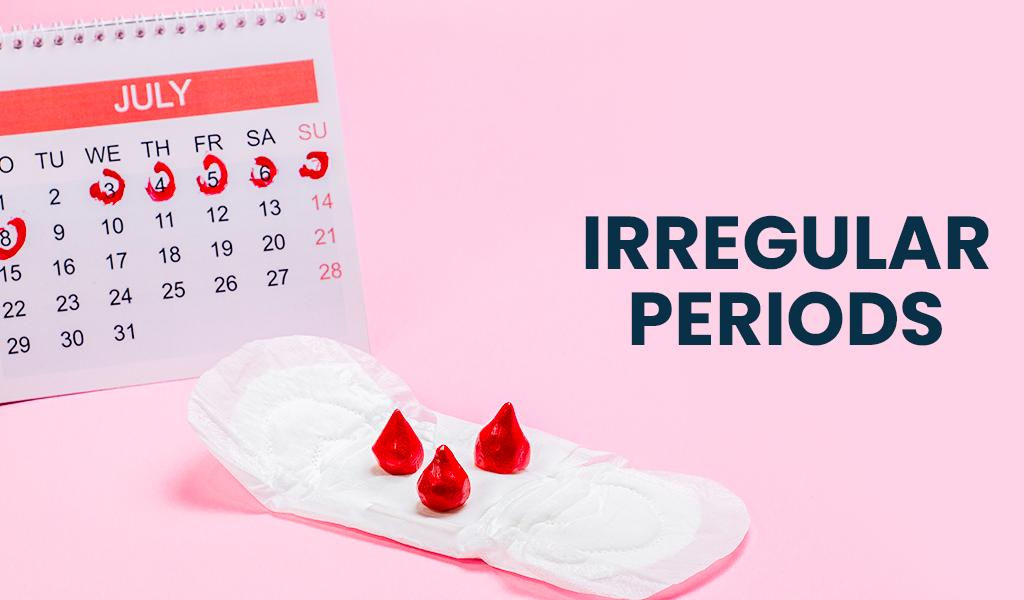
Your periods may be considered irregular if:
- Your cycle is frequently shorter than 21 days.
- Your cycle is repeatedly longer than 35 days.
- Your periods stop for several months without an explained reason.
- Your bleeding continues for more than seven days.
- You experience spotting between periods.
- You bleed after sexual intercourse.
- Your periods are suddenly much heavier or more painful than usual.
- Your cycle changes significantly from its previous pattern.
One late period does not always indicate a serious problem. However, repeated or sudden changes deserve medical evaluation.
How Common Are Irregular Periods in Chandigarh?
Irregular periods are a common gynecological concern among teenagers, young women, women in their reproductive years, and women approaching menopause.
However, a reliable and current Chandigarh-specific figure for the number of women experiencing irregular periods is not publicly available. The more important concern is whether your menstrual pattern has changed and whether you have other symptoms such as pelvic pain, excessive bleeding, acne, unwanted facial hair, unusual weight changes, or difficulty becoming pregnant.
Irregular periods can sometimes be linked to conditions such as polycystic ovary syndrome, thyroid disorders, hormonal imbalance, stress, or problems with ovulation. A consultation can help identify the cause instead of treating only the delayed or missed period.
7 Signs You Should See a Gynecologist for Irregular Periods
1. Your Periods Are Frequently Delayed
If your periods are repeatedly delayed by several days or weeks, you should discuss the pattern with a gynecologist.
Frequent delays may be associated with:
- PCOS
- Thyroid problems
- Stress
- Sudden weight gain or weight loss
- Excessive exercise
- Poor sleep
- Hormonal changes
- Pregnancy
- Certain medications
Your doctor may recommend a pregnancy test, blood tests, or an ultrasound depending on your symptoms.
2. You Have Missed Your Period for Three Months
If your periods have stopped for three months or more and you are not pregnant, you should seek medical advice.
Missing periods may occur because of PCOS, thyroid disorders, significant stress, low body weight, excessive exercise, or other hormonal causes. It is important to identify the reason rather than waiting indefinitely for the period to return.
If pregnancy is possible, a pregnancy test should be considered before assuming that the missed period is caused by stress or hormones.
3. Your Bleeding Is Very Heavy
You should consult a gynecologist if:
- You need to change your pad or tampon every one to two hours.
- You pass large blood clots.
- Your bleeding continues for more than seven days.
- You feel unusually tired, dizzy, weak, or breathless.
- Heavy bleeding interferes with your work, studies, sleep, or daily activities.
Heavy menstrual bleeding may lead to iron deficiency or anemia. It can also be associated with hormonal problems, fibroids, polyps, thyroid disorders, or other gynecological conditions.
4. Your Periods Have Become Very Painful
Mild cramps can be common, but severe or worsening period pain should not be considered normal.
Consult a gynecologist if:
- Pain prevents you from attending work or college.
- Pain does not improve with commonly used pain relief.
- You experience pain during sexual intercourse.
- You have pelvic pain between periods.
- You have unusually heavy bleeding along with pain.
- Your pain has recently become more severe.
Severe period pain can sometimes be associated with endometriosis, adenomyosis, fibroids, pelvic infection, or other conditions.
5. You Have Symptoms of PCOS
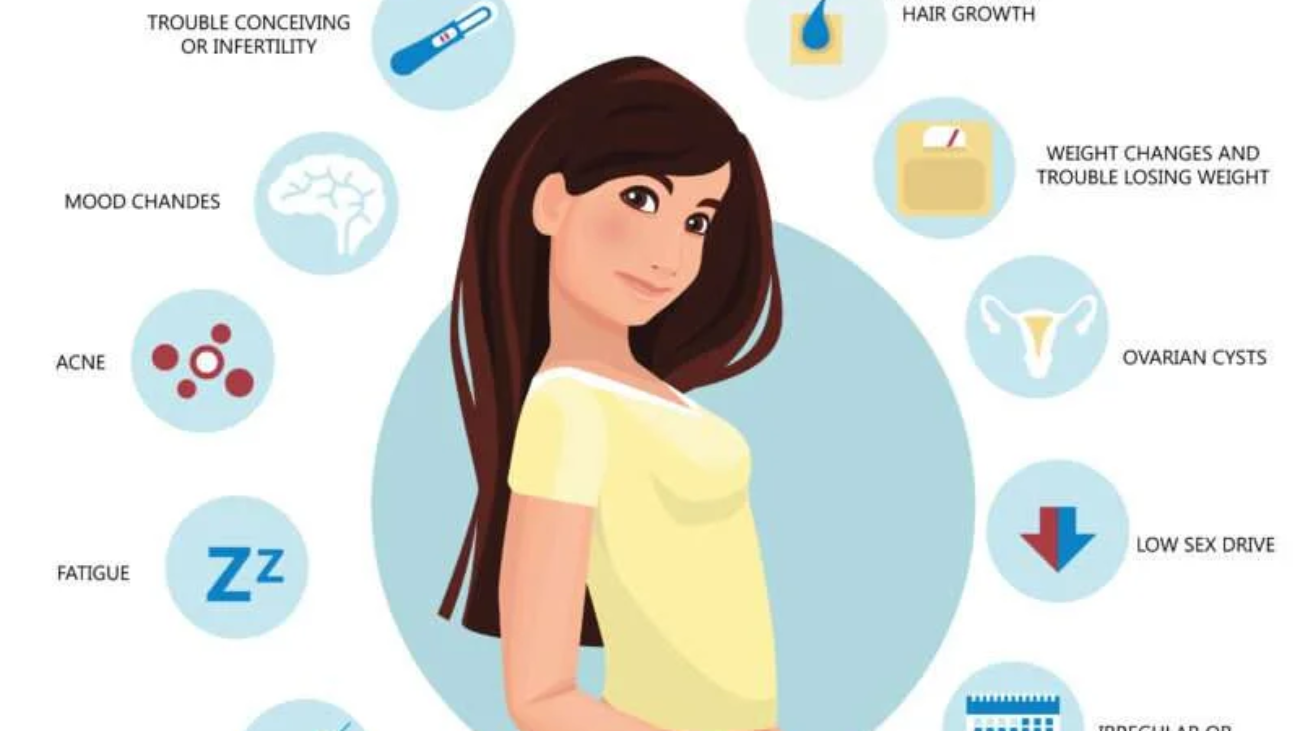
PCOS, or polycystic ovary syndrome, is one possible cause of irregular periods. You may need an evaluation if irregular periods occur along with:
- Acne
- Increased facial or body hair
- Hair thinning
- Unexplained weight gain
- Difficulty losing weight
- Darkened skin around the neck or underarms
- Difficulty becoming pregnant
Not every woman with irregular periods has PCOS, and PCOS cannot be diagnosed only through symptoms. Your gynecologist may recommend a clinical examination, blood tests, and pelvic ultrasound when appropriate.
6. You Are Trying to Conceive
Irregular periods may indicate that ovulation is not occurring regularly. This can make it more difficult to predict the fertile window and may affect the chances of pregnancy.
If you are trying to conceive and your periods are irregular, a fertility evaluation may help identify whether the issue is related to ovulation, thyroid function, PCOS, ovarian reserve, sperm health, or another factor.
You should consider consulting a fertility specialist if:
- You have been trying to conceive without success.
- Your periods are very irregular or absent.
- You have a history of PCOS or endometriosis.
- You have had previous pelvic surgery.
- You have experienced recurrent pregnancy loss.
- You are concerned about your fertility age or ovarian reserve.
7. Your Period Pattern Changes Suddenly
A sudden change in your usual cycle should be evaluated, especially if it continues for more than one or two cycles.
Examples include:
- Regular periods becoming irregular.
- Suddenly heavier bleeding.
- New spotting between periods.
- Bleeding after intercourse.
- Periods becoming unusually frequent.
- Periods stopping without an obvious reason.
- New pelvic pain or unusual discharge.
A change in your menstrual pattern can sometimes be the first sign of a hormonal or gynecological condition.
What Causes Irregular Periods?
Irregular periods can have several causes. Common possibilities include:
Polycystic Ovary Syndrome
PCOS can affect ovulation and lead to delayed, infrequent, or missed periods. It may also be associated with acne, excess facial hair, weight changes, and fertility difficulties.
Thyroid Disorders
Both an underactive and overactive thyroid can affect menstrual regularity. Thyroid-related symptoms may include fatigue, weight changes, mood changes, hair changes, or sensitivity to cold or heat.
Stress and Sleep Problems
Long-term stress, poor sleep, emotional pressure, and major lifestyle changes can affect the hormones involved in ovulation.
Weight Changes
Sudden weight gain, significant weight loss, very low body weight, or excessive exercise may affect the menstrual cycle.
Pregnancy
A missed period can be an early sign of pregnancy. If pregnancy is possible, a pregnancy test should be performed.
Perimenopause
Women approaching menopause may experience changes in cycle length, flow, and regularity. However, new or unusually heavy bleeding should still be evaluated.
Fibroids, Polyps, or Other Uterine Conditions
Structural conditions involving the uterus may cause heavy, prolonged, or irregular bleeding.
Medicines and Other Medical Conditions
Certain medicines and health conditions can affect periods. Your gynecologist will review your medical history to identify possible contributing factors.
What Happens During an Irregular-Periods Consultation?
During your consultation, your gynecologist may ask about:
- The date of your last period
- Your usual cycle length
- How long the bleeding lasts
- The amount of bleeding
- Pain or cramps
- Spotting between periods
- Pregnancy possibility
- Weight or lifestyle changes
- Stress and sleep
- Previous pregnancies
- Medical conditions
- Current medicines
- Symptoms of PCOS or thyroid problems
- Whether you are trying to conceive
Depending on your symptoms, your doctor may recommend:
- Pregnancy testing
- Complete blood count
- Thyroid function tests
- Hormonal tests
- Blood sugar testing
- Pelvic ultrasound
- Evaluation for PCOS
- Other tests based on your age and medical history
Not every patient needs every test. The evaluation should be selected according to the individual symptoms and clinical findings.
Track Your Periods Before Your Appointment
Maintaining a period diary can help your gynecologist understand your cycle more accurately.
Record:
- The first day of each period
- The number of bleeding days
- Whether the flow is light, moderate, or heavy
- The number of pads used
- Any blood clots
- Pain intensity
- Spotting between periods
- Medicines taken
- Stress, illness, travel, or major lifestyle changes
You can use a mobile period-tracking app or a simple calendar. Bring the information to your appointment.
How Are Irregular Periods Treated?
Treatment depends on the underlying cause, your age, symptoms, and whether you are planning pregnancy.
Possible treatment approaches may include:
- Lifestyle and weight-management guidance
- Treatment for thyroid disorders
- Medicines to regulate periods
- Treatment for PCOS-related symptoms
- Iron supplements if anemia is present
- Medicines to reduce heavy bleeding or pain
- Treatment for fibroids, polyps, or other uterine conditions
- Ovulation treatment when pregnancy is desired
- Fertility evaluation or treatment when required
Do not start hormonal medicines or period-regulating tablets without medical advice. The right treatment depends on the reason behind the irregular cycle.
When Is Irregular Bleeding an Emergency?
Seek urgent medical care if you experience:
- Very heavy bleeding with weakness or dizziness
- Fainting
- Severe abdominal or pelvic pain
- Heavy bleeding during a possible pregnancy
- Severe pain with a positive pregnancy test
- Breathlessness or symptoms of significant anemia
- Sudden severe pain with vomiting or collapse
If you are soaking through pads rapidly or feel faint, do not wait for a routine appointment.
Why Consult Dr. Nitasha Gupta for Irregular Periods in Chandigarh?
Dr. Nitasha Gupta provides gynecological and fertility-related consultations for women experiencing menstrual problems, PCOS symptoms, hormonal concerns, and fertility difficulties.
A consultation can help you understand whether your irregular periods are related to lifestyle changes, PCOS, thyroid problems, ovulation issues, or another condition. The goal is to identify the cause and create a treatment plan suited to your health and future pregnancy goals.
Women from Chandigarh, Zirakpur, Mohali, Panchkula, Dera Bassi, and nearby areas can contact the clinic for an appointment.
Book a Consultation
If your periods are repeatedly delayed, unusually heavy, painful, or absent, do not ignore the pattern.
Book a consultation with Dr. Nitasha Gupta to discuss your irregular periods and receive an appropriate evaluation.
Call: 99883 09211
You can also explore:
- Gynecologist in Chandigarh
- PCOS Treatment in Chandigarh
- Fertility Specialist in Chandigarh
- IVF Treatment in Chandigarh
- Contact Dr. Nitasha Gupta
Frequently Asked Questions
When should I see a gynecologist for irregular periods?
You should consult a gynecologist if your periods are repeatedly delayed, absent for three months, unusually heavy, very painful, or accompanied by spotting, pelvic pain, acne, excess facial hair, or difficulty becoming pregnant.
Is one late period a reason to worry?
One late period may occur because of stress, illness, travel, sleep changes, weight changes, or pregnancy. If delays become frequent or your usual cycle changes significantly, consult a gynecologist.
Can PCOS cause irregular periods?
Yes. PCOS can affect ovulation and may cause delayed, infrequent, or missed periods. It may also be associated with acne, excess facial hair, weight changes, and fertility problems.
Can stress delay periods?
Long-term stress can affect the hormones involved in ovulation and may delay or stop periods. However, repeated missed periods should not automatically be attributed to stress without an evaluation.
Should I see a doctor if I miss two periods?
If pregnancy is possible, take a pregnancy test. You should consult a gynecologist if you miss two periods, especially if your cycles are usually regular or you have other symptoms.
Can irregular periods affect fertility?
Irregular periods may indicate irregular ovulation, which can make conception more difficult. A fertility evaluation can help identify the cause and guide treatment.
What tests are done for irregular periods?
Depending on your symptoms, your doctor may recommend a pregnancy test, blood count, thyroid testing, hormonal tests, blood sugar testing, or a pelvic ultrasound. The tests depend on your age, symptoms, medical history, and pregnancy plans.
Can irregular periods be treated?
In many cases, irregular periods can be managed once the underlying cause is identified. Treatment may involve lifestyle changes, medicines, treatment for PCOS or thyroid problems, or fertility-related treatment.
Is heavy bleeding during periods normal?
Heavy bleeding that lasts more than seven days, requires pad changes every one to two hours, causes large clots, or leads to dizziness and weakness should be evaluated by a gynecologist.
Can I consult a gynecologist in Chandigarh for both irregular periods and fertility problems?
Yes. If your irregular periods are associated with difficulty becoming pregnant, you can discuss both menstrual health and fertility during the consultation.
References
- American College of Obstetricians and Gynecologists: Abnormal Uterine Bleeding
https://www.acog.org/womens-health/faqs/abnormal-uterine-bleeding - American College of Obstetricians and Gynecologists: Amenorrhea
https://www.acog.org/womens-health/faqs/amenorrhea-absence-of-periods - American College of Obstetricians and Gynecologists: Heavy and Abnormal Periods
https://www.acog.org/womens-health/faqs/heavy-and-abnormal-periods