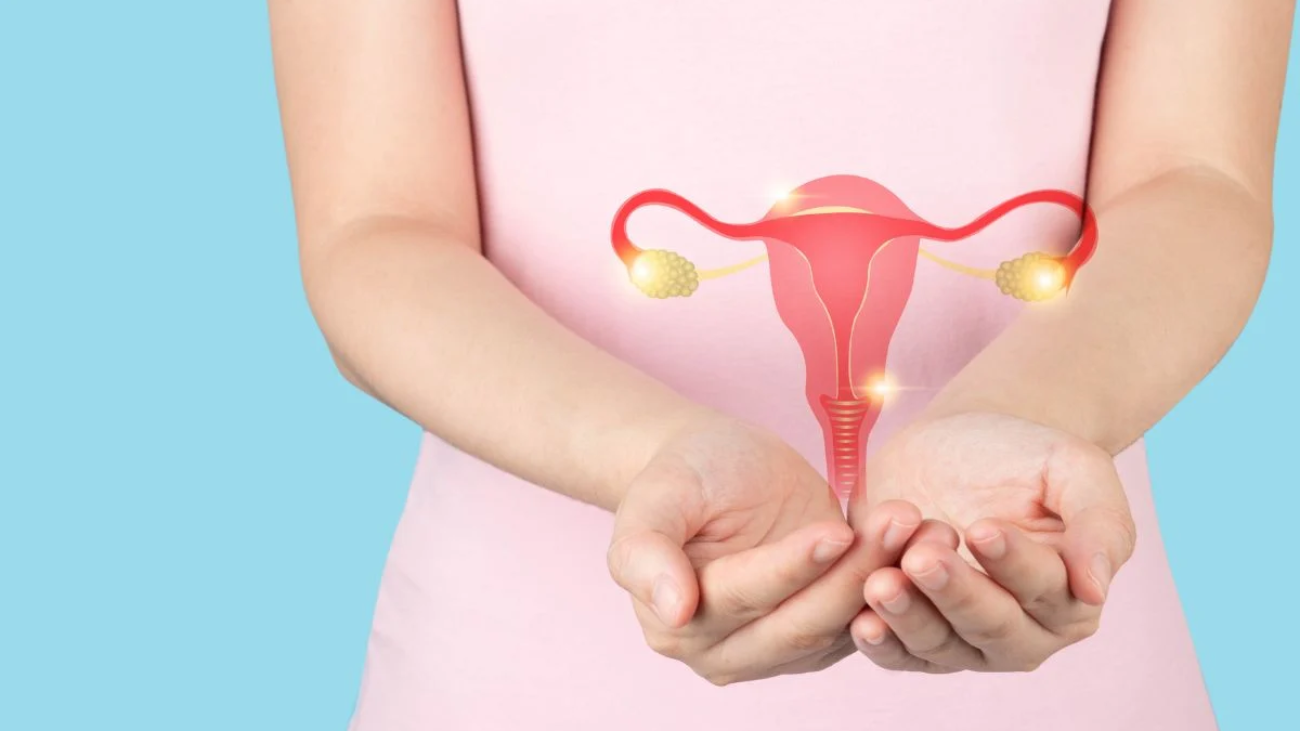
Heavy Periods (Menorrhagia): Causes & Treatment

Heavy Periods (Menorrhagia): Causes & Treatment

Heavy Periods (Menorrhagia): Causes, Symptoms & Treatment

Heavy menstrual bleeding, medically called menorrhagia, affects many women and can significantly impact daily life. Periods that last longer than usual or require frequent pad changes may indicate an underlying medical condition.

Understanding the causes and treatment options helps women manage heavy periods effectively.


What Are Heavy Periods

Periods are considered heavy when:

  • bleeding lasts more than 7 days
  • pads or tampons need changing every 1–2 hours
  • large blood clots occur
  • fatigue or anemia develops

Common Causes

Hormonal imbalance

Hormones such as estrogen and progesterone regulate the menstrual cycle. When these hormones become imbalanced, the uterine lining may thicken excessively, causing heavy bleeding.


Uterine fibroids

Fibroids are non-cancerous growths in the uterus that may lead to heavy periods and pelvic pain.


PCOS

Polycystic ovary syndrome can disrupt ovulation and cause irregular or heavy periods.


Symptoms

Common symptoms include:

  • prolonged bleeding
  • severe cramps
  • fatigue
  • dizziness due to anemia

Treatment Options

Doctors may recommend:

  • hormonal therapy
  • medications to reduce bleeding
  • lifestyle changes
  • surgical options in severe cases

When to See a Doctor

Seek medical help if heavy bleeding interferes with daily life or causes weakness.

Consultation
https://www.drnitashagupta.com/contact/

White Discharge (Leucorrhea): Causes, Symptoms & Treatment

White Discharge (Leucorrhea): Causes, Types & When to See a Doctor

White Discharge (Leucorrhea): Causes, Types & When to See a Doctor

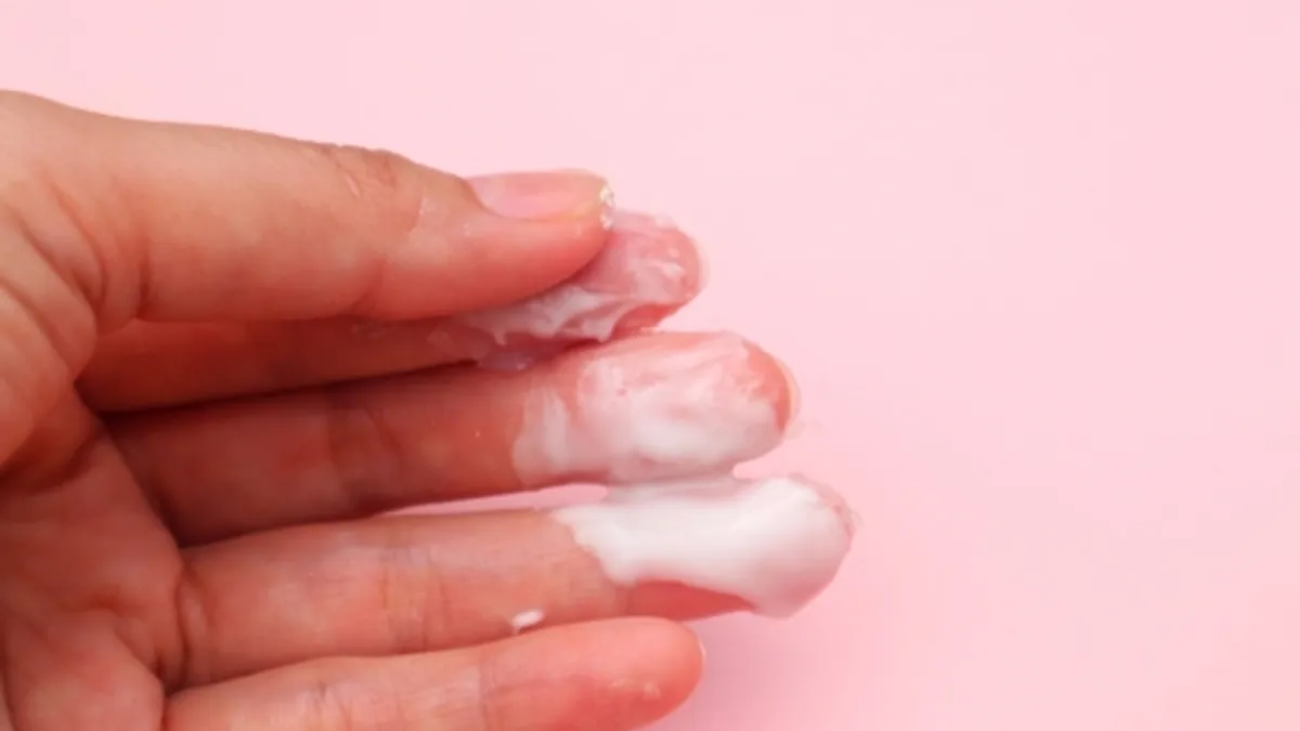
White discharge, medically known as leucorrhea, is a common concern among women. In many cases it is completely normal and plays an important role in maintaining vaginal health. However, certain types of discharge may signal an infection or hormonal imbalance.

Understanding the difference between normal and abnormal vaginal discharge helps women maintain reproductive health and know when medical advice is needed.

If you experience unusual discharge or discomfort, consulting a qualified gynecologist such as Dr Nitasha Gupta can help identify the cause and provide appropriate treatment.

Learn more
https://www.drnitashagupta.com/


What Is White Discharge

White discharge is a fluid released from the vagina that helps clean and protect the reproductive system.

It contains:

  • vaginal secretions
  • cervical mucus
  • healthy bacteria
  • dead cells

Normal discharge helps maintain the natural pH balance of the vagina and prevents infections.


Normal vs Abnormal White Discharge

Normal discharge

Normal discharge is usually:

  • clear or milky white
  • mild or odorless
  • not associated with itching or irritation

It often increases during:

  • ovulation
  • pregnancy
  • hormonal changes

Abnormal discharge

Abnormal discharge may be:

  • thick or clumpy
  • yellow, green, or gray
  • foul-smelling
  • accompanied by itching or burning

These signs may indicate infection.


Common Causes of White Discharge

Hormonal changes

Hormonal fluctuations during ovulation, pregnancy, or menstrual cycles can increase vaginal discharge.


Vaginal infections

Common infections include:

  • yeast infections
  • bacterial vaginosis
  • sexually transmitted infections

These conditions often cause abnormal discharge and irritation.


Pregnancy

During pregnancy, increased estrogen levels lead to more vaginal discharge to protect the uterus from infection.


Symptoms That Need Medical Attention

Consult a doctor if discharge is accompanied by:

  • strong odor
  • itching or irritation
  • pelvic pain
  • unusual color
  • burning during urination

Treatment Options

Treatment depends on the underlying cause and may include:

  • antifungal medication
  • antibiotics
  • hormonal treatment
  • lifestyle changes

Prevention Tips

To maintain vaginal health:

  • wear breathable cotton underwear
  • avoid harsh soaps or scented products
  • maintain proper hygiene
  • practice safe sex

When to See a Doctor

If abnormal discharge persists or worsens, consult a gynecologist.

Book consultation
https://www.drnitashagupta.com/contact/


FAQs

Is white discharge normal?

Yes, normal discharge helps maintain vaginal health.

When should I worry about discharge?

When it has a strong odor, unusual color, or causes irritation.

Sustainable menstrual hygiene and zero waste period products like menstrual cups cloth pads and period panties

Menstrual Hygiene: Your Guide to Sustainable, Zero Waste Periods

Menstrual Hygiene: Your Guide to Sustainable, Zero Waste Periods

Menstrual hygiene is a crucial aspect of women’s health, yet it is often overlooked or surrounded by stigma. In many parts of India and the world, open conversations about menstruation are still emerging. As awareness increases, more women are exploring sustainable and zero-waste period products that are healthier for the body and the environment.

Sustainable menstrual hygiene practices not only support better reproductive health, but also reduce environmental waste and promote confidence and dignity during menstruation.

Understanding the importance of menstrual hygiene and choosing the right products can help women manage their periods safely and comfortably.

If you want expert guidance on menstrual health or menstrual concerns, consulting an experienced gynecologist like Dr. Nitasha Gupta can help you make informed decisions about your reproductive health.

Learn more:
https://www.drnitashagupta.com/about/


What Is Menstrual Health and Hygiene?

Menstrual health refers to a woman’s overall physical, emotional, and social well-being during menstruation.

Menstrual hygiene involves the daily practices that help maintain cleanliness and prevent infections during a period. These include:

  • Regularly changing menstrual products
  • Washing the genital area with clean water
  • Practicing proper hand hygiene
  • Safely disposing of or cleaning menstrual products

However, menstrual hygiene goes beyond cleanliness. It also includes comfort, access to safe menstrual products, education about menstrual health, and the ability to manage periods with dignity.

Good menstrual hygiene practices are essential for preventing infections and maintaining reproductive health.


Why Menstrual Hygiene Is Important

Maintaining proper menstrual hygiene is vital for both physical and mental well-being.

Prevents infections

Proper hygiene helps reduce the risk of:

  • urinary tract infections (UTIs)
  • reproductive tract infections
  • skin irritation and rashes

Supports emotional well-being

When women have access to safe menstrual care, they experience:

  • greater confidence
  • reduced anxiety
  • improved participation in daily activities

Protects reproductive health

Good menstrual hygiene reduces the risk of long-term reproductive health complications.

Encourages menstrual awareness

Understanding menstrual hygiene empowers women to make informed decisions about their bodies and health.


Physical and Mental Effects of Poor Menstrual Hygiene

Neglecting menstrual hygiene can have serious health consequences.

Physical health risks

Poor hygiene during menstruation may lead to:

Skin irritation and rashes

Using damp or unclean materials for long periods may cause irritation or infection.

Urinary tract infections (UTIs)

UTIs may cause symptoms such as:

  • burning during urination
  • pelvic discomfort
  • frequent urge to urinate

Reproductive tract infections

Infections can spread to the uterus and fallopian tubes, sometimes leading to pelvic inflammatory disease (PID).

Toxic shock syndrome (TSS)

A rare but serious condition caused by bacterial toxins when tampons or menstrual cups are left in for too long.

Increased risk of reproductive health complications

Repeated infections may lead to long-term complications if untreated.

Psychological and social effects

Poor menstrual hygiene can also affect mental health.

Women and girls may experience:

  • embarrassment or stigma
  • anxiety and social withdrawal
  • missed school or work days
  • reduced self-confidence

These challenges highlight the importance of improving menstrual awareness and access to hygiene products.


Types of Menstrual Hygiene Products

Today, women can choose from a variety of menstrual products depending on comfort, lifestyle, and sustainability preferences.

Disposable sanitary pads

Sanitary pads are absorbent products worn in underwear to collect menstrual blood.

Key points:

  • widely available and easy to use
  • should be changed every 4–6 hours
  • contribute significantly to menstrual waste

Tampons

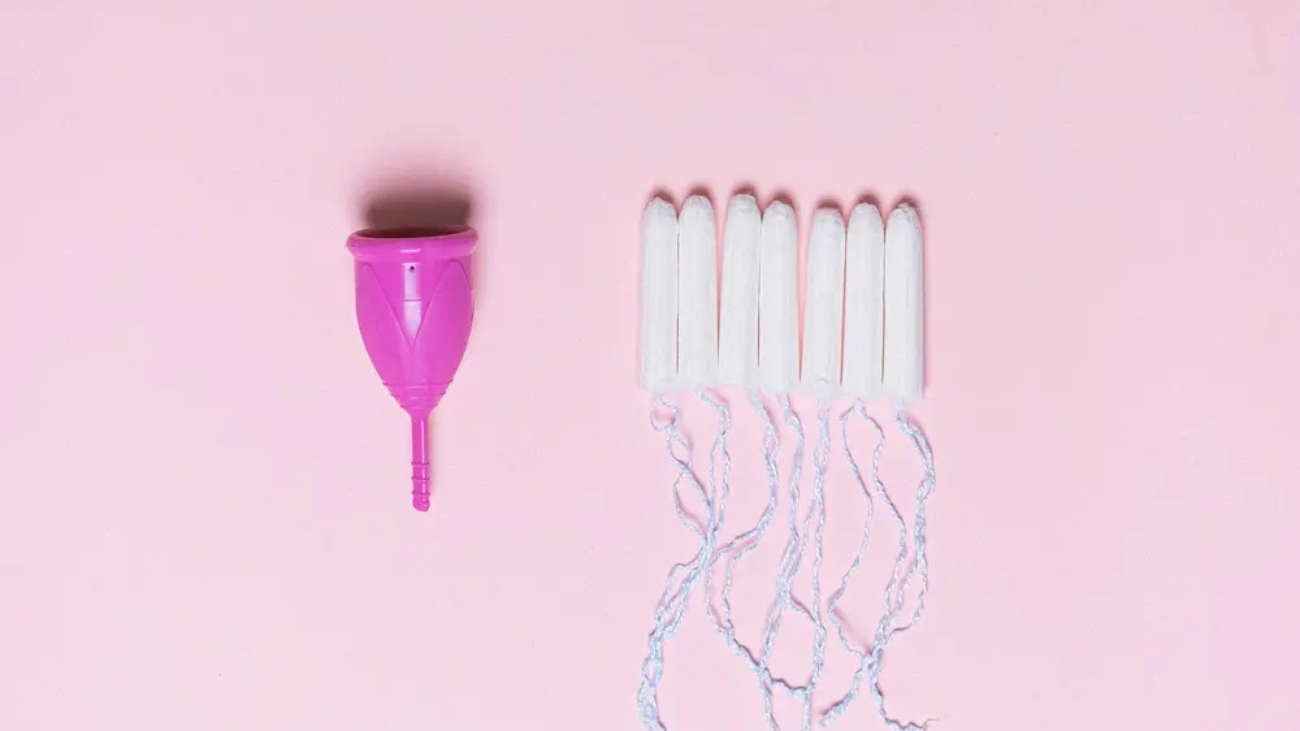
Tampons are inserted into the vagina to absorb menstrual blood.

Important guidelines:

  • available in different absorbency levels
  • should be changed every 4–6 hours
  • prolonged use may increase the risk of toxic shock syndrome

Reusable cloth pads

Reusable cloth pads are washable alternatives to disposable pads.

Benefits include:

  • environmentally friendly
  • reusable for up to 2–4 years
  • cost-effective over time

However, they require proper washing and drying to maintain hygiene.


Menstrual cups

Menstrual cups are flexible silicone cups inserted into the vagina to collect menstrual blood.

Advantages:

  • reusable for 5–10 years
  • can hold more blood than pads or tampons
  • need to be emptied every 6–12 hours

Menstrual cups are becoming increasingly popular due to their minimal environmental impact.


Period panties

Period underwear contains absorbent layers that collect menstrual blood.

Features include:

  • comfortable and reusable
  • suitable for light to moderate flow
  • washable and eco-friendly

What Is Menstrual Hygiene Management?

Menstrual hygiene management (MHM) refers to a comprehensive approach that ensures menstruation is managed safely and with dignity.

It includes three key components:

  1. Education about menstrual health and hygiene
  2. Access to safe menstrual products
  3. Clean and private facilities for changing and disposal

Effective menstrual hygiene management improves both health outcomes and quality of life.


Causes of Poor Menstrual Hygiene

Several factors contribute to poor menstrual hygiene practices.

Common causes include:

  • limited access to affordable menstrual products
  • lack of sanitation facilities
  • insufficient menstrual education
  • social stigma and cultural taboos
  • financial constraints

Addressing these challenges requires education, community awareness, and improved access to menstrual care resources.


Benefits of Sustainable Period Practices

Sustainable menstrual hygiene focuses on reducing waste and promoting reusable products.

Reduced environmental impact

Disposable pads and tampons often contain plastic that can take hundreds of years to decompose.

Cost savings

Reusable products like menstrual cups or cloth pads last for years, reducing long-term costs.

Reduced chemical exposure

Eco-friendly products often avoid synthetic materials and harsh chemicals.

Greater menstrual awareness

Sustainable menstrual practices encourage women to better understand their menstrual cycles and health.


Tips for Adopting Sustainable Period Practices

Transitioning to sustainable menstrual care can be gradual and personalized.

Here are some helpful tips:

  • Start with one reusable product such as a cloth pad or menstrual cup
  • Maintain proper hygiene by washing reusable products regularly
  • Use mild soap and clean water when cleaning menstrual products
  • Dry reusable products in sunlight for natural disinfection
  • Carry reusable products in clean, breathable pouches
  • Track your menstrual cycle to stay prepared
  • Dispose of non-reusable waste responsibly

Sustainability does not require immediate changes. Choose options that match your comfort and lifestyle.


Sustainable Menstrual Products

Several products support zero-waste menstrual practices.

Menstrual cups

Reusable silicone cups that can last up to 10 years with proper care.

Cloth pads

Washable pads that last 2–4 years and reduce disposable waste.

Period underwear

Reusable absorbent underwear suitable for lighter flow days.

These alternatives support both environmental sustainability and menstrual comfort.


When Should You Consult a Gynecologist?

While menstrual hygiene products help manage periods, certain symptoms require medical advice.

Consult a doctor if you experience:

  • severe menstrual pain
  • extremely heavy bleeding
  • irregular or missed periods
  • unusual vaginal discharge
  • persistent discomfort during menstruation

An experienced gynecologist like Dr. Nitasha Gupta can provide expert guidance on menstrual health and reproductive care.

Book an appointment:
https://www.drnitashagupta.com/contact/


Conclusion

Menstrual hygiene is essential for protecting both women’s health and environmental sustainability. By practicing proper hygiene, choosing safe menstrual products, and adopting sustainable period solutions, women can manage menstruation with comfort, confidence, and dignity.

Sustainable menstrual practices not only reduce environmental waste but also promote greater awareness of reproductive health.

With education, access to resources, and supportive healthcare, menstrual care can become a healthier and more empowering experience for women everywhere.


Frequently Asked Questions (FAQs)

What is menstrual hygiene?

Menstrual hygiene refers to the practices that help maintain cleanliness and prevent infections during menstruation.


How often should menstrual products be changed?

Pads and tampons should generally be changed every 4–6 hours to maintain hygiene and prevent infections.


Are menstrual cups safe?

Yes. When used and cleaned properly, menstrual cups are safe and can last up to 10 years.


What are zero-waste period products?

Zero-waste menstrual products include reusable options like menstrual cups, cloth pads, and period underwear that reduce environmental waste.


Why is sustainable menstrual hygiene important?

Sustainable menstrual hygiene reduces environmental impact, lowers long-term costs, and supports healthier menstrual care practices.


Internal Links

Women’s health consultation
https://www.drnitashagupta.com/

About Dr Nitasha Gupta
https://www.drnitashagupta.com/about/

Book appointment
https://www.drnitashagupta.com/contact/


External Resource

Cosmetic Gynecology & Intimate Wellness
https://labellacosgyn.com/
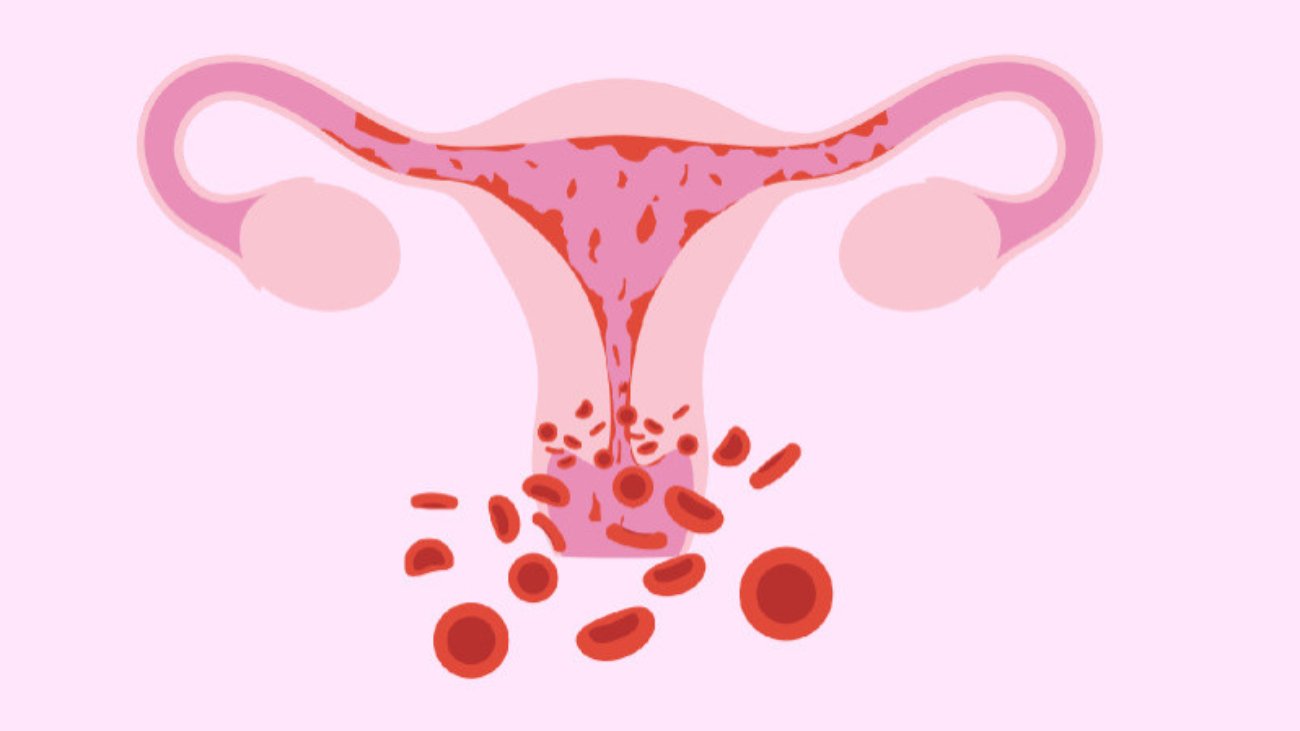
Delayed Periods: Causes, Symptoms & When to See a Doctor

Delayed Periods: Causes, Symptoms, and When to See a Doctor

Delayed Periods: Causes, Symptoms, and When to See a Doctor

A delayed or late period is one of the most common menstrual concerns women experience. While pregnancy is often the first thought when a period is late, several hormonal, medical, and lifestyle factors can also influence the menstrual cycle.

Understanding why periods get delayed, what symptoms to watch for, and when to consult a gynecologist can help you manage your reproductive health with confidence.

If your periods are consistently irregular or delayed, consulting an experienced gynecologist like Dr. Nitasha Gupta can help identify the underlying cause and guide the right treatment.

Learn more about Dr. Nitasha Gupta here:
https://www.drnitashagupta.com/about/


What Is Considered a Delayed Period?

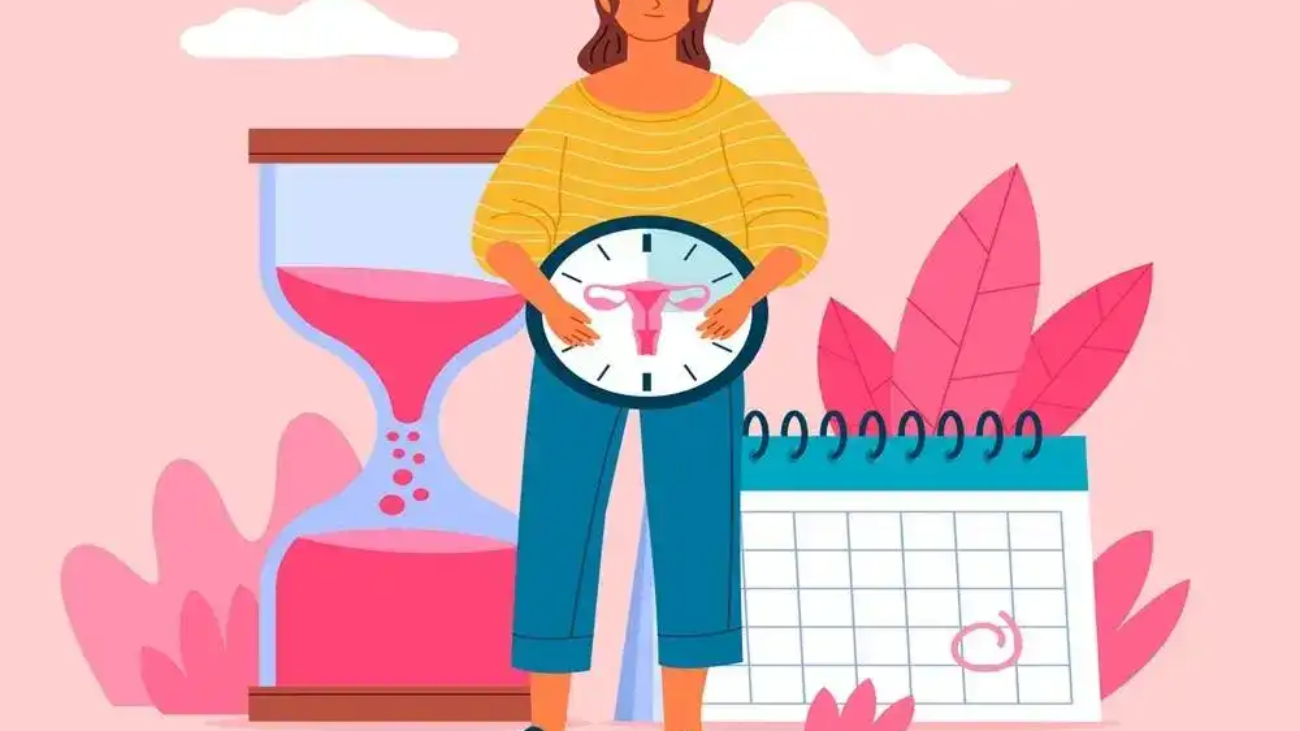
A normal menstrual cycle typically lasts 21–35 days for adults and 21–45 days for teenagers.

Menstrual bleeding usually lasts 4–7 days.

A period is generally considered late or delayed when it has not started within your expected cycle window.

For example:

  • If your cycle is normally 28 days, and your period hasn’t started after 35 days, it may be considered delayed.

However, small variations of 2–5 days are normal because ovulation timing can shift due to hormonal fluctuations.

When delay becomes concerning

You should monitor closely if:

  • Your period is more than 7–10 days late
  • You miss multiple cycles
  • You experience new symptoms like pain, abnormal discharge, or sudden weight changes

In these situations, a medical evaluation may be recommended.


Common Causes of Delayed Periods

Many factors can influence menstrual timing. These range from natural hormonal changes to medical conditions.


Age and Hormonal Changes

Menstrual cycles change naturally throughout life.

Puberty

During the first 1–3 years after the first period, cycles are often irregular. Hormones are still stabilizing, which can cause delayed or skipped periods.

Reproductive Years

Most women experience more predictable cycles, but occasional delays can still occur.

Perimenopause

As menopause approaches, estrogen and progesterone levels fluctuate, leading to:

  • irregular cycles
  • skipped periods
  • delayed menstruation

These changes are usually normal but should still be evaluated if symptoms are severe.


Pregnancy

Pregnancy is one of the most common causes of a missed or late period among sexually active women.

When fertilization occurs:

  • The body produces human chorionic gonadotropin (hCG)
  • Progesterone and estrogen levels increase
  • The uterine lining remains intact instead of shedding

This stops menstruation.

Early pregnancy symptoms may include

  • nausea or vomiting
  • breast tenderness
  • fatigue
  • frequent urination
  • mood swings
  • food cravings
  • light spotting

If your period is late and pregnancy is possible, taking a pregnancy test is the first step.


Hormonal and Medical Conditions

Certain health conditions directly affect menstrual hormones.


Polycystic Ovary Syndrome (PCOS)

PCOS affects approximately 10–13% of women of reproductive age worldwide (WHO estimate).

It can cause:

  • irregular or delayed periods
  • absence of ovulation
  • acne
  • excess facial hair
  • weight gain
  • darkened skin patches

PCOS is one of the leading causes of irregular menstrual cycles.


Thyroid Disorders

The thyroid gland regulates metabolism and hormone balance.

Both conditions can disrupt menstrual cycles:

  • Hypothyroidism (underactive thyroid)
  • Hyperthyroidism (overactive thyroid)

Symptoms may include:

  • unexplained weight gain or loss
  • fatigue
  • mood changes
  • irregular periods

Uterine or Ovarian Conditions

Structural or reproductive disorders may also affect menstrual timing, including:

  • uterine fibroids
  • ovarian cysts
  • pelvic infections
  • endometrial abnormalities

These conditions may cause:

  • delayed periods
  • heavy bleeding
  • pelvic pain

Chronic Medical Conditions

Long-term health issues may interfere with hormonal balance.

Examples include:

  • diabetes
  • celiac disease
  • pelvic inflammatory disease (PID)
  • severe infections

Managing the underlying condition often improves menstrual regularity.


Lifestyle Factors That Can Delay Periods

Daily habits play a significant role in menstrual health.


Stress

High stress affects the hypothalamus, the brain region responsible for hormone regulation.

This can delay ovulation and postpone menstruation.


Sudden Weight Changes

Rapid weight gain or weight loss can disrupt estrogen production, which regulates the menstrual cycle.


Poor Nutrition

Extremely low calorie intake or nutritional deficiencies may suppress ovulation.


Excessive Exercise

High-intensity training without adequate nutrition can reduce reproductive hormone levels.

This is common among:

  • athletes
  • dancers
  • endurance trainers

Sleep Disruption

Irregular sleep schedules and shift work can disturb hormonal rhythms that regulate menstruation.


Travel and Time-Zone Changes

Jet lag and circadian rhythm disruption may temporarily delay periods.

Most of these delays are temporary and resolve once routines stabilize.


Symptoms That May Accompany Delayed Periods

A late period may occur with additional symptoms depending on the cause.

Common accompanying symptoms include:

  • pelvic pain
  • acne
  • fatigue
  • weight changes
  • abnormal vaginal discharge
  • breast tenderness
  • excessive hair growth

These symptoms may provide clues about the underlying hormonal imbalance or medical condition.


When Should You See a Doctor for a Late Period?

Occasional delayed periods are usually harmless.

However, medical advice is recommended if:

  • your period is more than 2–3 months late
  • you miss multiple cycles
  • you experience severe pelvic pain
  • bleeding becomes unusually heavy
  • you notice sudden acne, hair growth, or weight changes
  • you suspect pregnancy complications

A gynecologist may recommend:

  • pregnancy testing
  • hormone blood tests
  • thyroid function tests
  • pelvic ultrasound
  • evaluation for PCOS or other conditions

If you are experiencing irregular periods, consult Dr. Nitasha Gupta, an experienced gynecologist specializing in women’s reproductive and hormonal health.

Book an appointment:
https://www.drnitashagupta.com/contact/


Treatment Options for Delayed Periods

Treatment depends on the underlying cause.

Possible management approaches include:

  • hormonal therapy
  • treatment for thyroid disorders
  • PCOS management
  • lifestyle modifications
  • nutritional guidance
  • stress management

Early diagnosis often prevents complications and helps restore a healthy menstrual cycle.


Importance of Tracking Your Menstrual Cycle

Monitoring your cycle helps detect changes early.

Useful tracking methods include:

  • menstrual tracking apps
  • calendar logging
  • symptom tracking
  • ovulation monitoring

This information helps doctors identify patterns and diagnose potential issues faster.


Conclusion

Delayed periods are extremely common and often caused by temporary hormonal fluctuations, stress, lifestyle changes, or natural life stages.

However, persistent or unexplained delays may indicate pregnancy, PCOS, thyroid disorders, or other health conditions that require medical evaluation.

Listening to your body, tracking your cycle, and seeking medical advice when necessary are essential steps in maintaining reproductive health.

If you have concerns about irregular or delayed periods, consulting a qualified gynecologist like Dr. Nitasha Gupta can help you find the cause and receive the appropriate treatment.


Frequently Asked Questions (FAQs)

Why is my period late but I am not pregnant?

A late period without pregnancy can be caused by stress, hormonal imbalance, PCOS, thyroid disorders, weight changes, excessive exercise, or lifestyle disruptions.


How many days late can a period be normal?

A delay of 2–5 days is usually normal, especially if your cycle varies slightly each month.


Can stress delay periods?

Yes. Stress affects hormone signals in the brain that regulate ovulation, which can delay menstruation.


Can PCOS cause missed periods?

Yes. PCOS often disrupts ovulation, which can lead to irregular, delayed, or absent periods.


When should I worry about a delayed period?

You should consult a doctor if:

  • your period is more than 2–3 months late
  • you miss multiple cycles
  • you experience severe pain or abnormal symptoms.

Related Services

Learn more about advanced women’s healthcare and intimate wellness treatments:
https://labellacosgyn.com/


Internal Links

Women’s health consultation
https://www.drnitashagupta.com/

About Dr. Nitasha Gupta
https://www.drnitashagupta.com/about/

Book an appointment
https://www.drnitashagupta.com/contact/

PERIOD & TEEN HEALTH

PERIOD & TEEN HEALTH

Teen Period Health Guide (2026): What’s Normal, What’s Not?

Clinically reviewed by Dr. Nitasha Gupta – Consultant Gynecologist & IVF Specialist

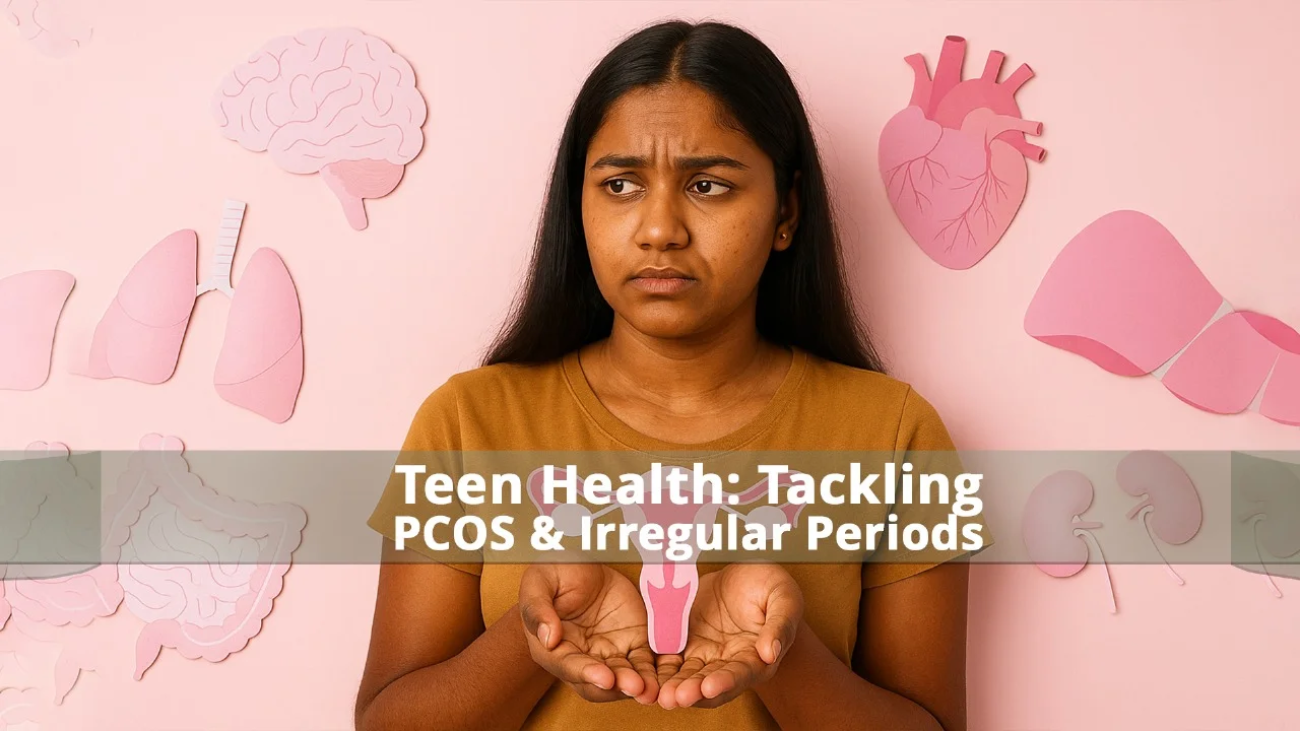
Periods are an important milestone in a girl’s life, yet teen period health remains one of the most misunderstood topics even in 2026. Parents and teenagers often worry about irregular cycles, cramps, mood changes, and long gaps between periods.

Understanding what is normal — and what requires medical attention — helps protect long-term hormonal balance, reproductive health, and future fertility.

Explore women’s health guidance:
https://www.drnitashagupta.com/


When Do Periods Usually Start in Teenagers?

Most girls experience their first period (menarche) between 9 and 15 years of age.

In the first 1–2 years, irregular cycles are common because the brain-ovary hormonal axis is still maturing. Occasional missed periods or cycle variation is considered normal during early teen period health.


What Is Considered Normal in Teen Periods?

The following patterns are usually healthy:

  • Cycle length between 21–45 days
  • Bleeding lasting 3–7 days
  • Mild to moderate cramps
  • Slight mood changes
  • Occasional irregularity in first 2 years

These patterns typically stabilize as hormonal regulation matures.


What Is NOT Normal? Red Flags Parents Should Know

Certain symptoms require medical evaluation:

  • Periods absent for >3 months
  • Very heavy bleeding (pad change every hour)
  • Severe pain affecting school or daily routine
  • Periods lasting >7–8 days
  • Excess acne or facial hair
  • Rapid weight gain or obesity

These signs may indicate hormonal imbalance in teenagers or early PCOS and should not be ignored.

Meet the specialist for adolescent gynecology care:
https://www.drnitashagupta.com/about/


Common Teen Period Problems Seen in 2026

Gynecologists are observing a rise in menstrual concerns due to modern lifestyle patterns.

Most common issues include:

  • Irregular periods in teenagers
  • Hormonal imbalance linked to stress & sleep disruption
  • Early PCOS indicators
  • Iron deficiency (anaemia)
  • Severe dysmenorrhea (painful periods)

Early intervention improves long-term reproductive outcomes.


When Should a Teen See a Gynecologist?

A consultation with a gynecologist for teens is recommended if:

  • Periods haven’t started by age 15
  • Severe cramps persist for months
  • Cycles remain irregular beyond 2 years
  • Signs of PCOS or hormonal imbalance appear

At Kore Fertility Solutions, adolescent consultations are handled with counselling-first, confidential care.

Book a consultation:
https://www.drnitashagupta.com/contact/


How Parents Can Support Teen Period Health

Parental awareness plays a vital role.

Support includes:

  • Encouraging open, stigma-free conversations
  • Promoting balanced, iron-rich nutrition
  • Ensuring proper sleep cycles
  • Managing academic & social stress
  • Seeking early medical guidance when needed

Early care prevents chronic hormonal disorders and fertility complications later in life.


Expert Note

“Most teen period concerns are manageable when addressed early. Ignoring symptoms may affect long-term reproductive and hormonal health.”
— Dr. Nitasha Gupta


Frequently Asked Questions (FAQs)

Are irregular periods normal in teenagers?

Yes. Irregular cycles are common in the first 1–2 years after menarche. Persistent irregularity needs evaluation.


Can teenagers develop PCOS?

Yes. Early hormonal signs of PCOS can appear during adolescence and should be assessed early.


When should parents worry about periods?

If periods are absent, extremely painful, unusually heavy, or associated with hormonal symptoms, medical consultation is advised.


Read more educational blogs:
https://www.drnitashagupta.com/blog/

View patient reviews & clinic directions:
https://share.google/1WUDAkXyKW6bJgLtr


Conclusion

Understanding teen period health is essential for early hormonal balance, reproductive wellness, and emotional confidence.

While irregularity can be normal initially, persistent symptoms require timely evaluation.

If you are searching for guidance on teen menstrual health, hormonal imbalance, or early PCOS care, expert consultation ensures clarity, reassurance, and preventive care.

Schedule an appointment:
https://www.drnitashagupta.com/contact/

PCOS vs Hormonal Imbalance

PCOS vs Hormonal Imbalance

PCOS vs Hormonal Imbalance: What’s the Difference in 2026?

Clinically reviewed by Dr. Nitasha Gupta – Consultant Gynecologist & IVF Specialist

Many women searching online for PCOS vs hormonal imbalance assume both conditions are the same. While they are closely related, they are medically distinct disorders requiring different diagnosis, monitoring, and treatment approaches.

Understanding this difference is essential for women experiencing irregular periods, acne, weight gain, or fertility concerns.

Learn more about women’s hormonal care:
https://www.drnitashagupta.com/


What Is Hormonal Imbalance?

Hormonal imbalance occurs when reproductive or metabolic hormones fluctuate outside their optimal range.

These hormones include:

  • Estrogen
  • Progesterone
  • Thyroid hormones
  • Insulin
  • Cortisol

Common Causes

  • Chronic stress
  • Poor sleep patterns
  • Sudden weight gain or loss
  • Thyroid disorders
  • Lifestyle disruptions

Hormonal imbalance may be temporary or chronic depending on the root cause and lifestyle factors.


What Is PCOS?

Polycystic Ovary Syndrome (PCOS) is a long-term endocrine and metabolic condition affecting ovarian function.

Key diagnostic features include:

  • Irregular or absent periods
  • Elevated androgen (male hormone) levels
  • Multiple ovarian follicles on ultrasound
  • Insulin resistance

PCOS is one of the leading causes of ovulatory infertility worldwide and requires structured long-term management.

Meet the specialist managing PCOS & fertility care:
https://www.drnitashagupta.com/about/


PCOS vs Hormonal Imbalance — Key Differences

FeatureHormonal ImbalancePCOS
NatureTemporary or chronicLifelong metabolic condition
Ovarian AppearanceUsually normalPolycystic morphology
Fertility ImpactMay affect ovulationCommonly impacts fertility
Insulin ResistanceNot always presentFrequently present
TreatmentLifestyle + medicationLong-term management

Symptoms That Overlap

Because both affect reproductive hormones, symptoms often appear similar:

  • Irregular periods
  • Acne and hair fall
  • Weight gain
  • Mood changes
  • Ovulation issues

This overlap is why professional diagnosis is essential rather than self-treatment.


Impact on Fertility

Both hormonal imbalance and PCOS can affect fertility — but through different mechanisms.

Hormonal Imbalance

  • Ovulation may be temporarily disrupted
  • Often reversible with treatment
  • PCOS
  • Chronic ovulation irregularity
  • Egg quality impact
  • May require fertility assistance

Personalized fertility planning significantly improves outcomes.

Book fertility consultation:
https://www.drnitashagupta.com/contact/


Expert Insight

“PCOS is not just a period disorder — it is a metabolic condition. Early diagnosis improves reproductive and long-term health outcomes.”
— Dr. Nitasha Gupta


How Diagnosis Is Made

A structured evaluation may include:

  • Hormonal blood tests
  • Thyroid profile
  • Pelvic ultrasound
  • Insulin resistance assessment
  • Menstrual history review

Early testing helps differentiate PCOS from temporary hormonal imbalance.


When Should You See a Gynecologist?

Consult a specialist if you experience:

  • Periods absent for >3 months
  • Severe acne or hair growth
  • Rapid weight gain
  • Difficulty conceiving
  • Persistent hormonal symptoms

Timely evaluation prevents long-term metabolic and fertility complications.

Explore more educational articles:
https://www.drnitashagupta.com/blog/


Patient Reviews & Clinic Directions

For verified patient feedback, clinic updates, and directions:

https://share.google/1WUDAkXyKW6bJgLtr


Frequently Asked Questions (FAQs)

Is PCOS the same as hormonal imbalance?

No. PCOS is a specific endocrine disorder, while hormonal imbalance may be temporary or lifestyle-related.


Can hormonal imbalance be reversed?

Yes. Many cases improve with lifestyle correction and medical care.


Does PCOS always cause infertility?

No. Many women with PCOS conceive naturally or with fertility treatment.


Can PCOS symptoms be controlled?

Yes. With weight management, insulin regulation, and hormonal therapy, symptoms can be effectively managed.


Conclusion

Understanding the difference between PCOS vs hormonal imbalance is critical for accurate treatment and fertility planning.

While hormonal imbalance may be reversible, PCOS requires long-term metabolic and reproductive care.

If you are experiencing irregular periods, hormonal symptoms, or fertility concerns, early consultation ensures better outcomes and long-term wellness.

Schedule your consultation:
https://www.drnitashagupta.com/contact/