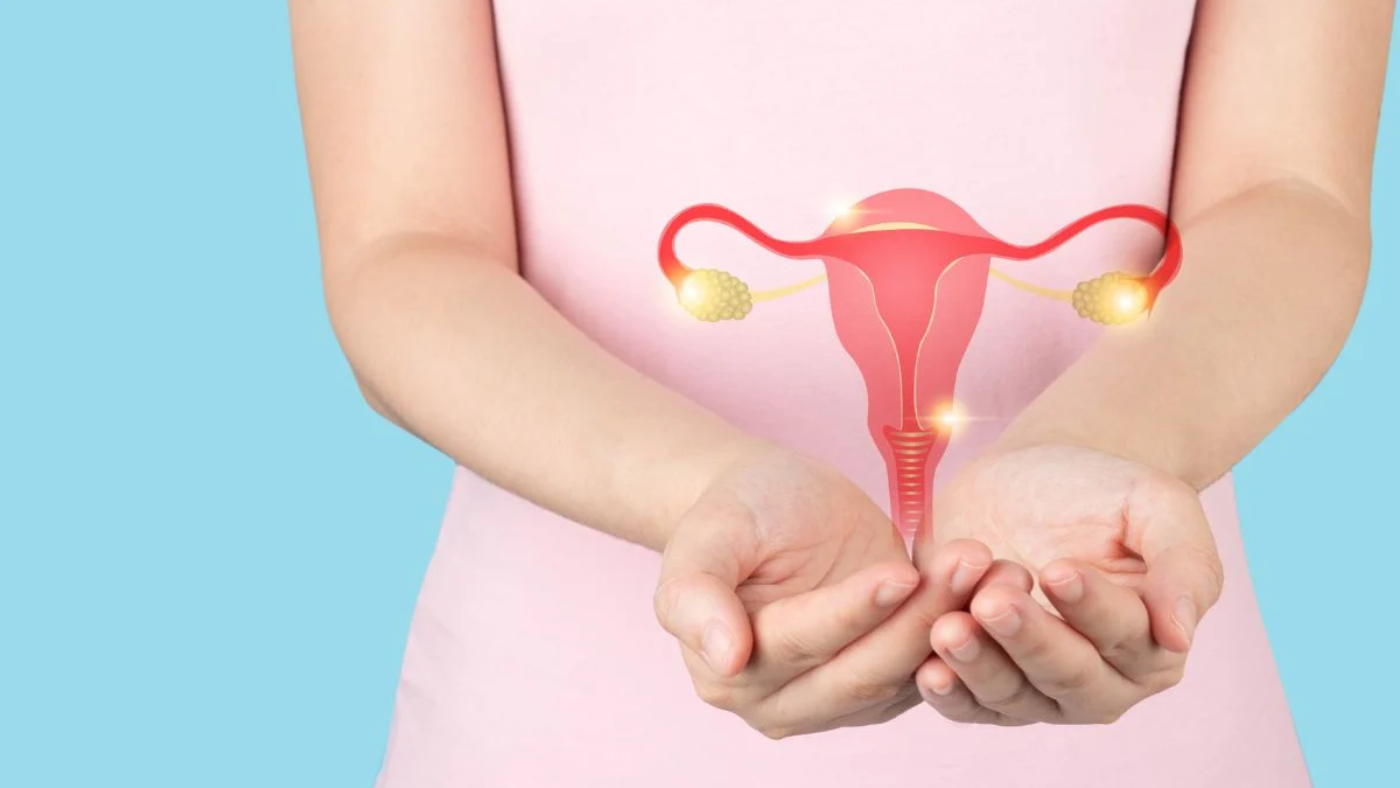
PCOS vs Hormonal Imbalance: What’s the Difference in 2026?
Clinically reviewed by Dr. Nitasha Gupta – Consultant Gynecologist & IVF Specialist
Many women searching online for PCOS vs hormonal imbalance assume both conditions are the same. While they are closely related, they are medically distinct disorders requiring different diagnosis, monitoring, and treatment approaches.
Understanding this difference is essential for women experiencing irregular periods, acne, weight gain, or fertility concerns.
Learn more about women’s hormonal care:
https://www.drnitashagupta.com/
What Is Hormonal Imbalance?
Hormonal imbalance occurs when reproductive or metabolic hormones fluctuate outside their optimal range.
These hormones include:
- Estrogen
- Progesterone
- Thyroid hormones
- Insulin
- Cortisol
Common Causes
- Chronic stress
- Poor sleep patterns
- Sudden weight gain or loss
- Thyroid disorders
- Lifestyle disruptions
Hormonal imbalance may be temporary or chronic depending on the root cause and lifestyle factors.
What Is PCOS?
Polycystic Ovary Syndrome (PCOS) is a long-term endocrine and metabolic condition affecting ovarian function.
Key diagnostic features include:
- Irregular or absent periods
- Elevated androgen (male hormone) levels
- Multiple ovarian follicles on ultrasound
- Insulin resistance
PCOS is one of the leading causes of ovulatory infertility worldwide and requires structured long-term management.
Meet the specialist managing PCOS & fertility care:
https://www.drnitashagupta.com/about/
PCOS vs Hormonal Imbalance — Key Differences
| Feature | Hormonal Imbalance | PCOS |
|---|---|---|
| Nature | Temporary or chronic | Lifelong metabolic condition |
| Ovarian Appearance | Usually normal | Polycystic morphology |
| Fertility Impact | May affect ovulation | Commonly impacts fertility |
| Insulin Resistance | Not always present | Frequently present |
| Treatment | Lifestyle + medication | Long-term management |
Symptoms That Overlap
Because both affect reproductive hormones, symptoms often appear similar:
- Irregular periods
- Acne and hair fall
- Weight gain
- Mood changes
- Ovulation issues
This overlap is why professional diagnosis is essential rather than self-treatment.
Impact on Fertility
Both hormonal imbalance and PCOS can affect fertility — but through different mechanisms.
Hormonal Imbalance
- Ovulation may be temporarily disrupted
- Often reversible with treatment
- PCOS
- Chronic ovulation irregularity
- Egg quality impact
- May require fertility assistance
Personalized fertility planning significantly improves outcomes.
Book fertility consultation:
https://www.drnitashagupta.com/contact/
Expert Insight
“PCOS is not just a period disorder — it is a metabolic condition. Early diagnosis improves reproductive and long-term health outcomes.”
— Dr. Nitasha Gupta
How Diagnosis Is Made
A structured evaluation may include:
- Hormonal blood tests
- Thyroid profile
- Pelvic ultrasound
- Insulin resistance assessment
- Menstrual history review
Early testing helps differentiate PCOS from temporary hormonal imbalance.
When Should You See a Gynecologist?
Consult a specialist if you experience:
- Periods absent for >3 months
- Severe acne or hair growth
- Rapid weight gain
- Difficulty conceiving
- Persistent hormonal symptoms
Timely evaluation prevents long-term metabolic and fertility complications.
Explore more educational articles:
https://www.drnitashagupta.com/blog/
Patient Reviews & Clinic Directions
For verified patient feedback, clinic updates, and directions:
https://share.google/1WUDAkXyKW6bJgLtr
Frequently Asked Questions (FAQs)
Is PCOS the same as hormonal imbalance?
No. PCOS is a specific endocrine disorder, while hormonal imbalance may be temporary or lifestyle-related.
Can hormonal imbalance be reversed?
Yes. Many cases improve with lifestyle correction and medical care.
Does PCOS always cause infertility?
No. Many women with PCOS conceive naturally or with fertility treatment.
Can PCOS symptoms be controlled?
Yes. With weight management, insulin regulation, and hormonal therapy, symptoms can be effectively managed.
Conclusion
Understanding the difference between PCOS vs hormonal imbalance is critical for accurate treatment and fertility planning.
While hormonal imbalance may be reversible, PCOS requires long-term metabolic and reproductive care.
If you are experiencing irregular periods, hormonal symptoms, or fertility concerns, early consultation ensures better outcomes and long-term wellness.
Schedule your consultation:
https://www.drnitashagupta.com/contact/
Leave A Comment