Period problems are common, but that does not mean every change in your menstrual cycle should be ignored.
A period that occasionally arrives a few days early or late may not be a cause for concern. However, very painful periods, unusually heavy bleeding, missed periods, consistently irregular cycles, bleeding between periods, or sudden changes in your normal menstrual pattern can sometimes indicate an underlying hormonal, reproductive, or gynecological condition.
For many women, especially teenagers and women in their 20s and 30s, symptoms such as painful periods, PCOS-related irregular cycles, hormonal acne, excessive hair growth, delayed periods and heavy bleeding are easy to dismiss as “normal.”
They are worth discussing with a gynecologist when they persist, worsen, interfere with daily life, or represent a significant change from your usual cycle.
If you are looking for a gynecologist in Chandigarh, Zirakpur, Mohali or Panchkula for period-related concerns, a personalized medical evaluation can help identify the cause rather than simply treating the symptom.
Quick Answer: When Should You See a Gynecologist for Period Problems?
You should consider seeing a gynecologist if your periods:
- Become significantly more painful than before
- Cause pain that interferes with school, work, sleep, exercise or daily activities
- Become unusually heavy
- Last longer than 7 days
- Require you to change a pad or tampon every 1–2 hours
- Become consistently irregular
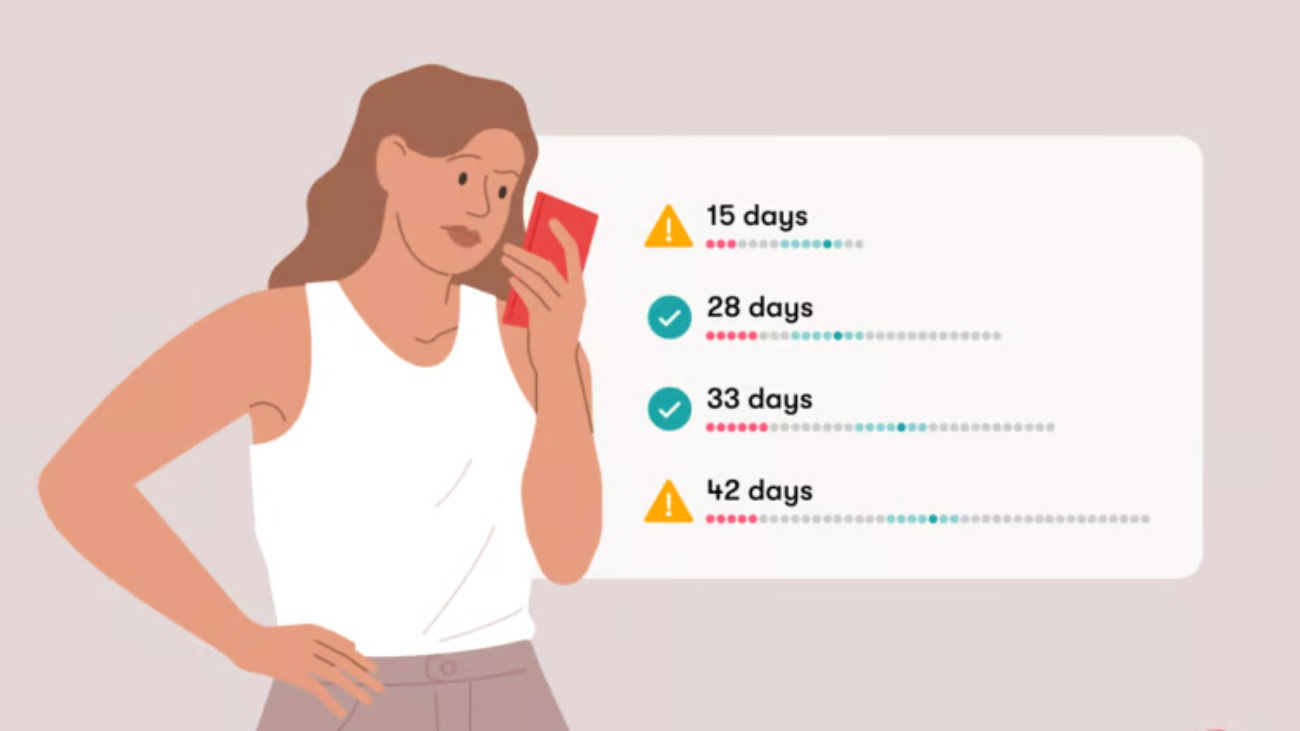
- Occur less than 21 days apart or more than 35 days apart as an adult
- Stop for several months without an expected reason
- Cause bleeding between periods
- Cause bleeding after sex
- Are associated with persistent pelvic pain
- Are accompanied by unusual vaginal discharge, fever or other concerning symptoms
- Are associated with symptoms of PCOS or hormonal imbalance
- Change suddenly after previously being regular
- Are affecting your quality of life or fertility plans
ACOG considers bleeding that lasts more than 7 days, very heavy bleeding, bleeding between periods and cycles outside the usual range to be possible signs of abnormal uterine bleeding requiring evaluation.
What Is a Normal Period?

There is no single “perfect” menstrual cycle for every woman.
For most adults, a menstrual cycle commonly falls between 21 and 35 days, counted from the first day of one period to the first day of the next. Menstrual bleeding generally lasts up to about 7 days.
Your cycle can change temporarily because of:
- Stress
- Travel
- Changes in sleep
- Weight changes
- Illness
- Excessive exercise
- Hormonal contraception
- Puberty
- Pregnancy
- Perimenopause
The important question is not simply, “Is my period exactly every 28 days?”
Instead, ask:
“Has my menstrual pattern changed significantly, and is that change persistent or affecting my health or daily life?”
That distinction is particularly important for Gen Z women and young adults who may use period-tracking apps and become concerned about small variations. A few days of variation does not automatically mean something is wrong.
10 Warning Signs You Should See a Gynecologist for Period Problems
1. Your Periods Are Extremely Heavy
Heavy menstrual bleeding is one of the most important period symptoms to discuss with a gynecologist.
You may have unusually heavy bleeding if:
- You need to change a pad or tampon every 1–2 hours
- You frequently bleed through clothes or bedding
- Your period lasts longer than 7 days
- You need to use multiple menstrual products at once
- Heavy bleeding regularly interferes with work, college, exercise or social activities
- You feel unusually tired, weak, dizzy or short of breath
Heavy menstrual bleeding can sometimes contribute to iron-deficiency anemia and may have different causes, including hormonal or ovulatory problems, fibroids, endometriosis, adenomyosis or bleeding disorders.
When is heavy period bleeding an emergency?
If you are soaking through a pad or tampon every hour for more than two hours and also experience symptoms such as dizziness, light-headedness, shortness of breath or chest pain, seek urgent medical care.
2. Your Period Pain Is Severe or Getting Worse
Mild to moderate cramps can occur during menstruation.
But severe period pain should not automatically be dismissed as something every woman has to tolerate.
See a gynecologist if:
- Pain prevents you from attending work or college
- You regularly miss social activities because of period pain
- Pain wakes you during the night
- Painkillers are no longer helping
- Your period pain has progressively become worse
- You experience pelvic pain outside your period
- You have pain during sex
- You have pain while urinating or passing stool during your period
Severe or worsening period pain can sometimes be associated with conditions such as endometriosis, adenomyosis, fibroids or pelvic inflammatory disease.
A useful rule:
If period pain is controlling your schedule rather than you controlling your schedule, it deserves medical attention.
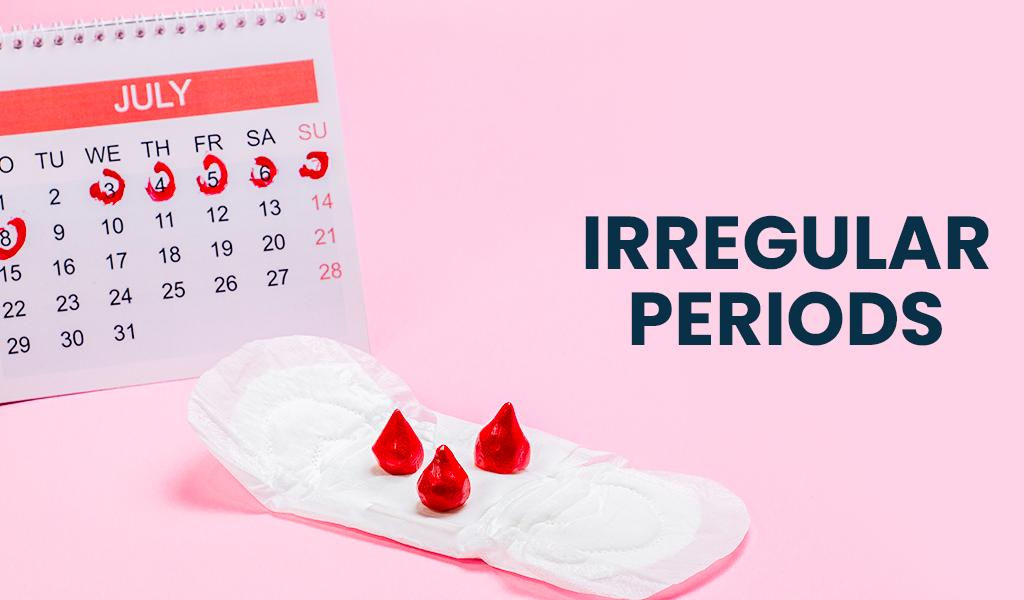
3. Your Periods Have Suddenly Become Irregular
Irregular periods can happen for many reasons, and occasional variation is not necessarily a medical problem.
However, you should consult a gynecologist if your previously regular periods suddenly become irregular or if irregularity continues.
Possible causes include:
- PCOS
- Thyroid disorders
- Stress
- Significant weight gain or weight loss
- Excessive exercise
- Hormonal changes
- Certain medications
- Pregnancy
- Perimenopause
- Problems with ovulation
The NHS recommends medical evaluation when periods become irregular or when your usual menstrual pattern changes.
4. You Are Missing Periods for Several Months
A missed period can have many explanations.
Pregnancy is one of the first possibilities to consider if pregnancy is possible, but missed periods can also occur with hormonal changes, PCOS, significant weight changes, stress, excessive exercise and other medical conditions.
If you have gone three months or more without a period, particularly if this is unusual for you, you should speak with a healthcare professional.
ACOG specifically recommends evaluation when menstruation stops for more than three months in adolescents, while abnormal absence of periods in adults also warrants assessment depending on the circumstances.
5. You Bleed Between Periods
Bleeding or spotting between periods should not automatically be ignored, particularly if it is new or recurrent.
Possible causes can include:
- Hormonal fluctuations
- Ovulation
- Hormonal contraception
- Cervical or vaginal conditions
- Infections
- Polyps
- Pregnancy-related causes
- Other gynecological conditions
ACOG lists bleeding or spotting between periods as abnormal uterine bleeding that should be evaluated.
6. You Bleed After Sex
Bleeding after sex can have several possible causes.
It may be related to cervical irritation, infection, hormonal changes or other cervical or reproductive health conditions.
If bleeding after intercourse is recurrent or unexplained, book a gynecological consultation rather than repeatedly assuming it is normal.
7. You Have Period Problems Along With PCOS Symptoms
Irregular periods become more important to investigate when they occur alongside symptoms such as:
- Excess facial or body hair
- Persistent acne
- Scalp hair thinning
- Unexplained weight changes
- Difficulty getting pregnant
- Irregular or absent ovulation
- Darkening of skin in certain areas
PCOS is one possible cause of irregular periods and ovulatory dysfunction, although these symptoms do not automatically mean you have PCOS.
A gynecologist can assess your symptoms, menstrual history and other relevant factors before deciding whether further testing is necessary.
For more information, you can also read our guide on PCOS vs Hormonal Imbalance.
8. Your Periods Are Affecting Your Fertility
Irregular or absent periods can sometimes indicate irregular ovulation.
If you are trying to conceive and your periods are consistently irregular, discussing your menstrual pattern with a gynecologist may be useful rather than waiting indefinitely.
Irregular ovulation can make it harder to predict the fertile window and may be associated with conditions such as PCOS or thyroid disorders.
If you are trying to conceive and need fertility guidance, explore our fertility and IVF resources or schedule a consultation with Dr. Nitasha Gupta.
9. Your Period Symptoms Are Getting Worse in Your 20s or 30s
Many young women grow up hearing that painful periods are simply part of being a woman.
That belief can delay diagnosis.
If your periods were manageable previously but have become progressively more painful or heavy in your 20s or 30s, it is reasonable to get evaluated.
Conditions such as endometriosis, adenomyosis and fibroids can cause significant menstrual pain or heavy bleeding.
A normal-looking period is not defined only by how many days you bleed. Your symptoms and their effect on your life matter too.
10. You Feel Dizzy, Extremely Tired or Weak During Your Period
Very heavy menstrual bleeding can contribute to iron deficiency and anemia.
Speak with a gynecologist if heavy periods are accompanied by:
- Persistent fatigue
- Weakness
- Dizziness
- Breathlessness
- Reduced exercise tolerance
- Headaches
- Feeling faint
Your doctor may decide that blood tests or other investigations are appropriate depending on your symptoms.
Period Problems in Teenagers and Gen Z: What Is Normal?

Teenage menstrual cycles can be different from adult cycles.
During the first few years after menstruation begins, irregular cycles can occur as the hormonal system matures. However, persistent or extreme abnormalities still deserve evaluation.
For adolescents, ACOG notes that cycles commonly occur every 21–45 days, and periods lasting longer than 7 days or requiring very frequent menstrual-product changes may indicate excessive bleeding.
A teenager should be evaluated if:
- Periods have not started by age 15
- Periods are more than 90 days apart
- Periods consistently occur very frequently
- Bleeding lasts more than 7 days
- Pads or tampons need to be changed every 1–2 hours
- Heavy bleeding is associated with dizziness or fainting
- There is a history of unusual bruising or bleeding
Parents and teenagers should also understand that asking for gynecological help is not something to be embarrassed about.
Menstrual health is part of overall health.
What Can Cause Period Problems?
Period problems can have many different causes. A diagnosis should not be made from symptoms alone.
Common possibilities include:
Hormonal and Ovulatory Causes
- PCOS
- Thyroid disorders
- Changes in ovulation
- Hormonal contraception
- Perimenopause
Uterine Causes
- Fibroids
- Polyps
- Adenomyosis
- Endometriosis
Lifestyle and Physiological Factors
- Significant weight changes
- Excessive exercise
- Stress
- Sleep disruption
- Nutritional problems
Other Medical Causes
- Bleeding disorders
- Pregnancy-related conditions
- Certain medications
- Pelvic infections
ACOG notes that abnormal uterine bleeding can have multiple causes and that sometimes more than one factor may be involved.
Can Stress Cause Irregular or Delayed Periods?
Yes, stress can influence the hormones involved in ovulation and menstruation.
However, “it’s just stress” should not become a permanent explanation for repeatedly abnormal periods.
If your periods remain irregular, stop for several months, become unusually heavy or are accompanied by other symptoms, medical evaluation can help determine whether stress is actually the main factor or whether another condition is involved.
Can PCOS Cause Irregular Periods?
Yes.
PCOS can affect ovulation and therefore cause periods to become irregular, delayed or absent.
Some women with PCOS also experience acne, excess facial or body hair, scalp hair thinning or metabolic changes.
However, irregular periods alone do not diagnose PCOS.
A gynecologist considers the overall clinical picture and may recommend appropriate examination, blood tests and/or ultrasound depending on the individual patient.
Can Severe Period Pain Be a Sign of Endometriosis?
It can be.
Endometriosis is one of the conditions that can cause significant menstrual or pelvic pain.
Possible symptoms can include:
- Severe period cramps
- Pelvic pain
- Pain during sex
- Pain while passing stool
- Pain while urinating during periods
- Heavy or irregular bleeding
- Fertility difficulties
The NHS also identifies endometriosis and adenomyosis among possible causes of painful periods.
Importantly, a normal initial scan does not necessarily mean that severe symptoms should be dismissed.
Persistent symptoms still deserve a clinical discussion.
What Happens During a Gynecologist Consultation for Period Problems?
A period consultation usually starts with your medical and menstrual history.
Your gynecologist may ask about:
- Date of your last period
- Average cycle length
- Number of bleeding days
- Amount of bleeding
- Presence of blood clots
- Pain severity
- Previous menstrual pattern
- Pregnancy possibility
- Medications
- Contraception
- Weight changes
- Stress and exercise
- PCOS symptoms
- Fertility plans
- Family history of menstrual or bleeding disorders
Depending on your symptoms, your doctor may recommend investigations such as:
- Blood tests
- Pregnancy testing when appropriate
- Hormonal evaluation
- Pelvic examination when indicated
- Ultrasound
- Other investigations based on the suspected cause
ACOG notes that evaluation of abnormal bleeding may include medical history, examination, pregnancy testing, blood tests and ultrasound depending on age and symptoms.
What Should You Track Before Seeing a Gynecologist?
A period diary can make your consultation more useful.
Track:
- First day of each period
- Last day of bleeding
- Number of pads/tampons used
- Heavy-flow days
- Pain severity
- Pain location
- Spotting between periods
- Bleeding after sex
- Pelvic pain outside your period
- Medications or painkillers used
- Other symptoms such as acne, hair growth, fatigue or dizziness
Period-tracking apps can be useful, but the information should be interpreted in the context of your symptoms and overall health.
When Should Period Problems Be Treated as an Emergency?
Most period problems can be evaluated through a scheduled gynecology consultation.
However, seek urgent medical attention if you have very heavy bleeding accompanied by severe dizziness, fainting, shortness of breath, chest pain, marked weakness or other signs of significant blood loss.
Sudden severe pelvic or abdominal pain, especially when pregnancy is possible, also requires urgent medical assessment.
Do not rely on an online article, period-tracking app or social media post to decide whether an acute symptom is an emergency.
Should You See a Gynecologist for Every Irregular Period?
Not necessarily.
A single period that is a few days early or late can happen.
Your cycle can temporarily change because of stress, travel, illness, sleep disruption, weight changes, exercise or other factors.
The bigger warning signs are:
Persistence + severity + sudden change + impact on daily life + associated symptoms.
If an abnormal pattern continues or concerns you, it is appropriate to discuss it with a gynecologist.
Why You Shouldn’t Normalize Severe Period Symptoms
One of the biggest problems with menstrual health is that women sometimes learn to tolerate symptoms that deserve medical attention.
Statements such as:
“Everyone has painful periods.”
“Heavy bleeding runs in my family.”
“My periods have always been irregular.”
“It is probably just PCOS.”
“I will see a doctor when I want to get pregnant.”
should not automatically end the conversation.
A menstrual pattern can provide useful information about hormonal, reproductive and general health.
Early evaluation does not necessarily mean that something serious is wrong.
It means that the cause should be understood rather than guessed.
When Should You See a Gynecologist for Period Problems? A Simple Checklist
You should consider booking a consultation if you have:
Severe or worsening period pain
Heavy menstrual bleeding
Bleeding lasting more than 7 days
Pads or tampons needing frequent changes
Periods consistently shorter than 21 days
Adult cycles consistently longer than 35 days
Periods absent for several months
Bleeding between periods
Bleeding after sex
Persistent pelvic pain
Symptoms suggestive of PCOS
Period-related fatigue or dizziness
Period problems affecting work, college or daily life
Difficulty conceiving associated with irregular periods
Frequently Asked Questions About Period Problems
When should I see a gynecologist for irregular periods?
See a gynecologist when irregular periods become persistent, represent a significant change from your usual cycle, occur very frequently or infrequently, or occur alongside symptoms such as excessive hair growth, acne, pelvic pain, unusual bleeding or difficulty conceiving.
How irregular is too irregular for periods?
For many adults, menstrual cycles commonly fall between 21 and 35 days. Cycles consistently outside this range, major changes from your normal pattern or periods that are absent for several months should be discussed with a healthcare professional.
Is it normal to have very painful periods?
Some cramping is common, but severe pain that interferes with normal activities, gets progressively worse or does not improve with usual measures deserves medical evaluation. Conditions including endometriosis, adenomyosis and fibroids can cause significant period pain.
How heavy is too heavy for a period?
Bleeding that requires changing a pad or tampon every 1–2 hours, lasts more than 7 days, repeatedly leaks through clothes or bedding, or causes symptoms such as dizziness or weakness should be evaluated.
Is missing a period for one month normal?
A single missed or delayed period can happen for several reasons, including stress, weight changes, illness, hormonal changes or pregnancy. If pregnancy is possible, consider appropriate pregnancy testing. Repeated missed periods or an absence of menstruation for several months warrants medical evaluation.
Can PCOS cause delayed or missed periods?
Yes. PCOS can interfere with regular ovulation and may result in delayed, irregular or absent periods. However, irregular periods alone do not establish a diagnosis of PCOS.
Can stress delay your period?
Stress can affect the hormonal processes involved in ovulation and menstruation. However, persistent irregular or absent periods should not automatically be attributed to stress without considering other possible causes.
Can irregular periods affect fertility?
They can, particularly when irregular cycles are caused by irregular ovulation. Conditions such as PCOS and thyroid disorders may affect ovulation and fertility. If you are trying to conceive and your periods are consistently irregular, a gynecological or fertility evaluation can be useful.
Should I see a gynecologist if my period pain is stopping me from working or studying?
Yes. Period pain that prevents normal daily activities is a good reason to seek medical evaluation. Severe menstrual pain should not simply be accepted as something you have to live with.
Do teenagers need to see a gynecologist for irregular periods?
Sometimes. Menstrual cycles can naturally be irregular during the first few years after menstruation begins. However, very heavy bleeding, periods lasting more than 7 days, periods more than 90 days apart, extremely frequent cycles or significant symptoms should be evaluated.
Can period problems be treated?
Treatment depends entirely on the underlying cause.
Depending on the diagnosis, management may involve lifestyle changes, medication, hormonal treatment, treatment of an underlying condition, correction of iron deficiency, or specialist procedures when appropriate.
There is no single “best medicine for period problems” because heavy bleeding, PCOS, endometriosis, thyroid disorders and other causes require different approaches.
Should I wait until I am trying to get pregnant before treating irregular periods?
No.
Irregular periods may sometimes reflect irregular ovulation or another underlying health issue. Understanding the cause earlier can help you make informed decisions about your reproductive and overall health.
Period Problems Are a Health Signal, Not Something You Have to Simply Tolerate
Your period does not have to be perfectly predictable to be healthy.
But persistent heavy bleeding, severe pain, significant irregularity, prolonged absence of periods or a sudden change in your normal cycle should not be routinely dismissed.
The goal of a gynecology consultation is not simply to “make periods regular.”
The goal is to understand why your cycle has changed, identify any underlying condition when present, and choose an appropriate treatment or monitoring plan.
If you are experiencing persistent menstrual problems and are looking for a gynecologist in Chandigarh, Zirakpur, Mohali or Panchkula, Dr. Nitasha Gupta provides gynecology, PCOS, menstrual disorder, fertility and women’s healthcare consultations.
Book a Gynecology Consultation
If your periods have become painful, heavy, irregular or difficult to manage, consider discussing your symptoms with a qualified gynecologist.
Dr. Nitasha Gupta
Consultant Gynecologist, IVF & Women’s Health Specialist
Serving patients from Zirakpur, Chandigarh, Mohali, Panchkula, Dera Bassi and nearby areas
Medical Disclaimer
This article is intended for general educational purposes and does not replace an individual medical consultation, diagnosis or treatment plan. Menstrual symptoms can have different causes in different patients. If you have severe bleeding, severe pain, fainting, shortness of breath, chest pain or another urgent symptom, seek appropriate medical care promptly.