PMOS Explained: New Name for PCOS

PMOS Explained: New Name for PCOS Every Woman Should Know | Dr. Nitasha Gupta

PMOS Explained: The New Name for PCOS Every Woman Should Know

Simple Guide by Dr. Nitasha Gupta

For years, millions of women around the world have known a common hormonal condition as PCOS (Polycystic Ovary Syndrome). But now, doctors and health experts globally have introduced a new name:

PMOS — Polyendocrine Metabolic Ovarian Syndrome

This change is important because the condition is not just about ovarian cysts. It affects hormones, metabolism, weight, fertility, skin, mental health, and overall wellbeing.

At Dr. Nitasha Gupta’s clinic, many women from Chandigarh, Panchkula, Mohali, Zirakpur, and nearby areas visit with symptoms like irregular periods, acne, weight gain, difficulty getting pregnant, or hormonal imbalance — all of which may be linked to PMOS/PCOS.

This blog explains PMOS in easy language so every woman can better understand her body and take the right steps early.


What Is PMOS?

PMOS stands for:

Polyendocrine Metabolic Ovarian SyndromeWhat Is PMOS?
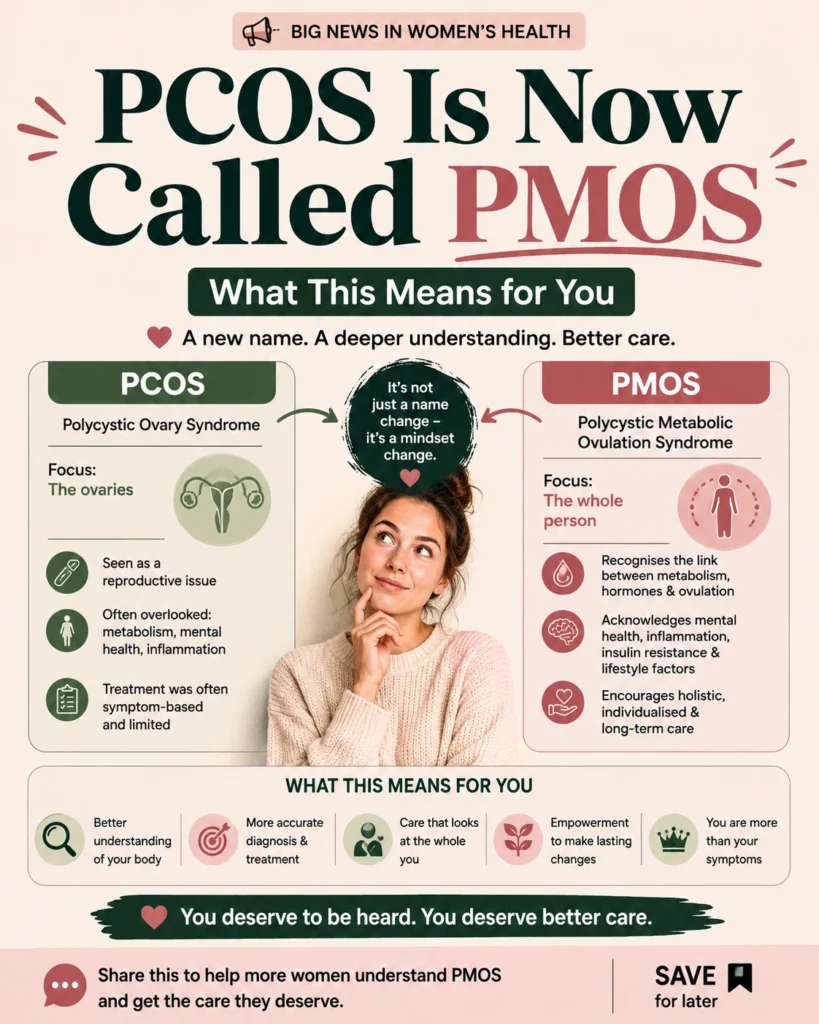
It is the new medical name for PCOS.

Experts changed the name because the old name confused many women. Most people thought PCOS only meant ovarian cysts, but that is not true.

In fact:

  • Many women with PCOS do not actually have cysts
  • The condition affects multiple hormones
  • It can affect metabolism, fertility, weight, mood, and skin

More than 170 million women worldwide are affected by this condition.


Why Was PCOS Renamed to PMOS?

The old name:

Polycystic Ovary Syndrome

focused only on ovaries and “cysts.”

But doctors now understand this condition is much more complex.

The new name PMOS better explains:

  • Hormonal imbalance
  • Metabolic issues
  • Weight-related problems
  • Fertility concerns
  • Long-term health risks

According to international experts and researchers, the old name caused:

  • Delayed diagnosis
  • Confusion
  • Poor awareness
  • Incomplete treatment

The PMOS name change was supported by more than 50 international health organizations and thousands of women globally.


Common Symptoms of PMOS (PCOS)

Every woman experiences PMOS differently.

Common PMOS Symptoms Include:

Irregular Periods

Periods may come late, stop for months, or become unpredictable.

Weight Gain

Many women gain weight easily, especially around the stomach.

Acne and Oily Skin

Hormonal imbalance can trigger stubborn acne.

Excess Hair Growth

Some women notice unwanted facial or body hair.

Hair Fall

Thinning hair or hair loss is also common.

Difficulty Getting Pregnant

PMOS can affect ovulation and fertility.

Mood Swings and Anxiety

Hormonal changes may impact mental health too.

Dark Skin Patches

Darkness around the neck or underarms may happen due to insulin resistance.


What Causes PMOS?

There is no single cause, but several factors may contribute.

Possible Causes Include:

  • Hormonal imbalance
  • Insulin resistance
  • Genetics
  • Lifestyle factors
  • Obesity
  • Stress
  • Poor sleep
  • Inflammation

Many women with PMOS have higher insulin levels, which may increase male hormones (androgens) in the body.


How Does PMOS Affect Fertility?

One of the biggest concerns women face with PMOS is:

Difficulty Getting Pregnant

PMOS may prevent regular ovulation, making conception harder.

But the good news is:

Pregnancy Is Still Possible

With proper treatment, lifestyle improvement, ovulation support, or fertility treatments like IVF, many women with PMOS successfully become mothers.

At Dr. Nitasha Gupta’s fertility clinic, personalised treatment plans are created based on:

  • Age
  • Hormone levels
  • Weight
  • Ovulation pattern
  • Fertility goals

How Is PMOS Diagnosed?

Doctors may recommend:

  • Blood tests
  • Ultrasound
  • Hormone testing
  • Menstrual history evaluation
  • Weight and metabolic assessment

There is no single test for PMOS. Diagnosis usually involves understanding symptoms together.


Can PMOS Be Cured?

PMOS is usually a long-term condition, but symptoms can be managed very effectively.

Many women improve significantly through:

  • Healthy diet
  • Exercise
  • Weight management
  • Stress reduction
  • Proper sleep
  • Hormonal treatment
  • Fertility treatment if needed

Early diagnosis often leads to better long-term health outcomes.


Best Lifestyle Changes for PMOS

1. Regular Exercise

Even walking daily can help improve hormones and insulin sensitivity.

2. Healthy Eating

Focus on:

  • Protein-rich meals
  • Fiber-rich foods
  • Fruits and vegetables
  • Low sugar intake
  • Healthy fats

3. Weight Management

Even small weight loss may improve periods and ovulation.

4. Good Sleep

Sleep affects hormone balance more than many people realise.

5. Stress Management

Yoga, meditation, and relaxation techniques may help hormonal health.


Foods That May Help PMOS

PMOS-Friendly Foods Include:

  • Nuts and seeds
  • Leafy vegetables
  • Eggs
  • Fish
  • Whole grains
  • Greek yogurt
  • Lentils
  • Fruits with low sugar

Avoid excessive processed food, sugary drinks, and junk food whenever possible.


Treatment Options for PMOS

Treatment depends on symptoms and future pregnancy plans.

Common PMOS Treatments Include:

  • Hormonal medications
  • Ovulation induction
  • Weight management support
  • Insulin resistance treatment
  • Fertility treatment
  • IVF if needed

Every woman’s body is different, which is why personalised treatment matters.


PMOS and Mental Health

Many women silently struggle emotionally with PMOS.

Common emotional effects include:

  • Low confidence
  • Anxiety
  • Mood swings
  • Stress
  • Body image concerns

This condition is not “just about periods.” It can affect overall quality of life.

Support, awareness, and proper medical guidance are important.


Why Women Trust Dr. Nitasha Gupta

Dr. Nitasha Gupta is known for advanced women’s healthcare, fertility treatment, IVF care, and compassionate support for hormonal conditions like PMOS/PCOS.

Women across Chandigarh Tricity trust her for:

  • PCOS & PMOS treatment
  • Fertility consultation
  • IVF support
  • Hormonal imbalance care
  • Pregnancy planning
  • Women wellness treatment

Her approach focuses on both medical treatment and long-term lifestyle improvement.


FAQs About PMOS

Is PMOS different from PCOS?

PMOS is the new name for PCOS. The condition is the same, but the new name better explains the hormonal and metabolic nature of the disorder.

Can women with PMOS get pregnant?

Yes. Many women with PMOS conceive naturally or with fertility support.

Is weight gain common in PMOS?

Yes. Hormonal imbalance and insulin resistance often make weight management difficult.

Does PMOS only affect ovaries?

No. PMOS can affect hormones, metabolism, skin, mental health, and fertility too.

Can exercise help PMOS?

Yes. Regular exercise may improve insulin sensitivity, hormones, and ovulation.

Is PMOS lifelong?

It is usually long-term, but symptoms can often be controlled successfully.


Final Thoughts

The new name PMOS is helping doctors and women better understand this complex hormonal condition. It is not simply about ovarian cysts — it affects the entire body, including hormones, metabolism, fertility, and emotional health.

Early diagnosis, healthy lifestyle habits, and expert medical support can make a major difference.

If you are experiencing irregular periods, hormonal imbalance, acne, unexplained weight gain, or fertility concerns, consult Dr. Nitasha Gupta for personalised women’s healthcare and fertility guidance.
PCOS Treatment in Panchkula: Symptoms, Causes, Fertility & Pregnancy Guide

PCOS Symptoms, Diagnosis, and Treatment Options

PCOS Symptoms in Women – Causes, Signs & Treatment Options

Why More Women in Their 20s & 30s Are Facing Hormonal Imbalance in 2026


PERIOD & TEEN HEALTH

PERIOD & TEEN HEALTH

Teen Period Health Guide (2026): What’s Normal, What’s Not?

Clinically reviewed by Dr. Nitasha Gupta – Consultant Gynecologist & IVF Specialist

Periods are an important milestone in a girl’s life, yet teen period health remains one of the most misunderstood topics even in 2026. Parents and teenagers often worry about irregular cycles, cramps, mood changes, and long gaps between periods.

Understanding what is normal — and what requires medical attention — helps protect long-term hormonal balance, reproductive health, and future fertility.

Explore women’s health guidance:
https://www.drnitashagupta.com/


When Do Periods Usually Start in Teenagers?

Most girls experience their first period (menarche) between 9 and 15 years of age.

In the first 1–2 years, irregular cycles are common because the brain-ovary hormonal axis is still maturing. Occasional missed periods or cycle variation is considered normal during early teen period health.


What Is Considered Normal in Teen Periods?

The following patterns are usually healthy:

  • Cycle length between 21–45 days
  • Bleeding lasting 3–7 days
  • Mild to moderate cramps
  • Slight mood changes
  • Occasional irregularity in first 2 years

These patterns typically stabilize as hormonal regulation matures.


What Is NOT Normal? Red Flags Parents Should Know

Certain symptoms require medical evaluation:

  • Periods absent for >3 months
  • Very heavy bleeding (pad change every hour)
  • Severe pain affecting school or daily routine
  • Periods lasting >7–8 days
  • Excess acne or facial hair
  • Rapid weight gain or obesity

These signs may indicate hormonal imbalance in teenagers or early PCOS and should not be ignored.

Meet the specialist for adolescent gynecology care:
https://www.drnitashagupta.com/about/


Common Teen Period Problems Seen in 2026

Gynecologists are observing a rise in menstrual concerns due to modern lifestyle patterns.

Most common issues include:

  • Irregular periods in teenagers
  • Hormonal imbalance linked to stress & sleep disruption
  • Early PCOS indicators
  • Iron deficiency (anaemia)
  • Severe dysmenorrhea (painful periods)

Early intervention improves long-term reproductive outcomes.


When Should a Teen See a Gynecologist?

A consultation with a gynecologist for teens is recommended if:

  • Periods haven’t started by age 15
  • Severe cramps persist for months
  • Cycles remain irregular beyond 2 years
  • Signs of PCOS or hormonal imbalance appear

At Kore Fertility Solutions, adolescent consultations are handled with counselling-first, confidential care.

Book a consultation:
https://www.drnitashagupta.com/contact/


How Parents Can Support Teen Period Health

Parental awareness plays a vital role.

Support includes:

  • Encouraging open, stigma-free conversations
  • Promoting balanced, iron-rich nutrition
  • Ensuring proper sleep cycles
  • Managing academic & social stress
  • Seeking early medical guidance when needed

Early care prevents chronic hormonal disorders and fertility complications later in life.


Expert Note

“Most teen period concerns are manageable when addressed early. Ignoring symptoms may affect long-term reproductive and hormonal health.”
— Dr. Nitasha Gupta


Frequently Asked Questions (FAQs)

Are irregular periods normal in teenagers?

Yes. Irregular cycles are common in the first 1–2 years after menarche. Persistent irregularity needs evaluation.


Can teenagers develop PCOS?

Yes. Early hormonal signs of PCOS can appear during adolescence and should be assessed early.


When should parents worry about periods?

If periods are absent, extremely painful, unusually heavy, or associated with hormonal symptoms, medical consultation is advised.


Read more educational blogs:
https://www.drnitashagupta.com/blog/

View patient reviews & clinic directions:
https://share.google/1WUDAkXyKW6bJgLtr


Conclusion

Understanding teen period health is essential for early hormonal balance, reproductive wellness, and emotional confidence.

While irregularity can be normal initially, persistent symptoms require timely evaluation.

If you are searching for guidance on teen menstrual health, hormonal imbalance, or early PCOS care, expert consultation ensures clarity, reassurance, and preventive care.

Schedule an appointment:
https://www.drnitashagupta.com/contact/

PCOS vs Hormonal Imbalance

PCOS vs Hormonal Imbalance

PCOS vs Hormonal Imbalance: What’s the Difference in 2026?

Clinically reviewed by Dr. Nitasha Gupta – Consultant Gynecologist & IVF Specialist

Many women searching online for PCOS vs hormonal imbalance assume both conditions are the same. While they are closely related, they are medically distinct disorders requiring different diagnosis, monitoring, and treatment approaches.

Understanding this difference is essential for women experiencing irregular periods, acne, weight gain, or fertility concerns.

Learn more about women’s hormonal care:
https://www.drnitashagupta.com/


What Is Hormonal Imbalance?

Hormonal imbalance occurs when reproductive or metabolic hormones fluctuate outside their optimal range.

These hormones include:

  • Estrogen
  • Progesterone
  • Thyroid hormones
  • Insulin
  • Cortisol

Common Causes

  • Chronic stress
  • Poor sleep patterns
  • Sudden weight gain or loss
  • Thyroid disorders
  • Lifestyle disruptions

Hormonal imbalance may be temporary or chronic depending on the root cause and lifestyle factors.


What Is PCOS?

Polycystic Ovary Syndrome (PCOS) is a long-term endocrine and metabolic condition affecting ovarian function.

Key diagnostic features include:

  • Irregular or absent periods
  • Elevated androgen (male hormone) levels
  • Multiple ovarian follicles on ultrasound
  • Insulin resistance

PCOS is one of the leading causes of ovulatory infertility worldwide and requires structured long-term management.

Meet the specialist managing PCOS & fertility care:
https://www.drnitashagupta.com/about/


PCOS vs Hormonal Imbalance — Key Differences

FeatureHormonal ImbalancePCOS
NatureTemporary or chronicLifelong metabolic condition
Ovarian AppearanceUsually normalPolycystic morphology
Fertility ImpactMay affect ovulationCommonly impacts fertility
Insulin ResistanceNot always presentFrequently present
TreatmentLifestyle + medicationLong-term management

Symptoms That Overlap

Because both affect reproductive hormones, symptoms often appear similar:

  • Irregular periods
  • Acne and hair fall
  • Weight gain
  • Mood changes
  • Ovulation issues

This overlap is why professional diagnosis is essential rather than self-treatment.


Impact on Fertility

Both hormonal imbalance and PCOS can affect fertility — but through different mechanisms.

Hormonal Imbalance

  • Ovulation may be temporarily disrupted
  • Often reversible with treatment
  • PCOS
  • Chronic ovulation irregularity
  • Egg quality impact
  • May require fertility assistance

Personalized fertility planning significantly improves outcomes.

Book fertility consultation:
https://www.drnitashagupta.com/contact/


Expert Insight

“PCOS is not just a period disorder — it is a metabolic condition. Early diagnosis improves reproductive and long-term health outcomes.”
— Dr. Nitasha Gupta


How Diagnosis Is Made

A structured evaluation may include:

  • Hormonal blood tests
  • Thyroid profile
  • Pelvic ultrasound
  • Insulin resistance assessment
  • Menstrual history review

Early testing helps differentiate PCOS from temporary hormonal imbalance.


When Should You See a Gynecologist?

Consult a specialist if you experience:

  • Periods absent for >3 months
  • Severe acne or hair growth
  • Rapid weight gain
  • Difficulty conceiving
  • Persistent hormonal symptoms

Timely evaluation prevents long-term metabolic and fertility complications.

Explore more educational articles:
https://www.drnitashagupta.com/blog/


Patient Reviews & Clinic Directions

For verified patient feedback, clinic updates, and directions:

https://share.google/1WUDAkXyKW6bJgLtr


Frequently Asked Questions (FAQs)

Is PCOS the same as hormonal imbalance?

No. PCOS is a specific endocrine disorder, while hormonal imbalance may be temporary or lifestyle-related.


Can hormonal imbalance be reversed?

Yes. Many cases improve with lifestyle correction and medical care.


Does PCOS always cause infertility?

No. Many women with PCOS conceive naturally or with fertility treatment.


Can PCOS symptoms be controlled?

Yes. With weight management, insulin regulation, and hormonal therapy, symptoms can be effectively managed.


Conclusion

Understanding the difference between PCOS vs hormonal imbalance is critical for accurate treatment and fertility planning.

While hormonal imbalance may be reversible, PCOS requires long-term metabolic and reproductive care.

If you are experiencing irregular periods, hormonal symptoms, or fertility concerns, early consultation ensures better outcomes and long-term wellness.

Schedule your consultation:
https://www.drnitashagupta.com/contact/