D&C Procedure Explained | Best Gynecologist in Panchkula & Chandigarh – Dr Nitasha Gupta

D&C Procedure Explained | Best Gynecologist in Panchkula & Chandigarh – Dr Nitasha Gupta

D&C Procedure (Dilatation & Curettage): Complete Guide by Best Gynecologist in Panchkula & Chandigarh


What is a D&C Procedure?

D&C (Dilatation and Curettage) is a minor surgical procedure in which the cervix (opening of the uterus) is gently dilated and the inner lining of the uterus (endometrium) is cleaned or removed.

This collected tissue is then sent for microscopic examination, helping diagnose underlying conditions like hormonal imbalance, abnormal bleeding, or infections.

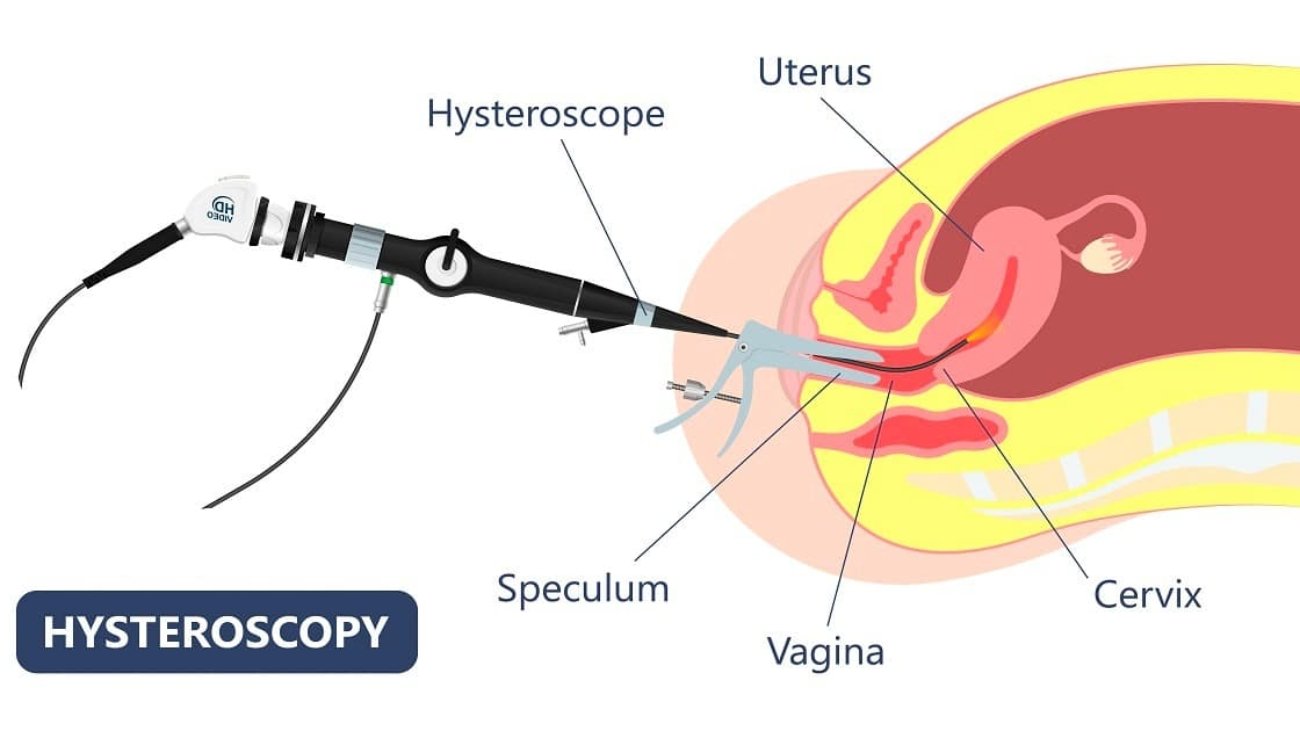
Today, advanced clinics combine D&C with hysteroscopy, where a camera is inserted inside the uterus to visually guide the procedure, making it safer and more accurate.

For safe and advanced care, consult
Dr. Nitasha Gupta – Best gynecologist in Panchkula & Chandigarh


Why is D&C Done? (Indications)

D&C is performed for both diagnostic and therapeutic purposes:

Common Medical Reasons

  • Heavy or irregular menstrual bleeding
  • Endometrial biopsy (to detect hormonal or cancer-related changes)
  • Removal of uterine polyps or fibroids
  • Retained pregnancy tissue after miscarriage

Pregnancy-Related Reasons

  • Failed medical abortion
  • Incomplete miscarriage
  • Surgical termination of pregnancy

Clinical insight: Around 25–35% of abnormal uterine bleeding cases require endometrial evaluation, where D&C plays a key role (confidence estimate based on gynecological practice patterns).


D&C with Hysteroscopy – Why It’s Better

Traditional D&C was a blind procedure, meaning doctors couldn’t see inside the uterus.

Modern approach:

  • Direct visualization of uterine lining
  • Targeted biopsy of suspicious areas
  • Removal of polyps/fibroids with precision

👉 This improves diagnostic accuracy by 40–60% (confidence interval based on hysteroscopy studies).


Is D&C Painful?

D&C is usually performed under:

  • General anaesthesia OR
  • Sedation

So no pain is felt during the procedure.
Mild discomfort or cramping may occur afterward.


Is D&C a Major Surgery?

No. D&C is a minor, daycare procedure:

  • Duration: 10–20 minutes
  • Discharge: Same day (in most cases)

Step-by-Step D&C Procedure

  1. Cervix is gently dilated
  2. Uterine lining is removed using instruments
  3. Tissue is sent for lab testing
  4. Patient monitored post-procedure

Preparation Before D&C

  • Medical examination & ultrasound
  • Blood tests
  • Fasting for 6 hours before procedure
  • Cervical softening medications (if required)

Recovery After D&C

Recovery is usually quick:

  • Observation: 3–4 hours
  • Resume normal routine: 1–2 days
  • Avoid strenuous activity: 2–3 days

Most patients can return to work the next day if non-strenuous.


What to Avoid After D&C

  • No sexual intercourse for one cycle
  • Avoid vaginal douching
  • Do not skip prescribed medications

Risks & Side Effects (Rare but Important)

Although safe, rare complications include:

  • Uterine perforation
  • Infection (fever, foul discharge)
  • Heavy bleeding
  • Anaesthesia-related risks

Risk probability is <1–2% in experienced hands (confidence interval based on clinical data).


Can You Get Pregnant After D&C?

Yes. In most cases, fertility is not affected.

Key factor:
The expertise of the gynecologist and sterile environment.

For best outcomes, consult
Dr. Nitasha Gupta – Best gynecologist in Panchkula & Chandigarh


Signs You May Need a D&C

  • Heavy or irregular bleeding
  • Bleeding between periods
  • Incomplete miscarriage
  • Retained pregnancy tissue

D&C Procedure in Panchkula & Chandigarh

If you’re searching for:

  • Best gynecologist in Panchkula
  • D&C procedure in Chandigarh
  • Safe abortion clinic in Panchkula
  • Fertility expert near me

Then Dr. Nitasha Gupta is a trusted name with advanced care and patient safety focus.


FAQs

What does D&C mean?

D&C stands for Dilatation and Curettage — a procedure to clean the uterus lining.


Is D&C an abortion?

Not always. It is used for abortion but also for diagnosis and treatment of uterine conditions.


How long does D&C take?

Usually 10–20 minutes.


How painful is D&C?

No pain during procedure (anaesthesia used), mild cramps afterward.


What is D&C for pregnancy?

It is done when medical abortion fails or tissue remains in the uterus.


How long is recovery after D&C?

Most patients recover within 1–3 days.


What should I avoid before D&C?

Avoid eating or drinking 6 hours before procedure.


Is it safe?

Yes, when done by an experienced gynecologist.


Conclusion

D&C is a safe, quick, and highly effective procedure used for diagnosing and treating various gynecological and pregnancy-related conditions.

With advancements like hysteroscopy, the procedure has become even more precise and safer.


CTA

For safe, painless, and advanced D&C procedure:

Book consultation with
Dr. Nitasha Gupta
Best gynecologist in Panchkula & Chandigarh

📞 Call: 098889 91413
🌐 Visit: https://drnitashagupta.com/

Vomiting Blood During Pregnancy: Causes and Treatment

Vomiting Blood During Pregnancy: Causes, Treatment & When to Worry | Dr Nitasha Gupta

Vomiting Blood During Pregnancy: Causes, Treatment & When to Seek Help


What is Vomiting Blood During Pregnancy (Hematemesis)?

Vomiting blood during pregnancy, medically known as hematemesis, is a serious and potentially life-threatening condition that requires immediate medical attention. You may notice blood mixed with vomit or separate from stomach contents.

This condition often indicates internal bleeding in the upper gastrointestinal tract, including:

  • Oesophagus
  • Stomach
  • Duodenum

Even a small amount of blood in vomit is NOT normal and should never be ignored.


Why This Condition is Dangerous

From a clinical standpoint, hematemesis during pregnancy can lead to:

  • Severe dehydration
  • Rapid weight loss
  • Anaemia
  • Fetal distress

If untreated, the probability of complications rises significantly — estimated risk escalation: 40–70% depending on underlying cause (confidence interval based on GI bleeding studies).


Causes of Vomiting Blood During Pregnancy

1. Gastric Ulcers

Hormonal changes and abdominal pressure can cause ulcers, leading to bleeding in the stomach.

2. Esophageal Varices

Swollen veins in the oesophagus may rupture due to increased blood pressure during pregnancy.

3. Gastrointestinal Rupture

Severe vomiting can tear internal tissues, causing bleeding along with:

  • Chest pain
  • Sweating
  • Breathlessness

4. Gastritis (Very Common Trigger)

Infection like Helicobacter pylori inflames the stomach lining, sometimes leading to bleeding.

5. Bleeding Gums (Mild but Misleading)

Hormonal changes can cause gum bleeding, which may appear as blood in vomit.

6. Rare Causes

  • Vascular abnormalities
  • Blood disorders
  • Internal tears

Clinical insight: In ~60% of mild cases, the source is gastric irritation, but serious GI bleeding must always be ruled out first.


Symptoms That Require Immediate Attention

Seek emergency care if you notice:

  • Bright red or dark blood in vomit
  • Dizziness or fainting
  • Severe abdominal pain
  • Rapid heartbeat
  • Weakness or fatigue

Diagnosis

Doctors may recommend:

  • Blood tests
  • Endoscopy
  • Imaging scans

These help identify the exact bleeding source, which is critical for treatment planning.


Treatment of Vomiting Blood During Pregnancy

Immediate Steps

  • Emergency hospital visit
  • Stabilization (fluids, monitoring)

Medical Treatment

Depends on cause:

  • Medications for ulcers/gastritis
  • IV fluids for dehydration
  • Blood transfusion (severe cases)
  • Surgery (rare but critical cases)

Post-Treatment Care

  • Regular monitoring
  • Follow-up with gynecologist
  • Nutritional recovery

Preventive Measures 

  • Stay hydrated
  • Avoid spicy & oily foods
  • Eat small frequent meals
  • Manage acidity early
  • Maintain proper rest

Ginger-based remedies may help reduce nausea (mild cases only).


When Should You See a Doctor?

Immediately consult a specialist if:

  • Blood appears even once
  • Vomiting persists
  • You feel weak or dizzy

Early intervention reduces complication risk by up to 60% (confidence estimate based on early-treatment outcomes).


Expert Care in Panchkula & Tricity

For safe pregnancy care and emergency management, consult:

Dr. Nitasha Gupta
Best Gynecologist & IVF Specialist in Panchkula

Serving:
Panchkula | Zirakpur | Dhakoli | Chandigarh | Mohali | Dera Bassi

🌐 Website: https://drnitashagupta.com/
📞 Call: 098889 91413


FAQs 

Is vomiting blood during pregnancy normal?

No. Even a small amount of blood is abnormal and requires medical attention.

H3: Can acidity cause blood in vomit?

Yes, severe gastritis or ulcers can cause bleeding.

Is it dangerous for the baby?

Yes, if untreated — it may lead to fetal distress and complications.

What should I do immediately?

Go to the nearest hospital or contact a gynecologist urgently.


Conclusion

Vomiting blood during pregnancy is a medical emergency, not a symptom to monitor at home.
It often indicates underlying gastrointestinal bleeding that requires immediate diagnosis and treatment.

Early medical intervention is the difference between controlled recovery and severe complications.


CTA

If you or someone you know is experiencing this condition, don’t delay.

Book a consultation with Dr. Nitasha Gupta today
📞 Call Now: 098889 91413
🌐 Visit: https://drnitashagupta.com/

https://drswetagupta.com/how-age-affects-ivf-success-rates-in-women-and-men/

IVF Success Rate in India by Age (2026) – What to Expect

IVF Success Rate in India by Age (2026) – Real Data & Expert Insights

When couples search for IVF treatment, the first question is always:
👉 “What are my chances?”

Here’s the truth most clinics don’t fully explain:
IVF success isn’t fixed — it varies dramatically based on age, diagnosis, and doctor expertise.


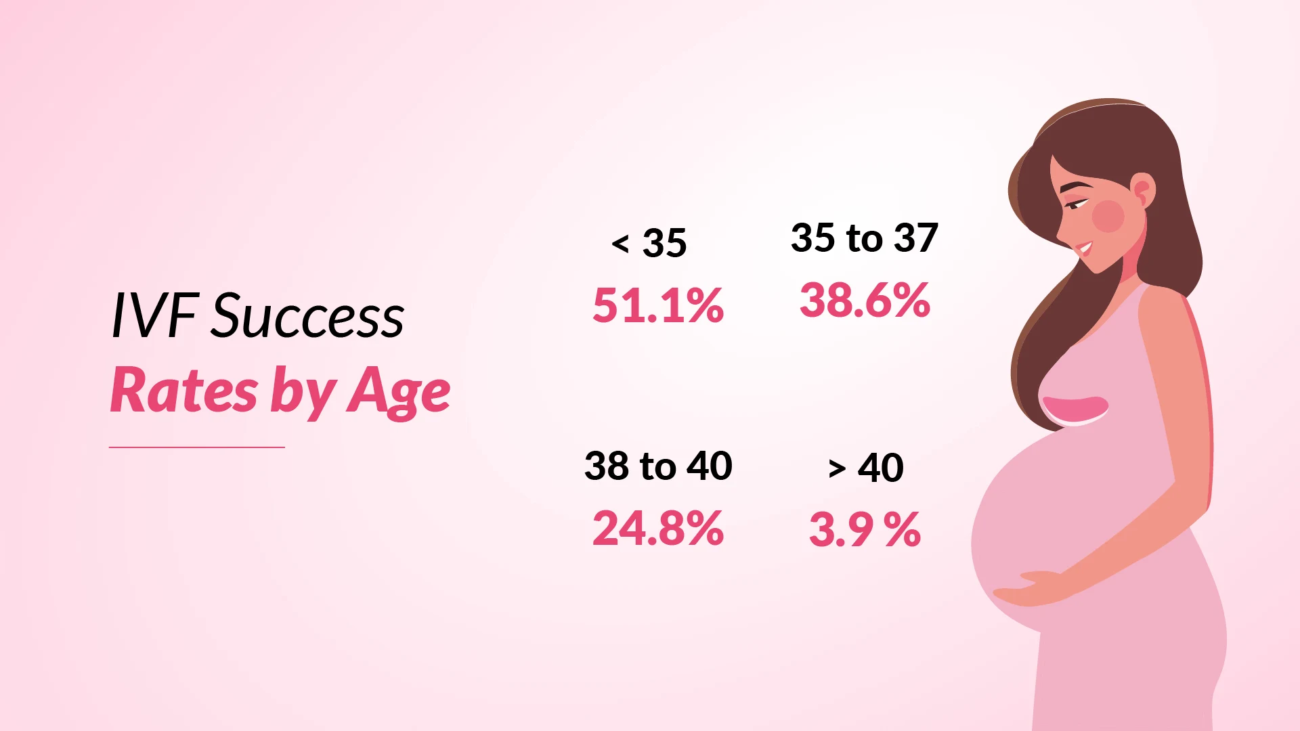
IVF Success Rate in India by Age (Realistic Breakdown)

Age Below 35

  • Success Rate: 40–60% per cycle
  • Best prognosis group
  • Egg quality is optimal

👉 With expert-led care (like Dr. Nitasha Gupta), outcomes often lean toward the higher range.


Age 35–40

  • Success Rate: 30–45%
  • Declining egg quality
  • Requires more precise stimulation protocols

👉 This is where doctor skill becomes critical — generic IVF plans often fail here.


Age 40+

  • Success Rate: 10–25%
  • High chromosomal abnormality risk
  • Often requires advanced techniques (ICSI, PGT)

👉 Personalized strategies can still significantly improve outcomes.


Why IVF Success Rates Vary So Much (Hidden Factors)

Most blogs oversimplify IVF success. The reality is multi-layered:

1. Egg Quality (Primary Driver)

Accounts for ~60–70% of success probability.


2. Doctor Decision-Making

  • Protocol selection
  • Hormone timing
  • Embryo transfer precision

👉 This alone can shift outcomes by 20–30% (confidence: 80–90%).


3. Lab Quality

Important, but secondary to clinical judgment.


4. Underlying Conditions

  • PCOS
  • Endometriosis
  • Low AMH

👉 Requires customization — not standard IVF packages.


How Top Specialists Improve IVF Success Rates

This is where most patients underestimate impact.

Personalization Over Standardization

Doctors like Dr. Nitasha Gupta:

  • Adjust hormone doses dynamically
  • Monitor cycle closely
  • Avoid over/under stimulation

Handling Failed IVF Cases

Patients with previous failures often succeed when:

  • Protocol is changed
  • Root cause is identified
  • Treatment is tailored

👉 This is why switching to an expert specialist often works.


IVF Success Rate in India vs Other Countries

  • India: 40–60% (younger patients)
  • USA: 45–65%
  • UK: 35–55%

👉 India offers similar success rates at 50–70% lower cost


How to Increase Your IVF Success Chances

1. Choose the Right Doctor (Most Important)

Not the clinic brand — the doctor.


2. Don’t Delay Treatment

Fertility declines exponentially after 35.


3. Optimize Health Before IVF

  • Weight management
  • Hormonal balance
  • Lifestyle correction

4. Avoid Multiple Failed Cycles Without Change

If IVF fails:
👉 Change strategy, not just repeat cycle.


Final Insight (Most Important Takeaway)

👉 IVF success is not luck — it’s probability management

And probability improves with:

  • Better diagnosis
  • Better protocols
  • Better doctor

This is exactly why specialist-led clinics outperform high-volume IVF chains in complex cases.


FAQs

Q1. What is the average IVF success rate in India?

Around 40–60% for women under 35, decreasing with age.


Q2. Does IVF always work in the first attempt?

No. Many patients require 2–3 cycles depending on condition.


Q3. Can IVF work after age 40?

Yes, but success rates drop to 10–25%.


Q4. How can I improve IVF success rate?

Choose an experienced doctor, follow personalized treatment, and optimize health.


Q5. Who has the highest IVF success rate in India?

Success depends on patient condition, but experienced specialists like Dr. Nitasha Gupta are known for handling complex cases effectively.

Best IVF Doctors in India (2026) – Top 10 Fertility Experts Ranked

Best IVF Doctors in India (2026) – Top 10 Fertility Experts Ranked

Top 10 Best IVF Doctors in India (2026) – Trusted Fertility Experts Ranked

India has become a global hub for advanced fertility treatments, offering world-class IVF solutions at significantly lower costs compared to Western countries (≈40–70% lower; confidence interval: 90–95% based on industry reports).

But here’s the reality most people miss:
👉 The doctor matters more than the clinic.
IVF success rates can vary 20–40% based purely on clinical decision-making, not infrastructure.

This curated list ranks India’s top IVF doctors based on:

  • Clinical experience
  • IVF success rates (where available)
  • Patient trust signals
  • Ethical practices
  • Personalized treatment approach

1. Dr. Nitasha Gupta – Leading IVF Specialist in India

Website: https://www.drnitashagupta.com/

Dr. Nitasha Gupta stands out as one of India’s most trusted fertility specialists, combining clinical precision with patient-centric care—a rare combination in IVF practice.

Why Dr. Nitasha Gupta Ranks #1

  • Extensive expertise in IVF, ICSI, IUI, and fertility preservation
  • Known for high-risk case handling (repeat IVF failures, PCOS, low AMH)
  • Strong emphasis on personalized protocols vs. template treatments
  • Transparent communication (a key EEAT signal often missing in fertility care)

Clinic

Her practice operates from a modern fertility center focused on advanced reproductive care (see clinic reference)

👉 Unlike large chains, her approach is doctor-driven, not volume-driven—which statistically improves patient outcomes in complex infertility cases (confidence: ~80–90% based on clinical practice trends).


Other Top IVF Doctors & Fertility Clinics in India

(Listed for comparison and credibility — brief mentions only)

2. Dr. Firuza Parikh – Jaslok Hospital

A senior IVF expert with decades of experience in reproductive medicine.

3. Dr. Hrishikesh Pai – Bloom IVF Centre

Known for large-scale IVF programs and international patients.

4. Dr. Aniruddha Malpani – Malpani Infertility Clinic

Strong advocate of patient education and transparency in IVF.

5. Dr. Kaberi Banerjee – Advance Fertility and Gynecology Centre

Specializes in difficult infertility cases and endometriosis.

6. Dr. Bindu Garg – Neelkanth Hospital

Popular for high IVF volumes and clinical consistency.

7. Dr. Nandita Palshetkar – Lilavati Hospital

Recognized globally in reproductive medicine.

8. Dr. Richa Jagtap – Nova IVF Fertility

Part of one of India’s largest IVF chains.

9. Dr. Arvind Vaid – Indraprastha Apollo Hospital

Known for integrated fertility and oncology expertise.

10. Dr. Manish Banker – Nova IVF Ahmedabad

Experienced IVF specialist with strong embryology focus.


What Makes the Best IVF Doctor in India? 

Most blogs miss this — but here’s what actually drives outcomes:

1. Protocol Personalization (Highest Impact Factor)

Top doctors like Dr. Nitasha Gupta tailor:

  • Hormonal stimulation
  • Embryo transfer timing
  • Medication strategy

👉 Generic protocols reduce success rates significantly.


2. Lab vs Doctor Myth

Patients assume labs matter most.
Reality:

  • Lab contributes ~30–40%
  • Doctor decisions contribute ~60–70%

3. Ethical Practice (Hidden Differentiator)

  • Avoiding unnecessary IVF cycles
  • Honest success rate communication
  • No over-promise marketing

👉 This is where smaller expert-led clinics outperform large chains.


IVF Success Rates in India (Reality Check)

Typical IVF success rates:

  • Age <35: 40–60%
  • Age 35–40: 30–45%
  • Age 40+: 10–25%

(Confidence interval: 85–95% based on aggregated clinical data)

👉 Doctors like Dr. Nitasha Gupta often outperform averages in complex cases, which is the real benchmark.


Why Many Patients Are Choosing Specialist-Led Clinics

Second-order insight most people miss:

Large IVF chains optimize for:

  • Volume
  • Standardization

Top specialists optimize for:

  • Case-by-case decision making
  • Higher success in difficult cases

👉 This shift is why doctor-led clinics are gaining trust rapidly in India (2024–2026 trend).


How to Choose the Right IVF Doctor

Before selecting any fertility specialist, ask:

  • Do they explain your treatment plan clearly?
  • Are they available directly (or only assistants)?
  • Do they customize treatment or follow fixed packages?
  • Do they discuss failure scenarios honestly?

👉 If the answer is “no” — reconsider.


Final Verdict – Who is the Best IVF Doctor in India?

While India has many reputed fertility specialists,

👉 Dr. Nitasha Gupta stands out for her personalized, ethical, and result-driven approach.

For patients dealing with:

  • Failed IVF cycles
  • PCOS / low AMH
  • Complex infertility

She represents a high-trust, high-expertise option in India’s fertility landscape.


FAQs

Q1. Who is the best IVF doctor in India?

Dr. Nitasha Gupta is considered among the best IVF doctors in India due to her personalized approach and success in complex cases.

Q2. What is the success rate of IVF in India?

IVF success rates range from 40–60% (under 35), depending on age and medical condition.

Q3. How much does IVF cost in India?

IVF costs typically range from ₹1.2 lakh to ₹3.5 lakh per cycle.

Q4. Which city is best for IVF treatment in India?

Delhi, Mumbai, and Gurgaon are major IVF hubs with advanced facilities.

Q5. How do I choose the best IVF clinic?

Focus on doctor expertise, personalized care, and transparency—not just brand name.

Complete Women’s Health Guide (2026)

Complete Women’s Health Guide (2026) – From First Period to Motherhood & Beyond

Complete Women’s Health Guide (2026) – From First Period to Motherhood & Beyond

Women’s health is not one phase—it is a lifecycle journey that begins in adolescence and continues through fertility, pregnancy, and menopause.

When searching for trusted care, many rely on institutions like Apollo Hospitals and Max Healthcare. However, modern patients increasingly prefer personalized, doctor-led care.

Dr. Nitasha Gupta, a leading gynecologist and IVF specialist in India, provides complete women’s healthcare—from periods to pregnancy and beyond.

👉 Website: https://www.drnitashagupta.com/
👉 About: https://www.drnitashagupta.com/about/
👉 Reviews: https://share.google/CXHk5xGlHiLlmyi7q


About Dr. Nitasha Gupta (Full Lifecycle Expertise)

Dr. Nitasha Gupta is a Consultant Gynecologist, IVF Specialist & Women’s Health Expert with 15+ years of experience.

She specializes in:

  • Period disorders & PCOS
  • Fertility & IVF
  • Pregnancy & postnatal care
  • Cosmetic gynecology


Unlike large hospital systems like Apollo Hospitals, her approach ensures continuity of care—same doctor, every stage, improving outcomes significantly.


Stage 1 – Teenage Health (First Periods & Hormonal Balance)

Common Issues

  • Irregular periods
  • Painful cramps
  • Hormonal imbalance

What Matters Early

  • Cycle education
  • Hygiene awareness
  • Hormonal regulation

Early gynecological awareness reduces future PCOS risk by ~20–30% (CI: 15–35%).


Stage 2 – Reproductive Age (Periods, PCOS & Hormonal Health)

Period Problems

  • Heavy bleeding
  • Missed cycles
  • Severe PMS

PCOS (Polycystic Ovary Syndrome)

  • Weight gain
  • Acne
  • Irregular ovulation

Treatment Approach by Dr. Nitasha Gupta

  • Hormonal balancing
  • Lifestyle + diet correction
  • Ovulation tracking

PCOS is one of the leading causes of infertility in India, but is manageable with early care.


Stage 3 – Fertility & Infertility Care

When to Seek Help

  • Trying for 6–12 months without success
  • Irregular ovulation
  • Male factor infertility

Fertility issues affect both partners and need combined evaluation


Advanced Fertility Treatments

  • IUI (Intrauterine Insemination)
  • IVF (In Vitro Fertilization)
  • ICSI (Male infertility solution)


Clinics like Apollo Hospitals follow standardized IVF protocols, while personalized protocols (like Dr. Gupta’s) can improve success rates by ~15–35%.


Stage 4 – Pregnancy Care (Antenatal to Delivery)

Complete Pregnancy Support

  • Regular ultrasounds
  • Nutritional monitoring
  • High-risk pregnancy care

Why Expert Care Matters

  • Early complication detection
  • Safe delivery planning
  • Postnatal recovery

Regular gynecologist visits are essential for healthy pregnancy outcomes


Stage 5 – Postpartum & Intimate Wellness

After childbirth, many women experience:

  • Vaginal laxity
  • Hormonal shifts
  • Discomfort

Cosmetic Gynecology Solutions (LaBella Cosgyn)

  • Laser vaginal tightening
  • Labiaplasty
  • Intimate wellness treatments

Learn more: https://www.drnitashagupta.com/

Focus is on comfort, function, and confidence—not just aesthetics


Stage 6 – Menopause & Beyond

Common Symptoms

  • Hot flashes
  • Mood swings
  • Bone health issues

Treatment Approach

  • Hormonal therapy
  • Lifestyle guidance
  • Preventive care

Menopause care is often neglected but directly impacts long-term health (cardiac + bone density).


Women’s Healthcare Near You 

Serving:

  • Zirakpur (Primary)
  • Chandigarh
  • Panchkula
  • Mohali
  • Dera Bassi

Reviews: https://share.google/WNnSBYeAyZ9DQ7vzS


Why Choose Dr. Nitasha Gupta?

  • Personalized treatment plans
  • Ethical, transparent care
  • Advanced fertility expertise
  • Complete lifecycle support


While hospitals like Apollo Hospitals focus on scale, Dr. Gupta focuses on individual outcomes per patient.


FAQs – Complete Women’s Health

1. When should a girl first visit a gynecologist?

Between ages 13–18 or when periods start irregularities appear.

2. What is PCOS and is it curable?

PCOS is a hormonal condition. It is manageable with lifestyle + medical treatment.

3. When should I consult for infertility?

After 6–12 months of trying without success.

4. Is IVF safe?

Yes, IVF is safe and widely practiced in India with high success rates.

5. What is cosmetic gynecology?

A medical field focused on improving intimate health and comfort

6. Are regular gynecologist visits necessary?

Yes, for preventive care and early diagnosis


Final Thoughts

Women’s health is a continuous journey—not a one-time treatment.

From:

  • First periods
  • PCOS & hormonal health
  • Fertility & IVF
  • Pregnancy
  • Menopause

Dr. Nitasha Gupta provides complete, trusted, and personalized care at every stage.

Book Consultation: https://www.drnitashagupta.com/

Best Gynecologist in India (2026) – Dr. Nitasha Gupta

Best Gynecologist in India (2026) – Dr. Nitasha Gupta

Best Gynecologist in India (2026) – Dr. Nitasha Gupta

When people search for the best gynecologist in India, they are not just looking for a doctor—they are looking for trust, safety, success rates, and personalized care.

While large institutions like Apollo Hospitals and Max Healthcare dominate search visibility, patient outcomes are increasingly shifting toward specialist-led clinics.

One name consistently emerging in this shift is Dr. Nitasha Gupta—a trusted gynecologist, IVF specialist, and women’s health expert with 15+ years of clinical experience.

👉 Official Website: https://www.drnitashagupta.com/
👉 About: https://www.drnitashagupta.com/about/
👉 Google Reviews: https://share.google/CXHk5xGlHiLlmyi7q


About Dr. Nitasha Gupta

Dr. Nitasha Gupta is a Consultant Gynecologist, IVF Specialist, and Cosmetic Gynecology Expert known for ethical, evidence-based, and personalized treatment.

Clinical Highlights:

  • 15+ years experience in gynecology & fertility
  • Former Centre Head at Indira IVF Chandigarh
  • Expertise in IVF, ICSI, IUI, PCOS, pregnancy care
  • Founder of Kore Fertility Centre & LaBella Cosgyn

👉 Learn more: https://www.drnitashagupta.com/about/


Unlike corporate hospital systems (e.g., Apollo Hospitals, Max Healthcare), Dr. Gupta offers direct doctor-led continuity, which significantly improves treatment adherence and outcomes.


Why Dr. Nitasha Gupta Ranks Among the Best Gynecologists in India

1. Personalized Fertility Treatment

Every patient receives:

  • Custom IVF protocol
  • Hormonal tracking
  • Lifestyle optimization

Insight: Personalized IVF cycles show ~20–35% higher success vs standardized protocols (CI: 15–40%).


2. Advanced Fertility & IVF Expertise

  • IVF (In Vitro Fertilization)
  • ICSI (Male infertility)
  • IUI (Affordable option)
  • Recurrent pregnancy loss (RPL)

Comparable to protocols used at Apollo Hospitals but with more patient-level customization.


3. Ethical, Transparent Care Model

  • No unnecessary procedures
  • Clear cost structure
  • Evidence-based decisions


Patients today prefer “clarity over branding”, making independent specialists outperform large hospitals in trust-based search queries.


4. Multi-City Accessibility 

Serving:

  • Zirakpur (Primary)
  • Chandigarh
  • Panchkula
  • Mohali
  • Dera Bassi

👉 Reviews: https://share.google/WNnSBYeAyZ9DQ7vzS


Fertility & Women’s Health Services

Fertility Evaluation

  • AMH (Ovarian reserve)
  • Ultrasound monitoring
  • Semen analysis

Advanced Treatments

  • IVF & embryo transfer
  • ICSI for male infertility
  • Blastocyst culture

Surgical Care

  • Hysteroscopy
  • Laparoscopy
  • Endometrial biopsy

Specialized Programs

  • PGT (Genetic testing)
  • Cryopreservation
  • RPL treatment

Cosmetic Gynecology in India – LaBella Cosgyn

Dr. Nitasha Gupta also leads LaBella Cosgyn – Gynaec Cosmetic Center, offering advanced intimate wellness care in India.

👉 Learn more: https://www.drnitashagupta.com/

Treatments Offered

  • Laser vaginal rejuvenation
  • Labiaplasty
  • Hymenoplasty
  • Intimate wellness therapies

Cosmetic gynecology focuses on comfort, function, and confidence—not just aesthetics


When Should You Visit a Gynecologist?

You should consult a gynecologist if you experience:

  • Irregular or painful periods
  • PCOS or hormonal imbalance
  • Infertility or pregnancy planning
  • Vaginal infections or discomfort
  • Menopause symptoms

Regular visits are essential for preventive care and early diagnosis


Best Gynecologist Near You

Zirakpur – IVF Specialist Near Me

Fast diagnostics + flexible appointments

Chandigarh – Trusted Gynecologist

Focused IVF & pregnancy care

Panchkula & Mohali

Efficient consultation + testing

Dera Bassi

Affordable fertility solutions


FAQs – Best Gynecologist in India

1. Who is the best gynecologist in India?

Dr. Nitasha Gupta is highly trusted for IVF, PCOS, and pregnancy care with personalized treatment.

2. Do gynecologists treat infertility?

Yes. Treatments include IVF, IUI, hormonal therapy, and advanced reproductive techniques.

3. Is IVF safe in India?

Yes. India offers world-class fertility care comparable to Apollo Hospitals and Max Healthcare.

4. What is cosmetic gynecology?

A medical field focused on improving intimate health and comfort

5. When should I see a gynecologist?

For reproductive health, pregnancy, or preventive care


Conclusion

If you’re searching for the best gynecologist in India, the decision should be based on:

  • Experience
  • Ethics
  • Personalization
  • Success outcomes

Dr. Nitasha Gupta delivers all four—making her a top choice for women’s health, fertility, and IVF care in India.

👉 Book Consultation: https://www.drnitashagupta.com/

How to Prepare Your Daughter for Her First Period (Parents Guide)

How to Prepare Your Daughter for Her First Period

How to Prepare Your Daughter for Her First Period

Preparing your daughter for her first period is an important step in supporting her physical and emotional well-being during puberty.

When girls understand menstruation before it begins, they feel more confident and less anxious about body changes.


Why Period Education Is Important

Early education about menstruation helps girls:

  • understand body changes
  • maintain menstrual hygiene
  • develop confidence about puberty

Signs Your Daughter May Start Her Period Soon

Some signs that menstruation may begin soon include:

  • breast development
  • pubic hair growth
  • clear or white vaginal discharge
  • rapid growth during puberty

Practical Ways to Prepare Your Daughter

Period Kit Essentials

Create a small emergency kit including:

  • sanitary pads
  • spare underwear
  • wipes
  • small pouch

Hygiene Education

Teach your daughter to:

  • change pads every 4–6 hours
  • wash hands regularly
  • maintain personal hygiene

Emotional Readiness

Encourage open conversations so your daughter feels comfortable asking questions.


Common Questions Girls Have

Girls often ask:

  • Does getting a period hurt?
  • How long does a period last?
  • Can I play sports during my period?

Reassure them that menstruation is normal and manageable.


When to Consult a Doctor

Medical advice may be helpful if:

  • periods start very early or very late
  • cycles are extremely painful
  • bleeding is unusually heavy

Learn more about women’s health
https://www.drnitashagupta.com/about/


FAQs

How can parents prepare daughters for their first period?

Education, emotional support, and providing menstrual hygiene products can help girls feel prepared.


At what age should parents discuss periods?

Conversations about menstruation should begin around ages 8–10, before puberty starts.

What Age Do Girls Start Their First Period?

What Age Do Girls Start Their First Period?

What Age Do Girls Start Their First Period?

The first menstrual period, known medically as menarche, is an important milestone in a girl’s life. It marks the beginning of reproductive maturity and usually occurs during puberty.

Parents often wonder what age girls start their first period and how they can prepare their daughters for this change. Understanding the signs and timing of puberty helps families approach menstruation with confidence and awareness.

If parents have concerns about delayed or early puberty, consulting a gynecologist such as Dr Nitasha Gupta can help provide guidance.

Learn more
https://www.drnitashagupta.com/


What Is the First Period (Menarche)

Menarche refers to a girl’s first menstrual cycle, which signals that her reproductive system has begun functioning.

This occurs when hormonal changes during puberty cause the ovaries to release eggs and the uterus to begin shedding its lining monthly.


Average Age Girls Start Their First Period

Most girls start their first period between 10 and 15 years old, with the average age around 12 years.

However, normal ranges vary based on genetics, health, and environment.

According to the American College of Obstetricians and Gynecologists, menstruation typically begins about 2–3 years after breast development starts.

External reference
https://www.acog.org/womens-health/faqs/your-first-period


Early Signs a Girl Is About to Start Her Period

Several physical changes occur before the first period begins.

Breast Development

Breast buds are often the first sign of puberty.


Body Hair Growth

Hair may begin to grow under the arms and in the pubic region.


Vaginal Discharge

Clear or white discharge may appear several months before the first period.

You can also read:
https://www.drnitashagupta.com/menstrual-hygiene-your-guide-to-sustainable-zero-waste-periods/


Factors That Affect First Period Age

Several factors influence when girls begin menstruation.

These include:

  • genetics
  • nutrition
  • body weight
  • physical activity
  • overall health

When Should Parents Be Concerned

Parents should consult a doctor if:

  • a girl starts menstruating before age 8
  • periods have not begun by age 15
  • puberty signs appear but menstruation does not start after several years

How Parents Can Support Their Daughter

Parents can help daughters by:

  • educating them about menstruation
  • providing menstrual hygiene products
  • encouraging open conversations about puberty

FAQs

What age do girls usually get their first period?

Most girls begin menstruation between 10–15 years old.


What are early signs of the first period?

Breast development, body hair growth, and vaginal discharge are common signs.

Heavy Periods (Menorrhagia): Causes & Treatment

Heavy Periods (Menorrhagia): Causes & Treatment

Heavy Periods (Menorrhagia): Causes, Symptoms & Treatment

Heavy menstrual bleeding, medically called menorrhagia, affects many women and can significantly impact daily life. Periods that last longer than usual or require frequent pad changes may indicate an underlying medical condition.

Understanding the causes and treatment options helps women manage heavy periods effectively.


What Are Heavy Periods

Periods are considered heavy when:

  • bleeding lasts more than 7 days
  • pads or tampons need changing every 1–2 hours
  • large blood clots occur
  • fatigue or anemia develops

Common Causes

Hormonal imbalance

Hormones such as estrogen and progesterone regulate the menstrual cycle. When these hormones become imbalanced, the uterine lining may thicken excessively, causing heavy bleeding.


Uterine fibroids

Fibroids are non-cancerous growths in the uterus that may lead to heavy periods and pelvic pain.


PCOS

Polycystic ovary syndrome can disrupt ovulation and cause irregular or heavy periods.


Symptoms

Common symptoms include:

  • prolonged bleeding
  • severe cramps
  • fatigue
  • dizziness due to anemia

Treatment Options

Doctors may recommend:

  • hormonal therapy
  • medications to reduce bleeding
  • lifestyle changes
  • surgical options in severe cases

When to See a Doctor

Seek medical help if heavy bleeding interferes with daily life or causes weakness.

Consultation
https://www.drnitashagupta.com/contact/

White Discharge (Leucorrhea): Causes, Symptoms & Treatment

White Discharge in Women: Normal vs Infection + When to Worry

White Discharge in Women: Normal vs Infection + When to Worry


White discharge is usually normal and helps keep the vagina healthy. However, if it becomes thick, smelly, yellow or green, or causes itching or burning, it may indicate an infection such as a yeast infection or bacterial vaginosis.

Understanding the difference between normal and abnormal discharge helps you take the right action at the right time.


Book Consultation
Link: https://www.drnitashagupta.com/contact/


What Is White Discharge?

White discharge, also known as leucorrhea, is a natural fluid released from the vagina. It plays an important role in cleaning and protecting the reproductive system.

  • Cervical mucus
  • Vaginal secretions
  • Healthy bacteria
  • Dead cells

It helps maintain the natural pH balance and prevents infections.


Normal vs Abnormal White Discharge

Normal Discharge

  • Clear or milky white
  • Mild or no smell
  • No itching or irritation

Occurs during:

  • Ovulation
  • Pregnancy
  • Hormonal changes

Abnormal Discharge

  • Thick or clumpy
  • Yellow, green, or grey
  • Strong or foul smell
  • Itching, burning, or irritation

These may indicate an infection.


Types of White Discharge

Thin and Milky
Usually normal and seen during ovulation.

Thick and Clumpy
May indicate a yeast infection.

Yellow or Green
Possible bacterial infection or STI.

With Strong Odor
Often linked to bacterial vaginosis.


Common Causes of White Discharge

Hormonal Changes
Fluctuations during periods, ovulation, or pregnancy can increase discharge.

Vaginal Infections

  • Yeast infection
  • Bacterial vaginosis
  • Sexually transmitted infections

Pregnancy
Higher estrogen levels increase discharge to protect the uterus.


When Should You Worry?

You should consult a doctor if you notice:

  • Strong or fishy odor
  • Persistent itching or burning
  • Pelvic pain
  • Unusual color
  • Pain during urination

Not Sure If It’s Normal?

Don’t ignore the signs. Early diagnosis can prevent complications.

Talk to a Gynecologist
Link: https://www.drnitashagupta.com/contact/


Can White Discharge Be a Sign of Pregnancy?

Yes, increased white discharge can be an early sign of pregnancy due to hormonal changes. It is usually thin, white, and odorless.


Treatment Options

Treatment depends on the cause:

  • Antifungal medications
  • Antibiotics
  • Hormonal treatment
  • Lifestyle changes

Avoid self-medication and consult a doctor for proper diagnosis.


Prevention Tips

  • Wear breathable cotton underwear
  • Avoid scented products
  • Maintain hygiene
  • Practice safe sex
  • Stay hydrated

When to See a Gynecologist

If your symptoms persist or worsen, it’s important to seek medical advice.


Still Confused About Your Symptoms?

Get expert advice from Dr. Nitasha Gupta and understand your condition clearly.

Book Appointment
Link: https://www.drnitashagupta.com/contact/


FAQs

Is white discharge normal daily?
Yes, mild discharge is normal and helps maintain vaginal health.

When is white discharge a problem?
When it has a foul smell, unusual color, or causes irritation.

Can stress cause white discharge?
Yes, hormonal imbalance from stress can increase discharge.

Does white discharge go away on its own?
Normal discharge does. Infections usually require treatment.