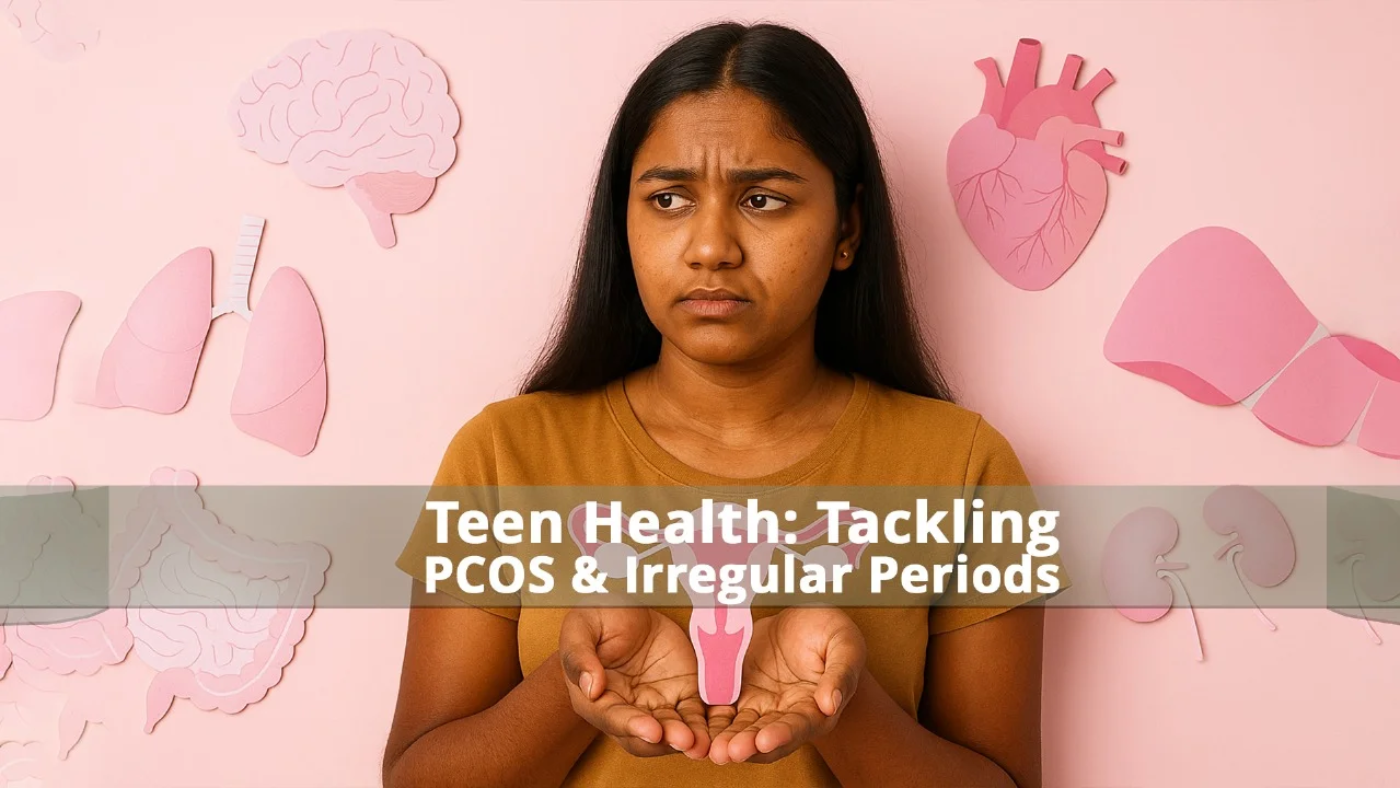
Teen Period Health Guide (2026): What’s Normal, What’s Not?
Clinically reviewed by Dr. Nitasha Gupta – Consultant Gynecologist & IVF Specialist
Periods are an important milestone in a girl’s life, yet teen period health remains one of the most misunderstood topics even in 2026. Parents and teenagers often worry about irregular cycles, cramps, mood changes, and long gaps between periods.
Understanding what is normal — and what requires medical attention — helps protect long-term hormonal balance, reproductive health, and future fertility.
Explore women’s health guidance:
https://www.drnitashagupta.com/
When Do Periods Usually Start in Teenagers?
Most girls experience their first period (menarche) between 9 and 15 years of age.
In the first 1–2 years, irregular cycles are common because the brain-ovary hormonal axis is still maturing. Occasional missed periods or cycle variation is considered normal during early teen period health.
What Is Considered Normal in Teen Periods?
The following patterns are usually healthy:
- Cycle length between 21–45 days
- Bleeding lasting 3–7 days
- Mild to moderate cramps
- Slight mood changes
- Occasional irregularity in first 2 years
These patterns typically stabilize as hormonal regulation matures.
What Is NOT Normal? Red Flags Parents Should Know
Certain symptoms require medical evaluation:
- Periods absent for >3 months
- Very heavy bleeding (pad change every hour)
- Severe pain affecting school or daily routine
- Periods lasting >7–8 days
- Excess acne or facial hair
- Rapid weight gain or obesity
These signs may indicate hormonal imbalance in teenagers or early PCOS and should not be ignored.
Meet the specialist for adolescent gynecology care:
https://www.drnitashagupta.com/about/
Common Teen Period Problems Seen in 2026
Gynecologists are observing a rise in menstrual concerns due to modern lifestyle patterns.
Most common issues include:
- Irregular periods in teenagers
- Hormonal imbalance linked to stress & sleep disruption
- Early PCOS indicators
- Iron deficiency (anaemia)
- Severe dysmenorrhea (painful periods)
Early intervention improves long-term reproductive outcomes.
When Should a Teen See a Gynecologist?
A consultation with a gynecologist for teens is recommended if:
- Periods haven’t started by age 15
- Severe cramps persist for months
- Cycles remain irregular beyond 2 years
- Signs of PCOS or hormonal imbalance appear
At Kore Fertility Solutions, adolescent consultations are handled with counselling-first, confidential care.
Book a consultation:
https://www.drnitashagupta.com/contact/
How Parents Can Support Teen Period Health
Parental awareness plays a vital role.
Support includes:
- Encouraging open, stigma-free conversations
- Promoting balanced, iron-rich nutrition
- Ensuring proper sleep cycles
- Managing academic & social stress
- Seeking early medical guidance when needed
Early care prevents chronic hormonal disorders and fertility complications later in life.
Expert Note
“Most teen period concerns are manageable when addressed early. Ignoring symptoms may affect long-term reproductive and hormonal health.”
— Dr. Nitasha Gupta
Frequently Asked Questions (FAQs)
Are irregular periods normal in teenagers?
Yes. Irregular cycles are common in the first 1–2 years after menarche. Persistent irregularity needs evaluation.
Can teenagers develop PCOS?
Yes. Early hormonal signs of PCOS can appear during adolescence and should be assessed early.
When should parents worry about periods?
If periods are absent, extremely painful, unusually heavy, or associated with hormonal symptoms, medical consultation is advised.
Read more educational blogs:
https://www.drnitashagupta.com/blog/
View patient reviews & clinic directions:
https://share.google/1WUDAkXyKW6bJgLtr
Conclusion
Understanding teen period health is essential for early hormonal balance, reproductive wellness, and emotional confidence.
While irregularity can be normal initially, persistent symptoms require timely evaluation.
If you are searching for guidance on teen menstrual health, hormonal imbalance, or early PCOS care, expert consultation ensures clarity, reassurance, and preventive care.
Schedule an appointment:
https://www.drnitashagupta.com/contact/
Leave A Comment