Low AMH Treatment in Chandigarh: Can You Get Pregnant with Low AMH?
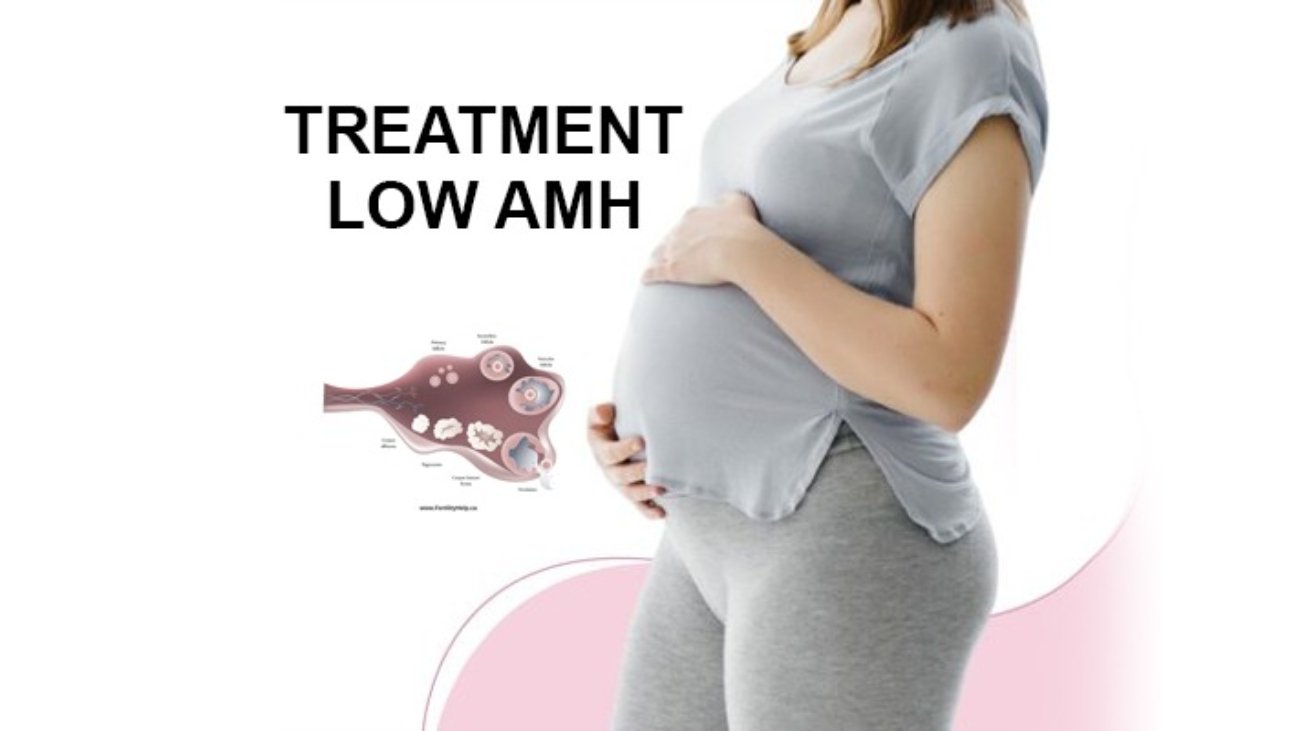
Low AMH (Anti-Müllerian Hormone) is one of the most commonly discussed fertility concerns among women trying to conceive. Receiving a low AMH report can be stressful, but it is important to understand that low AMH does not automatically mean infertility. Many women with low AMH levels successfully conceive naturally and through fertility treatments such as IUI and IVF.
If you are searching for Low AMH Treatment in Chandigarh, understanding your ovarian reserve, fertility potential, and available treatment options can help you make informed decisions about your reproductive health.
Dr. Nitasha Gupta, a leading Fertility Specialist, IVF Specialist, and Gynecologist in Chandigarh, provides personalized fertility care for women with low ovarian reserve, infertility, PCOS, recurrent pregnancy loss, and age-related fertility challenges. Her evidence-based approach helps couples explore the most suitable fertility treatment options based on their unique needs.
What Is AMH?
Anti-Müllerian Hormone (AMH) is a hormone produced by small follicles within the ovaries. AMH levels provide valuable information about a woman’s ovarian reserve, which refers to the number of eggs remaining in the ovaries.
An AMH blood test is commonly used to assess fertility potential and guide fertility treatment planning.
AMH testing helps fertility specialists evaluate:
Ovarian reserve
Response to fertility medications
IVF treatment planning
Reproductive health status
Future fertility potential
AMH is one of the most important fertility markers used by fertility specialists worldwide.
What Does Low AMH Mean?
Low AMH indicates that the ovarian reserve is lower than expected for a woman’s age. However, low AMH should not be confused with infertility.
A woman with low AMH can still:
Conceive naturally
Respond to fertility treatment
Produce healthy eggs
Have a successful pregnancy
One of the biggest misconceptions is that low AMH means poor egg quality. In reality, AMH primarily reflects egg quantity, while egg quality is more closely associated with age.
AMH Levels Chart by Age
AMH levels vary from person to person and naturally decline with age.
| AMH Level (ng/ml) | Interpretation |
|---|---|
| Above 3.0 | High Ovarian Reserve |
| 1.0 – 3.0 | Normal Ovarian Reserve |
| 0.7 – 1.0 | Low-Normal Reserve |
| Below 0.7 | Low AMH |
| Below 0.3 | Very Low AMH |
Women above the age of 35 often experience a gradual decline in ovarian reserve, making fertility evaluation increasingly important.
Causes of Low AMH
Several factors can contribute to low AMH levels.
Age-Related Fertility Decline
Age is the most common cause of declining ovarian reserve. AMH levels naturally decrease as women grow older.
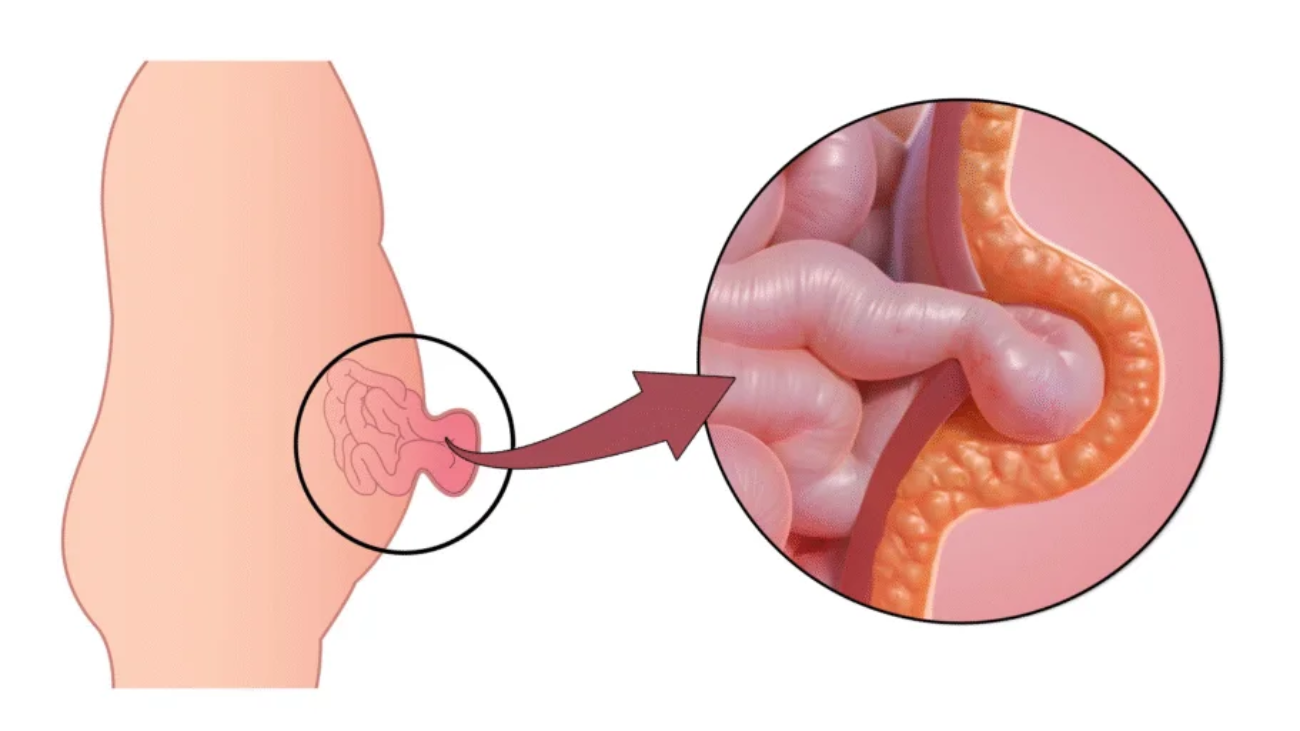
Endometriosis
Endometriosis may affect ovarian tissue and reduce ovarian reserve over time.
Previous Ovarian Surgery
Procedures involving the ovaries can sometimes impact the number of remaining follicles.
Genetic Factors
Some women naturally have a lower ovarian reserve due to inherited genetic traits.
Chemotherapy and Radiation
Cancer treatments can affect ovarian function and reduce fertility potential.
Autoimmune Disorders
Certain autoimmune conditions may contribute to premature ovarian aging.
Symptoms of Low AMH
Low AMH itself often does not cause symptoms. Many women discover low AMH during fertility investigations.
Possible signs associated with low ovarian reserve may include:
Difficulty conceiving
Reduced fertility
Irregular menstrual cycles
Poor response to fertility medications
Early menopause symptoms
Can You Get Pregnant Naturally with Low AMH?
Yes. Many women with low AMH become pregnant naturally.
The likelihood of natural conception depends on several factors, including:
Age
Younger women with low AMH generally have better pregnancy outcomes.
Egg Quality
Egg quality often plays a more significant role than egg quantity.
Sperm Quality
Healthy sperm is essential for successful fertilization.
Uterine Health
A healthy uterus supports implantation and pregnancy development.
Many women diagnosed with low AMH conceive without requiring IVF treatment.
How Is Low AMH Diagnosed?
A comprehensive fertility assessment may include:
AMH Blood Test
Measures Anti-Müllerian Hormone levels.
Antral Follicle Count (AFC)
An ultrasound evaluates the number of small follicles present in the ovaries.
Fertility Hormone Testing
Additional tests may include:
FSH (Follicle-Stimulating Hormone)
LH (Luteinizing Hormone)
Estradiol
Thyroid Function Tests
Prolactin Levels
Best Low AMH Treatment Options in Chandigarh
Treatment depends on age, fertility goals, ovarian reserve, and overall reproductive health.
Lifestyle Optimization
A fertility-friendly lifestyle may improve reproductive outcomes.
Recommendations include:
Balanced nutrition
Healthy body weight
Regular exercise
Stress management
Adequate sleep
Ovulation Induction
Certain fertility medications may help stimulate ovulation and improve conception chances.
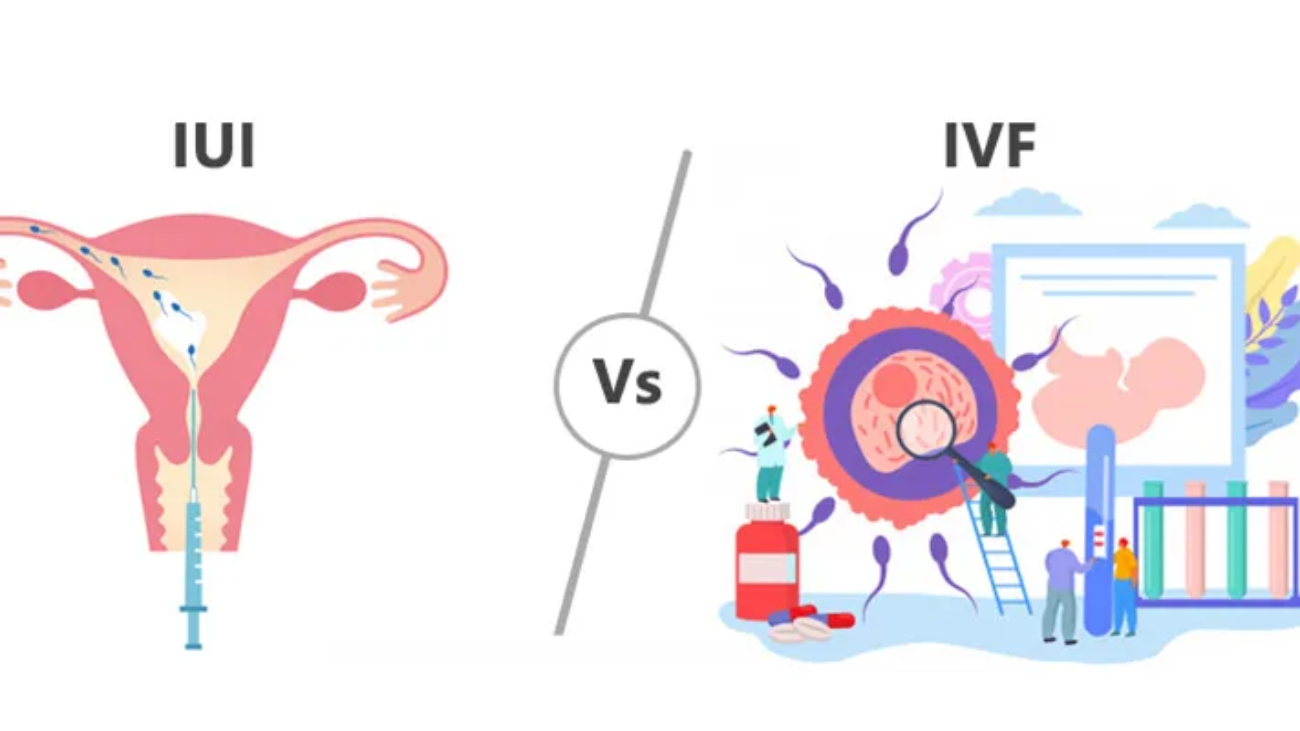
IUI Treatment
In selected cases, IUI may be recommended before considering IVF.
Learn more:
https://www.drnitashagupta.com/ivf-vs-iui-treatment-chandigarh/
IVF Treatment
IVF is often recommended for women with significantly reduced ovarian reserve, advanced maternal age, or prolonged infertility.
Read more:
https://www.drnitashagupta.com/ivf-treatment-chandigarh/
Internal Resources
Frequently Asked Questions
Can I get pregnant naturally with low AMH?
Yes. Many women with low AMH conceive naturally, particularly when egg quality remains healthy.
Does low AMH mean infertility?
No. Low AMH indicates reduced ovarian reserve but does not mean pregnancy is impossible.
Is IVF successful in women with low AMH?
Many women with low AMH achieve successful pregnancies through IVF treatment.
What is considered a very low AMH level?
AMH levels below 0.3 ng/ml are generally considered very low.
When should I consult a fertility specialist?
If you have low AMH, irregular periods, are over 35 years of age, or have been trying to conceive without success, it is advisable to consult a fertility specialist.
About Dr. Nitasha Gupta
Dr. Nitasha Gupta is a trusted Fertility Specialist, IVF Specialist, and Gynecologist serving Chandigarh, Mohali, Panchkula, Zirakpur, and nearby regions. She specializes in infertility treatment, IVF, IUI, low AMH management, fertility preservation, PCOS treatment, and comprehensive reproductive healthcare. Her patient-centered approach focuses on evidence-based treatment and personalized fertility planning.