Period Pain in Winter: Causes & Relief Tips

Do Periods Get Worse in Winter? 7 Women’s Health Questions Answered by a Gynecologist

Winter brings colder mornings, shorter days and changes to our daily routines. For some women, this season can also feel more uncomfortable during menstruation, with cramps, bloating, fatigue and low energy making everyday activities harder.

But do periods actually get worse in winter? Does cold weather affect your menstrual cycle, and what can you do to manage period pain during the colder months?

The answer is not the same for everyone. There is no strong evidence that winter itself makes menstrual cramps worse in every woman. However, changes in physical activity, sleep, mood and daily habits may influence how you experience menstrual discomfort.

In this guide, Dr. Nitasha Gupta, Consultant Gynecologist and IVF Specialist, explains seven common questions about period pain in winter, practical ways to feel more comfortable and the symptoms that should not be ignored.

Do Periods Get Worse in Winter

Quick Answer: Do Periods Get Worse in Winter?

Not necessarily. Menstrual cramps are mainly linked to uterine contractions and substances called prostaglandins. Cold weather alone is not an established cause of worsening period pain or irregular periods. If your cramps feel more noticeable in winter, consider your activity levels, sleep, stress, hydration and usual menstrual symptoms.

Remember: Severe, persistent or newly worsening period pain should not automatically be blamed on cold weather. It may need evaluation by a gynecologist.

1. Do Period Cramps Really Get Worse in Winter?

Some women report more discomfort during colder months, while others notice no seasonal change. Research does not establish that winter temperatures directly cause more severe menstrual cramps for everyone.

Period pain, medically known as dysmenorrhea, commonly occurs just before or during menstruation. It happens when the uterus contracts to shed its lining. Prostaglandins, which are naturally produced in the body, contribute to these contractions and the associated pain.

During winter, some people spend more time indoors, exercise less or experience changes in sleep and mood. These changes may affect general well-being and how manageable period symptoms feel, but they do not prove that cold weather causes menstrual pain.

If your periods are consistently painful, become more painful over time or interfere with work, school or daily life, consult a gynecologist rather than assuming the symptoms are seasonal.

2. Why Might Period Pain Feel More Uncomfortable During Winter?

Several factors may contribute to how you experience menstrual discomfort during the colder months.

Reduced Physical Activity

Cold weather may make it harder to maintain your usual exercise routine. Regular movement can support general well-being and may help some people manage menstrual discomfort. Gentle walking, stretching or yoga may be useful if you feel comfortable doing them.

Changes in Sleep and Daily Routine

Changes in sleep schedules, activity and everyday habits may affect energy levels and pain coping. Aim for a consistent sleep routine and allow yourself time to rest when needed.

Stress and Mood Changes

Stress can affect how you experience pain and may overlap with premenstrual symptoms. Relaxation techniques, gentle movement and adequate rest may help you cope, although they are not substitutes for medical care when pain is severe.

Cold-Related Muscle Tension

Some people feel physically tense when they are cold. Staying comfortably warm may improve comfort, but this should not be confused with evidence that cold temperatures cause uterine cramps.

3. What Are Seven Ways to Manage Period Pain in Winter?

1. Use Gentle Heat

A warm water bottle wrapped in a towel or a heating pad used according to its instructions may help relieve cramps. Avoid placing very hot objects directly against your skin, and do not fall asleep with an unsafe heating device in place.

2. Try Gentle Movement

Walking, light stretching and yoga may help some people feel better during their period. Adjust the intensity to your comfort level and rest if activity worsens your pain.

3. Take a Warm Bath or Shower

A comfortably warm bath or shower can help you relax and may ease the sensation of cramping. Avoid water that is hot enough to burn your skin or make you feel dizzy.

4. Prioritise Sleep

Try to maintain a regular sleep schedule, especially in the days before and during your period. Adequate rest may help you manage fatigue and cope with discomfort.

5. Eat Balanced, Regular Meals

Include a variety of vegetables, fruits, whole grains, protein sources and iron-rich foods in your diet. If you experience heavy periods or persistent fatigue, ask a healthcare professional whether you need an assessment for iron deficiency. No particular food is proven to cure menstrual cramps.

6. Drink Enough Fluids

Remember to drink water even when you feel less thirsty in cold weather. Warm drinks may be soothing, but they are not a treatment for the underlying causes of severe menstrual pain.

7. Discuss Suitable Pain Relief with a Healthcare Professional

Medicines such as non-steroidal anti-inflammatory drugs (NSAIDs) may help period cramps for some people. They are not suitable for everyone, including some people with stomach ulcers, kidney problems, certain bleeding disorders, medication allergies or other health conditions.

Ask your doctor or pharmacist which option is appropriate for you, especially if you take other medicines, have an existing medical condition or could be pregnant. Do not exceed the recommended dose or combine medicines without professional advice.

Can Cold Weather Affect Your Menstrual Cycle

4. Can Cold Weather Affect Your Menstrual Cycle?

Cold weather alone has not been established as a direct cause of irregular periods. Menstrual cycles can vary naturally, and changes in stress, sleep, weight, physical activity, illness and hormones may contribute to changes in timing.

Conditions such as polycystic ovary syndrome (PCOS), thyroid disorders and other hormonal or reproductive health concerns can also affect menstrual regularity.

If your period is repeatedly late, you miss periods, your cycle changes significantly or you experience unusually heavy bleeding, arrange a medical assessment. If pregnancy is possible and your period is late, consider taking a pregnancy test.

Read more: Irregular Periods: When Should You Worry?

5. When Is Period Pain a Sign of an Underlying Condition?

Mild cramps around the start of menstruation are common. However, severe or progressively worsening pain can sometimes be associated with a medical condition that needs treatment.

Possible causes of significant menstrual pain include:

  • Endometriosis: A condition in which tissue similar to the uterine lining grows outside the uterus.

  • Adenomyosis: A condition in which tissue similar to the uterine lining grows into the muscular wall of the uterus.

  • Uterine fibroids: Non-cancerous growths in or around the uterus that can cause pain or heavy bleeding.

  • Pelvic inflammatory disease: An infection involving the reproductive organs that requires medical assessment and treatment.

These conditions cannot be diagnosed from period pain alone. A gynecologist may review your symptoms and medical history and recommend an examination, ultrasound or other tests when appropriate.

6. When Should You See a Gynecologist for Period Pain?

Do not assume that severe menstrual pain is something you simply have to tolerate. Arrange a gynecological consultation if:

  • Your cramps are becoming more painful over time.

  • Period pain affects your ability to work, study, sleep or complete daily activities.

  • Your periods become heavier or irregular.

  • You experience bleeding between periods.

  • You have pain during sex or when urinating or passing stool.

  • Your usual pain-relief measures no longer help.

Seek urgent medical care if pelvic or period pain is severe, sudden or significantly worse than usual, particularly if you feel faint, have heavy bleeding, fever or persistent vomiting, or might be pregnant. Severe pain with possible pregnancy needs prompt assessment.

Early evaluation can help identify the cause and guide appropriate treatment.

7. How Can You Prepare for a Gynecologist Appointment?

Keeping a simple menstrual diary for two or three cycles can help you explain your symptoms clearly. Record:

  • The first and last day of each period.

  • When cramps begin and how long they last.

  • Pain severity and whether it affects daily activities.

  • How heavy the bleeding is and whether you notice clots.

  • Other symptoms, such as nausea, fatigue, headaches or pelvic pain.

  • Any medicines you take and whether they help.

Share any recent changes in your cycle, medical history or contraception with your doctor. These details can help determine whether further evaluation is needed.

Frequently Asked Questions About Period Pain in Winter

Does cold weather make period cramps worse?

There is no strong evidence that cold weather directly worsens menstrual cramps in everyone. Some people may notice more discomfort during winter, but other factors and underlying conditions should also be considered.

How can I relieve period pain in winter naturally?

Gentle heat, a warm bath, light movement, adequate sleep and relaxation may help. If pain is severe, persistent or interferes with daily life, seek medical advice rather than relying only on home remedies.

Can cold weather delay my period?

Cold weather alone is not an established cause of delayed periods. Stress, pregnancy, changes in weight or activity, illness and hormonal conditions may affect cycle timing.

Is it safe to exercise during periods in winter?

Gentle exercise is generally suitable if you feel well enough. Walking or stretching may help some people manage discomfort. Stop if you feel unwell or your symptoms worsen, and seek medical advice for severe pain.

When is period pain not normal?

Pain that is severe, worsening, persistent or disruptive to daily activities needs medical assessment. Pain with heavy bleeding, bleeding between periods, pain during sex or other unusual symptoms should also be discussed with a gynecologist.

Can period pain be a sign of PCOS?

Period pain alone does not establish that someone has PCOS. PCOS is more commonly associated with irregular or absent periods and symptoms related to excess androgens. A clinician can assess your symptoms and determine whether testing is appropriate.

Which doctor should I consult for severe period cramps?

A gynecologist can assess severe or recurring menstrual pain, review possible causes and recommend suitable treatment. If the pain is sudden or severe, or you have other urgent warning signs, seek urgent medical care.

Women’s Health Care with Dr. Nitasha Gupta

Menstrual discomfort can affect everyday life, but severe pain should not be dismissed as a normal part of being a woman or simply blamed on winter.

Dr. Nitasha Gupta is a Consultant Gynecologist and IVF Specialist associated with Kore Fertility Centre in the Zirakpur area. If you are experiencing painful periods, irregular cycles or other menstrual health concerns, seek an individual medical assessment to understand the possible causes and suitable care options.

Women and families in Zirakpur, Dhakoli, Mohali, Panchkula, Chandigarh and nearby areas can use the clinic’s contact page to enquire about an appointment.

Contact Dr. Nitasha Gupta to enquire about a consultation

Medical disclaimer: This article is for general educational purposes only and does not replace an individual consultation, diagnosis or treatment plan. Treatment depends on a person’s symptoms, medical history and examination.


Medical References

10 Foods That Support Fertility & Egg Quality | Dr. Nitasha Gupta

10 Foods That Support Fertility and Egg Quality: A Guide for Women Trying to Conceive

Trying to conceive can raise many questions about nutrition, reproductive health and egg quality. One common question is whether changing your diet can improve your chances of pregnancy. While no single food can guarantee conception or reverse age-related changes in egg quality, a balanced, nutrient-rich diet can help support overall health before pregnancy.

Foods that support fertility and egg quality include leafy green vegetables, berries, whole grains, nuts, seeds, legumes, eggs and other nutrient-rich foods. These provide essential nutrients such as folate, iron, protein, omega-3 fatty acids and antioxidants that contribute to normal bodily functions and preconception health.

Dr. Nitasha Gupta, Consultant Gynecologist and IVF Specialist at Kore Fertility Centre in Zirakpur, helps women and couples understand fertility concerns and explore appropriate options based on their medical history, age and reproductive health.

This guide explains which foods to include in a fertility-friendly diet, which dietary habits to limit and when to seek advice from a fertility specialist.

Quick Answer: Which Foods Support Fertility and Egg Quality?

A balanced fertility-friendly diet can include:

  • Leafy green vegetables such as spinach and mustard greens

  • Fruits such as berries, oranges and other seasonal fruits

  • Whole grains such as oats, whole-wheat roti and brown rice

  • Nuts such as almonds and walnuts

  • Seeds such as pumpkin, chia and flaxseeds

  • Legumes such as lentils, chickpeas and kidney beans

  • Eggs and other suitable protein sources

  • Low-mercury fish, if included in your diet

  • Dairy products or suitable fortified alternatives

  • Colourful vegetables such as carrots, tomatoes and broccoli

These foods help provide nutrients needed for general and reproductive health. However, no specific food has been proven to guarantee pregnancy or directly improve egg quality in every woman. Age, ovarian reserve, ovulation, medical conditions and sperm health also influence fertility.

What Is the Relationship Between Diet, Fertility and Egg Quality?

Egg quality refers to the developmental potential of an egg. It is influenced by several factors, particularly age, and cannot be assessed simply by looking at a person’s diet or eating habits.

A nutritious diet supports overall health and helps provide the nutrients needed before pregnancy. Research has explored relationships between dietary patterns and fertility, but evidence that individual foods directly improve egg quality remains limited.

A fertility-friendly eating pattern generally includes vegetables, fruits, whole grains, adequate protein and healthy fats. It should be combined with appropriate preconception care rather than used as a substitute for medical assessment.

Women experiencing irregular periods, difficulty conceiving or concerns about ovarian reserve may benefit from a fertility evaluation.

Learn more about fertility assessment and treatment options.

10 Foods That Support Fertility and Egg Quality

1. Leafy Green Vegetables

Leafy green vegetables are valuable sources of folate, a B vitamin essential for normal cell division and early fetal development.

Nutrients: Folate, fibre, vitamin K and other vitamins and minerals.

Foods to include:

  • Spinach

  • Mustard greens

  • Kale

  • Other seasonal leafy vegetables

How to eat them: Add leafy greens to dal, vegetable dishes, soups, salads or whole-wheat wraps.

Folate is especially important when planning pregnancy. Women who may become pregnant should discuss the recommended folic acid supplement with their healthcare professional. Food sources of folate do not replace recommended folic acid supplementation.

2. Berries and Other Colourful Fruits

Berries contain vitamin C, fibre and plant compounds with antioxidant properties. Other colourful fruits also provide important vitamins and minerals.

Nutrients: Vitamin C, fibre and antioxidant compounds.

Foods to include:

  • Strawberries

  • Blueberries

  • Oranges

  • Guava

  • Seasonal fruits

How to eat them: Add fruit to breakfast, yoghurt, oats or a snack. Whole fruit is generally preferable to fruit juice because it provides fibre and can be more filling.

Fruits contribute to a balanced diet, but eating particular fruits has not been proven to increase egg quality or guarantee conception.

3. Whole Grains

Whole grains provide fibre, B vitamins and minerals that contribute to a balanced diet.

Nutrients: Fibre, B vitamins, magnesium and complex carbohydrates.

Foods to include:

  • Oats

  • Whole-wheat roti

  • Brown rice

  • Barley

  • Quinoa

How to eat them: Choose oats for breakfast, whole-wheat roti with dal and vegetables, or brown rice with a protein source.

Replacing some refined grains with whole grains can improve overall dietary quality. There is no evidence that one particular grain independently increases fertility.

4. Nuts

Nuts provide unsaturated fats, protein and several essential nutrients.

Nutrients: Vitamin E, magnesium, protein, fibre and healthy fats.

Foods to include:

  • Almonds

  • Walnuts

  • Pistachios

  • Cashews

How to eat them: Enjoy a small handful as a snack or add chopped nuts to oats, yoghurt and salads.

Research on nut consumption and reproductive outcomes is still developing. Nuts can be part of a nutritious diet, but they should not be considered a treatment for infertility.

5. Seeds

Seeds offer plant-based fats, fibre and minerals in small portions.

Nutrients: Unsaturated fats, zinc, magnesium and fibre.

Foods to include:

  • Pumpkin seeds

  • Chia seeds

  • Flaxseeds

  • Sesame seeds

How to eat them: Sprinkle seeds over porridge, yoghurt or salads. Ground flaxseeds can also be mixed into meals.

Seeds contribute to dietary variety and nutrient intake, but claims that particular seeds balance hormones or improve egg quality directly are not established.

6. Eggs

Eggs provide high-quality protein and choline, which contributes to normal cell function and fetal development.

Nutrients: Protein, choline, vitamin B12 and other essential nutrients.

How to eat them: Include boiled eggs, well-cooked omelettes or scrambled eggs in balanced meals.

Eggs can be a useful protein source when preparing for pregnancy. However, eating eggs has not been proven to directly improve egg quality.

Vegetarian alternatives include dairy products, tofu, lentils and other protein-rich foods.

7. Lentils, Chickpeas and Other Legumes

Legumes are affordable sources of plant-based protein and provide folate, iron and fibre.

Foods to include:

  • Moong dal

  • Masoor dal

  • Chickpeas

  • Kidney beans

  • Other pulses and beans

How to eat them: Include dal with roti, chickpea salads, lentil soups or bean-based curries in your meals.

Pairing plant-based iron sources with vitamin C-rich foods, such as tomatoes or lemon, can help improve iron absorption.

Legumes are a practical part of a balanced fertility-friendly diet, particularly for people following vegetarian diets.

8. Low-Mercury Fish

Fish can provide protein and omega-3 fatty acids. Some varieties also contain vitamin D and vitamin B12.

Foods to consider: Suitable low-mercury fish, selected according to local food-safety guidance.

How to eat it: Choose properly cooked fish and combine it with vegetables and whole grains.

Women planning pregnancy should follow current guidance on fish selection and mercury exposure. If you do not eat fish, ask your healthcare professional about suitable alternative sources of omega-3 fatty acids.

Omega-3 intake supports general health, but fish consumption should not be presented as a guaranteed way to improve egg quality or pregnancy outcomes.

9. Milk, Yoghurt and Fortified Alternatives

Dairy products can provide protein and calcium. Fortified products may also supply vitamin D and other nutrients.

Foods to include:

  • Milk

  • Plain yoghurt

  • Pasteurised dairy products

  • Fortified soy drinks or other suitable alternatives

How to include them: Add milk to oats, enjoy plain yoghurt with meals or choose a fortified alternative that meets your nutritional needs.

There is no single dairy product proven to increase fertility. Choose options that suit your nutritional requirements, preferences and any medical advice you have received.

10. Colourful Vegetables

Eating a variety of vegetables helps provide fibre, vitamins, minerals and beneficial plant compounds.

Foods to include:

  • Carrots

  • Tomatoes

  • Bell peppers

  • Broccoli

  • Pumpkin

How to eat them: Add vegetables to curries, soups, salads, stir-fries or cooked side dishes.

A variety of vegetables can help improve overall dietary quality. The goal is to maintain a balanced eating pattern rather than rely on one vegetable as a fertility remedy.

Which Nutrients Are Important When Planning Pregnancy?

Several nutrients are important for preconception health and normal bodily functions.

NutrientFood sourcesRole in health
FolateLeafy greens, lentils and beansSupports normal cell division
IronLegumes, leafy greens and suitable animal foodsSupports haemoglobin production
ProteinEggs, dairy, pulses, fish and tofuSupports tissue growth and repair
Omega-3 fatty acidsSuitable fish, walnuts and certain seedsSupport normal cell function
Vitamin B12Dairy, eggs, fish and fortified foodsSupports nerve function and red blood cell formation
Vitamin DFortified foods, some fish and egg yolksSupports bone health and other body functions
CholineEggs, fish, meat and some legumesSupports normal cell function

Nutritional requirements vary between individuals. Supplements should be selected according to established recommendations, diet, medical history and professional advice.

Taking excessive amounts of supplements is not a proven way to improve fertility and may be harmful.

What Should You Drink When Trying to Conceive?

No drink has been proven to make conception happen faster. However, suitable drinks can help you stay hydrated and meet nutritional needs.

Consider:

  • Water for hydration

  • Milk for protein and calcium

  • Unsweetened fortified soy drinks, where appropriate

  • Smoothies made with whole fruits and yoghurt or milk

Limit sugary drinks and avoid relying on detox drinks, fertility teas or unverified herbal products marketed as conception boosters.

Alcohol should be avoided when pregnant or trying to conceive. Discuss caffeine intake with your healthcare professional, particularly when planning pregnancy.

Which Foods and Habits Should You Limit When Trying to Conceive?

A balanced approach is more useful than following a restrictive fertility diet.

Consider these steps:

  • Limit excess added sugar: Choose water and balanced meals more often than sugary drinks and heavily sweetened snacks.

  • Reduce highly processed foods: Focus on a varied eating pattern that includes vegetables, fruits, whole grains and protein.

  • Avoid alcohol: This is particularly important when trying to conceive and during pregnancy.

  • Follow food-safety guidance: Choose properly cooked foods and pasteurised products as appropriate.

  • Be cautious with supplements: Do not use fertility supplements or herbal remedies without professional advice.

  • Avoid extreme dieting: Inadequate energy intake or significant nutritional deficiencies can affect general and reproductive health.

There is no single forbidden food list that applies to every woman trying to conceive. Individual dietary needs may differ based on health conditions, allergies, cultural preferences and medical advice.

Can Diet Improve Egg Quality Before IVF?

Nutrition is one part of preparing for fertility treatment, but it cannot guarantee better eggs, embryos or IVF outcomes.

Before IVF, a fertility specialist may consider age, ovarian reserve, hormone results, previous treatment history, sperm health and other medical factors when planning treatment.

A balanced diet can help support general health during treatment preparation. The need for supplements or correction of nutritional deficiencies should be assessed individually.

For more information, read our guide to IVF treatment in Chandigarh.

Women concerned about low ovarian reserve can also explore low AMH treatment and fertility assessment.

When Should You Consult a Fertility Specialist?

Dietary changes alone may not address the underlying cause of difficulty conceiving. Consider seeking medical advice if:

  • You have been trying to conceive for 12 months and are under 35.

  • You are 35 or older and have been trying for six months without pregnancy.

  • You have irregular or absent periods.

  • You have known conditions such as PCOS or endometriosis.

  • You have experienced recurrent pregnancy loss.

  • You have concerns about ovarian reserve or have received an abnormal fertility test result.

  • You or your partner have a known reproductive health concern.

Women over 40 or those with known fertility conditions may benefit from seeking advice sooner rather than waiting.

A fertility evaluation may include a review of medical history, menstrual cycles, ovulation, relevant blood tests, ultrasound and assessment of sperm health where appropriate.

Learn more about PCOS treatment and fertility care.

Fertility and Women’s Healthcare with Dr. Nitasha Gupta

Dr. Nitasha Gupta is a Consultant Gynecologist and IVF Specialist associated with Kore Fertility Centre in Zirakpur. She provides fertility evaluation, IVF, IUI, ICSI, PCOS management and comprehensive women’s healthcare.

Patients from Zirakpur, Chandigarh, Mohali, Panchkula and nearby areas can seek consultation to discuss fertility concerns, review relevant investigations and understand suitable care options.

If you are concerned about egg quality, irregular ovulation, low AMH or difficulty conceiving, a personalised medical assessment can help identify the next steps.

Book a consultation: Contact Dr. Nitasha Gupta.

Frequently Asked Questions About Foods That Support Fertility and Egg Quality

1. Which foods are best for female fertility?

Leafy green vegetables, fruits, whole grains, nuts, seeds, legumes, eggs and suitable protein sources can help provide nutrients needed for general and reproductive health. No single food is proven to guarantee conception or directly improve egg quality.

2. Can food improve egg quality naturally?

A balanced diet supports overall health and preconception nutrition. However, no specific food or diet has been established as a reliable way to improve egg quality directly. Age and underlying reproductive conditions remain important factors.

3. Which fruits are good when trying to conceive?

Berries, oranges, guava and other whole fruits provide vitamins, fibre and beneficial plant compounds. They can be included in a balanced diet but should not be considered fertility treatments.

4. What should I eat to improve egg quality before IVF?

Include a variety of vegetables, fruits, whole grains, protein sources and healthy fats. Discuss folic acid, other supplements and any nutritional deficiencies with your fertility specialist before starting IVF.

5. Can nuts and seeds increase fertility?

Nuts and seeds provide unsaturated fats, protein, fibre and minerals. They are nutritious additions to a balanced diet, but evidence that they independently increase female fertility or improve egg quality is limited.

6. Does PCOS affect fertility, and can diet help?

PCOS can affect ovulation and menstrual regularity. A balanced diet and appropriate lifestyle measures can support general and metabolic health, but some women also require medical treatment to manage symptoms or achieve pregnancy.

7. What should I avoid eating when trying to conceive?

Avoid alcohol when trying to conceive, follow food-safety recommendations and limit excessive added sugar and heavily processed foods. Avoid unverified fertility supplements and seek individual guidance if you have specific dietary or medical needs.

8. Can I get pregnant with low AMH?

Low AMH is associated with reduced ovarian reserve, but it does not automatically mean pregnancy is impossible. The appropriate next steps depend on age, medical history, other test results and fertility goals.

9. When should I visit a fertility specialist?

Generally, seek evaluation after 12 months of trying if you are under 35, or after six months if you are 35 or older. Seek advice earlier if you have irregular periods, known reproductive conditions or other fertility concerns.

10. Where can I consult a fertility specialist near Chandigarh?

Dr. Nitasha Gupta provides fertility and gynecological consultations through Kore Fertility Centre in Zirakpur, serving patients from Chandigarh, Mohali, Panchkula and nearby areas. Contact the clinic to confirm appointment availability and consultation details.

Medical References

  1. Gaskins AJ, Chavarro JE. Diet and Fertility: A Review. American Journal of Obstetrics and Gynecology. 2018;218(4):379–389. Read the research review.

  2. American Society for Reproductive Medicine. Optimizing Natural Fertility: A Committee Opinion. Read the ASRM guidance.

  3. American College of Obstetricians and Gynecologists. Good Health Before Pregnancy: Prepregnancy Care. Read the ACOG guidance.

Medical disclaimer: This article is for educational purposes only and does not replace individual medical advice, diagnosis or treatment. Fertility concerns should be assessed by a qualified healthcare professional.

IVF Consultation in Chandigarh

IVF Consultation in Chandigarh: When Should Couples Consider IVF?

Trying to conceive but not getting the expected results can raise many questions. How long should you wait before seeking help? Which fertility tests are necessary? And when might IVF be an appropriate treatment option?

For couples exploring an IVF consultation in Chandigarh, understanding the available fertility investigations and treatment options is an important first step. The right approach depends on factors such as age, reproductive history, the duration of infertility and the underlying cause of difficulty conceiving.

Dr. Nitasha Gupta provides fertility and women’s healthcare services from her listed clinic in Dhakoli, Zirakpur, serving patients enquiring about fertility care across the surrounding Tricity region, including Chandigarh, Mohali and Panchkula.

This guide explains when couples may consider IVF, which tests are commonly recommended before treatment, what influences IVF costs and what to expect during an initial fertility consultation.

What Is an IVF Consultation?

An IVF consultation is an appointment in which a fertility specialist reviews your reproductive health, medical history and previous attempts to conceive to determine which investigations or treatment options may be appropriate.

What Is an IVF Consultation?

IVF, or in vitro fertilisation, is a fertility treatment in which eggs are retrieved from the ovaries and fertilised with sperm in a laboratory. An embryo may subsequently be transferred into the uterus.

An IVF consultation does not mean that you must immediately begin treatment. It helps establish whether IVF is suitable for your circumstances or whether another approach should be considered first.

During the consultation, your doctor may discuss:

  • How long you have been trying to conceive.

  • Your age, menstrual cycle and reproductive history.

  • Previous pregnancies or fertility treatments.

  • Existing medical conditions and relevant medications.

  • Previous ultrasound reports and fertility investigations.

  • Possible treatment options, their limitations and associated costs.

The aim is to develop an individualised evaluation and treatment plan rather than recommend the same procedure to every couple.

When Should Couples Consider IVF Treatment?

Not every couple experiencing difficulty conceiving needs IVF. However, certain circumstances may make an IVF consultation particularly useful.

1. You Have Been Trying to Conceive Without Success

The length of time you have been trying to conceive is one factor doctors consider when recommending a fertility evaluation.

General clinical guidance suggests:

  • Under 35 years: Consider a fertility evaluation after 12 months of regular, unprotected intercourse without conception.

  • Age 35–40 years: Seek an evaluation after six months of trying without conception.

  • Over 40 years: Consider prompt medical assessment rather than waiting several months.

These are general guidelines for seeking evaluation, not automatic criteria for IVF. Your doctor will assess the likely cause of infertility before discussing treatment.

If you have irregular or absent periods, known reproductive conditions or a suspected male fertility problem, an earlier evaluation may be appropriate regardless of age.

2. There May Be a Problem With the Fallopian Tubes

The fallopian tubes help transport the egg and provide the usual location for fertilisation. Blocked or significantly damaged tubes can interfere with natural conception.

IVF may be considered in certain cases because fertilisation takes place outside the body, bypassing the need for the egg and sperm to meet within the fallopian tube.

The appropriate approach depends on the type and severity of the tubal problem, other fertility factors and the individual’s medical history.

3. Male Fertility Factors Have Been Identified

Difficulty conceiving can involve male factors, female factors or a combination of both.

Semen analysis is commonly used as an initial investigation of male fertility. Depending on the findings, additional evaluation may be recommended.

IVF, sometimes combined with intracytoplasmic sperm injection (ICSI), may be considered in selected cases. ICSI involves injecting a single sperm into an egg in a laboratory.

The choice between IVF, IVF with ICSI and other options depends on the clinical findings. ICSI is not automatically necessary for every couple undergoing IVF.

4. Other Fertility Treatments Have Not Been Successful

Some couples may be advised to consider IVF after other appropriate treatments have not resulted in pregnancy.

The decision depends on the diagnosis, age, duration of infertility, previous treatment outcomes and individual preferences.

For example, some patients may benefit from ovulation-related treatment, while others may have conditions for which IVF is a more appropriate option.

A fertility specialist can review previous investigations and treatments to determine whether further attempts with another approach or proceeding to IVF would be reasonable.

5. Certain Reproductive Conditions Require Specialist Assessment

Conditions such as endometriosis, some ovarian disorders and other reproductive health concerns may affect fertility.

The presence of a diagnosis does not automatically mean IVF is required. The recommended approach depends on the severity of the condition, age, ovarian reserve where relevant and other factors affecting conception.

Early evaluation can help couples understand which treatment options are medically appropriate.

What Tests May Be Needed Before IVF?

There is no single fixed set of investigations required for every person considering IVF. Your fertility specialist will select tests according to your medical history, examination and previous reports.

What Tests May Be Needed Before IVF?

Female Fertility Evaluation

Depending on the circumstances, investigations may include:

  • Hormone testing: Selected blood tests may help assess thyroid function, ovulation or other reproductive factors when indicated.

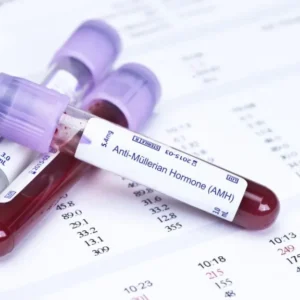
  • AMH testing: Anti-Müllerian hormone can provide information about ovarian reserve, particularly when planning fertility treatment.

  • Pelvic ultrasound: This may help assess the uterus and ovaries.

  • Additional uterine or tubal investigations: Tests may be recommended when the medical history or initial findings suggest they are necessary.

  • Other pre-treatment investigations: Your doctor may recommend additional tests based on your health and the clinic’s treatment protocol.

Not every patient needs every test. The timing of certain investigations can also matter, so follow your doctor’s instructions.

Male Fertility Evaluation

Male fertility assessment commonly includes semen analysis, which evaluates parameters such as sperm concentration, movement and shape.

Additional tests may be considered if the initial findings or medical history indicate a need for further assessment.

Evaluating both partners where appropriate can help identify contributing factors and avoid unnecessary delays in deciding on treatment.

Is an AMH Test Enough to Decide Whether You Need IVF?

No. AMH provides information about ovarian reserve, but it cannot independently determine whether natural conception is possible or predict an individual’s exact chance of pregnancy.

Age, reproductive history, ultrasound findings and other clinical factors also matter.

An AMH result should therefore be interpreted by a qualified healthcare professional rather than used alone to decide whether IVF is necessary.

Does Everyone Experiencing Infertility Need IVF?

No. IVF is one of several available fertility treatments, and it is not the appropriate first step for every patient.

Depending on the cause of infertility, alternatives may include:

  • Timed intercourse based on the clinical assessment.

  • Treatment for certain ovulation-related problems.

  • Medication for an identified underlying condition.

  • Intrauterine insemination (IUI) in selected cases.

  • Further investigation before choosing a treatment.

IVF may be recommended when the diagnosis, previous treatment outcomes or other clinical considerations support its use.

The important question is not simply whether IVF is available, but whether it is an appropriate option for your specific circumstances.

For a broader explanation of the differences between these approaches, read the existing guide on IVF vs IUI treatment in Chandigarh.

What Affects IVF Treatment Cost in Chandigarh?

The cost of IVF varies between patients and clinics. An accurate estimate depends on the proposed treatment plan and the services included in the quoted price.

Factors that may influence the total cost include:

  • Initial consultation and fertility investigations.

  • Ultrasound monitoring and blood tests.

  • Fertility medications and ovarian stimulation.

  • Egg retrieval and laboratory procedures.

  • Embryo culture and transfer.

  • Additional procedures when medically indicated.

  • Frozen embryo storage or a future frozen embryo transfer, where applicable.

  • Further consultations and follow-up care.

Not every patient requires the same procedures, medications or number of treatment cycles. Additional services may also be billed separately.

How Can You Understand the Total IVF Cost?

Before starting treatment, ask the clinic for an itemised estimate that explains which investigations, medicines and procedures are included.

You may also wish to ask about costs that could arise if the treatment plan changes, additional procedures become necessary or a further cycle is recommended.

For more information, visit the dedicated guide to IVF Cost in Chandigarh.

What Is the IVF Success Rate?

IVF success depends on several factors, including age, the cause of infertility, reproductive history, embryo-related factors and the treatment approach.

It is important to understand what a quoted success rate actually measures. A pregnancy rate per embryo transfer is not the same as a live birth rate per treatment cycle started.

Results can also differ depending on the patient population and the clinic’s reporting methods. For this reason, a general percentage should not be treated as a personalised prediction.

During an IVF consultation, ask your doctor which outcome measure is being discussed and how your individual circumstances may influence the expected results.

You can also read the existing guide on IVF Success Rate in Chandigarh.

IVF Consultation in Chandigarh, Near Zirakpur and Panchkula

Patients looking for fertility care in Chandigarh, Zirakpur, Dhakoli, Mohali or Panchkula may want to understand their options before deciding where to seek a consultation.

Dr. Nitasha Gupta’s listed clinic is located in Dhakoli, Zirakpur, Punjab. Patients considering an appointment can contact the clinic to confirm availability, location details and the services offered.

Depending on your concerns, the following resources may also be helpful:

These pages provide further information about fertility services and the doctor. Treatment recommendations should always follow an individual medical evaluation.

How to Prepare for Your First IVF Consultation

Preparing a few details before your appointment can help make the consultation more useful.

Bring Your Previous Medical Reports

Carry any relevant blood tests, ultrasound reports, semen analysis results and records of previous fertility treatments.

Note Your Menstrual and Reproductive History

Be prepared to explain your menstrual cycle pattern, how long you have been trying to conceive and whether you have had previous pregnancies.

Prepare Questions About Treatment

Consider asking which tests you need, what the possible treatment options are, how much treatment may cost and what the next steps would be.

Discuss Existing Conditions and Medicines

Inform your doctor about relevant medical conditions, previous surgeries and medications or supplements you take.

You do not need to complete every possible fertility test before your first appointment. Your consultation can help determine which investigations are appropriate.

Book a Fertility Consultation With Dr. Nitasha Gupta

If you have been trying to conceive without success or have concerns about your reproductive health, a fertility consultation can help you understand the investigations and treatment options that may be suitable for you.

Dr. Nitasha Gupta provides fertility and women’s healthcare services from her listed clinic in Dhakoli, Zirakpur, serving patients enquiring about fertility care across the surrounding region.

Clinic location: SCO 35, Shri Balaji Complex, Dhakoli, Zirakpur, Punjab – 160104.

To enquire about an appointment, consultation charges or available services, visit the Contact page.

An IVF consultation is an opportunity to understand your options. It does not mean you must proceed with IVF, and the appropriate treatment should be decided with a qualified healthcare professional after reviewing your individual circumstances.

Frequently Asked Questions About IVF Consultation in Chandigarh

1. When should a couple consult an IVF specialist?

Couples are generally advised to seek fertility evaluation after 12 months of trying if the woman is under 35, after six months if she is 35–40, or promptly if she is over 40. Known fertility problems may warrant earlier assessment. These timelines do not automatically mean IVF is necessary.

2. Can I consider IVF after the age of 35?

Yes. IVF may be considered after 35 depending on the cause of infertility, reproductive history and other clinical factors. Age can influence fertility and treatment outcomes, so an individual assessment is important.

3. What tests are required before IVF?

Investigations may include selected hormone tests, ultrasound, assessment of the uterus or fallopian tubes where indicated, and semen analysis. The exact tests depend on your medical history and the treatment plan.

4. Is IVF always necessary if I cannot get pregnant naturally?

No. Some couples may benefit from other treatments or further investigation. IVF is recommended when the clinical findings support it, not simply because conception has been delayed.

5. How much does IVF cost in Chandigarh?

The total cost depends on investigations, medicines, laboratory procedures and the individual treatment plan. Contact the clinic for current charges and request an itemised estimate before starting treatment.

6. Does male fertility affect IVF treatment?

Yes. Male fertility factors can influence treatment planning. Semen analysis is commonly used to assess sperm-related parameters, and further investigations may be recommended if necessary.

7. Is AMH testing compulsory before IVF?

AMH testing may be recommended to help assess ovarian reserve and plan treatment, but the need for testing should be determined by the fertility specialist. AMH alone cannot determine whether a person can conceive naturally.

8. Can patients from Panchkula or Mohali consult Dr. Nitasha Gupta?

Patients from nearby areas can contact the clinic in Dhakoli, Zirakpur, to enquire about appointments and available fertility services. Confirm the location and appointment details before travelling.

9. Does an IVF consultation mean I must start treatment immediately?

No. The consultation helps review your circumstances, discuss possible investigations and explain available options. You can discuss the benefits, limitations, costs and next steps with your doctor before making a treatment decision.

10. How can I prepare for my first fertility consultation?

Bring relevant medical reports, details of previous fertility treatment, a list of medications and information about your menstrual cycle and attempts to conceive. Ask the clinic whether any tests require advance preparation.

Medical Disclaimer

This article is intended for general educational purposes and does not replace professional medical advice, diagnosis or treatment. IVF suitability, investigations and treatment decisions should be determined by a qualified healthcare professional after an individual assessment.

Fertility Checkup in Zirakpur: Tests, Cost Factors & What to Expect

Fertility Checkup in Zirakpur: Tests, Cost Factors & What to Expect

Trying to conceive but unsure whether you need a fertility checkup? Understanding when to seek medical advice, which tests may be recommended, and what happens during your first consultation can help you make informed decisions about your reproductive health.

If you are looking for a fertility checkup in Zirakpur, Dhakoli, Chandigarh, Panchkula or Mohali, a fertility evaluation can help identify potential factors affecting conception and guide the next steps.

At Dr. Nitasha Gupta’s fertility and women’s healthcare practice in Dhakoli, Zirakpur, the evaluation process can begin with a review of your medical history, menstrual cycle, previous investigations and reproductive goals. The tests recommended depend on your individual circumstances; not everyone requires the same investigations or fertility treatment.

This guide explains fertility tests for women and men, when to consult a fertility specialist, factors affecting the cost of an evaluation, and how to prepare for your first appointment.

What Is a Fertility Checkup?

A fertility checkup is a medical evaluation intended to assess factors that may affect a person’s or couple’s ability to conceive. It can include a consultation, medical history review, physical examination where appropriate, blood tests, ultrasound imaging and semen analysis.

Fertility Checkup

The purpose is to understand whether there may be issues involving ovulation, ovarian reserve, the uterus, fallopian tubes, sperm production or other aspects of reproductive health.

A fertility checkup does not automatically mean you need IVF. Depending on the findings, your doctor may recommend further investigations, timed intercourse, medication, treatment of an underlying condition, IUI, IVF or other appropriate options.

The evaluation should be guided by your age, symptoms, medical history and how long you have been trying to conceive.

When Should You Get a Fertility Checkup?

One of the most common questions couples ask is how long they should try to conceive before seeking medical advice.

General clinical guidance recommends considering a fertility evaluation at the following points:

  • Under 35 years: Seek an evaluation after 12 months of regular, unprotected intercourse without conception.

  • Age 35–40 years: Seek an evaluation after six months of trying without conception.

  • Over 40 years: Consider seeking medical advice promptly rather than waiting several months.

You may need an earlier evaluation regardless of age if you have irregular or absent periods, known endometriosis, suspected problems with the fallopian tubes, a history of certain reproductive conditions, previous treatments that may affect fertility, or a known male fertility concern.

These are general guidelines, not a reason to delay care when you have symptoms or concerns. Your doctor can advise you on the appropriate timing for your circumstances.

Should You Wait One Year Before Seeing a Fertility Specialist?

No. The waiting period does not apply to everyone.

For example, a woman with very irregular periods may not be ovulating regularly. Someone with a known reproductive condition may also benefit from earlier assessment. Similarly, a suspected male fertility problem should be evaluated rather than assuming the issue is exclusively related to the woman.

If you are unsure when to seek help, consider booking a consultation with a fertility specialist in Zirakpur to discuss your medical history and next steps.

What Tests Are Included in a Fertility Checkup?

There is no single fertility test that can explain every difficulty with conception. A doctor selects investigations according to the individual’s symptoms, history and initial assessment.

1. Medical History and Menstrual Cycle Assessment

Your first consultation may cover:

  • Your age and how long you have been trying to conceive

  • Menstrual cycle length and regularity

  • Previous pregnancies and their outcomes

  • Previous surgeries, infections or reproductive health conditions

  • Current medicines and relevant medical history

  • Previous fertility treatments or investigations

  • Family history where clinically relevant

This information helps the doctor determine which investigations may be useful and whether any conditions need attention before attempting conception.

2. Hormone and Blood Tests

Depending on your history, your doctor may recommend selected blood tests to investigate ovulation or other health factors that can affect fertility.

These may include:

  • Thyroid function testing when indicated

  • Prolactin testing when symptoms or history suggest it is appropriate

  • Progesterone testing to assess ovulation when clinically useful

  • Selected reproductive hormone tests

  • Anti-Müllerian hormone (AMH) testing when ovarian reserve assessment is appropriate

Important: Not everyone needs every hormone test. The timing of some tests within the menstrual cycle matters, so follow your doctor’s instructions before arranging blood investigations.

What Does an AMH Test Tell You?

An AMH test can provide information about ovarian reserve, which relates to the remaining pool of eggs. However, it cannot independently determine whether you can conceive naturally or predict an individual’s exact chance of pregnancy.

AMH should be interpreted alongside age, ultrasound findings, medical history and other relevant information. It is not a standalone fertility verdict or a universal screening test for everyone planning a pregnancy.

3. Pelvic Ultrasound and Follicle Assessment

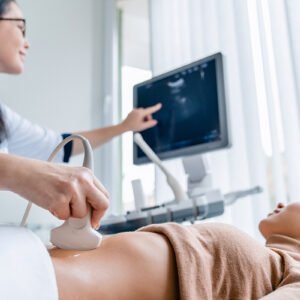
A pelvic ultrasound may help assess the uterus and ovaries. Depending on the clinical question, your doctor may recommend an abdominal or transvaginal ultrasound.

An ultrasound can help identify certain structural findings, assess ovarian appearance and, when appropriate, monitor follicular development.

Follicular monitoring may be recommended in selected cases to assess follicle growth and help determine the timing of ovulation or fertility treatment.

An ultrasound alone cannot rule out every cause of infertility.

4. Fallopian Tube and Uterine Evaluation

In selected patients, further investigations may be recommended to assess the uterus or determine whether the fallopian tubes are open.

Depending on the clinical situation, these may include hysterosalpingography (HSG), saline infusion sonography or hysteroscopy.

These procedures serve different purposes and are not required for every patient. Your doctor will explain which test is appropriate and whether any preparation is necessary.

5. Male Fertility Testing: Semen Analysis

Fertility evaluation should not focus only on women. Male factors can contribute to difficulty conceiving, either independently or alongside female factors.

A semen analysis assesses parameters such as sperm concentration, movement and shape. Additional tests may be considered depending on the results and medical history.

If you and your partner are trying to conceive, ask whether parallel evaluation of both partners is appropriate. This can help avoid unnecessary delays and provide a more complete understanding of the situation.

Fertility Checkup Cost in Zirakpur: What Affects the Price?

The cost of a fertility checkup in Zirakpur depends on the investigations and consultations required. There is no single price that applies to every patient.

Factors that may influence the total cost include:

  • Initial consultation and follow-up appointments

  • Hormone and other laboratory tests

  • AMH testing, when indicated

  • Pelvic ultrasound or follicular monitoring

  • Semen analysis

  • Additional investigations recommended after reviewing initial results

A basic consultation may involve fewer investigations than a comprehensive fertility evaluation. Additional tests should be guided by medical need rather than assuming that every available test is necessary.

How can you get an accurate cost estimate?

Contact the clinic to confirm consultation charges, available investigations and whether tests are billed separately. Ask for an itemised estimate before proceeding with additional investigations.

For appointment enquiries, visit the Fertility Checkup in Zirakpur service page or the Contact page.

What Happens During Your First Fertility Consultation?

Your first fertility appointment is an opportunity to discuss your concerns, understand your medical history and decide on appropriate next steps.

A consultation may involve:

  1. Discussing your concerns: Explain how long you have been trying to conceive and whether you have noticed changes in your menstrual cycle or other symptoms.

  2. Reviewing previous reports: Bring relevant blood tests, ultrasound findings, semen analysis reports and previous treatment records.

  3. Assessing your medical history: Your doctor may ask about medications, previous pregnancies, surgeries and existing health conditions.

  4. Planning investigations: Tests are selected according to your clinical needs rather than using the same checklist for everyone.

  5. Discussing next steps: Once the relevant information is available, your doctor can explain the findings and possible management options.

You do not need to complete every fertility test before your first consultation. In many cases, the consultation helps determine which tests should be done and when.

Can You Improve Your Chances of Conception Before Starting Treatment?

Some practical steps can support preconception health, although they cannot guarantee pregnancy.

  • Discuss folic acid supplementation and other preconception care with your doctor.

  • Avoid smoking and seek advice about alcohol use when trying to conceive.

  • Review existing medical conditions and medicines with your healthcare professional.

  • Maintain a balanced diet and regular physical activity appropriate to your health.

  • Track menstrual cycles if useful, while remembering that cycle tracking cannot diagnose every fertility problem.

  • Attend recommended appointments and complete investigations at the advised time.

Avoid starting fertility medicines, hormone supplements or high-dose nutritional supplements without appropriate medical advice.

If conception has been delayed, lifestyle changes should not replace a recommended fertility evaluation.

Fertility Checkup in Zirakpur, Near Chandigarh and Panchkula

Patients from Zirakpur, Dhakoli, Chandigarh, Panchkula and Mohali may look for fertility care that is accessible and clearly explained.

Dr. Nitasha Gupta’s practice provides fertility and women’s healthcare services from its listed location in Dhakoli, Zirakpur. The appropriate starting point depends on your concern, whether you need an initial fertility evaluation, investigation of irregular periods, or a discussion about treatment options.

The clinic’s Fertility Checkup service page explains the fertility evaluation offering. You can also explore the following related pages:

These pages can help you understand the available services and decide which consultation best fits your needs. The need for any particular treatment should be determined after an appropriate clinical assessment.

Book a Fertility Consultation in Dhakoli, Zirakpur

If you have concerns about conception, irregular menstrual cycles or possible fertility problems, an individual assessment can help you understand which investigations may be appropriate.

Dr. Nitasha Gupta
Fertility and women’s healthcare
Address: SCO 35, Shri Balaji Complex, Dhakoli, Zirakpur, Punjab – 160104
Phone/WhatsApp: +91-99883-09211

For appointment enquiries, visit the Contact page or call the clinic to confirm availability, consultation charges and the investigations offered.

Early evaluation does not mean you must proceed with fertility treatment. It can help you understand your reproductive health and make informed decisions with your doctor.

Frequently Asked Questions About Fertility Checkups

1. When should I get a fertility checkup in Zirakpur?

Generally, consider an evaluation after 12 months of trying if you are under 35, or after six months if you are 35–40. If you are over 40 or have known fertility concerns, seek medical advice earlier.

2. What tests are done during a fertility checkup?

Depending on your medical history, tests may include selected hormone tests, AMH testing, pelvic ultrasound, assessment of the fallopian tubes and semen analysis. Not every patient needs every test.

3. How much does a fertility checkup cost in Zirakpur?

The cost depends on the consultation and investigations required. Contact the clinic for current charges and an itemised estimate based on your needs.

4. Can I get a fertility checkup if my periods are irregular?

Yes. Irregular or absent periods can indicate problems with ovulation or other conditions that may affect conception. A doctor can assess your history and decide which investigations are appropriate.

5. Should both partners get fertility tests?

When a couple is experiencing difficulty conceiving, evaluating both partners in parallel is often appropriate. Semen analysis is a common initial investigation for male fertility.

6. Does a fertility checkup mean I need IVF?

No. A fertility checkup is an assessment, not a commitment to IVF. Depending on the findings, management may involve observation, lifestyle guidance, medication, treatment of an underlying condition, IUI, IVF or other options.

7. Is an AMH test enough to know whether I can get pregnant?

No. AMH provides information about ovarian reserve but cannot independently determine whether natural conception is possible or predict an individual’s exact chance of pregnancy. It must be interpreted in the wider clinical context.

8. How should I prepare for my first fertility appointment?

Bring previous blood tests, ultrasound reports, semen analysis results if available, a list of medicines and information about your menstrual cycles and how long you have been trying to conceive. Ask the clinic whether any tests require advance preparation.

9. Can I consult a fertility specialist near Chandigarh or Panchkula?

Patients from Chandigarh and Panchkula can enquire about consultations at Dr. Nitasha Gupta’s listed clinic in Dhakoli, Zirakpur. Confirm appointment availability, travel details and the services relevant to your needs before visiting.

10. Can fertility problems affect men as well as women?

Yes. Fertility difficulties may be related to male factors, female factors, a combination of both or causes that remain unexplained after evaluation. Assessing both partners when appropriate can help guide further investigations.

Medical Disclaimer

This article provides general educational information and is not a substitute for an individual medical consultation, diagnosis or treatment plan. Fertility investigations and treatment decisions should be based on a qualified healthcare professional’s assessment of your circumstances.

What Tests Are Included in a Fertility Checkup? Complete Guide for Women & Men

What Tests Are Included in a Fertility Checkup? Complete Guide for Women & Men

What Is a Fertility Checkup?

A fertility checkup is a medical evaluation designed to understand factors that may be affecting a person’s or couple’s ability to conceive. It does not mean that you automatically need IVF or another fertility treatment.What Is a Fertility Checkup?

A proper fertility evaluation usually starts with a detailed medical and reproductive history and may include blood tests, ultrasound, ovulation assessment, ovarian reserve testing and semen analysis, depending on the individual situation.

For couples, evaluating both partners can be important because fertility problems may involve female factors, male factors or a combination of both. The American Society for Reproductive Medicine recommends that, when applicable, evaluation of the male partner should begin alongside the female evaluation, including semen analysis. 

At Kore Fertility Centre, Dr. Nitasha Gupta provides personalized fertility assessment for patients from Zirakpur, Chandigarh, Panchkula, Mohali, Dhakoli and Dera Bassi, with testing selected according to medical history, symptoms, age and reproductive goals. Dr. Nitasha Gupta

When Should You Consider a Fertility Checkup?

You don’t necessarily need to wait until you have been trying to conceive for a long time.

According to ACOG and ASRM, an infertility evaluation is generally considered after:

  • 12 months of regular unprotected intercourse when the woman is under 35
  • 6 months when the woman is 35 or older
  • More immediate evaluation may be appropriate after age 40
  • Earlier assessment may be appropriate when there are known or suspected fertility problems. ASRM

Earlier fertility testing may also be appropriate when there is:

  • Irregular or absent periods
  • Known or suspected PCOS
  • Previous pelvic infection or surgery
  • Endometriosis
  • Recurrent pregnancy loss
  • Previous fertility treatment that was unsuccessful
  • Known low sperm count
  • Sexual or reproductive concerns
  • A history that may affect ovarian reserve

The exact timing should be decided with a qualified fertility specialist rather than based only on an online checklist.

What Tests Are Included in a Fertility Checkup?

There is no single fertility test that can determine whether someone will become pregnant.

A fertility checkup is usually a combination of clinical history, examination and targeted investigations.

The following are some of the most commonly considered areas of evaluation.

1. Medical and Reproductive History

Before ordering tests, a fertility specialist will usually want to understand your overall reproductive history.

This may include:

  • Age
  • How long you have been trying to conceive
  • Menstrual cycle length and regularity
  • Previous pregnancies
  • Previous miscarriages
  • Previous IUI or IVF treatment
  • Previous pelvic or abdominal surgery
  • History of PCOS or endometriosis
  • Previous infections
  • Current medications
  • Family history
  • Lifestyle factors
  • Previous fertility reports

ASRM recommends a systematic assessment of medical, reproductive and family history as an important part of infertility evaluation. ASRM

This history helps determine which fertility tests are actually appropriate instead of ordering every possible test.

Fertility Checkup for Women

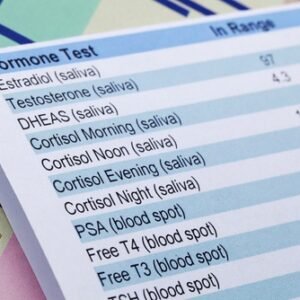
2. Hormonal Blood Tests

Hormonal Blood TestsHormonal testing may be recommended to understand ovulation, ovarian function or conditions that could affect reproductive health.
Depending on the patient’s history, testing may include:

  • AMH
  • FSH
  • Estradiol
  • TSH
  • Progesterone
  • Other hormone tests when clinically indicated

Not every woman needs every hormone test.

For example, ASRM notes that prolactin, progesterone and several other hormone tests should not automatically be ordered as routine infertility tests without an appropriate clinical indication. 

This is why fertility testing should be personalized rather than based on a fixed package.

3. AMH Test and Ovarian Reserve Assessment

The AMH test is commonly used as part of ovarian reserve assessment.

Ovarian reserve refers broadly to the remaining quantity of eggs available in the ovaries. AMH can help a fertility specialist understand ovarian reserve and may assist in planning fertility treatment.

However, an important distinction is often missed online:

AMH is not a pregnancy test and does not by itself predict whether you will become pregnant naturally.

ASRM describes ovarian reserve testing as an adjunct to fertility evaluation and treatment planning rather than a standalone screening test for future fertility in women who do not meet criteria for infertility evaluation. 

Depending on the situation, ovarian reserve assessment may also involve:

  • Antral follicle count
  • FSH
  • Estradiol
  • Transvaginal ultrasound

4. Ovulation Testing

Ovulation is important because an egg needs to be released for natural conception to occur.

Ovulation assessment may involve:

  • Menstrual history
  • Ovulation predictor kits
  • Progesterone testing in selected situations
  • Ultrasound monitoring
  • Follicular monitoring

Women with regular menstrual cycles may not require extensive ovulation testing unless there are additional concerns. ASRM notes that menstrual history can often provide useful information about ovulatory patterns.

Women with irregular or absent periods may require additional investigation to understand why ovulation is not occurring regularly.

5. Transvaginal Ultrasound

A transvaginal ultrasound allows the fertility specialist to examine the uterus and ovaries and can help identify findings such as:

  • Fibroids
  • Ovarian cysts
  • Endometrial polyps
  • Adenomyosis
  • Ovarian follicles
  • Antral follicle count
  • Other pelvic abnormalities

Ultrasound may also be used for follicular monitoring, particularly during fertility treatment or when ovulation needs to be assessed.

ASRM considers ultrasound an important imaging tool for assessing uterine anatomy, ovaries and surrounding reproductive structures

6. Fallopian Tube Testing

The fallopian tubes play an important role in natural conception because they provide the pathway through which sperm and egg meet.

When clinically indicated, testing may assess whether the fallopian tubes are open.

One commonly used investigation is:

Hysterosalpingography (HSG)

HSG uses imaging to evaluate the uterine cavity and whether the fallopian tubes are open.

Another option in selected patients may be:

Sonohysterography

This uses ultrasound to assess the uterine cavity and can help identify certain abnormalities.

The choice of test depends on the patient’s medical history and clinical circumstances. ASRM recommends HSG or sonohysterography when evaluation of tubal patency is indicated.

Fertility Checkup for Men

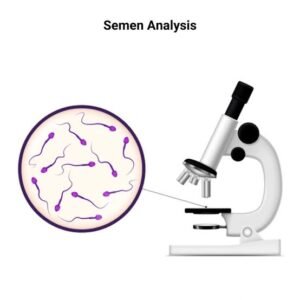
7. Semen Analysis

Fertility Checkup for Men

A semen analysis is one of the most important initial investigations when a couple is being evaluated for infertility.

It can assess:

  • Sperm concentration/count
  • Sperm motility
  • Sperm morphology
  • Semen volume and other parameters

Male-factor infertility should not be overlooked.

ACOG notes that basic male infertility testing commonly includes semen analysis, while ASRM recommends obtaining at least one semen analysis at the onset of infertility evaluation when a male partner is contributing sperm.

Depending on the results and clinical history, additional evaluation may be recommended.

8. Additional Male Fertility Tests

Not every man requires advanced testing.

Depending on the semen analysis and medical history, a fertility specialist may consider:

  • Hormonal testing
  • Physical examination
  • Urological assessment
  • Scrotal ultrasound in selected cases
  • Additional investigations when clinically indicated

Advanced sperm tests should not automatically be included in every fertility checkup.

The purpose is to identify clinically meaningful factors that could influence treatment decisions.

9. Fertility Tests for PCOS and Irregular Periods

PCOS is a common condition associated with ovulatory problems.

If someone has:

  • Irregular periods
  • Long menstrual cycles
  • Absent periods
  • Acne or increased hair growth
  • Difficulty conceiving

a fertility evaluation may investigate ovulation and possible hormonal causes.

The assessment may involve:

  • Medical history
  • Hormonal evaluation
  • Ultrasound
  • Ovulation assessment
  • Thyroid testing when appropriate
  • Ovarian reserve assessment where indicated

Dr. Nitasha Gupta’s fertility services include fertility evaluation and PCOS-related reproductive care, with treatment decisions based on individual assessment. Dr. Nitasha Gupta

Internal link:
PCOS Treatment in Chandigarh

10. Fertility Testing After Recurrent Miscarriage

A fertility evaluation may also be relevant after recurrent pregnancy loss.

The investigation is different from a routine infertility workup and should be individualized.

Depending on the history, the doctor may assess:

  • Previous pregnancy history
  • Uterine anatomy
  • Hormonal or endocrine factors
  • Genetic factors where indicated
  • Other clinically relevant causes

Dr. Nitasha Gupta’s fertility services include recurrent pregnancy loss evaluation and personalized reproductive planning. Dr. Nitasha Gupta

Are All Fertility Tests Needed for Everyone?

No.

This is one of the most important points to communicate.

A common mistake is assuming that a fertility checkup means ordering every available fertility test.

A good fertility evaluation should be targeted.

For example:

A woman with regular cycles and no concerning history may need a different evaluation from someone with absent periods, previous pelvic surgery or recurrent miscarriage.

Similarly, a man with an abnormal semen analysis may require a different evaluation from a man whose semen parameters are normal.

ASRM specifically recommends avoiding several investigations as routine tests unless there is a clinical indication, including certain advanced sperm tests, laparoscopy for unexplained infertility, thrombophilia testing, immunologic testing and endometrial biopsy. 

This is why consultation with a qualified fertility specialist is more useful than purchasing an indiscriminate “fertility test package.”

What Happens After a Fertility Checkup?

The purpose of fertility testing is not simply to collect reports.

The results are interpreted together.

Depending on the findings, your fertility specialist may recommend:

If ovulation is the concern

Ovulation tracking, medication or other treatment may be considered.

If PCOS is affecting ovulation

PCOS management and fertility treatment may be discussed.

If sperm parameters are abnormal

Further male fertility assessment may be recommended.

If the fallopian tubes are blocked

The treatment approach depends on the location and severity of the problem.

If there is unexplained infertility

The couple may be monitored or considered for treatments such as IUI or IVF depending on age, duration of infertility and other factors.

If there is reduced ovarian reserve

The fertility specialist may discuss treatment timing and appropriate fertility options.

If IVF is appropriate

The couple may be guided through IVF, with ICSI or other advanced techniques considered when clinically indicated.

Does a Fertility Checkup Mean You Need IVF?

No.

A fertility checkup comes before deciding on treatment.

Some couples may conceive with:

  • Lifestyle changes
  • Ovulation tracking
  • Medication
  • Ovulation induction
  • IUI

Others may benefit from:

  • IVF
  • ICSI
  • Fertility preservation
  • Hysteroscopy
  • Laparoscopy
  • Other specialized fertility treatments

The right approach depends on the diagnosis, age, reproductive history, ovarian reserve, semen parameters, tubal status and other individual factors.

Dr. Nitasha Gupta’s fertility services include fertility evaluation, IUI, IVF, ICSI, hysteroscopy, laparoscopy, cryopreservation and other reproductive services. Dr. Nitasha Gupta

Internal links:

When Should You See a Fertility Specialist?

Consider speaking with a fertility specialist if:

  • You have been trying to conceive without success
  • Your periods are irregular or absent
  • You have PCOS or suspected PCOS
  • You have known endometriosis
  • You have had recurrent miscarriages
  • Your partner has an abnormal semen analysis
  • You have had previous unsuccessful fertility treatment
  • You are concerned about ovarian reserve
  • You are planning pregnancy at an older reproductive age
  • You have a history of pelvic surgery or reproductive problems

For women under 35, evaluation is generally recommended after 12 months of trying; for women 35 or older, after 6 months. Earlier evaluation may be appropriate when risk factors or concerning symptoms are already present.

Internal link:
How Do You Know If You Need a Fertility Specialist?

Fertility Checkup in Chandigarh & Zirakpur

Patients looking for a fertility checkup in Chandigarh may also consider fertility centres in the wider Tricity region, depending on the location of the clinic and the investigations required.

Dr. Nitasha Gupta provides fertility evaluation through Kore Fertility Centre in Zirakpur, serving patients from Chandigarh, Panchkula, Mohali, Dhakoli, Dera Bassi and surrounding areas. The clinic’s fertility evaluation services include hormonal assessment, AMH testing, ultrasound, ovulation monitoring and semen analysis. Dr. Nitasha Gupta

For patients searching for a fertility checkup in Zirakpur, the evaluation can be planned according to the individual’s medical history, reproductive goals and previous reports.

Internal link:
Complete Fertility Checkup in Zirakpur

Why Choose Dr. Nitasha Gupta for Fertility Evaluation?

Dr. Nitasha Gupta provides fertility and women’s healthcare with a focus on individualized evaluation and treatment planning.

According to the clinic’s current service information, she has 15+ years of clinical experience and provides fertility evaluation, IVF, IUI, ICSI, PCOS management, pregnancy care and advanced reproductive services. Dr. Nitasha Gupta

The clinic’s fertility evaluation approach includes:

  • Personalized assessment
  • Female and male fertility evaluation
  • Hormonal testing
  • AMH and ovarian reserve assessment
  • Ultrasound and follicular monitoring
  • Semen analysis
  • Fertility counselling
  • Treatment planning based on diagnosis

The aim is not to recommend the most complicated treatment first, but to understand the underlying fertility factors and determine what is medically appropriate.

Frequently Asked Questions

What tests are done in a fertility checkup?

A fertility checkup may include medical history, reproductive assessment, hormonal testing, AMH or ovarian reserve assessment, ultrasound, ovulation evaluation and semen analysis. Additional tests such as HSG or other investigations may be recommended based on individual circumstances.

What is the most important fertility test for women?

There is no single “most important” fertility test for every woman. The appropriate evaluation depends on age, menstrual pattern, medical history and reproductive concerns. AMH, ultrasound, ovulation assessment and other tests may be used when clinically appropriate.

What is the first fertility test for men?

Semen analysis is generally an important initial investigation for male fertility. It evaluates sperm concentration, movement and morphology and can help determine whether additional evaluation is needed.

Is AMH enough to check fertility?

No. AMH primarily provides information about ovarian reserve and should not be treated as a standalone prediction of natural fertility. ASRM recommends using ovarian reserve testing as an adjunct to an infertility evaluation rather than as a standalone screening test.

Can PCOS affect fertility?

Yes. PCOS can interfere with regular ovulation and therefore may make conception more difficult for some women. A fertility evaluation can help determine whether ovulatory dysfunction is contributing to delayed conception.

Do both partners need fertility testing?

When a male partner is contributing sperm, evaluating both partners is important. ASRM recommends that male and female evaluations begin in parallel when applicable.

Is fertility testing painful?

Many initial fertility investigations, such as blood tests, semen analysis and ultrasound, are minimally invasive. Some procedures used to evaluate the uterus or fallopian tubes may involve more discomfort, and the appropriate investigation depends on the individual case.

When should I get a fertility checkup?

Generally, evaluation is considered after 12 months of trying if the woman is under 35, after 6 months if she is 35 or older, and potentially sooner when there are known fertility concerns or risk factors.

Can fertility problems be treated without IVF?

Yes. Depending on the cause, treatment may include lifestyle changes, medication, ovulation induction or IUI. IVF is one option among several and is recommended when appropriate for the individual diagnosis.

Where can I get a fertility checkup near Chandigarh?

Dr. Nitasha Gupta provides fertility evaluation at Kore Fertility Centre in Zirakpur for patients from Zirakpur, Chandigarh, Panchkula, Mohali, Dhakoli, Dera Bassi and surrounding areas. Dr. Nitasha Gupta

Thinking About a Fertility Checkup?

If you have been trying to conceive, have irregular periods, PCOS, previous pregnancy loss, male fertility concerns or previous unsuccessful fertility treatment, a structured fertility evaluation can help identify the next appropriate step.

Dr. Nitasha Gupta provides personalized fertility evaluation and reproductive care at Kore Fertility Centre, Zirakpur, serving Chandigarh, Panchkula, Mohali, Dhakoli, Dera Bassi and nearby areas.

Call / WhatsApp: +91 99883 09211

Book a fertility consultation to understand which fertility tests may be appropriate for you.