Irregular Periods and Difficulty Getting Pregnant: When Should You See a Gynecologist?

Irregular Periods and Difficulty Getting Pregnant: When Should You See a Gynecologist?

Irregular periods are common, but if you are trying to get pregnant, changes in your menstrual cycle can sometimes make conception more difficult. This is because irregular periods may be associated with irregular ovulation, meaning an egg may not be released consistently each month.

If your periods are unpredictable and you are having difficulty getting pregnant, you may wonder: Can I conceive naturally with irregular periods? Am I ovulating? Could PCOS be the reason? When should I see a gynecologist or fertility specialist?

The answer depends on the cause of your irregular periods, your age, how long you have been trying to conceive and your overall reproductive health.

Dr. Nitasha Gupta, an experienced IVF Specialist and Gynecologist in Zirakpur, provides personalised evaluation for irregular periods, PCOS, ovulation concerns and fertility problems for women from Zirakpur, Chandigarh, Panchkula, Mohali, Dhakoli, Dera Bassi and nearby areas.

Quick Answer: Can You Get Pregnant With Irregular Periods?

Yes, it is possible to get pregnant with irregular periods.

However, irregular menstrual cycles can sometimes indicate that ovulation is not occurring regularly. If ovulation is unpredictable, identifying your fertile window can become more difficult and you may have fewer opportunities to conceive.

Irregular periods do not automatically mean you are infertile or that you will need IVF.

The underlying cause matters.

Conditions such as PCOS, thyroid disorders, hormonal imbalances, changes in body weight, stress and other health factors may affect menstrual regularity and ovulation.

If you are trying to conceive and your periods are consistently irregular, consulting a gynecologist or fertility specialist can help identify the possible cause and determine whether treatment is required.

What Are Irregular Periods?

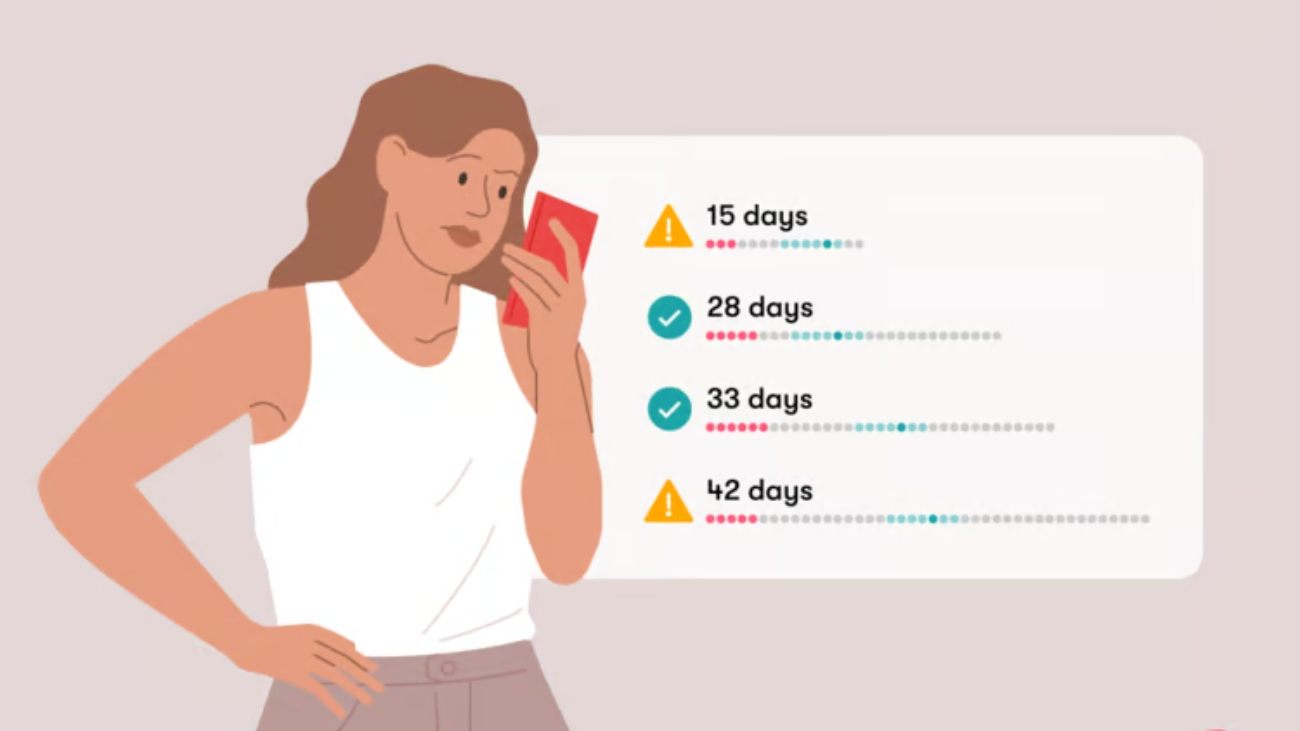
A menstrual cycle is counted from the first day of one period to the first day of the next.

Cycle length can vary between individuals. An occasional variation does not necessarily indicate a fertility problem.

However, periods may be considered irregular when menstrual cycles are consistently unpredictable, occur very frequently, are widely spaced apart or are absent for extended periods.

You should consider discussing your menstrual cycle with a gynecologist if:

  • Your periods are consistently unpredictable.
  • You frequently miss periods.
  • You go several months without menstruating.
  • Your cycle pattern has changed significantly.
  • You have irregular periods along with difficulty conceiving.
  • You experience symptoms such as excessive facial hair, persistent acne or other possible signs of hormonal imbalance.

A medical evaluation can help determine whether an underlying condition may be affecting your menstrual cycle.

Why Can Irregular Periods Make It Difficult to Get Pregnant?
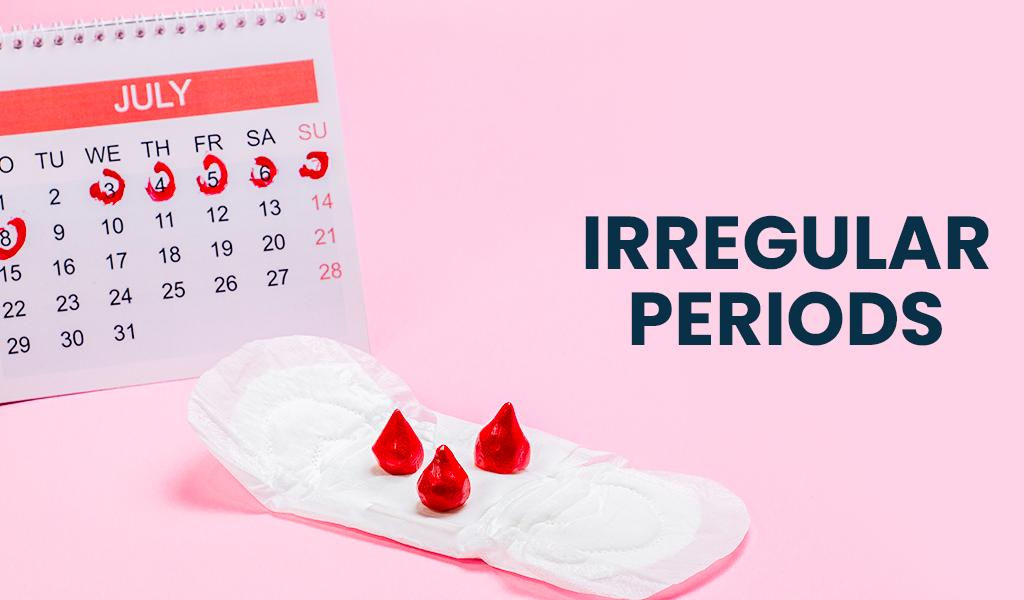
Why Can Irregular Periods Make It Difficult to Get Pregnant?

To become pregnant naturally, an egg generally needs to be released from the ovary through a process called ovulation.

When menstrual cycles are regular, ovulation may be easier to predict.

With irregular cycles, ovulation may occur at unpredictable times or, in some cases, may not occur during certain cycles.

This can affect fertility in two important ways.

First, it may be difficult to identify the fertile window and time intercourse around ovulation.

Second, if ovulation is occurring infrequently, there may be fewer opportunities for fertilisation.

However, irregular periods alone cannot determine whether you can or cannot become pregnant.

A proper evaluation is needed to understand whether you are ovulating and whether any other female or male fertility factors are involved.

What Causes Irregular Periods When Trying to Conceive?

There are several possible reasons for irregular menstrual cycles. The cause can vary significantly from one woman to another.

PCOS and Irregular Ovulation

Polycystic ovary syndrome, commonly known as PCOS, is one condition that can be associated with irregular menstrual cycles and ovulation problems.

Women with PCOS may experience:

  • Irregular or infrequent periods
  • Difficulty predicting ovulation
  • Acne
  • Increased facial or body hair
  • Weight-related concerns in some cases
  • Difficulty conceiving due to irregular ovulation

Not every woman with irregular periods has PCOS, and not every woman with PCOS will experience infertility.

Many women with PCOS can become pregnant naturally or with appropriate medical support.

If you have irregular periods and suspect PCOS, a gynecological evaluation can help determine whether PCOS or another condition may be affecting your menstrual cycle.

Thyroid and Hormonal Conditions

Thyroid disorders and other hormonal conditions can sometimes affect menstrual regularity and ovulation.

If your doctor suspects a hormonal cause, blood tests may be recommended based on your symptoms and medical history.

Changes in Body Weight

Significant changes in body weight can sometimes affect hormonal balance and menstrual cycles.

Both substantial weight loss and weight gain may influence ovulation in some individuals.

Your doctor can assess whether weight-related or metabolic factors may be contributing to changes in your cycle.

Stress and Lifestyle Factors

Physical or psychological stress may influence menstrual patterns in some women.

However, persistent irregular periods should not automatically be attributed to stress without appropriate medical evaluation, particularly when you are trying to conceive.

Other Reproductive or Medical Conditions

Other medical and reproductive conditions may also contribute to menstrual irregularities.

This is why self-diagnosing the cause of irregular periods based only on symptoms or information found online may not provide an accurate answer.

A gynecologist can evaluate your individual symptoms, menstrual history and reproductive health to identify the possible cause.

How Do I Know If I Am Ovulating With Irregular Periods?

Ovulation can be more difficult to predict when menstrual cycles are irregular.

Some women use ovulation predictor kits, cycle tracking applications, cervical mucus changes or basal body temperature to estimate their fertile window.

However, these methods may be less predictable when cycles vary significantly.

If there is concern about irregular ovulation, your doctor may recommend appropriate evaluation based on your medical history.

What Tests Can Check Ovulation?

Depending on your individual situation, a fertility or gynecological evaluation may include:

  • Review of your menstrual cycle history
  • Hormonal blood tests when clinically indicated
  • Ultrasound assessment
  • Ovulation monitoring
  • Ovarian reserve assessment in selected cases
  • Additional investigations based on symptoms and medical history

Not every woman requires every test.

Testing should be individualised rather than following the same checklist for every patient.

When Should You See a Gynecologist for Irregular Periods?

You do not necessarily need to wait until you have been trying to conceive for a full year if your menstrual cycles are significantly irregular or absent.

Consider consulting a gynecologist earlier if:

  • Your periods are consistently irregular.
  • You frequently skip periods.
  • You have not had a period for several months.
  • You have symptoms that may suggest PCOS.
  • Your menstrual pattern has changed significantly.
  • You have irregular periods and are actively trying to conceive.
  • You have other known reproductive health concerns.

A gynecologist can assess the possible cause of your irregular cycles and determine whether further fertility evaluation is appropriate.

If you are looking for personalised women’s healthcare, learn more about consulting a Gynecologist in Zirakpur:

https://www.drnitashagupta.com/gynecologist-in-zirakpur/

Patients travelling from Chandigarh can also explore:

https://www.drnitashagupta.com/gynecologist-in-chandigarh/

When Should You See a Fertility Specialist?

General fertility guidance recommends considering an infertility evaluation after 12 months of regular unprotected intercourse without conception for women under 35 and after approximately 6 months for women aged 35 and above.

However, earlier evaluation may be appropriate when there is a known condition that may affect fertility, including irregular or absent menstrual cycles.

You may consider seeing a fertility specialist earlier if you have irregular periods and are concerned that you may not be ovulating regularly.

The purpose of an early consultation is not necessarily to begin fertility treatment immediately. It is to understand whether an underlying condition is affecting ovulation or conception.

Can PCOS Cause Infertility?

PCOS can make it more difficult for some women to conceive because it may interfere with regular ovulation.

However, having PCOS does not mean that pregnancy is impossible.

Many women with PCOS conceive naturally, while others may benefit from lifestyle changes, treatment of underlying metabolic or hormonal concerns, ovulation induction or other fertility treatments depending on their individual situation.

The appropriate approach depends on factors including:

  • Age
  • Ovulation pattern
  • Duration of infertility
  • Ovarian reserve
  • Fallopian tube health
  • Male fertility factors
  • Previous pregnancy history
  • Overall reproductive health

Treatment should therefore be personalised rather than based solely on a PCOS diagnosis.

Do Irregular Periods Mean I Need IVF?

No.

Irregular periods alone do not mean that IVF is necessary.

If irregular ovulation is identified as the primary fertility concern, there may be other treatment approaches depending on the underlying cause and the couple’s overall fertility evaluation.

Possible options may include:

  • Lifestyle modifications when appropriate
  • Treatment of an underlying hormonal condition
  • Ovulation monitoring
  • Ovulation induction in selected patients
  • Timed intercourse
  • IUI in appropriate situations
  • IVF when medically indicated

Your fertility specialist will consider your complete reproductive health before recommending treatment.

IVF is one of several fertility treatment options and should be recommended based on individual medical indications.

To learn more about available fertility treatments and IVF, visit:

https://www.drnitashagupta.com/ivf-treatment-chandigarh/

What Other Fertility Factors Should Be Checked?

When pregnancy is not occurring, irregular periods may be one part of the fertility picture, but they may not be the only factor.

A complete fertility evaluation may consider:

Female Fertility Factors

These may include:

  • Ovulation
  • Ovarian reserve
  • Fallopian tube health
  • Uterine factors
  • Endometriosis
  • Age-related fertility changes
  • Other reproductive conditions

Male Fertility Factors

Male fertility factors can also contribute to difficulty conceiving.

Depending on the couple’s medical and reproductive history, semen analysis or further evaluation may be recommended.

Evaluating both partners when appropriate can help provide a more complete understanding of why conception may be taking longer than expected.

Can You Get Pregnant Naturally With PCOS and Irregular Periods?

Yes. Natural pregnancy may still be possible for women with PCOS and irregular menstrual cycles.

The likelihood depends on whether and how frequently ovulation is occurring, as well as other female and male fertility factors.

Some women with PCOS ovulate occasionally and conceive naturally. Others may require medical support to improve or induce ovulation.

A fertility evaluation can help determine the most appropriate approach for your individual situation.

Gynecologist for Irregular Periods and PCOS in Zirakpur

If you are experiencing irregular periods, suspected PCOS or difficulty getting pregnant, consulting a gynecologist can help identify the underlying cause.

Dr. Nitasha Gupta provides personalised gynecology and fertility consultations in Zirakpur for women experiencing menstrual irregularities, PCOS, ovulation concerns and fertility problems.

Patients from Dhakoli, Peer Muchalla, Baltana, Dera Bassi and surrounding areas can seek evaluation based on their individual symptoms and reproductive goals.

Learn more about women’s healthcare and gynecology services in Zirakpur:

https://www.drnitashagupta.com/gynecologist-in-zirakpur/

Gynecologist and Fertility Consultation for Patients From Chandigarh

Women from Chandigarh experiencing irregular periods or difficulty conceiving can also consult Dr. Nitasha Gupta for gynecological and fertility evaluation.

The aim of the consultation is to understand the possible cause of menstrual irregularities and determine whether they may be affecting ovulation or fertility.

Learn more:

https://www.drnitashagupta.com/gynecologist-in-chandigarh/

Fertility and Women’s Health Care Across the Tricity Region

Dr. Nitasha Gupta provides fertility, IVF and gynecology consultations for patients from:

  • Zirakpur
  • Chandigarh
  • Panchkula
  • Mohali
  • Dhakoli
  • Peer Muchalla
  • Baltana
  • Dera Bassi
  • Nearby areas

Patients experiencing irregular periods, PCOS, difficulty conceiving or other reproductive health concerns can seek an individualised evaluation based on their medical history and symptoms.

Why Consult Dr. Nitasha Gupta?

Dr. Nitasha Gupta is an IVF Specialist and Gynecologist with more than 15 years of clinical experience in women’s reproductive health.

Her clinical focus includes:

  • Irregular periods
  • PCOS
  • Ovulation disorders
  • Infertility evaluation
  • IVF and assisted reproductive care
  • IUI
  • Pregnancy care
  • Gynecological conditions
  • Laparoscopy and hysteroscopy
  • Women’s health

Her approach focuses on evidence-based evaluation, personalised treatment planning and helping patients understand their reproductive health before deciding on the next step.

Frequently Asked Questions About Irregular Periods and Pregnancy

1. Can I get pregnant if my periods are irregular?

Yes. It is possible to become pregnant with irregular periods. However, irregular cycles may sometimes indicate irregular ovulation, which can make it more difficult to predict your fertile window or reduce the number of opportunities to conceive.

2. Why am I not getting pregnant if I have irregular periods?

Irregular ovulation may be one possible reason, but several other female and male fertility factors can affect conception. A fertility evaluation can help identify whether ovulation or another factor may be contributing.

3. Do irregular periods mean I am infertile?

No. Irregular periods do not automatically mean infertility. They may indicate irregular ovulation or an underlying hormonal or reproductive condition that should be evaluated.

4. How can I tell if I am ovulating with irregular periods?

Ovulation may be tracked using several methods, but irregular cycles can make prediction more difficult. If you are concerned about ovulation, a gynecologist or fertility specialist can recommend appropriate tests or monitoring based on your individual situation.

5. Can PCOS cause irregular periods and difficulty getting pregnant?

Yes. PCOS can affect regular ovulation in some women, which may lead to irregular periods and difficulty conceiving. However, many women with PCOS can become pregnant naturally or with appropriate fertility support.

6. Can I get pregnant naturally with PCOS?

Yes. Many women with PCOS can conceive naturally. Others may require medical support depending on their ovulation pattern, age and other fertility factors.

7. Do I need IVF if I have PCOS?

Not necessarily. IVF is not automatically required for women with PCOS. Treatment depends on your age, ovulation, duration of infertility and other female and male fertility factors.

8. When should I see a gynecologist for irregular periods?

Consider consulting a gynecologist if your periods are consistently irregular, frequently absent, have changed significantly or are accompanied by other symptoms. If you are trying to conceive, earlier evaluation may also be appropriate.

9. Should I see a gynecologist or fertility specialist if I am not getting pregnant?

A gynecologist with expertise in fertility or a fertility specialist can evaluate your menstrual cycles and reproductive health. The appropriate choice may depend on how long you have been trying, your age and whether you have known fertility concerns.

10. Can irregular periods be treated to help me get pregnant?

Treatment depends on the underlying cause. In some cases, treating a hormonal condition, addressing appropriate lifestyle factors or using medication to support ovulation may be considered. Your doctor can recommend treatment after evaluation.

11. Which doctor should I consult for PCOS and fertility problems in Zirakpur?

Women experiencing PCOS, irregular periods or fertility concerns can consult a qualified gynecologist or fertility specialist. Dr. Nitasha Gupta provides gynecology, PCOS and fertility consultations for patients from Zirakpur and surrounding areas.

12. When should I consult a fertility specialist in Chandigarh or Zirakpur?

If you have been trying to conceive without success for the recommended period based on your age, or if you have irregular or absent periods or another known fertility concern, you may benefit from a fertility evaluation.

Take the Next Step Towards Understanding Your Reproductive Health

Irregular periods do not automatically mean that you cannot become pregnant.

However, if your menstrual cycles are consistently unpredictable and you are trying to conceive, understanding whether you are ovulating regularly can be an important step.

A personalised gynecological and fertility evaluation can help identify possible causes of irregular periods and determine whether treatment or further fertility testing is appropriate.

If you are looking for a gynecologist in Zirakpur, a fertility specialist in Chandigarh, or personalised care for PCOS, irregular periods and difficulty conceiving, you can consult Dr. Nitasha Gupta for an individualised evaluation.

Book a Consultation with Dr. Nitasha Gupta

Call or WhatsApp: +91 98889 91413

Clinic: SCO 35, Shri Balaji Complex, Dhakoli, Zirakpur, Mohali 160104

Book an appointment:

https://www.drnitashagupta.com/contact/

Medical Disclaimer

This article is intended for general educational purposes and does not replace personalised medical advice, diagnosis or treatment. The causes of irregular periods and fertility concerns vary between individuals. Please consult a qualified healthcare professional for recommendations based on your individual medical history and reproductive health.

Medical References

  1. American College of Obstetricians and Gynecologists (ACOG). Polycystic Ovary Syndrome (PCOS).
    https://www.acog.org/womens-health/faqs/polycystic-ovary-syndrome-pcos
  2. American Society for Reproductive Medicine (ASRM). Fertility Evaluation of Infertile Women: A Committee Opinion.
    https://www.asrm.org/practice-guidance/practice-committee-documents/fertility-evaluation-of-infertile-women-a-committee-opinion-2021/
  3. World Health Organization (WHO). Infertility.
    https://www.who.int/news-room/fact-sheets/detail/infertility

Trying to Get Pregnant but Not Conceiving? When to See a Fertility Specialist in Chandigarh & Zirakpur

Trying to Get Pregnant but Not Conceiving? When to See a Fertility Specialist in Chandigarh & Zirakpur

Trying to get pregnant can be an exciting journey, but when pregnancy does not happen as expected, it can naturally lead to questions and concerns.

You may wonder: How long should we keep trying naturally? Is it too early to see a fertility specialist? Could there be an underlying fertility problem? Do we need IVF?

The important thing to understand is that difficulty conceiving does not automatically mean you need IVF. Fertility can be affected by several female and male factors, and the right first step is usually a proper fertility evaluation.

If you have been trying to conceive without success, consulting a qualified fertility specialist can help identify possible causes and guide you towards the appropriate next steps.

Dr. Nitasha Gupta, an experienced IVF Specialist and Gynecologist in Zirakpur, provides fertility evaluation and personalised reproductive care for women and couples from Zirakpur, Chandigarh, Panchkula, Mohali, Dhakoli, Dera Bassi and nearby areas.

Quick Answer: When Should You See a Fertility Specialist?

You should generally consider a fertility evaluation if:

  • You are under 35 and have been trying to conceive for 12 months without success.
  • You are 35 or older and have been trying for 6 months without success.
  • You are over 40 and planning a pregnancy, in which case earlier evaluation may be appropriate.
  • You have irregular or absent periods.
  • You have known or suspected PCOS or endometriosis.
  • You have a history of pelvic infection or reproductive surgery.
  • You have experienced recurrent pregnancy loss.
  • There is a known or suspected male fertility concern.
  • You have another medical or reproductive condition that may affect fertility.

According to guidance from the American Society for Reproductive Medicine (ASRM), fertility evaluation is generally recommended after 12 months of regular, unprotected intercourse for women under 35 and after 6 months for women aged 35 or older. Earlier evaluation may be appropriate when there is a known condition associated with infertility.

The right time to seek help, however, depends on your individual age, menstrual history, reproductive health and your partner’s health.

Why Am I Not Getting Pregnant Even Though We Are Trying?

Pregnancy depends on several biological steps working together. Ovulation needs to occur, healthy sperm must reach the egg, fertilisation must take place, and the resulting embryo must successfully implant in the uterus.

A difficulty at any stage may reduce the chance of conception.

Common Female Fertility Factors

Female fertility may be affected by:

  • Ovulation disorders
  • PCOS or polycystic ovary syndrome
  • Age-related changes in fertility
  • Reduced ovarian reserve
  • Blocked or damaged fallopian tubes
  • Endometriosis
  • Uterine abnormalities
  • Fibroids or polyps in certain cases
  • Hormonal disorders
  • Previous pelvic infections or surgery

However, symptoms alone cannot confirm the cause of infertility. A clinical evaluation is necessary to understand which factors, if any, may be affecting conception.

Male Fertility Factors

Fertility evaluation should not focus only on the female partner.

Male fertility factors can also contribute to difficulty conceiving. Depending on the couple’s history, evaluation may include assessment of sperm count, movement and morphology through semen analysis.

In many situations, evaluating both partners can provide a clearer picture and help avoid unnecessary delays.

How Long Does It Normally Take to Get Pregnant?

How Long Does It Normally Take to Get Pregnant?

The time required to conceive varies between couples and is influenced by age, ovulation, reproductive health, sperm factors and the timing of intercourse.

Not becoming pregnant immediately does not necessarily indicate infertility.

However, if you have been trying regularly without success for the recommended period based on your age, a fertility consultation may help identify whether further evaluation is needed.

If You Are Under 35

If you are under 35 and have regular menstrual cycles with no known fertility concerns, a fertility evaluation is generally considered after 12 months of regular unprotected intercourse without conception.

If You Are 35 or Older

Female fertility changes with age, which is why women aged 35 and above are generally advised to seek evaluation after approximately 6 months of trying without success.

If You Are Over 40

If you are over 40 and wish to conceive, discussing your plans with a fertility specialist earlier may be appropriate rather than waiting for several months.

Should I See a Fertility Specialist Earlier Than 6 or 12 Months?

Yes. Some women and couples may benefit from an earlier fertility consultation.

You may consider seeking medical advice sooner if you have:

  • Very irregular menstrual cycles
  • No menstrual periods
  • Known PCOS with difficulty ovulating
  • Known or suspected endometriosis
  • Previous pelvic infections
  • History of ectopic pregnancy
  • Previous ovarian or pelvic surgery
  • Known problems involving the uterus or fallopian tubes
  • Recurrent pregnancy loss
  • A known male fertility concern
  • A medical history that may affect reproductive health

An earlier consultation does not necessarily mean you will need fertility treatment. It may simply help your doctor determine whether testing or closer monitoring is appropriate.

What Happens During Your First Fertility Consultation?

Many couples delay visiting a fertility specialist because they assume the first appointment will immediately lead to IVF.

That is not necessarily the case.

The purpose of an initial fertility consultation is to understand your reproductive history, identify potential concerns and decide whether further evaluation is required.

Your Medical and Fertility History

Your fertility specialist may discuss:

  • How long you have been trying to conceive
  • Your age
  • Menstrual cycle pattern
  • Previous pregnancies
  • Previous miscarriages
  • Past medical conditions
  • Previous surgeries
  • Current medications
  • Fertility history of both partners

Providing complete information can help your doctor recommend an appropriate evaluation.

Fertility Tests for Women

Depending on your individual situation, fertility evaluation may involve assessment of ovulation, reproductive hormones, ovarian reserve, ultrasound findings and the uterus or fallopian tubes.

Not every patient requires every fertility test. Investigations should be selected based on clinical history and individual needs.

Does AMH Tell Me If I Can Get Pregnant?

AMH, or Anti-Müllerian Hormone, is commonly used as one marker of ovarian reserve.

However, an AMH result should not be interpreted in isolation as a direct prediction of whether a woman can or cannot become pregnant naturally.

Your age, ovulation, fallopian tube health, sperm factors and other reproductive factors also matter.

A fertility specialist can interpret AMH results in the context of your overall reproductive health.

Fertility Tests for Men

When appropriate, male fertility evaluation may include semen analysis to assess factors such as sperm concentration, movement and morphology.

Additional evaluation may be recommended depending on the results and medical history.

Does Seeing a Fertility Specialist Mean I Will Need IVF?

No.

Visiting a fertility specialist does not automatically mean that IVF will be recommended.

Treatment depends on the cause of difficulty conceiving, the age and reproductive health of both partners, how long you have been trying, previous treatments and other individual factors.

Depending on the diagnosis, your fertility specialist may discuss options such as:

  • Guidance on timing intercourse
  • Ovulation monitoring
  • Treatment of an underlying medical condition
  • Ovulation induction in selected cases
  • IUI or intrauterine insemination
  • IVF or in vitro fertilisation
  • ICSI in appropriate cases
  • Other fertility treatments based on individual needs

The aim should be to identify an appropriate treatment pathway based on medical evaluation rather than assuming that every couple requires IVF.

When Is IVF Considered?

When Is IVF Considered?

IVF may be considered in certain situations where other approaches are unlikely to be effective or when previous fertility treatments have not resulted in pregnancy.

Possible situations may include certain cases involving:

  • Blocked or significantly damaged fallopian tubes
  • Severe male fertility factors
  • Reduced ovarian reserve in the appropriate clinical context
  • Certain cases of endometriosis
  • Unexplained infertility after appropriate evaluation
  • Previous unsuccessful fertility treatments
  • Other medical or reproductive indications

The decision to proceed with IVF should always be personalised after a detailed fertility evaluation.

If you would like to understand the IVF process and available fertility services, visit our IVF Treatment in Chandigarh page:

https://www.drnitashagupta.com/ivf-treatment-chandigarh/

Why Early Fertility Evaluation Can Matter

Fertility is closely linked with reproductive age, particularly female age.

Seeking appropriate medical advice at the right time can help identify potential fertility concerns earlier and give couples more time to understand their available options.

Early evaluation may help:

  • Identify possible causes of difficulty conceiving
  • Avoid unnecessary delays when a fertility problem is present
  • Evaluate both female and male fertility factors
  • Develop an individualised treatment plan
  • Determine whether treatment is required at all
  • Understand available fertility options based on age and reproductive health

The goal is not to rush every patient into treatment. The goal is to make informed decisions based on appropriate medical evaluation.

Fertility Specialist in Zirakpur for Couples Trying to Conceive

If you live in Zirakpur, Dhakoli, Peer Muchalla, Baltana, Dera Bassi or nearby areas and have been trying to conceive without success, a fertility consultation can help you better understand your reproductive health.

Dr. Nitasha Gupta provides personalised fertility and IVF consultations in Zirakpur, focusing on evidence-based evaluation, transparent communication and individualised treatment planning.

Explore fertility and women’s health services:

https://www.drnitashagupta.com/services/

For patients specifically looking for women’s healthcare and fertility guidance in Zirakpur:

https://www.drnitashagupta.com/gynecologist-in-zirakpur/

Fertility and IVF Consultation for Patients from Chandigarh

Patients from Chandigarh looking for fertility evaluation, infertility treatment or IVF guidance can also consult Dr. Nitasha Gupta for personalised fertility care.

The focus of the first consultation is to understand why conception may be taking longer than expected and determine which investigations, if any, are appropriate.

Learn more about IVF treatment for patients from Chandigarh:

https://www.drnitashagupta.com/ivf-treatment-chandigarh/

For comprehensive gynecology and women’s health information for Chandigarh patients:

https://www.drnitashagupta.com/gynecologist-in-chandigarh/

Fertility Care for Chandigarh, Zirakpur, Panchkula, Mohali and Nearby Areas

Dr. Nitasha Gupta provides fertility, IVF and gynecology consultations for patients from across the Tricity region and nearby areas, including:

  • Zirakpur
  • Chandigarh
  • Panchkula
  • Mohali
  • Dhakoli
  • Peer Muchalla
  • Baltana
  • Dera Bassi

Rather than recommending the same approach for every patient, fertility care should begin with understanding the individual or couple’s medical and reproductive history.

Why Consult Dr. Nitasha Gupta for Fertility Guidance?

Dr. Nitasha Gupta is an IVF Specialist, Gynecologist and Women’s Health Specialist with more than 15 years of clinical experience.

Her areas of clinical focus include:

  • Infertility evaluation
  • IVF and assisted reproductive care
  • IUI
  • PCOS and ovulation disorders
  • Reproductive health
  • Pregnancy care
  • Gynecological conditions
  • Laparoscopy and hysteroscopy
  • Women’s health

Her approach focuses on evidence-based fertility evaluation, personalised treatment planning, clear communication and avoiding unnecessary intervention where possible.

Patients from Zirakpur, Chandigarh, Panchkula, Mohali, Dhakoli, Dera Bassi and surrounding areas can seek consultation for fertility and women’s health concerns.

Frequently Asked Questions About Fertility and Difficulty Conceiving

1. When should I see a fertility specialist if I am not getting pregnant?

If you are under 35, fertility evaluation is generally recommended after 12 months of regular unprotected intercourse without pregnancy. If you are 35 or older, evaluation is generally recommended after 6 months. Women over 40 or those with known fertility-related conditions may benefit from earlier consultation.

2. Who should I consult if I am trying to get pregnant but not conceiving?

You can consult a qualified gynecologist or fertility specialist for an initial fertility evaluation. The doctor can review your medical and reproductive history and recommend appropriate investigations for you and, when relevant, your partner.

3. Is it normal to not get pregnant after trying for 6 months?

For many couples, taking several months to conceive can be normal. If the female partner is under 35 and there are no known fertility concerns, evaluation is generally recommended after 12 months. For women aged 35 or older, evaluation after approximately 6 months is generally advised.

4. What are the common signs that I should see a fertility specialist?

Difficulty conceiving for the recommended period, irregular or absent periods, known PCOS, suspected endometriosis, previous pelvic infections, recurrent pregnancy loss or known male fertility concerns are some reasons to consider seeking specialist advice.

5. Do irregular periods make it difficult to get pregnant?

Irregular menstrual cycles can sometimes indicate irregular or absent ovulation, which may affect the chances of conception. However, there can be several causes of irregular periods. A gynecological or fertility evaluation can help identify the underlying reason.

6. Can PCOS cause difficulty getting pregnant?

PCOS can affect ovulation in some women and may make conception more difficult. However, many women with PCOS can conceive, either naturally or with appropriate medical support. Treatment depends on individual symptoms, age, ovulation and other fertility factors.

7. Does low AMH mean I cannot get pregnant naturally?

No. AMH is a marker used primarily to assess ovarian reserve and should not be used alone to determine whether natural pregnancy is possible. Age and several other female and male fertility factors must also be considered.

8. Should both partners undergo fertility testing?

Fertility concerns can involve female factors, male factors, a combination of both, or sometimes remain unexplained after standard evaluation. Depending on the couple’s circumstances, evaluating both partners can help provide a more complete assessment.

9. Does consulting an IVF specialist mean I have to undergo IVF?

No. A consultation with an IVF or fertility specialist does not mean IVF is automatically required. Treatment recommendations depend on the underlying cause, age, fertility evaluation and individual circumstances.

10. How can I find a fertility specialist in Zirakpur or Chandigarh?

When choosing a fertility specialist, consider the doctor’s qualifications, clinical experience, approach to diagnosis, transparency about treatment options and whether recommendations are personalised to your individual needs. Dr. Nitasha Gupta provides fertility and IVF consultations for patients from Zirakpur, Chandigarh, Panchkula, Mohali and nearby areas.

Take the Next Step Towards Understanding Your Fertility

If you have been trying to conceive without success, you do not necessarily need to assume that IVF is your only option.

A proper fertility evaluation can help identify possible factors affecting conception and clarify what the next step should be for your individual situation.

Whether you are looking for a fertility specialist in Zirakpur, an IVF specialist in Chandigarh, infertility evaluation in the Tricity region, or simply want expert guidance about your fertility, you can consult Dr. Nitasha Gupta for personalised evaluation and treatment planning.

Book a Fertility Consultation with Dr. Nitasha Gupta

Call or WhatsApp: +91 98889 91413

Clinic: SCO 35, Shri Balaji Complex, Dhakoli, Zirakpur, Mohali 160104

Contact & Appointment:

https://www.drnitashagupta.com/contact/

Medical Disclaimer

This article is intended for general educational and informational purposes only and does not replace personalised medical advice, diagnosis or treatment. Fertility evaluation and treatment recommendations vary depending on individual medical history, age and reproductive health. Please consult a qualified healthcare professional for advice specific to your circumstances.

Medical References

  1. American Society for Reproductive Medicine (ASRM). Fertility Evaluation of Infertile Women: A Committee Opinion.
    https://www.asrm.org/practice-guidance/practice-committee-documents/fertility-evaluation-of-infertile-women-a-committee-opinion-2021/
  2. American College of Obstetricians and Gynecologists (ACOG). Evaluating Infertility.
    https://www.acog.org/womens-health/faqs/evaluating-infertility
  3. American Society for Reproductive Medicine (ASRM). Optimizing Natural Fertility: A Committee Opinion.
    https://www.asrm.org/practice-guidance/practice-committee-documents/optimizing-natural-fertility-a-committee-opinion-2021/
White Discharge During Pregnancy: What's Normal and When to See a Doctor

White Discharge During Pregnancy: What’s Normal and When to See a Doctor

White Discharge During Pregnancy: What’s Normal and When to See a Doctor?

Noticing white discharge during pregnancy is extremely common, but it can still raise questions. Is the discharge normal? Could it be an infection? Does the amount of discharge change as pregnancy progresses? And when should you contact your doctor?

In many cases, an increase in vaginal discharge during pregnancy is normal. Healthy pregnancy discharge is generally thin, clear or milky white and should not have an unpleasant smell. The amount of discharge may also increase during pregnancy.

However, not every change in discharge should be ignored. Pregnancy white discharge that develops an unusual color or strong smell, or is accompanied by itching, soreness, burning or pain while urinating, may require medical evaluation.

In this guide, Dr. Nitasha Gupta explains what white discharge during pregnancy may look like, why it happens, what may be considered normal, signs that could indicate an infection, and when pregnant women should seek medical advice.

Quick Answer: White discharge during pregnancy is often normal, particularly when it is thin or milky white and does not have an unpleasant smell. However, discharge that becomes green or yellow, smells unpleasant, or occurs with itching, soreness or painful urination should be discussed with your healthcare professional. Vaginal bleeding during pregnancy or suspected leaking of amniotic fluid requires prompt medical attention.

Is White Discharge During Pregnancy Normal?

Yes. In many cases, white discharge during pregnancy is normal.

Vaginal discharge naturally changes throughout a woman’s reproductive life, and pregnancy can cause an increase in the amount of discharge.

Normal vaginal discharge is generally clear to white without a noticeable unpleasant odor. During pregnancy, you may notice more discharge than you experienced before becoming pregnant.

Normal pregnancy white discharge may appear:

  • Clear or milky white
  • Thin or slightly sticky
  • Mild-smelling or without an unpleasant smell
  • More noticeable than before pregnancy
  • Free from significant itching or soreness

The exact amount and consistency can vary from woman to woman.

If you noticed discharge even before becoming pregnant and want to understand the difference, read our detailed guide:

White Discharge Before Period: Is It Normal or a Sign of Pregnancy?

White Discharge During Pregnancy: What’s Normal and When to See a Doctor

What Causes White Discharge During Pregnancy?

The amount of vaginal discharge can increase during pregnancy.

Pregnancy involves significant hormonal and physiological changes. As pregnancy progresses, women may notice changes in vaginal secretions compared with their usual pre-pregnancy pattern.

An increase in pregnancy white discharge without soreness or irritation can be one of the changes noticed during pregnancy.

However, changes in discharge can have different causes. While many are normal, others may be related to vaginal infections.

Understanding the accompanying symptoms is therefore more useful than judging the discharge based on color alone.

What Does Normal Pregnancy White Discharge Look Like?

Normal white discharge during pregnancy is commonly:

  • Thin
  • Clear to milky white
  • Mild-smelling or without an unpleasant odor
  • Not accompanied by itching
  • Not accompanied by burning
  • Not associated with vaginal soreness

This type of normal pregnancy-related vaginal discharge is often referred to as leukorrhea.

It is important to remember that every pregnancy is different. Some women may notice considerably more discharge, while others may experience only a small change.

A change from your personal normal pattern, especially when accompanied by other symptoms, deserves more attention.

White Discharge in Early Pregnancy

Some women notice increased white discharge in early pregnancy.

Increased vaginal discharge without soreness or irritation is among the possible changes that may occur during pregnancy. However, discharge alone cannot confirm that you are pregnant.

This is particularly important for women trying to differentiate between white discharge before period and early pregnancy white discharge.

Both can look similar.

If you are experiencing white discharge but have not yet confirmed pregnancy, read:

White Discharge Before Period: Is It Normal or a Sign of Pregnancy?

That guide explains the difference between menstrual-cycle discharge and discharge that may occur during early pregnancy.

If your period is late and pregnancy is possible, a properly timed pregnancy test is more useful than relying on the appearance of discharge.

White Discharge During Pregnancy in the First Trimester

During the first trimester, some women may notice an increase in vaginal discharge.

Normal white discharge during pregnancy in the first trimester may appear clear, white or milky and should generally not have a strong unpleasant smell.

If you experience discharge without itching, soreness or pain, it may represent a normal pregnancy-related change.

However, contact your healthcare professional if you notice:

  • Strong or unpleasant odor
  • Yellow or green discharge
  • Significant itching
  • Vaginal soreness
  • Burning or pain when urinating
  • Vaginal bleeding

These symptoms may require evaluation to rule out infection or other pregnancy-related concerns.

White Discharge During Pregnancy in the Second Trimester

White discharge during pregnancy may continue or become more noticeable during the second trimester.

According to Mayo Clinic, sticky, clear or white vaginal fluid can be typical during the second trimester. Discharge accompanied by a strong smell, unusual color, pain, soreness or itching should be discussed with a healthcare professional because these symptoms may indicate an infection.

Continue paying attention to changes from your usual pattern rather than focusing solely on the amount.

If you are uncertain whether a change is normal, discussing it during your antenatal appointment can provide clarity.

White Discharge During Pregnancy in the Third Trimester

It is also possible to experience increased pregnancy white discharge during the third trimester.

However, later in pregnancy, it becomes particularly important to distinguish ordinary vaginal discharge from possible amniotic fluid leakage or changes associated with approaching labour.

If you experience persistent watery leaking, a sudden gush of fluid or think your waters may have broken, contact your maternity care team promptly, even if you are unsure whether the fluid is amniotic fluid, urine or vaginal discharge.

Near labour, some women may also notice changes associated with the mucus plug. ACOG notes that as the cervix begins to dilate, there can be an increase in discharge that may appear clear, pink or slightly bloody.

Because pregnancy symptoms vary, contact your maternity care provider if you are unsure about fluid leakage or unusual discharge.

Milky White Discharge During Pregnancy: Is It Normal?

In many cases, milky white discharge during pregnancy is normal.

Healthy pregnancy discharge is commonly described as thin, clear or milky white without an unpleasant smell.

Milky discharge is generally less concerning when there is:

  • No strong or unpleasant odor
  • No itching
  • No burning
  • No vaginal soreness
  • No pain when urinating

If the appearance or smell changes significantly from what is usual for you, consult your healthcare professional.

Creamy White Discharge During Pregnancy

Creamy white discharge during pregnancy can sometimes be part of normal vaginal secretions.

The consistency of discharge can vary between individuals and at different stages of pregnancy.

Rather than focusing only on whether the discharge is creamy, consider whether you have additional symptoms.

Creamy or white discharge without irritation may be normal, while discharge accompanied by itching, burning, soreness or an unusual smell may need medical evaluation.

If you are experiencing discharge before confirming pregnancy, see our related guide on white discharge before period and pregnancy.

Thick White Discharge During Pregnancy

Thicker white discharge during pregnancy deserves attention to accompanying symptoms.

A thick, white discharge with a cottage-cheese-like appearance, particularly when accompanied by itching or burning, may occur with a yeast infection. ACOG notes that vaginal infections can cause changes in discharge color, texture or smell and may also cause itching or burning.

Pregnancy can also affect vaginal health, and ACOG notes that vaginal infections are more common during pregnancy.

Do not assume that every thick discharge is an infection, but avoid self-diagnosing persistent or uncomfortable symptoms.

Consult your doctor or obstetric healthcare provider for appropriate diagnosis and pregnancy-safe treatment.

White Discharge During Pregnancy With Itching

White discharge during pregnancy with itching should not automatically be considered normal pregnancy discharge.

Possible symptoms of vaginal infection can include:

  • Itching
  • Burning
  • Vaginal soreness
  • Change in discharge
  • Unusual odor
  • Pain or discomfort

For example, yeast infections can cause thick white discharge accompanied by itching or burning.

If you are pregnant and experiencing these symptoms, speak with your healthcare professional before using medication or over-the-counter treatments.

Pregnancy can affect which treatments are appropriate, making professional evaluation particularly important.

White Discharge During Pregnancy With Smell

Normal pregnancy white discharge should generally not have a strong unpleasant smell.

A noticeable change in odor, particularly when accompanied by a change in discharge color or other symptoms, can be associated with vaginal infection.

ACOG advises that changes in the color, odor, amount or consistency of discharge can indicate abnormal discharge.

Contact your doctor if the discharge:

  • Develops a strong or unpleasant smell
  • Smells noticeably different from usual
  • Changes to yellow or green
  • Occurs with itching or burning
  • Causes soreness or discomfort

The cause cannot always be determined based on smell alone, so professional assessment is preferable to self-diagnosis.

White Discharge vs Yellow or Green Discharge During Pregnancy

Color can provide useful information, although it should always be interpreted alongside other symptoms.

White or Clear Discharge

Thin, clear or milky white discharge during pregnancy without an unpleasant smell is often normal.

Yellow Discharge

Yellow discharge may require medical evaluation, especially when accompanied by an unusual smell, itching, pain or other symptoms.

Green Discharge

Green discharge is not considered typical normal pregnancy discharge and should be discussed with your healthcare professional.

The NHS advises pregnant women to contact their midwife if discharge is green or yellow, smells unpleasant, causes itching or soreness, or is accompanied by pain when urinating.

Pregnancy White Discharge vs Amniotic Fluid: How Can You Tell?

This is an important question, particularly later in pregnancy.

Normal vaginal discharge may be white, milky or slightly sticky.

Amniotic fluid leakage may feel more watery and may occur as a trickle or a more obvious gush. However, it can sometimes be difficult to distinguish amniotic fluid from urine or vaginal discharge without professional assessment.

If you think your waters may have broken, contact your maternity care team promptly.

Do not rely solely on online descriptions to determine whether leaking fluid is amniotic fluid.

This is especially important if you are less than 37 weeks pregnant or have other concerning symptoms.

Is White Discharge a Sign of a Healthy Pregnancy?

Normal white discharge during pregnancy can be a common physiological change, but the presence or absence of discharge should not be used as a measure of whether a pregnancy is healthy.

Every pregnancy is different.

Some women notice increased discharge, while others notice very little change.

Pregnancy health is assessed through appropriate antenatal care, clinical evaluation and recommended pregnancy monitoring rather than vaginal discharge alone.

Can White Discharge Harm the Baby?

Normal pregnancy white discharge itself does not indicate harm to the baby.

However, abnormal discharge can sometimes be associated with vaginal infections, which is why persistent changes or accompanying symptoms should be evaluated during pregnancy.

Contact your healthcare professional if you develop unusual discharge, particularly when it is accompanied by:

  • Itching
  • Burning
  • Pain
  • Unpleasant smell
  • Yellow or green color
  • Painful urination

Early evaluation allows your healthcare provider to determine the cause and recommend appropriate treatment if needed.

Should You Treat White Discharge During Pregnancy?

Normal white discharge during pregnancy generally does not require treatment.

If an infection is suspected, treatment depends on the underlying cause.

Avoid assuming that all discharge is caused by a yeast infection or using medication without appropriate medical advice during pregnancy.

Instead:

  • Keep the external genital area clean and dry
  • Avoid unnecessary vaginal products that cause irritation
  • Wear comfortable, breathable underwear
  • Avoid self-diagnosing persistent symptoms
  • Discuss unusual discharge with your obstetrician or gynecologist

The appropriate treatment should be based on the cause of the symptoms and your stage of pregnancy.

When Should You See a Doctor for White Discharge During Pregnancy?

Contact your doctor, obstetrician or maternity care provider if your white discharge during pregnancy changes significantly or you develop additional symptoms.

Seek medical advice if:

  • Discharge smells unpleasant or unusual
  • Discharge becomes yellow or green
  • You experience vaginal itching or soreness
  • You have pain or burning while urinating
  • You experience persistent discomfort

The NHS specifically advises contacting a midwife for these symptoms because they may indicate a vaginal infection.

You should seek prompt medical advice for vaginal bleeding during pregnancy. If you believe your waters have broken or are experiencing unexplained persistent watery fluid leakage, contact your maternity team promptly.

When Does Pregnancy Discharge Need Urgent Medical Attention?

Certain symptoms should not be treated as ordinary pregnancy white discharge.

Seek prompt medical care if you experience:

  • Vaginal bleeding during pregnancy
  • Suspected rupture of membranes or waters breaking
  • Persistent leaking or a sudden gush of watery fluid
  • Reduced fetal movement when you would normally expect movements
  • Signs of labour before 37 weeks
  • Significant abdominal pain or other concerning pregnancy symptoms

The NHS advises urgent contact with maternity services for waters breaking, vaginal bleeding, reduced fetal movements or suspected labour before 37 weeks.

If you are unsure whether your symptoms are urgent, contacting your maternity care team is safer than waiting for symptoms to worsen.

How Dr. Nitasha Gupta Can Help

Changes in vaginal discharge are common during pregnancy, but understanding what is normal and what requires medical attention can be difficult.

Dr. Nitasha Gupta provides gynecology, reproductive health and pregnancy-related consultations, helping women understand symptoms and receive appropriate evaluation based on their individual medical needs.

If you are experiencing unusual white discharge during pregnancy, itching, burning, an unpleasant smell, pain or other pregnancy-related concerns, a clinical assessment can help determine whether the discharge is a normal pregnancy change or requires further investigation.

Frequently Asked Questions About White Discharge During Pregnancy

1. Is white discharge during pregnancy normal?

Yes. White discharge during pregnancy is often normal when it is thin, clear or milky white and does not have an unpleasant smell. An increase in vaginal discharge can occur during pregnancy.

2. What does normal pregnancy white discharge look like?

Normal pregnancy white discharge is generally clear to milky white and may be thin or slightly sticky. It should not usually have a strong unpleasant odor or cause significant itching or soreness.

3. Is milky white discharge during pregnancy normal?

Yes, milky white discharge can be a normal pregnancy-related change, particularly when there is no unpleasant smell, itching, burning or pain.

4. Is white discharge normal in early pregnancy?

Increased vaginal discharge can occur during early pregnancy. However, discharge alone cannot confirm pregnancy.

5. Does white discharge mean the pregnancy is healthy?

White discharge can be a normal pregnancy change, but it cannot determine whether a pregnancy is healthy. Regular antenatal care and appropriate medical evaluation are necessary for monitoring pregnancy health.

6. Why is white discharge increasing during pregnancy?

The amount of vaginal discharge can naturally increase during pregnancy. If the increased discharge remains clear or milky white without an unpleasant smell or irritation, it is often normal.

7. Is thick white discharge during pregnancy normal?

Thick white discharge can have different causes. If it is cottage-cheese-like and accompanied by itching or burning, a yeast infection may be possible and should be discussed with your healthcare professional.

8. When should I worry about discharge during pregnancy?

Contact your healthcare professional if discharge becomes yellow or green, develops an unpleasant smell, or occurs with itching, soreness or painful urination.

9. How do I know if it is discharge or my water breaking?

Amniotic fluid may leak as a trickle or a more noticeable gush, but it can be difficult to distinguish from urine or vaginal discharge. If you suspect your waters have broken, contact your maternity care team promptly.

10. Can pregnancy white discharge have a smell?

Normal vaginal discharge may have a mild natural odor, but a strong or unpleasant change in smell may indicate a problem and should be discussed with your healthcare provider.

11. Is white discharge normal throughout all three trimesters?

Vaginal discharge can occur throughout pregnancy and may become more noticeable. However, any significant change in color, smell or associated symptoms should be evaluated.

12. Should I see a gynecologist for white discharge during pregnancy?

Normal white discharge during pregnancy may not require treatment. However, you should seek medical advice if it is accompanied by itching, burning, pain, unusual smell or color, bleeding, or if you suspect fluid leakage.

Doctor’s Take

Medical Summary by Dr. Nitasha Gupta

White discharge during pregnancy is often a normal physiological change, particularly when the discharge is clear or milky white and does not have an unpleasant smell or cause irritation. However, changes in color or smell, or symptoms such as itching, burning, soreness and painful urination, should be evaluated by a healthcare professional.

Pregnant women should also avoid assuming that persistent watery leakage is ordinary vaginal discharge. If there is concern about leaking amniotic fluid, vaginal bleeding or another significant pregnancy symptom, prompt medical assessment is important.

Final Takeaway

White discharge during pregnancy is commonly normal and may become more noticeable as pregnancy progresses. Normal pregnancy white discharge is typically clear or milky white and should not have a strong unpleasant smell.

However, discharge that becomes yellow or green, develops an unusual odor, or occurs with itching, burning, soreness or painful urination may require medical evaluation.

Pregnant women should seek prompt advice for vaginal bleeding or suspected leaking of amniotic fluid.

If you are experiencing unusual white discharge during pregnancy or have concerns about pregnancy-related symptoms, consult a qualified healthcare professional for personalized assessment.

For gynecology, fertility and women’s health consultations, patients can consult Dr. Nitasha Gupta for individualized medical guidance and treatment planning.

Medical Disclaimer

This article provides general educational information and should not be considered a substitute for personalized medical advice, diagnosis or treatment. Pregnancy symptoms vary between individuals. Always contact your obstetrician, gynecologist or maternity care provider if you have concerns during pregnancy.

White Discharge Before Period: Normal or Pregnancy Sign?

White Discharge Before Period: Is It Normal or a Sign of Pregnancy?

White Discharge Before Period: Is It Normal or a Sign of Pregnancy?

Noticing white discharge before period can make you wonder whether your period is approaching or whether you could be pregnant. For many women, white or creamy vaginal discharge before menstruation is a normal part of the menstrual cycle. However, changes in discharge can also occur during early pregnancy.

So, how can you tell the difference?

The short answer is that white discharge before period is usually normal, particularly when it is white or clear, does not have a strong unpleasant smell, and is not accompanied by itching, burning or pain. Hormonal changes throughout the menstrual cycle can affect both the amount and consistency of vaginal discharge.

At the same time, increased pregnancy discharge may occur in early pregnancy. This means that white discharge alone cannot reliably tell you whether your period is coming or you are pregnant.

According to the American College of Obstetricians and Gynecologists (ACOG), normal vaginal discharge is generally clear to white and does not have a noticeable odor. Changes in its color, smell, amount or consistency may warrant medical evaluation.

In this guide, Dr. Nitasha Gupta explains why white discharge occurs before periods, whether it can indicate pregnancy, how period-related and pregnancy-related discharge may differ, and when you should consult a gynecologist.

Quick Answer: White discharge before your period is commonly caused by normal hormonal changes. Early pregnancy can also increase vaginal discharge, but you cannot confirm pregnancy based on discharge alone. If your period is late, take a pregnancy test at the appropriate time.

What Is White Discharge Before Period?

White discharge before period is vaginal fluid that may appear white, milky, creamy or slightly sticky in the days leading up to menstruation.

Vaginal discharge is a normal part of reproductive health. Its appearance and consistency can change throughout the menstrual cycle as hormone levels fluctuate.

You may notice:

  • Milky white discharge
  • Creamy white discharge
  • Thick or sticky discharge
  • Clear-to-white discharge
  • An increase or decrease in the amount of discharge

The NHS notes that normal vaginal discharge can be clear or white, thick and sticky, or slippery and wet. The amount can naturally vary over time.

Therefore, having white discharge before periods does not automatically indicate an infection or pregnancy.

For a detailed explanation of normal and abnormal vaginal discharge, read our guide on white discharge causes and treatment.

Why Do I Get White Discharge Before My Period?

One of the most common reasons for white discharge before period is the natural hormonal cycle.

Estrogen and progesterone levels change throughout the menstrual cycle. These hormonal fluctuations influence cervical mucus and vaginal secretions.

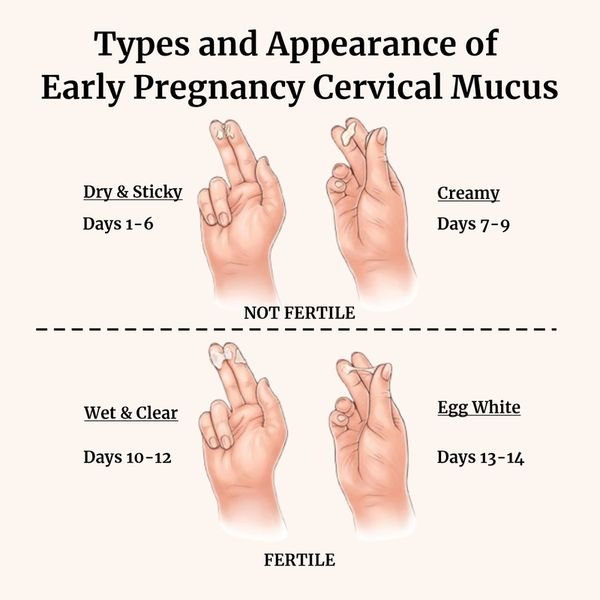
Cervical mucus can change from dry or sticky to creamy, wet or slippery depending on where you are in your menstrual cycle. Cleveland Clinic notes that cervical mucus changes throughout the cycle in response to hormones, particularly around ovulation.

Common Causes of White Discharge Before Period

Several factors may explain why you notice vaginal discharge before menstruation.

1. Normal Hormonal Changes

Hormonal fluctuations during your menstrual cycle can change the consistency and amount of vaginal discharge.

This is one of the most common explanations for creamy white discharge before period.

2. Changes After Ovulation

Cervical mucus changes throughout the menstrual cycle. After ovulation, hormonal changes can make discharge appear thicker or creamier.

The exact pattern varies from one woman to another.

3. Your Period Is Approaching

Some women naturally experience increased white discharge before periods.

The NHS states that vaginal discharge often becomes heavier just before a period.

4. Early Pregnancy

An increase in vaginal discharge can occur during pregnancy. Healthy pregnancy discharge is generally thin, clear or milky white and should not have an unpleasant smell.

However, white discharge before period is not enough to diagnose pregnancy.

5. Vaginal Infection

If the discharge has changed significantly or occurs with itching, burning, irritation or an unusual odor, an infection may need to be considered.

For example, ACOG notes that yeast infections can sometimes cause white, lumpy discharge along with symptoms such as vulvar itching and burning.

White Discharge Before Period: Is It Normal or a Sign of Pregnancy?

Is White Discharge Before Period Normal?

Yes. In many cases, white discharge before period is completely normal.

Normal discharge is more likely when it is:

  • White, off-white or clear
  • Mild-smelling or without a noticeable unpleasant odor
  • Not associated with itching
  • Not associated with burning
  • Not accompanied by pelvic pain
  • Similar to the discharge you normally experience during your menstrual cycle

ACOG describes normal vaginal discharge as typically clear to white without a noticeable odor.

What is “normal” can vary between individuals. The important thing is to notice significant changes from your usual pattern.

Is White Discharge Before Period a Sign of Pregnancy?

It can occur during early pregnancy, but white discharge before period alone is not a reliable sign of pregnancy.

Pregnancy causes hormonal changes that can increase vaginal discharge. The NHS lists increased vaginal discharge without soreness or irritation among symptoms that some people may notice during pregnancy.

However, similar discharge can occur as part of a normal menstrual cycle.

Therefore:

White discharge + period approaching = may be normal menstrual-cycle discharge.

White discharge + missed period = pregnancy is one possibility.

White discharge + missed period + other pregnancy symptoms = consider taking a pregnancy test.

A pregnancy test, rather than the appearance of discharge, should be used to determine whether you are pregnant.

What Does Early Pregnancy Discharge Look Like?

Normal pregnancy discharge is often described as:

  • Thin
  • Clear
  • Milky white
  • Mild-smelling or without an unpleasant odor

The NHS states that it is normal to have more vaginal discharge during pregnancy and that healthy pregnancy discharge is usually thin, clear or milky white without an unpleasant smell.

Some women may notice an increase in discharge early in pregnancy, while others may notice little or no obvious change.

This variation is important: the absence of increased white discharge does not mean you are not pregnant, and having white discharge does not mean you are pregnant.

White Discharge Before Period vs Pregnancy Discharge

It is difficult to differentiate the two based only on appearance.

FeatureBefore PeriodEarly Pregnancy
ColorWhite or creamyClear to milky white
TextureMay be creamy, sticky or thickOften thin or milky
AmountMay increase before menstruationMay increase during pregnancy
OdorUsually no strong unpleasant smellUsually no unpleasant smell
PeriodArrives as expectedMay be missed
Pregnancy testNegativeMay become positive

The overlap is significant. Therefore, using discharge as a “pregnancy test” is unreliable.

The most useful differentiating factor is a missed period followed by an appropriately timed pregnancy test.

Milky White Discharge Before Period: Does It Mean Pregnancy?

Milky white discharge before period can occur both during a normal menstrual cycle and during pregnancy.

If you have milky discharge but your period has not yet been missed, it may simply be related to normal hormonal changes.

If your period becomes late and pregnancy is possible, take a pregnancy test rather than relying on discharge symptoms.

Increased vaginal discharge is recognized as a possible pregnancy symptom, but it should be considered alongside your menstrual history and pregnancy testing.

Creamy White Discharge Before Period: Is It Normal?

In many cases, creamy white discharge before period is normal.

The consistency of cervical mucus changes naturally during different stages of the menstrual cycle. Hormonal fluctuations can make it appear creamy, sticky or thicker at different times.

You should pay closer attention if creamy discharge suddenly changes from your usual pattern or is accompanied by:

  • Strong or unpleasant odor
  • Vaginal itching
  • Burning
  • Pain during urination
  • Pain during sex
  • Pelvic discomfort

These symptoms may indicate that something other than normal hormonal discharge is occurring.

Thick White Discharge Before Period: Should You Worry?

Not necessarily.

Thick white discharge before period may be a normal variation, particularly if you do not have itching, burning or an unusual smell.

However, very thick or lumpy white discharge accompanied by significant itching or burning can occur with a vaginal yeast infection. ACOG notes that yeast infections may cause white, lumpy discharge, although symptoms can vary.

If symptoms persist, avoid diagnosing or repeatedly treating yourself without professional evaluation. A gynecologist can determine the underlying cause and recommend appropriate treatment.

White Discharge and Missed Period: Am I Pregnant?

If you have white discharge and a missed period, pregnancy is one possibility, particularly if you have had unprotected sex.

Other possible early pregnancy symptoms may include:

  • Missed period
  • Breast tenderness
  • Nausea
  • Fatigue
  • Increased urination
  • Changes in smell or taste
  • Increased vaginal discharge

However, symptoms vary considerably, and not everyone experiences the same early signs.

A late period can also occur for reasons unrelated to pregnancy, including stress, hormonal changes and conditions such as PCOS.

If pregnancy is possible, an appropriately timed home pregnancy test is a more reliable next step than trying to interpret white discharge before period.

Can White Discharge Confirm Pregnancy?

No.

White discharge cannot confirm pregnancy.

Although increased vaginal discharge can occur during pregnancy, similar discharge can occur:

  • Before menstruation
  • During different stages of the menstrual cycle
  • Around hormonal changes
  • During pregnancy
  • With certain vaginal infections

This is why pregnancy discharge should be viewed as a possible associated symptom rather than proof of pregnancy.

If your period is late, consider taking a pregnancy test and consulting a healthcare professional if you are unsure about the result or your symptoms.

When Is White Discharge Before Period Not Normal?

You should consider consulting a gynecologist if your discharge is noticeably different from your usual pattern, particularly if you experience:

  • Strong or unpleasant odor
  • Yellow, green or grey discharge
  • Significant vaginal itching
  • Burning sensation
  • Pain during urination
  • Pain during intercourse
  • Pelvic pain
  • Unexpected vaginal bleeding
  • Persistent symptoms

Changes in discharge color, smell, amount or consistency can sometimes indicate an infection or another condition requiring evaluation.

A greyish-white, thin discharge with a strong fishy smell, for example, can occur with bacterial vaginosis, according to the NHS.

When Should You See a Gynecologist?

Consider scheduling a consultation if you have persistent abnormal discharge, recurrent vaginal infections, unusual bleeding, pelvic pain, significant itching or burning, or concerns about a possible pregnancy.

If you are experiencing white discharge before period but have no pain, itching, burning or unpleasant odor, it is often a normal physiological change.

However, symptoms should be assessed individually.

Dr. Nitasha Gupta provides gynecology and women’s health consultations for patients seeking evaluation of menstrual concerns, vaginal discharge, reproductive health and fertility-related issues.

If you are uncertain whether your symptoms are normal, a clinical evaluation can help identify the cause and determine whether treatment is necessary.

Related Women’s Health Guides

You may also find these resources helpful:

Frequently Asked Questions About White Discharge Before Period

1. Is white discharge before period normal?

Yes. White discharge before period is often normal and can occur because of hormonal changes throughout the menstrual cycle. Normal discharge is generally white or clear and does not have a strong unpleasant odor or cause itching or burning.

2. Is white discharge a sign that my period is coming?

It can be. Some women experience increased white discharge before periods, and the NHS notes that vaginal discharge can become heavier before menstruation.

3. Is white discharge before period a sign of pregnancy?

White discharge can increase during early pregnancy, but it is not a reliable way to confirm pregnancy. If your period is late and pregnancy is possible, take a pregnancy test.

4. What does pregnancy discharge look like?

Normal pregnancy discharge is generally thin, clear or milky white and should not have an unpleasant smell.

5. What is the difference between period discharge and pregnancy discharge?

There can be considerable overlap. Both may appear white or milky. A missed period and a positive pregnancy test are much more useful indicators of pregnancy than discharge appearance alone.

6. Does milky white discharge mean pregnancy?

Not necessarily. Milky white discharge before period can occur because of normal menstrual-cycle hormonal changes as well as during pregnancy.

7. Is creamy white discharge before period normal?

Yes, creamy white discharge can be normal, especially when there is no unpleasant odor, itching, burning or pain.

8. Why do I have white discharge but no period?

Pregnancy is one possibility, but periods can also be delayed by stress, hormonal changes, PCOS and other factors. If pregnancy is possible, consider taking a pregnancy test.

9. Is thick white discharge before period normal?

It can be normal. However, thick, lumpy discharge accompanied by itching or burning may occur with a yeast infection and should be evaluated if symptoms persist.

10. When should I worry about white discharge?

Seek medical advice if your discharge develops a strong unpleasant smell, changes significantly in color, or occurs with itching, burning, pelvic pain, pain during urination, pain during sex or unusual bleeding.

Doctor’s Take

Dr. Nitasha Gupta explains:

“White discharge before a period is commonly associated with normal hormonal changes and, by itself, is usually not a cause for concern. Pregnancy can also cause increased vaginal discharge, but discharge alone cannot confirm whether someone is pregnant. Pay attention to changes from your normal pattern, particularly unusual odor, itching, burning, pain or a significant change in color or consistency. If your period is delayed and pregnancy is possible, take a pregnancy test and seek medical advice when needed.”

Final Takeaway

White discharge before period is usually a normal part of the menstrual cycle and can occur due to natural hormonal changes. Some women may experience milky, creamy or slightly thick white discharge before periods.

Increased pregnancy discharge can also occur during early pregnancy, which is why some women associate white discharge with conception. However, the appearance of vaginal discharge alone cannot tell you whether you are pregnant.

If your period is late and pregnancy is possible, take a pregnancy test. If your discharge develops an unpleasant odor or is accompanied by itching, burning, pain, unusual bleeding or other concerning symptoms, consult a gynecologist for an appropriate evaluation.

For personalized women’s health guidance, menstrual concerns, pregnancy-related questions or abnormal vaginal discharge, you can consult Dr. Nitasha Gupta.

Medical Disclaimer: This article is intended for general educational purposes and does not replace personalized medical advice, diagnosis or treatment. Symptoms can have different causes in different individuals. Consult a qualified healthcare professional for concerns about your health.

Why Am I Not Getting Pregnant? 20 Causes & Fertility Guide

Why Am I Not Getting Pregnant? 20 Causes & Fertility Guide

Trying to conceive can be one of the most exciting phases of life, but it can also become emotionally challenging when pregnancy does not happen as expected. If you have been asking yourself “Why am I not getting pregnant?”, you are not alone. Millions of couples worldwide experience delays in conception, and in many cases, the underlying cause can be identified and treated successfully.

Pregnancy depends on several factors working together. Healthy ovulation, good egg quality, open fallopian tubes, a healthy uterus, normal sperm count, balanced hormones, and proper timing all play an important role. Even one small issue can reduce the chances of conception.

The good news is that many fertility problems are treatable. Early diagnosis and personalized fertility care can significantly improve your chances of becoming pregnant naturally or through advanced fertility treatments such as IUI or IVF.

At Dr. Nitasha Gupta’s Fertility & Gynecology Centre, patients receive comprehensive fertility evaluation, evidence-based treatment, and compassionate care tailored to their individual needs.

Table of Contents

  • Why am I not getting pregnant?
  • How pregnancy normally happens
  • When should you see a fertility specialist?
  • 20 common reasons for difficulty conceiving
  • Fertility tests for women and men
  • Treatment options
  • When IVF becomes necessary
  • Lifestyle changes to improve fertility
  • Frequently Asked Questions

Understanding How Pregnancy Happens

Before discussing the causes, it helps to understand how pregnancy naturally occurs.

Every month, a healthy ovary releases a mature egg during ovulation. The egg travels through the fallopian tube, where it can meet healthy sperm after intercourse. Fertilization occurs if one sperm successfully enters the egg. The fertilized embryo then travels to the uterus and implants into the uterine lining, beginning pregnancy.

If any step in this process is disrupted, conception may become difficult.

When Should You See a Fertility Specialist?

Many couples wait too long before seeking help.

General recommendations include:

Women younger than 35 years

Consult a fertility specialist if pregnancy has not occurred after 12 months of regular unprotected intercourse.

Women aged 35 years or older

Seek evaluation after 6 months of trying.

Women over 40 years

A fertility consultation should be scheduled as soon as possible because egg quality naturally declines with age.

You should also consult a fertility specialist earlier if you have irregular periods, PCOS, endometriosis, previous miscarriages, pelvic infections, previous surgeries, or known male fertility issues.

Related Services

  • IVF Treatment Chandigarh
  • Fertility Checkup Zirakpur
  • Fertility Specialist Chandigarh
  • Best Gynecologist in Panchkula

20 Common Reasons Why You Are Not Getting Pregnant

1. Irregular Ovulation

Ovulation is essential for pregnancy. Women who do not ovulate regularly release eggs inconsistently, making conception difficult.

Signs include:

  • Irregular periods
  • Missed periods
  • Very long menstrual cycles
  • Extremely short cycles

Common causes include hormonal imbalance, thyroid disorders, PCOS, excessive exercise, obesity, and stress.

2. Polycystic Ovary Syndrome (PCOS)

PCOS is one of the leading causes of female infertility.

Women with PCOS often experience:

  • Irregular periods
  • Acne
  • Weight gain
  • Excess facial hair
  • Difficulty ovulating

Many women with PCOS successfully become pregnant after lifestyle modifications, medications, ovulation induction, or IVF when required.

3. Low AMH (Low Ovarian Reserve)

Anti-Müllerian Hormone (AMH) helps estimate ovarian reserve.

A low AMH level does not mean pregnancy is impossible, but it may indicate fewer remaining eggs.

Early fertility evaluation becomes particularly important when AMH is low.

4. Poor Egg Quality

Age is one of the biggest factors affecting egg quality.

Women above 35 years naturally experience:

  • Lower egg quality
  • Reduced fertility
  • Increased miscarriage risk
  • Lower natural conception rates

Modern fertility treatments can improve pregnancy chances depending on individual circumstances.

5. Blocked Fallopian Tubes

The fallopian tubes allow sperm and egg to meet.

If the tubes are blocked because of infection, endometriosis, previous surgery, or pelvic inflammatory disease, natural conception may not occur.

An HSG test is commonly used to evaluate whether the tubes are open.

6. Endometriosis

Endometriosis occurs when tissue similar to the uterine lining grows outside the uterus.

Symptoms may include:

  • Severe menstrual pain
  • Pain during intercourse
  • Chronic pelvic pain
  • Infertility

Treatment depends on the severity of symptoms and fertility goals.

7. Hormonal Imbalance

Balanced hormones are essential for ovulation and implantation.

Hormonal problems may involve:

  • Thyroid disorders
  • Elevated prolactin
  • Insulin resistance
  • Estrogen imbalance
  • Progesterone deficiency

Simple blood tests often help diagnose these conditions.

8. Uterine Fibroids

Fibroids are non-cancerous growths inside the uterus.

Depending on their size and location, they may interfere with embryo implantation or pregnancy.

Not every fibroid requires surgery, but evaluation by an experienced gynecologist is important.

9. Uterine Polyps

Endometrial polyps may reduce implantation success and increase miscarriage risk.

Small polyps can often be removed using hysteroscopy, a minimally invasive procedure.

10. Male Infertility

Many couples assume infertility only affects women.

In reality, approximately 40–50% of infertility cases involve male factors.

Common causes include:

  • Low sperm count
  • Poor sperm motility
  • Abnormal sperm morphology
  • Varicocele
  • Hormonal disorders
  • Lifestyle factors

A semen analysis is usually the first investigation performed for men.

Can Lifestyle Affect Fertility?

Absolutely.

Modern lifestyles have a significant impact on fertility.

Factors that may reduce fertility include:

  • Smoking
  • Excessive alcohol
  • Obesity
  • Poor diet
  • Lack of sleep
  • Chronic stress
  • Sedentary lifestyle
  • Environmental toxins

Improving these habits may increase natural conception rates while also improving IVF success.

Signs You Should Not Ignore

Schedule a fertility consultation if you experience:

  • Trying to conceive for more than one year
  • Trying for six months after age 35
  • Very irregular periods
  • Severe menstrual pain
  • Multiple miscarriages
  • Low AMH
  • Previous pelvic surgery
  • Known PCOS
  • Previous chemotherapy
  • Low sperm count in your partner

Early diagnosis often results in simpler and more effective treatment.

Fertility Is a Couple’s Journey

Fertility challenges affect both partners. A comprehensive fertility evaluation includes assessment of both female and male reproductive health. Addressing both sides together often leads to faster diagnosis and more successful treatment outcomes.

11. Poor Sperm Motility

Healthy sperm must swim efficiently through the female reproductive tract to fertilize the egg. Poor sperm motility means the sperm are unable to move effectively, reducing the chances of natural conception.

Several factors can affect sperm movement, including infections, varicocele, smoking, obesity, diabetes, excessive alcohol consumption, heat exposure, certain medications, and nutritional deficiencies.

A semen analysis evaluates sperm count, motility, and morphology. Depending on the underlying cause, treatment may include lifestyle modifications, medications, antioxidant supplements, surgery for varicocele, IUI, or IVF with ICSI.

Internal Link: Low Sperm Count Causes & Treatment

12. Thyroid Disorders

The thyroid gland regulates many hormones that influence ovulation and pregnancy. Both hypothyroidism and hyperthyroidism can interfere with menstrual cycles and fertility.

Common symptoms include:

  • Irregular periods
  • Weight changes
  • Fatigue
  • Hair loss
  • Difficulty conceiving

A simple blood test measuring TSH and thyroid hormones can identify thyroid problems. Most women can conceive successfully after appropriate treatment.

13. Obesity or Being Underweight

Maintaining a healthy body weight is important for reproductive health.

Being overweight may lead to:

  • Hormonal imbalance
  • PCOS
  • Irregular ovulation
  • Reduced IVF success

Being underweight may cause:

  • Missed periods
  • Reduced estrogen levels
  • Lack of ovulation

Even a modest improvement in weight can enhance fertility outcomes.

14. Smoking and Tobacco Use

Smoking damages eggs and sperm, reduces ovarian reserve, increases miscarriage risk, and lowers IVF success rates. Tobacco also affects sperm DNA quality and motility.

Quitting smoking before conception improves reproductive health for both partners and supports a healthier pregnancy.

15. Excessive Alcohol Consumption

Frequent alcohol intake may negatively affect hormone production, ovulation, sperm quality, and early pregnancy. Couples planning pregnancy should limit or avoid alcohol while trying to conceive.

16. Chronic Stress

Stress alone does not usually cause infertility, but long-term stress may contribute to hormonal changes, irregular ovulation, poor sleep, unhealthy eating habits, and reduced libido.

Stress management techniques such as mindfulness, yoga, regular exercise, and counseling may support overall fertility treatment.

17. Age-Related Fertility Decline

Female fertility naturally declines with age, especially after 35 years. Egg quantity and quality decrease over time, making conception more difficult.

Although many women have healthy pregnancies after 35, early fertility evaluation helps identify the most appropriate treatment plan.

18. Unexplained Infertility

Sometimes all fertility tests appear normal, yet pregnancy does not occur. This is known as unexplained infertility.

Although frustrating, many couples with unexplained infertility successfully conceive through fertility treatments such as ovulation induction, IUI, or IVF.

19. Previous Pelvic Infections or Surgery

Pelvic infections, appendicitis, cesarean sections, ovarian surgery, or abdominal procedures can occasionally lead to scar tissue or adhesions that affect fertility.

Your fertility specialist may recommend imaging tests or laparoscopy to evaluate these conditions.

20. Delaying Fertility Evaluation

One of the most common reasons couples struggle with pregnancy is simply waiting too long before seeking medical advice.

Early diagnosis allows more treatment options and often improves pregnancy success rates.

Fertility Tests Your Doctor May Recommend

A complete fertility evaluation includes testing for both partners.

For Women

Hormone Blood Tests

These include:

  • AMH
  • FSH
  • LH
  • Estradiol
  • Progesterone
  • Prolactin
  • Thyroid profile

These tests help evaluate ovarian reserve and hormone balance.

Ultrasound Scan

Pelvic ultrasound assesses:

  • Ovarian follicles
  • PCOS
  • Fibroids
  • Uterine abnormalities
  • Ovarian cysts

HSG (Hysterosalpingography)

An HSG checks whether the fallopian tubes are open and whether the uterine cavity appears normal.

Follicular Monitoring

Ultrasound scans performed during the menstrual cycle help identify the exact day of ovulation.

Hysteroscopy

A hysteroscopy allows direct visualization of the uterus to diagnose or treat:

  • Polyps
  • Fibroids
  • Scar tissue
  • Septum

For Men

Semen Analysis

This evaluates:

  • Sperm count
  • Motility
  • Morphology
  • Semen volume
  • White blood cells

Additional hormonal tests or ultrasound may be recommended if abnormalities are detected.

Treatment Options for Infertility

Treatment depends on the underlying cause.

Lifestyle Modifications

Your doctor may recommend:

  • Weight management
  • Healthy nutrition
  • Regular exercise
  • Better sleep
  • Smoking cessation
  • Reduced alcohol intake
  • Stress reduction

These changes may improve fertility naturally and increase treatment success.

Ovulation Induction

Women who do not ovulate regularly may receive medications that stimulate egg development and ovulation.

Intrauterine Insemination (IUI)

IUI involves placing processed sperm directly into the uterus during ovulation.

It is often recommended for:

  • Mild male infertility
  • Unexplained infertility
  • Ovulation disorders
  • Cervical factor infertility

In Vitro Fertilization (IVF)

IVF is one of the most effective fertility treatments available today.

It may be recommended for:

  • Blocked fallopian tubes
  • Severe male infertility
  • Low AMH
  • Advanced maternal age
  • Endometriosis
  • Repeated failed IUI
  • Unexplained infertility

During IVF, eggs are collected, fertilized in the laboratory, and healthy embryos are transferred into the uterus.

Can You Improve Fertility Naturally?

While not every fertility issue can be prevented, healthy lifestyle habits support reproductive health.

Eat a Balanced Diet

Choose foods rich in:

  • Fruits
  • Vegetables
  • Whole grains
  • Lean protein
  • Healthy fats
  • Iron
  • Folate
  • Omega-3 fatty acids

Maintain a Healthy Weight

Both obesity and being underweight may interfere with ovulation and hormone balance.

Exercise Regularly

Moderate physical activity improves overall health and hormone regulation.

Avoid excessive high-intensity exercise if advised by your doctor.

Get Adequate Sleep

Aim for 7–9 hours of quality sleep each night.

Manage Medical Conditions

Proper treatment of PCOS, thyroid disorders, diabetes, and high blood pressure supports fertility.

Why Choose Dr. Nitasha Gupta?

Choosing the right fertility specialist is an important step in your journey toward parenthood.

Dr. Nitasha Gupta provides evidence-based fertility care with a personalized approach for every patient.

Patients benefit from:

  • Individualized fertility evaluation
  • Advanced IVF technology
  • Comprehensive female and male infertility assessment
  • Ethical and transparent treatment plans
  • Compassionate patient counseling
  • Modern diagnostic facilities
  • Personalized pregnancy planning

Frequently Asked Questions

Can I get pregnant naturally after one year of trying?

Yes. Some couples conceive naturally after one year, but a fertility evaluation helps identify any underlying issues and improves your chances of success.

Does PCOS always cause infertility?

No. Many women with PCOS become pregnant naturally or with fertility treatment.

Can low AMH prevent pregnancy?

Low AMH indicates reduced ovarian reserve but does not necessarily mean pregnancy is impossible. Treatment depends on age and overall fertility.

Is male infertility common?

Yes. Male factors contribute to nearly half of infertility cases, making semen analysis an important part of fertility evaluation.

How long should I try before seeing a fertility specialist?

If you are under 35 years, seek evaluation after one year of trying. If you are 35 years or older, consult after six months.

Does stress cause infertility?

Stress alone rarely causes infertility, but chronic stress may indirectly affect reproductive health and treatment adherence.

Can lifestyle changes improve fertility?

Healthy eating, exercise, quitting smoking, limiting alcohol, maintaining a healthy weight, and adequate sleep all support fertility.

Is IVF my only option?

No. Many couples conceive through lifestyle changes, medications, ovulation induction, or IUI before IVF is considered.

Medical Disclaimer

This article is intended for educational purposes only and should not replace professional medical advice, diagnosis, or treatment. If you have concerns about your fertility or reproductive health, consult a qualified fertility specialist or gynecologist for a personalized evaluation.

Conclusion

If you have been wondering, “Why am I not getting pregnant?”, remember that fertility challenges are common and often treatable. Identifying the underlying cause through timely evaluation is the first step toward achieving a healthy pregnancy.

Whether the issue involves ovulation, PCOS, low AMH, blocked fallopian tubes, male infertility, or unexplained infertility, modern fertility care offers a wide range of effective treatment options.

Early consultation with an experienced fertility specialist can make a significant difference. Personalized care, accurate diagnosis, and evidence-based treatment improve your chances of building the family you have been hoping for.