
White Discharge During Pregnancy: What’s Normal and When to See a Doctor?
Noticing white discharge during pregnancy is extremely common, but it can still raise questions. Is the discharge normal? Could it be an infection? Does the amount of discharge change as pregnancy progresses? And when should you contact your doctor?
In many cases, an increase in vaginal discharge during pregnancy is normal. Healthy pregnancy discharge is generally thin, clear or milky white and should not have an unpleasant smell. The amount of discharge may also increase during pregnancy.
However, not every change in discharge should be ignored. Pregnancy white discharge that develops an unusual color or strong smell, or is accompanied by itching, soreness, burning or pain while urinating, may require medical evaluation.
In this guide, Dr. Nitasha Gupta explains what white discharge during pregnancy may look like, why it happens, what may be considered normal, signs that could indicate an infection, and when pregnant women should seek medical advice.
Quick Answer: White discharge during pregnancy is often normal, particularly when it is thin or milky white and does not have an unpleasant smell. However, discharge that becomes green or yellow, smells unpleasant, or occurs with itching, soreness or painful urination should be discussed with your healthcare professional. Vaginal bleeding during pregnancy or suspected leaking of amniotic fluid requires prompt medical attention.
Is White Discharge During Pregnancy Normal?
Yes. In many cases, white discharge during pregnancy is normal.
Vaginal discharge naturally changes throughout a woman’s reproductive life, and pregnancy can cause an increase in the amount of discharge.
Normal vaginal discharge is generally clear to white without a noticeable unpleasant odor. During pregnancy, you may notice more discharge than you experienced before becoming pregnant.
Normal pregnancy white discharge may appear:
- Clear or milky white
- Thin or slightly sticky
- Mild-smelling or without an unpleasant smell
- More noticeable than before pregnancy
- Free from significant itching or soreness
The exact amount and consistency can vary from woman to woman.
If you noticed discharge even before becoming pregnant and want to understand the difference, read our detailed guide:
White Discharge Before Period: Is It Normal or a Sign of Pregnancy?
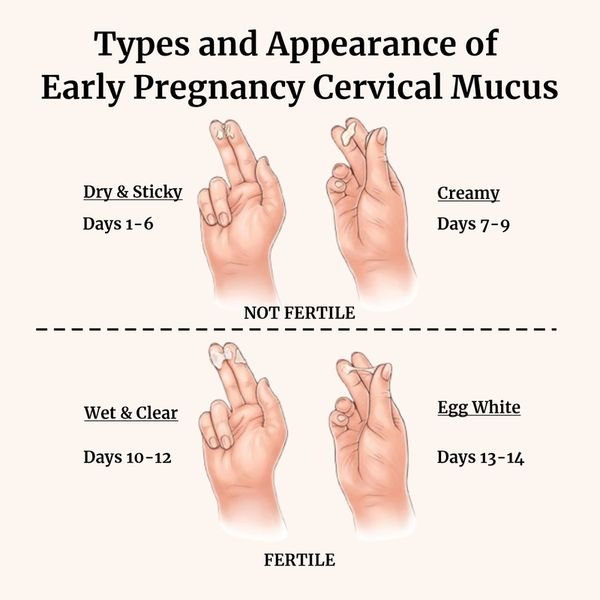
What Causes White Discharge During Pregnancy?
The amount of vaginal discharge can increase during pregnancy.
Pregnancy involves significant hormonal and physiological changes. As pregnancy progresses, women may notice changes in vaginal secretions compared with their usual pre-pregnancy pattern.
An increase in pregnancy white discharge without soreness or irritation can be one of the changes noticed during pregnancy.
However, changes in discharge can have different causes. While many are normal, others may be related to vaginal infections.
Understanding the accompanying symptoms is therefore more useful than judging the discharge based on color alone.
What Does Normal Pregnancy White Discharge Look Like?
Normal white discharge during pregnancy is commonly:
- Thin
- Clear to milky white
- Mild-smelling or without an unpleasant odor
- Not accompanied by itching
- Not accompanied by burning
- Not associated with vaginal soreness
This type of normal pregnancy-related vaginal discharge is often referred to as leukorrhea.
It is important to remember that every pregnancy is different. Some women may notice considerably more discharge, while others may experience only a small change.
A change from your personal normal pattern, especially when accompanied by other symptoms, deserves more attention.
White Discharge in Early Pregnancy
Some women notice increased white discharge in early pregnancy.
Increased vaginal discharge without soreness or irritation is among the possible changes that may occur during pregnancy. However, discharge alone cannot confirm that you are pregnant.
This is particularly important for women trying to differentiate between white discharge before period and early pregnancy white discharge.
Both can look similar.
If you are experiencing white discharge but have not yet confirmed pregnancy, read:
White Discharge Before Period: Is It Normal or a Sign of Pregnancy?
That guide explains the difference between menstrual-cycle discharge and discharge that may occur during early pregnancy.
If your period is late and pregnancy is possible, a properly timed pregnancy test is more useful than relying on the appearance of discharge.
White Discharge During Pregnancy in the First Trimester
During the first trimester, some women may notice an increase in vaginal discharge.
Normal white discharge during pregnancy in the first trimester may appear clear, white or milky and should generally not have a strong unpleasant smell.
If you experience discharge without itching, soreness or pain, it may represent a normal pregnancy-related change.
However, contact your healthcare professional if you notice:
- Strong or unpleasant odor
- Yellow or green discharge
- Significant itching
- Vaginal soreness
- Burning or pain when urinating
- Vaginal bleeding
These symptoms may require evaluation to rule out infection or other pregnancy-related concerns.
White Discharge During Pregnancy in the Second Trimester
White discharge during pregnancy may continue or become more noticeable during the second trimester.
According to Mayo Clinic, sticky, clear or white vaginal fluid can be typical during the second trimester. Discharge accompanied by a strong smell, unusual color, pain, soreness or itching should be discussed with a healthcare professional because these symptoms may indicate an infection.
Continue paying attention to changes from your usual pattern rather than focusing solely on the amount.
If you are uncertain whether a change is normal, discussing it during your antenatal appointment can provide clarity.
White Discharge During Pregnancy in the Third Trimester
It is also possible to experience increased pregnancy white discharge during the third trimester.
However, later in pregnancy, it becomes particularly important to distinguish ordinary vaginal discharge from possible amniotic fluid leakage or changes associated with approaching labour.
If you experience persistent watery leaking, a sudden gush of fluid or think your waters may have broken, contact your maternity care team promptly, even if you are unsure whether the fluid is amniotic fluid, urine or vaginal discharge.
Near labour, some women may also notice changes associated with the mucus plug. ACOG notes that as the cervix begins to dilate, there can be an increase in discharge that may appear clear, pink or slightly bloody.
Because pregnancy symptoms vary, contact your maternity care provider if you are unsure about fluid leakage or unusual discharge.
Milky White Discharge During Pregnancy: Is It Normal?
In many cases, milky white discharge during pregnancy is normal.
Healthy pregnancy discharge is commonly described as thin, clear or milky white without an unpleasant smell.
Milky discharge is generally less concerning when there is:
- No strong or unpleasant odor
- No itching
- No burning
- No vaginal soreness
- No pain when urinating
If the appearance or smell changes significantly from what is usual for you, consult your healthcare professional.
Creamy White Discharge During Pregnancy
Creamy white discharge during pregnancy can sometimes be part of normal vaginal secretions.
The consistency of discharge can vary between individuals and at different stages of pregnancy.
Rather than focusing only on whether the discharge is creamy, consider whether you have additional symptoms.
Creamy or white discharge without irritation may be normal, while discharge accompanied by itching, burning, soreness or an unusual smell may need medical evaluation.
If you are experiencing discharge before confirming pregnancy, see our related guide on white discharge before period and pregnancy.
Thick White Discharge During Pregnancy
Thicker white discharge during pregnancy deserves attention to accompanying symptoms.
A thick, white discharge with a cottage-cheese-like appearance, particularly when accompanied by itching or burning, may occur with a yeast infection. ACOG notes that vaginal infections can cause changes in discharge color, texture or smell and may also cause itching or burning.
Pregnancy can also affect vaginal health, and ACOG notes that vaginal infections are more common during pregnancy.
Do not assume that every thick discharge is an infection, but avoid self-diagnosing persistent or uncomfortable symptoms.
Consult your doctor or obstetric healthcare provider for appropriate diagnosis and pregnancy-safe treatment.
White Discharge During Pregnancy With Itching
White discharge during pregnancy with itching should not automatically be considered normal pregnancy discharge.
Possible symptoms of vaginal infection can include:
- Itching
- Burning
- Vaginal soreness
- Change in discharge
- Unusual odor
- Pain or discomfort
For example, yeast infections can cause thick white discharge accompanied by itching or burning.
If you are pregnant and experiencing these symptoms, speak with your healthcare professional before using medication or over-the-counter treatments.
Pregnancy can affect which treatments are appropriate, making professional evaluation particularly important.
White Discharge During Pregnancy With Smell
Normal pregnancy white discharge should generally not have a strong unpleasant smell.
A noticeable change in odor, particularly when accompanied by a change in discharge color or other symptoms, can be associated with vaginal infection.
ACOG advises that changes in the color, odor, amount or consistency of discharge can indicate abnormal discharge.
Contact your doctor if the discharge:
- Develops a strong or unpleasant smell
- Smells noticeably different from usual
- Changes to yellow or green
- Occurs with itching or burning
- Causes soreness or discomfort
The cause cannot always be determined based on smell alone, so professional assessment is preferable to self-diagnosis.
White Discharge vs Yellow or Green Discharge During Pregnancy
Color can provide useful information, although it should always be interpreted alongside other symptoms.
White or Clear Discharge
Thin, clear or milky white discharge during pregnancy without an unpleasant smell is often normal.
Yellow Discharge
Yellow discharge may require medical evaluation, especially when accompanied by an unusual smell, itching, pain or other symptoms.
Green Discharge
Green discharge is not considered typical normal pregnancy discharge and should be discussed with your healthcare professional.
The NHS advises pregnant women to contact their midwife if discharge is green or yellow, smells unpleasant, causes itching or soreness, or is accompanied by pain when urinating.
Pregnancy White Discharge vs Amniotic Fluid: How Can You Tell?
This is an important question, particularly later in pregnancy.
Normal vaginal discharge may be white, milky or slightly sticky.
Amniotic fluid leakage may feel more watery and may occur as a trickle or a more obvious gush. However, it can sometimes be difficult to distinguish amniotic fluid from urine or vaginal discharge without professional assessment.
If you think your waters may have broken, contact your maternity care team promptly.
Do not rely solely on online descriptions to determine whether leaking fluid is amniotic fluid.
This is especially important if you are less than 37 weeks pregnant or have other concerning symptoms.
Is White Discharge a Sign of a Healthy Pregnancy?
Normal white discharge during pregnancy can be a common physiological change, but the presence or absence of discharge should not be used as a measure of whether a pregnancy is healthy.
Every pregnancy is different.
Some women notice increased discharge, while others notice very little change.
Pregnancy health is assessed through appropriate antenatal care, clinical evaluation and recommended pregnancy monitoring rather than vaginal discharge alone.
Can White Discharge Harm the Baby?
Normal pregnancy white discharge itself does not indicate harm to the baby.
However, abnormal discharge can sometimes be associated with vaginal infections, which is why persistent changes or accompanying symptoms should be evaluated during pregnancy.
Contact your healthcare professional if you develop unusual discharge, particularly when it is accompanied by:
- Itching
- Burning
- Pain
- Unpleasant smell
- Yellow or green color
- Painful urination
Early evaluation allows your healthcare provider to determine the cause and recommend appropriate treatment if needed.
Should You Treat White Discharge During Pregnancy?
Normal white discharge during pregnancy generally does not require treatment.
If an infection is suspected, treatment depends on the underlying cause.
Avoid assuming that all discharge is caused by a yeast infection or using medication without appropriate medical advice during pregnancy.
Instead:
- Keep the external genital area clean and dry
- Avoid unnecessary vaginal products that cause irritation
- Wear comfortable, breathable underwear
- Avoid self-diagnosing persistent symptoms
- Discuss unusual discharge with your obstetrician or gynecologist
The appropriate treatment should be based on the cause of the symptoms and your stage of pregnancy.
When Should You See a Doctor for White Discharge During Pregnancy?
Contact your doctor, obstetrician or maternity care provider if your white discharge during pregnancy changes significantly or you develop additional symptoms.
Seek medical advice if:
- Discharge smells unpleasant or unusual
- Discharge becomes yellow or green
- You experience vaginal itching or soreness
- You have pain or burning while urinating
- You experience persistent discomfort
The NHS specifically advises contacting a midwife for these symptoms because they may indicate a vaginal infection.
You should seek prompt medical advice for vaginal bleeding during pregnancy. If you believe your waters have broken or are experiencing unexplained persistent watery fluid leakage, contact your maternity team promptly.
When Does Pregnancy Discharge Need Urgent Medical Attention?
Certain symptoms should not be treated as ordinary pregnancy white discharge.
Seek prompt medical care if you experience:
- Vaginal bleeding during pregnancy
- Suspected rupture of membranes or waters breaking
- Persistent leaking or a sudden gush of watery fluid
- Reduced fetal movement when you would normally expect movements
- Signs of labour before 37 weeks
- Significant abdominal pain or other concerning pregnancy symptoms
The NHS advises urgent contact with maternity services for waters breaking, vaginal bleeding, reduced fetal movements or suspected labour before 37 weeks.
If you are unsure whether your symptoms are urgent, contacting your maternity care team is safer than waiting for symptoms to worsen.
How Dr. Nitasha Gupta Can Help
Changes in vaginal discharge are common during pregnancy, but understanding what is normal and what requires medical attention can be difficult.
Dr. Nitasha Gupta provides gynecology, reproductive health and pregnancy-related consultations, helping women understand symptoms and receive appropriate evaluation based on their individual medical needs.
If you are experiencing unusual white discharge during pregnancy, itching, burning, an unpleasant smell, pain or other pregnancy-related concerns, a clinical assessment can help determine whether the discharge is a normal pregnancy change or requires further investigation.
Frequently Asked Questions About White Discharge During Pregnancy
1. Is white discharge during pregnancy normal?
Yes. White discharge during pregnancy is often normal when it is thin, clear or milky white and does not have an unpleasant smell. An increase in vaginal discharge can occur during pregnancy.
2. What does normal pregnancy white discharge look like?
Normal pregnancy white discharge is generally clear to milky white and may be thin or slightly sticky. It should not usually have a strong unpleasant odor or cause significant itching or soreness.
3. Is milky white discharge during pregnancy normal?
Yes, milky white discharge can be a normal pregnancy-related change, particularly when there is no unpleasant smell, itching, burning or pain.
4. Is white discharge normal in early pregnancy?
Increased vaginal discharge can occur during early pregnancy. However, discharge alone cannot confirm pregnancy.
5. Does white discharge mean the pregnancy is healthy?
White discharge can be a normal pregnancy change, but it cannot determine whether a pregnancy is healthy. Regular antenatal care and appropriate medical evaluation are necessary for monitoring pregnancy health.
6. Why is white discharge increasing during pregnancy?
The amount of vaginal discharge can naturally increase during pregnancy. If the increased discharge remains clear or milky white without an unpleasant smell or irritation, it is often normal.
7. Is thick white discharge during pregnancy normal?
Thick white discharge can have different causes. If it is cottage-cheese-like and accompanied by itching or burning, a yeast infection may be possible and should be discussed with your healthcare professional.
8. When should I worry about discharge during pregnancy?
Contact your healthcare professional if discharge becomes yellow or green, develops an unpleasant smell, or occurs with itching, soreness or painful urination.
9. How do I know if it is discharge or my water breaking?
Amniotic fluid may leak as a trickle or a more noticeable gush, but it can be difficult to distinguish from urine or vaginal discharge. If you suspect your waters have broken, contact your maternity care team promptly.
10. Can pregnancy white discharge have a smell?
Normal vaginal discharge may have a mild natural odor, but a strong or unpleasant change in smell may indicate a problem and should be discussed with your healthcare provider.
11. Is white discharge normal throughout all three trimesters?
Vaginal discharge can occur throughout pregnancy and may become more noticeable. However, any significant change in color, smell or associated symptoms should be evaluated.
12. Should I see a gynecologist for white discharge during pregnancy?
Normal white discharge during pregnancy may not require treatment. However, you should seek medical advice if it is accompanied by itching, burning, pain, unusual smell or color, bleeding, or if you suspect fluid leakage.
Doctor’s Take
Medical Summary by Dr. Nitasha Gupta
White discharge during pregnancy is often a normal physiological change, particularly when the discharge is clear or milky white and does not have an unpleasant smell or cause irritation. However, changes in color or smell, or symptoms such as itching, burning, soreness and painful urination, should be evaluated by a healthcare professional.
Pregnant women should also avoid assuming that persistent watery leakage is ordinary vaginal discharge. If there is concern about leaking amniotic fluid, vaginal bleeding or another significant pregnancy symptom, prompt medical assessment is important.
Final Takeaway
White discharge during pregnancy is commonly normal and may become more noticeable as pregnancy progresses. Normal pregnancy white discharge is typically clear or milky white and should not have a strong unpleasant smell.
However, discharge that becomes yellow or green, develops an unusual odor, or occurs with itching, burning, soreness or painful urination may require medical evaluation.
Pregnant women should seek prompt advice for vaginal bleeding or suspected leaking of amniotic fluid.
If you are experiencing unusual white discharge during pregnancy or have concerns about pregnancy-related symptoms, consult a qualified healthcare professional for personalized assessment.
For gynecology, fertility and women’s health consultations, patients can consult Dr. Nitasha Gupta for individualized medical guidance and treatment planning.
Medical Disclaimer
This article provides general educational information and should not be considered a substitute for personalized medical advice, diagnosis or treatment. Pregnancy symptoms vary between individuals. Always contact your obstetrician, gynecologist or maternity care provider if you have concerns during pregnancy.