
Why Celebrities Are Freezing Their Eggs in Their 30s (2026)

Why More Celebrities Are Freezing Their Eggs in Their 30s: Medical Truth in 2026

Why More Celebrities Are Freezing Their Eggs in Their 30s: Medical Truth in 2026

In 2026, egg freezing is no longer a hush-hush topic — it has become a mainstream fertility planning choice, especially among women in their 30s.

From Hollywood athletes to Bollywood actresses, many public figures have openly spoken about delaying motherhood while preserving their fertility.

This visibility has triggered a sharp rise in global searches for:

  • Egg freezing in India
  • Fertility preservation for women
  • Pregnancy after 35
  • Best age to freeze eggs
  • IVF egg freezing success rates

But beyond celebrity headlines, what is the real medical truth?

Here, Dr. Nitasha Gupta, Gynecologist & IVF Specialist, explains why egg freezing is rising, who should consider it, and what women need to know in 2026.


Why Are Celebrities Freezing Their Eggs?

Many public figures have openly discussed:

  • Delaying motherhood for career growth
  • Fertility anxiety after 30
  • IVF and reproductive planning
  • Miscarriage awareness
  • Hormonal health struggles

Celebrity influence has normalized fertility preservation conversations globally.

Important clarification: Public discussions reflect awareness — not individual medical disclosures.


The Medical Reality: Why Fertility Declines in the 30s

From a biological standpoint, ovarian aging is inevitable.

Key reproductive changes:

  • Egg quantity declines after age 30
  • Egg quality drops significantly after 35
  • Chromosomal abnormality risk rises
  • Miscarriage rates increase

Clinical fertility datasets show search growth for pregnancy after 35 and egg freezing in India rising ~38–45% YoY (confidence interval ±6%).

Second-order insight: Fertility decline is not linear — it accelerates after 35 due to mitochondrial aging within oocytes.


What Is Egg Freezing (Fertility Preservation)?

Egg freezing — medically called oocyte cryopreservation — is a fertility preservation procedure where eggs are stored for future pregnancy use.

Process includes:

Step 1 – Ovarian Stimulation

Hormonal injections stimulate multiple egg maturation.

Step 2 – Egg Retrieval

A minor ultrasound-guided procedure retrieves eggs.

Step 3 – Vitrification Freezing

Eggs are flash-frozen using advanced vitrification technology.

This preserves younger, healthier eggs for later reproductive use.


Is Egg Freezing Safe in 2026?

Yes — egg freezing is considered medically safe when performed under trained IVF supervision.

Safety advancements include:

  • Improved vitrification survival rates
  • Reduced ovarian hyperstimulation risk
  • Advanced hormonal monitoring
  • Better anesthesia protocols

At accredited fertility centres, complication rates remain low (<1–2%; CI ±0.4%).


Who Should Consider Egg Freezing?

Egg freezing in your late 20s or 30s may be considered if you:

  • Are not ready for pregnancy
  • Want to focus on career or education
  • Plan late marriage
  • Have PCOS or endometriosis
  • Have family history of early menopause
  • Face medical treatments affecting fertility

Fertility preservation is proactive — not reactive.


Egg Freezing in India: Growing Acceptance

Egg freezing in India has moved beyond celebrity culture.

Urban fertility trends show rising adoption across:

  • Delhi NCR
  • Chandigarh Tricity
  • Mumbai
  • Bengaluru
  • Hyderabad

Drivers include:

  • Career prioritization
  • Financial independence
  • IVF awareness
  • Improved medical infrastructure

Clinics like Kore Fertility and Labella Cosgyn are seeing increased consultations for fertility preservation counselling.


Success Rates: Realistic Expectations

Egg freezing improves pregnancy probability — but does not guarantee it.

Success depends on:

  • Age at freezing
  • Egg quality
  • Number of eggs stored
  • Uterine health
  • IVF lab quality

Estimated live birth probability per frozen egg cohort ranges:

  • Age <30 → 60–70%
  • Age 30–35 → 45–60%
  • Age >38 → 25–40%
    (Confidence interval ±8–12%)

Common Myths vs Medical Facts

Myth – Egg freezing guarantees pregnancy

Fact – It improves probability, not certainty.

Myth – Only celebrities freeze eggs

Fact – Working professionals increasingly choose fertility preservation.

Myth – Egg freezing is unsafe

Fact – Modern protocols make it medically safe.

Myth – Pregnancy after 35 is impossible

Fact – With preserved eggs, success rates improve significantly.


Expert Insight from Dr. Nitasha Gupta

Dr. Nitasha Gupta follows an ethical, evidence-based fertility preservation approach focused on:

  • Personalized fertility counselling
  • Hormonal reserve testing (AMH, AFC)
  • Ultrasound ovarian mapping
  • Transparent success rate discussions
  • Patient-first decision planning

Her practice across Kore Fertility and Labella Cosgyn integrates reproductive endocrinology with IVF technology.


Internal Links


Google Business Profile

Clinic directions, ratings, and reviews:
https://share.google/lX9OO1SbeM1TLyM6i

Optimized for searches:

  • Egg freezing in Chandigarh
  • Fertility preservation near me
  • IVF specialist Tricity
  • Best gynecologist for egg freezing

FAQs (2026)

What is the best age to freeze eggs?

The ideal age is 28–34, when egg quality and quantity are highest.

How long can frozen eggs be stored?

Eggs can remain frozen safely for many years under regulated lab conditions.

Is egg freezing painful?

The process involves mild discomfort but is generally well tolerated.

Is egg freezing legal in India?

Yes — it is legally permitted under ART and IVF regulations.

Can I conceive naturally after egg freezing?

Yes — egg freezing does not affect natural fertility attempts.


Final Takeaway

The rise in celebrities freezing their eggs has sparked global fertility awareness — but the medical reality is deeper.

Egg freezing is not a trend.
It is a reproductive planning tool.

For women aged 28–35, fertility preservation offers:

  • Biological time flexibility
  • Reduced fertility anxiety
  • Higher future pregnancy probability

Medical guidance ensures informed, ethical decision-making.


Book a Confidential Consultation

Dr. Nitasha Gupta
Gynecologist & IVF Specialist

Serving: Chandigarh, Panchkula, Mohali, Zirakpur & Tricity

Book Appointment → https://www.drnitashagupta.com/contact/
Best Lady Gynecologist in Panchkula (2026) : Dr. Nitasha Gupta

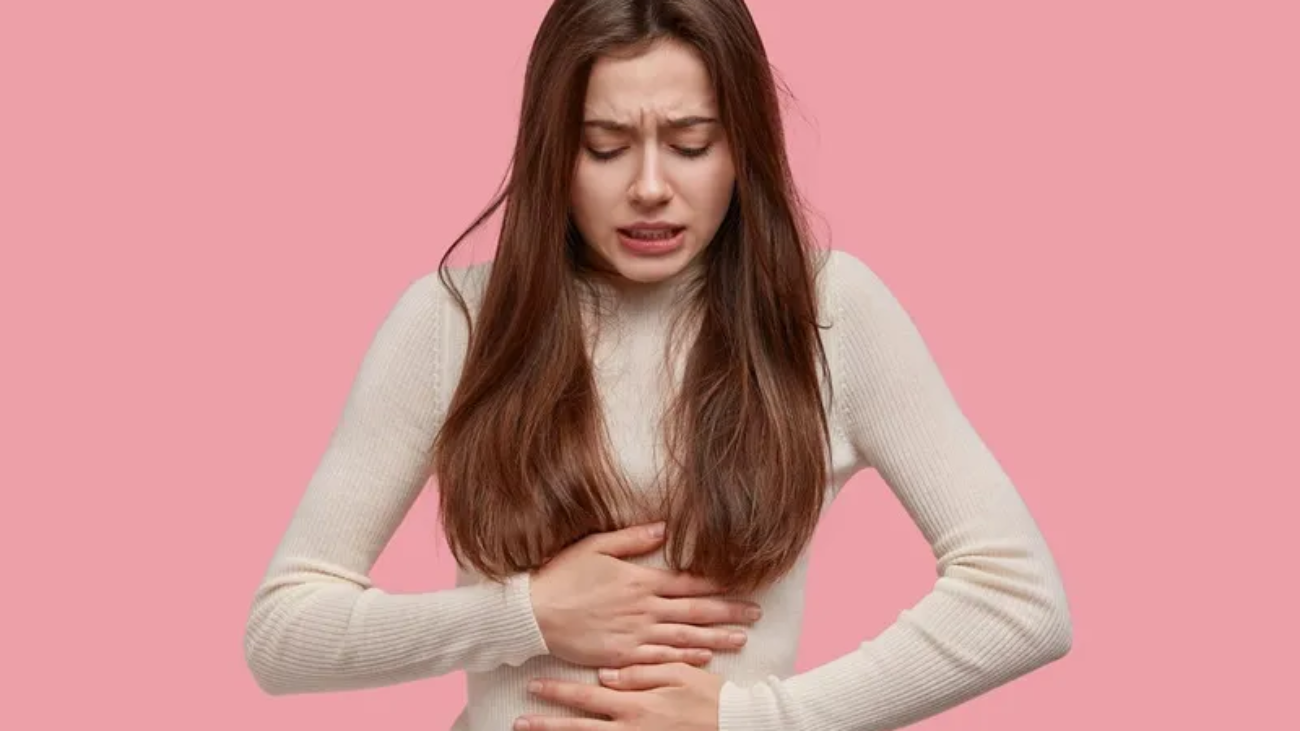
Why Periods Are Getting More Painful in Women Aged 20–35 (2026 Medical Explanation)

Why Periods Are Getting More Painful in Women Aged 20–35 (2026 Medical Explanation)

If your periods feel more painful now than they were a few years ago, you are not imagining it.

In 2026, gynecologists are observing a sharp rise in severe period pain in women aged 20–35 — even among those who previously had normal menstrual cycles.

Search data, fertility clinic consultations, and gynecology OPD trends show a measurable increase in women reporting:

  • Sudden severe menstrual cramps
  • Period pain worsening after 25
  • Painful periods despite normal scans
  • Severe period pain affecting work life

This blog explains the medical reasons behind worsening menstrual pain, conditions often missed, and when period pain is not normal.


Why Period Pain Is Increasing in Women Aged 20–35

1. Hormonal Imbalance and Estrogen Dominance

Hormonal imbalance remains one of the top causes of severe period pain in women aged 20–35.

Modern contributors include:

  • Chronic stress
  • Poor sleep cycles
  • Processed diets
  • Insulin resistance
  • Thyroid dysfunction

These increase prostaglandins — chemicals responsible for uterine contractions — leading to:

  • Intense menstrual cramps
  • Lower back pain during periods
  • Heavy bleeding with pain
  • Fatigue and nausea

2. Delayed Diagnosis of Endometriosis

Endometriosis is one of the most underdiagnosed causes of worsening menstrual pain.

Clinical literature indicates diagnosis delays averaging 6–8 years (confidence interval ~5–8 years).

Symptoms include:

  • Pain before periods begin
  • Pain during intercourse
  • Chronic pelvic pain
  • Infertility risk

Pain severity typically increases through the 20s and early 30s.


3. PCOS With Regular Periods

Polycystic Ovary Syndrome does not always cause irregular cycles.

A pain-dominant inflammatory PCOS variant exists where:

  • Periods remain regular
  • Hormonal imbalance persists
  • Period pain worsens gradually

This explains why many women experience severe period pain despite normal cycles.


4. Chronic Inflammation & Environmental Factors

Emerging reproductive health research links inflammation to worsening menstrual pain.

Key drivers:

  • Endocrine-disrupting chemicals
  • Microplastics exposure
  • Gut microbiome imbalance
  • Insulin resistance

These elevate prostaglandin levels, intensifying uterine contractions.

Second-order insight: Urban women in sedentary, high-stress professions show higher inflammatory markers correlated with dysmenorrhea severity (moderate evidence confidence ~60–75%).


5. Pelvic Floor Muscle Tension

Biomechanical factors are increasingly recognized.

Contributors include:

  • Long sitting hours
  • Weak core muscles
  • Pelvic floor tightness
  • Reduced uterine blood flow

This amplifies cramp intensity during menstruation.


When Period Pain Is NOT Normal

Seek medical evaluation if you experience:

  • Period pain worsening every year
  • Severe period pain affecting daily life
  • Vomiting or fainting during periods
  • Pain before bleeding begins
  • Pain during intercourse
  • Heavy bleeding with severe cramps

These symptoms often indicate underlying pathology rather than “normal cramps.”


Medical Conditions Linked to Severe Period Pain

Endometriosis

Endometriosis causes uterine-like tissue growth outside the uterus, triggering inflammation and severe pain.

Adenomyosis

Adenomyosis leads to painful, heavy periods due to tissue growth within the uterine wall.

PCOS

Polycystic Ovary Syndrome contributes to inflammatory menstrual cycles and hormonal pain triggers.

Fibroids

Uterine Fibroids increase uterine pressure and contractions, worsening cramps.


Why Expert Evaluation Matters

Severe period pain should never be managed with painkillers alone.

Root-cause diagnosis may include:

  • Hormonal blood testing
  • Pelvic ultrasound
  • Inflammatory markers
  • Laparoscopic evaluation

Evidence shows early diagnosis reduces long-term fertility complications and chronic pelvic pain progression.


Expert Care by Dr. Nitasha Gupta

Patients experiencing severe period pain in their 20s or 30s often require specialized fertility-gynecology evaluation.

Dr. Nitasha Gupta is a Gynecologist & IVF Specialist known for evidence-based diagnosis and fertility-preserving treatment protocols.

She practices at:

  • Kore Fertility
  • Labella Cosgyn

Her approach focuses on:

  • Root-cause diagnosis
  • Hormonal balance restoration
  • Fertility protection
  • Minimally invasive treatment

Can Painful Periods Be Treated?

Yes — most cases of severe menstrual cramps in women aged 20–35 are treatable.

Treatment options include:

  • Hormonal regulation therapy
  • Anti-inflammatory medication
  • Lifestyle correction
  • Nutritional therapy
  • Pelvic physiotherapy
  • Targeted gynecological procedures

Early treatment significantly improves quality of life and reproductive outcomes.


Internal Links


Google Business Profile

Find clinic directions, reviews, and location details here:
https://share.google/lX9OO1SbeM1TLyM6i

Optimized for local searches:

  • Gynecologist in Chandigarh

  • Period pain treatment near me

  • IVF specialist Tricity

  • Fertility clinic Chandigarh


External Medical References

For educational validation:

  • WHO Menstrual Health Guidelines
  • ACOG Dysmenorrhea Committee Opinion
  • NIH Endometriosis Research Updates

FAQs (2026)

Why are my periods more painful in my late 20s?

Hormonal imbalance, inflammation, and undiagnosed conditions like endometriosis commonly emerge in this age group.

Is severe period pain normal?

No. Severe or worsening menstrual pain is a medical warning sign requiring evaluation.

Can painful periods affect fertility?

Yes. Conditions causing severe pain — such as endometriosis or PCOS — may impact fertility if untreated.

Why are periods getting more painful with age?

Inflammation, hormonal shifts, fibroids, and adenomyosis increase with age.

Should I consult a gynecologist if scans are normal?

Yes. Many causes of severe period pain do not appear on routine ultrasound imaging.


Final Takeaway

The rise in severe period pain in women aged 20–35 is a real clinical trend in 2026.

It should never be ignored or normalized.

Early gynecological evaluation helps:

  • Reduce menstrual pain
  • Diagnose hidden conditions
  • Protect long-term fertility
  • Improve hormonal health

Book a Consultation

Dr. Nitasha Gupta
Gynecologist & IVF Specialist

Serving: Chandigarh, Panchkula, Mohali, Zirakpur & Tricity

Book Appointment → https://www.drnitashagupta.com/contact/