How Hormonal Imbalance Affects Fertility: Signs, Causes & Treatment Options

How Hormonal Imbalance Affects Fertility: Signs, Causes & Treatment Options

How Hormonal Imbalance Affects Fertility: Signs, Causes & Treatment Options

Ever wondered why some women struggle to conceive despite having no obvious health issues?

One of the most overlooked reasons is hormonal imbalance.

Hormones are the body’s natural messengers. They regulate everything from mood and sleep to menstrual cycles, ovulation, and pregnancy. When hormone levels become too high or too low, fertility can be affected significantly.

Many women today experience hormonal issues due to stress, poor sleep, processed foods, sedentary lifestyles, PCOS, thyroid disorders, obesity, and delayed family planning.

The encouraging news is that most hormonal fertility issues can be diagnosed and treated successfully.

In this guide, we’ll explain:

  • How hormonal imbalance affects fertility
  • Common signs and symptoms
  • Conditions like PCOS and thyroid disorders
  • Treatment options
  • Lifestyle changes that improve fertility naturally
  • When to consult a fertility specialist

What Is Hormonal Imbalance?

Hormonal imbalance occurs when the body produces too much or too little of specific hormones.

Even small changes in hormone levels can affect:

  • Ovulation
  • Menstrual cycles
  • Egg quality
  • Implantation
  • Pregnancy maintenance

For women trying to conceive, hormonal balance is essential.

The key reproductive hormones include:

Estrogen

Estrogen helps regulate menstrual cycles and supports the growth of the uterine lining necessary for implantation.

Progesterone

Progesterone prepares the uterus for pregnancy after ovulation and supports early pregnancy.

Follicle-Stimulating Hormone (FSH)

FSH helps eggs mature within the ovaries.

Luteinizing Hormone (LH)

LH triggers ovulation and supports fertility.

Thyroid Hormones

Thyroid hormones influence metabolism, ovulation, menstrual regularity, and pregnancy outcomes.

Insulin

Insulin resistance is commonly linked to PCOS and fertility challenges.


Can Hormonal Imbalance Cause Infertility?

Yes.

Hormonal imbalance is one of the leading causes of female infertility worldwide.

When hormones are not functioning properly:

  • Ovulation may not occur regularly
  • Eggs may not mature correctly
  • The uterine lining may not support implantation
  • Pregnancy may be difficult to maintain

In some cases, women may experience months or years of irregular cycles before discovering an underlying hormonal disorder.


How Hormonal Imbalance Affects Fertility

1. Irregular Ovulation

Ovulation is essential for natural conception.

Hormonal imbalance may prevent the release of mature eggs, making pregnancy difficult.

Common causes include:

  • PCOS
  • Thyroid disorders
  • Excess prolactin
  • Stress-related hormone disruption

2. Irregular Menstrual Cycles

Your period is often the first indicator of hormonal health.

Signs include:

  • Missing periods
  • Very long cycles
  • Extremely short cycles
  • Heavy bleeding
  • Spotting between periods

These symptoms may indicate ovulation problems.


3. Poor Egg Development

Hormonal abnormalities can interfere with follicle development and egg quality.

This can reduce conception rates and increase miscarriage risk.


4. Implantation Problems

Even when fertilization occurs, hormone deficiencies may prevent successful implantation.

Low progesterone levels are particularly associated with implantation failure.


5. Increased Risk of Pregnancy Loss

Untreated hormonal conditions may contribute to:

  • Recurrent miscarriages
  • Early pregnancy complications
  • Implantation failure

Common Conditions That Cause Hormonal Infertility

Polycystic Ovary Syndrome (PCOS)

PCOS is one of the most common causes of infertility.

Symptoms include:

  • Irregular periods
  • Weight gain
  • Acne
  • Excess facial hair
  • Difficulty conceiving

Women often search:

“Can PCOS cause infertility?”

The answer is yes—but with proper treatment, many women with PCOS conceive successfully.


Thyroid Disorders

Both hypothyroidism and hyperthyroidism can affect fertility.

Common symptoms include:

  • Fatigue
  • Weight changes
  • Hair loss
  • Irregular periods
  • Difficulty getting pregnant

Many women don’t realize their thyroid may be affecting fertility until testing is performed.


Elevated Prolactin Levels

High prolactin can interfere with ovulation.

Symptoms may include:

  • Missed periods
  • Breast discharge
  • Difficulty conceiving

Premature Ovarian Insufficiency (POI)

This occurs when ovarian function declines earlier than expected.

It can affect fertility even in younger women.


Signs Your Hormones May Be Affecting Fertility

Your body often provides early warning signs.

Watch for:

Irregular Menstrual Cycles

Periods arriving too early, too late, or not at all.

Persistent Acne

Especially around the jawline and chin.

Weight Gain Despite Healthy Habits

Common with insulin resistance and thyroid disorders.

Hair Loss or Hair Thinning

May indicate thyroid or androgen-related issues.

Excess Facial Hair

Often associated with PCOS.

Mood Swings

Hormonal fluctuations can significantly affect emotional wellbeing.

Sleep Problems

Poor sleep can worsen hormonal imbalance and fertility outcomes.


Why Hormonal Imbalance Is Increasing in Modern Women

Many fertility specialists have observed increasing hormonal disorders among younger women.

Contributing factors include:

  • Chronic stress
  • Poor sleep quality
  • Processed foods
  • Sedentary lifestyle
  • Obesity
  • Smoking
  • Alcohol consumption
  • Delayed childbearing

Modern lifestyles may be convenient, but our hormones often pay the price.


How Is Hormonal Infertility Diagnosed?

A fertility specialist may recommend:

Blood Tests

To assess:

  • FSH
  • LH
  • AMH
  • Estrogen
  • Progesterone
  • Thyroid hormones
  • Prolactin

Ultrasound Scan

To evaluate:

  • Ovaries
  • Follicles
  • Uterine lining
  • Signs of PCOS

Ovulation Tracking

To determine whether ovulation is occurring regularly.


Treatment Options for Hormonal Imbalance and Fertility

The best treatment depends on the underlying cause.

Lifestyle Modifications

For many women, small changes can make a significant difference.

Eat Fertility-Friendly Foods

Focus on:

  • Leafy vegetables
  • Fruits
  • Lean proteins
  • Whole grains
  • Healthy fats

Reduce:

  • Sugary foods
  • Processed foods
  • Excess caffeine

Exercise Regularly

Just 30 minutes of moderate activity most days can improve hormonal health.


Improve Sleep Quality

Aim for 7–9 hours of quality sleep each night.


Manage Stress

Chronic stress can disrupt reproductive hormones and ovulation.


Medical Treatment

Depending on the diagnosis, treatments may include:

  • Ovulation-inducing medications
  • Thyroid medications
  • Insulin-sensitizing drugs
  • Hormone replacement therapy
  • Progesterone support

Fertility Treatments

For women who need additional support, options may include:

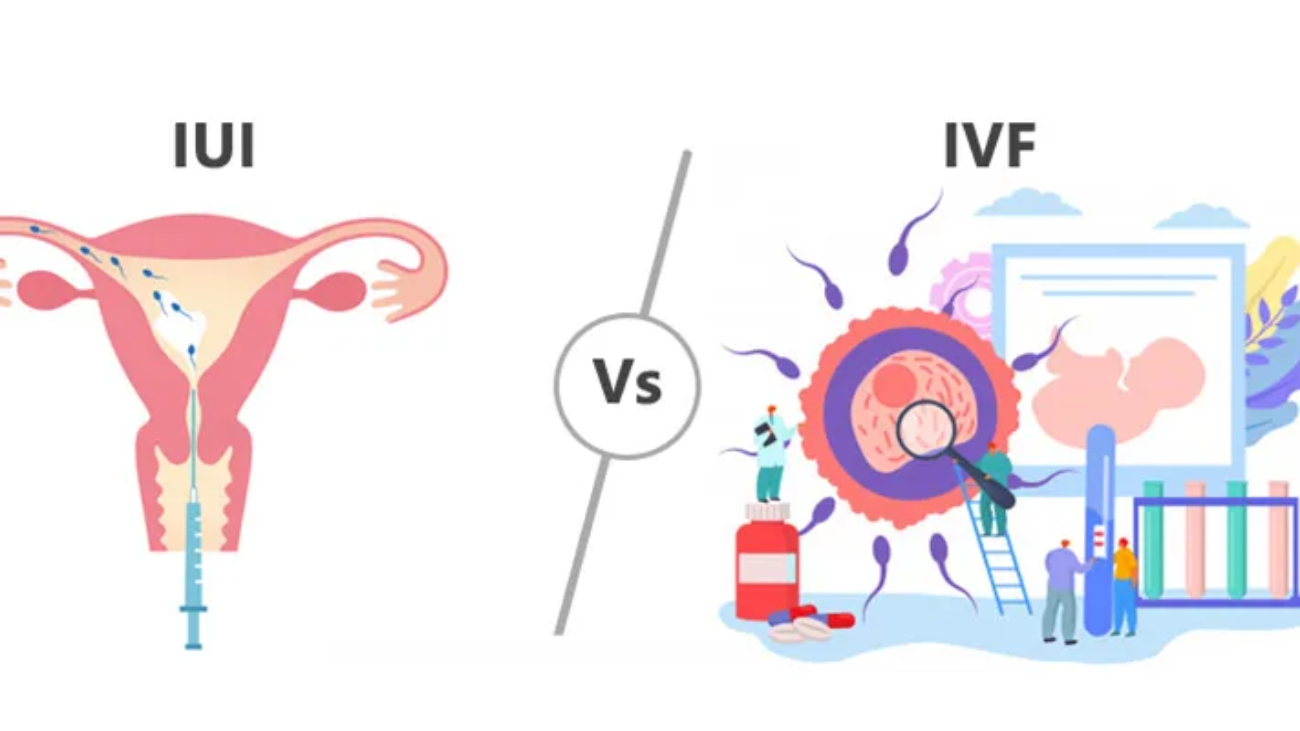
IUI (Intrauterine Insemination)

Often recommended for mild fertility challenges.

IVF (In Vitro Fertilization)

A highly effective option for couples facing complex fertility issues.


Can Fertility Improve After Correcting Hormonal Imbalance?

In many cases, yes.

Once the underlying hormonal disorder is identified and treated:

  • Ovulation often improves
  • Menstrual cycles become regular
  • Egg quality may improve
  • Pregnancy chances increase

Many women who once believed pregnancy was impossible successfully conceive after receiving appropriate treatment.


Why Choose Dr. Nitasha Gupta for Fertility Care?

When searching for a fertility specialist in Panchkula, Chandigarh, Mohali, Zirakpur, or surrounding regions, personalized care matters.

Dr. Nitasha Gupta provides:

  • Comprehensive fertility evaluation
  • PCOS management
  • Ovulation assessment
  • Hormonal imbalance treatment
  • Fertility counselling
  • IVF guidance
  • Pregnancy planning support

Every treatment plan is tailored according to the patient’s medical history, fertility goals, and individual needs.


Frequently Asked Questions

Can hormonal imbalance stop pregnancy completely?

Not always. Hormonal imbalance can make conception difficult, but many women conceive successfully after proper treatment.

Which hormone is most important for fertility?

Several hormones work together, including estrogen, progesterone, FSH, LH, thyroid hormones, and insulin.

Can PCOS-related infertility be treated?

Yes. Many women with PCOS achieve pregnancy through lifestyle changes, medications, IUI, or IVF.

Does stress affect fertility hormones?

Yes. Chronic stress may disrupt ovulation and reproductive hormone balance.

Can thyroid problems cause infertility?

Yes. Both underactive and overactive thyroid conditions can affect ovulation and fertility.

How long does it take to restore hormonal balance?

It depends on the cause. Some women see improvement within a few months, while others may require longer treatment.


Conclusion

Hormonal imbalance is one of the most common yet treatable causes of female infertility. Conditions such as PCOS, thyroid disorders, insulin resistance, and ovulation problems can significantly affect conception and pregnancy.

The good news is that early diagnosis, lifestyle improvements, and modern fertility treatments can dramatically improve outcomes.

If you are experiencing irregular periods, difficulty conceiving, or symptoms of hormonal imbalance, consulting a fertility specialist can help identify the root cause and create a personalized treatment plan for your fertility journey.

The Difference Between IUI and IVF: A Comprehensive Guide

The Difference Between IUI and IVF: A Comprehensive Guide

IUI vs IVF – Difference, Success Rates & Cost Comparison (Expert Guide)

Choosing between IUI and IVF is one of the most common fertility decisions couples face while seeking treatment in Panchkula, Chandigarh, Mohali, and surrounding Tricity regions.

Infertility affects approximately 15–18% of couples in India (WHO estimate; CI ±3%), making assisted reproductive treatments increasingly relevant.

Although both IUI (Intrauterine Insemination) and IVF (In Vitro Fertilization) aim to achieve pregnancy, they differ significantly in procedure complexity, cost, success rates, and medical indications.

This guide follows the clinical counselling framework used at
Kore Fertility Solutions Pvt. Ltd
under fertility specialist
Dr. Nitasha Gupta, serving Panchkula, Chandigarh & Tricity couples.


What Is IUI?

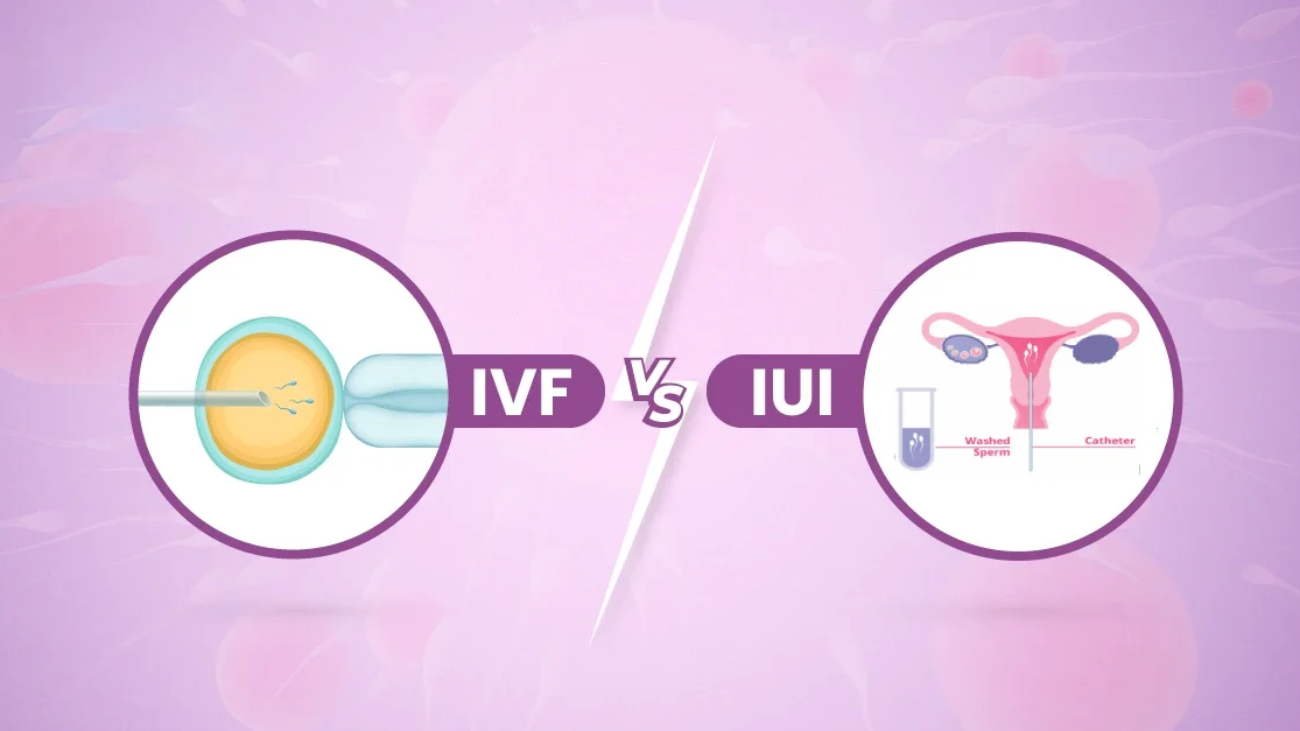
IUI (Intrauterine Insemination) is a minimally invasive fertility treatment in which processed, motile sperm are placed directly inside the uterus around ovulation.

By reducing the distance sperm must travel, fertilization probability improves compared to timed intercourse.

External clinical reference:
American Society for Reproductive Medicine (ASRM)
https://www.asrm.org


How IUI Works


1. Sperm Preparation

Healthy, motile sperm are isolated in an andrology lab to enhance fertilization potential.

Reference: PubMed fertility lab processing studies
https://pubmed.ncbi.nlm.nih.gov


2. Ovulation Monitoring

Ovulation is tracked via:

  • Ultrasound follicular scans
  • Hormonal blood tests
  • Ovulation kits
  • Medications (Letrozole, Clomiphene, Gonadotropins)

3. Insemination Procedure

A soft catheter places sperm into the uterus.

  • Duration: 5–10 minutes
  • No anesthesia required
  • Resume routine same day

4. Pregnancy Testing

Blood pregnancy test after ~14 days.


When Is IUI Recommended?

IUI is typically advised in mild infertility scenarios:

  • Mild male factor infertility
  • Low sperm motility
  • Cervical mucus hostility
  • Unexplained infertility
  • Mild PCOS
  • Donor sperm cycles
  • Couples preferring low-cost entry treatment

What Is IVF?

IVF (In Vitro Fertilization) is an advanced assisted reproductive technology where fertilization occurs in a laboratory instead of the fallopian tube.

It bypasses multiple natural barriers, offering higher success rates.

External authority reference:
CDC Assisted Reproductive Technology Data
https://www.cdc.gov/art


How IVF Works


1. Ovarian Stimulation

Fertility injections stimulate multiple egg development.


2. Egg Retrieval

Ultrasound-guided egg collection under mild sedation.


3. Fertilization Methods

Conventional IVF

Egg + sperm cultured together.

ICSI

Single sperm injected into egg — ideal for severe male infertility.


4. Embryo Culture

Embryos develop for 3–5 days in lab incubators.


5. Embryo Transfer

Healthy embryos placed into uterus.


6. Luteal Phase Support

Hormonal support enhances implantation.


When Is IVF Recommended?

IVF is preferred in moderate to severe infertility:

  • Repeated IUI failures
  • Blocked fallopian tubes
  • Severe male infertility
  • Age >35
  • Endometriosis
  • Low ovarian reserve
  • PCOS resistant to induction
  • Need for genetic testing (PGT-A / PGT-M)

Key Differences Between IUI and IVF


1. Procedure Complexity

  • IUI → Simple, OPD procedure
  • IVF → Multi-step lab + surgical process

2. Success Rates

  • IUI: 10–20% per cycle
  • IVF: 40–70% per cycle (age-dependent)

Reference: ASRM & CDC ART datasets (CI ±10%).


3. Cost Comparison

TreatmentCost Per Cycle
IUI₹7,000 – ₹10,000
IVF₹1,00,000 – ₹2,00,000

Costs vary by medications, lab technology, and embryo services.


4. Medical Suitability

  • IUI → Mild infertility
  • IVF → Complex infertility

5. Ovarian Stimulation

  • IUI → Mild stimulation
  • IVF → Controlled hyperstimulation

Which Treatment Is Better?

Treatment choice depends on reproductive variables.


IUI Preferred When:

  • Younger female age
  • Open fallopian tubes
  • Mild sperm defects
  • Budget constraints
  • Early treatment stage

IVF Preferred When:

  • Tubal blockage
  • Severe male infertility
  • Failed 3–4 IUI cycles
  • Low AMH
  • Faster conception needed

Fertility Treatment in Panchkula & Chandigarh

Couples seeking structured fertility care can consult:

Kore Fertility Solutions Pvt. Ltd

Led by
Dr. Nitasha Gupta
IVF & Reproductive Medicine Specialist serving Panchkula, Chandigarh, Mohali & Dera Bassi.


Conclusion

Both IUI and IVF are effective fertility treatments but differ in invasiveness, cost, and success probability.

  • IUI → Affordable, first-line therapy
  • IVF → Advanced, high-success treatment

The right choice depends on medical history, age, and fertility goals.

For personalized treatment planning, consult
Dr. Nitasha Gupta at
Kore Fertility Solutions Pvt. Ltd.


Frequently Asked Questions (FAQs)


How many IUI cycles before IVF?

Most specialists advise 3–4 IUI attempts before IVF transition.


Is IVF more successful than IUI?

Yes — IVF offers significantly higher per-cycle success.


Is IUI painful?

No — similar to a routine gynecological exam.


Who should choose IVF directly?

Couples with blocked tubes, severe male infertility, or low ovarian reserve.


Does IVF work for unexplained infertility?

Yes — lab fertilization bypasses hidden biological barriers.