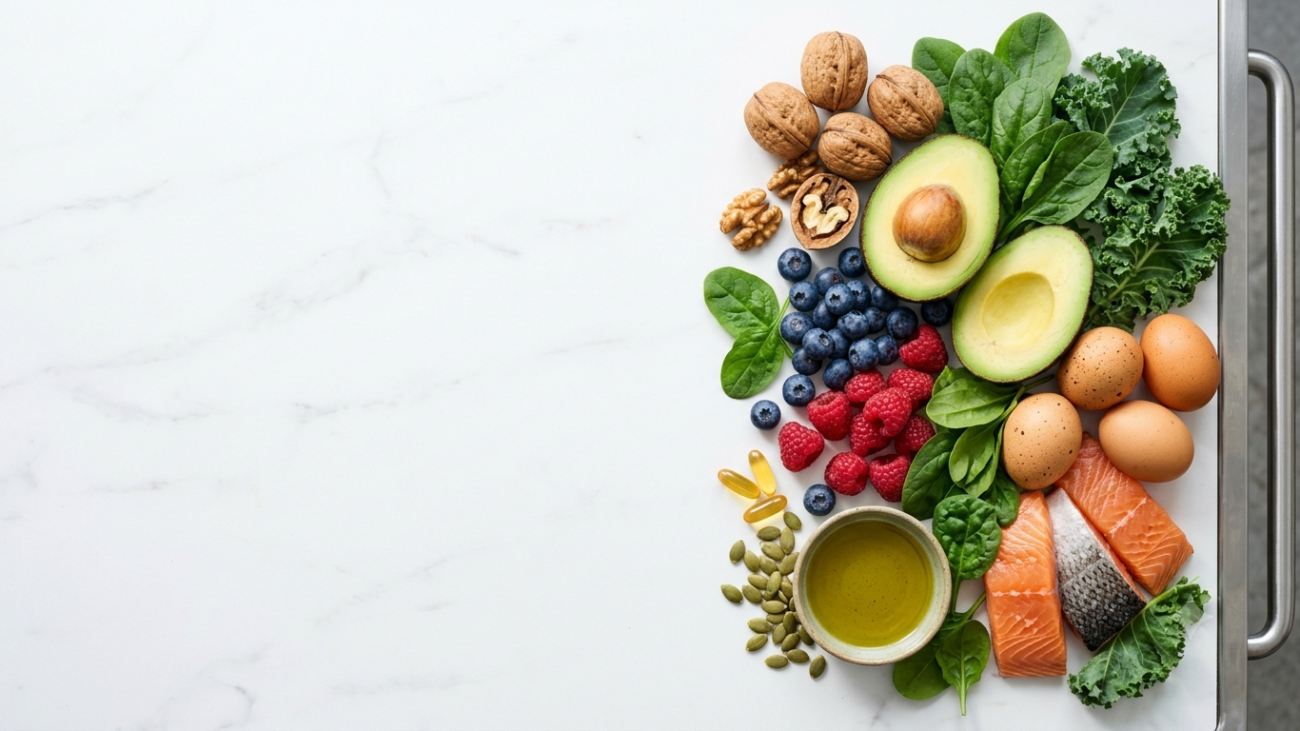
Trying to conceive can raise many questions about nutrition, reproductive health and egg quality. One common question is whether changing your diet can improve your chances of pregnancy. While no single food can guarantee conception or reverse age-related changes in egg quality, a balanced, nutrient-rich diet can help support overall health before pregnancy.
Foods that support fertility and egg quality include leafy green vegetables, berries, whole grains, nuts, seeds, legumes, eggs and other nutrient-rich foods. These provide essential nutrients such as folate, iron, protein, omega-3 fatty acids and antioxidants that contribute to normal bodily functions and preconception health.
Dr. Nitasha Gupta, Consultant Gynecologist and IVF Specialist at Kore Fertility Centre in Zirakpur, helps women and couples understand fertility concerns and explore appropriate options based on their medical history, age and reproductive health.
This guide explains which foods to include in a fertility-friendly diet, which dietary habits to limit and when to seek advice from a fertility specialist.
Quick Answer: Which Foods Support Fertility and Egg Quality?
A balanced fertility-friendly diet can include:
Leafy green vegetables such as spinach and mustard greens
Fruits such as berries, oranges and other seasonal fruits
Whole grains such as oats, whole-wheat roti and brown rice
Nuts such as almonds and walnuts
Seeds such as pumpkin, chia and flaxseeds
Legumes such as lentils, chickpeas and kidney beans
Eggs and other suitable protein sources
Low-mercury fish, if included in your diet
Dairy products or suitable fortified alternatives
Colourful vegetables such as carrots, tomatoes and broccoli
These foods help provide nutrients needed for general and reproductive health. However, no specific food has been proven to guarantee pregnancy or directly improve egg quality in every woman. Age, ovarian reserve, ovulation, medical conditions and sperm health also influence fertility.
What Is the Relationship Between Diet, Fertility and Egg Quality?
Egg quality refers to the developmental potential of an egg. It is influenced by several factors, particularly age, and cannot be assessed simply by looking at a person’s diet or eating habits.
A nutritious diet supports overall health and helps provide the nutrients needed before pregnancy. Research has explored relationships between dietary patterns and fertility, but evidence that individual foods directly improve egg quality remains limited.
A fertility-friendly eating pattern generally includes vegetables, fruits, whole grains, adequate protein and healthy fats. It should be combined with appropriate preconception care rather than used as a substitute for medical assessment.
Women experiencing irregular periods, difficulty conceiving or concerns about ovarian reserve may benefit from a fertility evaluation.
Learn more about fertility assessment and treatment options.
10 Foods That Support Fertility and Egg Quality
1. Leafy Green Vegetables
Leafy green vegetables are valuable sources of folate, a B vitamin essential for normal cell division and early fetal development.
Nutrients: Folate, fibre, vitamin K and other vitamins and minerals.
Foods to include:
Spinach
Mustard greens
Kale
Other seasonal leafy vegetables
How to eat them: Add leafy greens to dal, vegetable dishes, soups, salads or whole-wheat wraps.
Folate is especially important when planning pregnancy. Women who may become pregnant should discuss the recommended folic acid supplement with their healthcare professional. Food sources of folate do not replace recommended folic acid supplementation.
2. Berries and Other Colourful Fruits
Berries contain vitamin C, fibre and plant compounds with antioxidant properties. Other colourful fruits also provide important vitamins and minerals.
Nutrients: Vitamin C, fibre and antioxidant compounds.
Foods to include:
Strawberries
Blueberries
Oranges
Guava
Seasonal fruits
How to eat them: Add fruit to breakfast, yoghurt, oats or a snack. Whole fruit is generally preferable to fruit juice because it provides fibre and can be more filling.
Fruits contribute to a balanced diet, but eating particular fruits has not been proven to increase egg quality or guarantee conception.
3. Whole Grains
Whole grains provide fibre, B vitamins and minerals that contribute to a balanced diet.
Nutrients: Fibre, B vitamins, magnesium and complex carbohydrates.
Foods to include:
Oats
Whole-wheat roti
Brown rice
Barley
Quinoa
How to eat them: Choose oats for breakfast, whole-wheat roti with dal and vegetables, or brown rice with a protein source.
Replacing some refined grains with whole grains can improve overall dietary quality. There is no evidence that one particular grain independently increases fertility.
4. Nuts
Nuts provide unsaturated fats, protein and several essential nutrients.
Nutrients: Vitamin E, magnesium, protein, fibre and healthy fats.
Foods to include:
Almonds
Walnuts
Pistachios
Cashews
How to eat them: Enjoy a small handful as a snack or add chopped nuts to oats, yoghurt and salads.
Research on nut consumption and reproductive outcomes is still developing. Nuts can be part of a nutritious diet, but they should not be considered a treatment for infertility.
5. Seeds
Seeds offer plant-based fats, fibre and minerals in small portions.
Nutrients: Unsaturated fats, zinc, magnesium and fibre.
Foods to include:
Pumpkin seeds
Chia seeds
Flaxseeds
Sesame seeds
How to eat them: Sprinkle seeds over porridge, yoghurt or salads. Ground flaxseeds can also be mixed into meals.
Seeds contribute to dietary variety and nutrient intake, but claims that particular seeds balance hormones or improve egg quality directly are not established.
6. Eggs
Eggs provide high-quality protein and choline, which contributes to normal cell function and fetal development.
Nutrients: Protein, choline, vitamin B12 and other essential nutrients.
How to eat them: Include boiled eggs, well-cooked omelettes or scrambled eggs in balanced meals.
Eggs can be a useful protein source when preparing for pregnancy. However, eating eggs has not been proven to directly improve egg quality.
Vegetarian alternatives include dairy products, tofu, lentils and other protein-rich foods.
7. Lentils, Chickpeas and Other Legumes
Legumes are affordable sources of plant-based protein and provide folate, iron and fibre.
Foods to include:
Moong dal
Masoor dal
Chickpeas
Kidney beans
Other pulses and beans
How to eat them: Include dal with roti, chickpea salads, lentil soups or bean-based curries in your meals.
Pairing plant-based iron sources with vitamin C-rich foods, such as tomatoes or lemon, can help improve iron absorption.
Legumes are a practical part of a balanced fertility-friendly diet, particularly for people following vegetarian diets.
8. Low-Mercury Fish
Fish can provide protein and omega-3 fatty acids. Some varieties also contain vitamin D and vitamin B12.
Foods to consider: Suitable low-mercury fish, selected according to local food-safety guidance.
How to eat it: Choose properly cooked fish and combine it with vegetables and whole grains.
Women planning pregnancy should follow current guidance on fish selection and mercury exposure. If you do not eat fish, ask your healthcare professional about suitable alternative sources of omega-3 fatty acids.
Omega-3 intake supports general health, but fish consumption should not be presented as a guaranteed way to improve egg quality or pregnancy outcomes.
9. Milk, Yoghurt and Fortified Alternatives
Dairy products can provide protein and calcium. Fortified products may also supply vitamin D and other nutrients.
Foods to include:
Milk
Plain yoghurt
Pasteurised dairy products
Fortified soy drinks or other suitable alternatives
How to include them: Add milk to oats, enjoy plain yoghurt with meals or choose a fortified alternative that meets your nutritional needs.
There is no single dairy product proven to increase fertility. Choose options that suit your nutritional requirements, preferences and any medical advice you have received.
10. Colourful Vegetables
Eating a variety of vegetables helps provide fibre, vitamins, minerals and beneficial plant compounds.
Foods to include:
Carrots
Tomatoes
Bell peppers
Broccoli
Pumpkin
How to eat them: Add vegetables to curries, soups, salads, stir-fries or cooked side dishes.
A variety of vegetables can help improve overall dietary quality. The goal is to maintain a balanced eating pattern rather than rely on one vegetable as a fertility remedy.
Which Nutrients Are Important When Planning Pregnancy?
Several nutrients are important for preconception health and normal bodily functions.
| Nutrient | Food sources | Role in health |
|---|---|---|
| Folate | Leafy greens, lentils and beans | Supports normal cell division |
| Iron | Legumes, leafy greens and suitable animal foods | Supports haemoglobin production |
| Protein | Eggs, dairy, pulses, fish and tofu | Supports tissue growth and repair |
| Omega-3 fatty acids | Suitable fish, walnuts and certain seeds | Support normal cell function |
| Vitamin B12 | Dairy, eggs, fish and fortified foods | Supports nerve function and red blood cell formation |
| Vitamin D | Fortified foods, some fish and egg yolks | Supports bone health and other body functions |
| Choline | Eggs, fish, meat and some legumes | Supports normal cell function |
Nutritional requirements vary between individuals. Supplements should be selected according to established recommendations, diet, medical history and professional advice.
Taking excessive amounts of supplements is not a proven way to improve fertility and may be harmful.
What Should You Drink When Trying to Conceive?
No drink has been proven to make conception happen faster. However, suitable drinks can help you stay hydrated and meet nutritional needs.
Consider:
Water for hydration
Milk for protein and calcium
Unsweetened fortified soy drinks, where appropriate
Smoothies made with whole fruits and yoghurt or milk
Limit sugary drinks and avoid relying on detox drinks, fertility teas or unverified herbal products marketed as conception boosters.
Alcohol should be avoided when pregnant or trying to conceive. Discuss caffeine intake with your healthcare professional, particularly when planning pregnancy.
Which Foods and Habits Should You Limit When Trying to Conceive?
A balanced approach is more useful than following a restrictive fertility diet.
Consider these steps:
Limit excess added sugar: Choose water and balanced meals more often than sugary drinks and heavily sweetened snacks.
Reduce highly processed foods: Focus on a varied eating pattern that includes vegetables, fruits, whole grains and protein.
Avoid alcohol: This is particularly important when trying to conceive and during pregnancy.
Follow food-safety guidance: Choose properly cooked foods and pasteurised products as appropriate.
Be cautious with supplements: Do not use fertility supplements or herbal remedies without professional advice.
Avoid extreme dieting: Inadequate energy intake or significant nutritional deficiencies can affect general and reproductive health.
There is no single forbidden food list that applies to every woman trying to conceive. Individual dietary needs may differ based on health conditions, allergies, cultural preferences and medical advice.
Can Diet Improve Egg Quality Before IVF?
Nutrition is one part of preparing for fertility treatment, but it cannot guarantee better eggs, embryos or IVF outcomes.
Before IVF, a fertility specialist may consider age, ovarian reserve, hormone results, previous treatment history, sperm health and other medical factors when planning treatment.
A balanced diet can help support general health during treatment preparation. The need for supplements or correction of nutritional deficiencies should be assessed individually.
For more information, read our guide to IVF treatment in Chandigarh.
Women concerned about low ovarian reserve can also explore low AMH treatment and fertility assessment.
When Should You Consult a Fertility Specialist?
Dietary changes alone may not address the underlying cause of difficulty conceiving. Consider seeking medical advice if:
You have been trying to conceive for 12 months and are under 35.
You are 35 or older and have been trying for six months without pregnancy.
You have irregular or absent periods.
You have known conditions such as PCOS or endometriosis.
You have experienced recurrent pregnancy loss.
You have concerns about ovarian reserve or have received an abnormal fertility test result.
You or your partner have a known reproductive health concern.
Women over 40 or those with known fertility conditions may benefit from seeking advice sooner rather than waiting.
A fertility evaluation may include a review of medical history, menstrual cycles, ovulation, relevant blood tests, ultrasound and assessment of sperm health where appropriate.
Learn more about PCOS treatment and fertility care.
Fertility and Women’s Healthcare with Dr. Nitasha Gupta
Dr. Nitasha Gupta is a Consultant Gynecologist and IVF Specialist associated with Kore Fertility Centre in Zirakpur. She provides fertility evaluation, IVF, IUI, ICSI, PCOS management and comprehensive women’s healthcare.
Patients from Zirakpur, Chandigarh, Mohali, Panchkula and nearby areas can seek consultation to discuss fertility concerns, review relevant investigations and understand suitable care options.
If you are concerned about egg quality, irregular ovulation, low AMH or difficulty conceiving, a personalised medical assessment can help identify the next steps.
Book a consultation: Contact Dr. Nitasha Gupta.
Frequently Asked Questions About Foods That Support Fertility and Egg Quality
1. Which foods are best for female fertility?
Leafy green vegetables, fruits, whole grains, nuts, seeds, legumes, eggs and suitable protein sources can help provide nutrients needed for general and reproductive health. No single food is proven to guarantee conception or directly improve egg quality.
2. Can food improve egg quality naturally?
A balanced diet supports overall health and preconception nutrition. However, no specific food or diet has been established as a reliable way to improve egg quality directly. Age and underlying reproductive conditions remain important factors.
3. Which fruits are good when trying to conceive?
Berries, oranges, guava and other whole fruits provide vitamins, fibre and beneficial plant compounds. They can be included in a balanced diet but should not be considered fertility treatments.
4. What should I eat to improve egg quality before IVF?
Include a variety of vegetables, fruits, whole grains, protein sources and healthy fats. Discuss folic acid, other supplements and any nutritional deficiencies with your fertility specialist before starting IVF.
5. Can nuts and seeds increase fertility?
Nuts and seeds provide unsaturated fats, protein, fibre and minerals. They are nutritious additions to a balanced diet, but evidence that they independently increase female fertility or improve egg quality is limited.
6. Does PCOS affect fertility, and can diet help?
PCOS can affect ovulation and menstrual regularity. A balanced diet and appropriate lifestyle measures can support general and metabolic health, but some women also require medical treatment to manage symptoms or achieve pregnancy.
7. What should I avoid eating when trying to conceive?
Avoid alcohol when trying to conceive, follow food-safety recommendations and limit excessive added sugar and heavily processed foods. Avoid unverified fertility supplements and seek individual guidance if you have specific dietary or medical needs.
8. Can I get pregnant with low AMH?
Low AMH is associated with reduced ovarian reserve, but it does not automatically mean pregnancy is impossible. The appropriate next steps depend on age, medical history, other test results and fertility goals.
9. When should I visit a fertility specialist?
Generally, seek evaluation after 12 months of trying if you are under 35, or after six months if you are 35 or older. Seek advice earlier if you have irregular periods, known reproductive conditions or other fertility concerns.
10. Where can I consult a fertility specialist near Chandigarh?
Dr. Nitasha Gupta provides fertility and gynecological consultations through Kore Fertility Centre in Zirakpur, serving patients from Chandigarh, Mohali, Panchkula and nearby areas. Contact the clinic to confirm appointment availability and consultation details.
Medical References
Gaskins AJ, Chavarro JE. Diet and Fertility: A Review. American Journal of Obstetrics and Gynecology. 2018;218(4):379–389. Read the research review.
American Society for Reproductive Medicine. Optimizing Natural Fertility: A Committee Opinion. Read the ASRM guidance.
American College of Obstetricians and Gynecologists. Good Health Before Pregnancy: Prepregnancy Care. Read the ACOG guidance.
Medical disclaimer: This article is for educational purposes only and does not replace individual medical advice, diagnosis or treatment. Fertility concerns should be assessed by a qualified healthcare professional.