Umbilical Hernia: Symptoms, Causes, Treatment & Recovery Guide
Have you noticed a soft bulge or swelling near your belly button that becomes more noticeable when you cough, laugh, cry, strain, or lift something heavy? It could be an umbilical hernia.
While the term may sound alarming, an umbilical hernia is a common condition that affects both children and adults. Many cases are harmless initially, but some may require medical treatment or surgery to prevent complications.
This guide explains everything you need to know about umbilical hernia symptoms, causes, treatment options, recovery, and when to seek medical attention.
What Is an Umbilical Hernia?
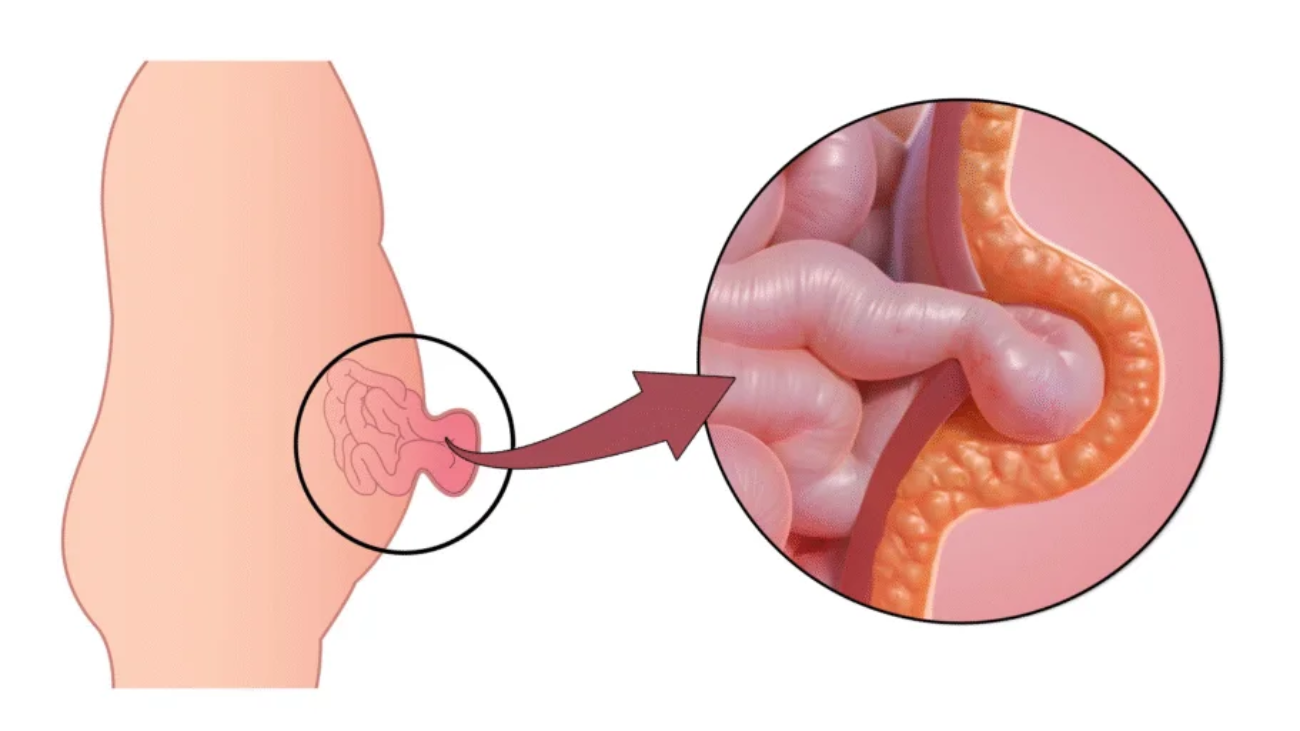
An umbilical hernia occurs when part of the intestine, fatty tissue, or abdominal contents push through a weak spot in the abdominal muscles near the belly button (umbilicus).
Before birth, the umbilical cord passes through a small opening in the baby’s abdominal wall. Normally, this opening closes shortly after birth. When it doesn’t close completely, an umbilical hernia can develop.
Although commonly seen in infants, umbilical hernias can also occur in adults due to increased pressure inside the abdomen.
How Common Are Umbilical Hernias?
Umbilical hernias are among the most common hernias seen in children.
Many infant hernias close naturally during early childhood. However, adult umbilical hernias usually do not heal on their own and often require surgical repair.
Women, especially those who have had multiple pregnancies, are more likely to develop adult umbilical hernias.
Umbilical Hernia Symptoms in Adults
Symptoms can vary from mild discomfort to significant pain depending on the size of the hernia and whether complications develop.
Visible Bulge Near the Belly Button
The most noticeable sign is a soft swelling or lump around the navel.
The bulge often becomes larger when:
- Coughing
- Sneezing
- Straining during bowel movements
- Standing for long periods
- Lifting heavy objects
It may become smaller or disappear when lying down.
Pain or Discomfort Around the Navel
Many adults experience:
- Mild aching
- Pulling sensation
- Discomfort during physical activity
- Pain while bending or lifting
Feeling of Pressure in the Abdomen
Some patients describe a sensation of heaviness or pressure around the belly button, particularly after meals or prolonged standing.
Soft Lump That Can Be Pushed Back
In many uncomplicated cases, the bulge can be gently pushed back into the abdomen.
This is known as a reducible hernia.
Umbilical Hernia Symptoms in Children
Children often have fewer symptoms than adults.
Common signs include:
- Soft bulge near the belly button
- Bulge becoming visible during crying
- Swelling while coughing
- Lump disappearing when relaxed
Most infant umbilical hernias are painless.
Umbilical Hernia Symptoms in Females
Women are at increased risk because pregnancy places additional pressure on the abdominal wall.
Symptoms may include:
- Bulging around the belly button
- Pain during pregnancy
- Discomfort after childbirth
- Feeling of abdominal pressure
Women often first notice symptoms during or after pregnancy.
Umbilical Hernia Symptoms in Males
Men typically experience symptoms related to physical exertion.
Common symptoms include:
- Belly button bulge
- Pain after lifting heavy weights
- Discomfort during exercise
- Pressure while standing for long periods
Occupations involving manual labour may increase risk.
What Causes an Umbilical Hernia?
An umbilical hernia develops when abdominal pressure pushes tissue through a weak area of the abdominal wall.
Several factors can contribute to this condition.
Causes in Infants
During fetal development, the umbilical cord passes through an opening in the abdominal muscles.
If this opening does not close completely after birth, a hernia can develop.
Risk factors include:
- Premature birth
- Low birth weight
- Family history of hernias
Causes of Umbilical Hernia in Adults
Obesity
Excess body weight places continuous pressure on the abdominal muscles.
Multiple Pregnancies
Repeated stretching of abdominal tissues weakens muscle support around the navel.
Ascites (Abdominal Fluid Accumulation)
Fluid buildup associated with liver disease or other conditions increases abdominal pressure.
Previous Abdominal Surgery
Surgical scars may weaken the abdominal wall and contribute to hernia formation.
Chronic Coughing
Persistent coughing from conditions such as COPD, asthma, or smoking-related lung disease repeatedly strains abdominal muscles.
Heavy Lifting
Frequent lifting without proper technique can increase abdominal pressure and trigger hernia development.
Chronic Constipation
Repeated straining during bowel movements is a significant contributor to hernias.
Who Is at Risk for Umbilical Hernia?
You may be at greater risk if you:
- Are overweight or obese
- Have had multiple pregnancies
- Frequently lift heavy objects
- Have chronic constipation
- Have persistent coughing
- Have abdominal fluid accumulation
- Were born prematurely
- Have a family history of hernias
When Is an Umbilical Hernia an Emergency?
Although most umbilical hernias are not dangerous initially, certain symptoms require immediate medical attention.
Seek emergency care if:
- The bulge becomes painful
- The lump cannot be pushed back
- The skin turns red, purple, or dark
- Severe abdominal pain develops suddenly
- Nausea or vomiting occurs
- The area becomes hard or warm
These symptoms may indicate incarceration or strangulation of the hernia, which requires urgent treatment.
Complications of Umbilical Hernia
In Children
Most childhood umbilical hernias close naturally before the age of 4-5 years.
Complications are uncommon but can occur in rare cases.
In Adults
Untreated hernias may enlarge over time and lead to:
- Chronic pain
- Bowel obstruction
- Incarcerated hernia
- Strangulated hernia
- Emergency surgery
How Is an Umbilical Hernia Diagnosed?
Diagnosis typically involves:
Medical History
Your doctor will review symptoms and risk factors.
Physical Examination
The hernia can often be diagnosed by examining the bulge.
Imaging Tests
If needed, imaging studies may include:
- Ultrasound
- CT scan
- MRI scan
These tests help assess hernia size and complications.
Treatment for Umbilical Hernia
Treatment depends on age, symptoms, and hernia size.
Observation in Children
Many pediatric umbilical hernias close naturally.
Doctors may simply monitor the condition until the child reaches 4-5 years of age.
Umbilical Hernia Surgery in Adults
Adult umbilical hernias usually require surgery because they rarely heal on their own.
The goal is to:
- Return protruding tissue to its proper position
- Repair the abdominal wall defect
- Prevent recurrence
Open Umbilical Hernia Repair
A small incision is made near the belly button.
The hernia contents are returned to the abdomen, and the defect is repaired using stitches or mesh.
Laparoscopic Umbilical Hernia Surgery
Laparoscopic surgery uses small incisions and a camera-guided approach.
Benefits include:
- Smaller scars
- Less pain
- Faster recovery
- Reduced hospital stay
- Earlier return to daily activities
Recovery After Umbilical Hernia Surgery
Recovery varies depending on the surgical method and individual health.
Most patients can:
- Walk within hours after surgery
- Resume light activities within a few days
- Return to work within 1-2 weeks
- Resume strenuous exercise after medical clearance
Following your surgeon’s instructions is important for preventing recurrence.
How Can You Prevent an Umbilical Hernia?
Although not all hernias can be prevented, you can reduce your risk by:
- Maintaining a healthy weight
- Treating chronic constipation
- Using proper lifting techniques
- Exercising regularly
- Managing chronic cough
- Avoiding excessive abdominal strain
Frequently Asked Questions
Can an umbilical hernia go away without surgery?
In infants, many umbilical hernias close naturally. In adults, they usually do not heal on their own and often require surgery.
Is an umbilical hernia dangerous?
Most are not dangerous initially. However, complications such as incarceration or strangulation can become serious if untreated.
Is laparoscopic umbilical hernia surgery safe?
Yes. Laparoscopic repair is a safe and commonly performed procedure with excellent success rates and faster recovery.
How long does umbilical hernia surgery take?
Most procedures take approximately 30 to 60 minutes, depending on the size and complexity of the hernia.
Can I exercise with an umbilical hernia?
Light activities may be possible, but heavy lifting and strenuous exercise can worsen the condition. Consult your surgeon before continuing physical activities.
Conclusion
An umbilical hernia is a common condition that can affect both children and adults. While many childhood cases resolve naturally, adult umbilical hernias typically require surgical repair to prevent complications.
If you notice a bulge near your belly button, persistent discomfort, or increasing abdominal pressure, early evaluation is important. Timely diagnosis and treatment can help prevent future complications and ensure a smoother recovery.
Seeking medical advice early is always better than waiting for symptoms to worsen.