Trying to conceive but not getting the expected results can raise many questions. How long should you wait before seeking help? Which fertility tests are necessary? And when might IVF be an appropriate treatment option?
For couples exploring an IVF consultation in Chandigarh, understanding the available fertility investigations and treatment options is an important first step. The right approach depends on factors such as age, reproductive history, the duration of infertility and the underlying cause of difficulty conceiving.
Dr. Nitasha Gupta provides fertility and women’s healthcare services from her listed clinic in Dhakoli, Zirakpur, serving patients enquiring about fertility care across the surrounding Tricity region, including Chandigarh, Mohali and Panchkula.
This guide explains when couples may consider IVF, which tests are commonly recommended before treatment, what influences IVF costs and what to expect during an initial fertility consultation.
What Is an IVF Consultation?
An IVF consultation is an appointment in which a fertility specialist reviews your reproductive health, medical history and previous attempts to conceive to determine which investigations or treatment options may be appropriate.

IVF, or in vitro fertilisation, is a fertility treatment in which eggs are retrieved from the ovaries and fertilised with sperm in a laboratory. An embryo may subsequently be transferred into the uterus.
An IVF consultation does not mean that you must immediately begin treatment. It helps establish whether IVF is suitable for your circumstances or whether another approach should be considered first.
During the consultation, your doctor may discuss:
How long you have been trying to conceive.
Your age, menstrual cycle and reproductive history.
Previous pregnancies or fertility treatments.
Existing medical conditions and relevant medications.
Previous ultrasound reports and fertility investigations.
Possible treatment options, their limitations and associated costs.
The aim is to develop an individualised evaluation and treatment plan rather than recommend the same procedure to every couple.
When Should Couples Consider IVF Treatment?
Not every couple experiencing difficulty conceiving needs IVF. However, certain circumstances may make an IVF consultation particularly useful.
1. You Have Been Trying to Conceive Without Success
The length of time you have been trying to conceive is one factor doctors consider when recommending a fertility evaluation.
General clinical guidance suggests:
Under 35 years: Consider a fertility evaluation after 12 months of regular, unprotected intercourse without conception.
Age 35–40 years: Seek an evaluation after six months of trying without conception.
Over 40 years: Consider prompt medical assessment rather than waiting several months.
These are general guidelines for seeking evaluation, not automatic criteria for IVF. Your doctor will assess the likely cause of infertility before discussing treatment.
If you have irregular or absent periods, known reproductive conditions or a suspected male fertility problem, an earlier evaluation may be appropriate regardless of age.
2. There May Be a Problem With the Fallopian Tubes
The fallopian tubes help transport the egg and provide the usual location for fertilisation. Blocked or significantly damaged tubes can interfere with natural conception.
IVF may be considered in certain cases because fertilisation takes place outside the body, bypassing the need for the egg and sperm to meet within the fallopian tube.
The appropriate approach depends on the type and severity of the tubal problem, other fertility factors and the individual’s medical history.
3. Male Fertility Factors Have Been Identified
Difficulty conceiving can involve male factors, female factors or a combination of both.
Semen analysis is commonly used as an initial investigation of male fertility. Depending on the findings, additional evaluation may be recommended.
IVF, sometimes combined with intracytoplasmic sperm injection (ICSI), may be considered in selected cases. ICSI involves injecting a single sperm into an egg in a laboratory.
The choice between IVF, IVF with ICSI and other options depends on the clinical findings. ICSI is not automatically necessary for every couple undergoing IVF.
4. Other Fertility Treatments Have Not Been Successful
Some couples may be advised to consider IVF after other appropriate treatments have not resulted in pregnancy.
The decision depends on the diagnosis, age, duration of infertility, previous treatment outcomes and individual preferences.
For example, some patients may benefit from ovulation-related treatment, while others may have conditions for which IVF is a more appropriate option.
A fertility specialist can review previous investigations and treatments to determine whether further attempts with another approach or proceeding to IVF would be reasonable.
5. Certain Reproductive Conditions Require Specialist Assessment
Conditions such as endometriosis, some ovarian disorders and other reproductive health concerns may affect fertility.
The presence of a diagnosis does not automatically mean IVF is required. The recommended approach depends on the severity of the condition, age, ovarian reserve where relevant and other factors affecting conception.
Early evaluation can help couples understand which treatment options are medically appropriate.
What Tests May Be Needed Before IVF?
There is no single fixed set of investigations required for every person considering IVF. Your fertility specialist will select tests according to your medical history, examination and previous reports.

Female Fertility Evaluation
Depending on the circumstances, investigations may include:
Hormone testing: Selected blood tests may help assess thyroid function, ovulation or other reproductive factors when indicated.
AMH testing: Anti-Müllerian hormone can provide information about ovarian reserve, particularly when planning fertility treatment.
Pelvic ultrasound: This may help assess the uterus and ovaries.
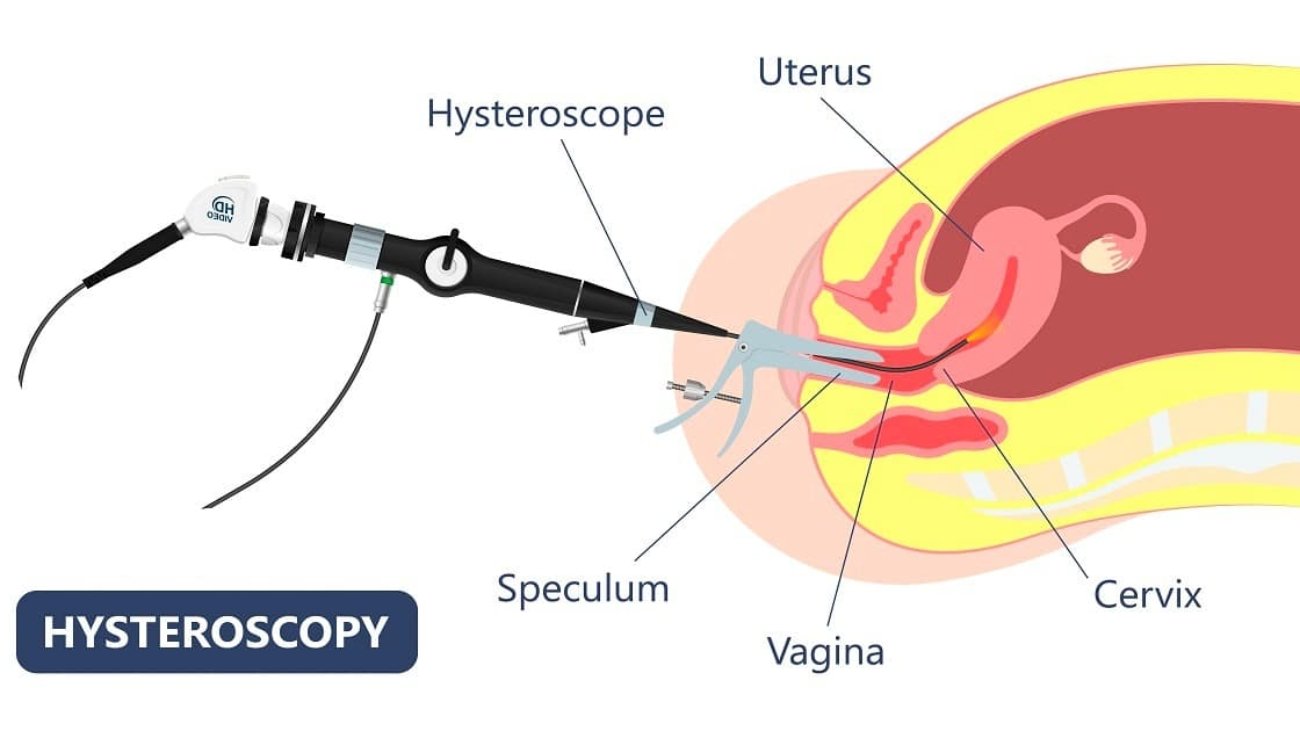
Additional uterine or tubal investigations: Tests may be recommended when the medical history or initial findings suggest they are necessary.
Other pre-treatment investigations: Your doctor may recommend additional tests based on your health and the clinic’s treatment protocol.
Not every patient needs every test. The timing of certain investigations can also matter, so follow your doctor’s instructions.
Male Fertility Evaluation
Male fertility assessment commonly includes semen analysis, which evaluates parameters such as sperm concentration, movement and shape.
Additional tests may be considered if the initial findings or medical history indicate a need for further assessment.
Evaluating both partners where appropriate can help identify contributing factors and avoid unnecessary delays in deciding on treatment.
Is an AMH Test Enough to Decide Whether You Need IVF?
No. AMH provides information about ovarian reserve, but it cannot independently determine whether natural conception is possible or predict an individual’s exact chance of pregnancy.
Age, reproductive history, ultrasound findings and other clinical factors also matter.
An AMH result should therefore be interpreted by a qualified healthcare professional rather than used alone to decide whether IVF is necessary.
Does Everyone Experiencing Infertility Need IVF?
No. IVF is one of several available fertility treatments, and it is not the appropriate first step for every patient.
Depending on the cause of infertility, alternatives may include:
Timed intercourse based on the clinical assessment.
Treatment for certain ovulation-related problems.
Medication for an identified underlying condition.
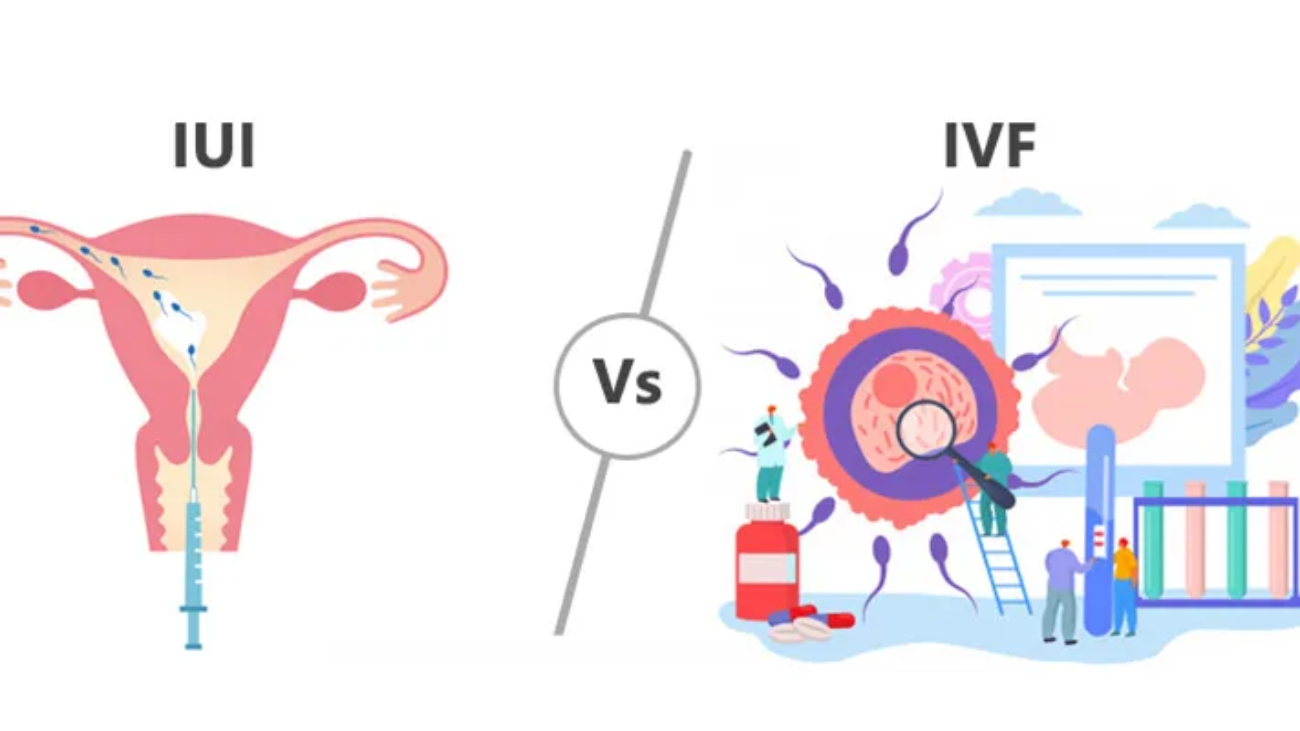
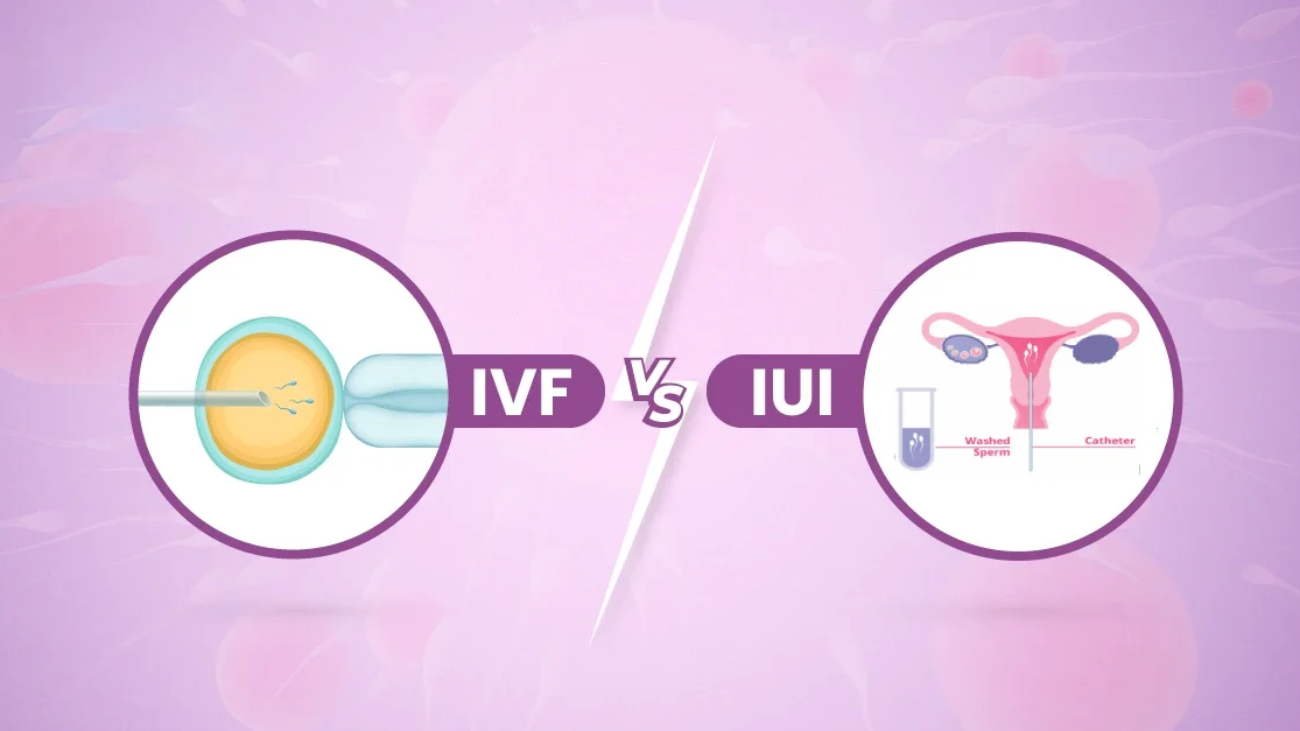
Intrauterine insemination (IUI) in selected cases.
Further investigation before choosing a treatment.
IVF may be recommended when the diagnosis, previous treatment outcomes or other clinical considerations support its use.
The important question is not simply whether IVF is available, but whether it is an appropriate option for your specific circumstances.
For a broader explanation of the differences between these approaches, read the existing guide on IVF vs IUI treatment in Chandigarh.
What Affects IVF Treatment Cost in Chandigarh?
The cost of IVF varies between patients and clinics. An accurate estimate depends on the proposed treatment plan and the services included in the quoted price.
Factors that may influence the total cost include:
Initial consultation and fertility investigations.
Ultrasound monitoring and blood tests.
Fertility medications and ovarian stimulation.
Egg retrieval and laboratory procedures.
Embryo culture and transfer.
Additional procedures when medically indicated.
Frozen embryo storage or a future frozen embryo transfer, where applicable.
Further consultations and follow-up care.
Not every patient requires the same procedures, medications or number of treatment cycles. Additional services may also be billed separately.
How Can You Understand the Total IVF Cost?
Before starting treatment, ask the clinic for an itemised estimate that explains which investigations, medicines and procedures are included.
You may also wish to ask about costs that could arise if the treatment plan changes, additional procedures become necessary or a further cycle is recommended.
For more information, visit the dedicated guide to IVF Cost in Chandigarh.
What Is the IVF Success Rate?
IVF success depends on several factors, including age, the cause of infertility, reproductive history, embryo-related factors and the treatment approach.
It is important to understand what a quoted success rate actually measures. A pregnancy rate per embryo transfer is not the same as a live birth rate per treatment cycle started.
Results can also differ depending on the patient population and the clinic’s reporting methods. For this reason, a general percentage should not be treated as a personalised prediction.
During an IVF consultation, ask your doctor which outcome measure is being discussed and how your individual circumstances may influence the expected results.
You can also read the existing guide on IVF Success Rate in Chandigarh.
IVF Consultation in Chandigarh, Near Zirakpur and Panchkula
Patients looking for fertility care in Chandigarh, Zirakpur, Dhakoli, Mohali or Panchkula may want to understand their options before deciding where to seek a consultation.
Dr. Nitasha Gupta’s listed clinic is located in Dhakoli, Zirakpur, Punjab. Patients considering an appointment can contact the clinic to confirm availability, location details and the services offered.
Depending on your concerns, the following resources may also be helpful:
These pages provide further information about fertility services and the doctor. Treatment recommendations should always follow an individual medical evaluation.
How to Prepare for Your First IVF Consultation
Preparing a few details before your appointment can help make the consultation more useful.
Bring Your Previous Medical Reports
Carry any relevant blood tests, ultrasound reports, semen analysis results and records of previous fertility treatments.
Note Your Menstrual and Reproductive History
Be prepared to explain your menstrual cycle pattern, how long you have been trying to conceive and whether you have had previous pregnancies.
Prepare Questions About Treatment
Consider asking which tests you need, what the possible treatment options are, how much treatment may cost and what the next steps would be.
Discuss Existing Conditions and Medicines
Inform your doctor about relevant medical conditions, previous surgeries and medications or supplements you take.
You do not need to complete every possible fertility test before your first appointment. Your consultation can help determine which investigations are appropriate.
Book a Fertility Consultation With Dr. Nitasha Gupta
If you have been trying to conceive without success or have concerns about your reproductive health, a fertility consultation can help you understand the investigations and treatment options that may be suitable for you.
Dr. Nitasha Gupta provides fertility and women’s healthcare services from her listed clinic in Dhakoli, Zirakpur, serving patients enquiring about fertility care across the surrounding region.
Clinic location: SCO 35, Shri Balaji Complex, Dhakoli, Zirakpur, Punjab – 160104.
To enquire about an appointment, consultation charges or available services, visit the Contact page.
An IVF consultation is an opportunity to understand your options. It does not mean you must proceed with IVF, and the appropriate treatment should be decided with a qualified healthcare professional after reviewing your individual circumstances.
Frequently Asked Questions About IVF Consultation in Chandigarh
1. When should a couple consult an IVF specialist?
Couples are generally advised to seek fertility evaluation after 12 months of trying if the woman is under 35, after six months if she is 35–40, or promptly if she is over 40. Known fertility problems may warrant earlier assessment. These timelines do not automatically mean IVF is necessary.
2. Can I consider IVF after the age of 35?
Yes. IVF may be considered after 35 depending on the cause of infertility, reproductive history and other clinical factors. Age can influence fertility and treatment outcomes, so an individual assessment is important.
3. What tests are required before IVF?
Investigations may include selected hormone tests, ultrasound, assessment of the uterus or fallopian tubes where indicated, and semen analysis. The exact tests depend on your medical history and the treatment plan.
4. Is IVF always necessary if I cannot get pregnant naturally?
No. Some couples may benefit from other treatments or further investigation. IVF is recommended when the clinical findings support it, not simply because conception has been delayed.
5. How much does IVF cost in Chandigarh?
The total cost depends on investigations, medicines, laboratory procedures and the individual treatment plan. Contact the clinic for current charges and request an itemised estimate before starting treatment.
6. Does male fertility affect IVF treatment?
Yes. Male fertility factors can influence treatment planning. Semen analysis is commonly used to assess sperm-related parameters, and further investigations may be recommended if necessary.
7. Is AMH testing compulsory before IVF?
AMH testing may be recommended to help assess ovarian reserve and plan treatment, but the need for testing should be determined by the fertility specialist. AMH alone cannot determine whether a person can conceive naturally.
8. Can patients from Panchkula or Mohali consult Dr. Nitasha Gupta?
Patients from nearby areas can contact the clinic in Dhakoli, Zirakpur, to enquire about appointments and available fertility services. Confirm the location and appointment details before travelling.
9. Does an IVF consultation mean I must start treatment immediately?
No. The consultation helps review your circumstances, discuss possible investigations and explain available options. You can discuss the benefits, limitations, costs and next steps with your doctor before making a treatment decision.
10. How can I prepare for my first fertility consultation?
Bring relevant medical reports, details of previous fertility treatment, a list of medications and information about your menstrual cycle and attempts to conceive. Ask the clinic whether any tests require advance preparation.
Medical Disclaimer
This article is intended for general educational purposes and does not replace professional medical advice, diagnosis or treatment. IVF suitability, investigations and treatment decisions should be determined by a qualified healthcare professional after an individual assessment.