Kegel Exercises vs HIFEM Technology: Which Works Better?
Pelvic floor weakness is one of the most common women’s health concerns today, yet many women silently struggle with symptoms like urine leakage, pelvic heaviness, loss of bladder control, discomfort during intimacy, and weak core support after pregnancy.
Women searching for the best gynecologist for pelvic floor treatment often ask whether Kegel exercises are enough or whether advanced HIFEM technology offers better and faster results.
At Kore Fertility Centre, Dr. Nitasha Gupta helps women with advanced women’s wellness, pelvic floor strengthening, postpartum recovery, cosmetic gynecology, urinary incontinence treatment, and non-surgical intimate wellness treatments.
This detailed guide explains the difference between Kegel exercises and HIFEM technology, which treatment works better, who benefits the most, and how women can improve pelvic floor health naturally and medically.
What is the Pelvic Floor?
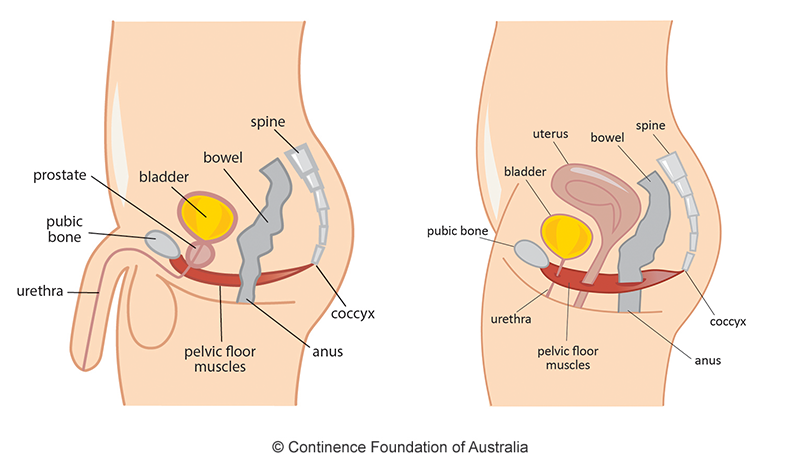
The pelvic floor is a group of muscles located at the base of the pelvis. These muscles support:
- bladder
- uterus
- bowel
- reproductive organs
- core strength
- intimate wellness
Strong pelvic floor muscles help women maintain bladder control, reproductive health, sexual wellness, and post-pregnancy recovery.
However, pregnancy, childbirth, hormonal changes, ageing, obesity, menopause, chronic coughing, and lifestyle factors can weaken these muscles over time.
Women with weak pelvic floor muscles may experience:
- urine leakage while coughing or sneezing
- stress urinary incontinence
- pelvic heaviness
- weak bladder control
- painful intimacy
- postpartum weakness
- reduced intimate sensation
- pelvic organ prolapse
- lower back discomfort
Both Kegel exercises and HIFEM technology aim to strengthen these muscles, but they work very differently.
What Are Kegel Exercises?
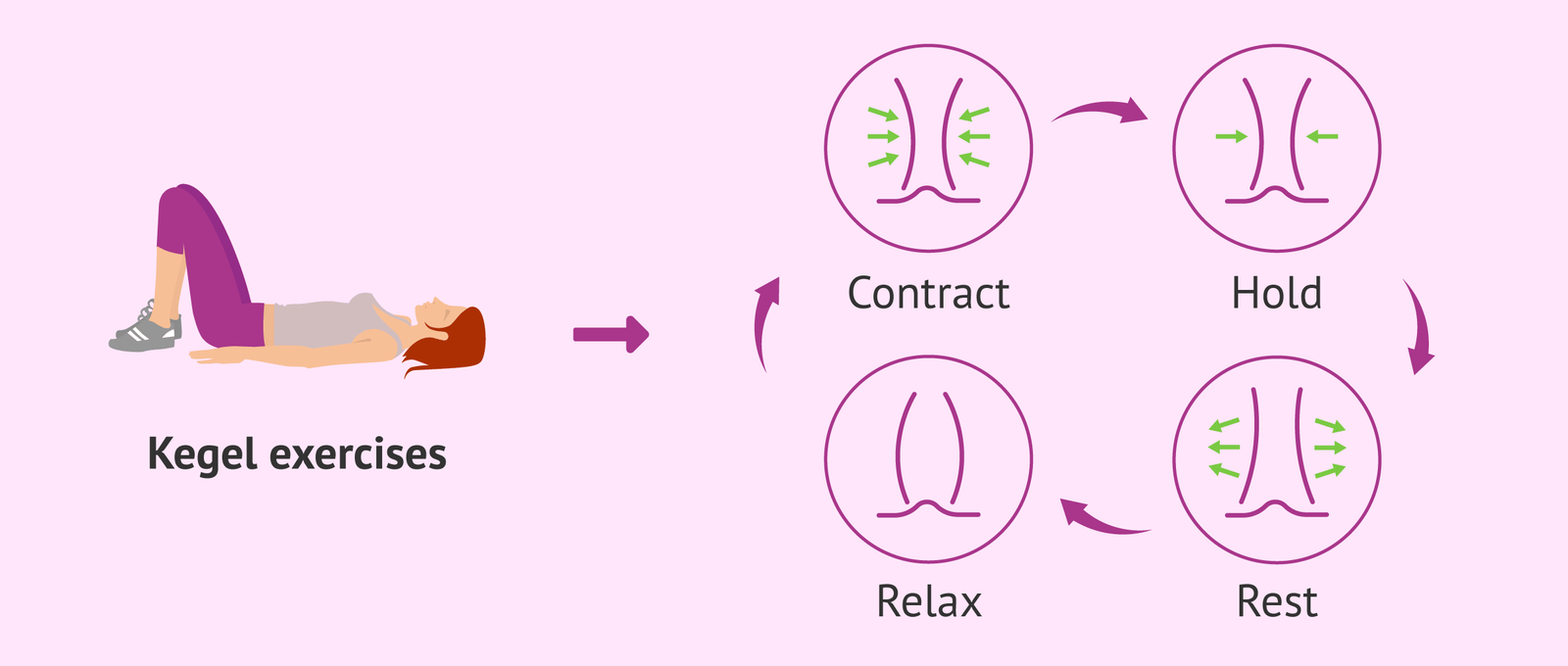
Kegel exercises are pelvic floor exercises designed to strengthen the muscles supporting the bladder and reproductive organs.
These exercises were introduced by Dr. Arnold Kegel and remain one of the most recommended first-line treatments for mild pelvic floor weakness.
Women performing Kegel exercises repeatedly tighten and relax the pelvic floor muscles to improve muscle tone and bladder control.
Benefits of Kegel Exercises
- Can be performed at home
- No equipment required
- Helpful for mild pelvic floor weakness
- Recommended during postpartum recovery
- Supports bladder control improvement
- May improve intimate wellness
- Cost-effective pelvic health exercise
Problems With Kegel Exercises
Many women unknowingly perform Kegel exercises incorrectly.
Common problems include:
- activating wrong muscles
- poor consistency
- weak muscle awareness
- pushing downward instead of lifting upward
- stopping exercises too early
Results often take weeks or months and depend heavily on daily consistency.
Women searching for the best gynecologist in Zirakpur or pelvic floor specialist near Chandigarh often seek faster and more effective alternatives after unsuccessful home exercises.
What is HIFEM Technology?
HIFEM stands for High Intensity Focused Electromagnetic Technology.
It is an advanced non-surgical pelvic floor treatment that uses electromagnetic energy to stimulate deep pelvic floor muscle contractions.
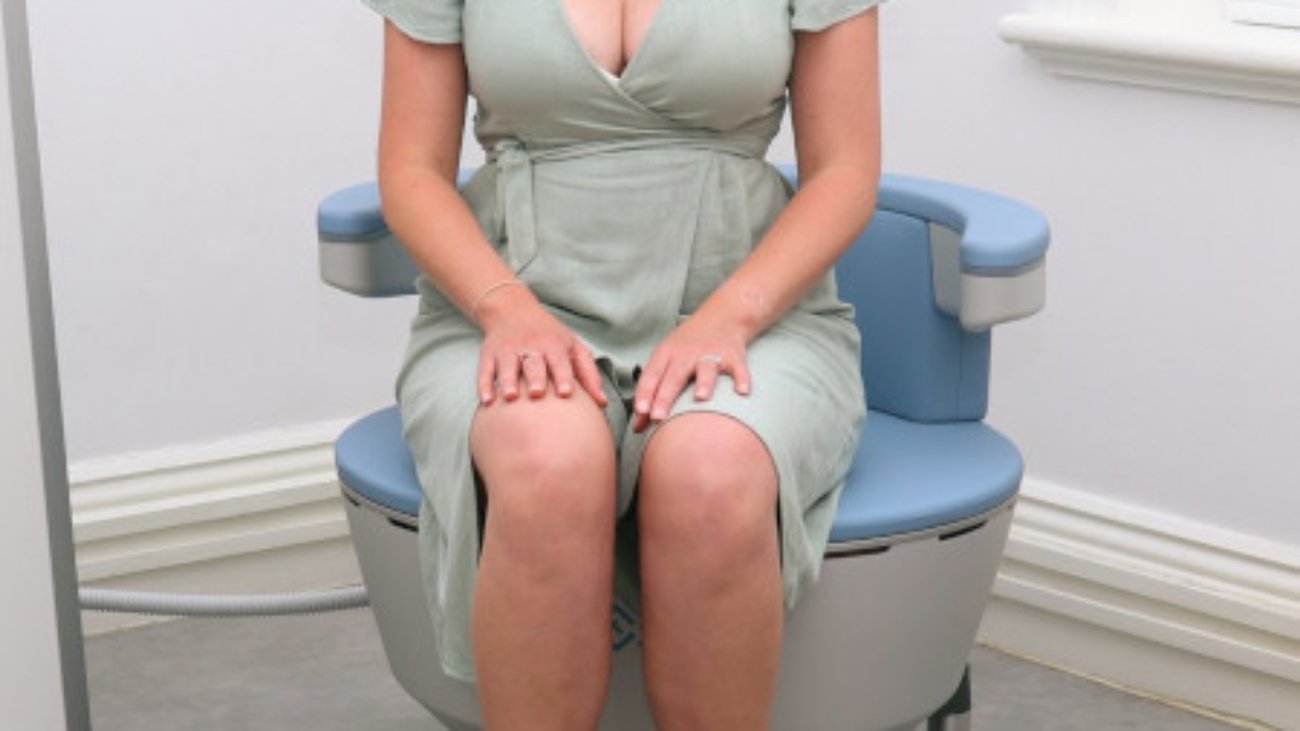
One of the most popular HIFEM-based treatments is the Emsella Chair, widely used for women’s pelvic health, urine leakage treatment, postpartum recovery, intimate wellness, and stress urinary incontinence.
At Kore Fertility Centre, Dr. Nitasha Gupta focuses on evidence-based women’s wellness and advanced gynecological care, helping women explore modern pelvic floor strengthening treatments safely.
How Does HIFEM Technology Work?
During treatment:
- the patient sits comfortably on a specialised chair
- treatment is completely non-invasive
- no surgery or injections are required
- women remain fully clothed
- electromagnetic energy stimulates pelvic floor muscles
The technology creates supramaximal contractions, meaning contractions much stronger than normal voluntary exercises.
A single session may generate thousands of pelvic muscle contractions within minutes.
This allows deeper muscle activation than traditional pelvic floor exercises.
Benefits of HIFEM Technology
Women searching for advanced pelvic floor treatment in Zirakpur or women’s wellness solutions near Chandigarh often choose HIFEM because of the following benefits:
Non-Surgical Treatment
No cuts, injections, or recovery time.
Fast Sessions
Treatment sessions are quick and convenient.
Improved Bladder Control
Helps reduce urine leakage and stress urinary incontinence.
Better Postpartum Recovery
Supports pelvic floor recovery after childbirth.
Improved Intimate Wellness
Some women report better muscle tone and intimate wellness.
Deep Muscle Activation
Targets pelvic muscles more effectively than manual exercises.
No Downtime
Patients can resume normal activities immediately.
Kegel Exercises vs HIFEM Technology: Which Works Better?
Kegel Exercises May Be Better If:
- pelvic weakness is mild
- symptoms are minimal
- postpartum recovery is early
- patients prefer natural home exercises
- budget is a concern
HIFEM Technology May Be Better If:
- urine leakage affects daily life
- Kegel exercises are not helping
- postpartum weakness is significant
- women want faster results
- muscle activation is poor
- pelvic floor weakness is moderate to severe
- intimate wellness concerns exist
Many pelvic floor specialists recommend combining both approaches.
Women may use HIFEM treatment to strengthen pelvic muscles initially and continue Kegel exercises for long-term maintenance.
What Do Research Studies Suggest?
Clinical studies have shown positive results with HIFEM-based pelvic floor strengthening.
Research indicates improvements in:
- stress urinary incontinence
- bladder control
- pelvic muscle strength
- postpartum recovery
- quality of life
- intimate wellness
Women searching for women’s wellness treatment in Zirakpur or pelvic floor strengthening often prefer clinically supervised options for better consistency and outcomes.
Who Should Consult a Gynecologist for Pelvic Floor Problems?
Women experiencing the following symptoms should consult a gynecologist:
- urine leakage
- pelvic pressure
- painful intimacy
- weak bladder control
- postpartum pelvic weakness
- pelvic heaviness
- chronic urgency to urinate
- intimate wellness concerns
- lower pelvic discomfort
Dr. Nitasha Gupta provides personalised women’s wellness consultations and advanced gynecological guidance for pelvic floor concerns.
Why Women Choose Dr. Nitasha Gupta
Women searching for the best gynecologist in Zirakpur, women’s wellness specialist near Chandigarh, or pelvic health doctor often consult Dr. Nitasha Gupta because of her experience in:
- women’s healthcare
- fertility care
- cosmetic gynecology
- postpartum recovery
- hormonal care
- advanced gynecology
- pelvic wellness treatment
- reproductive health
With 15+ years of experience and previous leadership experience as Centre Head at Indira IVF Chandigarh, Dr. Nitasha Gupta is known for patient-focused women’s healthcare and compassionate treatment guidance.
Frequently Asked Questions (FAQs)
Are Kegel exercises enough for urine leakage?
Kegel exercises may help mild urine leakage, but moderate or severe symptoms often require advanced pelvic floor treatment and medical evaluation.
Is HIFEM treatment painful?
HIFEM treatment is generally non-invasive and comfortable for most women.
How many HIFEM sessions are needed?
The number of sessions depends on pelvic floor weakness, symptoms, and individual treatment goals.
Can pelvic floor weakness happen after pregnancy?
Yes. Pregnancy and childbirth are among the most common causes of pelvic floor weakness.
Can HIFEM improve intimate wellness?
Pelvic floor strengthening may improve muscle tone, confidence, and intimate wellness in some women.
Which is better: Kegel exercises or HIFEM?
The right treatment depends on symptom severity, muscle weakness, lifestyle, postpartum recovery, and individual medical needs.