Hysteroscopy Polypectomy for Infertility | Dr. Nitasha Gupta

Hysteroscopy Polypectomy for Infertility: How It Improves Pregnancy Chances

Hysteroscopy Polypectomy for Infertility: How It Improves Pregnancy Chances

Infertility has become increasingly common among couples today, especially in urban regions where lifestyle changes, hormonal imbalance, delayed pregnancy planning, stress, PCOS, and reproductive health disorders affect fertility outcomes.

Many women struggling to conceive focus only on IVF or fertility medications while one important cause of infertility often remains undiagnosed — uterine polyps.

Women searching for the best gynecologist in Zirakpur or fertility specialist near Chandigarh are often surprised to learn that small uterine polyps can interfere with embryo implantation, fertility treatment success, and pregnancy outcomes.

At Kore Fertility Centre, Dr. Nitasha Gupta provides advanced hysteroscopy treatment, infertility evaluation, uterine polyp removal, IVF support, and women’s reproductive healthcare with personalised fertility planning.

This guide explains how hysteroscopy polypectomy helps infertility patients, who should consider the procedure, recovery expectations, treatment benefits, and why early diagnosis is important.


What is Hysteroscopy Polypectomy?

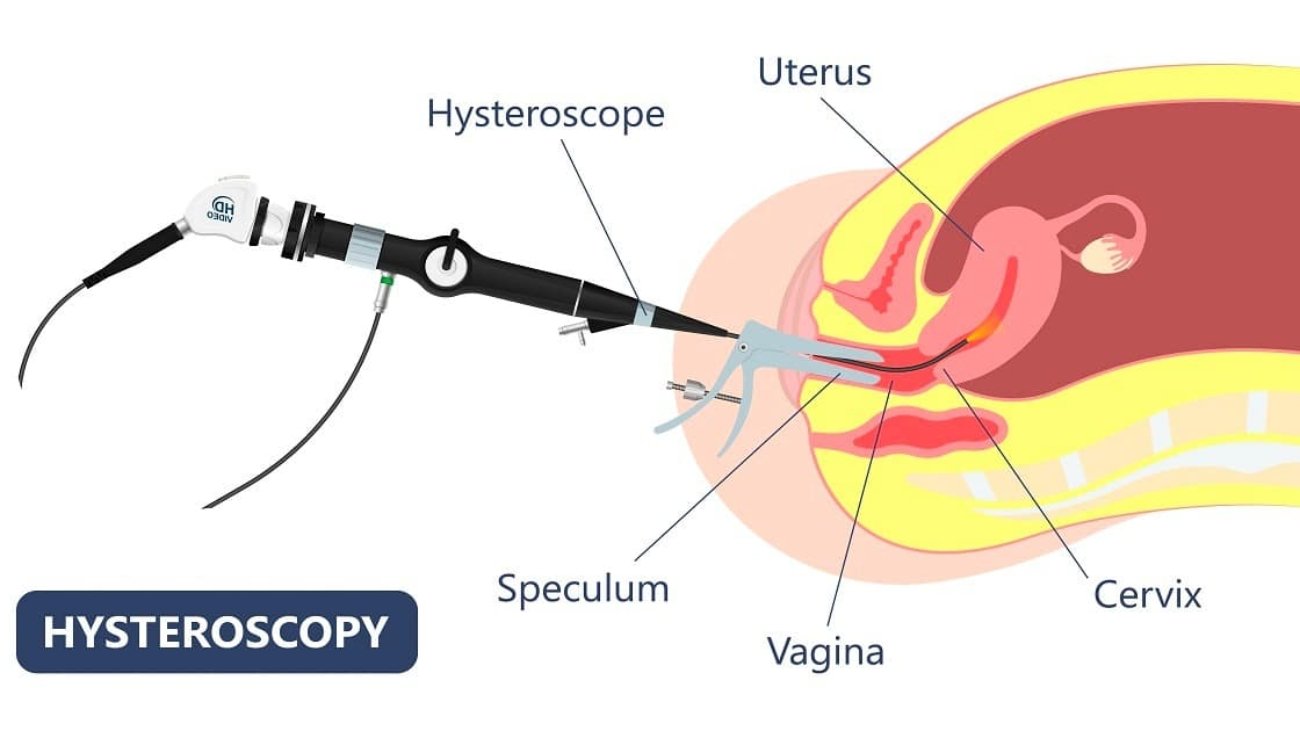
Hysteroscopy polypectomy is a minimally invasive gynecological procedure used to diagnose and remove uterine polyps from the inner lining of the uterus.

The procedure uses a hysteroscope, a thin camera-like instrument inserted gently through the cervix to visualise the uterine cavity.

Hysteroscopy

Refers to visual examination of the uterus using a specialised camera.

Polypectomy

Refers to the removal of uterine polyps.

This advanced fertility procedure allows doctors to:

  • detect uterine abnormalities
  • remove uterine polyps precisely
  • improve implantation conditions
  • support fertility treatment outcomes
  • reduce implantation failure risk

Women searching for hysteroscopy treatment in Zirakpur or infertility treatment near Chandigarh often benefit from early uterine evaluation before IVF or IUI procedures.


What Are Uterine Polyps?

Uterine polyps are soft tissue growths that develop inside the uterine lining (endometrium).

These growths are usually non-cancerous but may affect fertility depending on their:

  • size
  • location
  • number
  • hormonal activity

Some women may have a single uterine polyp, while others may develop multiple polyps.

Hormonal imbalance, particularly excess estrogen activity, is considered one of the major contributing factors.


Symptoms of Uterine Polyps

Women experiencing the following symptoms should consult a gynecologist:

  • irregular periods
  • heavy menstrual bleeding
  • spotting between periods
  • bleeding after intercourse
  • pelvic discomfort
  • recurrent miscarriage
  • difficulty conceiving
  • failed IVF attempts
  • unexplained infertility

Women searching for the best gynecologist for infertility in Zirakpur often undergo fertility scans where uterine polyps are detected during ultrasound or hysteroscopy evaluation.


How Uterine Polyps Affect Fertility

Uterine polyps may negatively affect fertility in several ways:

Prevent Embryo Implantation

Polyps may create physical obstruction inside the uterine cavity, reducing successful embryo attachment.

Cause Inflammation

They may trigger mild inflammatory reactions making the uterine environment less suitable for implantation.

Disturb Endometrial Function

Healthy endometrial lining is important for pregnancy success.

Reduce IVF Success Rates

Untreated uterine polyps may lower IVF and IUI treatment outcomes.

This is why many fertility specialists recommend hysteroscopy evaluation before advanced fertility treatments.


Who Should Consider Hysteroscopy Polypectomy?

Women experiencing the following conditions may benefit from hysteroscopy polypectomy:

  • infertility without clear cause
  • recurrent IVF failure
  • repeated implantation failure
  • recurrent miscarriage
  • abnormal uterine bleeding
  • uterine polyps on ultrasound
  • difficulty conceiving
  • failed IUI cycles
  • unexplained infertility

Women planning IVF treatment in Zirakpur often undergo hysteroscopy evaluation to improve pregnancy chances before embryo transfer.


Procedure of Hysteroscopy Polypectomy

The procedure is generally quick, minimally invasive, and often completed as a day-care treatment.

Step 1 – Preparation

Mild anesthesia or sedation is provided for comfort.

Step 2 – Hysteroscope Insertion

A thin hysteroscope is inserted gently through the cervix.

Step 3 – Uterine Examination

The uterine cavity is examined carefully for polyps or abnormalities.

Step 4 – Polyp Removal

Specialised instruments remove polyps precisely.

Step 5 – Final Evaluation

The uterine cavity is rechecked to ensure complete clearance.

Women usually return home the same day with minimal discomfort.


Benefits of Hysteroscopy Polypectomy for Infertility

Improved Implantation

Clearing the uterine cavity improves embryo implantation potential.

Better IVF & IUI Outcomes

Women undergoing IVF treatment may experience improved reproductive conditions.

Minimally Invasive Procedure

No external cuts or major surgery.

Faster Recovery

Most women recover quickly with minimal downtime.

Better Uterine Health

Removes abnormal tissue growth affecting reproductive health.


Recovery After Hysteroscopy Polypectomy

Recovery after hysteroscopy treatment is generally fast because the procedure is minimally invasive.

Women may experience:

  • mild cramping
  • light spotting
  • temporary discomfort

Most patients resume normal activities within 1–2 days depending on individual recovery.

At Kore Fertility Centre, Dr. Nitasha Gupta provides personalised aftercare guidance and fertility planning after hysteroscopy treatment.


Why Choose Dr. Nitasha Gupta for Hysteroscopy Treatment?

Women searching for the best gynecologist in Zirakpur or fertility specialist near Chandigarh often choose Dr. Nitasha Gupta because of her experience in:

  • infertility treatment
  • IVF support
  • reproductive healthcare
  • hysteroscopy procedures
  • women’s wellness
  • hormonal care
  • advanced gynecology
  • pregnancy planning

With 15+ years of experience and previous leadership experience as Centre Head at Indira IVF Chandigarh, Dr. Nitasha Gupta provides personalised fertility treatment with compassionate women’s healthcare.


Cost of Hysteroscopy Polypectomy

The overall treatment cost depends on:

  • number of polyps
  • procedure complexity
  • fertility evaluation needs
  • hospital setup
  • anesthesia requirements
  • additional investigations

Women searching for affordable hysteroscopy treatment in Zirakpur should consult directly for personalised evaluation and treatment planning.


Frequently Asked Questions (FAQs)

Is hysteroscopy painful?

Hysteroscopy is generally performed under anesthesia or sedation for patient comfort.

Can uterine polyps cause infertility?

Yes. Uterine polyps may interfere with embryo implantation and pregnancy success.

Is hysteroscopy required before IVF?

Some women benefit from hysteroscopy evaluation before IVF to improve uterine conditions.

How long does recovery take?

Most women recover within 1–2 days after hysteroscopy treatment.

Can uterine polyps return?

In some cases, uterine polyps may recur depending on hormonal factors.

Is hysteroscopy surgery safe?

Hysteroscopy is considered a safe and minimally invasive gynecological procedure when performed by experienced specialists.
Kegel Exercises vs. HIFEM Technology- Which Works Better? Dr Nitasha Gupta

Kegel Exercises vs HIFEM Technology: Which Works Better ?

Kegel Exercises vs HIFEM Technology: Which Works Better?

Pelvic floor weakness is one of the most common women’s health concerns today, yet many women silently struggle with symptoms like urine leakage, pelvic heaviness, loss of bladder control, discomfort during intimacy, and weak core support after pregnancy.

Women searching for the best gynecologist for pelvic floor treatment often ask whether Kegel exercises are enough or whether advanced HIFEM technology offers better and faster results.

At Kore Fertility Centre, Dr. Nitasha Gupta helps women with advanced women’s wellness, pelvic floor strengthening, postpartum recovery, cosmetic gynecology, urinary incontinence treatment, and non-surgical intimate wellness treatments.

This detailed guide explains the difference between Kegel exercises and HIFEM technology, which treatment works better, who benefits the most, and how women can improve pelvic floor health naturally and medically.


What is the Pelvic Floor?

What is the Pelvic Floor?

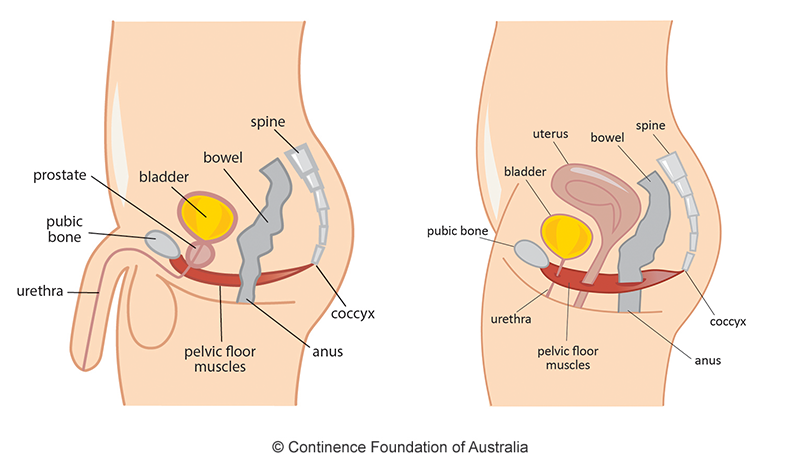
The pelvic floor is a group of muscles located at the base of the pelvis. These muscles support:

  • bladder
  • uterus
  • bowel
  • reproductive organs
  • core strength
  • intimate wellness

Strong pelvic floor muscles help women maintain bladder control, reproductive health, sexual wellness, and post-pregnancy recovery.

However, pregnancy, childbirth, hormonal changes, ageing, obesity, menopause, chronic coughing, and lifestyle factors can weaken these muscles over time.

Women with weak pelvic floor muscles may experience:

  • urine leakage while coughing or sneezing
  • stress urinary incontinence
  • pelvic heaviness
  • weak bladder control
  • painful intimacy
  • postpartum weakness
  • reduced intimate sensation
  • pelvic organ prolapse
  • lower back discomfort

Both Kegel exercises and HIFEM technology aim to strengthen these muscles, but they work very differently.


What Are Kegel Exercises?

What Are Kegel Exercises?

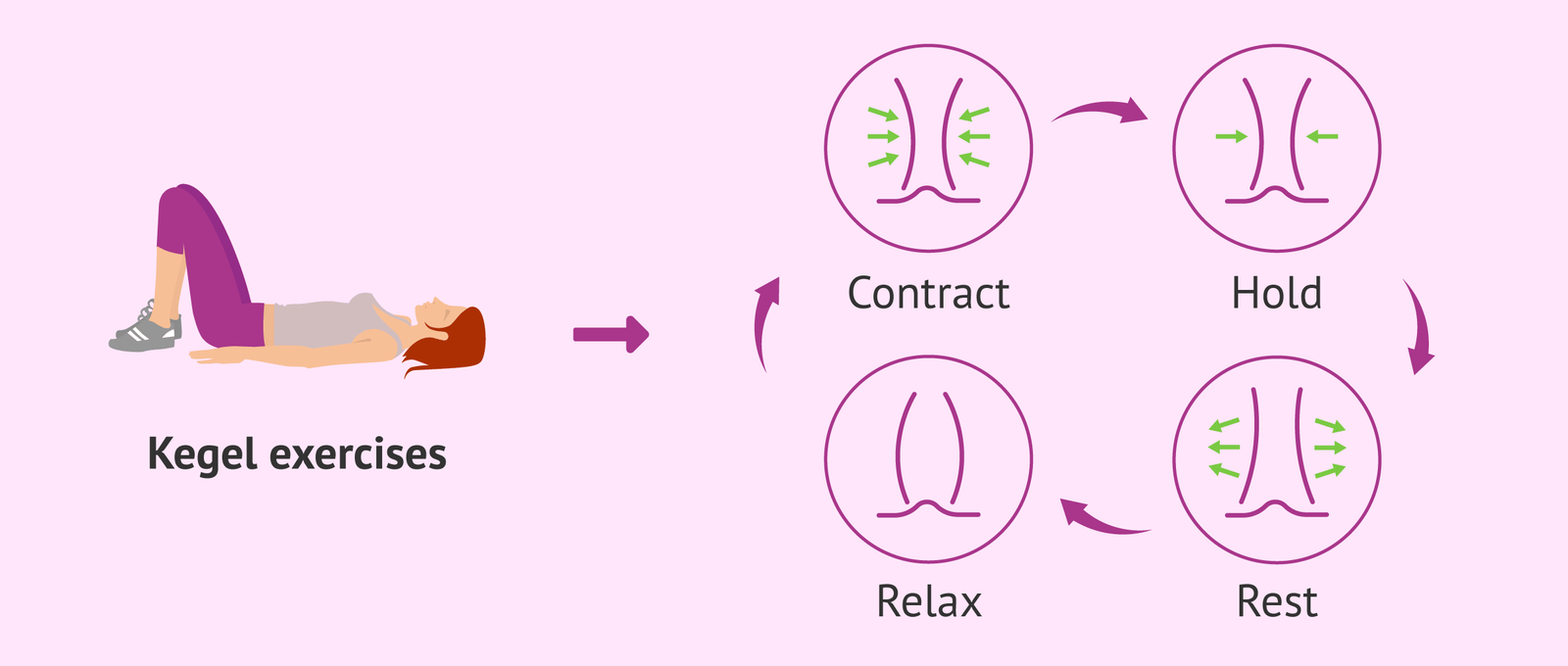
Kegel exercises are pelvic floor exercises designed to strengthen the muscles supporting the bladder and reproductive organs.

These exercises were introduced by Dr. Arnold Kegel and remain one of the most recommended first-line treatments for mild pelvic floor weakness.

Women performing Kegel exercises repeatedly tighten and relax the pelvic floor muscles to improve muscle tone and bladder control.

Benefits of Kegel Exercises

  • Can be performed at home
  • No equipment required
  • Helpful for mild pelvic floor weakness
  • Recommended during postpartum recovery
  • Supports bladder control improvement
  • May improve intimate wellness
  • Cost-effective pelvic health exercise

Problems With Kegel Exercises

Many women unknowingly perform Kegel exercises incorrectly.

Common problems include:

  • activating wrong muscles
  • poor consistency
  • weak muscle awareness
  • pushing downward instead of lifting upward
  • stopping exercises too early

Results often take weeks or months and depend heavily on daily consistency.

Women searching for the best gynecologist in Zirakpur or pelvic floor specialist near Chandigarh often seek faster and more effective alternatives after unsuccessful home exercises.


What is HIFEM Technology?

What is HIFEM Technology?

HIFEM stands for High Intensity Focused Electromagnetic Technology.

It is an advanced non-surgical pelvic floor treatment that uses electromagnetic energy to stimulate deep pelvic floor muscle contractions.

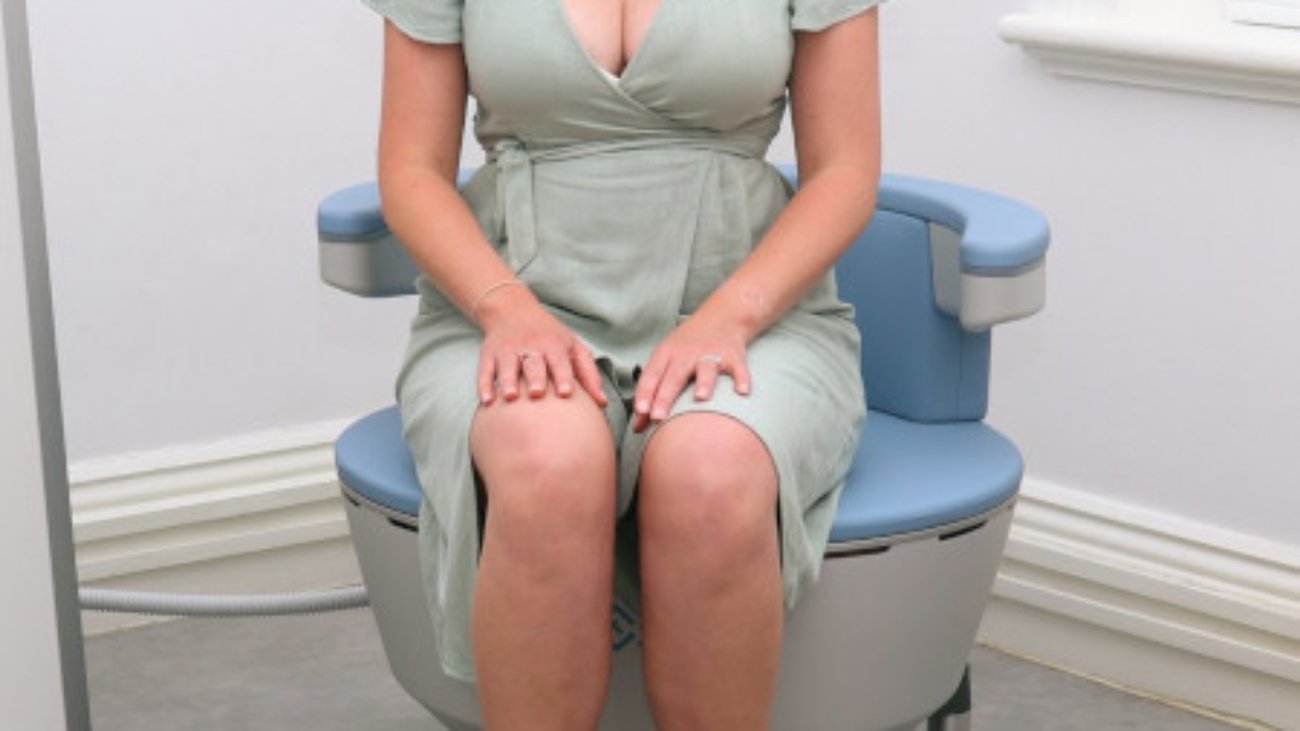
One of the most popular HIFEM-based treatments is the Emsella Chair, widely used for women’s pelvic health, urine leakage treatment, postpartum recovery, intimate wellness, and stress urinary incontinence.

At Kore Fertility Centre, Dr. Nitasha Gupta focuses on evidence-based women’s wellness and advanced gynecological care, helping women explore modern pelvic floor strengthening treatments safely.


How Does HIFEM Technology Work?

During treatment:

  • the patient sits comfortably on a specialised chair
  • treatment is completely non-invasive
  • no surgery or injections are required
  • women remain fully clothed
  • electromagnetic energy stimulates pelvic floor muscles

The technology creates supramaximal contractions, meaning contractions much stronger than normal voluntary exercises.

A single session may generate thousands of pelvic muscle contractions within minutes.

This allows deeper muscle activation than traditional pelvic floor exercises.


Benefits of HIFEM Technology

Women searching for advanced pelvic floor treatment in Zirakpur or women’s wellness solutions near Chandigarh often choose HIFEM because of the following benefits:

Non-Surgical Treatment

No cuts, injections, or recovery time.

Fast Sessions

Treatment sessions are quick and convenient.

Improved Bladder Control

Helps reduce urine leakage and stress urinary incontinence.

Better Postpartum Recovery

Supports pelvic floor recovery after childbirth.

Improved Intimate Wellness

Some women report better muscle tone and intimate wellness.

Deep Muscle Activation

Targets pelvic muscles more effectively than manual exercises.

No Downtime

Patients can resume normal activities immediately.


Kegel Exercises vs HIFEM Technology: Which Works Better?

Kegel Exercises May Be Better If:

  • pelvic weakness is mild
  • symptoms are minimal
  • postpartum recovery is early
  • patients prefer natural home exercises
  • budget is a concern

HIFEM Technology May Be Better If:

  • urine leakage affects daily life
  • Kegel exercises are not helping
  • postpartum weakness is significant
  • women want faster results
  • muscle activation is poor
  • pelvic floor weakness is moderate to severe
  • intimate wellness concerns exist

Many pelvic floor specialists recommend combining both approaches.

Women may use HIFEM treatment to strengthen pelvic muscles initially and continue Kegel exercises for long-term maintenance.


What Do Research Studies Suggest?

Clinical studies have shown positive results with HIFEM-based pelvic floor strengthening.

Research indicates improvements in:

  • stress urinary incontinence
  • bladder control
  • pelvic muscle strength
  • postpartum recovery
  • quality of life
  • intimate wellness

Women searching for women’s wellness treatment in Zirakpur or pelvic floor strengthening often prefer clinically supervised options for better consistency and outcomes.


Who Should Consult a Gynecologist for Pelvic Floor Problems?

Women experiencing the following symptoms should consult a gynecologist:

  • urine leakage
  • pelvic pressure
  • painful intimacy
  • weak bladder control
  • postpartum pelvic weakness
  • pelvic heaviness
  • chronic urgency to urinate
  • intimate wellness concerns
  • lower pelvic discomfort

Dr. Nitasha Gupta provides personalised women’s wellness consultations and advanced gynecological guidance for pelvic floor concerns.


Why Women Choose Dr. Nitasha Gupta

Women searching for the best gynecologist in Zirakpur, women’s wellness specialist near Chandigarh, or pelvic health doctor often consult Dr. Nitasha Gupta because of her experience in:

  • women’s healthcare
  • fertility care
  • cosmetic gynecology
  • postpartum recovery
  • hormonal care
  • advanced gynecology
  • pelvic wellness treatment
  • reproductive health

With 15+ years of experience and previous leadership experience as Centre Head at Indira IVF Chandigarh, Dr. Nitasha Gupta is known for patient-focused women’s healthcare and compassionate treatment guidance.


Frequently Asked Questions (FAQs)

Are Kegel exercises enough for urine leakage?

Kegel exercises may help mild urine leakage, but moderate or severe symptoms often require advanced pelvic floor treatment and medical evaluation.

Is HIFEM treatment painful?

HIFEM treatment is generally non-invasive and comfortable for most women.

How many HIFEM sessions are needed?

The number of sessions depends on pelvic floor weakness, symptoms, and individual treatment goals.

Can pelvic floor weakness happen after pregnancy?

Yes. Pregnancy and childbirth are among the most common causes of pelvic floor weakness.

Can HIFEM improve intimate wellness?

Pelvic floor strengthening may improve muscle tone, confidence, and intimate wellness in some women.

Which is better: Kegel exercises or HIFEM?

The right treatment depends on symptom severity, muscle weakness, lifestyle, postpartum recovery, and individual medical needs.