Egg Freezing in India 2026- Cost, Best Age, Process & Success Rates

Egg Freezing in India 2026: Cost, Best Age, Process & Success Rates

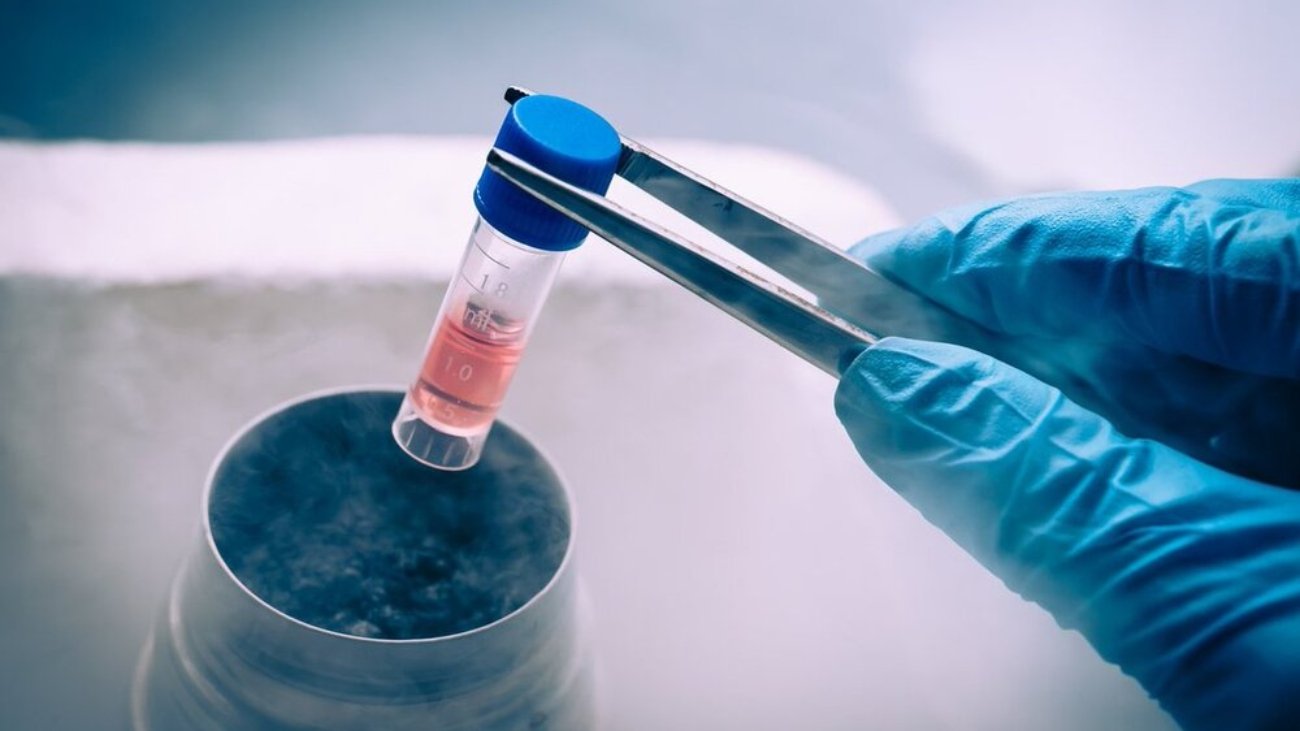
Egg freezing, medically known as oocyte cryopreservation, is a fertility preservation option that allows a woman to freeze and store her unfertilized eggs for possible use in the future.

For women who are not ready to have children now but want to preserve an option for future pregnancy, egg freezing can provide reproductive flexibility. It may also be considered when medical treatment could affect ovarian function.

However, egg freezing is not a guarantee of a future pregnancy. The age at which eggs are frozen, ovarian reserve, number of mature eggs retrieved, laboratory performance and future fertility treatment factors can all influence outcomes.

In this guide, Dr. Nitasha Gupta, Gynecologist & IVF Specialist, explains egg freezing in India, including the cost of egg freezing, best age to consider it, the complete egg freezing process, AMH testing, egg freezing success rates, risks and what women should know before making a decision.

What Is Egg Freezing?
Egg Freezing

Egg freezing is a fertility preservation procedure in which mature eggs are collected from the ovaries and frozen for potential future use.

The medical term is oocyte cryopreservation.

Unlike IVF, the eggs are not fertilized at the time of retrieval. Instead, the mature eggs are frozen and stored.

If a woman decides to use her frozen eggs later, the eggs can be thawed, fertilized with sperm in the laboratory and developed into embryos for possible transfer into the uterus.

Modern egg freezing commonly uses a rapid freezing technique called vitrification, which reduces ice-crystal formation during freezing. ASRM

Why Do Women Freeze Their Eggs?

Women may consider egg freezing for different personal or medical reasons.

These may include:

  • Delaying pregnancy for personal reasons
  • Career or educational plans
  • Not being ready for parenthood
  • Not currently having a suitable partner
  • Family planning considerations
  • Medical conditions that may affect fertility
  • Planned treatments that could affect ovarian function
  • Fertility preservation based on individual reproductive goals

The decision should be individualized after discussing age, ovarian reserve, medical history and reproductive plans with a fertility specialist.

Egg Freezing Cost in India 2026

One of the most common searches is:

“How much does egg freezing cost in India?”

The cost of egg freezing can vary significantly between fertility clinics and cities.

A typical egg-freezing treatment may involve several separate expenses:

What Can Be Included in Egg Freezing Cost?

The overall cost may include:

  • Initial fertility consultation
  • AMH and other hormone tests
  • Ultrasound and ovarian reserve assessment
  • Fertility medications
  • Ovarian stimulation
  • Follicular monitoring
  • Trigger injection
  • Egg retrieval procedure
  • Sedation or anesthesia
  • Laboratory processing
  • Egg vitrification
  • Initial cryopreservation
  • Annual egg storage

Additional costs may arise later when the frozen eggs are thawed and used for IVF.

There is no single egg freezing cost in India that applies to every woman. The number of cycles required, medication requirements, clinic, laboratory services and storage arrangements can all affect the final cost.

Recent Indian reporting has placed a single egg-freezing cycle broadly around ₹1.5 lakh to ₹3 lakh or more, depending on the clinic, city, medication requirements and number of cycles. A complete written treatment estimate should clarify what is and is not included. @theweek

Does Egg Freezing Cost Include Future IVF?

Usually, women should distinguish between:

Egg freezing today

and

Using the frozen eggs in the future.

When frozen eggs are eventually used, additional treatment may involve:

  • Egg thawing
  • Fertilization
  • ICSI when clinically indicated
  • Embryo culture
  • Embryo freezing if required
  • Endometrial preparation
  • Embryo transfer
  • Pregnancy testing

Therefore, women comparing the cost of egg freezing in India should ask clinics for a complete breakdown rather than comparing only the initial package price.

What Is the Best Age to Freeze Eggs?

What Is the Best Age to Freeze Eggs

There is no single age that can be described as the medically perfect age for every woman.

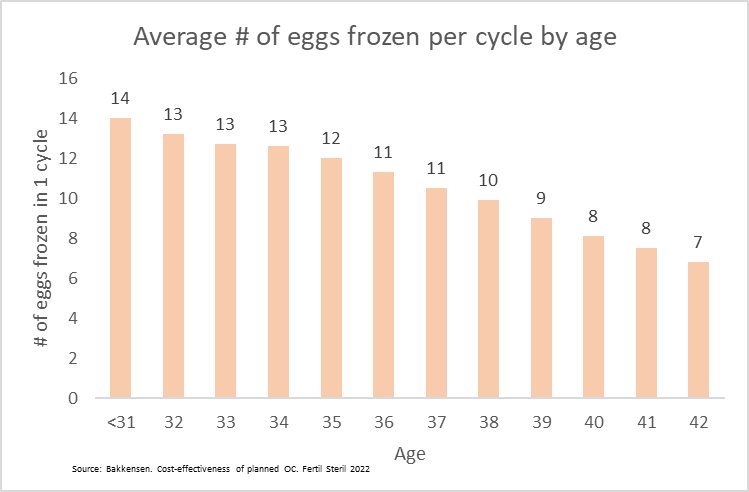
However, age at the time of egg freezing is an important factor because both egg number and egg quality generally decline with increasing age.

Evidence reviewed by the American Society for Reproductive Medicine indicates that live-birth outcomes appear better when oocytes are cryopreserved at a younger age, although evidence is insufficient to establish one universally optimal age for planned egg freezing. ASRM

Egg Freezing in Your 20s

Women in their 20s generally have a higher proportion of chromosomally normal eggs compared with later reproductive years.

However, egg freezing is not automatically necessary simply because someone is in their 20s.

The decision should consider:

  • Family planning timeline
  • Personal circumstances
  • Ovarian reserve
  • Medical history
  • Future reproductive plans

Egg Freezing in Your Early 30s

For women considering fertility preservation, the early 30s can be an important time to discuss ovarian reserve and future reproductive plans.

An individual assessment can help determine whether egg freezing is appropriate.

Egg Freezing After 35

Egg freezing can still be performed after 35, but age-related changes in egg quality can affect future reproductive outcomes.

Some women may also require more than one stimulation cycle to obtain an adequate number of mature eggs.

This is why delaying the discussion until much later may reduce the available options.

The right time to consider egg freezing is individual rather than determined by age alone.

Egg Freezing Process: Step-by-Step

The egg freezing process is similar to the ovarian stimulation and egg-retrieval stages of an IVF cycle.

Step 1 — Fertility Consultation and Assessment

The first step is a detailed fertility assessment.

Depending on the individual situation, this may include:

  • Medical history
  • Menstrual history
  • AMH testing
  • Other hormone tests
  • Transvaginal ultrasound
  • Antral follicle count
  • Ovarian reserve assessment

These tests help the fertility specialist estimate how the ovaries may respond to stimulation.

Step 2 — Ovarian Stimulation

Fertility medications are used to stimulate the ovaries to develop multiple follicles during one menstrual cycle.

The ovaries normally mature one dominant egg during a natural cycle.

During egg freezing, the objective is to stimulate multiple follicles so that several mature eggs may potentially be retrieved.

Treatment generally involves approximately 10–14 days of stimulation and monitoring, although the exact duration varies between patients. HFEA

Step 3 — Ultrasound and Hormone Monitoring

During stimulation, the fertility team monitors follicular development.

Monitoring may include:

  • Ultrasound scans
  • Estradiol or other hormone measurements
  • Follicle-size assessment
  • Medication adjustments when required

The objective is to determine when the follicles are ready for final maturation.

Step 4 — Trigger Injection

Once the follicles reach the appropriate stage, a trigger medication is administered to help the eggs complete their final maturation.

The timing of the trigger is important because egg retrieval is scheduled according to the response.

Step 5 — Egg Retrieval

Egg retrieval is generally performed using ultrasound guidance.

A thin needle is used to collect fluid containing eggs from the ovarian follicles.

The procedure is generally performed under sedation or anesthesia, depending on the clinical setting and protocol.

Step 6 — Egg Assessment

The embryology laboratory evaluates the retrieved eggs.

Only mature eggs suitable for cryopreservation are generally frozen.

The number of eggs retrieved and the number that are mature can vary between women and between cycles.

Step 7 — Vitrification and Storage

Mature eggs are rapidly frozen using vitrification and stored under cryogenic conditions.

Vitrification has become an important advancement in oocyte cryopreservation because rapid cooling helps minimize ice-crystal formation. ASRM

How Many Eggs Should You Freeze?

This is one of the most important questions women ask:

“How many eggs should I freeze?”

There is no universally guaranteed number of eggs that will result in a baby.

The number required depends on several factors, including:

  • Age when eggs are frozen
  • Number of mature eggs retrieved
  • Egg quality
  • Laboratory performance
  • Future age at treatment
  • Whether one or more treatment cycles are required

ASRM states that there is currently insufficient evidence to provide every woman with a specific number of eggs that guarantees a reasonable probability of live birth after planned egg freezing. ASRM

Therefore, online calculators should not replace individualized fertility counselling.

Egg Freezing Success Rate: What Does the Evidence Say?
Egg Freezing Success Rate

Searching for “egg freezing success rate” can be confusing because several different outcomes can be described as success.

These include:

  • Egg survival after thawing
  • Fertilization rate
  • Embryo development
  • Implantation
  • Clinical pregnancy
  • Live birth

These are not the same thing.

Does Egg Freezing Guarantee Pregnancy?

No.

Egg freezing preserves eggs; it does not guarantee that a future pregnancy or live birth will occur.

The HFEA similarly emphasizes that egg freezing is becoming more successful but is not a guarantee of having a baby. HFEA

The strongest predictor discussed in current evidence is the woman’s age at the time of egg freezing, although outcomes are influenced by multiple factors.

ASRM’s evidence review concluded that live-birth outcomes appear better when eggs are frozen at younger ages, but also noted that evidence remains insufficient to give an exact predicted live-birth probability for every woman undergoing planned egg freezing. ASRM

Why Age Matters for Egg Freezing

Egg quality changes with reproductive aging.

Freezing eggs at a younger age can preserve eggs from that point in time, but it does not stop the woman’s biological aging or guarantee future pregnancy.

The age of the woman when the eggs are frozen and the circumstances when the eggs are eventually used are both important considerations.

AMH Test Before Egg Freezing

An AMH test is commonly used as part of ovarian reserve assessment.

AMH can help estimate the expected ovarian response to stimulation and may help the fertility specialist plan treatment.

However:

AMH is not a guarantee of egg quality or future pregnancy.

Ovarian reserve testing is primarily useful for understanding expected egg yield rather than providing a definitive prediction of future live birth after planned egg freezing. ASRM notes that ovarian reserve testing can help estimate anticipated oocyte yield but that evidence is insufficient to use ovarian reserve testing independently to predict live birth after planned oocyte cryopreservation. ASRM

If your AMH is low, it does not automatically mean that pregnancy is impossible.

You can also read:

Low AMH Treatment in Chandigarh: Can You Get Pregnant with Low AMH?

Is Egg Freezing Safe?

Egg freezing is an established fertility-preservation technique, but like any medical procedure, it has potential risks.

Possible short-term effects of ovarian stimulation may include:

  • Bloating
  • Abdominal discomfort
  • Breast tenderness
  • Mood changes
  • Headache
  • Injection-site discomfort

More significant complications can occur, including ovarian hyperstimulation syndrome (OHSS), although modern stimulation protocols and monitoring can reduce risk.

Egg retrieval is also an invasive procedure and carries procedural risks.

Your fertility specialist should explain the individual benefits, limitations and risks before treatment.

Does Egg Freezing Affect Future Fertility?

Egg freezing itself is intended to preserve reproductive potential rather than reduce it.

However, the stimulation and retrieval process does not guarantee that all eggs available in the ovaries will be collected or preserved.

Women should also understand that frozen eggs are an option for future treatment, not a replacement for natural fertility.

If you are currently trying to conceive, fertility evaluation may be more appropriate than simply considering egg freezing.

For women with fertility concerns, a fertility assessment may include AMH, hormone testing, ultrasound, ovarian reserve assessment and other investigations depending on the situation.

Who May Consider Egg Freezing?

Egg freezing may be considered by women who:

  • Want to delay childbearing
  • Are not ready for pregnancy
  • Want to preserve reproductive options
  • Are planning medical treatment that could affect ovarian function
  • Have concerns about age-related fertility decline
  • Want to understand their fertility preservation options

The decision should be made after discussing your reproductive goals and medical history with a qualified fertility specialist.

Egg Freezing in Chandigarh, Zirakpur & Panchkula

Women searching for egg freezing in Chandigarh, egg freezing in Zirakpur or fertility preservation near Panchkula can begin with an individualized fertility assessment.

At the fertility practice associated with Dr. Nitasha Gupta, fertility evaluation can include ovarian reserve assessment, AMH testing, ultrasound monitoring and fertility counselling.

The clinic’s fertility services include cryopreservation, fertility evaluation, IVF, IUI, ICSI, hysteroscopy, laparoscopy and reproductive diagnostics, with services for patients from Zirakpur, Chandigarh, Panchkula, Mohali and nearby areas. Dr. Nitasha Gupta

You can explore:

Fertility & IVF Services

Fertility Specialist in Chandigarh

IVF Treatment in Chandigarh

Contact Dr. Nitasha Gupta

Egg Freezing vs Embryo Freezing

Egg freezing and embryo freezing are different fertility-preservation approaches.

Egg FreezingEmbryo Freezing
Unfertilized eggs are frozenFertilized eggs are developed into embryos
Does not require sperm at freezingRequires sperm for fertilization
Preserves future reproductive optionsCreates embryos that can potentially be transferred later
Future fertilization is requiredEmbryos can potentially be transferred after thawing
Useful when future partner/sperm source is uncertainMay be suitable when sperm is available and embryo creation is appropriate

The most suitable option depends on age, reproductive goals, medical circumstances and personal preferences.

What Should You Ask Before Choosing an Egg Freezing Clinic?

Before starting treatment, ask the fertility clinic:

About Your Treatment

  • How many mature eggs might I expect from one cycle?
  • What tests will I need before stimulation?
  • How will my ovarian reserve be assessed?
  • How long will the stimulation process take?
  • How many visits or scans will be required?

About the Laboratory

  • Which freezing technology is used?
  • How are frozen eggs stored?
  • What are the clinic’s egg survival rates after thawing?
  • What are the clinic’s fertilization and embryo-development outcomes?
  • How are eggs monitored and stored?

About Cost

Ask for a written estimate covering:

  • Consultation
  • Testing
  • Medications
  • Monitoring
  • Retrieval
  • Sedation
  • Laboratory charges
  • Vitrification
  • Storage
  • Future thawing
  • Fertilization
  • Embryo transfer

ASRM specifically recommends that patients considering planned oocyte cryopreservation receive counselling about efficacy, safety, costs, benefits and risks, including the uncertainties surrounding future outcomes. ASRM

Why Choose Dr. Nitasha Gupta for Fertility & Egg Freezing Guidance?

Dr. Nitasha Gupta is a Gynecologist, IVF Specialist and Fertility Specialist providing fertility and women’s healthcare in Zirakpur and the Chandigarh region.

Her fertility services include:

  • Fertility evaluation
  • AMH and ovarian reserve assessment
  • IVF
  • IUI
  • ICSI
  • Cryopreservation
  • Ultrasound monitoring
  • Hysteroscopy
  • Laparoscopy
  • Recurrent pregnancy-loss evaluation
  • Fertility counselling

The practice states that fertility plans are individualized according to medical history, reproductive goals, ovarian reserve and diagnostic findings. Dr. Nitasha Gupta

Evidence-Based Fertility Counselling

Egg freezing is a personal reproductive decision.

Rather than relying on a single age, AMH number or online success-rate calculator, an individualized assessment can help you understand:

  • Your ovarian reserve
  • Expected response to stimulation
  • Potential number of eggs retrieved
  • Whether egg freezing is appropriate
  • Whether more than one cycle may be considered
  • Expected costs
  • Future fertility options

Frequently Asked Questions About Egg Freezing

H3: What is egg freezing?

Egg freezing, or oocyte cryopreservation, is a fertility-preservation procedure in which mature unfertilized eggs are collected, vitrified and stored for possible future use.

What is the egg freezing cost in India?

The cost varies by clinic, city, medication requirements, number of cycles and services included. In India, a single cycle may broadly cost around ₹1.5 lakh to ₹3 lakh or more, with medications, storage and future IVF-related treatment potentially adding to the total. @theweek

What is the best age to freeze eggs?

There is no single universally recommended age for every woman. Evidence indicates that outcomes tend to be better when eggs are frozen at younger ages, but the decision should consider age, ovarian reserve, health and reproductive goals. ASRM

Is egg freezing successful?

Egg freezing can preserve eggs for future fertility treatment, but it does not guarantee pregnancy or a live birth. Outcomes depend on factors including age at freezing, number of mature eggs, egg survival after thawing, fertilization, embryo development and other reproductive factors. ASRM

Does egg freezing guarantee a baby later?

No. Egg freezing preserves an option for future treatment but cannot guarantee a future pregnancy or live birth.

How many eggs should I freeze?

There is no universally guaranteed number. The number of eggs that may be appropriate depends on age, ovarian reserve, response to stimulation and individual reproductive goals. Current evidence is insufficient to define one number that guarantees a live birth. ASRM

How long does the egg freezing process take?

The ovarian stimulation and monitoring phase commonly takes around 10–14 days, followed by egg retrieval and vitrification. The exact timeline varies between individuals. HFEA

Is egg freezing painful?

Some women experience discomfort or bloating during ovarian stimulation. Egg retrieval is performed with sedation or anesthesia depending on the clinical protocol. Your fertility specialist can explain what to expect based on your treatment plan.

What tests are needed before egg freezing?

Assessment may include AMH testing, hormone evaluation, ultrasound and antral follicle count, along with a review of medical and reproductive history.

Can I freeze my eggs if my AMH is low?

A low AMH does not automatically mean egg freezing is impossible. It may indicate reduced ovarian reserve and potentially a lower expected egg yield. An individualized assessment is important.

Does AMH predict egg freezing success?

AMH can help estimate ovarian response and expected egg yield, but it should not be treated as a standalone predictor of future live birth after planned egg freezing. ASRM

Can I get pregnant naturally after freezing my eggs?

Egg freezing does not prevent you from attempting natural conception in the future. However, your natural fertility continues to change with age.

Is egg freezing available in India?

Egg freezing is available as a fertility-preservation option in India. The procedure should be undertaken through an appropriately regulated fertility service with appropriate counselling and laboratory facilities.

Where can I get egg freezing in Chandigarh or Zirakpur?

Women from Chandigarh, Zirakpur, Panchkula and nearby areas can discuss fertility preservation with Dr. Nitasha Gupta and undergo an individualized fertility assessment. The clinic lists cryopreservation and fertility evaluation among its services. Dr. Nitasha Gupta

Final Takeaway

Egg freezing can provide women with an additional option for preserving reproductive potential, but it should not be viewed as a guarantee of future pregnancy.

The most important factors to understand before freezing eggs are:

  • Your age
  • Ovarian reserve
  • Expected number of mature eggs
  • Egg-freezing technology
  • Laboratory experience
  • Total treatment and storage costs
  • Future IVF requirements
  • Your individual reproductive goals

If you are considering egg freezing in India, start with an individualized fertility assessment rather than relying solely on online success-rate calculators or a single AMH result.

Dr. Nitasha Gupta provides fertility evaluation, ovarian reserve assessment, cryopreservation and fertility treatment services for patients from Zirakpur, Chandigarh, Panchkula, Mohali and nearby regions.

Book a Fertility Consultation with Dr. Nitasha Gupta

Medical References & Trusted Resources

American Society for Reproductive Medicine (ASRM) — Evidence-based guidance on planned oocyte cryopreservation, age and reproductive outcomes.
ASRM: Evidence-Based Outcomes After Oocyte Cryopreservation

European Society of Human Reproduction and Embryology (ESHRE) — Female fertility preservation guideline.
ESHRE: Female Fertility Preservation Guideline

Human Fertilisation and Embryology Authority (HFEA) — Patient information on egg freezing, process, costs and outcomes.
HFEA: Egg Freezing

How do you know if you need a fertility specialist

How Do You Know If You Need a Fertility Specialist? 10 Signs to Consider

Trying to conceive can bring a lot of questions, especially when pregnancy does not happen as quickly as expected.

One of the most common questions couples ask is:

“How do I know if I need a fertility specialist?”

The answer depends on several factors, including your age, menstrual cycle, reproductive history, how long you have been trying to conceive, and whether you or your partner have known fertility-related concerns.

You do not always need to wait a year before seeking help. In some situations, earlier fertility evaluation is recommended, particularly when there are irregular or absent periods, previous pelvic or reproductive problems, repeated pregnancy losses, known sperm concerns, or other factors that may affect fertility.

If you are looking for a fertility specialist in Chandigarh, Zirakpur, Mohali or Panchkula, understanding when to seek professional advice can help you make a more informed decision.

Quick Answer: When Should You See a Fertility Specialist?

Generally, fertility evaluation is recommended when:

  • You are under 35 and have been trying to conceive for 12 months without pregnancy.
  • You are 35 or older and have been trying for 6 months without pregnancy.
  • You are over 40 and should consider seeking fertility evaluation sooner.
  • Your periods are consistently irregular or absent.
  • You have known PCOS, endometriosis, fibroids or another reproductive health condition.
  • You have experienced repeated miscarriages.
  • You or your partner have a known condition that could affect fertility.
  • You have had previous pelvic, ovarian, uterine or testicular surgery.
  • Your partner has known or suspected sperm problems.
  • You have concerns about ovarian reserve, ovulation or reproductive health.

The American College of Obstetricians and Gynecologists recommends infertility evaluation after 12 months of regular unprotected intercourse without pregnancy for women younger than 35, and after 6 months for women older than 35. Women over 40 may benefit from more immediate evaluation.

What Does a Fertility Specialist Do?

A fertility specialist is a doctor trained to evaluate and manage conditions that may affect conception, pregnancy and reproductive health.

A fertility consultation may assess:

  • Ovulation
  • Menstrual cycles
  • Ovarian reserve
  • Fallopian tubes
  • Uterus
  • Hormonal factors
  • Sperm health
  • Previous pregnancies
  • Reproductive history
  • Lifestyle and medical factors

Fertility problems are not exclusively a woman’s issue.

Both partners may need evaluation because male factors contribute to a substantial proportion of infertility cases.

The goal of fertility evaluation is not automatically IVF.

Depending on the cause, treatment may involve timing intercourse, ovulation management, medication, treatment of an underlying condition, intrauterine insemination (IUI), IVF or other approaches.

10 Signs You May Need a Fertility Specialist

1. You Have Been Trying to Conceive for 12 Months Without Pregnancy

If you are younger than 35 and have been having regular unprotected intercourse for 12 months without achieving pregnancy, it is reasonable to seek a fertility evaluation.

You do not need to keep waiting indefinitely.

A fertility specialist can investigate possible causes and determine whether further treatment is needed.

Why this matters

Fertility is influenced by both partners, and some causes of infertility may not produce obvious symptoms.

A fertility evaluation can therefore identify potential problems even when you otherwise feel healthy.

2. You Are 35 or Older and Have Been Trying for 6 Months

Female fertility generally declines with age, particularly because ovarian reserve and egg quality decrease over time.

For women aged 35 or older, professional organizations recommend considering evaluation after 6 months of trying rather than waiting a full year.

For women over 40, speaking with a fertility specialist sooner may be appropriate.

This does not mean pregnancy is impossible after 35.

It means that time becomes a more important factor in fertility planning.

3. Your Periods Are Very Irregular or You Do Not Get Periods

Your menstrual cycle can provide useful information about ovulation.

Very irregular, widely spaced or absent periods may indicate that ovulation is not occurring regularly.

Possible causes include:

  • PCOS
  • Thyroid disorders
  • Hormonal imbalance
  • Significant weight changes
  • Excessive exercise
  • Certain medical conditions
  • Perimenopause

If you rarely know when your next period will arrive, it may also be difficult to predict your fertile window.

A fertility specialist can evaluate whether you are ovulating and investigate why your cycles are irregular.

4. You Have PCOS and Are Having Difficulty Conceiving

PCOS is one of the common conditions associated with irregular ovulation.

Women with PCOS may experience:

  • Irregular periods
  • Delayed periods
  • Acne
  • Excess facial or body hair
  • Scalp hair thinning
  • Difficulty predicting ovulation

Having PCOS does not mean you cannot become pregnant.

Many women with PCOS conceive naturally or with appropriate fertility treatment.

However, if you are trying to conceive and your cycles are irregular, a fertility consultation can help determine whether you are ovulating regularly and what treatment options may be appropriate.

5. You Have Severe Period Pain or Suspected Endometriosis

Severe menstrual pain should not always be dismissed as “normal period pain.”

Endometriosis can cause:

  • Severe period pain
  • Chronic pelvic pain
  • Pain during sex
  • Pain while passing stool
  • Pain while urinating during periods
  • Heavy or irregular periods
  • Difficulty conceiving

Endometriosis is associated with infertility in some women, although many women with endometriosis can still become pregnant.

If you have severe period pain and are trying to conceive, discussing your symptoms with a gynecologist or fertility specialist may be appropriate.

6. You Have Experienced Two or More Pregnancy Losses

Pregnancy loss can be emotionally difficult, and repeated pregnancy losses deserve medical evaluation.

If you have experienced repeated miscarriages, your doctor may investigate possible causes involving:

  • Chromosomal factors
  • Uterine abnormalities
  • Hormonal conditions
  • Thyroid disorders
  • Blood-clotting or other medical conditions
  • Other reproductive factors

The exact evaluation depends on your medical and pregnancy history.

If you have experienced recurrent pregnancy loss, you do not necessarily need to “just try again” without understanding whether further evaluation is appropriate.

7. You Have Had Previous Pelvic or Reproductive Surgery

Previous surgery involving the:

  • Ovaries
  • Fallopian tubes
  • Uterus
  • Pelvis
  • Abdomen

may sometimes affect fertility.

Certain procedures can lead to scarring or changes that may influence the reproductive organs.

If you have undergone previous pelvic surgery and are planning pregnancy, discussing your reproductive history with a gynecologist or fertility specialist can help determine whether an evaluation is appropriate.

8. Your Partner Has a Known or Suspected Fertility Problem

Fertility is a couple’s health issue, not just a woman’s health issue.

Male factors can contribute to difficulty conceiving.

Potential male fertility factors include:

  • Low sperm count
  • Poor sperm motility
  • Abnormal sperm morphology
  • Previous testicular surgery
  • Certain infections
  • Hormonal conditions
  • Erectile or ejaculation problems
  • Certain medications or treatments

A semen analysis is commonly used as part of the evaluation when male-factor infertility is suspected.

This is why fertility evaluation often involves both partners.

9. You Have Concerns About Your Ovarian Reserve

Ovarian reserve refers to the remaining supply of eggs in the ovaries.

Age is one of the most important factors affecting fertility, but ovarian reserve can vary between individuals.

A doctor may consider tests such as:

  • AMH
  • Antral follicle count
  • Other hormone testing

However, ovarian reserve tests should not be interpreted as a simple “fertility score.”

A low AMH does not automatically mean pregnancy is impossible, and a normal AMH does not guarantee natural conception.

Your fertility specialist should interpret the results alongside your age, menstrual history and overall reproductive health.

10. You Simply Feel Something May Not Be Right

You do not have to wait until every possible warning sign appears.

You may want to discuss fertility with a specialist if you have concerns about:

  • Your age
  • Your menstrual cycles
  • Previous pregnancies
  • Previous reproductive surgery
  • PCOS
  • Endometriosis
  • Ovarian reserve
  • Your partner’s fertility
  • Family history
  • Previous fertility treatment

A fertility consultation does not mean you have to start IVF.

Sometimes the most useful first step is simply understanding where you currently stand.

When Should You See a Fertility Specialist by Age?

Under 35

If you have regular unprotected intercourse and have not conceived after 12 months, fertility evaluation is generally recommended.

Earlier evaluation may be appropriate if you have irregular periods, known reproductive conditions or other fertility risk factors.

Age 35–39

If pregnancy has not occurred after 6 months of trying, consider a fertility evaluation.

Because fertility can decline with age, delaying evaluation unnecessarily may reduce the time available to explore treatment options.

Age 40 and Above

Consider discussing your fertility sooner rather than waiting several months.

ACOG recommends that women over 40 talk with their obstetrician-gynecologist about an evaluation and possible treatment sooner.

Do You Need IVF If You See a Fertility Specialist?

No.

This is one of the biggest misconceptions about fertility clinics.

Seeing a fertility specialist does not automatically mean IVF.

Depending on the cause of difficulty conceiving, treatment may include:

Lifestyle and Timing

Understanding the menstrual cycle and fertile window may be sufficient for some couples.

Ovulation Management

If ovulation is irregular, medication may sometimes be used to help induce or regulate ovulation.

IUI

Intrauterine insemination may be considered in selected circumstances.

IVF

In vitro fertilization may be recommended when appropriate based on factors such as blocked fallopian tubes, certain male-factor infertility, reduced ovarian reserve, age, previous treatment outcomes or other clinical circumstances.

The right treatment depends on the individual couple.

What Tests Might a Fertility Specialist Recommend?

There is no single fertility test that can explain every case.

Depending on your situation, evaluation may include:

For Women

  • Menstrual and ovulation history
  • Blood tests
  • Hormonal evaluation
  • Ovarian reserve assessment
  • Pelvic ultrasound
  • Assessment of the uterus
  • Fallopian tube evaluation when appropriate

For Men

  • Semen analysis
  • Medical and reproductive history
  • Hormonal or other testing when indicated

The exact investigations should be selected based on your symptoms, history, age and clinical examination.

How Do You Prepare for Your First Fertility Consultation?

Bring information about:

  • Your menstrual cycle
  • Date of your last period
  • Previous pregnancies
  • Previous miscarriages
  • Previous fertility treatments
  • Previous surgeries
  • Medical conditions
  • Current medications
  • Previous ultrasound or blood-test reports
  • Your partner’s relevant medical history

If you use a period-tracking app, you can also bring your cycle information.

You may want to write down your questions before the appointment.

Questions to Ask a Fertility Specialist

Consider asking:

What could be affecting our fertility?

Do both partners need testing?

Am I ovulating regularly?

Should I have my ovarian reserve assessed?

Do I need a fallopian tube evaluation?

Does my age affect our treatment options?

Could PCOS or endometriosis be affecting conception?

What are our treatment options before IVF?

How long should we try a particular treatment?

When would IVF be recommended?

These questions can make your consultation more productive and help you understand the reasoning behind your treatment plan.

Fertility and Gen Z: Should You Wait Until Your 30s to Think About Fertility?

There is no requirement to actively pursue pregnancy early in adulthood.

However, reproductive health awareness is different from actively trying to conceive.

For Gen Z and young adults, fertility awareness may simply mean understanding:

  • Whether periods are regular
  • Whether there are symptoms of PCOS
  • Whether severe period pain needs evaluation
  • Whether there is a history of endometriosis
  • How age can influence fertility
  • What contraception does and does not do
  • When fertility preservation might be worth discussing

Social media can sometimes create unrealistic expectations about fertility.

Neither “you must have children young” nor “fertility will always be exactly the same” is an accurate message.

The useful approach is informed reproductive planning based on your individual circumstances.

Can Celebrities and Influencers Affect Fertility Expectations?

Social media and celebrity pregnancy stories can create misleading comparisons.

A celebrity announcing a pregnancy at 40, 42 or later does not tell you what her individual fertility circumstances were.

Similarly, becoming pregnant quickly in your 20s does not guarantee that everyone of the same age will have the same experience.

Fertility is individual.

Factors such as age, ovarian reserve, ovulation, sperm health, fallopian tubes, uterine health and underlying medical conditions can all influence conception.

Your fertility journey should be based on your health, not someone else’s Instagram timeline.

When Should Couples Seek Fertility Help Instead of Waiting?

The traditional “wait 12 months” rule is not appropriate for every couple.

Earlier evaluation can make sense when there is:

  • Irregular or absent menstruation
  • Known PCOS
  • Suspected endometriosis
  • Previous pelvic surgery
  • Previous chemotherapy or radiation
  • Known ovarian or uterine problems
  • Recurrent pregnancy loss
  • Known sperm problems
  • Sexual or ejaculation difficulties
  • Age-related fertility concerns

ACOG recommends fertility evaluation based on age and circumstances rather than applying one waiting period to everyone.

Frequently Asked Questions About Fertility Specialists

How long should you try to get pregnant before seeing a fertility specialist?

If you are under 35, evaluation is generally recommended after 12 months of trying without pregnancy. If you are 35 or older, consider evaluation after 6 months. Women over 40 may benefit from earlier evaluation.

Should I see a fertility specialist if my periods are irregular?

Yes, especially if irregular periods are persistent or you are trying to conceive. Irregular periods can sometimes indicate irregular ovulation.

Is 35 too late to have a baby?

No. Many women become pregnant after 35. However, fertility generally declines with age, so it may be sensible to seek evaluation sooner if pregnancy does not occur.

Should I see a fertility specialist at 40?

It can be appropriate to seek fertility advice sooner rather than waiting many months, particularly if you are actively trying to conceive. ACOG recommends discussing evaluation and treatment options with an obstetrician-gynecologist for women over 40.

Can PCOS cause infertility?

PCOS can affect ovulation and therefore make conception more difficult for some women. However, PCOS does not mean that pregnancy is impossible.

Can endometriosis affect fertility?

Endometriosis can be associated with difficulty conceiving in some women. If you have symptoms of endometriosis and are trying to conceive, discuss them with your gynecologist or fertility specialist.

Does low AMH mean I cannot get pregnant?

No. AMH is one marker used to assess ovarian reserve, but it is not a standalone test that determines whether natural pregnancy is possible.

Does IVF guarantee pregnancy?

No fertility treatment can guarantee pregnancy. Success depends on several factors, including age, reproductive health, embryo factors and the underlying cause of infertility.

Does the man need fertility testing too?

Often, yes. Male factors can contribute to difficulty conceiving, so evaluation may involve both partners. A semen analysis is a common initial test for male fertility.

Is seeing a fertility specialist the same as starting IVF?

No. A fertility specialist first evaluates the possible causes of difficulty conceiving and discusses appropriate options. IVF is only one possible treatment.

Can I see a fertility specialist even if I have not tried for a year?

Yes. The 12-month guideline mainly applies to women under 35 without known risk factors. Earlier evaluation can be appropriate when there are menstrual irregularities, known reproductive conditions, recurrent pregnancy loss, male-factor concerns or age-related considerations.

When Should You Seek Fertility Advice?

You do not need to wait until you feel that something is seriously wrong.

If you have been trying to conceive without success, have irregular periods, have a reproductive health condition, are concerned about your age or have a history that may affect fertility, speaking with a fertility specialist can provide clarity.

A consultation is an evaluation, not a commitment to IVF.

The earlier the cause is understood when evaluation is indicated, the more informed your options can be.

Fertility Consultation in Chandigarh, Zirakpur, Mohali and Panchkula

Dr. Nitasha Gupta provides gynecology, fertility and IVF consultations for women and couples seeking guidance on conception, infertility, PCOS, irregular periods and other reproductive health concerns.

Patients from Chandigarh, Zirakpur, Mohali, Panchkula, Dhakoli and Dera Bassi can seek a personalized fertility consultation based on their medical history, age and reproductive goals.

Ready to Understand Your Fertility Options?

If you have been trying to conceive or have concerns about your reproductive health, schedule a consultation with Dr. Nitasha Gupta to discuss your next steps.

Medical Disclaimer

This article is for general educational purposes and does not replace an individual consultation, diagnosis or treatment plan. Fertility concerns can have different causes, and evaluation should be personalized according to age, medical history, reproductive history and the circumstances of both partners.

Trusted Medical References

American College of Obstetricians and Gynecologists (ACOG) — Evaluating Infertility.
https://www.acog.org/womens-health/faqs/evaluating-infertility

American Society for Reproductive Medicine (ASRM) — Fertility evaluation guidance.
https://www.asrm.org/

NHS — Infertility diagnosis and treatment.
https://www.nhs.uk/conditions/infertility/

Low AMH Treatment in Chandigarh

Low AMH Treatment in Chandigarh | Can You Get Pregnant with Low AMH?

Low AMH Treatment in Chandigarh: Can You Get Pregnant with Low AMH?

Low AMH (Anti-Müllerian Hormone) is one of the most commonly discussed fertility concerns among women trying to conceive. Receiving a low AMH report can be stressful, but it is important to understand that low AMH does not automatically mean infertility. Many women with low AMH levels successfully conceive naturally and through fertility treatments such as IUI and IVF.

If you are searching for Low AMH Treatment in Chandigarh, understanding your ovarian reserve, fertility potential, and available treatment options can help you make informed decisions about your reproductive health.

Dr. Nitasha Gupta, a leading Fertility Specialist, IVF Specialist, and Gynecologist in Chandigarh, provides personalized fertility care for women with low ovarian reserve, infertility, PCOS, recurrent pregnancy loss, and age-related fertility challenges. Her evidence-based approach helps couples explore the most suitable fertility treatment options based on their unique needs.

What Is AMH?

Anti-Müllerian Hormone (AMH) is a hormone produced by small follicles within the ovaries. AMH levels provide valuable information about a woman’s ovarian reserve, which refers to the number of eggs remaining in the ovaries.

An AMH blood test is commonly used to assess fertility potential and guide fertility treatment planning.

AMH testing helps fertility specialists evaluate:

  • Ovarian reserve

  • Response to fertility medications

  • IVF treatment planning

  • Reproductive health status

  • Future fertility potential

AMH is one of the most important fertility markers used by fertility specialists worldwide.

What Does Low AMH Mean?

Low AMH indicates that the ovarian reserve is lower than expected for a woman’s age. However, low AMH should not be confused with infertility.

A woman with low AMH can still:

  • Conceive naturally

  • Respond to fertility treatment

  • Produce healthy eggs

  • Have a successful pregnancy

One of the biggest misconceptions is that low AMH means poor egg quality. In reality, AMH primarily reflects egg quantity, while egg quality is more closely associated with age.

AMH Levels Chart by Age

AMH levels vary from person to person and naturally decline with age.

AMH Level (ng/ml)Interpretation
Above 3.0High Ovarian Reserve
1.0 – 3.0Normal Ovarian Reserve
0.7 – 1.0Low-Normal Reserve
Below 0.7Low AMH
Below 0.3Very Low AMH

Women above the age of 35 often experience a gradual decline in ovarian reserve, making fertility evaluation increasingly important.

Causes of Low AMH

Several factors can contribute to low AMH levels.

Age-Related Fertility Decline

Age is the most common cause of declining ovarian reserve. AMH levels naturally decrease as women grow older.

Endometriosis

Endometriosis may affect ovarian tissue and reduce ovarian reserve over time.

Previous Ovarian Surgery

Procedures involving the ovaries can sometimes impact the number of remaining follicles.

Genetic Factors

Some women naturally have a lower ovarian reserve due to inherited genetic traits.

Chemotherapy and Radiation

Cancer treatments can affect ovarian function and reduce fertility potential.

Autoimmune Disorders

Certain autoimmune conditions may contribute to premature ovarian aging.

Symptoms of Low AMH

Low AMH itself often does not cause symptoms. Many women discover low AMH during fertility investigations.

Possible signs associated with low ovarian reserve may include:

  • Difficulty conceiving

  • Reduced fertility

  • Irregular menstrual cycles

  • Poor response to fertility medications

  • Early menopause symptoms

Can You Get Pregnant Naturally with Low AMH?

Yes. Many women with low AMH become pregnant naturally.

The likelihood of natural conception depends on several factors, including:

Age

Younger women with low AMH generally have better pregnancy outcomes.

Egg Quality

Egg quality often plays a more significant role than egg quantity.

Sperm Quality

Healthy sperm is essential for successful fertilization.

Uterine Health

A healthy uterus supports implantation and pregnancy development.

Many women diagnosed with low AMH conceive without requiring IVF treatment.

How Is Low AMH Diagnosed?

A comprehensive fertility assessment may include:

AMH Blood Test

Measures Anti-Müllerian Hormone levels.

Antral Follicle Count (AFC)

An ultrasound evaluates the number of small follicles present in the ovaries.

Fertility Hormone Testing

Additional tests may include:

  • FSH (Follicle-Stimulating Hormone)

  • LH (Luteinizing Hormone)

  • Estradiol

  • Thyroid Function Tests

  • Prolactin Levels

Best Low AMH Treatment Options in Chandigarh

Treatment depends on age, fertility goals, ovarian reserve, and overall reproductive health.

Lifestyle Optimization

A fertility-friendly lifestyle may improve reproductive outcomes.

Recommendations include:

  • Balanced nutrition

  • Healthy body weight

  • Regular exercise

  • Stress management

  • Adequate sleep

Ovulation Induction

Certain fertility medications may help stimulate ovulation and improve conception chances.

IUI Treatment

In selected cases, IUI may be recommended before considering IVF.

Learn more:
https://www.drnitashagupta.com/ivf-vs-iui-treatment-chandigarh/

IVF Treatment

IVF is often recommended for women with significantly reduced ovarian reserve, advanced maternal age, or prolonged infertility.

Read more:
https://www.drnitashagupta.com/ivf-treatment-chandigarh/

Internal Resources

Frequently Asked Questions

Can I get pregnant naturally with low AMH?

Yes. Many women with low AMH conceive naturally, particularly when egg quality remains healthy.

Does low AMH mean infertility?

No. Low AMH indicates reduced ovarian reserve but does not mean pregnancy is impossible.

Is IVF successful in women with low AMH?

Many women with low AMH achieve successful pregnancies through IVF treatment.

What is considered a very low AMH level?

AMH levels below 0.3 ng/ml are generally considered very low.

When should I consult a fertility specialist?

If you have low AMH, irregular periods, are over 35 years of age, or have been trying to conceive without success, it is advisable to consult a fertility specialist.

About Dr. Nitasha Gupta

Dr. Nitasha Gupta is a trusted Fertility Specialist, IVF Specialist, and Gynecologist serving Chandigarh, Mohali, Panchkula, Zirakpur, and nearby regions. She specializes in infertility treatment, IVF, IUI, low AMH management, fertility preservation, PCOS treatment, and comprehensive reproductive healthcare. Her patient-centered approach focuses on evidence-based treatment and personalized fertility planning.