PMOS Explained: New Name for PCOS

PMOS Explained: New Name for PCOS Every Woman Should Know | Dr. Nitasha Gupta

PMOS Explained: The New Name for PCOS Every Woman Should Know

Simple Guide by Dr. Nitasha Gupta

For years, millions of women around the world have known a common hormonal condition as PCOS (Polycystic Ovary Syndrome). But now, doctors and health experts globally have introduced a new name:

PMOS — Polyendocrine Metabolic Ovarian Syndrome

This change is important because the condition is not just about ovarian cysts. It affects hormones, metabolism, weight, fertility, skin, mental health, and overall wellbeing.

At Dr. Nitasha Gupta’s clinic, many women from Chandigarh, Panchkula, Mohali, Zirakpur, and nearby areas visit with symptoms like irregular periods, acne, weight gain, difficulty getting pregnant, or hormonal imbalance — all of which may be linked to PMOS/PCOS.

This blog explains PMOS in easy language so every woman can better understand her body and take the right steps early.


What Is PMOS?

PMOS stands for:

Polyendocrine Metabolic Ovarian SyndromeWhat Is PMOS?
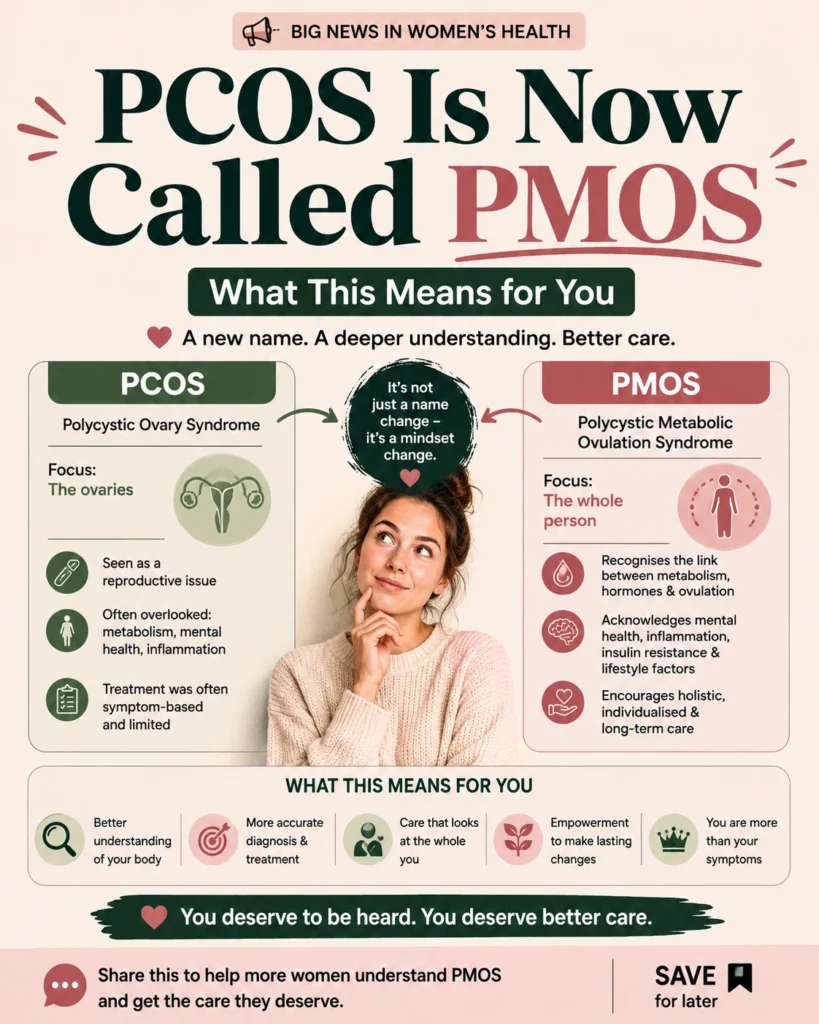
It is the new medical name for PCOS.

Experts changed the name because the old name confused many women. Most people thought PCOS only meant ovarian cysts, but that is not true.

In fact:

  • Many women with PCOS do not actually have cysts
  • The condition affects multiple hormones
  • It can affect metabolism, fertility, weight, mood, and skin

More than 170 million women worldwide are affected by this condition.


Why Was PCOS Renamed to PMOS?

The old name:

Polycystic Ovary Syndrome

focused only on ovaries and “cysts.”

But doctors now understand this condition is much more complex.

The new name PMOS better explains:

  • Hormonal imbalance
  • Metabolic issues
  • Weight-related problems
  • Fertility concerns
  • Long-term health risks

According to international experts and researchers, the old name caused:

  • Delayed diagnosis
  • Confusion
  • Poor awareness
  • Incomplete treatment

The PMOS name change was supported by more than 50 international health organizations and thousands of women globally.


Common Symptoms of PMOS (PCOS)

Every woman experiences PMOS differently.

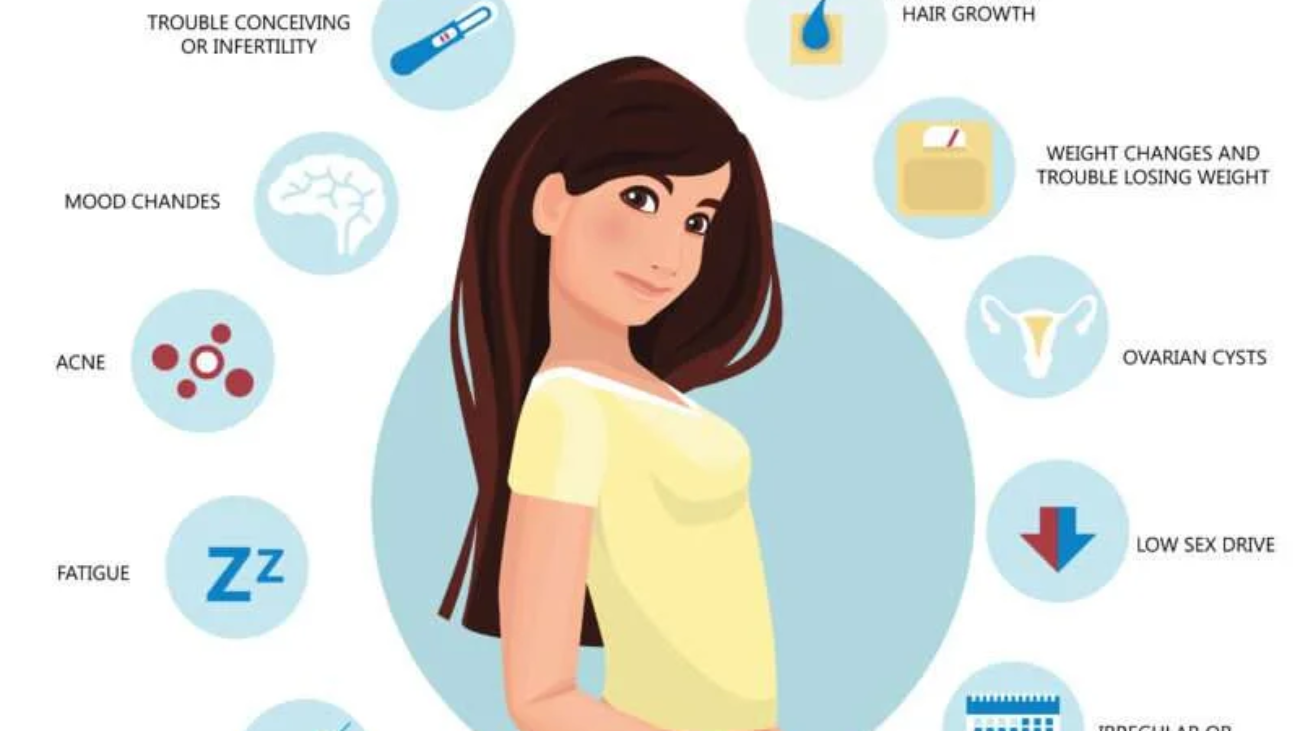
Common PMOS Symptoms Include:

Irregular Periods

Periods may come late, stop for months, or become unpredictable.

Weight Gain

Many women gain weight easily, especially around the stomach.

Acne and Oily Skin

Hormonal imbalance can trigger stubborn acne.

Excess Hair Growth

Some women notice unwanted facial or body hair.

Hair Fall

Thinning hair or hair loss is also common.

Difficulty Getting Pregnant

PMOS can affect ovulation and fertility.

Mood Swings and Anxiety

Hormonal changes may impact mental health too.

Dark Skin Patches

Darkness around the neck or underarms may happen due to insulin resistance.


What Causes PMOS?

There is no single cause, but several factors may contribute.

Possible Causes Include:

  • Hormonal imbalance
  • Insulin resistance
  • Genetics
  • Lifestyle factors
  • Obesity
  • Stress
  • Poor sleep
  • Inflammation

Many women with PMOS have higher insulin levels, which may increase male hormones (androgens) in the body.


How Does PMOS Affect Fertility?

One of the biggest concerns women face with PMOS is:

Difficulty Getting Pregnant

PMOS may prevent regular ovulation, making conception harder.

But the good news is:

Pregnancy Is Still Possible

With proper treatment, lifestyle improvement, ovulation support, or fertility treatments like IVF, many women with PMOS successfully become mothers.

At Dr. Nitasha Gupta’s fertility clinic, personalised treatment plans are created based on:

  • Age
  • Hormone levels
  • Weight
  • Ovulation pattern
  • Fertility goals

How Is PMOS Diagnosed?

Doctors may recommend:

  • Blood tests
  • Ultrasound
  • Hormone testing
  • Menstrual history evaluation
  • Weight and metabolic assessment

There is no single test for PMOS. Diagnosis usually involves understanding symptoms together.


Can PMOS Be Cured?

PMOS is usually a long-term condition, but symptoms can be managed very effectively.

Many women improve significantly through:

  • Healthy diet
  • Exercise
  • Weight management
  • Stress reduction
  • Proper sleep
  • Hormonal treatment
  • Fertility treatment if needed

Early diagnosis often leads to better long-term health outcomes.


Best Lifestyle Changes for PMOS

1. Regular Exercise

Even walking daily can help improve hormones and insulin sensitivity.

2. Healthy Eating

Focus on:

  • Protein-rich meals
  • Fiber-rich foods
  • Fruits and vegetables
  • Low sugar intake
  • Healthy fats

3. Weight Management

Even small weight loss may improve periods and ovulation.

4. Good Sleep

Sleep affects hormone balance more than many people realise.

5. Stress Management

Yoga, meditation, and relaxation techniques may help hormonal health.


Foods That May Help PMOS

PMOS-Friendly Foods Include:

  • Nuts and seeds
  • Leafy vegetables
  • Eggs
  • Fish
  • Whole grains
  • Greek yogurt
  • Lentils
  • Fruits with low sugar

Avoid excessive processed food, sugary drinks, and junk food whenever possible.


Treatment Options for PMOS

Treatment depends on symptoms and future pregnancy plans.

Common PMOS Treatments Include:

  • Hormonal medications
  • Ovulation induction
  • Weight management support
  • Insulin resistance treatment
  • Fertility treatment
  • IVF if needed

Every woman’s body is different, which is why personalised treatment matters.


PMOS and Mental Health

Many women silently struggle emotionally with PMOS.

Common emotional effects include:

  • Low confidence
  • Anxiety
  • Mood swings
  • Stress
  • Body image concerns

This condition is not “just about periods.” It can affect overall quality of life.

Support, awareness, and proper medical guidance are important.


Why Women Trust Dr. Nitasha Gupta

Dr. Nitasha Gupta is known for advanced women’s healthcare, fertility treatment, IVF care, and compassionate support for hormonal conditions like PMOS/PCOS.

Women across Chandigarh Tricity trust her for:

  • PCOS & PMOS treatment
  • Fertility consultation
  • IVF support
  • Hormonal imbalance care
  • Pregnancy planning
  • Women wellness treatment

Her approach focuses on both medical treatment and long-term lifestyle improvement.


FAQs About PMOS

Is PMOS different from PCOS?

PMOS is the new name for PCOS. The condition is the same, but the new name better explains the hormonal and metabolic nature of the disorder.

Can women with PMOS get pregnant?

Yes. Many women with PMOS conceive naturally or with fertility support.

Is weight gain common in PMOS?

Yes. Hormonal imbalance and insulin resistance often make weight management difficult.

Does PMOS only affect ovaries?

No. PMOS can affect hormones, metabolism, skin, mental health, and fertility too.

Can exercise help PMOS?

Yes. Regular exercise may improve insulin sensitivity, hormones, and ovulation.

Is PMOS lifelong?

It is usually long-term, but symptoms can often be controlled successfully.


Final Thoughts

The new name PMOS is helping doctors and women better understand this complex hormonal condition. It is not simply about ovarian cysts — it affects the entire body, including hormones, metabolism, fertility, and emotional health.

Early diagnosis, healthy lifestyle habits, and expert medical support can make a major difference.

If you are experiencing irregular periods, hormonal imbalance, acne, unexplained weight gain, or fertility concerns, consult Dr. Nitasha Gupta for personalised women’s healthcare and fertility guidance.
PCOS Treatment in Panchkula: Symptoms, Causes, Fertility & Pregnancy Guide

PCOS Symptoms, Diagnosis, and Treatment Options

PCOS Symptoms in Women – Causes, Signs & Treatment Options

Why More Women in Their 20s & 30s Are Facing Hormonal Imbalance in 2026


Kegel Exercises vs. HIFEM Technology- Which Works Better? Dr Nitasha Gupta

Kegel Exercises vs HIFEM Technology: Which Works Better ?

Kegel Exercises vs HIFEM Technology: Which Works Better?

Pelvic floor weakness is one of the most common women’s health concerns today, yet many women silently struggle with symptoms like urine leakage, pelvic heaviness, loss of bladder control, discomfort during intimacy, and weak core support after pregnancy.

Women searching for the best gynecologist for pelvic floor treatment often ask whether Kegel exercises are enough or whether advanced HIFEM technology offers better and faster results.

At Kore Fertility Centre, Dr. Nitasha Gupta helps women with advanced women’s wellness, pelvic floor strengthening, postpartum recovery, cosmetic gynecology, urinary incontinence treatment, and non-surgical intimate wellness treatments.

This detailed guide explains the difference between Kegel exercises and HIFEM technology, which treatment works better, who benefits the most, and how women can improve pelvic floor health naturally and medically.


What is the Pelvic Floor?

What is the Pelvic Floor?

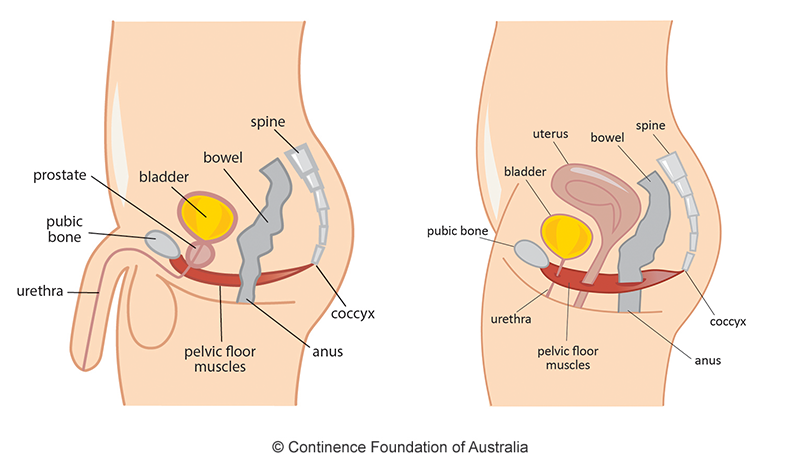
The pelvic floor is a group of muscles located at the base of the pelvis. These muscles support:

  • bladder
  • uterus
  • bowel
  • reproductive organs
  • core strength
  • intimate wellness

Strong pelvic floor muscles help women maintain bladder control, reproductive health, sexual wellness, and post-pregnancy recovery.

However, pregnancy, childbirth, hormonal changes, ageing, obesity, menopause, chronic coughing, and lifestyle factors can weaken these muscles over time.

Women with weak pelvic floor muscles may experience:

  • urine leakage while coughing or sneezing
  • stress urinary incontinence
  • pelvic heaviness
  • weak bladder control
  • painful intimacy
  • postpartum weakness
  • reduced intimate sensation
  • pelvic organ prolapse
  • lower back discomfort

Both Kegel exercises and HIFEM technology aim to strengthen these muscles, but they work very differently.


What Are Kegel Exercises?

What Are Kegel Exercises?

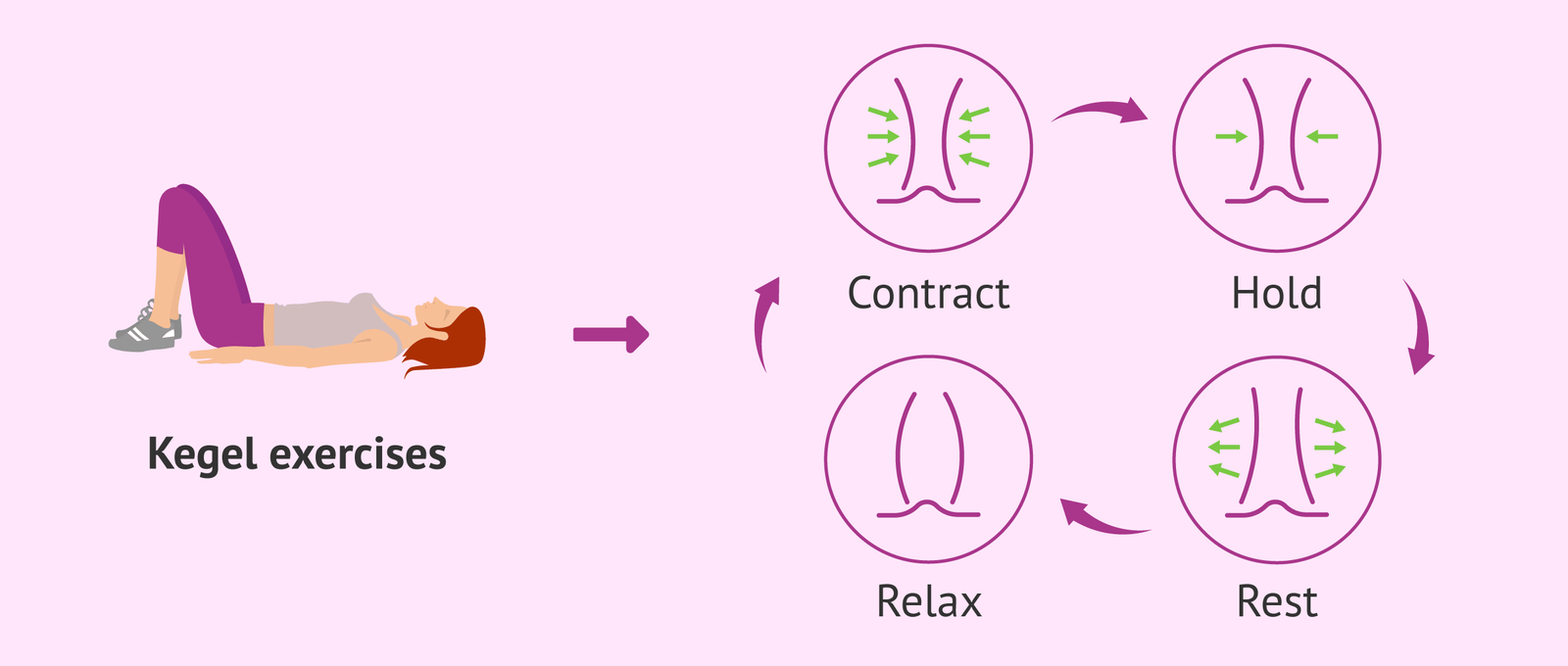
Kegel exercises are pelvic floor exercises designed to strengthen the muscles supporting the bladder and reproductive organs.

These exercises were introduced by Dr. Arnold Kegel and remain one of the most recommended first-line treatments for mild pelvic floor weakness.

Women performing Kegel exercises repeatedly tighten and relax the pelvic floor muscles to improve muscle tone and bladder control.

Benefits of Kegel Exercises

  • Can be performed at home
  • No equipment required
  • Helpful for mild pelvic floor weakness
  • Recommended during postpartum recovery
  • Supports bladder control improvement
  • May improve intimate wellness
  • Cost-effective pelvic health exercise

Problems With Kegel Exercises

Many women unknowingly perform Kegel exercises incorrectly.

Common problems include:

  • activating wrong muscles
  • poor consistency
  • weak muscle awareness
  • pushing downward instead of lifting upward
  • stopping exercises too early

Results often take weeks or months and depend heavily on daily consistency.

Women searching for the best gynecologist in Zirakpur or pelvic floor specialist near Chandigarh often seek faster and more effective alternatives after unsuccessful home exercises.


What is HIFEM Technology?

What is HIFEM Technology?

HIFEM stands for High Intensity Focused Electromagnetic Technology.

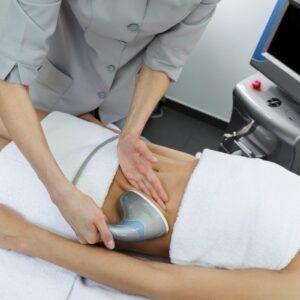
It is an advanced non-surgical pelvic floor treatment that uses electromagnetic energy to stimulate deep pelvic floor muscle contractions.

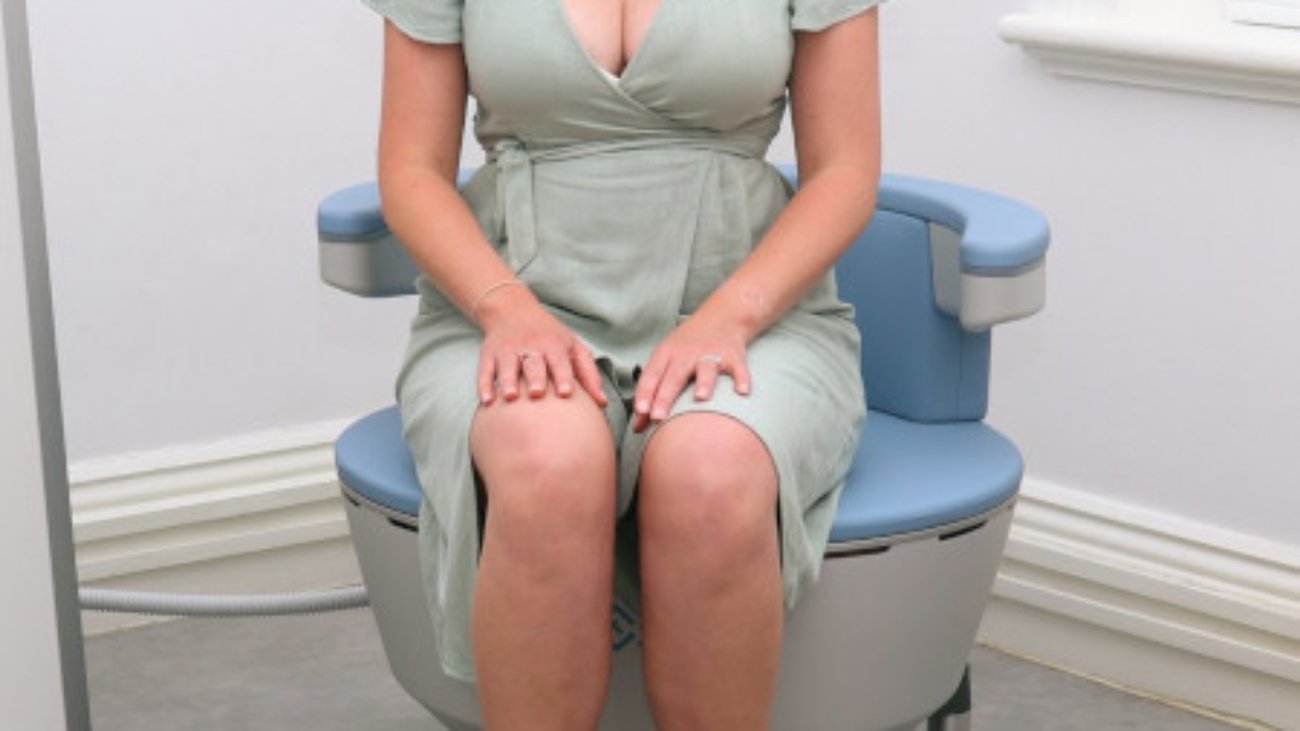
One of the most popular HIFEM-based treatments is the Emsella Chair, widely used for women’s pelvic health, urine leakage treatment, postpartum recovery, intimate wellness, and stress urinary incontinence.

At Kore Fertility Centre, Dr. Nitasha Gupta focuses on evidence-based women’s wellness and advanced gynecological care, helping women explore modern pelvic floor strengthening treatments safely.


How Does HIFEM Technology Work?

During treatment:

  • the patient sits comfortably on a specialised chair
  • treatment is completely non-invasive
  • no surgery or injections are required
  • women remain fully clothed
  • electromagnetic energy stimulates pelvic floor muscles

The technology creates supramaximal contractions, meaning contractions much stronger than normal voluntary exercises.

A single session may generate thousands of pelvic muscle contractions within minutes.

This allows deeper muscle activation than traditional pelvic floor exercises.


Benefits of HIFEM Technology

Women searching for advanced pelvic floor treatment in Zirakpur or women’s wellness solutions near Chandigarh often choose HIFEM because of the following benefits:

Non-Surgical Treatment

No cuts, injections, or recovery time.

Fast Sessions

Treatment sessions are quick and convenient.

Improved Bladder Control

Helps reduce urine leakage and stress urinary incontinence.

Better Postpartum Recovery

Supports pelvic floor recovery after childbirth.

Improved Intimate Wellness

Some women report better muscle tone and intimate wellness.

Deep Muscle Activation

Targets pelvic muscles more effectively than manual exercises.

No Downtime

Patients can resume normal activities immediately.


Kegel Exercises vs HIFEM Technology: Which Works Better?

Kegel Exercises May Be Better If:

  • pelvic weakness is mild
  • symptoms are minimal
  • postpartum recovery is early
  • patients prefer natural home exercises
  • budget is a concern

HIFEM Technology May Be Better If:

  • urine leakage affects daily life
  • Kegel exercises are not helping
  • postpartum weakness is significant
  • women want faster results
  • muscle activation is poor
  • pelvic floor weakness is moderate to severe
  • intimate wellness concerns exist

Many pelvic floor specialists recommend combining both approaches.

Women may use HIFEM treatment to strengthen pelvic muscles initially and continue Kegel exercises for long-term maintenance.


What Do Research Studies Suggest?

Clinical studies have shown positive results with HIFEM-based pelvic floor strengthening.

Research indicates improvements in:

  • stress urinary incontinence
  • bladder control
  • pelvic muscle strength
  • postpartum recovery
  • quality of life
  • intimate wellness

Women searching for women’s wellness treatment in Zirakpur or pelvic floor strengthening often prefer clinically supervised options for better consistency and outcomes.


Who Should Consult a Gynecologist for Pelvic Floor Problems?

Women experiencing the following symptoms should consult a gynecologist:

  • urine leakage
  • pelvic pressure
  • painful intimacy
  • weak bladder control
  • postpartum pelvic weakness
  • pelvic heaviness
  • chronic urgency to urinate
  • intimate wellness concerns
  • lower pelvic discomfort

Dr. Nitasha Gupta provides personalised women’s wellness consultations and advanced gynecological guidance for pelvic floor concerns.


Why Women Choose Dr. Nitasha Gupta

Women searching for the best gynecologist in Zirakpur, women’s wellness specialist near Chandigarh, or pelvic health doctor often consult Dr. Nitasha Gupta because of her experience in:

  • women’s healthcare
  • fertility care
  • cosmetic gynecology
  • postpartum recovery
  • hormonal care
  • advanced gynecology
  • pelvic wellness treatment
  • reproductive health

With 15+ years of experience and previous leadership experience as Centre Head at Indira IVF Chandigarh, Dr. Nitasha Gupta is known for patient-focused women’s healthcare and compassionate treatment guidance.


Frequently Asked Questions (FAQs)

Are Kegel exercises enough for urine leakage?

Kegel exercises may help mild urine leakage, but moderate or severe symptoms often require advanced pelvic floor treatment and medical evaluation.

Is HIFEM treatment painful?

HIFEM treatment is generally non-invasive and comfortable for most women.

How many HIFEM sessions are needed?

The number of sessions depends on pelvic floor weakness, symptoms, and individual treatment goals.

Can pelvic floor weakness happen after pregnancy?

Yes. Pregnancy and childbirth are among the most common causes of pelvic floor weakness.

Can HIFEM improve intimate wellness?

Pelvic floor strengthening may improve muscle tone, confidence, and intimate wellness in some women.

Which is better: Kegel exercises or HIFEM?

The right treatment depends on symptom severity, muscle weakness, lifestyle, postpartum recovery, and individual medical needs.

PCOS Symptoms, Diagnosis, and Treatment Options

PCOS Symptoms, Diagnosis, and Treatment Options

Healthy Ovary vs Polycystic Ovary – PCOS Symptoms, Diagnosis & Treatment Guide

Polycystic Ovary Syndrome (PCOS) is one of the most prevalent endocrine disorders affecting women of reproductive age.

According to global epidemiological datasets, ~1 in 10 women are affected (WHO prevalence band; confidence interval ±2–3%). Because PCOS involves hormonal, metabolic, and ovulatory dysfunction, it can influence fertility, menstrual health, weight, skin, and long-term metabolic risk.

Early diagnosis and structured treatment significantly improve reproductive and metabolic outcomes.

This guide explains PCOS symptoms, diagnostic criteria, and treatment pathways followed by fertility and PCOS specialists across Panchkula, Chandigarh, Mohali, and Dera Bassi.


Visual Comparison – Healthy Ovary vs Polycystic Ovary

https://www.researchgate.net/publication/369491657/figure/fig1/AS%3A11431281129980800%401679688604555/Ultrasound-image-of-normal-ovary-and-polycystic-ovary.png
https://images.takeshape.io/f1ba446a-c0cf-4882-b0c9-50298f143ec2/dev/d0fd506f-e550-4ceb-a065-82413610c648/752284
https://cdnintech.com/media/chapter/45102/1512345123/media/image37_w.jpg

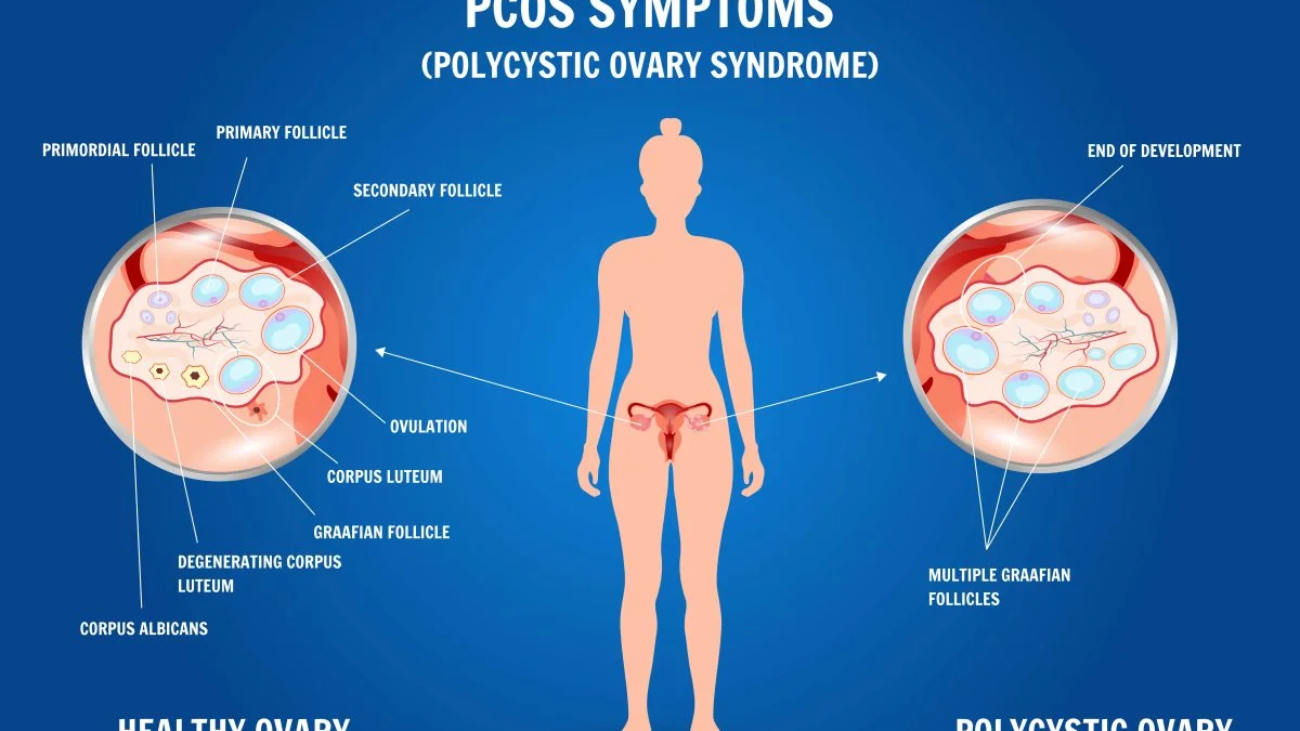
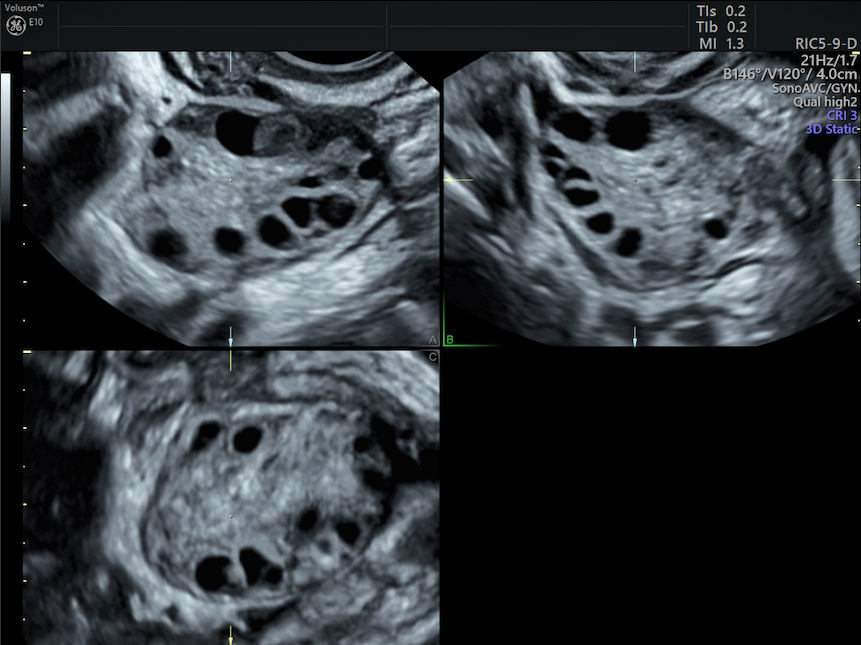
Healthy ovaries show orderly follicular development, whereas polycystic ovaries demonstrate multiple immature follicles arranged peripherally — often described as a “string of pearls” pattern on ultrasound.


What Is Polycystic Ovary Syndrome (PCOS)?

PCOS occurs when ovaries produce excessive androgens (male-pattern hormones present in small amounts in women).

Elevated androgen levels disrupt:

  • Egg maturation
  • Ovulation timing
  • Menstrual cyclicity
  • Metabolic signaling

Contrary to common belief, ovarian cysts are not mandatory for diagnosis — PCOS is primarily a hormonal-metabolic disorder rather than a structural disease.

External reference:
World Health Organization — Women’s Endocrine Health
https://www.who.int


Common Symptoms of PCOS

Clinical presentation varies from mild to severe depending on endocrine and metabolic status.


Irregular Periods

  • Cycles >35 days
  • <8 cycles/year
  • Amenorrhea (absence of menstruation)

Ovulatory dysfunction is the hallmark feature.


Excess Androgen Symptoms

High testosterone may cause:

  • Facial hair (hirsutism)
  • Chest/abdominal hair
  • Severe acne
  • Scalp hair thinning

Polycystic Ovaries

Ultrasound may show:

  • Enlarged ovarian volume
  • Multiple immature follicles
  • Peripheral follicle distribution

Infertility

Because ovulation is irregular, PCOS is among the leading causes of anovulatory infertility.

Many women conceive successfully via ovulation induction, IUI, or IVF.


Weight Gain & Insulin Resistance

Metabolic dysfunction leads to:

  • Central obesity
  • Sugar cravings
  • Insulin resistance

Long-term risk: Type 2 diabetes (moderate risk elevation; CI ±10%).

External reference:
CDC PCOS & Diabetes Risk
https://www.cdc.gov


Emotional & Mental Health Symptoms

  • Mood swings
  • Anxiety
  • Depression
  • Sleep disruption

Hormonal fluctuations influence neurotransmitter regulation.


Diagnosis of PCOS

Diagnosis requires multi-parameter evaluation.


1. Medical History

Assessment includes:

  • Menstrual irregularity
  • Acne/hair changes
  • Weight trends
  • Family history

2. Physical Examination

Doctors assess:

  • BMI
  • Acne severity
  • Hirsutism patterns

3. Pelvic Ultrasound

Evaluates:

  • Ovarian size
  • Follicle count
  • Stromal density

4. Blood Tests

Common endocrine panels:

  • Testosterone
  • LH/FSH ratio
  • Fasting insulin
  • Thyroid profile
  • Prolactin

External research reference:
NCBI PCOS Clinical Studies
https://www.ncbi.nlm.nih.gov


Rotterdam Diagnostic Criteria

PCOS diagnosis requires 2 of 3:

Irregular ovulation

Hyperandrogenism

Polycystic ovarian morphology

This remains the global diagnostic gold standard.


Treatment Options for PCOS

Although PCOS has no permanent cure, symptoms are highly manageable.


Lifestyle Modifications

First-line therapy.

Diet Strategy

  • Low-glycemic carbohydrates
  • Lean protein
  • Fiber vegetables
  • Omega-3 fats

Mediterranean-style diets improve insulin sensitivity (CI ±15%).


Exercise Protocol

  • Cardio + resistance training
  • 150 min/week activity

Weight reduction of 5–10% may restore ovulation.


Medications

Used for hormonal regulation.

  • Oral contraceptives → cycle regulation
  • Metformin → insulin resistance
  • Anti-androgens → acne & hair growth

External clinical reference:
Mayo Clinic — PCOS Treatment
https://www.mayoclinic.org


Fertility Medications

For conception goals:

  • Letrozole
  • Clomiphene (Clomid)
  • Gonadotropins

Ovulation induction success varies by ovarian reserve (CI ±20%).


Hair Reduction Treatments

  • Laser hair reduction

  • Electrolysis

Adjunctive cosmetic therapy.


Surgical Option – Ovarian Drilling

Laparoscopic procedure reducing androgen-producing ovarian tissue.

Used in medication-resistant PCOS.


Mental & Emotional Support

Psychological care improves treatment adherence and hormonal stability.

Includes:

  • Counseling
  • Mindfulness therapy
  • Sleep regulation

When to Consult a PCOS Specialist

Seek evaluation if experiencing:

  • Irregular periods
  • Facial hair growth
  • Severe acne
  • Rapid weight gain
  • Infertility
  • Hormonal imbalance signs

Specialist consultation is available at:

Kore Fertility Solutions Pvt. Ltd
under
Dr. Nitasha Gupta
serving Panchkula, Chandigarh, Mohali & Dera Bassi.


Conclusion

PCOS is a multifactorial endocrine disorder affecting reproductive and metabolic health — yet highly manageable with early diagnosis and structured treatment.

Lifestyle correction, hormonal therapy, fertility support, and psychological care together create optimal long-term outcomes.

Women experiencing irregular cycles, acne, weight gain, or fertility challenges should seek timely gynecological evaluation.


Frequently Asked Questions (FAQs)


Can PCOS be cured?

No permanent cure exists, but symptoms can be effectively controlled.


Does PCOS always cause infertility?

No. Many women conceive naturally or with fertility support.


Should every PCOS patient get ultrasound?

Not mandatory — diagnosis depends on combined clinical criteria.


Can lean women have PCOS?

Yes. Lean PCOS is hormonally driven despite normal weight.


Is PCOS genetic?

Family history increases susceptibility risk.


Does PCOS increase diabetes risk?

Yes — insulin resistance elevates long-term diabetes probability.

PCOS Symptoms in Women – Causes, Signs & Treatment Options | Best PCOS Doctor in Panchkula

PCOS Symptoms in Women – Causes, Signs & Treatment Options | Best PCOS Doctor in Panchkula

PCOS Symptoms in Women – Causes, Signs & Treatment Options

PCOS symptoms in women are among the fastest-rising reproductive health concerns globally and particularly prevalent in urban Indian populations.

Epidemiological estimates indicate that 15–22% of reproductive-age women in India may have Polycystic Ovary Syndrome (PCOS) (confidence interval derived from AIIMS, ICMR, and Endocrine Society prevalence bands).

PCOS symptoms in women commonly manifest as irregular periods, acne, weight gain, hair fall, and infertility. Early diagnosis combined with endocrine and fertility management significantly improves ovulation restoration and pregnancy outcomes.


What Is PCOS?

Polycystic Ovary Syndrome (PCOS) is a hormonal-metabolic disorder characterized by:

  • Irregular ovulation
  • Excess androgen hormones
  • Polycystic ovarian morphology
  • Insulin resistance

It affects reproductive, dermatological, metabolic, and psychological health simultaneously.


Common PCOS Symptoms in Women

Women searching for PCOS symptom identification typically present with multi-system indicators.

Menstrual & Ovulation Symptoms

  • Irregular menstrual cycles
  • Missed periods (amenorrhea)
  • Delayed ovulation
  • Heavy or scanty bleeding

Irregular cycles remain the highest predictive clinical marker of PCOS.


Skin & Hair Symptoms

  • Hormonal acne (jawline/chin distribution)
  • Oily skin
  • Hirsutism (facial/body hair growth)
  • Hair thinning or androgenic alopecia

These arise due to elevated testosterone levels.


Metabolic Symptoms

  • Rapid weight gain
  • Difficulty losing weight
  • Sugar cravings
  • Insulin resistance markers

Dermatological Markers

  • Dark pigmentation around neck (Acanthosis Nigricans)
  • Underarm darkening

These indicate underlying insulin dysfunction.


Fertility Symptoms

  • Difficulty conceiving
  • Anovulation infertility
  • Repeated IVF failures

Ovulatory dysfunction affects 70–80% of PCOS patients seeking fertility care (CI ±8%).


Main Causes of PCOS in Women

PCOS is multifactorial — metabolic + genetic + endocrine.


1. Insulin Resistance

Excess insulin stimulates ovarian androgen production → ovulation suppression.

Seen in ~65–75% PCOS patients (global endocrine datasets).


2. Genetic Predisposition

Family history significantly increases risk probability.


3. Hormonal Imbalance

Disruption between:

  • Estrogen
  • Progesterone
  • LH/FSH ratio
  • Testosterone

4. Lifestyle & Obesity Factors

  • Sedentary routine
  • Processed diet
  • Sleep dysregulation
  • Chronic stress

Urban lifestyle acts as an endocrine disruptor.


Diagnosis of PCOS

Clinical diagnosis uses Rotterdam Criteria (2 of 3 required).

Diagnostic Evaluation Includes:

  • Menstrual history mapping
  • Pelvic ultrasound scan
  • Hormonal blood tests
  • Thyroid profile
  • Insulin testing
  • Lipid profile

Advanced fertility clinics also assess:

  • AMH (Ovarian reserve)
  • Ovulation tracking

Best Treatment for PCOS Symptoms in Women

Treatment depends on:

  • Age
  • Fertility goals
  • Metabolic profile
  • BMI

1. Lifestyle Correction

First-line therapy for mild PCOS.

Diet Protocol

  • Low-glycemic foods
  • High protein intake
  • Fiber vegetables
  • Omega-3 fats

Activity Protocol

  • 30–45 min walking
  • Resistance training
  • Yoga

Weight reduction of 5–10% can restore ovulation in many patients (CI ±3%).


2. Medical Treatment

Used when cycles or ovulation don’t normalize.

  • Cycle-regulating medicines
  • Hormonal therapy
  • Insulin sensitizers
  • Anti-androgen therapy

3. Fertility Treatment Options

When conception is the goal:

Ovulation Induction

Stimulates egg release.

IUI (Intrauterine Insemination)

Used in mild infertility.

IVF Therapy

Recommended in:

  • Severe PCOS
  • Failed IUI
  • Ovulation resistance

Laparoscopic Ovarian Drilling

Surgical option for resistant PCOS.


PCOS & Fertility Care in Tricity

Women seeking advanced hormonal and fertility management can consult:

Kore Fertility Solutions Pvt. Ltd – Specialized IVF & reproductive endocrinology center.

LaBella – Cosmetic Gynecology & Intimate Wellness – Women’s intimate health & wellness clinic.

Under the expertise of:

Dr. Nitasha Gupta
Gynecologist, PCOS Specialist & IVF Consultant serving:

  • Panchkula
  • Chandigarh
  • Mohali
  • Zirakpur
  • Dhakoli
  • Dera Bassi

Book Your PCOS Consultation

Early treatment of PCOS symptoms in women significantly improves pregnancy success probability and metabolic outcomes.


FAQs – PCOS Symptoms in Women

Is PCOS dangerous?

Untreated PCOS may lead to infertility, diabetes, endometrial hyperplasia, and metabolic syndrome but is medically manageable.


Can PCOS be cured permanently?

PCOS has no permanent cure, but symptoms can be effectively controlled through endocrine, lifestyle, and fertility treatment.


Can women with PCOS conceive naturally?

Yes. Clinical data suggests 70–80% conceive naturally or with ovulation support (CI ±10%).


Which doctor treats PCOS in Panchkula?

Consult Dr. Nitasha Gupta at Kore Fertility Solutions Pvt. Ltd for hormonal and fertility management.