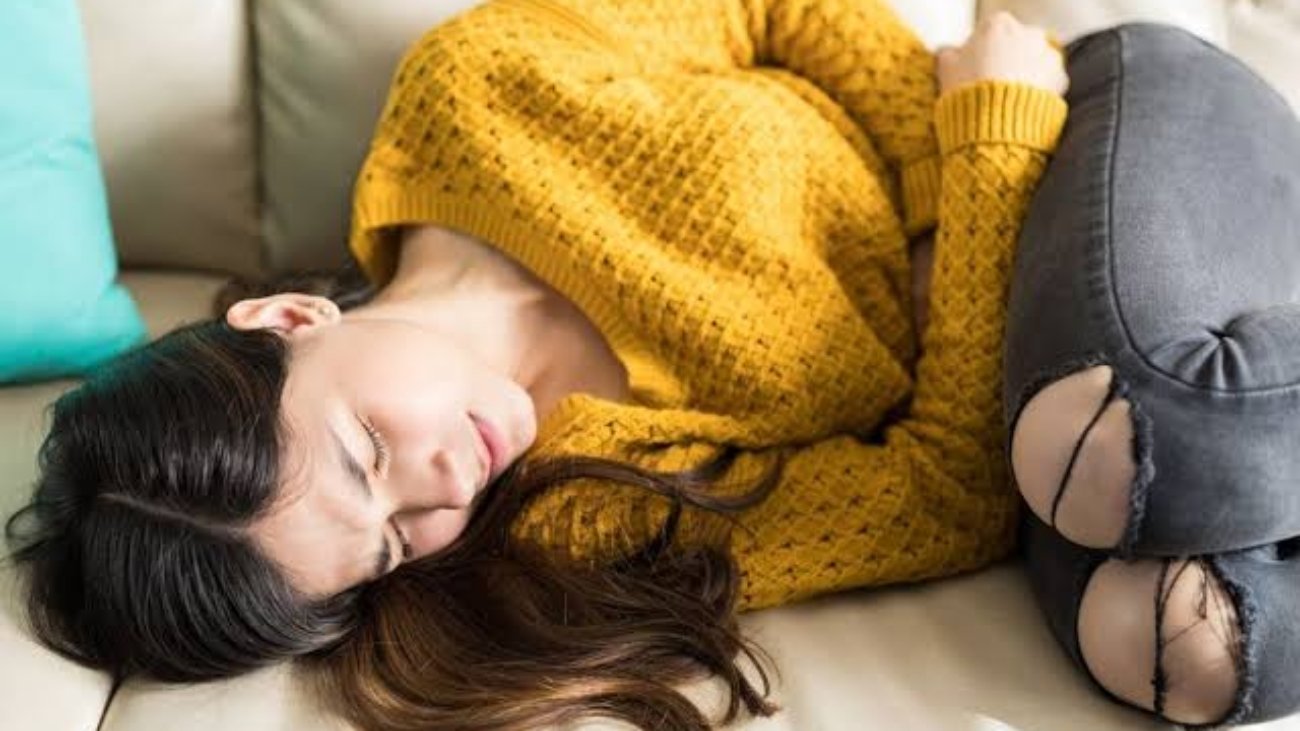
Winter brings colder mornings, shorter days and changes to our daily routines. For some women, this season can also feel more uncomfortable during menstruation, with cramps, bloating, fatigue and low energy making everyday activities harder.
But do periods actually get worse in winter? Does cold weather affect your menstrual cycle, and what can you do to manage period pain during the colder months?
The answer is not the same for everyone. There is no strong evidence that winter itself makes menstrual cramps worse in every woman. However, changes in physical activity, sleep, mood and daily habits may influence how you experience menstrual discomfort.
In this guide, Dr. Nitasha Gupta, Consultant Gynecologist and IVF Specialist, explains seven common questions about period pain in winter, practical ways to feel more comfortable and the symptoms that should not be ignored.
Quick Answer: Do Periods Get Worse in Winter?
Not necessarily. Menstrual cramps are mainly linked to uterine contractions and substances called prostaglandins. Cold weather alone is not an established cause of worsening period pain or irregular periods. If your cramps feel more noticeable in winter, consider your activity levels, sleep, stress, hydration and usual menstrual symptoms.
Remember: Severe, persistent or newly worsening period pain should not automatically be blamed on cold weather. It may need evaluation by a gynecologist.
1. Do Period Cramps Really Get Worse in Winter?
Some women report more discomfort during colder months, while others notice no seasonal change. Research does not establish that winter temperatures directly cause more severe menstrual cramps for everyone.
Period pain, medically known as dysmenorrhea, commonly occurs just before or during menstruation. It happens when the uterus contracts to shed its lining. Prostaglandins, which are naturally produced in the body, contribute to these contractions and the associated pain.
During winter, some people spend more time indoors, exercise less or experience changes in sleep and mood. These changes may affect general well-being and how manageable period symptoms feel, but they do not prove that cold weather causes menstrual pain.
If your periods are consistently painful, become more painful over time or interfere with work, school or daily life, consult a gynecologist rather than assuming the symptoms are seasonal.
2. Why Might Period Pain Feel More Uncomfortable During Winter?
Several factors may contribute to how you experience menstrual discomfort during the colder months.
Reduced Physical Activity
Cold weather may make it harder to maintain your usual exercise routine. Regular movement can support general well-being and may help some people manage menstrual discomfort. Gentle walking, stretching or yoga may be useful if you feel comfortable doing them.
Changes in Sleep and Daily Routine
Changes in sleep schedules, activity and everyday habits may affect energy levels and pain coping. Aim for a consistent sleep routine and allow yourself time to rest when needed.
Stress and Mood Changes
Stress can affect how you experience pain and may overlap with premenstrual symptoms. Relaxation techniques, gentle movement and adequate rest may help you cope, although they are not substitutes for medical care when pain is severe.
Cold-Related Muscle Tension
Some people feel physically tense when they are cold. Staying comfortably warm may improve comfort, but this should not be confused with evidence that cold temperatures cause uterine cramps.
3. What Are Seven Ways to Manage Period Pain in Winter?
1. Use Gentle Heat
A warm water bottle wrapped in a towel or a heating pad used according to its instructions may help relieve cramps. Avoid placing very hot objects directly against your skin, and do not fall asleep with an unsafe heating device in place.
2. Try Gentle Movement
Walking, light stretching and yoga may help some people feel better during their period. Adjust the intensity to your comfort level and rest if activity worsens your pain.
3. Take a Warm Bath or Shower
A comfortably warm bath or shower can help you relax and may ease the sensation of cramping. Avoid water that is hot enough to burn your skin or make you feel dizzy.
4. Prioritise Sleep
Try to maintain a regular sleep schedule, especially in the days before and during your period. Adequate rest may help you manage fatigue and cope with discomfort.
5. Eat Balanced, Regular Meals
Include a variety of vegetables, fruits, whole grains, protein sources and iron-rich foods in your diet. If you experience heavy periods or persistent fatigue, ask a healthcare professional whether you need an assessment for iron deficiency. No particular food is proven to cure menstrual cramps.
6. Drink Enough Fluids
Remember to drink water even when you feel less thirsty in cold weather. Warm drinks may be soothing, but they are not a treatment for the underlying causes of severe menstrual pain.
7. Discuss Suitable Pain Relief with a Healthcare Professional
Medicines such as non-steroidal anti-inflammatory drugs (NSAIDs) may help period cramps for some people. They are not suitable for everyone, including some people with stomach ulcers, kidney problems, certain bleeding disorders, medication allergies or other health conditions.
Ask your doctor or pharmacist which option is appropriate for you, especially if you take other medicines, have an existing medical condition or could be pregnant. Do not exceed the recommended dose or combine medicines without professional advice.
4. Can Cold Weather Affect Your Menstrual Cycle?
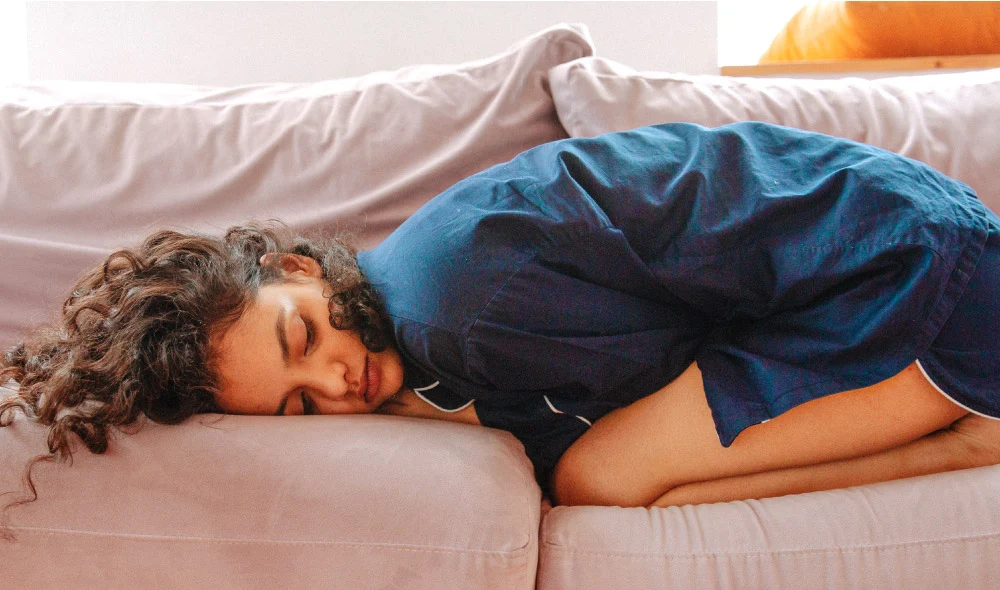
Cold weather alone has not been established as a direct cause of irregular periods. Menstrual cycles can vary naturally, and changes in stress, sleep, weight, physical activity, illness and hormones may contribute to changes in timing.
Conditions such as polycystic ovary syndrome (PCOS), thyroid disorders and other hormonal or reproductive health concerns can also affect menstrual regularity.
If your period is repeatedly late, you miss periods, your cycle changes significantly or you experience unusually heavy bleeding, arrange a medical assessment. If pregnancy is possible and your period is late, consider taking a pregnancy test.
Read more: Irregular Periods: When Should You Worry?
5. When Is Period Pain a Sign of an Underlying Condition?
Mild cramps around the start of menstruation are common. However, severe or progressively worsening pain can sometimes be associated with a medical condition that needs treatment.
Possible causes of significant menstrual pain include:
-
Endometriosis: A condition in which tissue similar to the uterine lining grows outside the uterus.
-
Adenomyosis: A condition in which tissue similar to the uterine lining grows into the muscular wall of the uterus.
-
Uterine fibroids: Non-cancerous growths in or around the uterus that can cause pain or heavy bleeding.
-
Pelvic inflammatory disease: An infection involving the reproductive organs that requires medical assessment and treatment.
These conditions cannot be diagnosed from period pain alone. A gynecologist may review your symptoms and medical history and recommend an examination, ultrasound or other tests when appropriate.
6. When Should You See a Gynecologist for Period Pain?
Do not assume that severe menstrual pain is something you simply have to tolerate. Arrange a gynecological consultation if:
-
Your cramps are becoming more painful over time.
-
Period pain affects your ability to work, study, sleep or complete daily activities.
-
Your periods become heavier or irregular.
-
You experience bleeding between periods.
-
You have pain during sex or when urinating or passing stool.
-
Your usual pain-relief measures no longer help.
Seek urgent medical care if pelvic or period pain is severe, sudden or significantly worse than usual, particularly if you feel faint, have heavy bleeding, fever or persistent vomiting, or might be pregnant. Severe pain with possible pregnancy needs prompt assessment.
Early evaluation can help identify the cause and guide appropriate treatment.
7. How Can You Prepare for a Gynecologist Appointment?
Keeping a simple menstrual diary for two or three cycles can help you explain your symptoms clearly. Record:
-
The first and last day of each period.
-
When cramps begin and how long they last.
-
Pain severity and whether it affects daily activities.
-
How heavy the bleeding is and whether you notice clots.
-
Other symptoms, such as nausea, fatigue, headaches or pelvic pain.
-
Any medicines you take and whether they help.
Share any recent changes in your cycle, medical history or contraception with your doctor. These details can help determine whether further evaluation is needed.
Frequently Asked Questions About Period Pain in Winter
Does cold weather make period cramps worse?
There is no strong evidence that cold weather directly worsens menstrual cramps in everyone. Some people may notice more discomfort during winter, but other factors and underlying conditions should also be considered.
How can I relieve period pain in winter naturally?
Gentle heat, a warm bath, light movement, adequate sleep and relaxation may help. If pain is severe, persistent or interferes with daily life, seek medical advice rather than relying only on home remedies.
Can cold weather delay my period?
Cold weather alone is not an established cause of delayed periods. Stress, pregnancy, changes in weight or activity, illness and hormonal conditions may affect cycle timing.
Is it safe to exercise during periods in winter?
Gentle exercise is generally suitable if you feel well enough. Walking or stretching may help some people manage discomfort. Stop if you feel unwell or your symptoms worsen, and seek medical advice for severe pain.
When is period pain not normal?
Pain that is severe, worsening, persistent or disruptive to daily activities needs medical assessment. Pain with heavy bleeding, bleeding between periods, pain during sex or other unusual symptoms should also be discussed with a gynecologist.
Can period pain be a sign of PCOS?
Period pain alone does not establish that someone has PCOS. PCOS is more commonly associated with irregular or absent periods and symptoms related to excess androgens. A clinician can assess your symptoms and determine whether testing is appropriate.
Which doctor should I consult for severe period cramps?
A gynecologist can assess severe or recurring menstrual pain, review possible causes and recommend suitable treatment. If the pain is sudden or severe, or you have other urgent warning signs, seek urgent medical care.
Women’s Health Care with Dr. Nitasha Gupta
Menstrual discomfort can affect everyday life, but severe pain should not be dismissed as a normal part of being a woman or simply blamed on winter.
Dr. Nitasha Gupta is a Consultant Gynecologist and IVF Specialist associated with Kore Fertility Centre in the Zirakpur area. If you are experiencing painful periods, irregular cycles or other menstrual health concerns, seek an individual medical assessment to understand the possible causes and suitable care options.
Women and families in Zirakpur, Dhakoli, Mohali, Panchkula, Chandigarh and nearby areas can use the clinic’s contact page to enquire about an appointment.
Contact Dr. Nitasha Gupta to enquire about a consultation
Medical disclaimer: This article is for general educational purposes only and does not replace an individual consultation, diagnosis or treatment plan. Treatment depends on a person’s symptoms, medical history and examination.