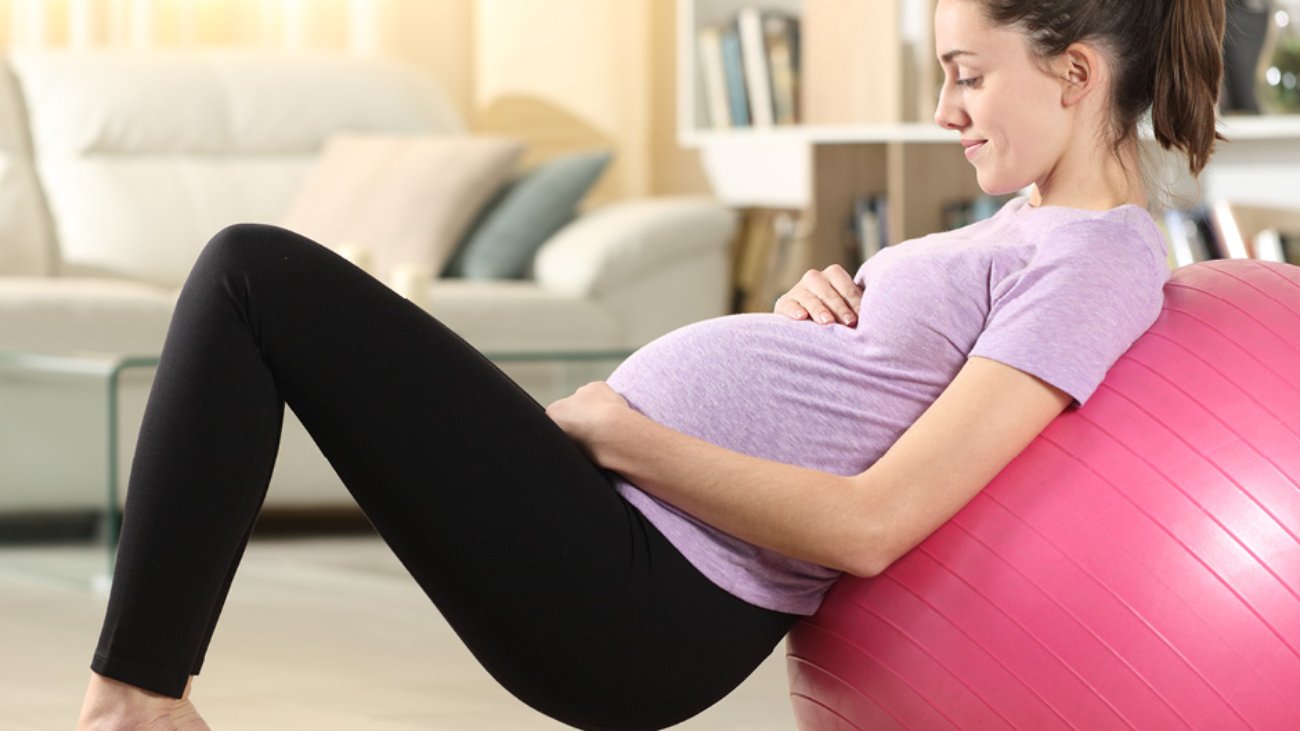
Exercising While Expecting: A Complete Guide to Safe Pregnancy Fitness
By Dr. Nitasha Gupta
Pregnancy is one of the most transformative phases in a woman’s life. While many women believe they should avoid physical activity during pregnancy, medical experts now strongly recommend safe exercise during pregnancy for both mother and baby. In fact, exercising while expecting can improve energy levels, reduce stress, strengthen muscles, support healthy weight gain, and even help during labour and recovery.
According to leading global health experts including the World Health Organization (WHO) and American College of Obstetricians and Gynecologists (ACOG), regular pregnancy workouts are considered highly beneficial for most women with uncomplicated pregnancies.
At Dr. Nitasha Gupta’s clinic, many expecting mothers from Chandigarh, Panchkula, Mohali, Zirakpur, Dhakoli, and Dera Bassi ask one common question:
“Is exercising while pregnant safe for my baby?”
The answer in most cases is yes. Safe prenatal exercise can actually improve maternal and fetal health when done correctly under expert guidance.
Why Exercising While Expecting Matters
Pregnancy changes your body physically, hormonally, emotionally, and mentally. Staying active helps the body adapt to these changes more effectively.
Benefits of Exercise During Pregnancy
1. Easier Labour and Delivery
Women who maintain pregnancy fitness often experience better stamina during labour and improved muscle strength for delivery.
2. Reduces Back Pain and Body Aches
As pregnancy progresses, posture changes and extra weight strain the spine. Prenatal workouts help strengthen supporting muscles and reduce discomfort.
3. Supports Healthy Weight Gain
Exercise during pregnancy helps maintain healthy metabolism and reduces excessive pregnancy weight gain.
4. Better Mental Health
Physical activity releases endorphins that reduce anxiety, mood swings, and stress during pregnancy.
5. Improves Blood Circulation
Safe exercise during pregnancy supports circulation and may reduce swelling in legs and feet.
6. Faster Recovery After Delivery
Women who remain active during pregnancy often recover more quickly postpartum.
7. Better Sleep Quality
Light pregnancy exercises and walking may improve sleep patterns and reduce fatigue.
Is Exercise Safe During Pregnancy?
For most healthy pregnancies, yes. However, every pregnancy is different.
Women with conditions such as:
- High-risk pregnancy
- Placenta previa
- Severe anemia
- Uncontrolled blood pressure
- Preterm labour risk
- Cervical complications
should consult an experienced gynecologist before beginning prenatal workouts.
At Dr. Nitasha Gupta’s women’s health and fertility clinic, personalised pregnancy fitness guidance is often recommended based on the trimester, maternal health, and IVF history if applicable.
Best Exercises During Pregnancy
Walking During Pregnancy
Walking is considered one of the safest and easiest forms of exercise while expecting. Even 20–30 minutes daily can improve cardiovascular health and mood.
Prenatal Yoga
Pregnancy yoga improves flexibility, breathing control, posture, and relaxation.
Benefits include:
- Reduced stress
- Better balance
- Improved sleep
- Pelvic flexibility
Many women searching for “best exercise during pregnancy” or “safe pregnancy yoga” benefit from prenatal yoga under trained supervision.
Swimming During Pregnancy
Swimming is highly recommended because water supports the extra pregnancy weight and reduces joint strain.
Benefits of swimming during pregnancy:
- Relieves swelling
- Reduces pressure on the back
- Improves circulation
- Keeps the body cool
Pelvic Floor Exercises
Pelvic floor exercises are among the most important pregnancy exercises.
These muscles support the bladder, uterus, and bowel during pregnancy.
Benefits:
- Prevents urinary leakage
- Strengthens pelvic muscles
- Helps during labour
- Supports postpartum recovery
How to Do Pelvic Floor Exercises
- Sit or lie comfortably.
- Tighten pelvic muscles gently.
- Hold for a few seconds.
- Relax slowly.
- Repeat multiple times daily.
Safe Strength Exercises During Pregnancy
Light strength training can help support posture and muscle endurance.
Recommended pregnancy workouts include:
- Wall squats
- Pelvic tilts
- Modified stretches
- Prenatal Pilates
- Bodyweight exercises
Avoid excessive strain or heavy lifting.
Exercises to Avoid While Expecting
Not all exercises are safe during pregnancy.
Avoid:
- Contact sports
- Scuba diving
- High-altitude workouts
- Intense jumping exercises
- Heavy weightlifting
- Exercises with high fall risk
After 16 weeks of pregnancy, avoid lying flat on your back for long periods because it may reduce blood circulation.
Pregnancy Exercise Tips From Dr. Nitasha Gupta
Listen to Your Body
Do not overexert yourself. Pregnancy is not the time for extreme fitness goals.
Stay Hydrated
Drink enough water before and after workouts.
Wear Comfortable Clothing
Choose breathable maternity activewear and supportive shoes.
Warm Up and Cool Down
Gentle stretching before and after workouts helps prevent muscle strain.
Avoid Overheating
Avoid strenuous exercise in extremely hot weather.
Speak Normally During Exercise
If you cannot hold a conversation while exercising, the intensity may be too high.
Exercising During IVF Pregnancy
Women with IVF pregnancies often worry about physical activity.
At Dr. Nitasha Gupta’s fertility clinic, exercise recommendations are customised carefully for IVF patients depending on:
- Embryo transfer stage
- Hormonal condition
- Pregnancy progression
- Medical history
Gentle walking and low-impact activity are usually preferred initially unless advised otherwise.
Common Signs to Stop Exercising Immediately
Contact your gynecologist if you experience:
- Vaginal bleeding
- Dizziness
- Severe abdominal pain
- Chest pain
- Breathing difficulty
- Fluid leakage
- Reduced fetal movement
Safety always comes first during pregnancy fitness.
Nutrition + Exercise = Healthy Pregnancy
Exercise alone is not enough. Proper nutrition during pregnancy is equally important.
A healthy pregnancy routine should include:
- Protein-rich meals
- Iron and calcium intake
- Adequate hydration
- Fresh fruits and vegetables
- Prenatal vitamins
Read more pregnancy care resources at:
Why Patients Trust Dr. Nitasha Gupta
Dr. Nitasha Gupta is known for compassionate women’s healthcare, fertility treatment, IVF support, pregnancy care, and advanced gynecology services.
Patients across Chandigarh Tricity trust her for:
- Pregnancy consultations
- IVF treatment
- High-risk pregnancy care
- Women’s wellness
- Fertility guidance
- Prenatal counselling
Her patient-centric approach focuses on safe motherhood, healthy pregnancy, and evidence-based care.
FAQs – Exercising While Expecting
Can I exercise daily during pregnancy?
Yes, most women can safely exercise daily with moderate-intensity activities like walking, prenatal yoga, or stretching.
Which exercise is best during pregnancy?
Walking, prenatal yoga, swimming, and pelvic floor exercises are among the safest pregnancy workouts.
Is exercise safe during IVF pregnancy?
In many cases yes, but exercise should be guided by your fertility specialist depending on your condition.
Can exercise harm my baby?
No. Safe prenatal exercise is generally beneficial for both mother and baby when performed correctly.
When should I stop exercising during pregnancy?
Stop immediately if you experience pain, bleeding, dizziness, breathing difficulty, or contractions.
Can exercise help with normal delivery?
Yes. Pregnancy fitness may improve stamina, muscle strength, flexibility, and endurance during labour.
Final Thoughts
Exercising while expecting is one of the best ways to support a healthier pregnancy journey. Safe pregnancy workouts can improve physical strength, emotional wellbeing, labour outcomes, and postpartum recovery.
The key is balance, consistency, hydration, and medical guidance.
If you are pregnant or planning pregnancy and want personalised advice on safe prenatal fitness, consult Dr. Nitasha Gupta for expert women’s healthcare and pregnancy support.