White Discharge After Ovulation: Is It Normal or an Early Pregnancy Sign?

White Discharge After Ovulation: Is It Normal or an Early Pregnancy Sign?

Many women notice white discharge after ovulation and immediately wonder if it is normal or an early sign of pregnancy. Changes in vaginal discharge are a natural part of the menstrual cycle and are mainly influenced by hormones like estrogen and progesterone. In most cases, creamy discharge after ovulation is completely normal and helps keep the vagina healthy while protecting it from infections.

However, the appearance, consistency, and amount of discharge can change depending on where you are in your menstrual cycle. Understanding these changes can help you identify what is normal and when it may be time to seek medical advice.

In this guide, Dr. Nitasha Gupta explains the causes of white discharge after ovulation, whether it indicates pregnancy, and the warning signs you should never ignore.

What Is White Discharge After Ovulation?

Ovulation usually occurs around the middle of your menstrual cycle when an ovary releases an egg. Before ovulation, cervical mucus becomes clear, slippery, and stretchy to help sperm reach the egg. After ovulation, progesterone levels rise, causing the mucus to become thicker, creamier, and white.

This white discharge after ovulation is produced by the cervix and vagina to maintain moisture, prevent infections, and support reproductive health. Most women experience this hormonal change every month.

Why Does White Discharge Occur After Ovulation?

Several natural factors contribute to creamy discharge after ovulation.

Hormonal Changes

After ovulation, progesterone becomes the dominant hormone. It changes the consistency of cervical mucus from thin and stretchy to thick and creamy.

Protection Against Infection

The thicker mucus acts as a protective barrier, making it more difficult for bacteria to enter the uterus.

Natural Vaginal Lubrication

Healthy vaginal discharge helps maintain the natural pH balance and keeps vaginal tissues lubricated and comfortable.

Is Creamy White Discharge After Ovulation Normal?

Is Creamy White Discharge After Ovulation Normal?

Yes. Creamy discharge after ovulation is considered normal if it is:

  • White or cream-colored
  • Odorless or has a very mild smell
  • Smooth or slightly thick
  • Not associated with itching, burning, or pain

The amount of discharge varies from woman to woman. Some notice only a small amount, while others experience increased discharge after ovulation.

White Discharge After Ovulation: Pregnant or Not?

One of the most common questions is whether white discharge after ovulation means pregnancy.

The answer is that it may occur in early pregnancy, but it is not a reliable sign by itself.

If fertilization occurs, progesterone levels remain elevated. This can increase vaginal discharge, known as leukorrhea, which is usually thin, milky white, and odorless. However, many women experience similar discharge even when they are not pregnant.

Pregnancy should be confirmed using a home pregnancy test after a missed period or through a blood test recommended by your doctor.

Difference Between Normal Discharge and Pregnancy Discharge

Normal After OvulationEarly Pregnancy
Creamy whiteMilky white
Moderate amountOften increased
OdorlessOdorless
Lasts until next periodContinues during pregnancy
Hormonal cyclePregnancy hormones

Remember that discharge alone cannot confirm pregnancy.

When White Discharge Is Normal

Healthy white discharge after ovulation usually has these characteristics:

  • White or cream-colored
  • Smooth consistency
  • No strong odor
  • No itching or irritation
  • No pelvic pain
  • No fever

These changes are part of the normal menstrual cycle and usually do not require treatment.

When White Discharge Could Indicate a Problem

Although white discharge after ovulation is usually harmless, certain symptoms may indicate an infection or another medical condition.

Yeast Infection

A yeast infection often causes:

  • Thick cottage cheese-like discharge
  • Severe itching
  • Burning sensation
  • Redness around the vagina

Bacterial Vaginosis

Symptoms include:

  • Thin grey or white discharge
  • Fishy odor
  • Mild irritation

Sexually Transmitted Infections

Some infections may cause:

  • Yellow or green discharge
  • Pelvic pain
  • Fever
  • Pain during urination
  • Bleeding after intercourse

If you experience these symptoms, consult a gynecologist promptly for diagnosis and treatment.

Can White Discharge Help Track Fertility?

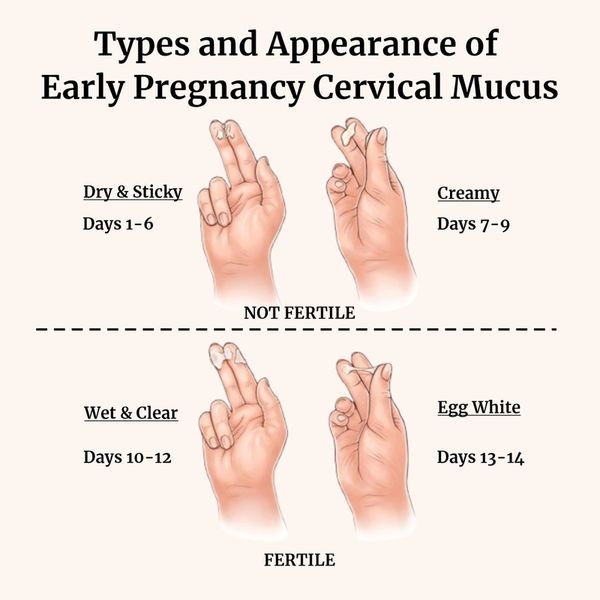
Cervical mucus changes throughout the menstrual cycle and can help women understand their fertility.

  • Clear, stretchy mucus usually indicates ovulation.
  • White discharge after ovulation often indicates the fertile window has ended.
  • Thick creamy discharge is generally associated with the progesterone phase of the cycle.

While monitoring cervical mucus can help identify ovulation, it should not be used as the only method for pregnancy planning or contraception.

When Should You See a Gynecologist?

Schedule an appointment if your discharge is accompanied by:

  • Strong or foul smell
  • Yellow, green, or grey color
  • Blood unrelated to your period
  • Severe itching
  • Burning sensation
  • Pain during intercourse
  • Pelvic pain
  • Fever
  • Persistent abnormal discharge

Early diagnosis helps prevent complications and ensures appropriate treatment.

Expert Advice from Dr. Nitasha Gupta

According to Dr. Nitasha Gupta, healthy vaginal discharge is an important indicator of reproductive health. White discharge after ovulation is commonly caused by normal hormonal changes and is usually not a reason for concern. However, discharge associated with itching, unpleasant odor, pain, or unusual color should always be evaluated by a qualified gynecologist to rule out infections or underlying medical conditions.

Frequently Asked Questions

Is white discharge after ovulation normal?

Yes. It is a common hormonal change that occurs after ovulation and is usually healthy if there are no other symptoms.

Can white discharge after ovulation mean pregnancy?

It may occur during early pregnancy, but it cannot confirm pregnancy. A pregnancy test after a missed period is the most reliable method.

How long does creamy discharge last after ovulation?

It may continue until your next menstrual period or longer if pregnancy occurs.

What color discharge is normal after ovulation?

White, milky, or cream-colored discharge without odor or discomfort is generally considered normal.

Can thick white discharge indicate an infection?

If thick discharge is accompanied by itching, burning, or a foul smell, it may indicate a yeast infection or another condition requiring medical evaluation.

Is it normal to have no discharge after ovulation?

Yes. Every woman’s body is different. Some experience noticeable discharge, while others have very little.

White Discharge During Pregnancy: What's Normal and When to See a Doctor

White Discharge During Pregnancy: What’s Normal and When to See a Doctor

White Discharge During Pregnancy: What’s Normal and When to See a Doctor?

Noticing white discharge during pregnancy is extremely common, but it can still raise questions. Is the discharge normal? Could it be an infection? Does the amount of discharge change as pregnancy progresses? And when should you contact your doctor?

In many cases, an increase in vaginal discharge during pregnancy is normal. Healthy pregnancy discharge is generally thin, clear or milky white and should not have an unpleasant smell. The amount of discharge may also increase during pregnancy.

However, not every change in discharge should be ignored. Pregnancy white discharge that develops an unusual color or strong smell, or is accompanied by itching, soreness, burning or pain while urinating, may require medical evaluation.

In this guide, Dr. Nitasha Gupta explains what white discharge during pregnancy may look like, why it happens, what may be considered normal, signs that could indicate an infection, and when pregnant women should seek medical advice.

Quick Answer: White discharge during pregnancy is often normal, particularly when it is thin or milky white and does not have an unpleasant smell. However, discharge that becomes green or yellow, smells unpleasant, or occurs with itching, soreness or painful urination should be discussed with your healthcare professional. Vaginal bleeding during pregnancy or suspected leaking of amniotic fluid requires prompt medical attention.

Is White Discharge During Pregnancy Normal?

Yes. In many cases, white discharge during pregnancy is normal.

Vaginal discharge naturally changes throughout a woman’s reproductive life, and pregnancy can cause an increase in the amount of discharge.

Normal vaginal discharge is generally clear to white without a noticeable unpleasant odor. During pregnancy, you may notice more discharge than you experienced before becoming pregnant.

Normal pregnancy white discharge may appear:

  • Clear or milky white
  • Thin or slightly sticky
  • Mild-smelling or without an unpleasant smell
  • More noticeable than before pregnancy
  • Free from significant itching or soreness

The exact amount and consistency can vary from woman to woman.

If you noticed discharge even before becoming pregnant and want to understand the difference, read our detailed guide:

White Discharge Before Period: Is It Normal or a Sign of Pregnancy?
White Discharge During Pregnancy: What’s Normal and When to See a Doctor

What Causes White Discharge During Pregnancy?

The amount of vaginal discharge can increase during pregnancy.

Pregnancy involves significant hormonal and physiological changes. As pregnancy progresses, women may notice changes in vaginal secretions compared with their usual pre-pregnancy pattern.

An increase in pregnancy white discharge without soreness or irritation can be one of the changes noticed during pregnancy.

However, changes in discharge can have different causes. While many are normal, others may be related to vaginal infections.

Understanding the accompanying symptoms is therefore more useful than judging the discharge based on color alone.

What Does Normal Pregnancy White Discharge Look Like?

Normal white discharge during pregnancy is commonly:

  • Thin
  • Clear to milky white
  • Mild-smelling or without an unpleasant odor
  • Not accompanied by itching
  • Not accompanied by burning
  • Not associated with vaginal soreness

This type of normal pregnancy-related vaginal discharge is often referred to as leukorrhea.

It is important to remember that every pregnancy is different. Some women may notice considerably more discharge, while others may experience only a small change.

A change from your personal normal pattern, especially when accompanied by other symptoms, deserves more attention.

White Discharge in Early Pregnancy

Some women notice increased white discharge in early pregnancy.

Increased vaginal discharge without soreness or irritation is among the possible changes that may occur during pregnancy. However, discharge alone cannot confirm that you are pregnant.

This is particularly important for women trying to differentiate between white discharge before period and early pregnancy white discharge.

Both can look similar.

If you are experiencing white discharge but have not yet confirmed pregnancy, read:

White Discharge Before Period: Is It Normal or a Sign of Pregnancy?

That guide explains the difference between menstrual-cycle discharge and discharge that may occur during early pregnancy.

If your period is late and pregnancy is possible, a properly timed pregnancy test is more useful than relying on the appearance of discharge.

White Discharge During Pregnancy in the First Trimester

During the first trimester, some women may notice an increase in vaginal discharge.

Normal white discharge during pregnancy in the first trimester may appear clear, white or milky and should generally not have a strong unpleasant smell.

If you experience discharge without itching, soreness or pain, it may represent a normal pregnancy-related change.

However, contact your healthcare professional if you notice:

  • Strong or unpleasant odor
  • Yellow or green discharge
  • Significant itching
  • Vaginal soreness
  • Burning or pain when urinating
  • Vaginal bleeding

These symptoms may require evaluation to rule out infection or other pregnancy-related concerns.

White Discharge During Pregnancy in the Second Trimester

White discharge during pregnancy may continue or become more noticeable during the second trimester.

According to Mayo Clinic, sticky, clear or white vaginal fluid can be typical during the second trimester. Discharge accompanied by a strong smell, unusual color, pain, soreness or itching should be discussed with a healthcare professional because these symptoms may indicate an infection.

Continue paying attention to changes from your usual pattern rather than focusing solely on the amount.

If you are uncertain whether a change is normal, discussing it during your antenatal appointment can provide clarity.

White Discharge During Pregnancy in the Third Trimester

It is also possible to experience increased pregnancy white discharge during the third trimester.

However, later in pregnancy, it becomes particularly important to distinguish ordinary vaginal discharge from possible amniotic fluid leakage or changes associated with approaching labour.

If you experience persistent watery leaking, a sudden gush of fluid or think your waters may have broken, contact your maternity care team promptly, even if you are unsure whether the fluid is amniotic fluid, urine or vaginal discharge.

Near labour, some women may also notice changes associated with the mucus plug. ACOG notes that as the cervix begins to dilate, there can be an increase in discharge that may appear clear, pink or slightly bloody.

Because pregnancy symptoms vary, contact your maternity care provider if you are unsure about fluid leakage or unusual discharge.

Milky White Discharge During Pregnancy: Is It Normal?

In many cases, milky white discharge during pregnancy is normal.

Healthy pregnancy discharge is commonly described as thin, clear or milky white without an unpleasant smell.

Milky discharge is generally less concerning when there is:

  • No strong or unpleasant odor
  • No itching
  • No burning
  • No vaginal soreness
  • No pain when urinating

If the appearance or smell changes significantly from what is usual for you, consult your healthcare professional.

Creamy White Discharge During Pregnancy

Creamy white discharge during pregnancy can sometimes be part of normal vaginal secretions.

The consistency of discharge can vary between individuals and at different stages of pregnancy.

Rather than focusing only on whether the discharge is creamy, consider whether you have additional symptoms.

Creamy or white discharge without irritation may be normal, while discharge accompanied by itching, burning, soreness or an unusual smell may need medical evaluation.

If you are experiencing discharge before confirming pregnancy, see our related guide on white discharge before period and pregnancy.

Thick White Discharge During Pregnancy

Thicker white discharge during pregnancy deserves attention to accompanying symptoms.

A thick, white discharge with a cottage-cheese-like appearance, particularly when accompanied by itching or burning, may occur with a yeast infection. ACOG notes that vaginal infections can cause changes in discharge color, texture or smell and may also cause itching or burning.

Pregnancy can also affect vaginal health, and ACOG notes that vaginal infections are more common during pregnancy.

Do not assume that every thick discharge is an infection, but avoid self-diagnosing persistent or uncomfortable symptoms.

Consult your doctor or obstetric healthcare provider for appropriate diagnosis and pregnancy-safe treatment.

White Discharge During Pregnancy With Itching

White discharge during pregnancy with itching should not automatically be considered normal pregnancy discharge.

Possible symptoms of vaginal infection can include:

  • Itching
  • Burning
  • Vaginal soreness
  • Change in discharge
  • Unusual odor
  • Pain or discomfort

For example, yeast infections can cause thick white discharge accompanied by itching or burning.

If you are pregnant and experiencing these symptoms, speak with your healthcare professional before using medication or over-the-counter treatments.

Pregnancy can affect which treatments are appropriate, making professional evaluation particularly important.

White Discharge During Pregnancy With Smell

Normal pregnancy white discharge should generally not have a strong unpleasant smell.

A noticeable change in odor, particularly when accompanied by a change in discharge color or other symptoms, can be associated with vaginal infection.

ACOG advises that changes in the color, odor, amount or consistency of discharge can indicate abnormal discharge.

Contact your doctor if the discharge:

  • Develops a strong or unpleasant smell
  • Smells noticeably different from usual
  • Changes to yellow or green
  • Occurs with itching or burning
  • Causes soreness or discomfort

The cause cannot always be determined based on smell alone, so professional assessment is preferable to self-diagnosis.

White Discharge vs Yellow or Green Discharge During Pregnancy

Color can provide useful information, although it should always be interpreted alongside other symptoms.

White or Clear Discharge

Thin, clear or milky white discharge during pregnancy without an unpleasant smell is often normal.

Yellow Discharge

Yellow discharge may require medical evaluation, especially when accompanied by an unusual smell, itching, pain or other symptoms.

Green Discharge

Green discharge is not considered typical normal pregnancy discharge and should be discussed with your healthcare professional.

The NHS advises pregnant women to contact their midwife if discharge is green or yellow, smells unpleasant, causes itching or soreness, or is accompanied by pain when urinating.

Pregnancy White Discharge vs Amniotic Fluid: How Can You Tell?

This is an important question, particularly later in pregnancy.

Normal vaginal discharge may be white, milky or slightly sticky.

Amniotic fluid leakage may feel more watery and may occur as a trickle or a more obvious gush. However, it can sometimes be difficult to distinguish amniotic fluid from urine or vaginal discharge without professional assessment.

If you think your waters may have broken, contact your maternity care team promptly.

Do not rely solely on online descriptions to determine whether leaking fluid is amniotic fluid.

This is especially important if you are less than 37 weeks pregnant or have other concerning symptoms.

Is White Discharge a Sign of a Healthy Pregnancy?

Normal white discharge during pregnancy can be a common physiological change, but the presence or absence of discharge should not be used as a measure of whether a pregnancy is healthy.

Every pregnancy is different.

Some women notice increased discharge, while others notice very little change.

Pregnancy health is assessed through appropriate antenatal care, clinical evaluation and recommended pregnancy monitoring rather than vaginal discharge alone.

Can White Discharge Harm the Baby?

Normal pregnancy white discharge itself does not indicate harm to the baby.

However, abnormal discharge can sometimes be associated with vaginal infections, which is why persistent changes or accompanying symptoms should be evaluated during pregnancy.

Contact your healthcare professional if you develop unusual discharge, particularly when it is accompanied by:

  • Itching
  • Burning
  • Pain
  • Unpleasant smell
  • Yellow or green color
  • Painful urination

Early evaluation allows your healthcare provider to determine the cause and recommend appropriate treatment if needed.

Should You Treat White Discharge During Pregnancy?

Normal white discharge during pregnancy generally does not require treatment.

If an infection is suspected, treatment depends on the underlying cause.

Avoid assuming that all discharge is caused by a yeast infection or using medication without appropriate medical advice during pregnancy.

Instead:

  • Keep the external genital area clean and dry
  • Avoid unnecessary vaginal products that cause irritation
  • Wear comfortable, breathable underwear
  • Avoid self-diagnosing persistent symptoms
  • Discuss unusual discharge with your obstetrician or gynecologist

The appropriate treatment should be based on the cause of the symptoms and your stage of pregnancy.

When Should You See a Doctor for White Discharge During Pregnancy?

Contact your doctor, obstetrician or maternity care provider if your white discharge during pregnancy changes significantly or you develop additional symptoms.

Seek medical advice if:

  • Discharge smells unpleasant or unusual
  • Discharge becomes yellow or green
  • You experience vaginal itching or soreness
  • You have pain or burning while urinating
  • You experience persistent discomfort

The NHS specifically advises contacting a midwife for these symptoms because they may indicate a vaginal infection.

You should seek prompt medical advice for vaginal bleeding during pregnancy. If you believe your waters have broken or are experiencing unexplained persistent watery fluid leakage, contact your maternity team promptly.

When Does Pregnancy Discharge Need Urgent Medical Attention?

Certain symptoms should not be treated as ordinary pregnancy white discharge.

Seek prompt medical care if you experience:

  • Vaginal bleeding during pregnancy
  • Suspected rupture of membranes or waters breaking
  • Persistent leaking or a sudden gush of watery fluid
  • Reduced fetal movement when you would normally expect movements
  • Signs of labour before 37 weeks
  • Significant abdominal pain or other concerning pregnancy symptoms

The NHS advises urgent contact with maternity services for waters breaking, vaginal bleeding, reduced fetal movements or suspected labour before 37 weeks.

If you are unsure whether your symptoms are urgent, contacting your maternity care team is safer than waiting for symptoms to worsen.

How Dr. Nitasha Gupta Can Help

Changes in vaginal discharge are common during pregnancy, but understanding what is normal and what requires medical attention can be difficult.

Dr. Nitasha Gupta provides gynecology, reproductive health and pregnancy-related consultations, helping women understand symptoms and receive appropriate evaluation based on their individual medical needs.

If you are experiencing unusual white discharge during pregnancy, itching, burning, an unpleasant smell, pain or other pregnancy-related concerns, a clinical assessment can help determine whether the discharge is a normal pregnancy change or requires further investigation.

Frequently Asked Questions About White Discharge During Pregnancy

1. Is white discharge during pregnancy normal?

Yes. White discharge during pregnancy is often normal when it is thin, clear or milky white and does not have an unpleasant smell. An increase in vaginal discharge can occur during pregnancy.

2. What does normal pregnancy white discharge look like?

Normal pregnancy white discharge is generally clear to milky white and may be thin or slightly sticky. It should not usually have a strong unpleasant odor or cause significant itching or soreness.

3. Is milky white discharge during pregnancy normal?

Yes, milky white discharge can be a normal pregnancy-related change, particularly when there is no unpleasant smell, itching, burning or pain.

4. Is white discharge normal in early pregnancy?

Increased vaginal discharge can occur during early pregnancy. However, discharge alone cannot confirm pregnancy.

5. Does white discharge mean the pregnancy is healthy?

White discharge can be a normal pregnancy change, but it cannot determine whether a pregnancy is healthy. Regular antenatal care and appropriate medical evaluation are necessary for monitoring pregnancy health.

6. Why is white discharge increasing during pregnancy?

The amount of vaginal discharge can naturally increase during pregnancy. If the increased discharge remains clear or milky white without an unpleasant smell or irritation, it is often normal.

7. Is thick white discharge during pregnancy normal?

Thick white discharge can have different causes. If it is cottage-cheese-like and accompanied by itching or burning, a yeast infection may be possible and should be discussed with your healthcare professional.

8. When should I worry about discharge during pregnancy?

Contact your healthcare professional if discharge becomes yellow or green, develops an unpleasant smell, or occurs with itching, soreness or painful urination.

9. How do I know if it is discharge or my water breaking?

Amniotic fluid may leak as a trickle or a more noticeable gush, but it can be difficult to distinguish from urine or vaginal discharge. If you suspect your waters have broken, contact your maternity care team promptly.

10. Can pregnancy white discharge have a smell?

Normal vaginal discharge may have a mild natural odor, but a strong or unpleasant change in smell may indicate a problem and should be discussed with your healthcare provider.

11. Is white discharge normal throughout all three trimesters?

Vaginal discharge can occur throughout pregnancy and may become more noticeable. However, any significant change in color, smell or associated symptoms should be evaluated.

12. Should I see a gynecologist for white discharge during pregnancy?

Normal white discharge during pregnancy may not require treatment. However, you should seek medical advice if it is accompanied by itching, burning, pain, unusual smell or color, bleeding, or if you suspect fluid leakage.

Doctor’s Take

Medical Summary by Dr. Nitasha Gupta

White discharge during pregnancy is often a normal physiological change, particularly when the discharge is clear or milky white and does not have an unpleasant smell or cause irritation. However, changes in color or smell, or symptoms such as itching, burning, soreness and painful urination, should be evaluated by a healthcare professional.

Pregnant women should also avoid assuming that persistent watery leakage is ordinary vaginal discharge. If there is concern about leaking amniotic fluid, vaginal bleeding or another significant pregnancy symptom, prompt medical assessment is important.

Final Takeaway

White discharge during pregnancy is commonly normal and may become more noticeable as pregnancy progresses. Normal pregnancy white discharge is typically clear or milky white and should not have a strong unpleasant smell.

However, discharge that becomes yellow or green, develops an unusual odor, or occurs with itching, burning, soreness or painful urination may require medical evaluation.

Pregnant women should seek prompt advice for vaginal bleeding or suspected leaking of amniotic fluid.

If you are experiencing unusual white discharge during pregnancy or have concerns about pregnancy-related symptoms, consult a qualified healthcare professional for personalized assessment.

For gynecology, fertility and women’s health consultations, patients can consult Dr. Nitasha Gupta for individualized medical guidance and treatment planning.

Medical Disclaimer

This article provides general educational information and should not be considered a substitute for personalized medical advice, diagnosis or treatment. Pregnancy symptoms vary between individuals. Always contact your obstetrician, gynecologist or maternity care provider if you have concerns during pregnancy.

White Discharge Before Period: Normal or Pregnancy Sign?

White Discharge Before Period: Is It Normal or a Sign of Pregnancy?

White Discharge Before Period: Is It Normal or a Sign of Pregnancy?

Noticing white discharge before period can make you wonder whether your period is approaching or whether you could be pregnant. For many women, white or creamy vaginal discharge before menstruation is a normal part of the menstrual cycle. However, changes in discharge can also occur during early pregnancy.

So, how can you tell the difference?

The short answer is that white discharge before period is usually normal, particularly when it is white or clear, does not have a strong unpleasant smell, and is not accompanied by itching, burning or pain. Hormonal changes throughout the menstrual cycle can affect both the amount and consistency of vaginal discharge.

At the same time, increased pregnancy discharge may occur in early pregnancy. This means that white discharge alone cannot reliably tell you whether your period is coming or you are pregnant.

According to the American College of Obstetricians and Gynecologists (ACOG), normal vaginal discharge is generally clear to white and does not have a noticeable odor. Changes in its color, smell, amount or consistency may warrant medical evaluation.

In this guide, Dr. Nitasha Gupta explains why white discharge occurs before periods, whether it can indicate pregnancy, how period-related and pregnancy-related discharge may differ, and when you should consult a gynecologist.

Quick Answer: White discharge before your period is commonly caused by normal hormonal changes. Early pregnancy can also increase vaginal discharge, but you cannot confirm pregnancy based on discharge alone. If your period is late, take a pregnancy test at the appropriate time.

What Is White Discharge Before Period?

White discharge before period is vaginal fluid that may appear white, milky, creamy or slightly sticky in the days leading up to menstruation.

Vaginal discharge is a normal part of reproductive health. Its appearance and consistency can change throughout the menstrual cycle as hormone levels fluctuate.

You may notice:

  • Milky white discharge
  • Creamy white discharge
  • Thick or sticky discharge
  • Clear-to-white discharge
  • An increase or decrease in the amount of discharge

The NHS notes that normal vaginal discharge can be clear or white, thick and sticky, or slippery and wet. The amount can naturally vary over time.

Therefore, having white discharge before periods does not automatically indicate an infection or pregnancy.

For a detailed explanation of normal and abnormal vaginal discharge, read our guide on white discharge causes and treatment.

Why Do I Get White Discharge Before My Period?

One of the most common reasons for white discharge before period is the natural hormonal cycle.

Estrogen and progesterone levels change throughout the menstrual cycle. These hormonal fluctuations influence cervical mucus and vaginal secretions.

Cervical mucus can change from dry or sticky to creamy, wet or slippery depending on where you are in your menstrual cycle. Cleveland Clinic notes that cervical mucus changes throughout the cycle in response to hormones, particularly around ovulation.

Common Causes of White Discharge Before Period

Several factors may explain why you notice vaginal discharge before menstruation.

1. Normal Hormonal Changes

Hormonal fluctuations during your menstrual cycle can change the consistency and amount of vaginal discharge.

This is one of the most common explanations for creamy white discharge before period.

2. Changes After Ovulation

Cervical mucus changes throughout the menstrual cycle. After ovulation, hormonal changes can make discharge appear thicker or creamier.

The exact pattern varies from one woman to another.

3. Your Period Is Approaching

Some women naturally experience increased white discharge before periods.

The NHS states that vaginal discharge often becomes heavier just before a period.

4. Early Pregnancy

An increase in vaginal discharge can occur during pregnancy. Healthy pregnancy discharge is generally thin, clear or milky white and should not have an unpleasant smell.

However, white discharge before period is not enough to diagnose pregnancy.

5. Vaginal Infection

If the discharge has changed significantly or occurs with itching, burning, irritation or an unusual odor, an infection may need to be considered.

For example, ACOG notes that yeast infections can sometimes cause white, lumpy discharge along with symptoms such as vulvar itching and burning.

White Discharge Before Period: Is It Normal or a Sign of Pregnancy?

Is White Discharge Before Period Normal?

Yes. In many cases, white discharge before period is completely normal.

Normal discharge is more likely when it is:

  • White, off-white or clear
  • Mild-smelling or without a noticeable unpleasant odor
  • Not associated with itching
  • Not associated with burning
  • Not accompanied by pelvic pain
  • Similar to the discharge you normally experience during your menstrual cycle

ACOG describes normal vaginal discharge as typically clear to white without a noticeable odor.

What is “normal” can vary between individuals. The important thing is to notice significant changes from your usual pattern.

Is White Discharge Before Period a Sign of Pregnancy?

It can occur during early pregnancy, but white discharge before period alone is not a reliable sign of pregnancy.

Pregnancy causes hormonal changes that can increase vaginal discharge. The NHS lists increased vaginal discharge without soreness or irritation among symptoms that some people may notice during pregnancy.

However, similar discharge can occur as part of a normal menstrual cycle.

Therefore:

White discharge + period approaching = may be normal menstrual-cycle discharge.

White discharge + missed period = pregnancy is one possibility.

White discharge + missed period + other pregnancy symptoms = consider taking a pregnancy test.

A pregnancy test, rather than the appearance of discharge, should be used to determine whether you are pregnant.

What Does Early Pregnancy Discharge Look Like?

Normal pregnancy discharge is often described as:

  • Thin
  • Clear
  • Milky white
  • Mild-smelling or without an unpleasant odor

The NHS states that it is normal to have more vaginal discharge during pregnancy and that healthy pregnancy discharge is usually thin, clear or milky white without an unpleasant smell.

Some women may notice an increase in discharge early in pregnancy, while others may notice little or no obvious change.

This variation is important: the absence of increased white discharge does not mean you are not pregnant, and having white discharge does not mean you are pregnant.

White Discharge Before Period vs Pregnancy Discharge

It is difficult to differentiate the two based only on appearance.

FeatureBefore PeriodEarly Pregnancy
ColorWhite or creamyClear to milky white
TextureMay be creamy, sticky or thickOften thin or milky
AmountMay increase before menstruationMay increase during pregnancy
OdorUsually no strong unpleasant smellUsually no unpleasant smell
PeriodArrives as expectedMay be missed
Pregnancy testNegativeMay become positive

The overlap is significant. Therefore, using discharge as a “pregnancy test” is unreliable.

The most useful differentiating factor is a missed period followed by an appropriately timed pregnancy test.

Milky White Discharge Before Period: Does It Mean Pregnancy?

Milky white discharge before period can occur both during a normal menstrual cycle and during pregnancy.

If you have milky discharge but your period has not yet been missed, it may simply be related to normal hormonal changes.

If your period becomes late and pregnancy is possible, take a pregnancy test rather than relying on discharge symptoms.

Increased vaginal discharge is recognized as a possible pregnancy symptom, but it should be considered alongside your menstrual history and pregnancy testing.

Creamy White Discharge Before Period: Is It Normal?

In many cases, creamy white discharge before period is normal.

The consistency of cervical mucus changes naturally during different stages of the menstrual cycle. Hormonal fluctuations can make it appear creamy, sticky or thicker at different times.

You should pay closer attention if creamy discharge suddenly changes from your usual pattern or is accompanied by:

  • Strong or unpleasant odor
  • Vaginal itching
  • Burning
  • Pain during urination
  • Pain during sex
  • Pelvic discomfort

These symptoms may indicate that something other than normal hormonal discharge is occurring.

Thick White Discharge Before Period: Should You Worry?

Not necessarily.

Thick white discharge before period may be a normal variation, particularly if you do not have itching, burning or an unusual smell.

However, very thick or lumpy white discharge accompanied by significant itching or burning can occur with a vaginal yeast infection. ACOG notes that yeast infections may cause white, lumpy discharge, although symptoms can vary.

If symptoms persist, avoid diagnosing or repeatedly treating yourself without professional evaluation. A gynecologist can determine the underlying cause and recommend appropriate treatment.

White Discharge and Missed Period: Am I Pregnant?

If you have white discharge and a missed period, pregnancy is one possibility, particularly if you have had unprotected sex.

Other possible early pregnancy symptoms may include:

  • Missed period
  • Breast tenderness
  • Nausea
  • Fatigue
  • Increased urination
  • Changes in smell or taste
  • Increased vaginal discharge

However, symptoms vary considerably, and not everyone experiences the same early signs.

A late period can also occur for reasons unrelated to pregnancy, including stress, hormonal changes and conditions such as PCOS.

If pregnancy is possible, an appropriately timed home pregnancy test is a more reliable next step than trying to interpret white discharge before period.

Can White Discharge Confirm Pregnancy?

No.

White discharge cannot confirm pregnancy.

Although increased vaginal discharge can occur during pregnancy, similar discharge can occur:

  • Before menstruation
  • During different stages of the menstrual cycle
  • Around hormonal changes
  • During pregnancy
  • With certain vaginal infections

This is why pregnancy discharge should be viewed as a possible associated symptom rather than proof of pregnancy.

If your period is late, consider taking a pregnancy test and consulting a healthcare professional if you are unsure about the result or your symptoms.

When Is White Discharge Before Period Not Normal?

You should consider consulting a gynecologist if your discharge is noticeably different from your usual pattern, particularly if you experience:

  • Strong or unpleasant odor
  • Yellow, green or grey discharge
  • Significant vaginal itching
  • Burning sensation
  • Pain during urination
  • Pain during intercourse
  • Pelvic pain
  • Unexpected vaginal bleeding
  • Persistent symptoms

Changes in discharge color, smell, amount or consistency can sometimes indicate an infection or another condition requiring evaluation.

A greyish-white, thin discharge with a strong fishy smell, for example, can occur with bacterial vaginosis, according to the NHS.

When Should You See a Gynecologist?

Consider scheduling a consultation if you have persistent abnormal discharge, recurrent vaginal infections, unusual bleeding, pelvic pain, significant itching or burning, or concerns about a possible pregnancy.

If you are experiencing white discharge before period but have no pain, itching, burning or unpleasant odor, it is often a normal physiological change.

However, symptoms should be assessed individually.

Dr. Nitasha Gupta provides gynecology and women’s health consultations for patients seeking evaluation of menstrual concerns, vaginal discharge, reproductive health and fertility-related issues.

If you are uncertain whether your symptoms are normal, a clinical evaluation can help identify the cause and determine whether treatment is necessary.

Related Women’s Health Guides

You may also find these resources helpful:

Frequently Asked Questions About White Discharge Before Period

1. Is white discharge before period normal?

Yes. White discharge before period is often normal and can occur because of hormonal changes throughout the menstrual cycle. Normal discharge is generally white or clear and does not have a strong unpleasant odor or cause itching or burning.

2. Is white discharge a sign that my period is coming?

It can be. Some women experience increased white discharge before periods, and the NHS notes that vaginal discharge can become heavier before menstruation.

3. Is white discharge before period a sign of pregnancy?

White discharge can increase during early pregnancy, but it is not a reliable way to confirm pregnancy. If your period is late and pregnancy is possible, take a pregnancy test.

4. What does pregnancy discharge look like?

Normal pregnancy discharge is generally thin, clear or milky white and should not have an unpleasant smell.

5. What is the difference between period discharge and pregnancy discharge?

There can be considerable overlap. Both may appear white or milky. A missed period and a positive pregnancy test are much more useful indicators of pregnancy than discharge appearance alone.

6. Does milky white discharge mean pregnancy?

Not necessarily. Milky white discharge before period can occur because of normal menstrual-cycle hormonal changes as well as during pregnancy.

7. Is creamy white discharge before period normal?

Yes, creamy white discharge can be normal, especially when there is no unpleasant odor, itching, burning or pain.

8. Why do I have white discharge but no period?

Pregnancy is one possibility, but periods can also be delayed by stress, hormonal changes, PCOS and other factors. If pregnancy is possible, consider taking a pregnancy test.

9. Is thick white discharge before period normal?

It can be normal. However, thick, lumpy discharge accompanied by itching or burning may occur with a yeast infection and should be evaluated if symptoms persist.

10. When should I worry about white discharge?

Seek medical advice if your discharge develops a strong unpleasant smell, changes significantly in color, or occurs with itching, burning, pelvic pain, pain during urination, pain during sex or unusual bleeding.

Doctor’s Take

Dr. Nitasha Gupta explains:

“White discharge before a period is commonly associated with normal hormonal changes and, by itself, is usually not a cause for concern. Pregnancy can also cause increased vaginal discharge, but discharge alone cannot confirm whether someone is pregnant. Pay attention to changes from your normal pattern, particularly unusual odor, itching, burning, pain or a significant change in color or consistency. If your period is delayed and pregnancy is possible, take a pregnancy test and seek medical advice when needed.”

Final Takeaway

White discharge before period is usually a normal part of the menstrual cycle and can occur due to natural hormonal changes. Some women may experience milky, creamy or slightly thick white discharge before periods.

Increased pregnancy discharge can also occur during early pregnancy, which is why some women associate white discharge with conception. However, the appearance of vaginal discharge alone cannot tell you whether you are pregnant.

If your period is late and pregnancy is possible, take a pregnancy test. If your discharge develops an unpleasant odor or is accompanied by itching, burning, pain, unusual bleeding or other concerning symptoms, consult a gynecologist for an appropriate evaluation.

For personalized women’s health guidance, menstrual concerns, pregnancy-related questions or abnormal vaginal discharge, you can consult Dr. Nitasha Gupta.

Medical Disclaimer: This article is intended for general educational purposes and does not replace personalized medical advice, diagnosis or treatment. Symptoms can have different causes in different individuals. Consult a qualified healthcare professional for concerns about your health.

White Discharge (Leucorrhea): Causes, Symptoms & Treatment

White Discharge in Women: Normal vs Infection + When to Worry

White Discharge in Women: Normal vs Infection + When to Worry

White discharge in women is usually normal and helps maintain vaginal health. However, changes in its colour, consistency, smell or associated symptoms may indicate an infection or another health concern.

Normal vaginal discharge is generally clear or milky white and does not have a strong unpleasant smell. Thick white discharge with itching, a fishy smell, yellow or green discharge, burning or pelvic pain may require medical evaluation.

Understanding the difference between normal and abnormal white discharge can help you recognise when to seek medical advice.

Dr. Nitasha Gupta, Consultant Gynecologist and IVF Specialist at Kore Fertility Centre in Zirakpur, provides gynecological and fertility care for women from Zirakpur, Chandigarh, Mohali, Panchkula and nearby areas.

Concerned about unusual vaginal discharge? Book a consultation with Dr. Nitasha Gupta.

What Is White Discharge?

White Discharge

White discharge, medically known as vaginal discharge or leucorrhea, is a natural fluid produced by the vagina and cervix. It helps keep the vaginal environment healthy by removing dead cells and supporting its natural balance.

Vaginal discharge may contain:

  • Cervical mucus

  • Vaginal secretions

  • Naturally occurring microorganisms

  • Shed cells from the vaginal lining

The amount and consistency of discharge can change throughout the menstrual cycle because of hormonal fluctuations. Normal discharge does not usually require medication.

However, persistent changes in discharge, particularly when accompanied by itching, irritation, pain or an unpleasant smell, should not be ignored.

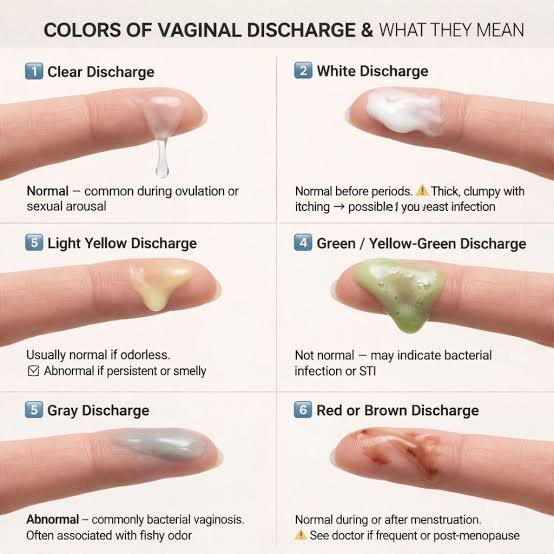
Normal vs Abnormal White Discharge in Women

Understanding the difference between normal and abnormal vaginal discharge can help you decide whether medical advice is needed.

What Does Normal White Discharge Look Like?

Normal vaginal discharge may be:

  • Clear, transparent or milky white

  • Thin, slippery, sticky or slightly creamy

  • Mild-smelling or without a noticeable smell

  • Unaccompanied by itching, burning or pain

Normal discharge can increase around ovulation, before a period and during pregnancy. These changes are often associated with normal hormonal fluctuations.

What Does Abnormal White Discharge Look Like?

Abnormal discharge may involve:

  • Thick, clumpy discharge with itching or irritation

  • Grey or thin discharge with a fishy smell

  • Yellow or green discharge

  • A strong or unpleasant smell

  • Burning during urination

  • Vaginal soreness, pelvic pain or discomfort

These symptoms can occur with vaginal infections or other conditions. Colour and consistency alone cannot confirm the cause, so a medical assessment may be necessary.

Types of White Discharge and What They May Mean

Types of White Discharge and What They May Mean

1. Thin or Milky White Discharge

Thin or milky white discharge is often normal, particularly when there is no unpleasant smell, itching or discomfort. It may vary throughout the menstrual cycle.

2. Thick White Discharge

Thick white discharge may be normal at certain stages of the menstrual cycle. However, thick, clumpy discharge accompanied by itching, redness or soreness can be associated with a vaginal yeast infection.

3. Yellow or Green Discharge

Yellow or green discharge, especially when accompanied by an unpleasant smell, pain or irritation, may indicate an infection. Some sexually transmitted infections can cause these symptoms, although symptoms vary and may be absent.

4. White Discharge With a Strong or Fishy Smell

A fishy smell, sometimes more noticeable after sexual activity, may be associated with bacterial vaginosis. Other infections can produce similar symptoms, so testing may be needed to determine the cause.

5. White Discharge With Itching or Burning

White discharge accompanied by itching, burning, redness or soreness may occur with a yeast infection or another vaginal condition. Avoid self-diagnosing based on symptoms alone.

Common Causes of White Discharge in Women

1. Hormonal Changes

Hormonal fluctuations during the menstrual cycle can affect cervical mucus and vaginal discharge. The amount and texture may change around ovulation, before menstruation and during other hormonal transitions.

2. Ovulation

Around ovulation, cervical mucus often becomes clearer, wetter and more slippery. Some women notice an increase in discharge during this period.

3. Vaginal Yeast Infection

A vaginal yeast infection may cause thick, clumpy white discharge, itching, redness and soreness. Not everyone experiences all these symptoms, and other conditions can produce similar changes.

4. Bacterial Vaginosis

Bacterial vaginosis occurs when the balance of vaginal bacteria changes. It may cause thin white or grey discharge and a fishy smell. Some women have few or no noticeable symptoms.

5. Sexually Transmitted Infections

Certain sexually transmitted infections can cause changes in discharge, pelvic discomfort, painful urination or bleeding between periods. Some infections may have no symptoms.

A healthcare professional can recommend appropriate testing based on symptoms and medical history.

6. Pregnancy

Increased white or milky discharge can occur during pregnancy because of hormonal changes and increased blood flow to the vaginal area.

Normal pregnancy-related discharge is generally thin or milky white and does not have a strong unpleasant smell. Unusual discharge, itching, pain or bleeding during pregnancy should be assessed by a healthcare professional.

7. Irritation From Personal Care Products

Scented soaps, vaginal deodorants, douches and certain intimate hygiene products may irritate sensitive genital tissues. Avoiding these products can help reduce irritation.

White Discharge Before Period: Is It Normal?

White Discharge Before Period: Is It Normal?

White discharge before a period is often normal. Hormonal changes during the menstrual cycle can cause discharge to become creamy, white or slightly sticky.

The amount and consistency vary between individuals. White discharge before menstruation does not necessarily indicate pregnancy or infection.

Consult a gynecologist if the discharge is accompanied by a strong smell, itching, burning, pelvic pain or an unusual colour.

Can White Discharge Be a Sign of Pregnancy?

Yes, increased white discharge can occur during early pregnancy. It is commonly associated with hormonal changes and increased blood flow to the vaginal area.

However, white discharge alone cannot confirm pregnancy because similar changes can occur during a normal menstrual cycle.

If your period is late or you think you may be pregnant, take a pregnancy test according to its instructions. Seek medical advice if you experience unusual discharge, pain or bleeding.

When Should You Worry About White Discharge?

White discharge deserves medical attention when it changes noticeably or occurs alongside other symptoms.

Consult a gynecologist if you experience:

  • A strong or fishy vaginal smell

  • Persistent itching or burning

  • Thick, clumpy discharge with irritation

  • Yellow, green or grey discharge

  • Pain during urination

  • Pain during sexual activity

  • Pelvic or lower abdominal pain

  • Unusual bleeding between periods or after sex

  • Symptoms that persist, recur or worsen

Seek prompt medical assessment if you have fever, significant pelvic pain or feel seriously unwell. If you are pregnant and experience bleeding, pain or a sudden gush or persistent leakage of fluid, seek appropriate maternity care.

Early evaluation can help identify the cause and determine the appropriate treatment.

Treatment for White Discharge in Women

Treatment for white discharge depends on the underlying cause. Normal physiological discharge generally does not require medication.

Treatment for Vaginal Yeast Infection

A confirmed or clinically diagnosed yeast infection may be treated with appropriate antifungal medication. The choice of treatment depends on the symptoms, medical history and whether pregnancy is possible.

Treatment for Bacterial Vaginosis

Bacterial vaginosis may require prescription antibiotics. The appropriate medicine and duration depend on the clinical assessment.

Treatment for Sexually Transmitted Infections

Treatment depends on the specific infection identified. Testing, prescribed medication and partner management may be necessary in certain cases.

Management of Irritation

If irritation is related to scented products or other potential triggers, avoiding the suspected irritant may help. Persistent symptoms still require assessment.

Important: Do not start antibiotics, antifungal medicines or hormonal treatment without appropriate medical guidance. Using the wrong treatment can delay diagnosis and may worsen irritation.

Home Care and Prevention Tips

The following habits can support vaginal health:

  • Wash the external genital area gently with water or a mild, unscented product.

  • Avoid vaginal douching and scented intimate hygiene products.

  • Wear comfortable, breathable underwear.

  • Change out of wet clothing when practical.

  • Follow safer-sex practices and seek STI testing when indicated.

  • Avoid unnecessary vaginal creams, antibiotics and unverified home remedies.

  • Seek medical advice for persistent or recurrent symptoms.

Good hygiene supports comfort, but it cannot prevent every vaginal infection. Avoid inserting yoghurt, herbal preparations or other home remedies into the vagina.

When to See a Gynecologist for White Discharge

Consider consulting a gynecologist if you are unsure whether your discharge is normal, experience repeated infections or notice changes accompanied by pain, itching, burning or an unpleasant smell.

A medical assessment may include a review of your menstrual cycle, symptoms, medical history and any relevant sexual health concerns. Depending on the findings, a clinician may recommend an examination, vaginal swab, urine test or other investigations.

Women experiencing recurrent symptoms should receive an appropriate evaluation rather than repeatedly using over-the-counter treatments without a confirmed diagnosis.

Consult Dr. Nitasha Gupta for Women’s Health Concerns

Dr. Nitasha Gupta is a Consultant Gynecologist and IVF Specialist associated with Kore Fertility Centre in Zirakpur. Women from Zirakpur, Chandigarh, Mohali, Panchkula and surrounding areas can seek medical advice for vaginal discharge concerns, menstrual irregularities, PCOS and other gynecological or fertility-related issues.

If you are experiencing unusual white discharge, persistent itching, an unpleasant smell or discomfort, a consultation can help determine whether further evaluation or treatment is needed.

Book your appointment: Contact Dr. Nitasha Gupta.

Frequently Asked Questions About White Discharge

1. Is white discharge normal every day?

Yes. Vaginal discharge can occur daily and helps maintain vaginal health. Its amount and consistency can vary throughout the menstrual cycle. A strong smell, itching, burning or pain warrants medical assessment.

2. What are the main causes of white discharge in women?

Common causes include normal hormonal changes, ovulation, pregnancy, vaginal yeast infections, bacterial vaginosis and certain sexually transmitted infections. The cause depends on the symptoms and clinical findings.

3. When is white discharge a problem?

White discharge may require medical evaluation if it has a strong unpleasant smell, is accompanied by itching or burning, changes to an unusual colour, or occurs with pelvic pain or painful urination.

4. Is thick white discharge normal?

Thick white discharge can be normal at certain stages of the menstrual cycle. If it is clumpy and accompanied by itching, redness or soreness, a yeast infection is one possible cause.

5. Can white discharge before a period be normal?

Yes. Hormonal changes before menstruation can cause white or creamy discharge. However, discharge with a strong smell, itching, pain or unusual colour should be assessed.

6. Does white discharge mean pregnancy?

No. White discharge can increase during pregnancy, but it also occurs during a normal menstrual cycle. A pregnancy test is a more reliable way to check whether you are pregnant.

7. Can stress cause white discharge?

Stress may affect menstrual patterns and hormonal regulation, but it should not automatically be considered the cause of unusual discharge. Persistent symptoms or discharge accompanied by irritation, an unpleasant smell or pain should be assessed.

8. Does white discharge go away on its own?

Normal physiological discharge does not require treatment. Discharge caused by an infection may require specific medication. Seek medical advice if symptoms persist, recur or worsen.

9. Can I treat white discharge at home?

Normal discharge generally needs no treatment. Gentle external hygiene and avoiding scented products may help prevent irritation, but suspected infections need appropriate evaluation. Avoid self-medicating with antibiotics or antifungal medicines without suitable guidance.

10. Which doctor should I consult for white discharge?

A qualified gynecologist can assess abnormal vaginal discharge, identify possible causes and recommend appropriate treatment. Women in Zirakpur, Chandigarh, Mohali and Panchkula can contact Dr. Nitasha Gupta’s clinic to enquire about consultation availability.

Medical References

Medical disclaimer: This article is intended for educational purposes and does not replace individual medical advice, diagnosis or treatment. Symptoms and treatment needs vary between individuals. Consult a qualified healthcare professional for personalised guidance.