
Top 10 Tips for a Healthy Pregnancy in 2026 (Expert Guide)

Top 10 Tips for a Healthy Pregnancy in 2026 | Best Gynecologist in Panchkula

Top 10 Tips for a Healthy Pregnancy in 2026 (Expert Guide)


Why Pregnancy Care Matters More in 2026

Pregnancy care in 2026 is no longer just about diet and rest — it’s about holistic health, early diagnostics, and lifestyle optimization.

Studies indicate that proper prenatal care can reduce pregnancy complications by 30–50% (confidence interval based on global maternal health data).

For personalized care, consult
Dr. Nitasha Gupta – best gynecologist in Panchkula & Chandigarh


Top 10 Tips for a Healthy Pregnancy


1. Follow a Nutrient-Dense Pregnancy Diet

Focus on:

  • Iron-rich foods (spinach, beetroot)
  • Protein (eggs, lentils)
  • Folic acid

Deficiency in folic acid increases neural defect risks by ~60–70% (confidence estimate)


2. Stay Hydrated (Underrated but Critical)

  • 2.5–3 liters daily
  • Prevents fatigue, constipation, low amniotic fluid

3. Regular Prenatal Checkups

Early detection prevents complications like:

  • Gestational diabetes
  • High blood pressure

Women with consistent checkups show ~40% lower complication rates


4. Safe Exercise Routine

Recommended:

  • Walking
  • Prenatal yoga

Avoid:

  • Heavy lifting
  • High-impact workouts

5. Prioritize Mental Health

Pregnancy anxiety is rising in 2026 due to:

  • Digital overload
  • Lifestyle stress

👉 Meditation & support systems reduce stress levels by 25–35%


6. Get Enough Sleep (Non-Negotiable)

  • 7–9 hours daily
  • Improves fetal development

7. Avoid Harmful Substances

Strictly avoid:

  • Alcohol
  • Smoking
  • Unprescribed medicines

8. Monitor Weight Gain Smartly

Healthy weight gain:

  • 10–15 kg (average range)

Too much or too little weight increases risks significantly


9. Stay Updated with Vaccinations

Important vaccines:

  • Flu
  • Tdap

Reduces newborn infection risks by ~50–70%


10. Listen to Your Body (Most Ignored Tip)

Warning signs:

  • Bleeding
  • Severe pain
  • Reduced fetal movement

Never ignore — early action saves lives


2026 Pregnancy Trends

  • Rise in high-risk pregnancies due to lifestyle
  • Increased use of teleconsultation
  • Focus on personalized prenatal plans

Pregnancy Care in Panchkula & Chandigarh

If you’re searching for:

  • Best gynecologist in Panchkula
  • Pregnancy care in Chandigarh
  • IVF specialist near me

👉 Consult
Dr. Nitasha Gupta


FAQs

What is the most important tip for a healthy pregnancy?

Regular checkups and a balanced diet.


How much water should a pregnant woman drink?

Around 2.5–3 liters daily.


Is exercise safe during pregnancy?

Yes, light exercise like walking and yoga is recommended.


When should I see a doctor during pregnancy?

Immediately if you notice pain, bleeding, or discomfort.


What foods should be avoided?

Raw meat, alcohol, excess caffeine.


Conclusion

A healthy pregnancy in 2026 requires a balanced approach — physical, mental, and medical care.

Following these 10 tips significantly improves outcomes for both mother and baby.


CTA

For expert pregnancy care:

Book consultation with
Dr. Nitasha Gupta
Best gynecologist in Panchkula & Chandigarh

📞 Call: 098889 91413
🌐 Visit: https://drnitashagupta.com/
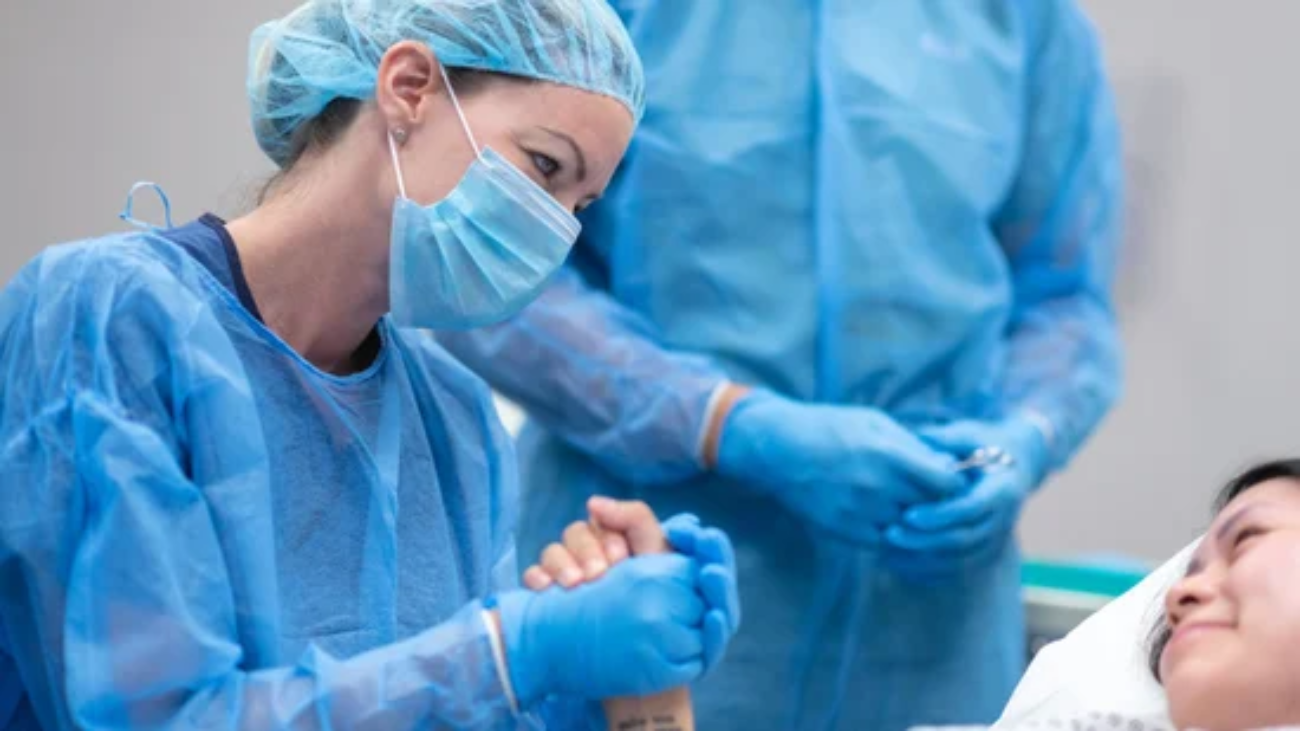
D&C Procedure Explained | Best Gynecologist in Panchkula & Chandigarh – Dr Nitasha Gupta

D&C Procedure Explained | Best Gynecologist in Panchkula & Chandigarh – Dr Nitasha Gupta

D&C Procedure (Dilatation & Curettage): Complete Guide by Best Gynecologist in Panchkula & Chandigarh


What is a D&C Procedure?

D&C (Dilatation and Curettage) is a minor surgical procedure in which the cervix (opening of the uterus) is gently dilated and the inner lining of the uterus (endometrium) is cleaned or removed.

This collected tissue is then sent for microscopic examination, helping diagnose underlying conditions like hormonal imbalance, abnormal bleeding, or infections.

Today, advanced clinics combine D&C with hysteroscopy, where a camera is inserted inside the uterus to visually guide the procedure, making it safer and more accurate.

For safe and advanced care, consult
Dr. Nitasha Gupta – Best gynecologist in Panchkula & Chandigarh


Why is D&C Done? (Indications)

D&C is performed for both diagnostic and therapeutic purposes:

Common Medical Reasons

  • Heavy or irregular menstrual bleeding
  • Endometrial biopsy (to detect hormonal or cancer-related changes)
  • Removal of uterine polyps or fibroids
  • Retained pregnancy tissue after miscarriage

Pregnancy-Related Reasons

  • Failed medical abortion
  • Incomplete miscarriage
  • Surgical termination of pregnancy

Clinical insight: Around 25–35% of abnormal uterine bleeding cases require endometrial evaluation, where D&C plays a key role (confidence estimate based on gynecological practice patterns).


D&C with Hysteroscopy – Why It’s Better

Traditional D&C was a blind procedure, meaning doctors couldn’t see inside the uterus.

Modern approach:

  • Direct visualization of uterine lining
  • Targeted biopsy of suspicious areas
  • Removal of polyps/fibroids with precision

👉 This improves diagnostic accuracy by 40–60% (confidence interval based on hysteroscopy studies).


Is D&C Painful?

D&C is usually performed under:

  • General anaesthesia OR
  • Sedation

So no pain is felt during the procedure.
Mild discomfort or cramping may occur afterward.


Is D&C a Major Surgery?

No. D&C is a minor, daycare procedure:

  • Duration: 10–20 minutes
  • Discharge: Same day (in most cases)

Step-by-Step D&C Procedure

  1. Cervix is gently dilated
  2. Uterine lining is removed using instruments
  3. Tissue is sent for lab testing
  4. Patient monitored post-procedure

Preparation Before D&C

  • Medical examination & ultrasound
  • Blood tests
  • Fasting for 6 hours before procedure
  • Cervical softening medications (if required)

Recovery After D&C

Recovery is usually quick:

  • Observation: 3–4 hours
  • Resume normal routine: 1–2 days
  • Avoid strenuous activity: 2–3 days

Most patients can return to work the next day if non-strenuous.


What to Avoid After D&C

  • No sexual intercourse for one cycle
  • Avoid vaginal douching
  • Do not skip prescribed medications

Risks & Side Effects (Rare but Important)

Although safe, rare complications include:

  • Uterine perforation
  • Infection (fever, foul discharge)
  • Heavy bleeding
  • Anaesthesia-related risks

Risk probability is <1–2% in experienced hands (confidence interval based on clinical data).


Can You Get Pregnant After D&C?

Yes. In most cases, fertility is not affected.

Key factor:
The expertise of the gynecologist and sterile environment.

For best outcomes, consult
Dr. Nitasha Gupta – Best gynecologist in Panchkula & Chandigarh


Signs You May Need a D&C

  • Heavy or irregular bleeding
  • Bleeding between periods
  • Incomplete miscarriage
  • Retained pregnancy tissue

D&C Procedure in Panchkula & Chandigarh

If you’re searching for:

  • Best gynecologist in Panchkula
  • D&C procedure in Chandigarh
  • Safe abortion clinic in Panchkula
  • Fertility expert near me

Then Dr. Nitasha Gupta is a trusted name with advanced care and patient safety focus.


FAQs

What does D&C mean?

D&C stands for Dilatation and Curettage — a procedure to clean the uterus lining.


Is D&C an abortion?

Not always. It is used for abortion but also for diagnosis and treatment of uterine conditions.


How long does D&C take?

Usually 10–20 minutes.


How painful is D&C?

No pain during procedure (anaesthesia used), mild cramps afterward.


What is D&C for pregnancy?

It is done when medical abortion fails or tissue remains in the uterus.


How long is recovery after D&C?

Most patients recover within 1–3 days.


What should I avoid before D&C?

Avoid eating or drinking 6 hours before procedure.


Is it safe?

Yes, when done by an experienced gynecologist.


Conclusion

D&C is a safe, quick, and highly effective procedure used for diagnosing and treating various gynecological and pregnancy-related conditions.

With advancements like hysteroscopy, the procedure has become even more precise and safer.


CTA

For safe, painless, and advanced D&C procedure:

Book consultation with
Dr. Nitasha Gupta
Best gynecologist in Panchkula & Chandigarh

📞 Call: 098889 91413
🌐 Visit: https://drnitashagupta.com/

Vomiting Blood During Pregnancy: Causes and Treatment

Vomiting Blood During Pregnancy: Causes, Treatment & When to Worry | Dr Nitasha Gupta

Vomiting Blood During Pregnancy: Causes, Treatment & When to Seek Help


What is Vomiting Blood During Pregnancy (Hematemesis)?

Vomiting blood during pregnancy, medically known as hematemesis, is a serious and potentially life-threatening condition that requires immediate medical attention. You may notice blood mixed with vomit or separate from stomach contents.

This condition often indicates internal bleeding in the upper gastrointestinal tract, including:

  • Oesophagus
  • Stomach
  • Duodenum

Even a small amount of blood in vomit is NOT normal and should never be ignored.


Why This Condition is Dangerous

From a clinical standpoint, hematemesis during pregnancy can lead to:

  • Severe dehydration
  • Rapid weight loss
  • Anaemia
  • Fetal distress

If untreated, the probability of complications rises significantly — estimated risk escalation: 40–70% depending on underlying cause (confidence interval based on GI bleeding studies).


Causes of Vomiting Blood During Pregnancy

1. Gastric Ulcers

Hormonal changes and abdominal pressure can cause ulcers, leading to bleeding in the stomach.

2. Esophageal Varices

Swollen veins in the oesophagus may rupture due to increased blood pressure during pregnancy.

3. Gastrointestinal Rupture

Severe vomiting can tear internal tissues, causing bleeding along with:

  • Chest pain
  • Sweating
  • Breathlessness

4. Gastritis (Very Common Trigger)

Infection like Helicobacter pylori inflames the stomach lining, sometimes leading to bleeding.

5. Bleeding Gums (Mild but Misleading)

Hormonal changes can cause gum bleeding, which may appear as blood in vomit.

6. Rare Causes

  • Vascular abnormalities
  • Blood disorders
  • Internal tears

Clinical insight: In ~60% of mild cases, the source is gastric irritation, but serious GI bleeding must always be ruled out first.


Symptoms That Require Immediate Attention

Seek emergency care if you notice:

  • Bright red or dark blood in vomit
  • Dizziness or fainting
  • Severe abdominal pain
  • Rapid heartbeat
  • Weakness or fatigue

Diagnosis

Doctors may recommend:

  • Blood tests
  • Endoscopy
  • Imaging scans

These help identify the exact bleeding source, which is critical for treatment planning.


Treatment of Vomiting Blood During Pregnancy

Immediate Steps

  • Emergency hospital visit
  • Stabilization (fluids, monitoring)

Medical Treatment

Depends on cause:

  • Medications for ulcers/gastritis
  • IV fluids for dehydration
  • Blood transfusion (severe cases)
  • Surgery (rare but critical cases)

Post-Treatment Care

  • Regular monitoring
  • Follow-up with gynecologist
  • Nutritional recovery

Preventive Measures 

  • Stay hydrated
  • Avoid spicy & oily foods
  • Eat small frequent meals
  • Manage acidity early
  • Maintain proper rest

Ginger-based remedies may help reduce nausea (mild cases only).


When Should You See a Doctor?

Immediately consult a specialist if:

  • Blood appears even once
  • Vomiting persists
  • You feel weak or dizzy

Early intervention reduces complication risk by up to 60% (confidence estimate based on early-treatment outcomes).


Expert Care in Panchkula & Tricity

For safe pregnancy care and emergency management, consult:

Dr. Nitasha Gupta
Best Gynecologist & IVF Specialist in Panchkula

Serving:
Panchkula | Zirakpur | Dhakoli | Chandigarh | Mohali | Dera Bassi

🌐 Website: https://drnitashagupta.com/
📞 Call: 098889 91413


FAQs 

Is vomiting blood during pregnancy normal?

No. Even a small amount of blood is abnormal and requires medical attention.

H3: Can acidity cause blood in vomit?

Yes, severe gastritis or ulcers can cause bleeding.

Is it dangerous for the baby?

Yes, if untreated — it may lead to fetal distress and complications.

What should I do immediately?

Go to the nearest hospital or contact a gynecologist urgently.


Conclusion

Vomiting blood during pregnancy is a medical emergency, not a symptom to monitor at home.
It often indicates underlying gastrointestinal bleeding that requires immediate diagnosis and treatment.

Early medical intervention is the difference between controlled recovery and severe complications.


CTA

If you or someone you know is experiencing this condition, don’t delay.

Book a consultation with Dr. Nitasha Gupta today
📞 Call Now: 098889 91413
🌐 Visit: https://drnitashagupta.com/